Fast & secure deliveryFree shipping in France from €99Easy returns
Fast & secure deliveryFree shipping in France from €99Easy returns
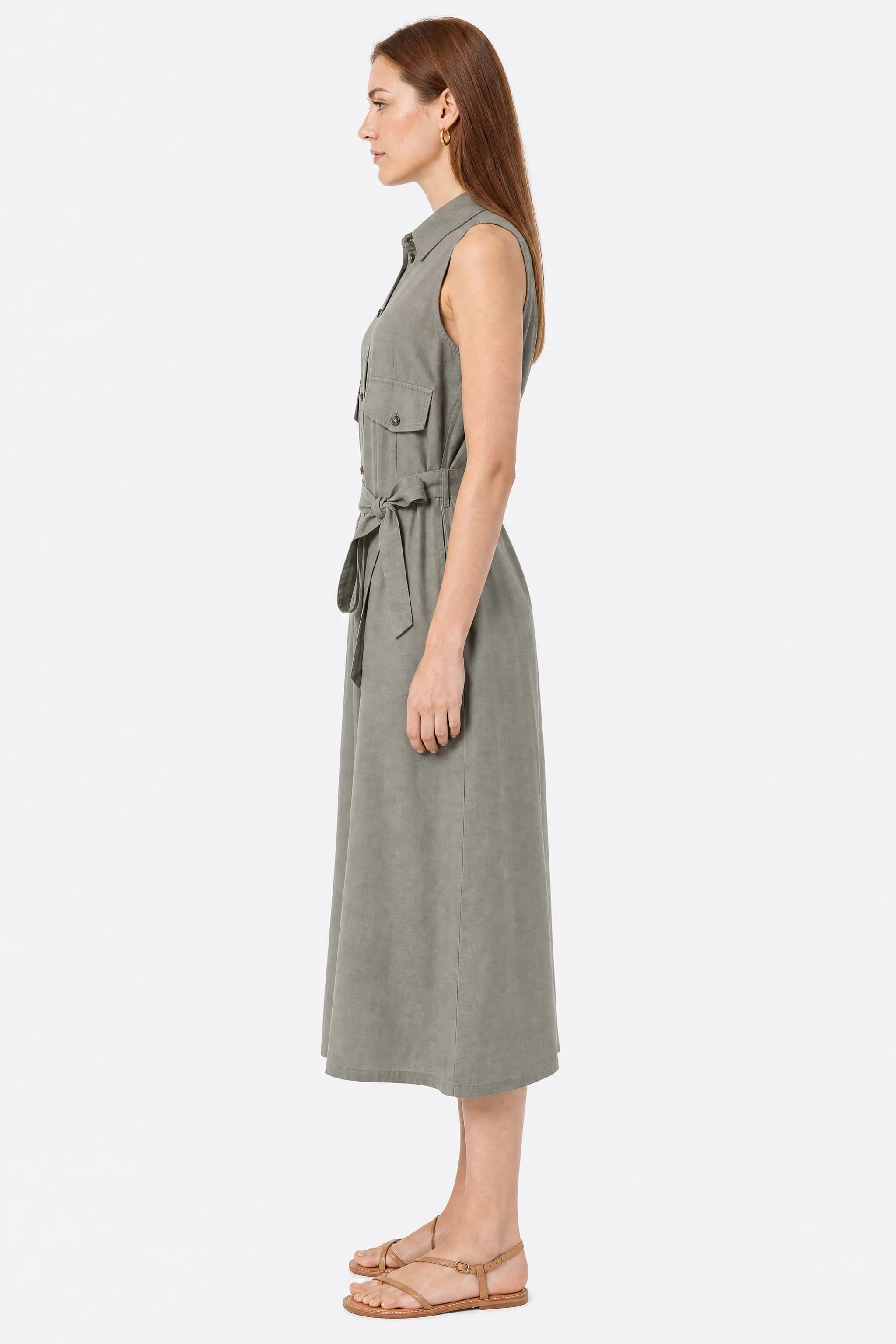
Summer dress women
Women's summer dress: hygroscopic fibers and thermal comfort
Summer heat creates specific physical constraints on clothing: a material that absorbs body moisture (sweat) and releases it outward gives a feeling of freshness. Linen and cotton are hygroscopic (absorb up to 20% of their weight in water) and cool by evaporation. Viscose absorbs but dries slowly. Polyester does not absorb: heat stays against the skin. In summer, the chosen material directly determines thermal comfort.
Summer heat creates specific physical constraints on clothing: a material that absorbs body moisture (sweat) and releases it outward gives a feeling of freshness. Linen and cotton are hygroscopic (absorb up to 20% of their weight in water) and cool by evaporation. Viscose absorbs but dries slowly. Polyester does not absorb: heat stays against the skin. In summer, the chosen material directly determines thermal comfort.
Linen and cotton: hygroscopic fibers
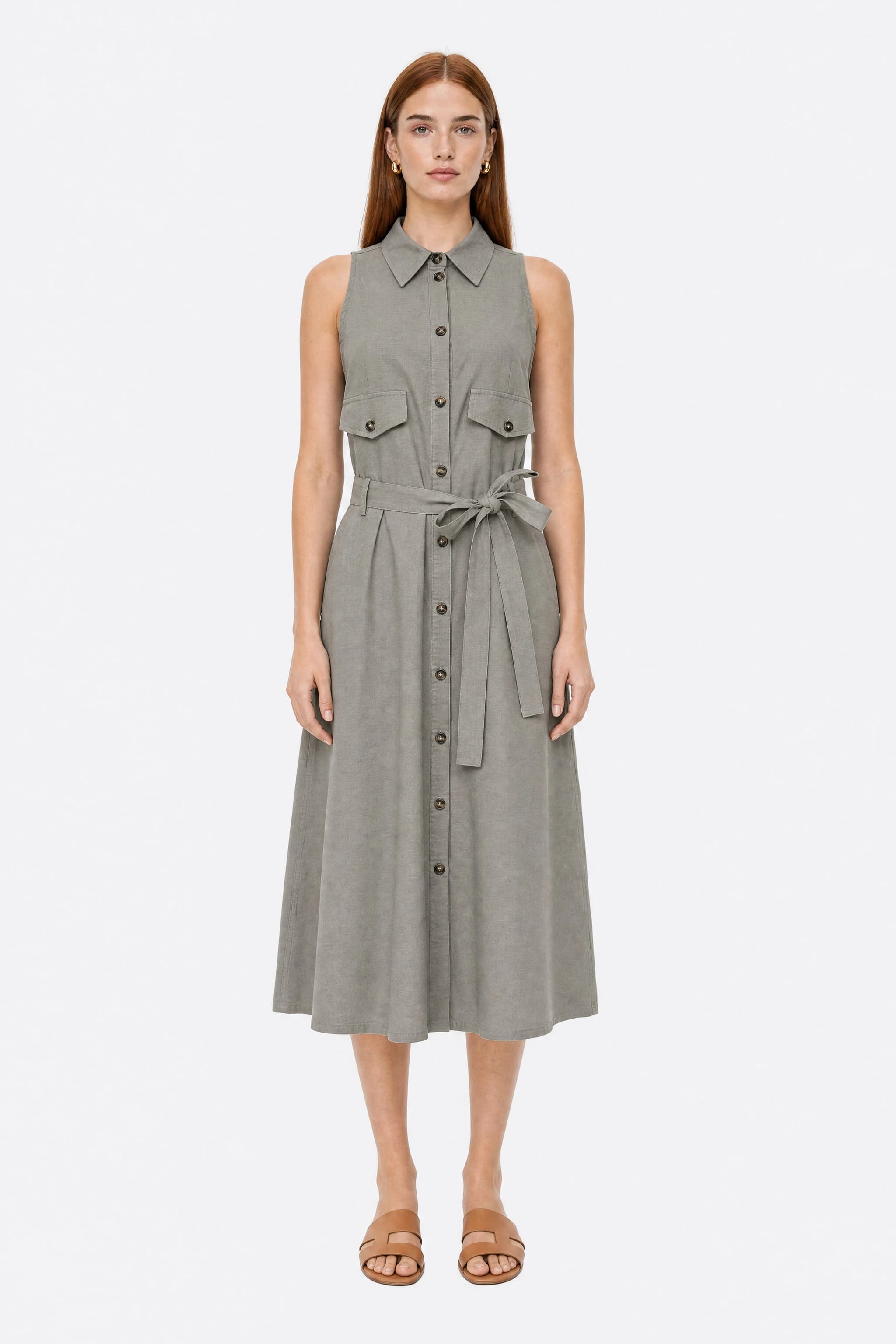
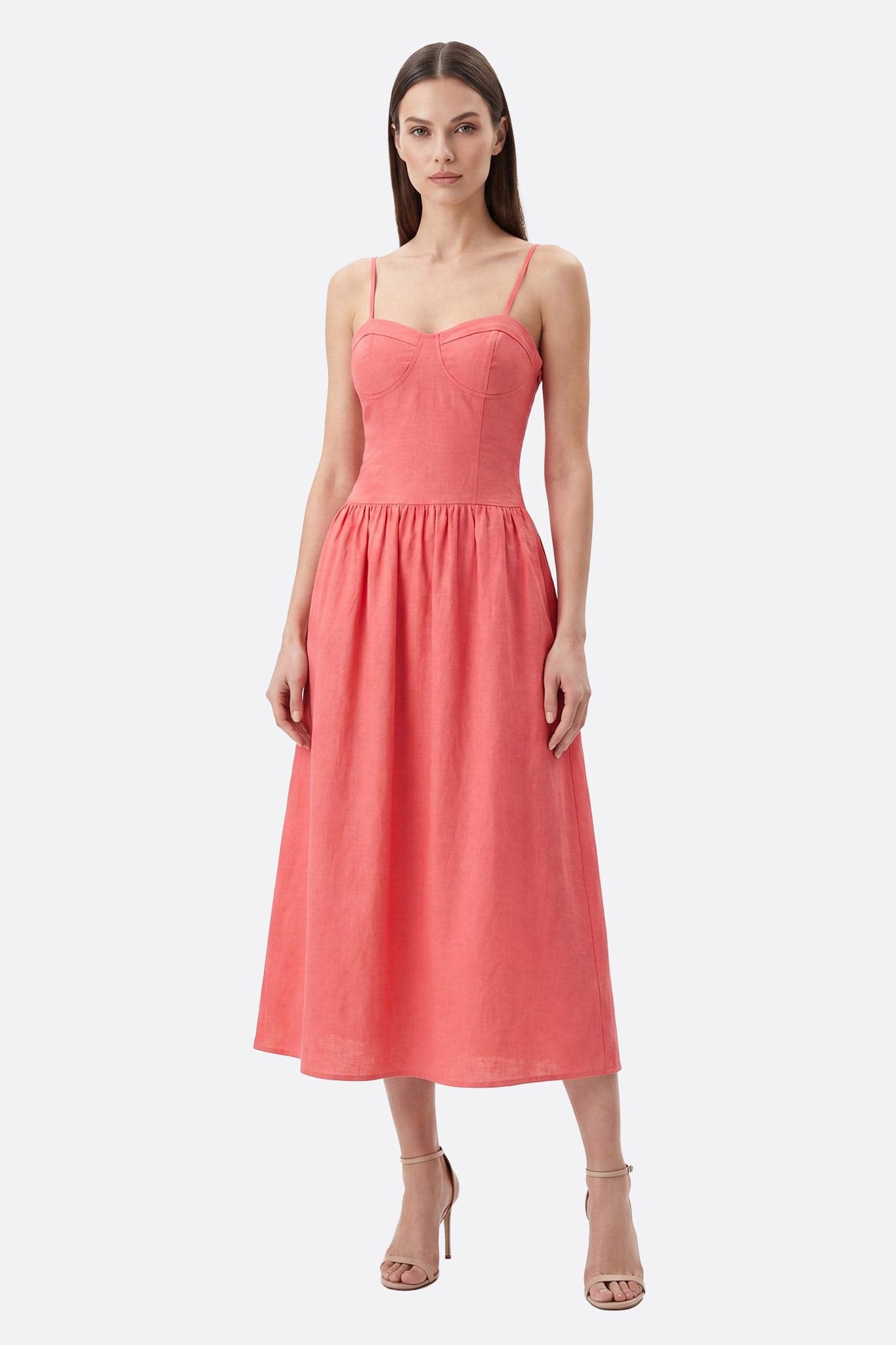
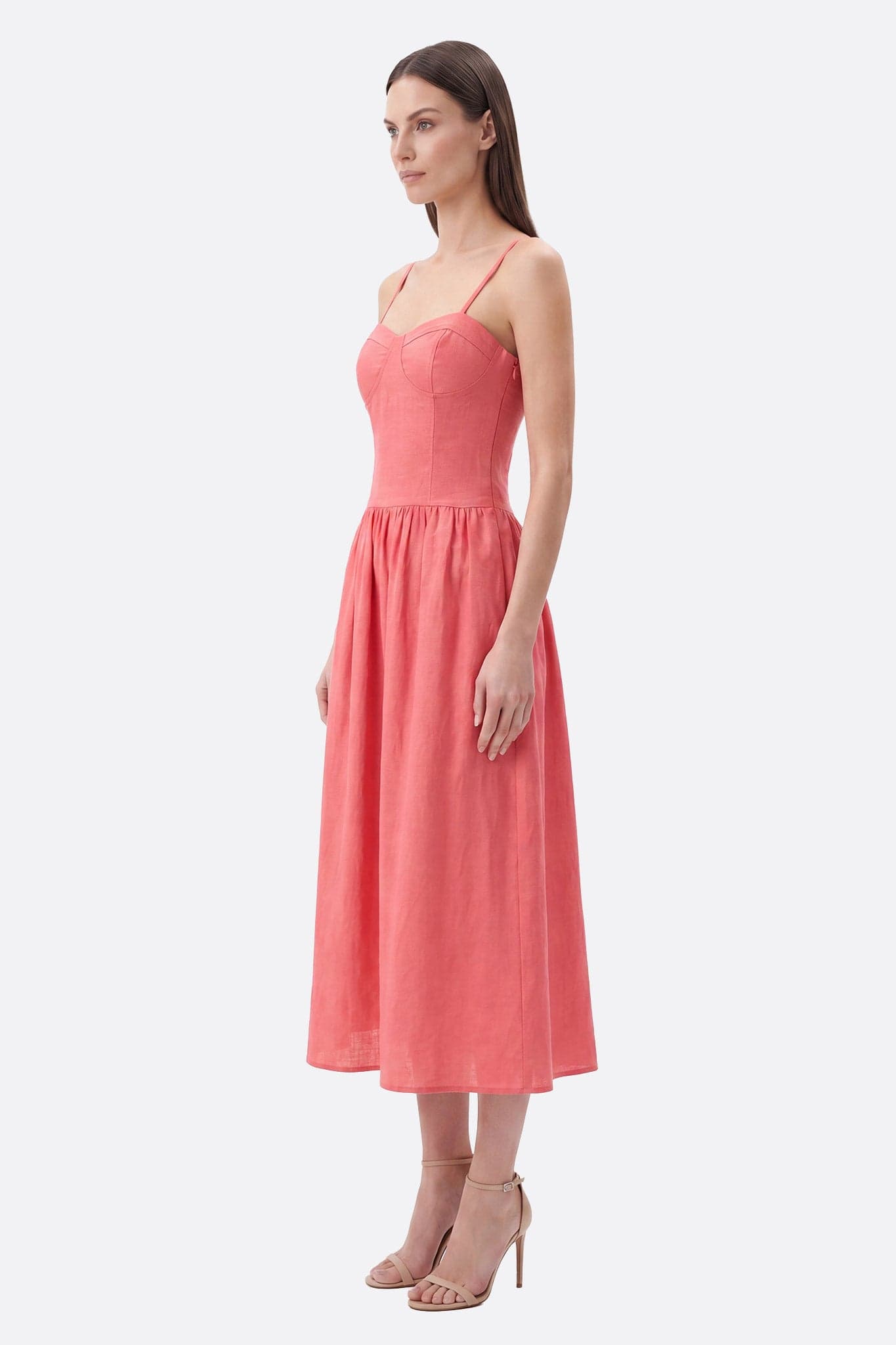
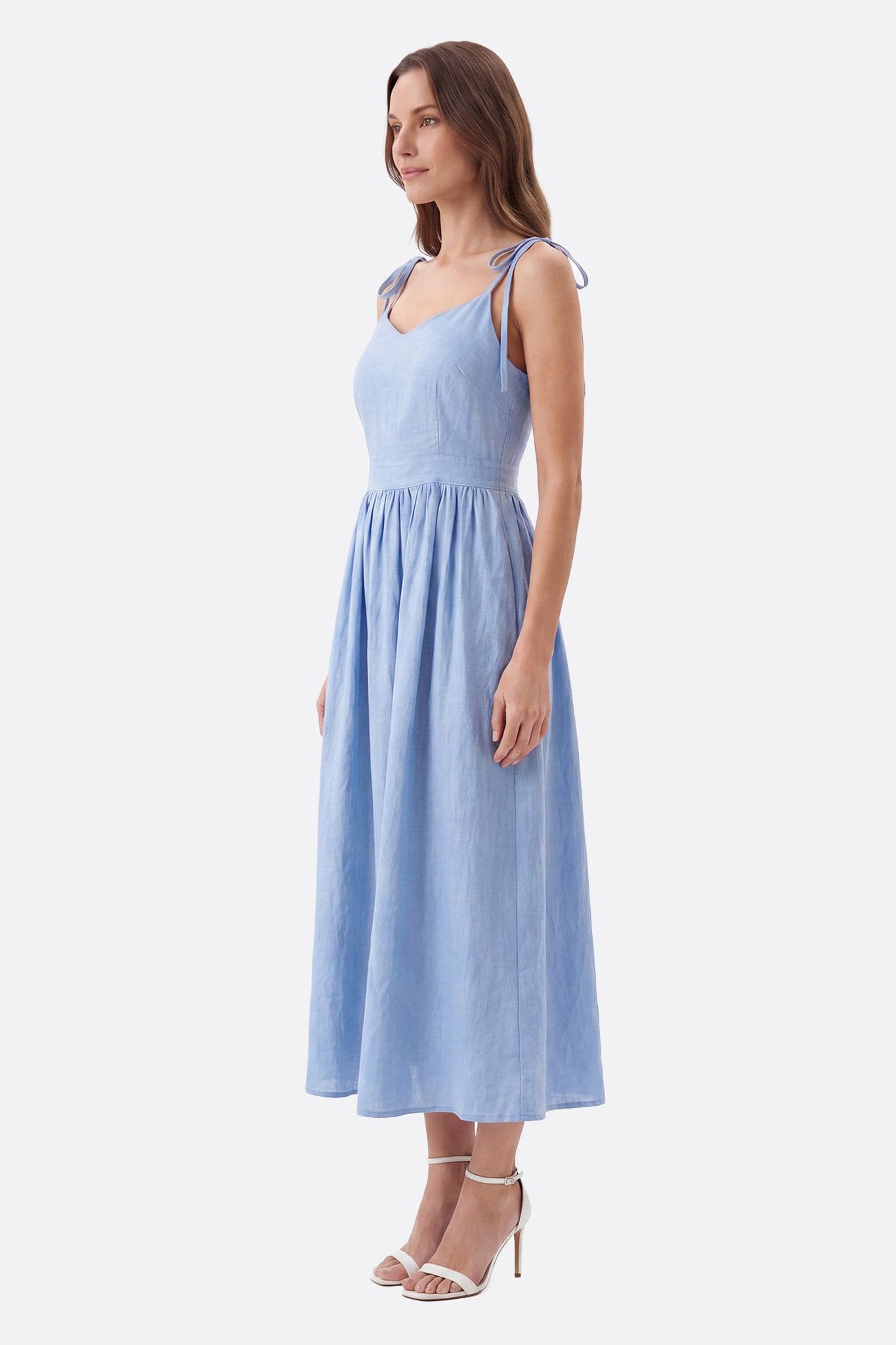
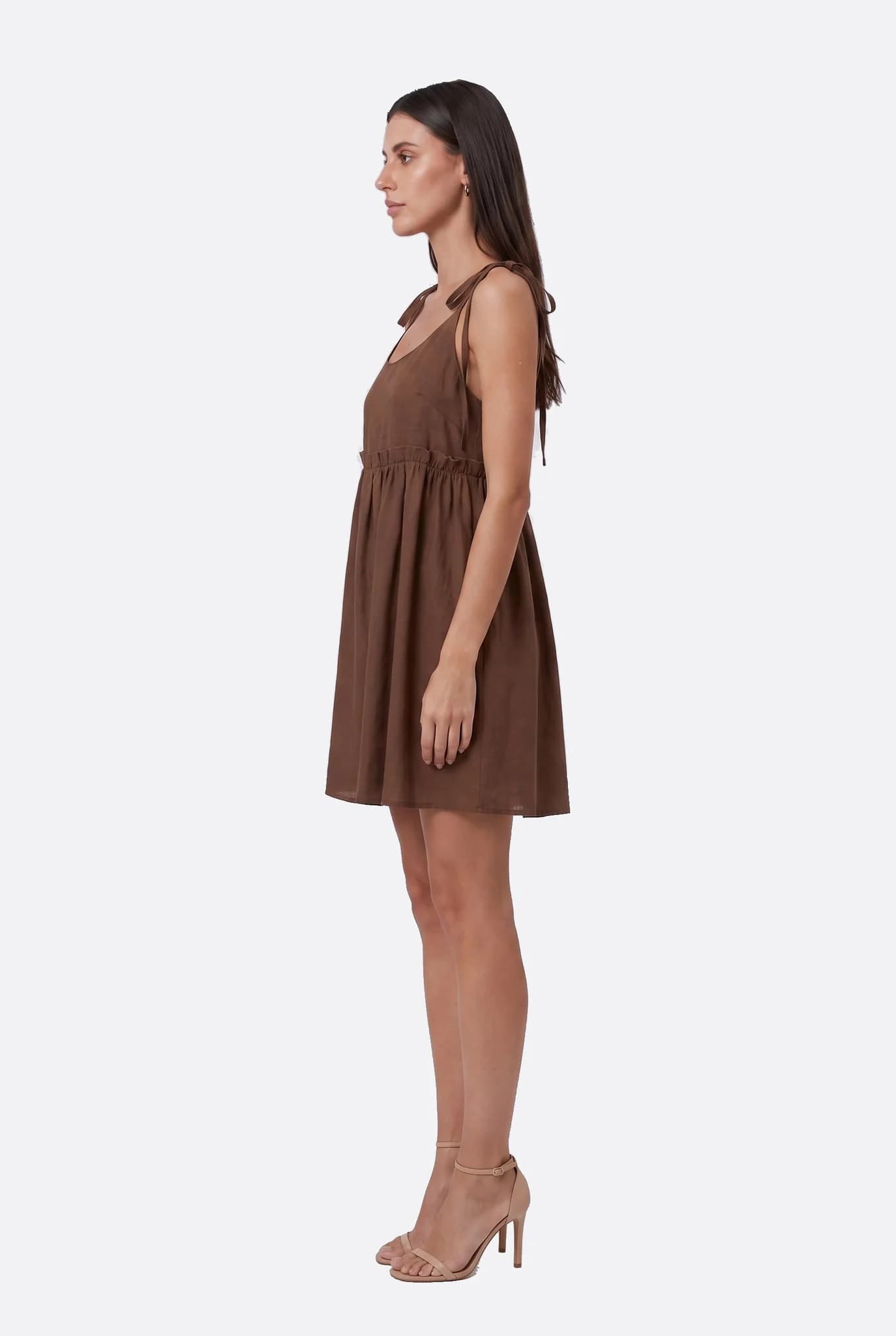
Linen is the coolest fiber in summer: it absorbs up to 20% of its weight in moisture without feeling wet and dries very quickly (faster than cotton) thanks to its tubular structure. A light weight (120-150 g/m2) in linen is sufficiently breathable for hot days. Disadvantage: it wrinkles. Wrinkling is a structural property of linen (rigid fibers that do not return to their initial position after folding): it is not a sign of poor quality, on the contrary. Percale cotton (200 threads/cm2) absorbs well and wrinkles less than linen, but dries less quickly. Voile cotton (100-120 g/m2) is light and transparent: requires a lining or slip dress.
Viscose and silk: the summer dilemma
Viscose (rayon) is soft and drapable but dries slowly: on a hot and active day, it stays damp against the skin longer than linen or cotton. It is ideal for summer evenings (moderate temperatures, less active sweating) rather than very hot days. Silk is thermoregulating: cool in heat, light in cold. But a fine silk dress (chiffon or georgette) wrinkles and requires specific care. Silk is the best material for formal summer evenings. During the day, light silk may seem too dressy for casual settings.
Colors and thermal absorption
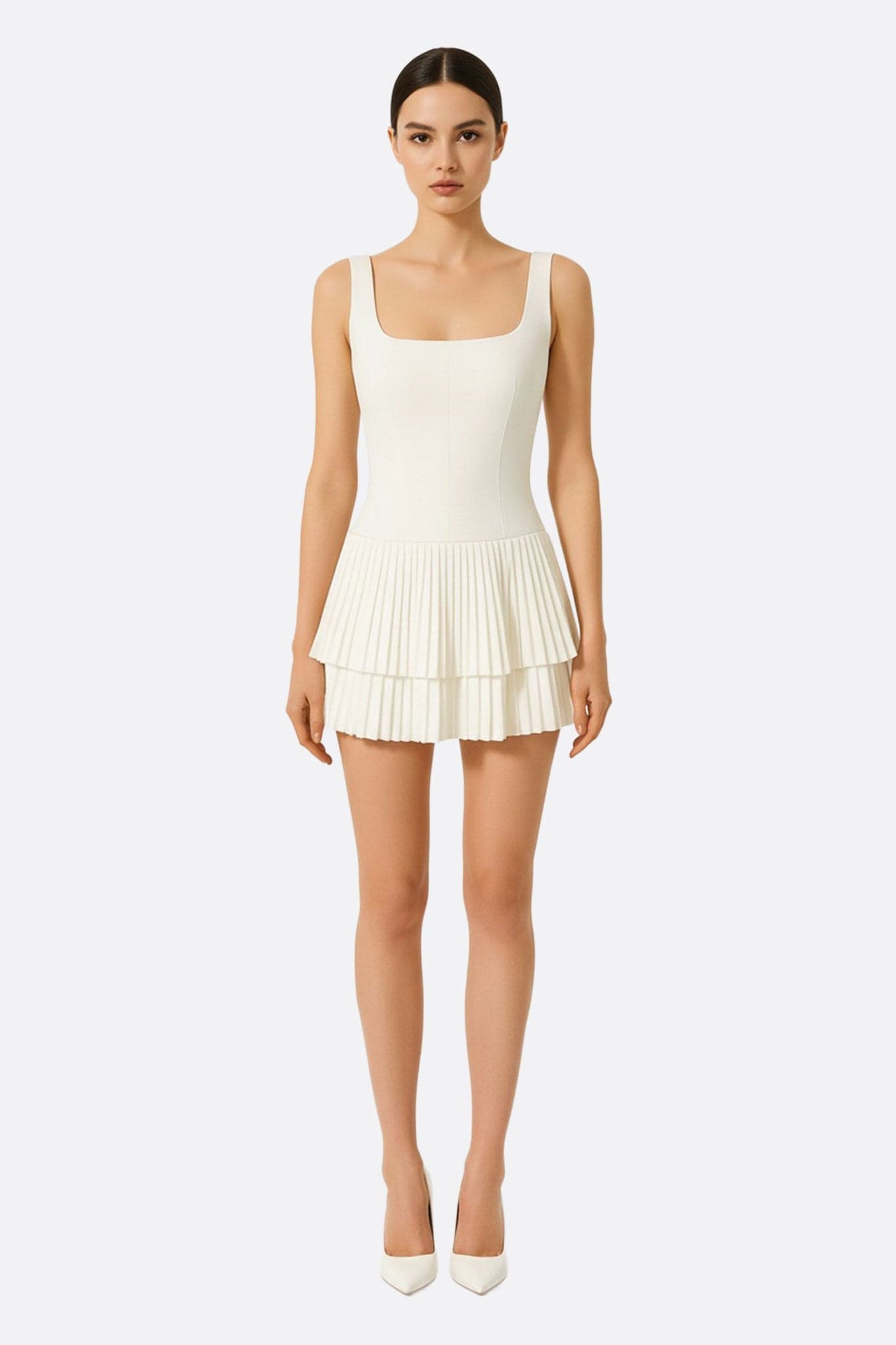
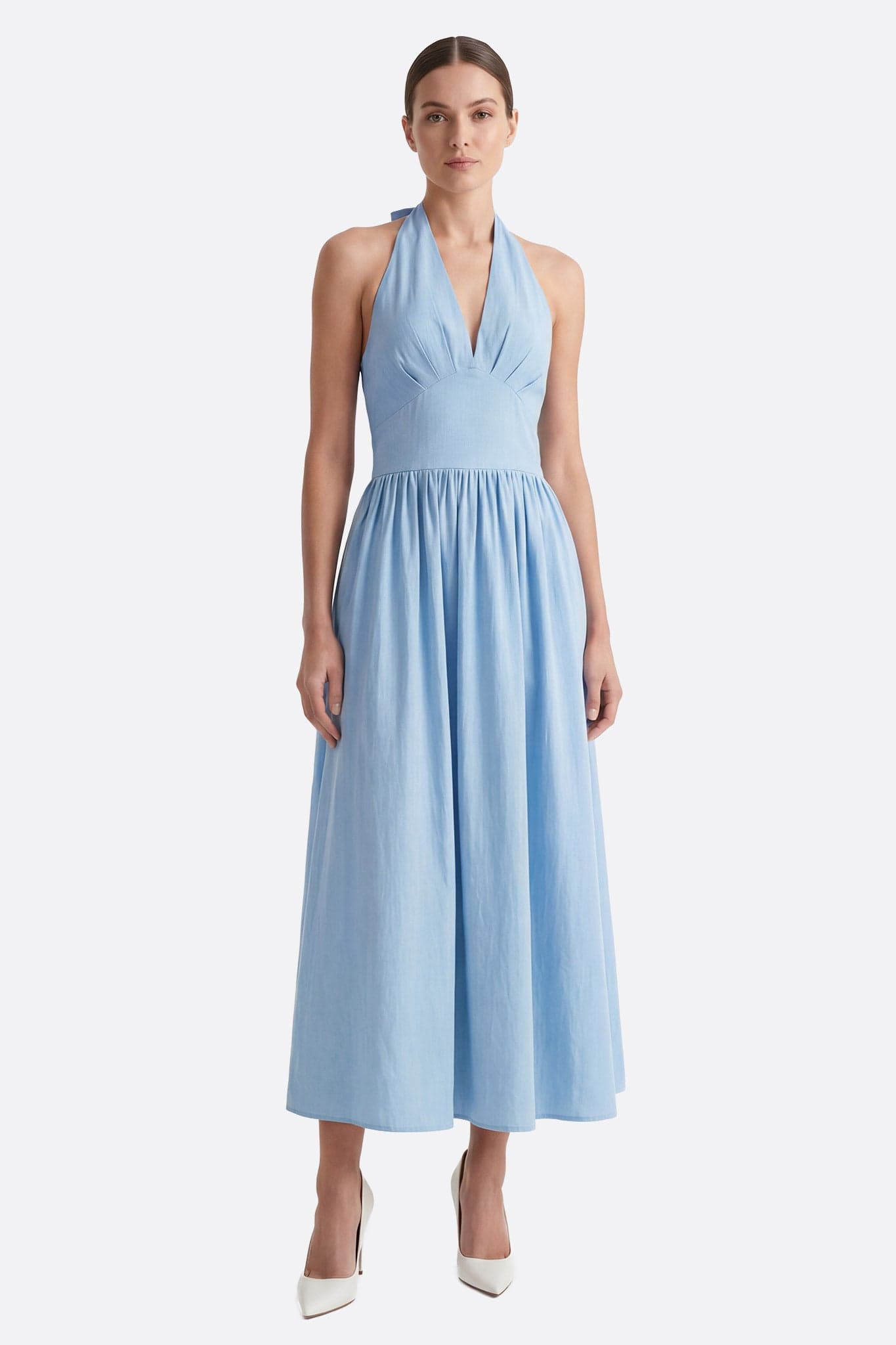
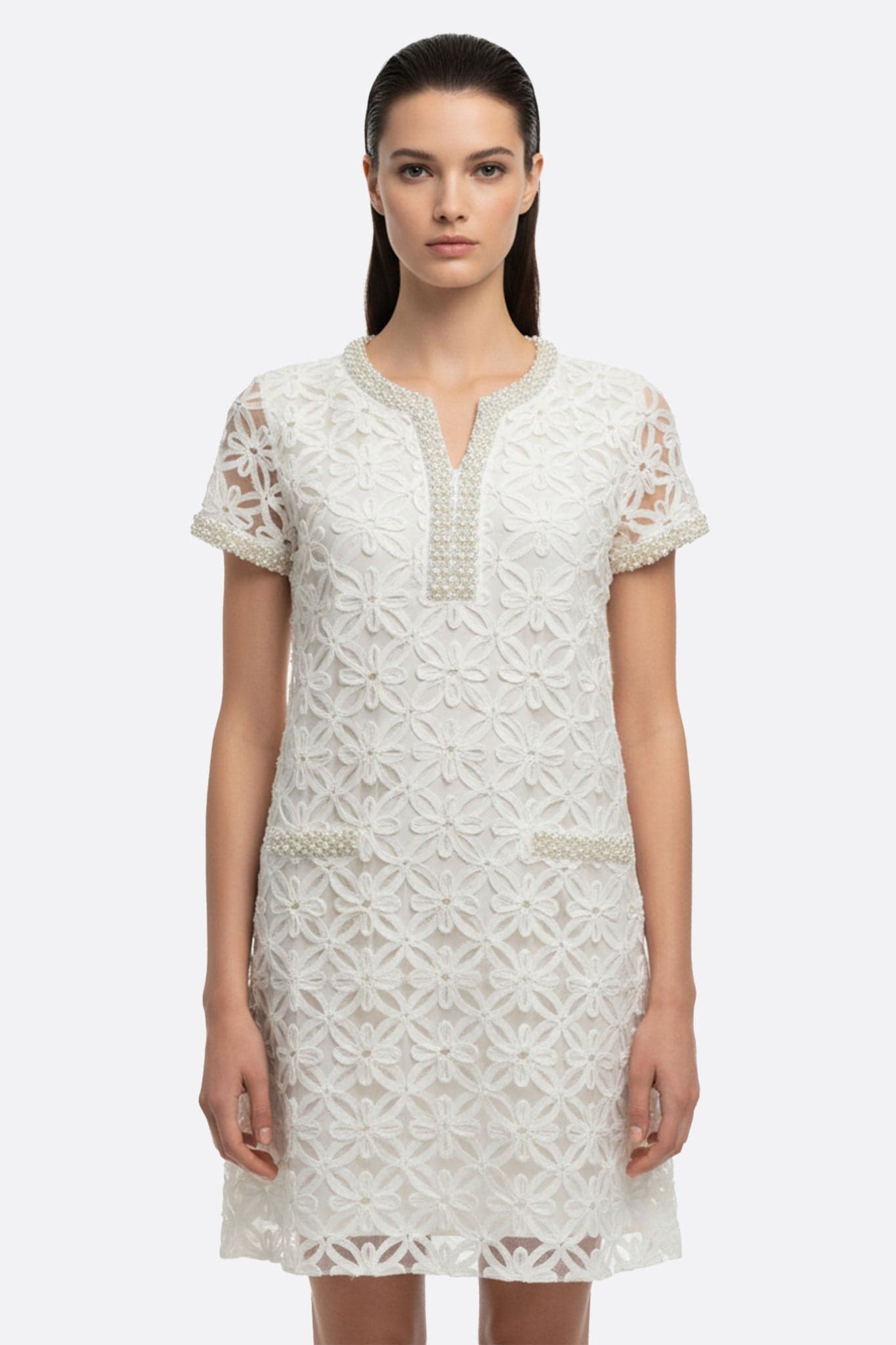
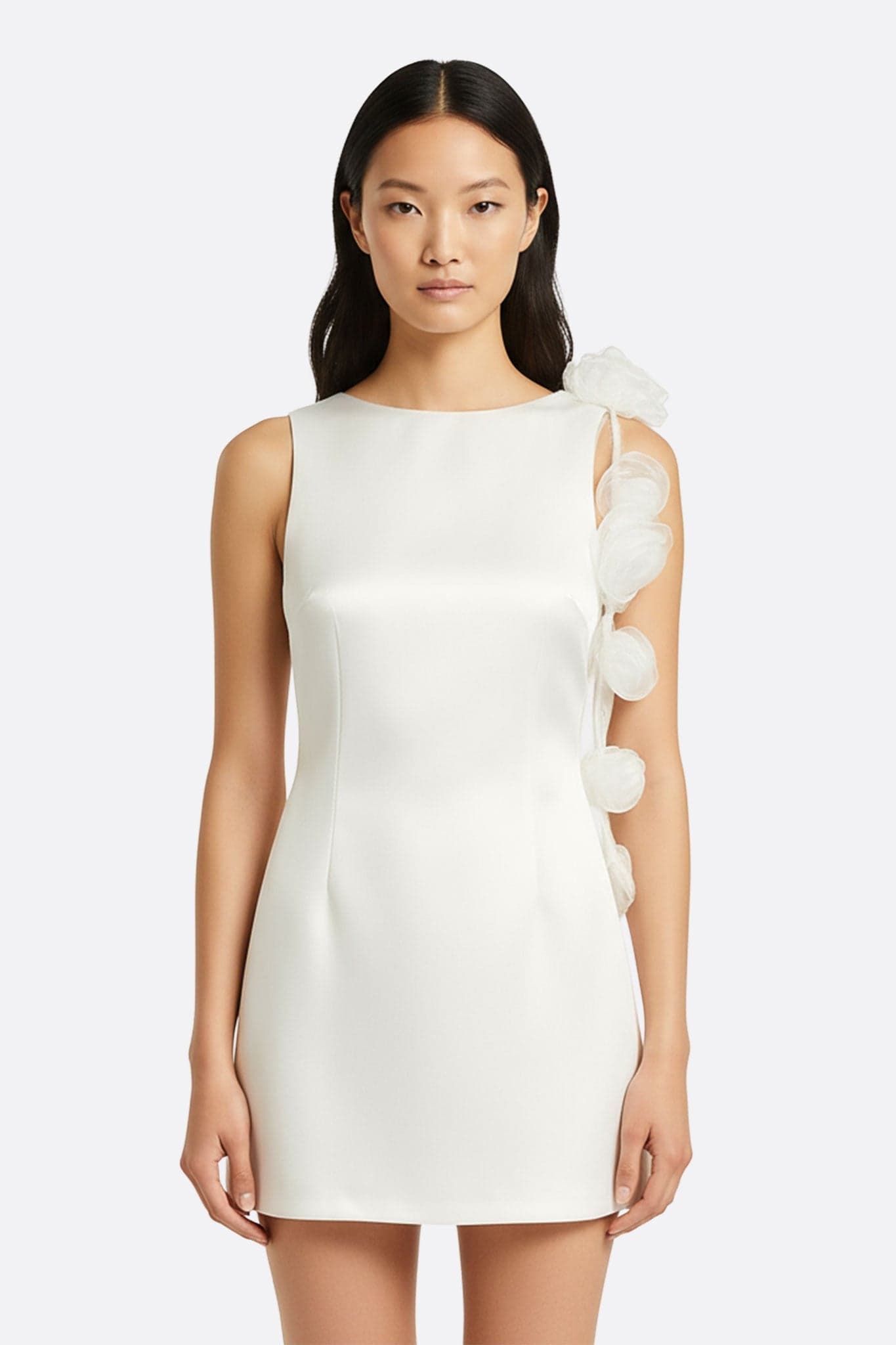
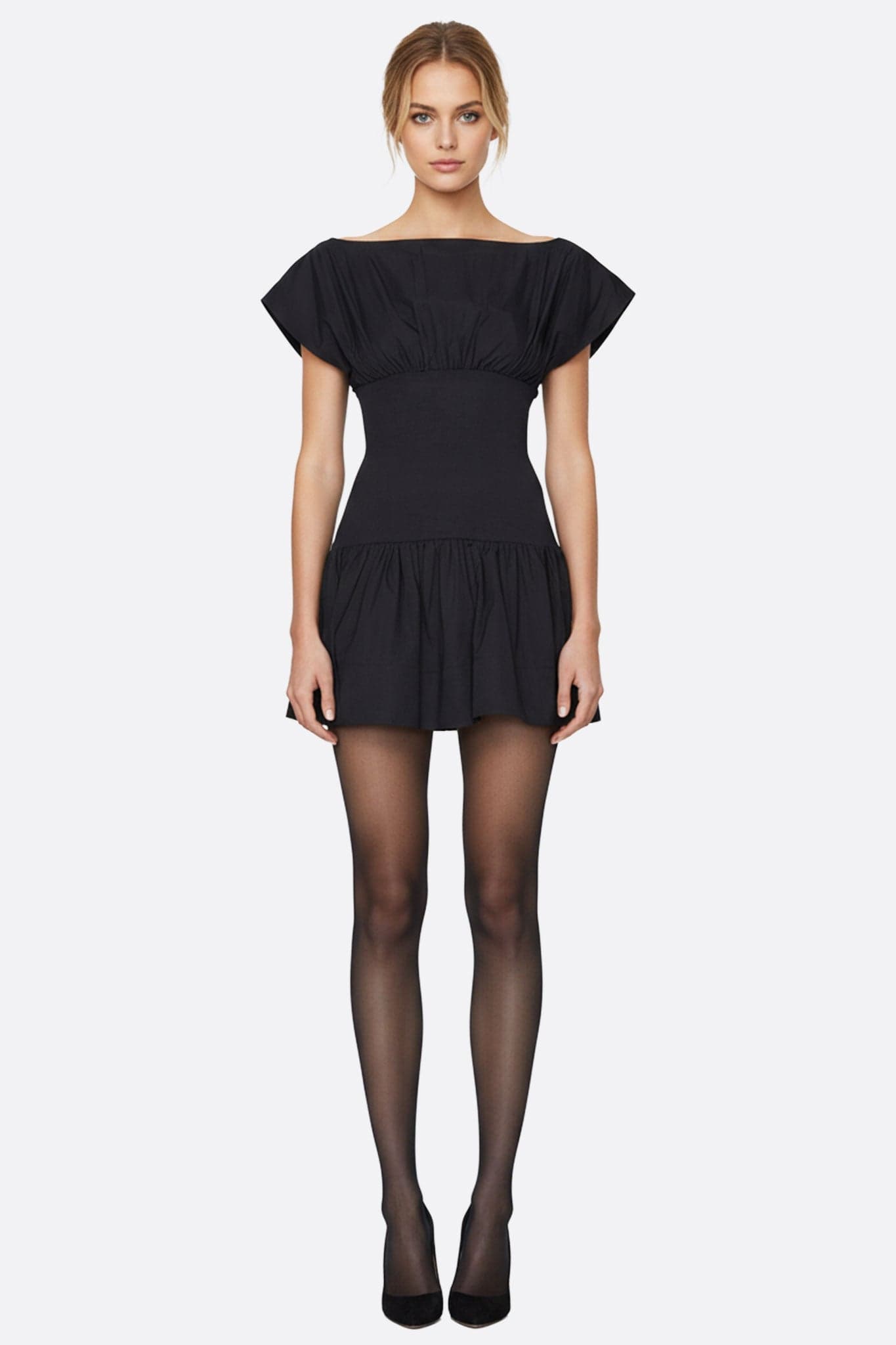
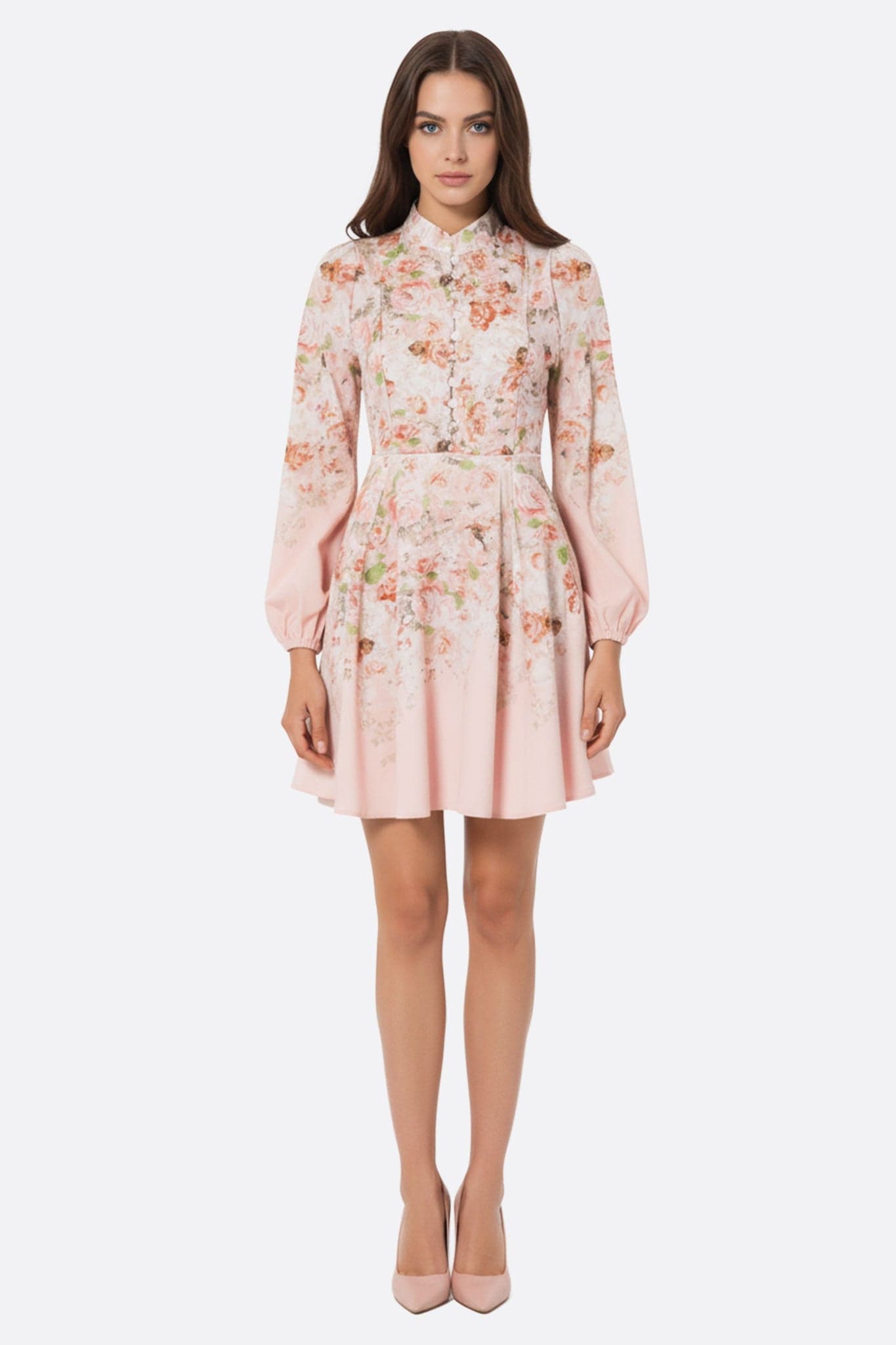
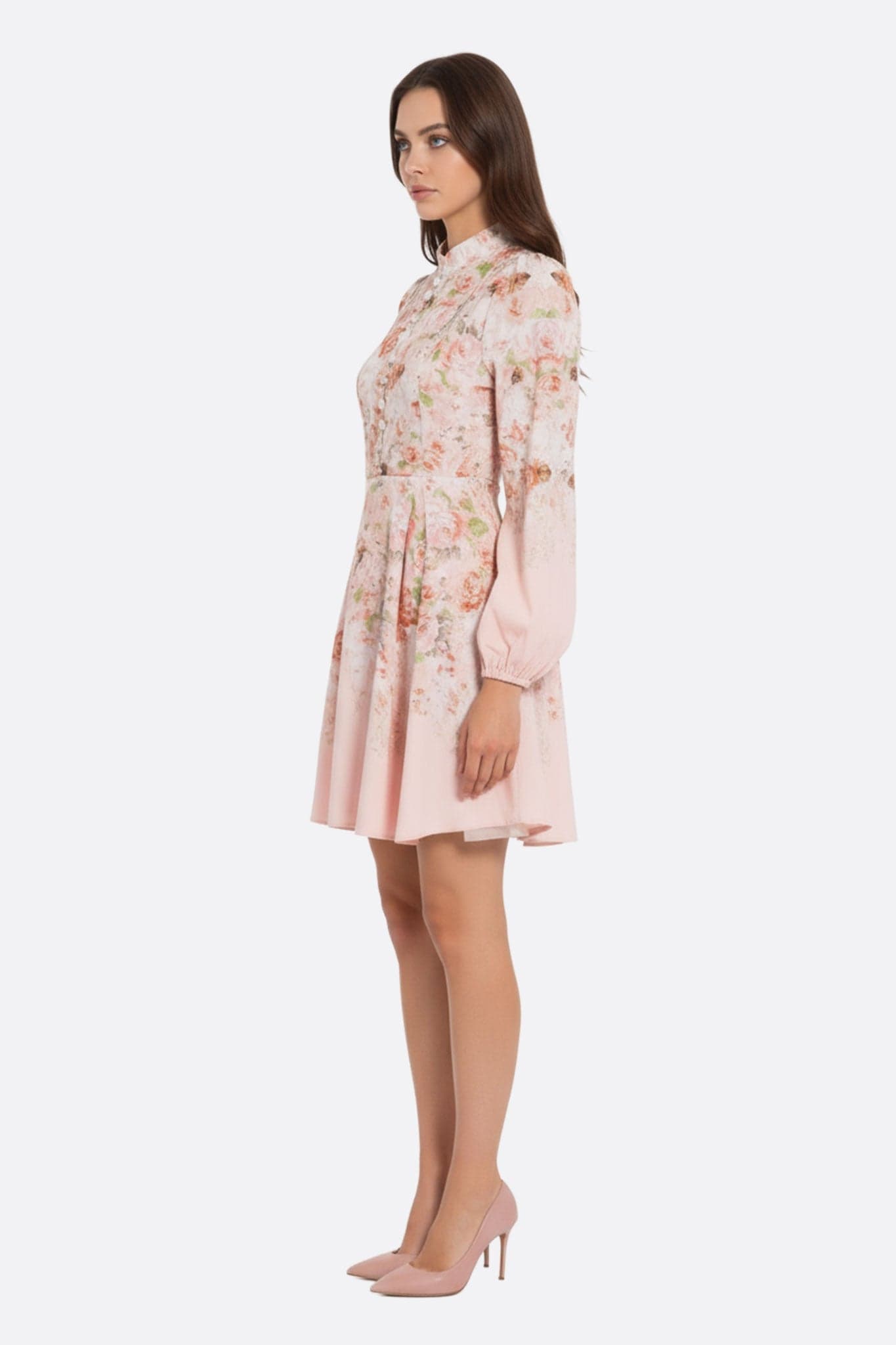
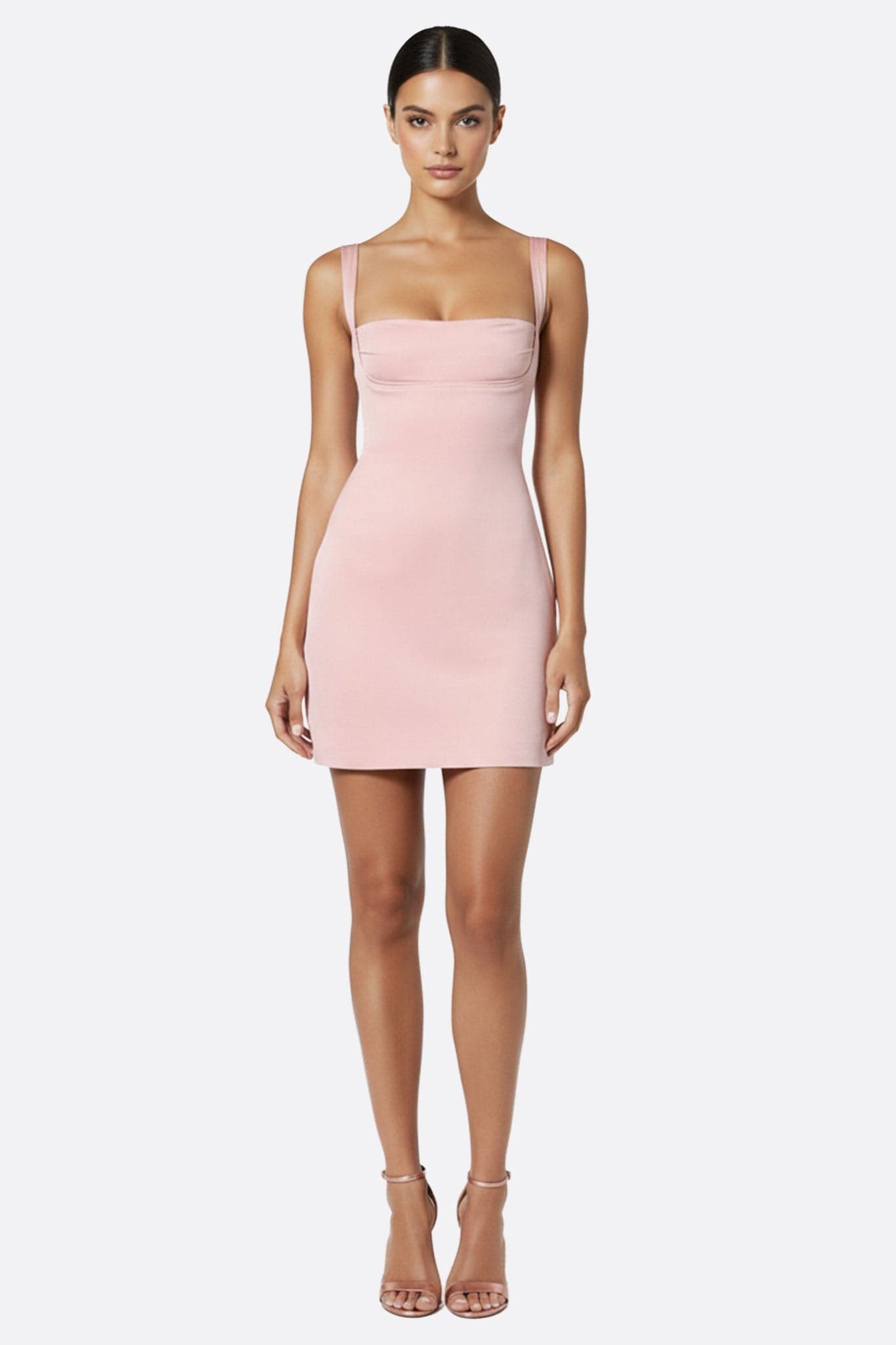
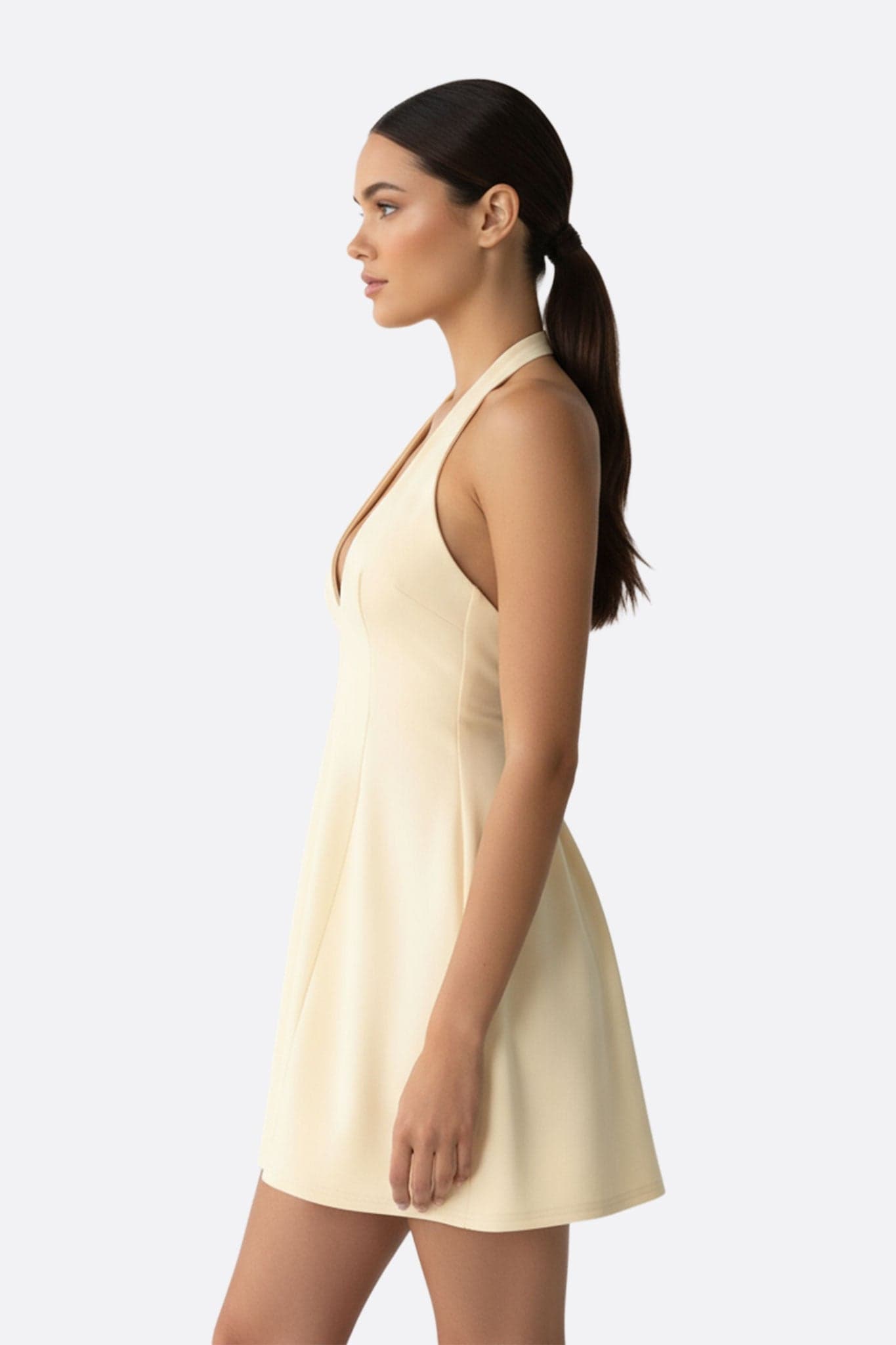
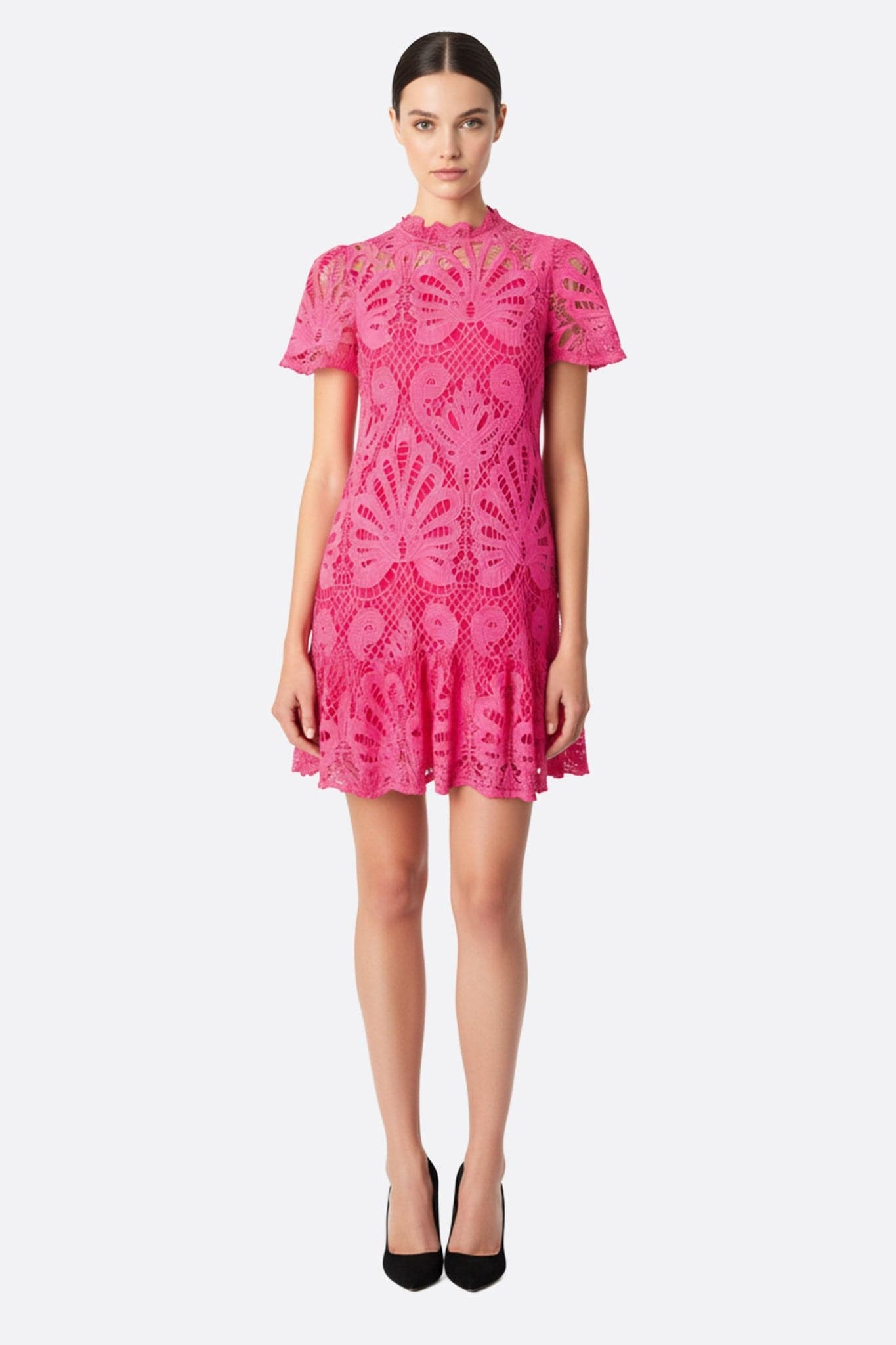
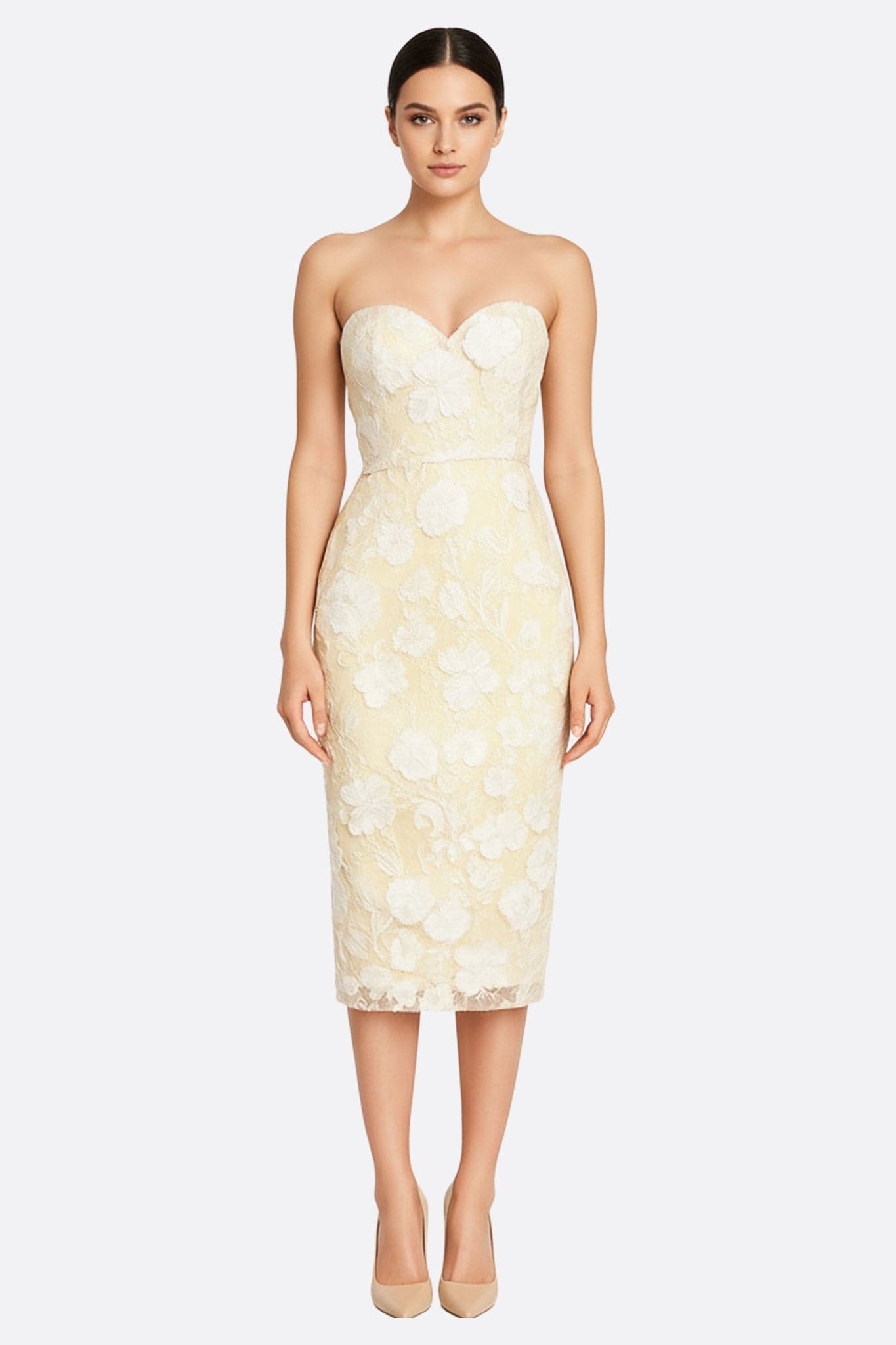
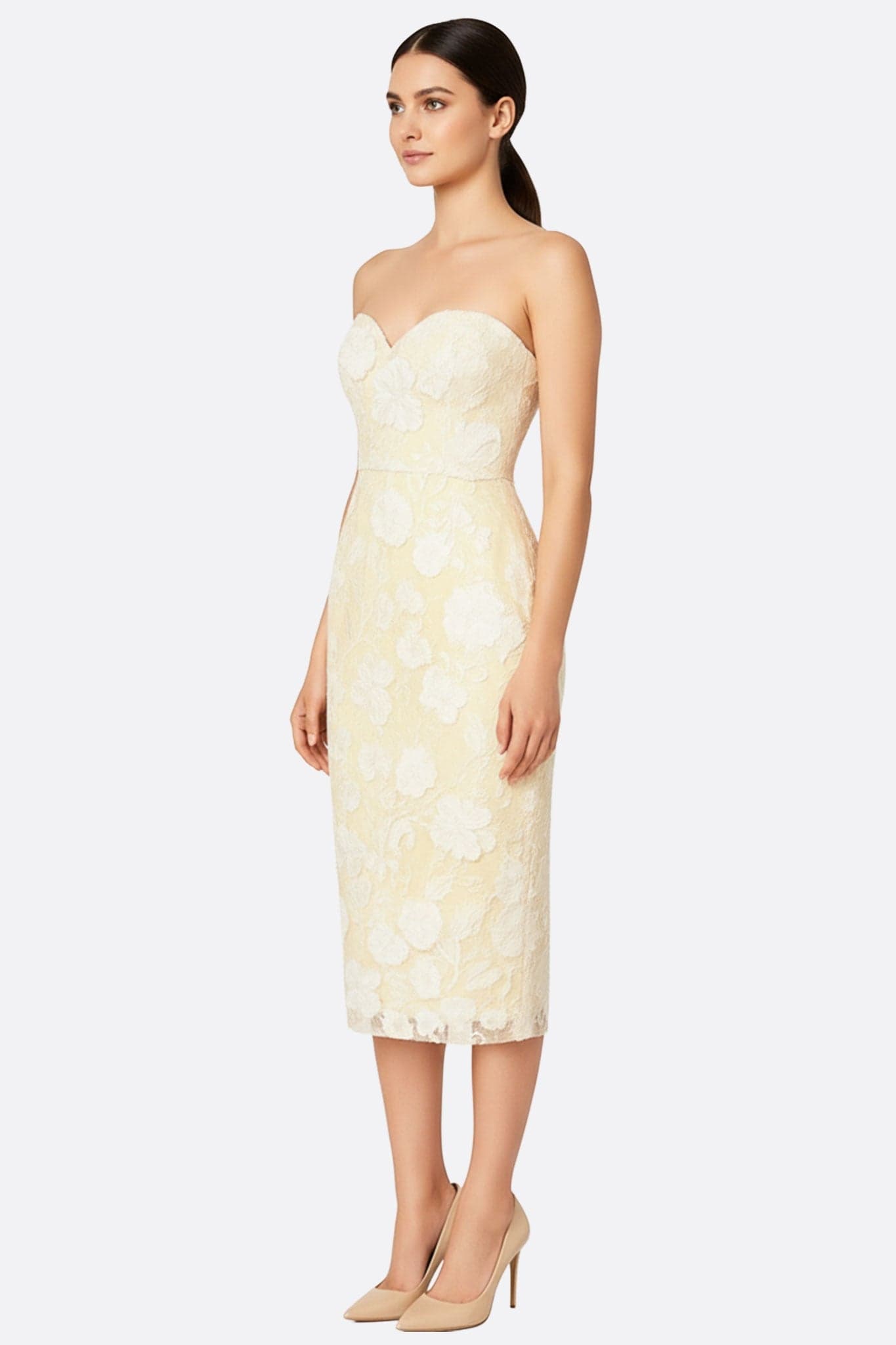
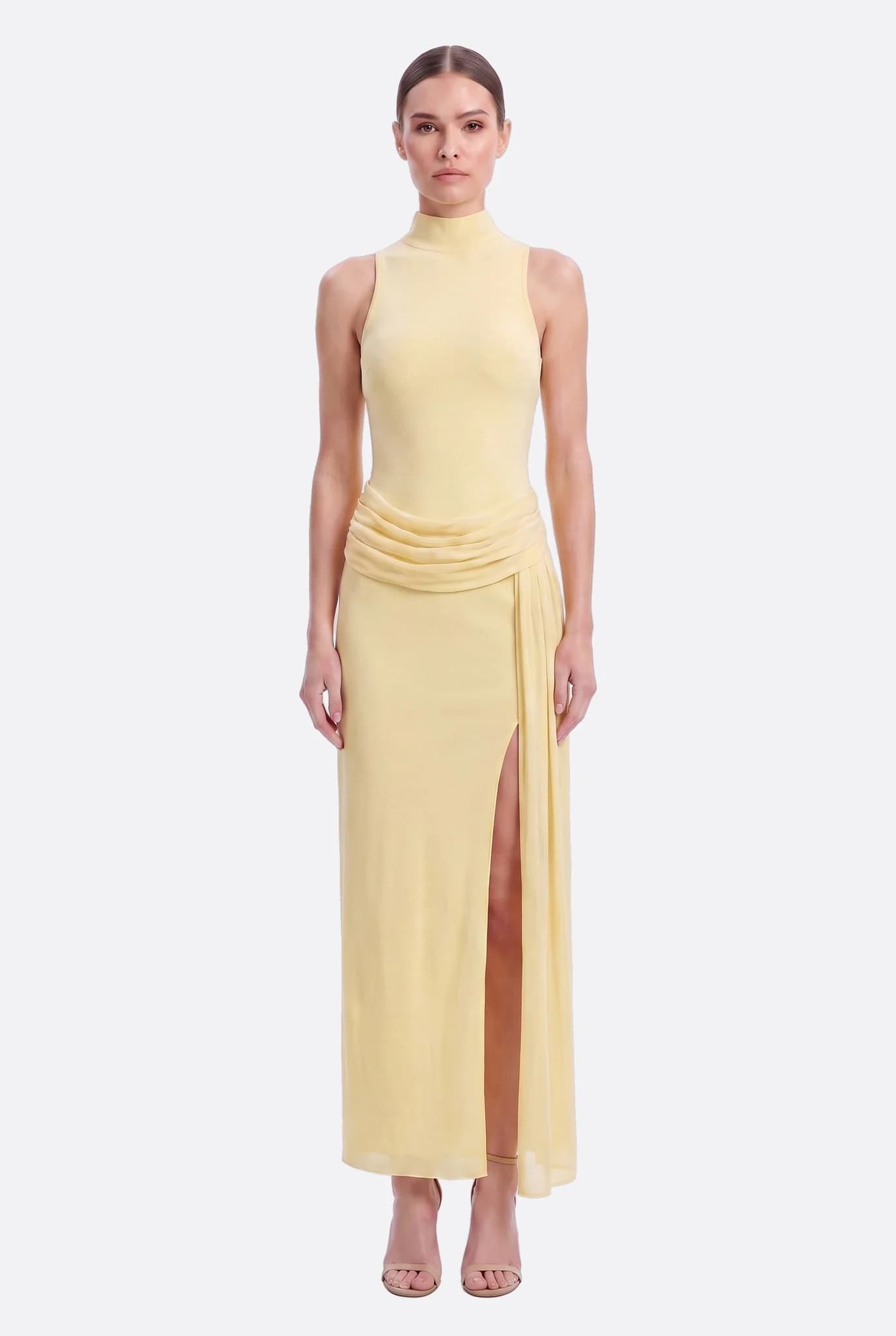
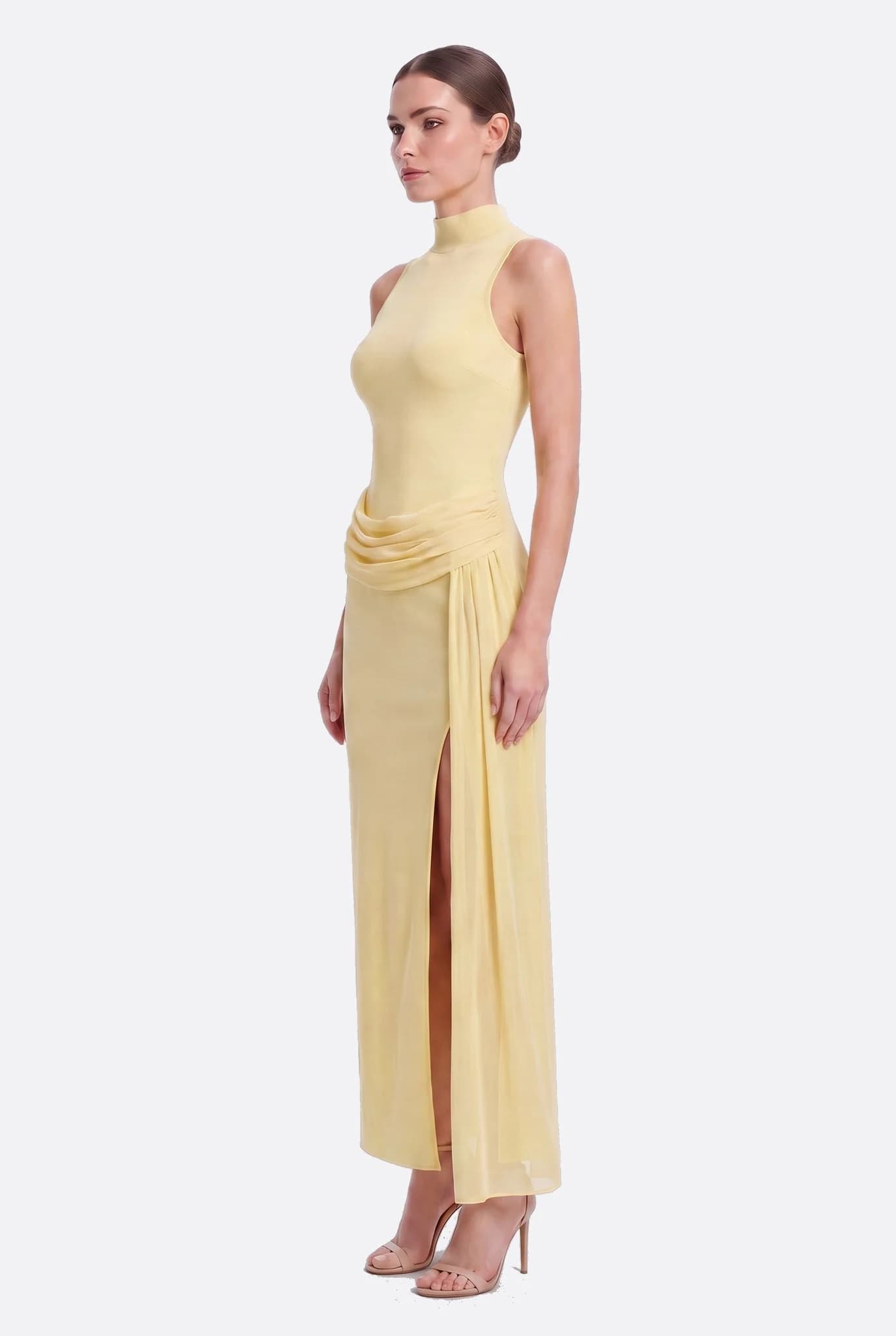
The physical principle is documented: dark colors absorb more light wavelengths and convert them into heat than light colors. White, ivory, ecru, pale yellow, and light blue reflect more sunlight than a black or navy dress. In direct sunlight, a white linen dress remains significantly cooler than an identical black linen dress. Indoors (artificial lighting), the difference is negligible. Pastels and light shades are therefore physically more suited to sunny summer days than dark colors: regardless of style.
Weight: what thickness for summer?
80-100 g/m2: very light, often transparent (chiffon, georgette, voile): cool but requires a lining or slip dress. 110-140 g/m2: light and opaque depending on the material: the ideal range for a summer dress worn alone. 150-180 g/m2: medium: comfortable up to 28-30 C, suitable for mild days or summer evenings. Above 180 g/m2: too hot for active summer days, but may be suitable in the evening by the sea or at altitude. Weight alone is not enough: a 160 g/m2 linen is cooler than a 100 g/m2 polyester due to breathability.
Cuts adapted to the heat
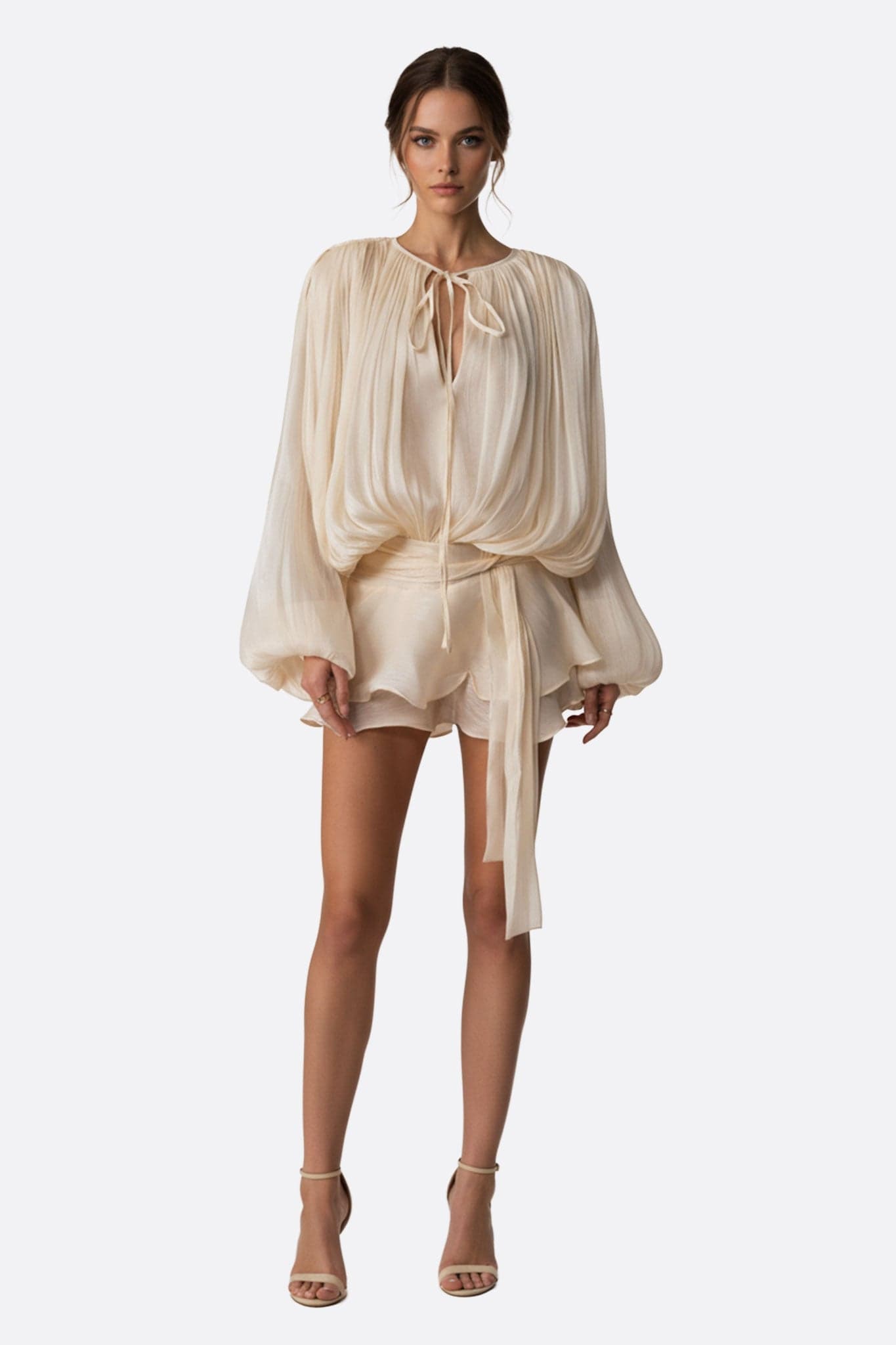
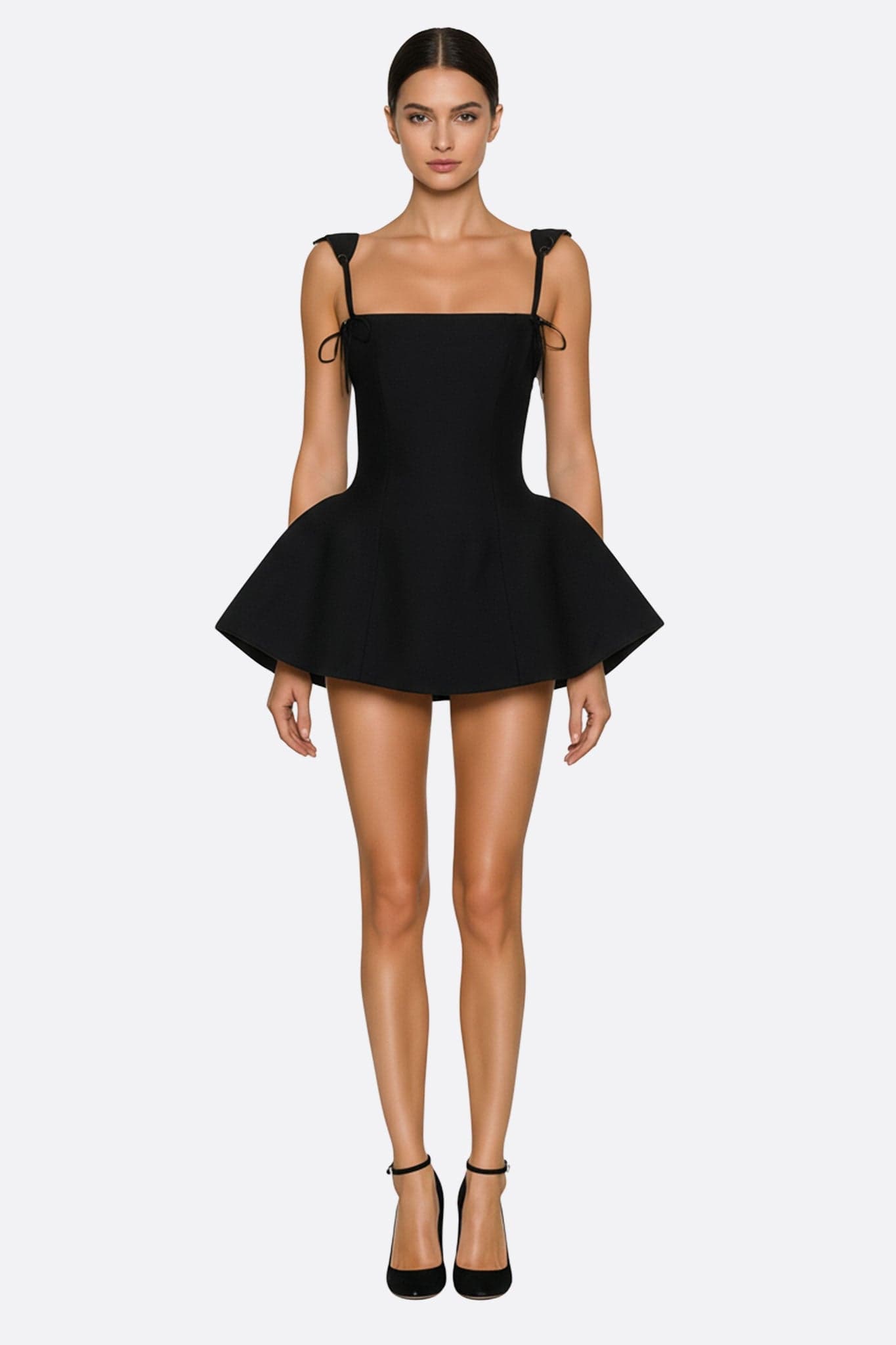
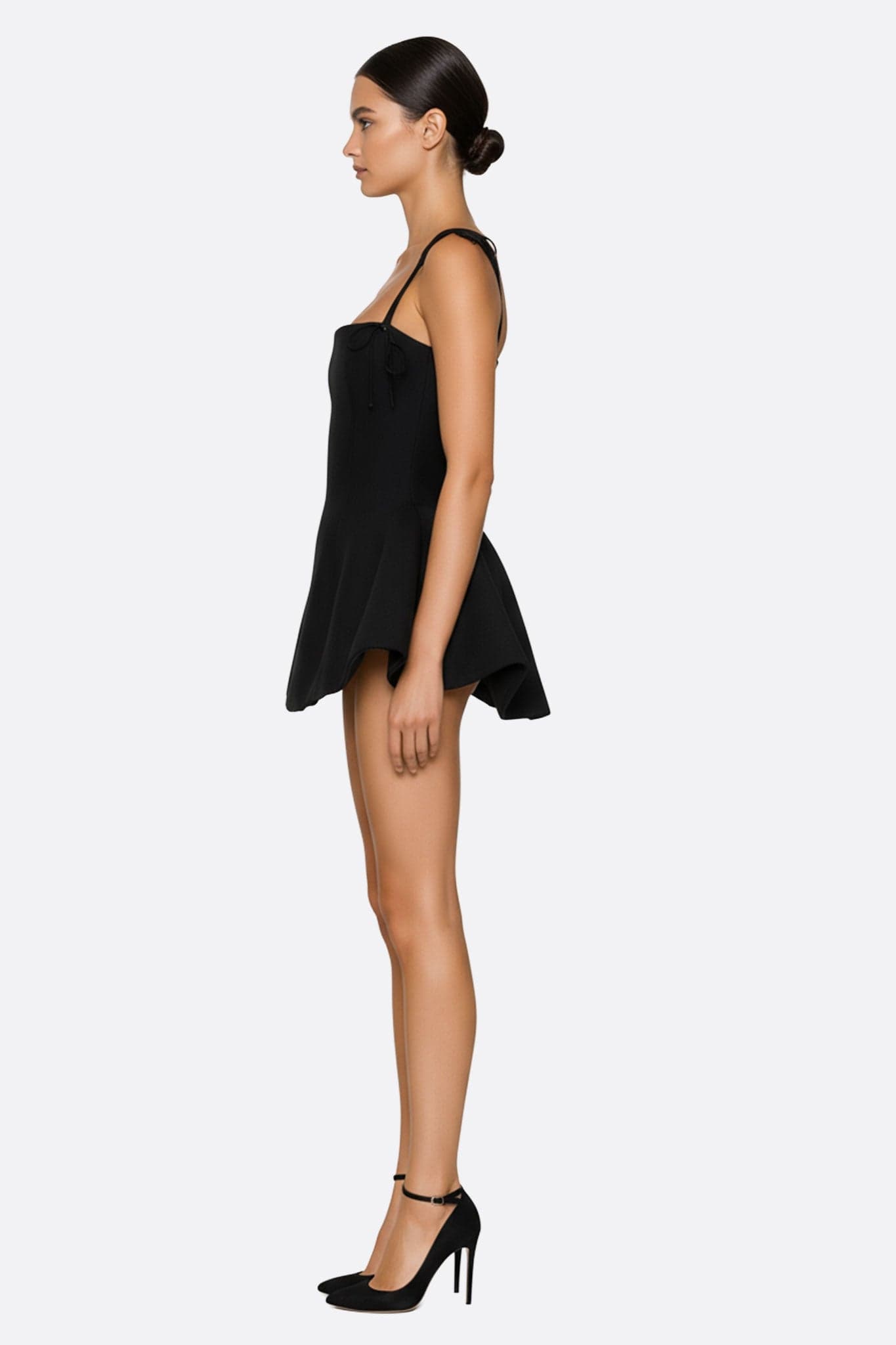
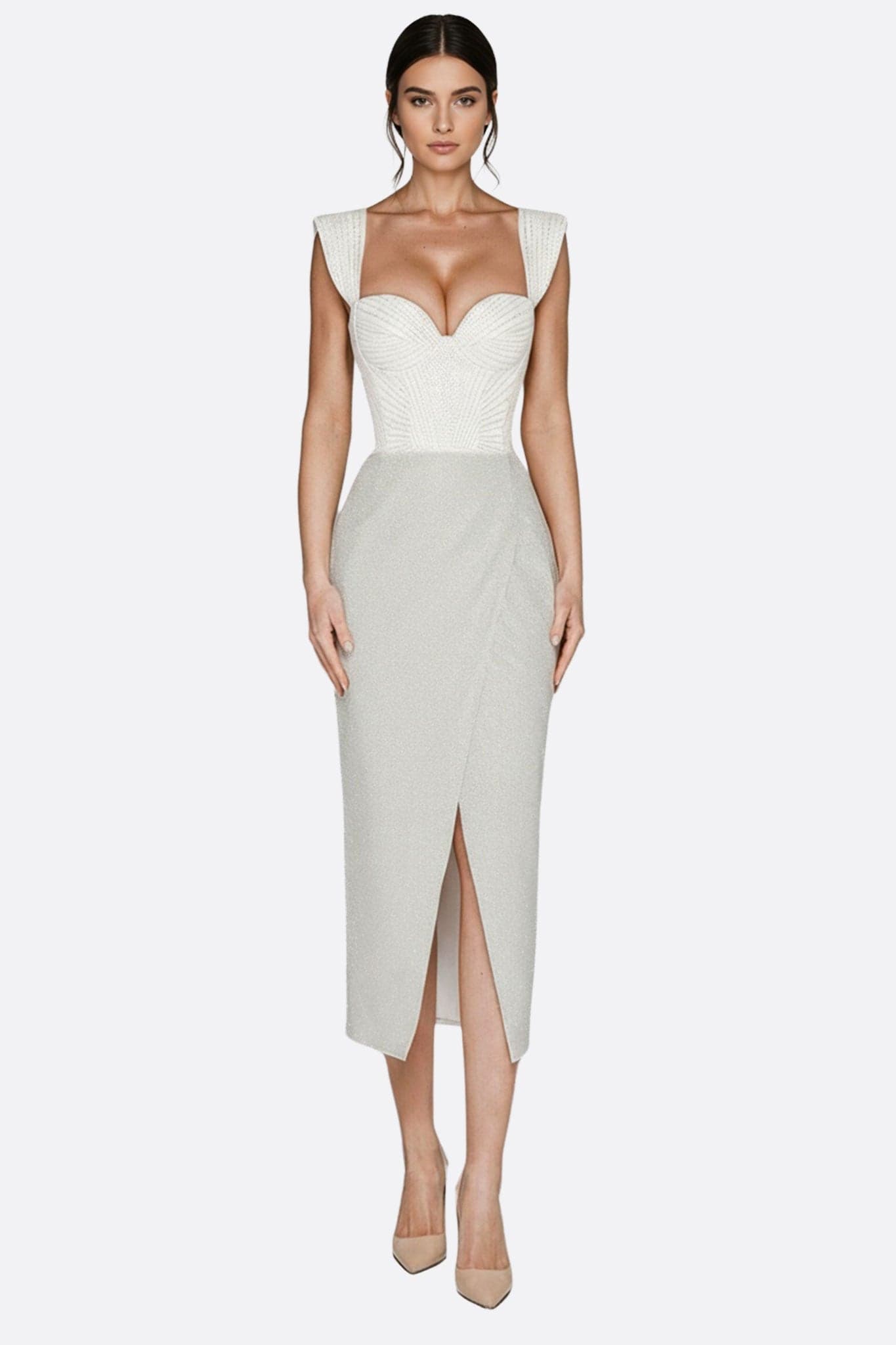
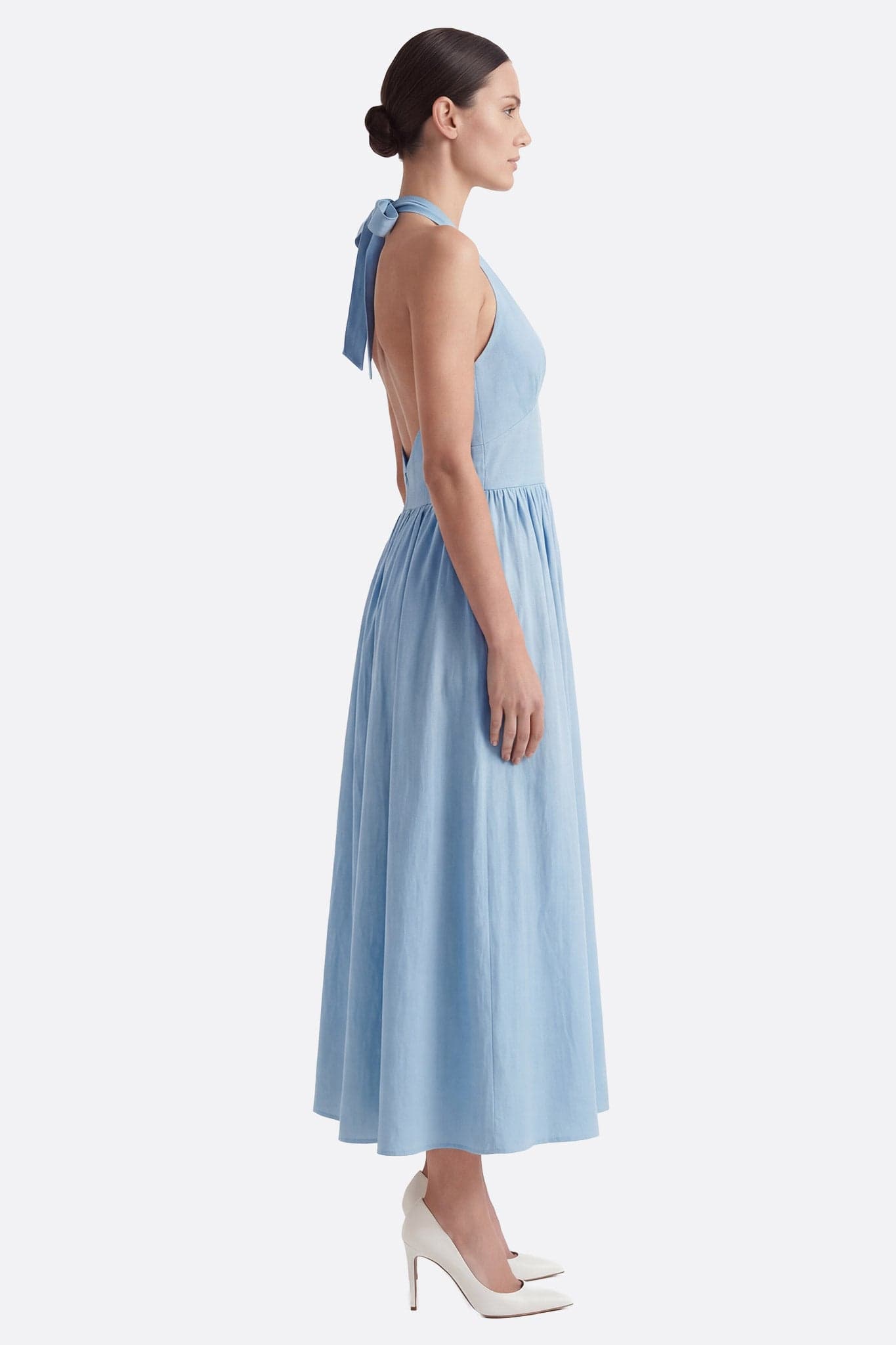
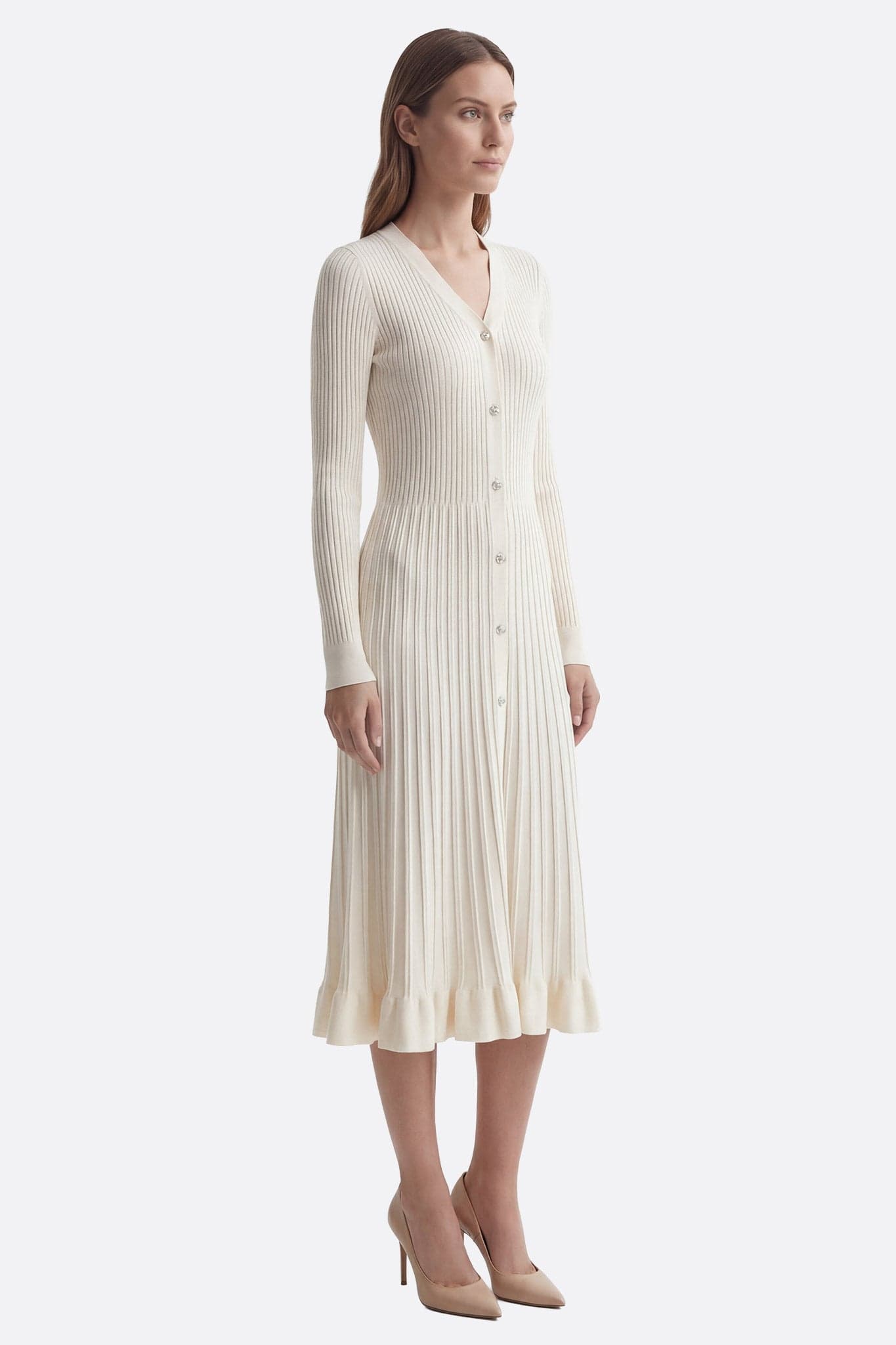
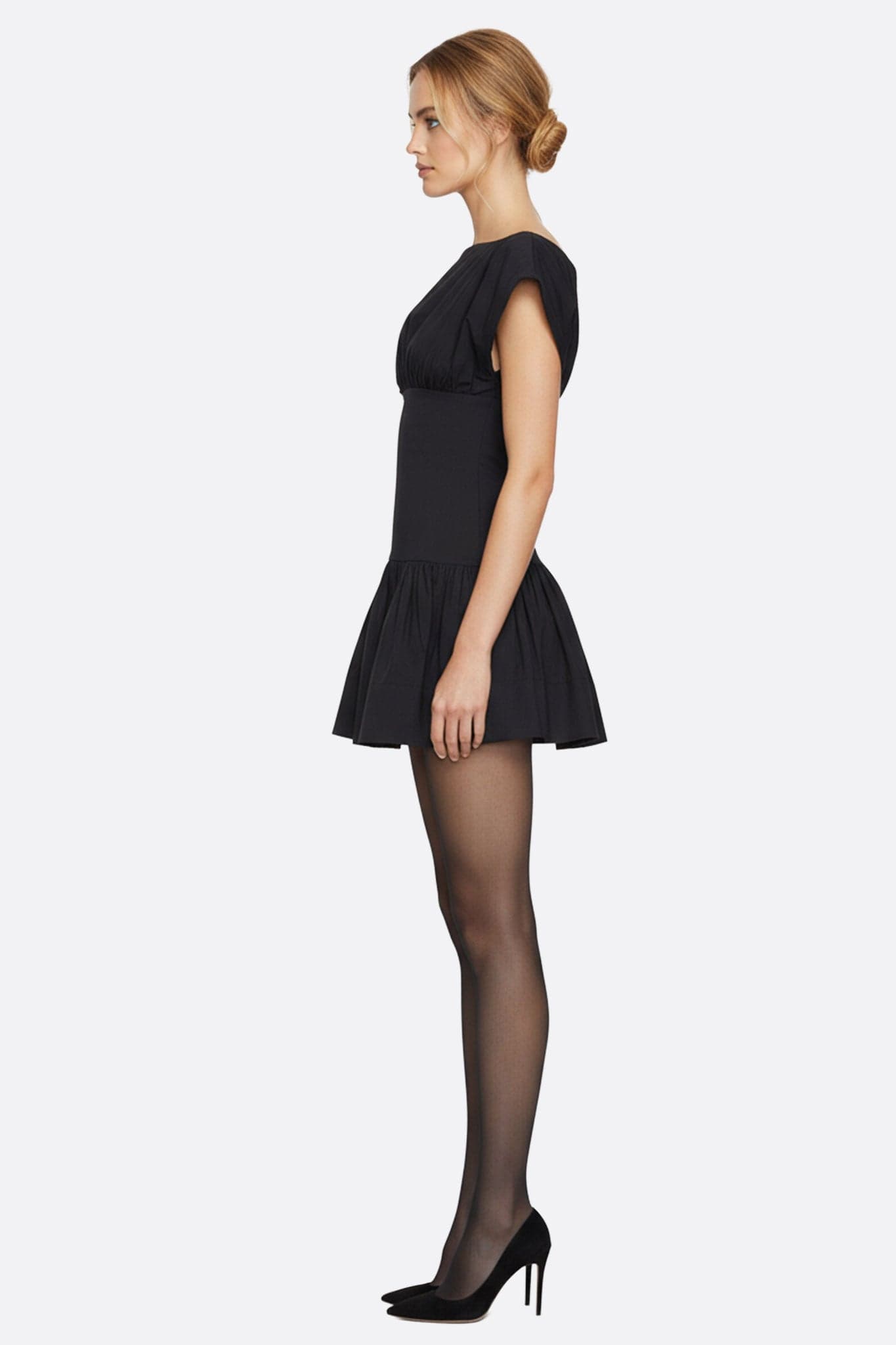
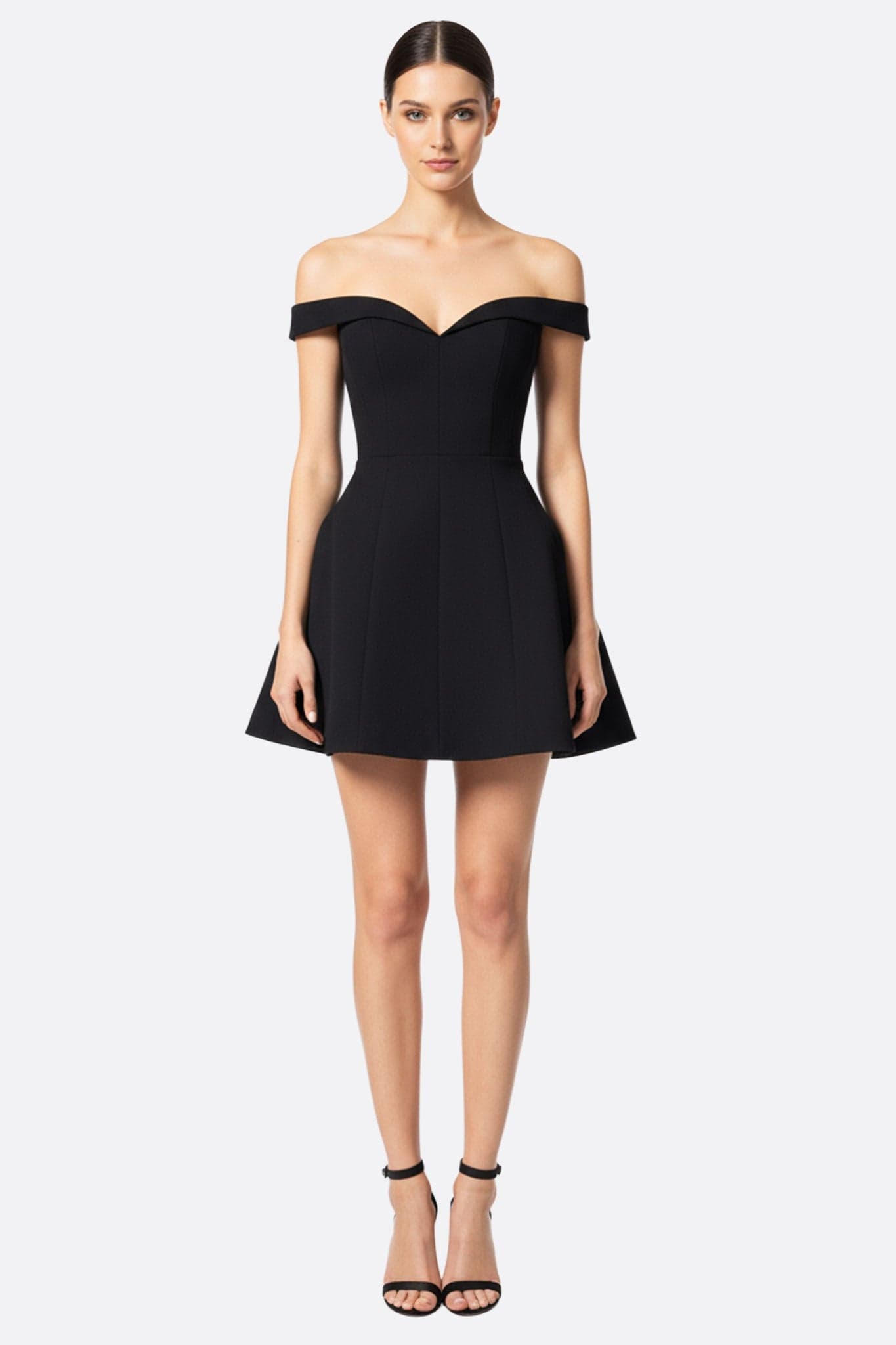
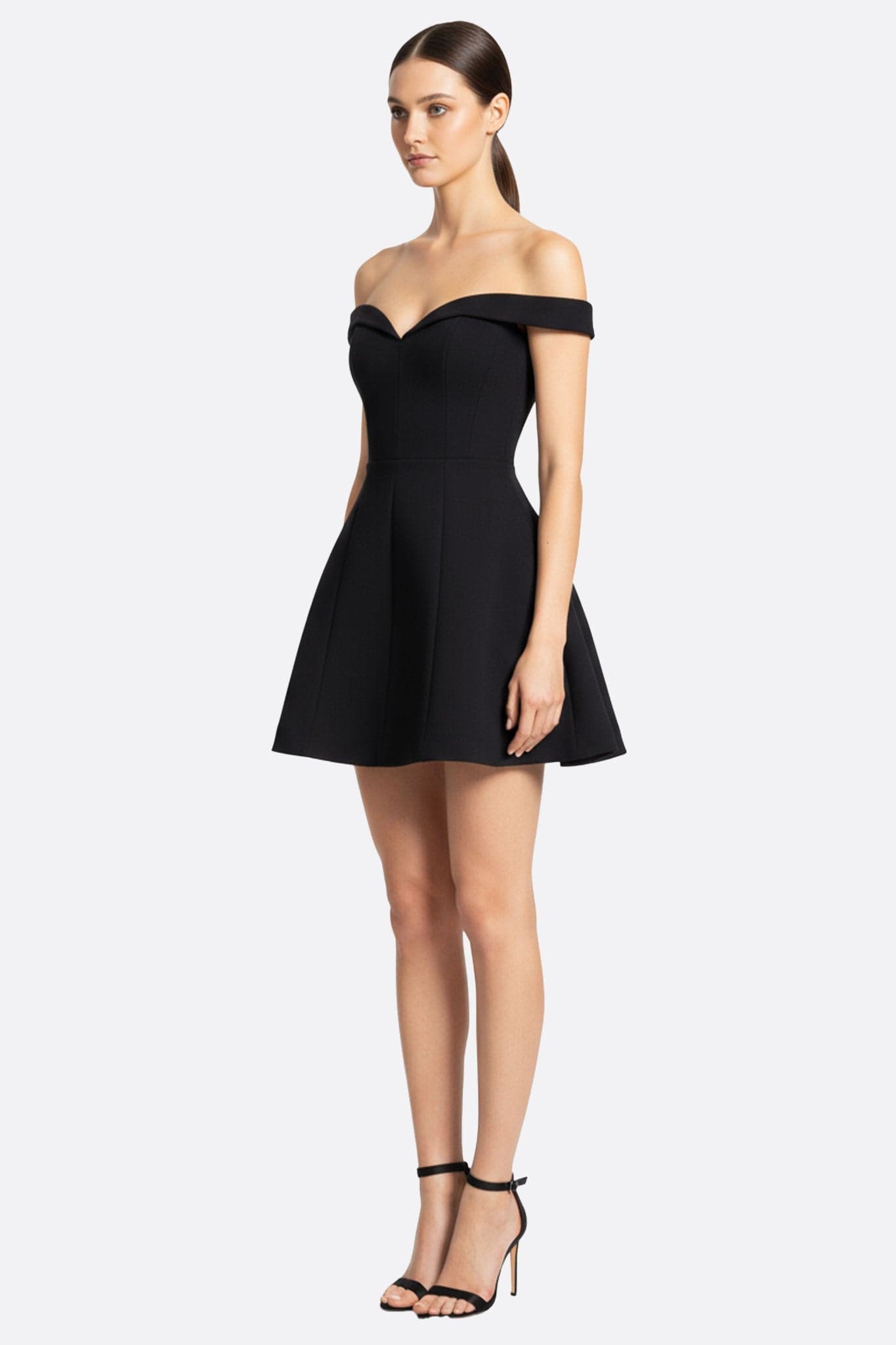
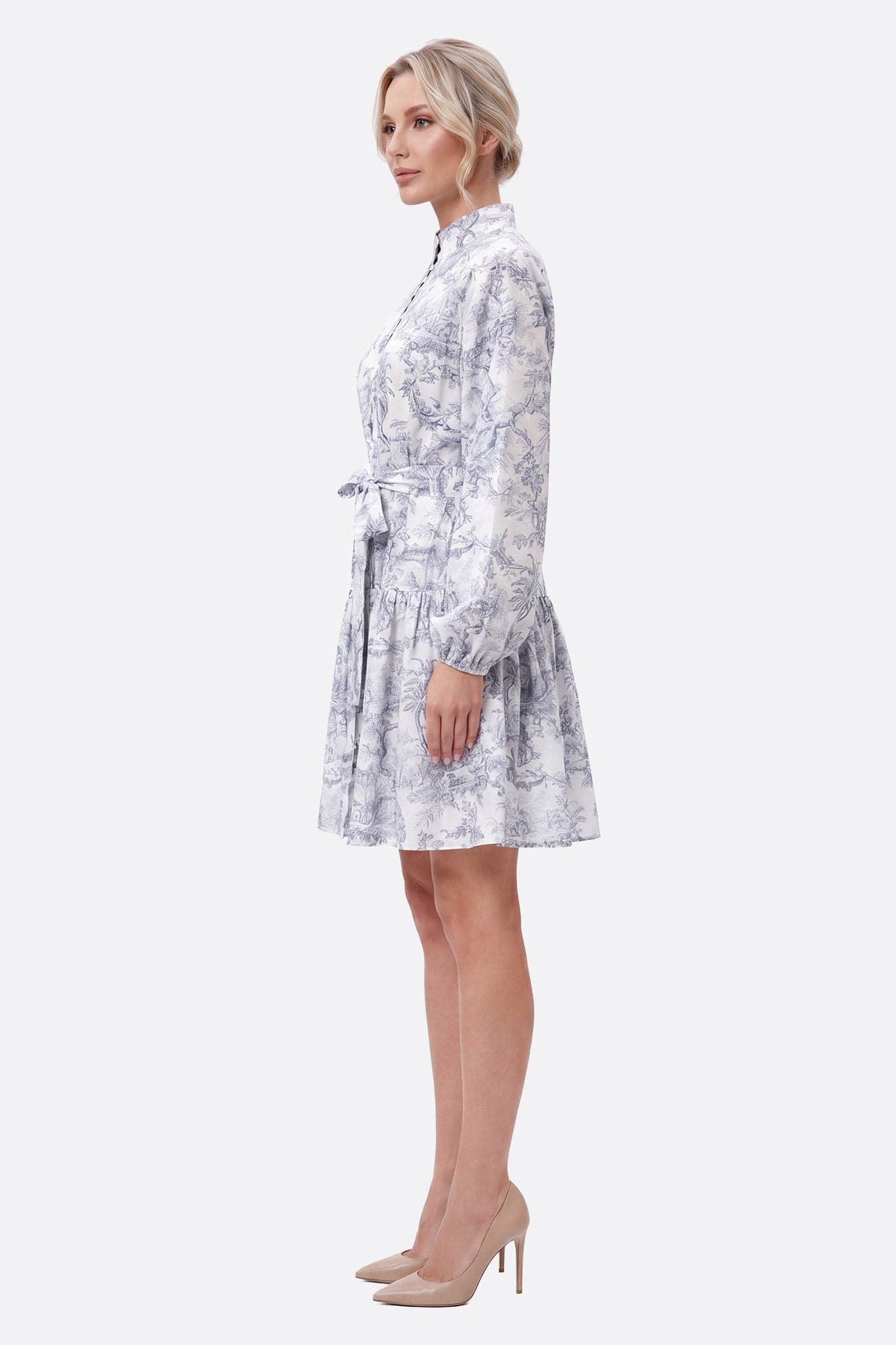
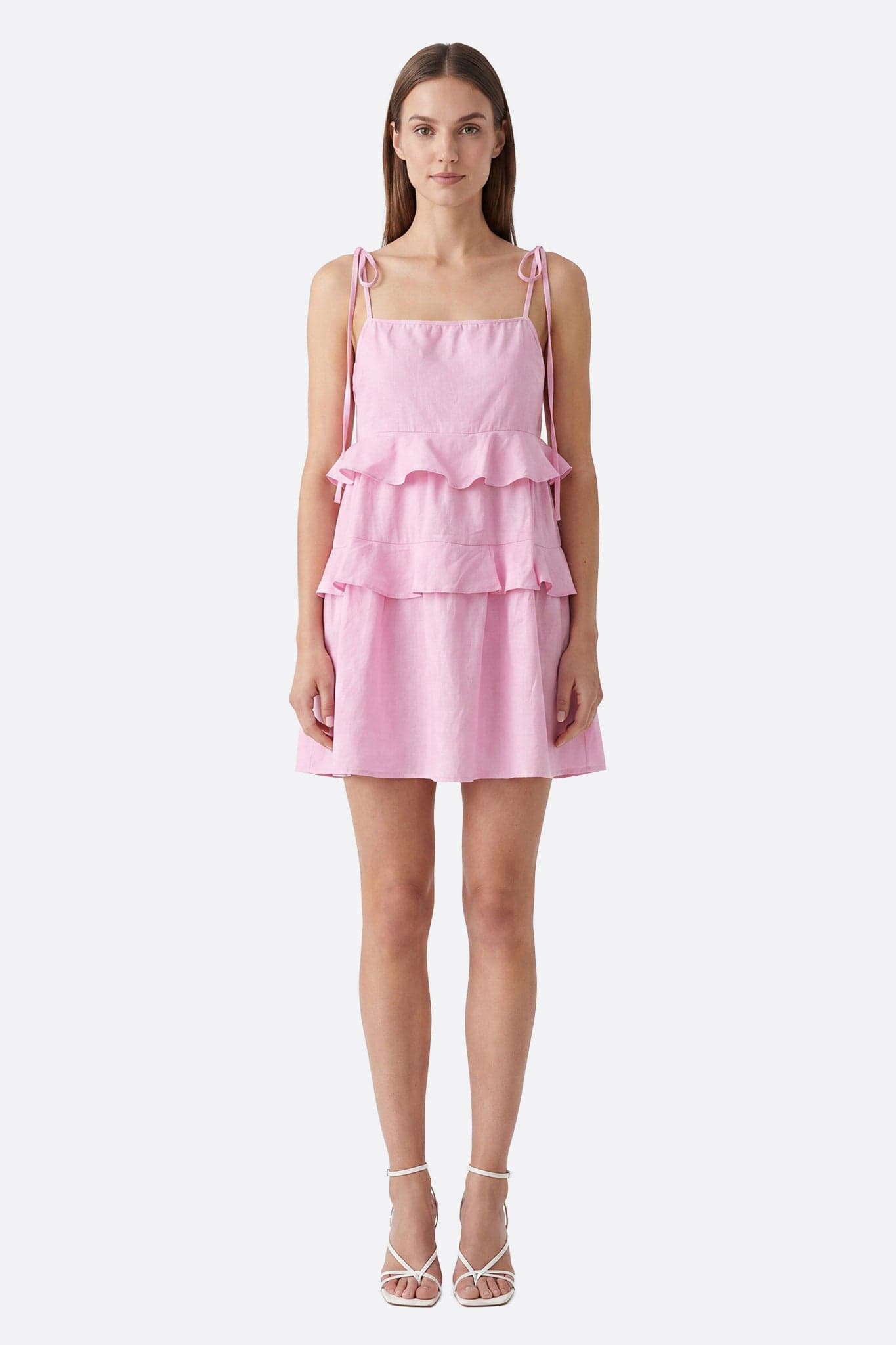
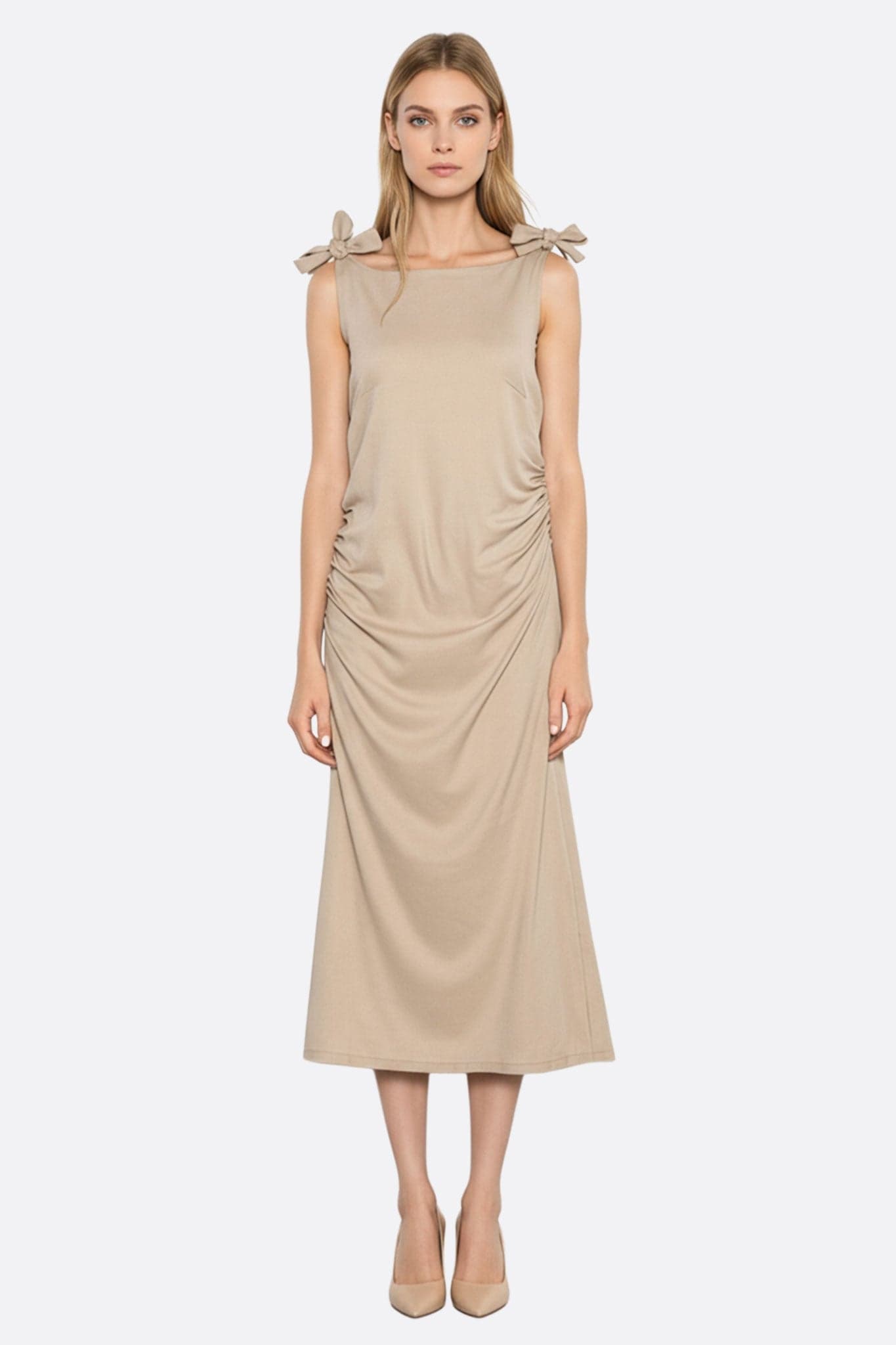
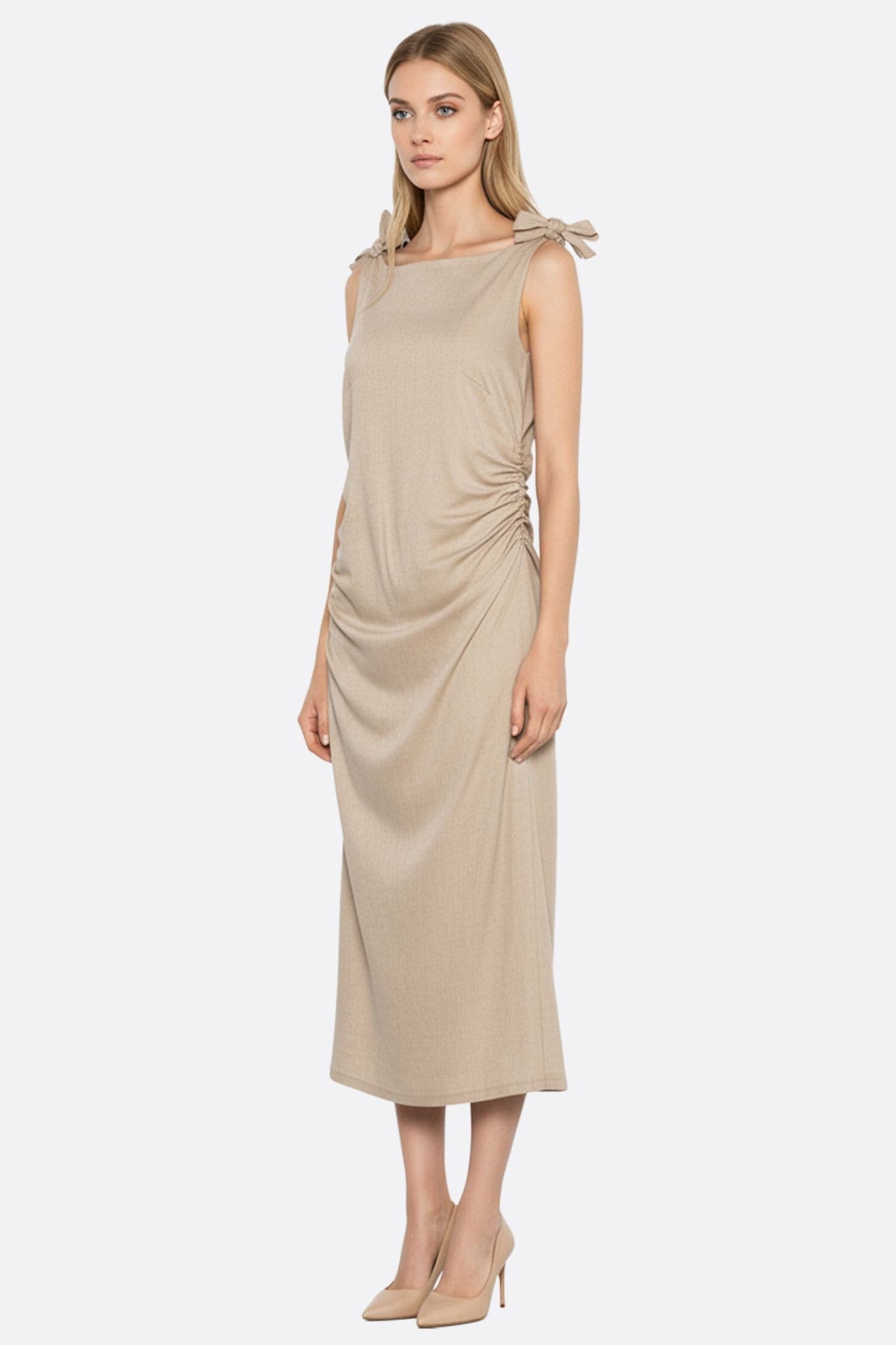
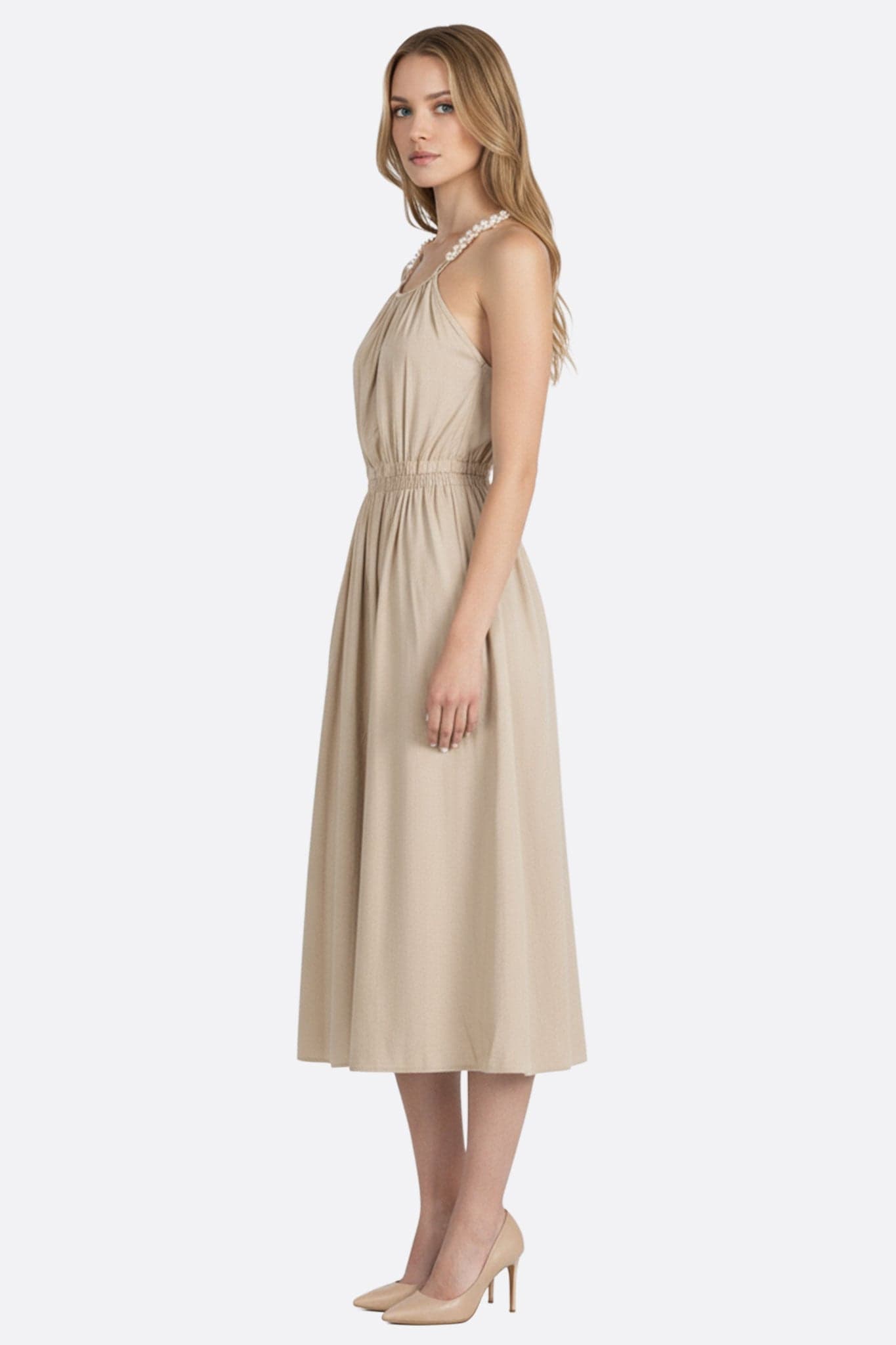
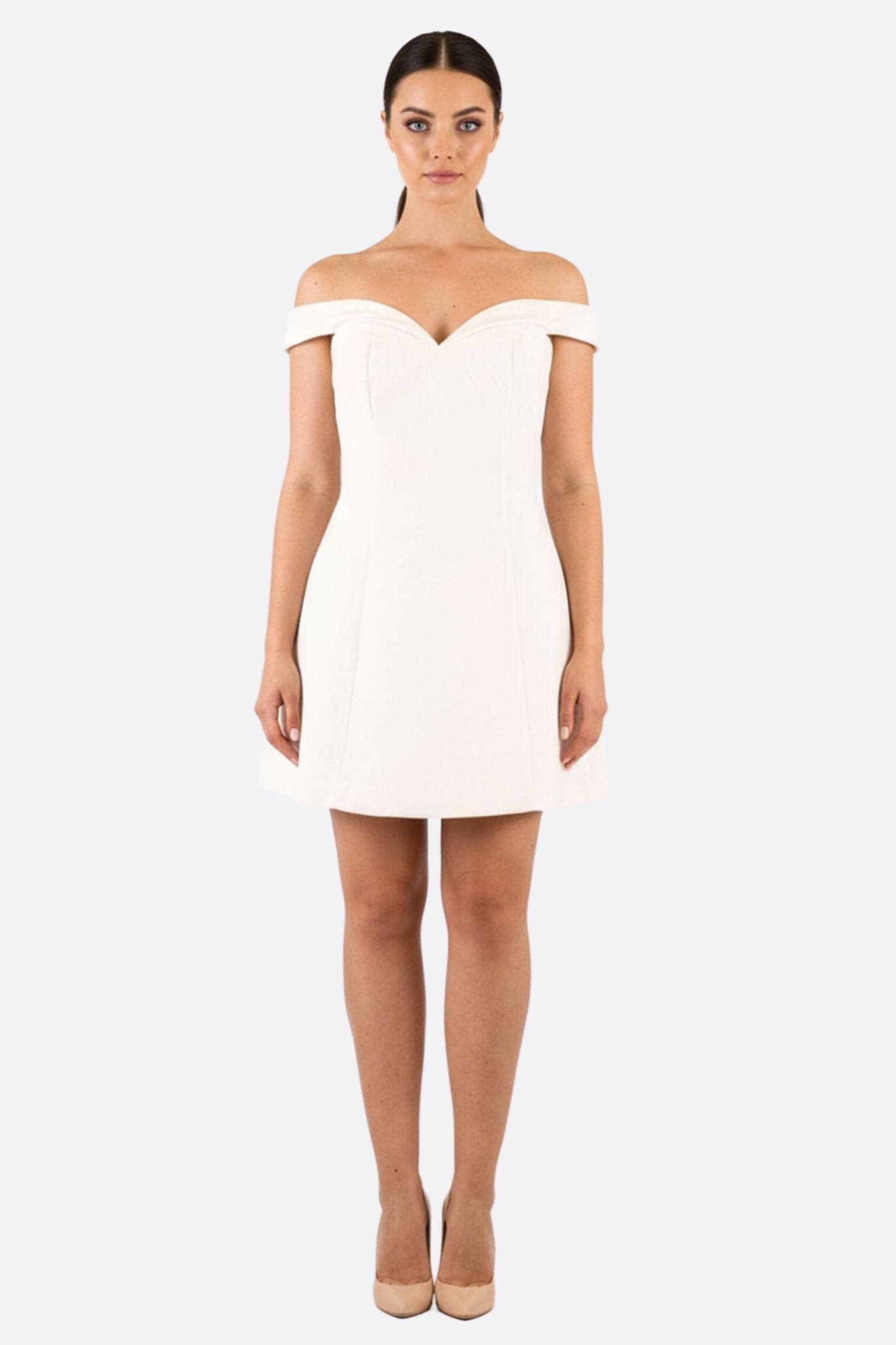
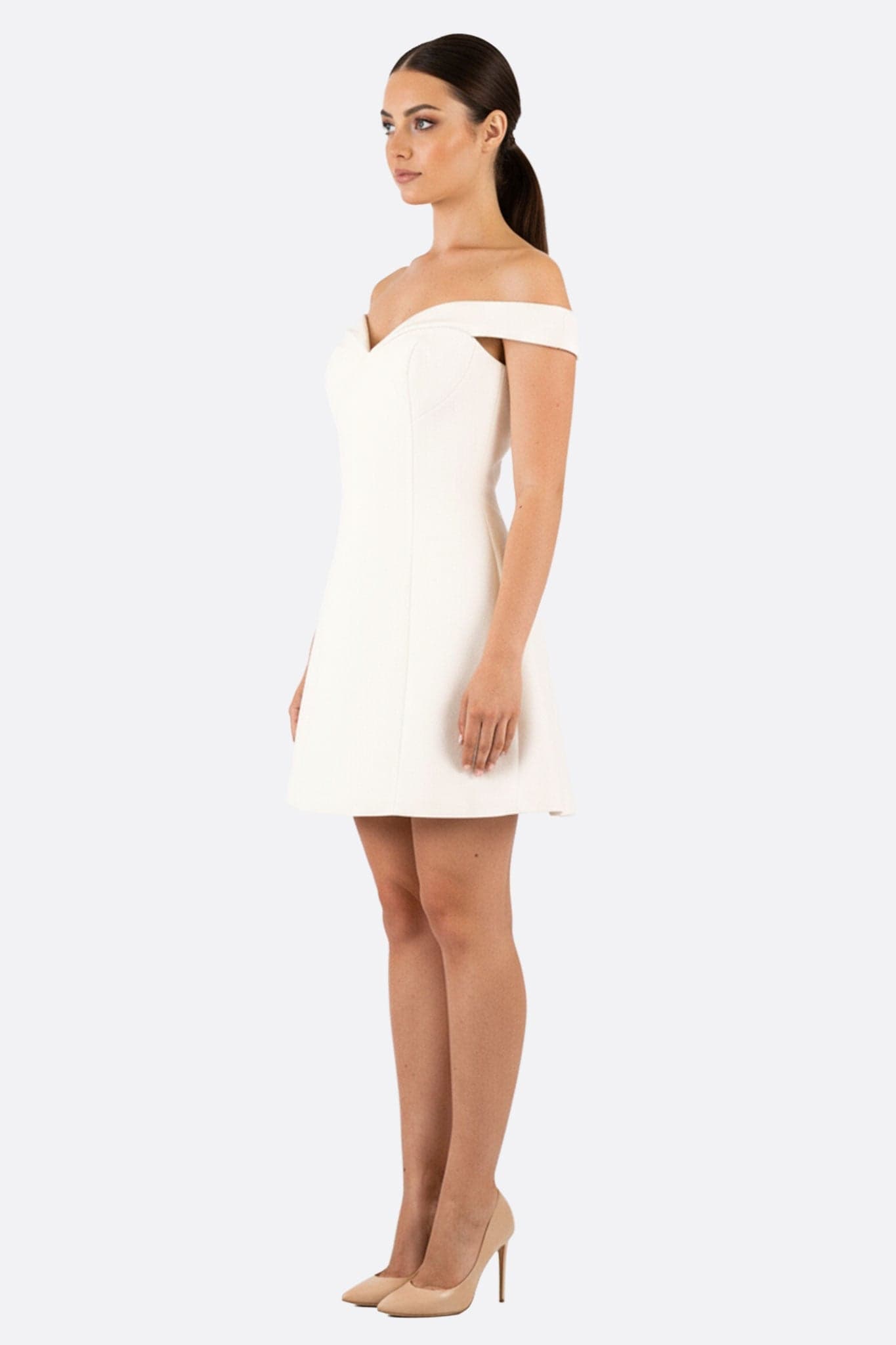
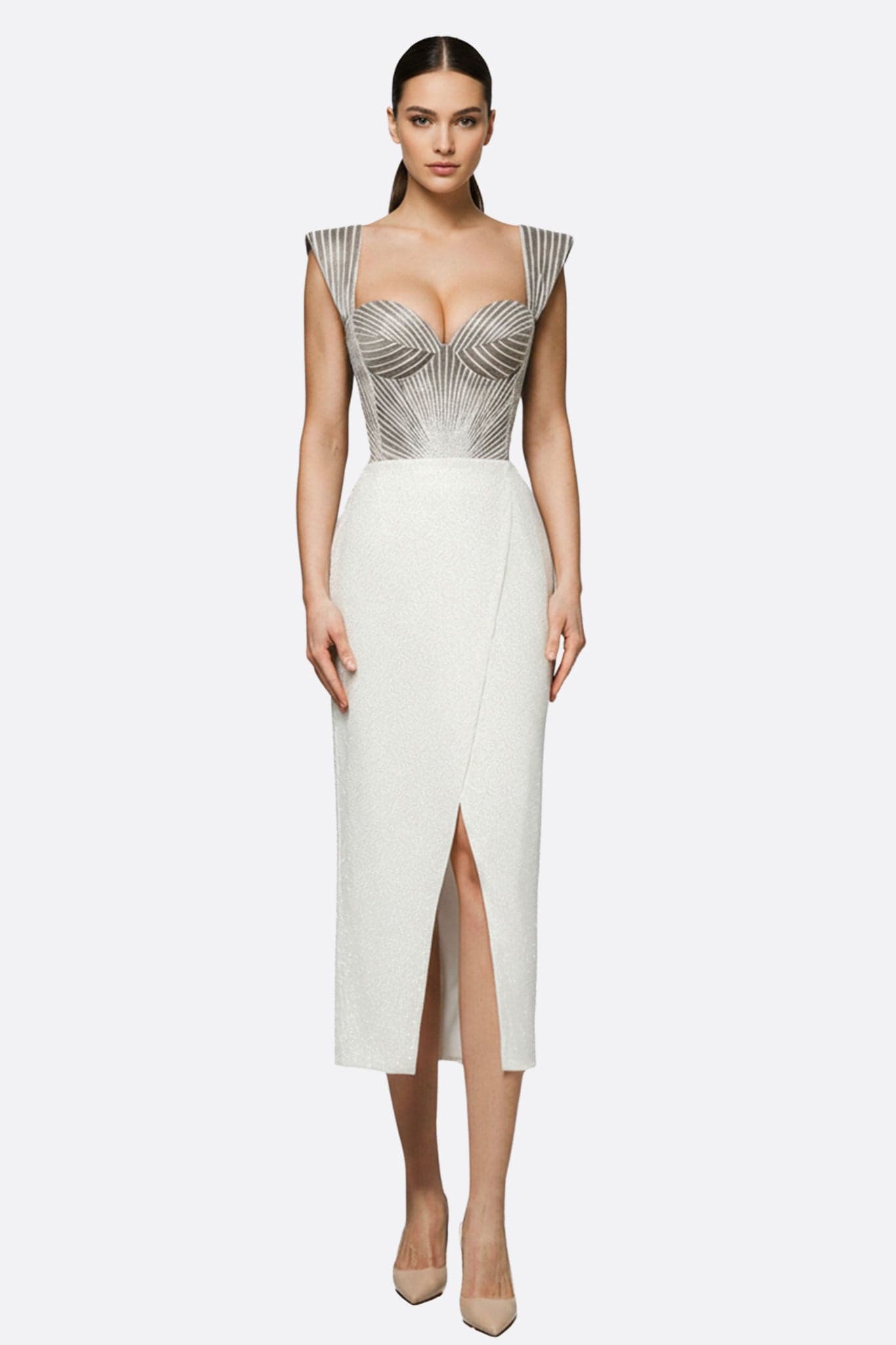
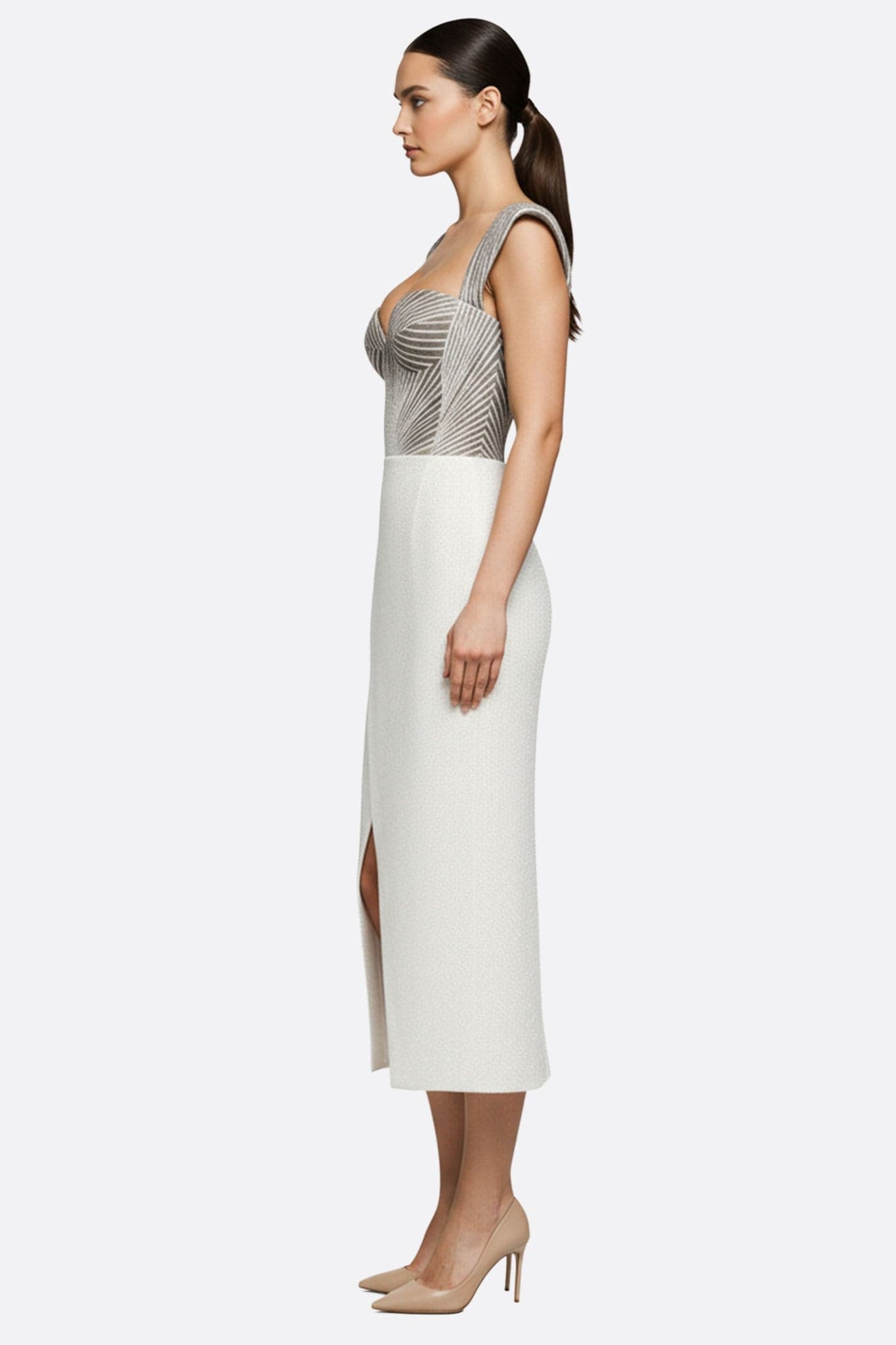
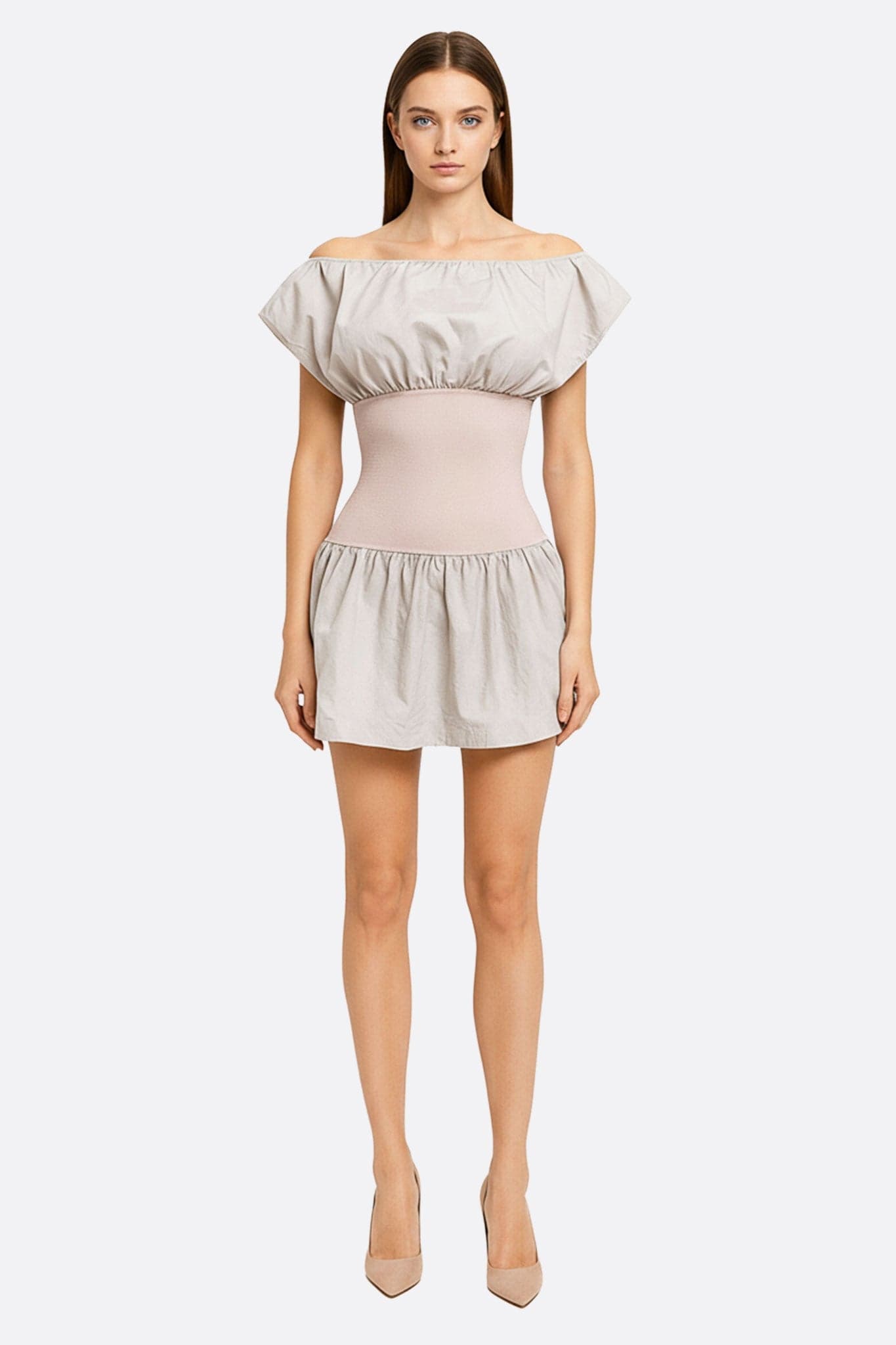
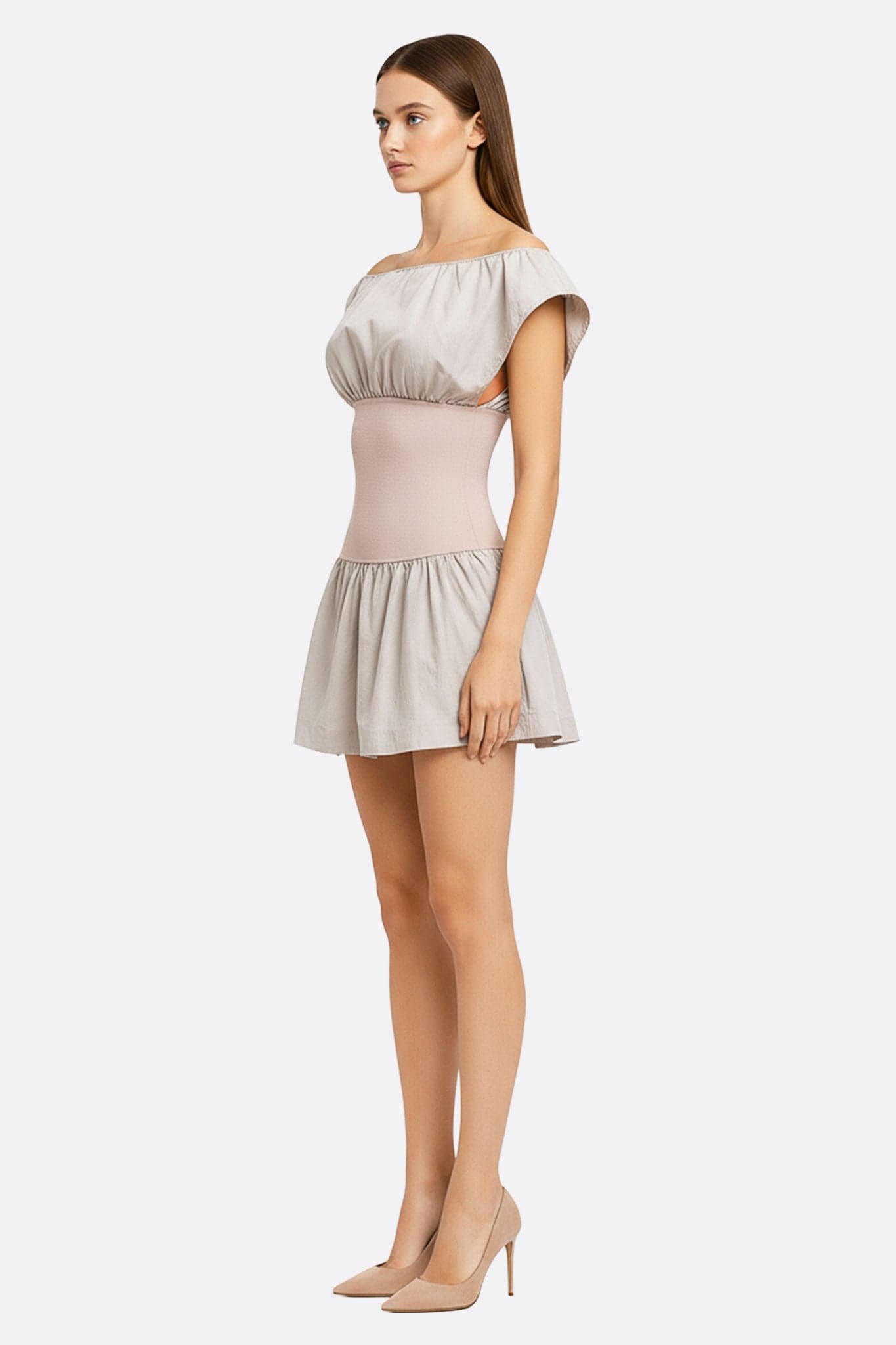
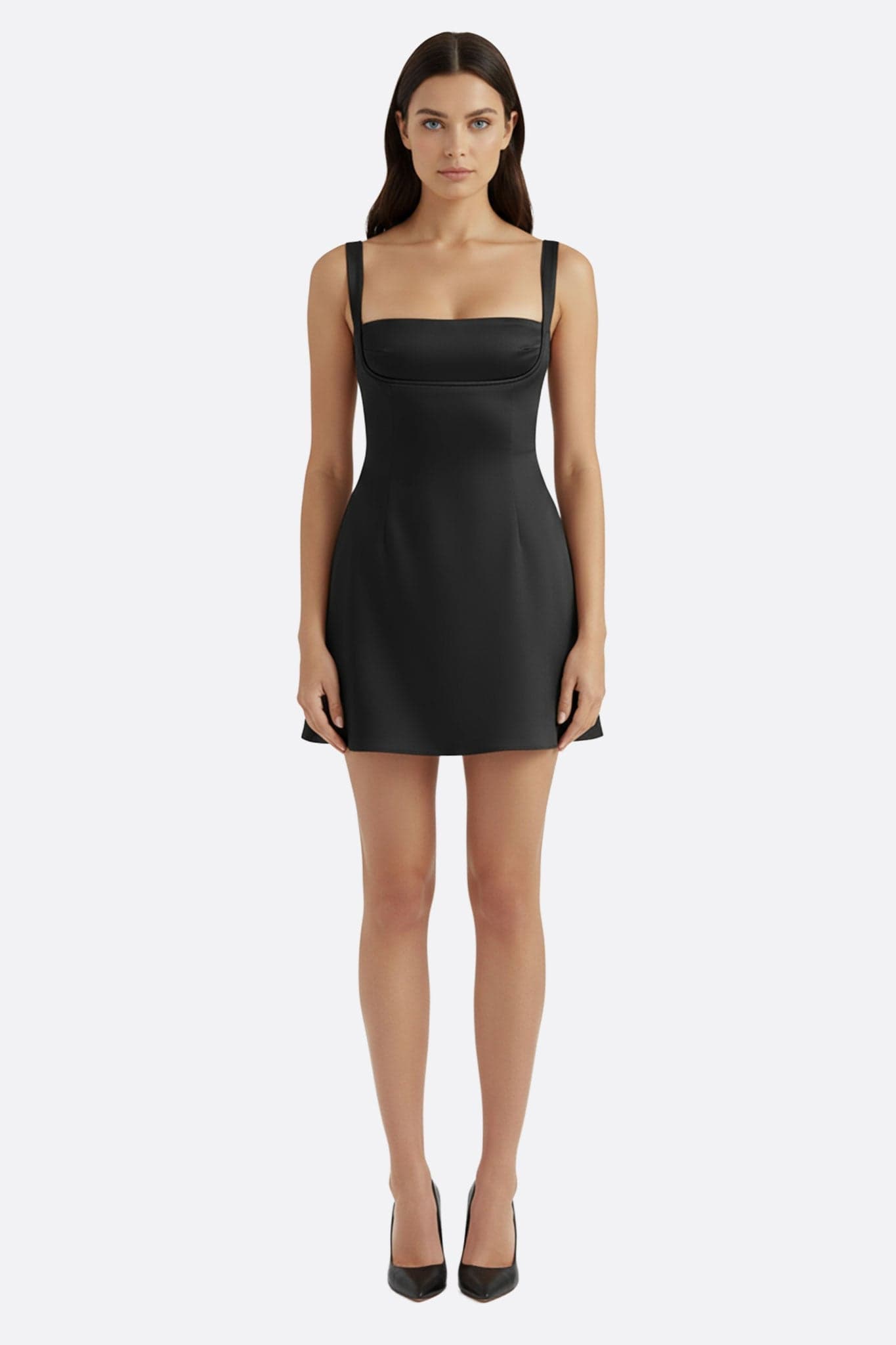
Cuts that maximize air circulation: fluid dress with fullness (flared skirt, wide sleeves), backless or open-back dress (heat mainly escapes through the back and neck), dress with thin straps (free shoulders = facilitated thermoregulation). Cuts that retain heat: fitted sheath (fabric in constant contact with the skin), long sleeves in non-breathable materials, tight elastic waist (blocks air circulation in the dress). Fullness in a summer dress is not a compromise on form: it is a physical condition of comfort.
Mesh: summer dresses by material and occasion
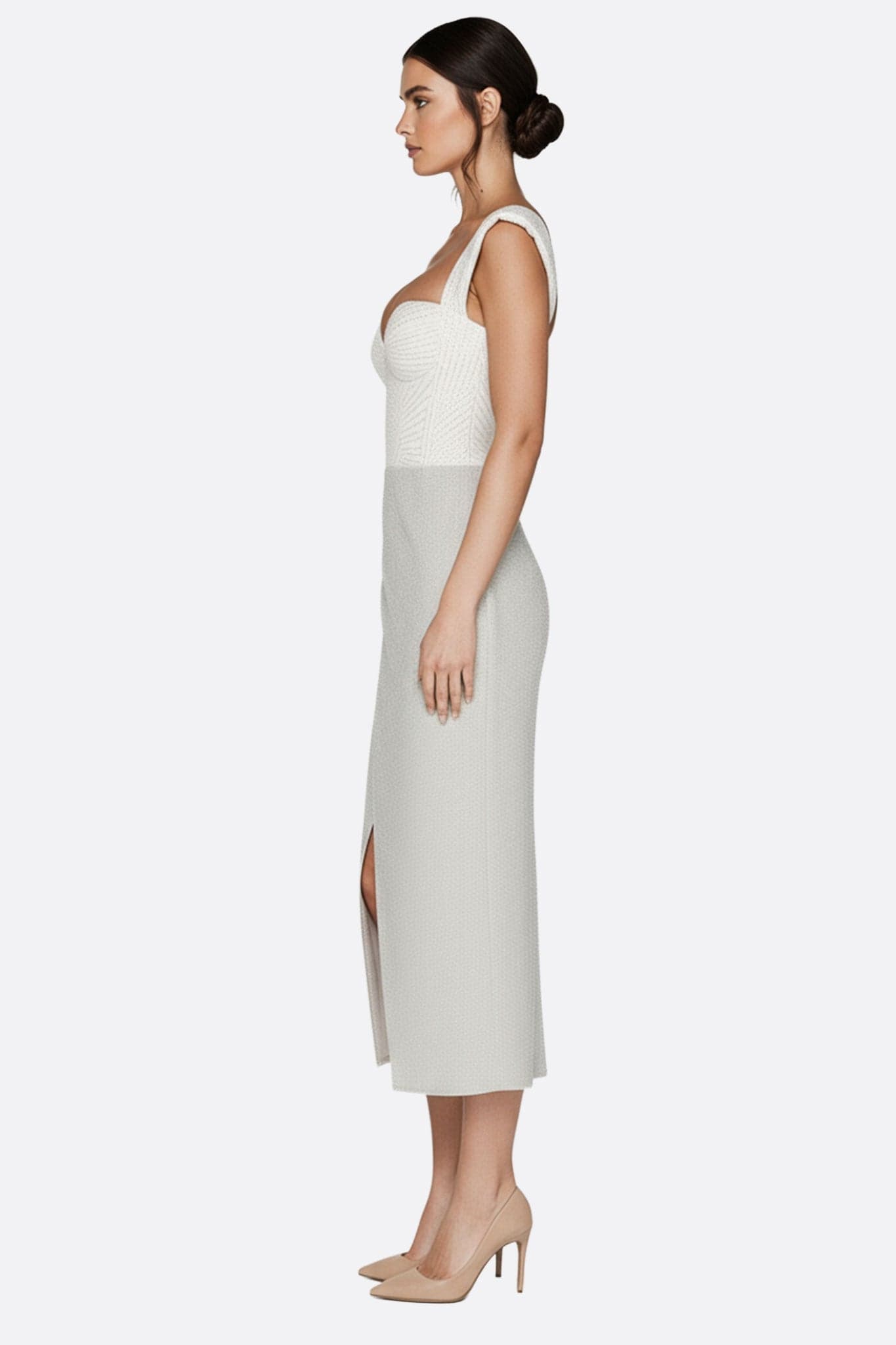
For a summer linen dress: linen dresses: breathability and natural wrinkling. For an elegant summer evening dress (cocktail, summer dinner): women's cocktail dress. For a floral or light summer dress: blue dresses or pink dresses. For beach and seaside outfits: beachwear. To compose a complete summer outfit (looks, accessories, combinations): women's summer outfit.
FAQ: elegant women's summer dress
What dress material is the coolest in summer?
Linen is the coolest material: it absorbs up to 20% of its weight in moisture and dries very quickly by evaporation, creating a cooling sensation. Lightweight cotton (voile, fine percale) is similar. Viscose absorbs but dries slowly: less ideal in intense heat. Polyester does not absorb moisture: to be avoided on very hot days.
Is it better to wear a light or dark summer dress?
In full sun, a light dress (white, ivory, light blue) is physically cooler than a dark dress because it reflects more solar rays instead of converting them into heat. The difference is real but moderate in the shade or indoors. For a summer day in the sun, light shades have a concrete thermal advantage.
How to prevent your summer dress from wrinkling?
Linen wrinkles naturally: it's a property of the fiber, not a flaw. For materials that shouldn't wrinkle: choose crepe polyester or jersey viscose (both resist wrinkles better). For linen: choose loose or flared cuts where wrinkles are less visible and part of the aesthetic. Quick de-wrinkling: spray with water and leave the dress hanging: gravity stretches the fabric as it dries.