Fast & secure deliveryFree shipping in France from €99Easy returns
Fast & secure deliveryFree shipping in France from €99Easy returns
Cashmere
Women's Cashmere: Grades, Micronage, and Authenticity
European regulations allow the "cashmere" label from 7% cashmere fiber in a blend. A sweater with 20% cashmere + 80% wool is legally "cashmere" but to the touch, the 80% wool dominates. A true 100% cashmere grade A is recognized by three things: micronage below 14.5 µ, featherweight (less than 200 g for a sweater), and immediate warmth from the first wear without a "warming" period. These three criteria eliminate 90% of products labeled "cashmere" on the market.
European regulations allow the "cashmere" label from 7% cashmere fiber in a blend. A sweater with 20% cashmere + 80% wool is legally "cashmere" but to the touch, the 80% wool dominates. A true 100% cashmere grade A is recognized by three things: micronage below 14.5 µ, featherweight (less than 200 g for a sweater), and immediate warmth from the first wear without a "warming" period. These three criteria eliminate 90% of products labeled "cashmere" on the market.
Micronage: The Unit of Quality Measurement
The micron (µ) measures the diameter of the fiber. The finer the fiber, the softer it is. Human skin perceives irritation beyond 30 µ: that's why some wools "itch." Grade A cashmere is less than 14.5 µ: always soft, never irritating. Grade B: 14.5 to 16 µ, slightly less soft but more durable. Grade C: beyond 16 µ, often mixed. Authentic pashmina (Kashmir region, India) is 12-14 µ: the finest available commercially, almost as fine as silk. A simple test: rub the fabric against the inside of the wrist (thin skin). If it slightly itches, the micronage exceeds 20 µ.
Legal Labeling vs. Fiber Reality
In Europe, Regulation (EU) 1007/2011 on textile fiber names allows the designation "cashmere" for any blend containing cashmere, without a mandatory minimum percentage if the percentage is clearly indicated. A sweater "30% cashmere 70% merino wool" is legal and can be of quality, but the feel will be that of the dominant merino wool. For a 100% cashmere feel: look for "100% cashmere" on the label, not just "cashmere" without a percentage. Fine merino wool (17-19 µ) can be mistaken for low-grade cashmere by touch: only micronage distinguishes the two.
Styles: Sweater, Cardigan, Scarf, Vest
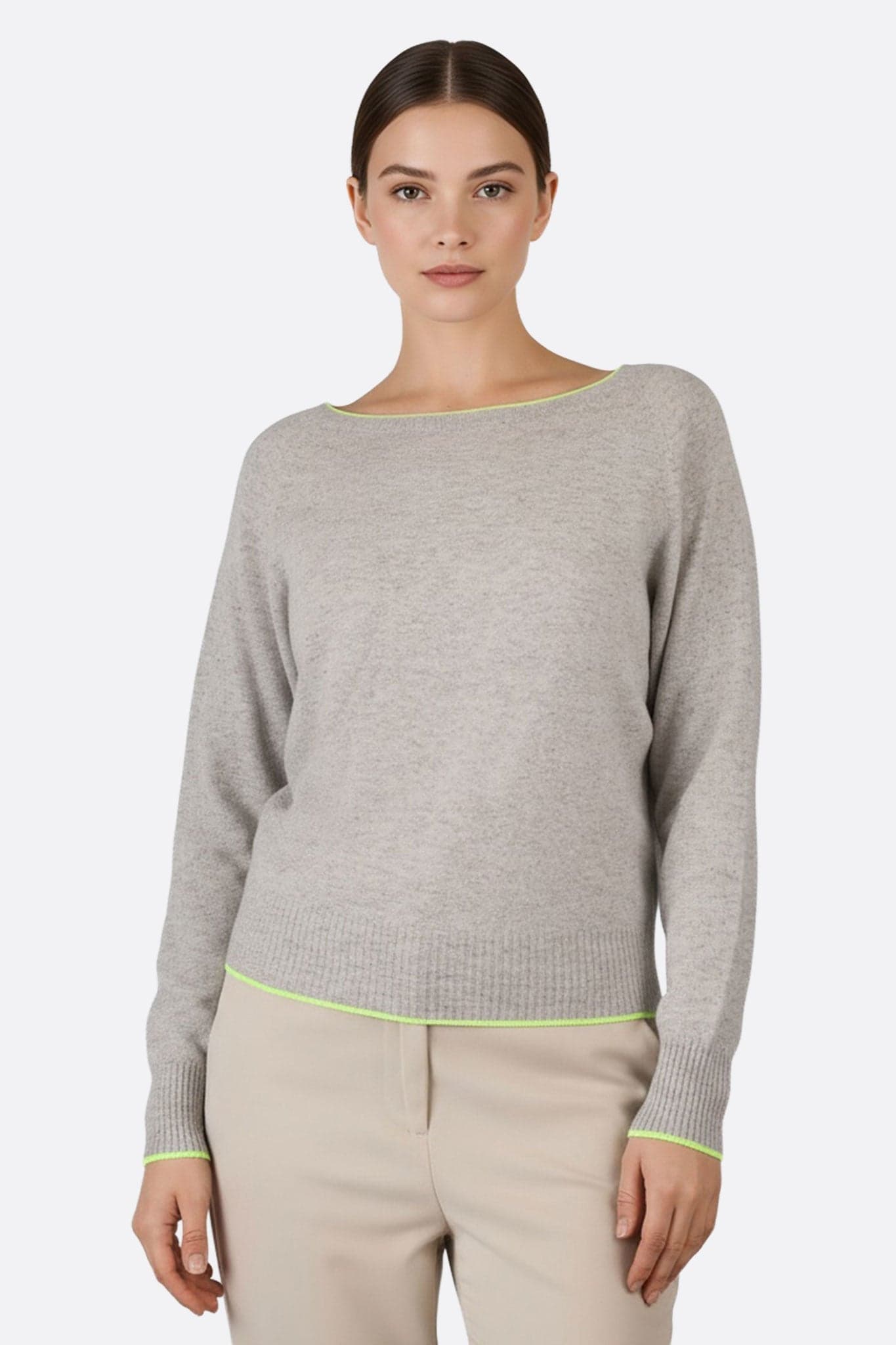
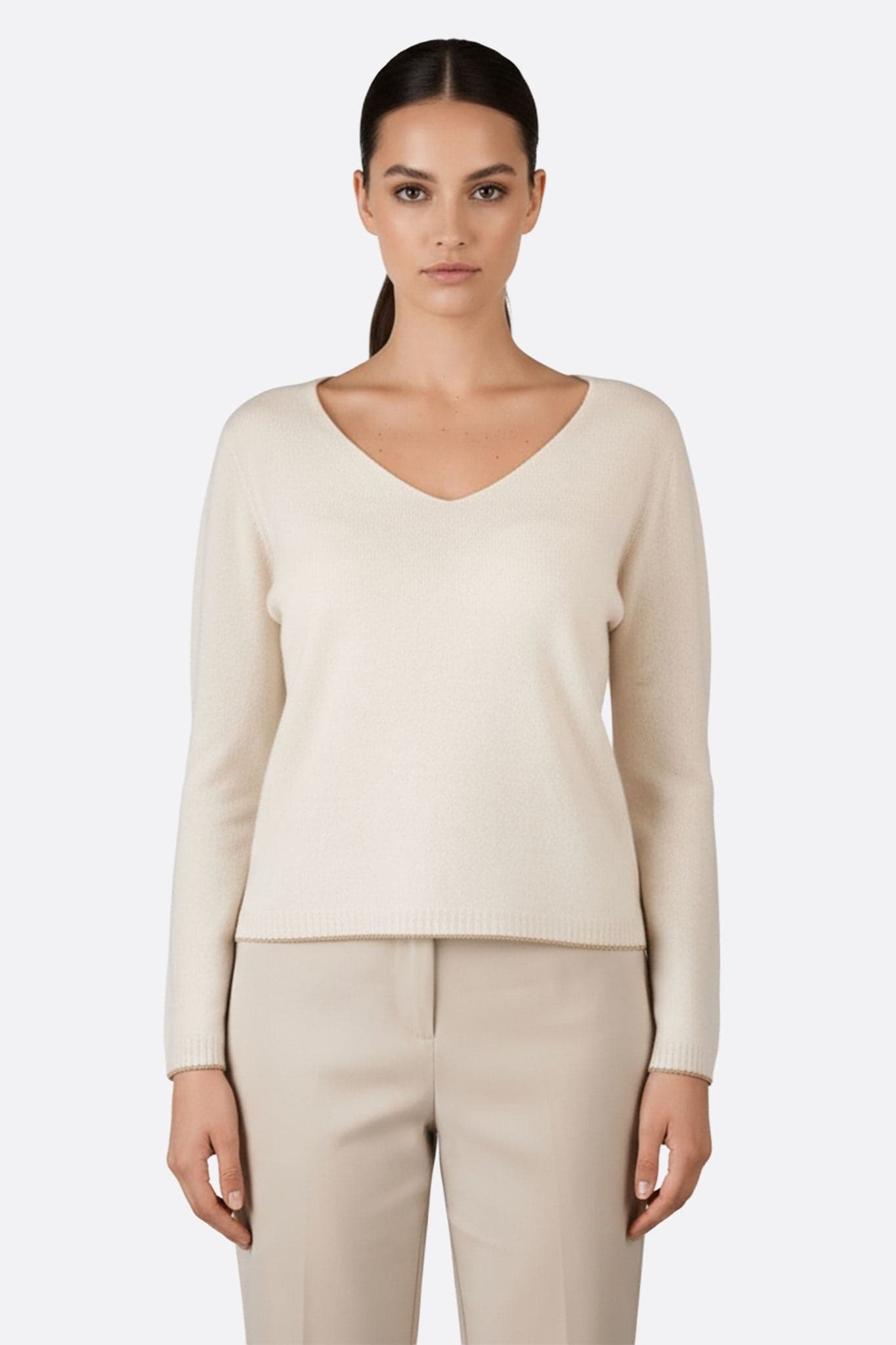
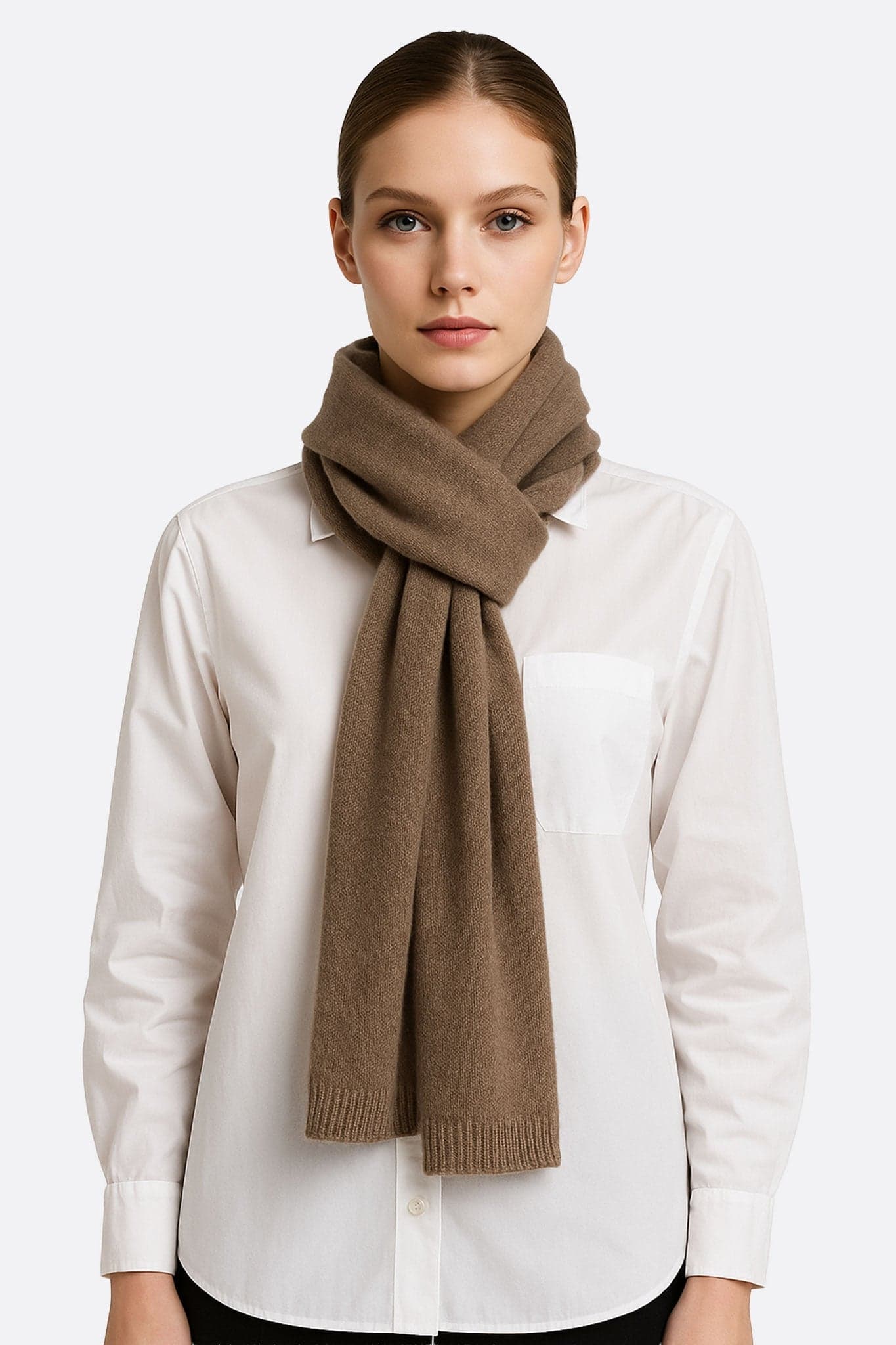
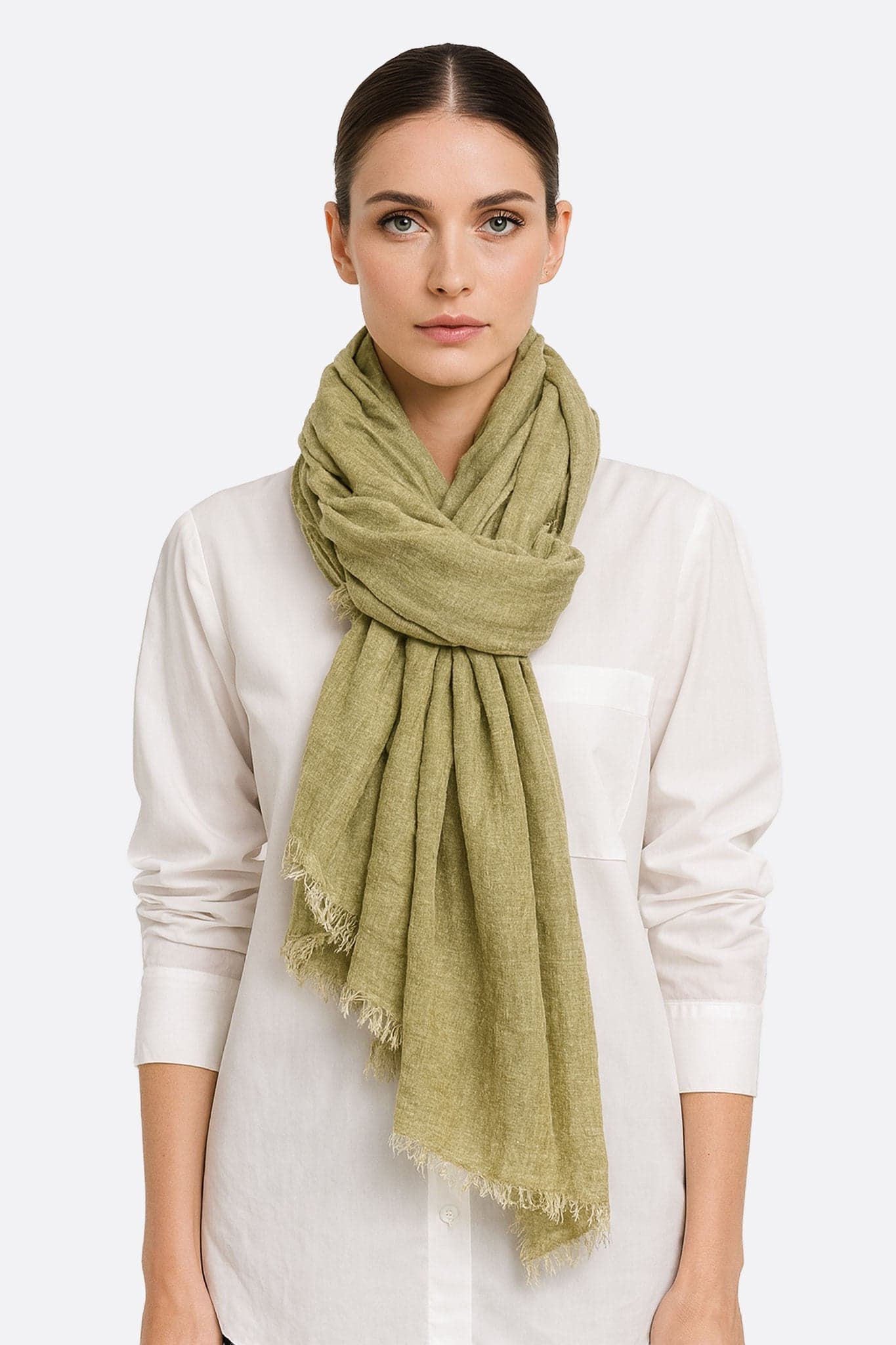
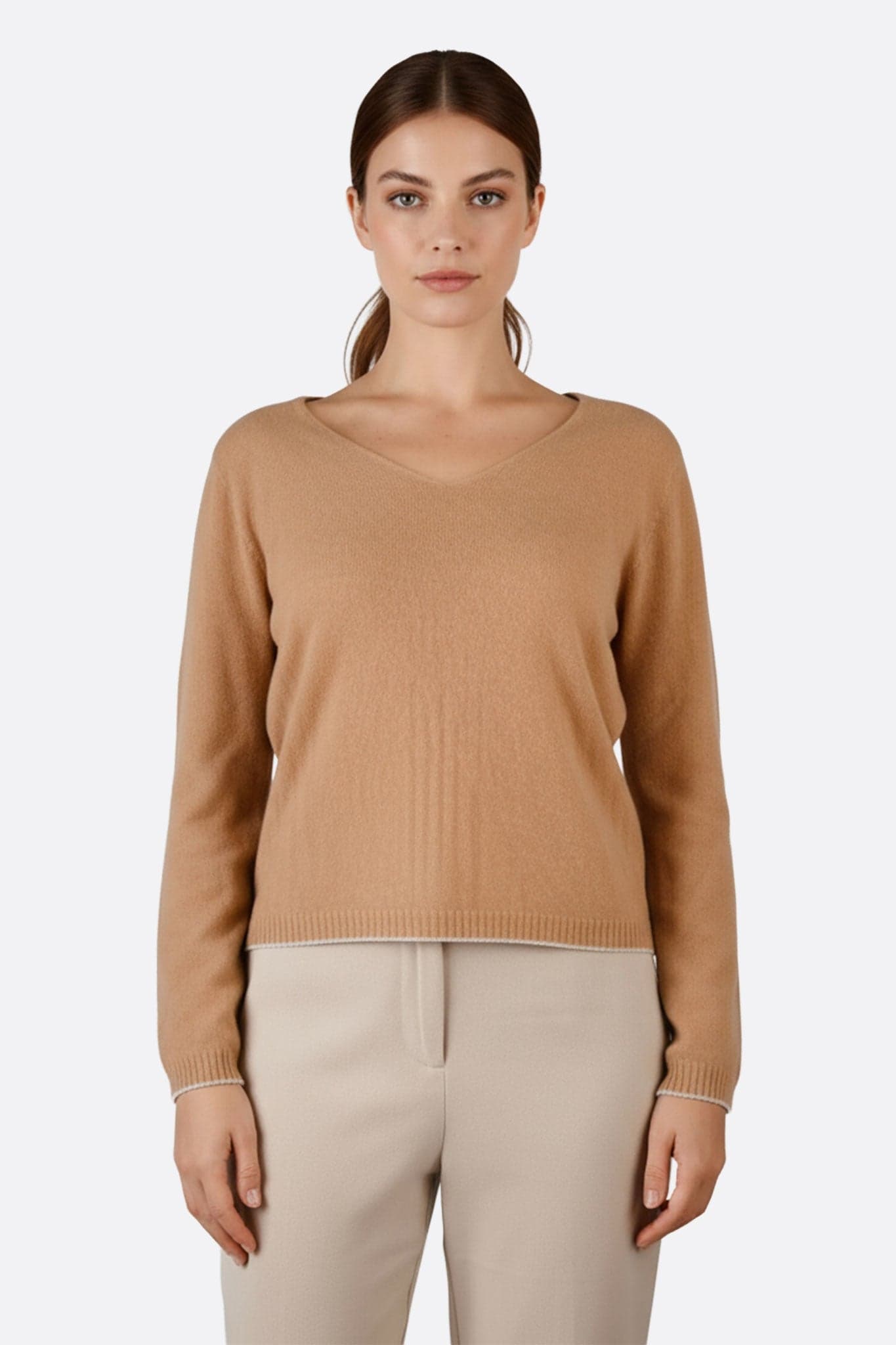
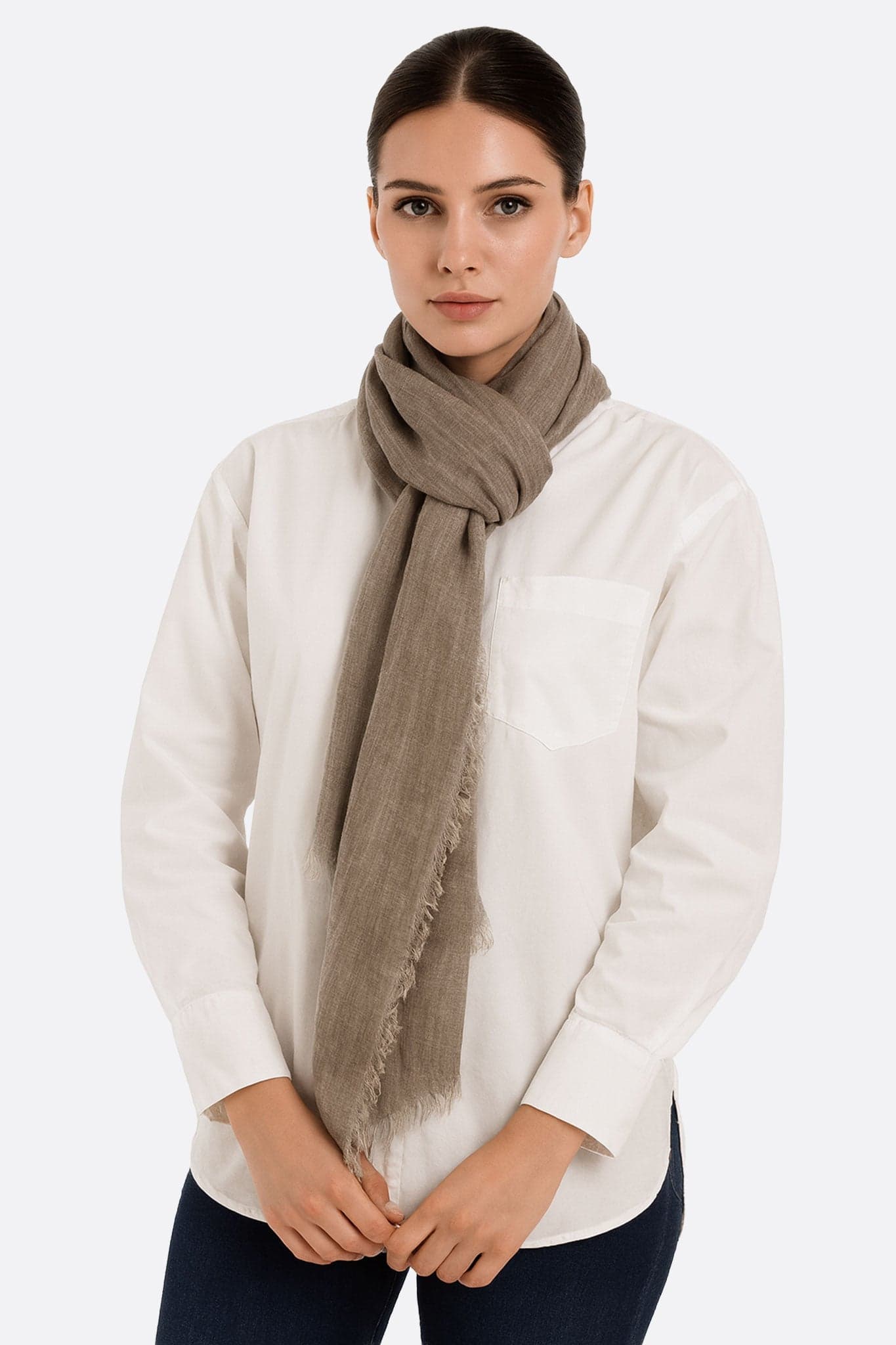
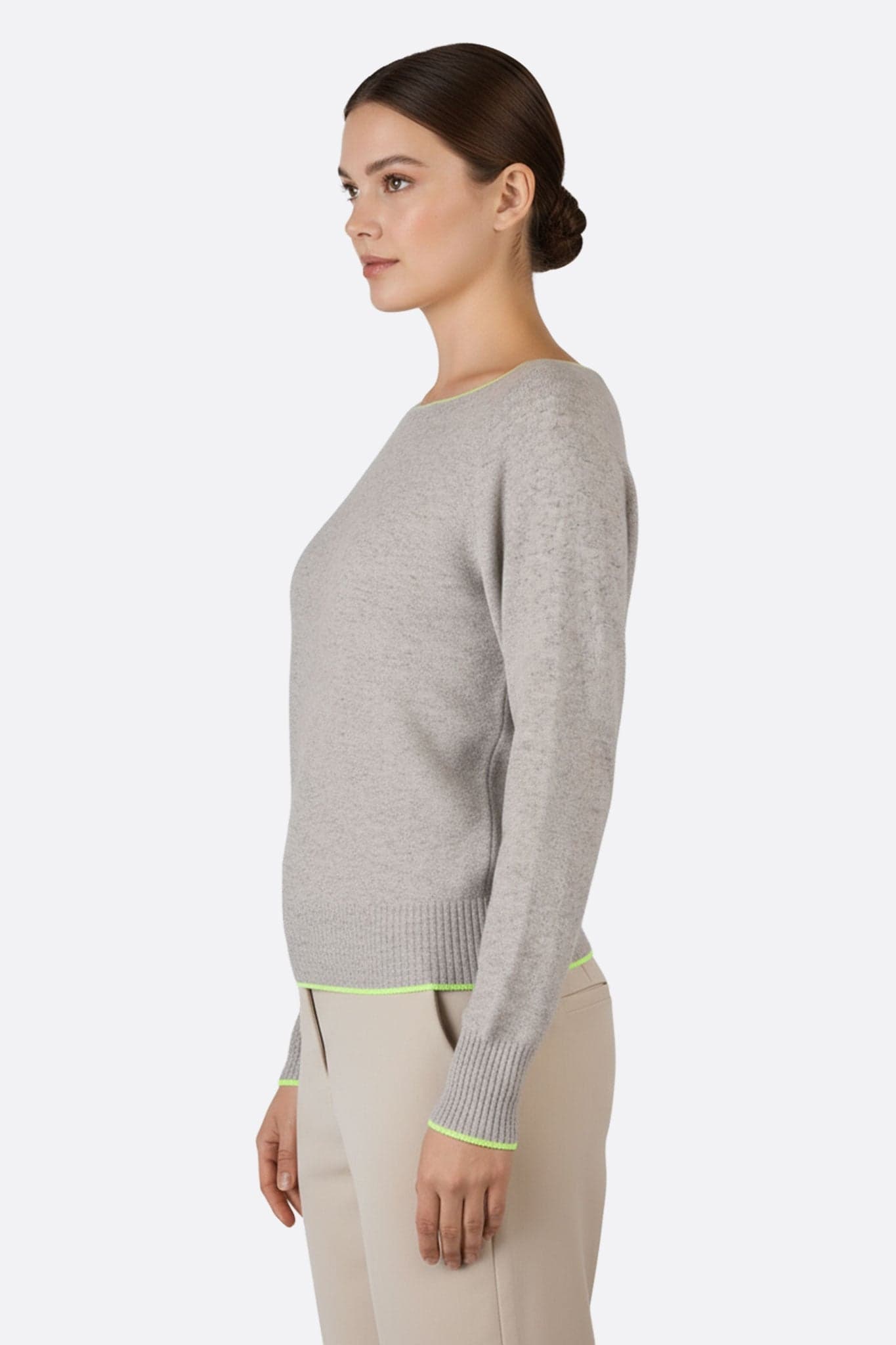
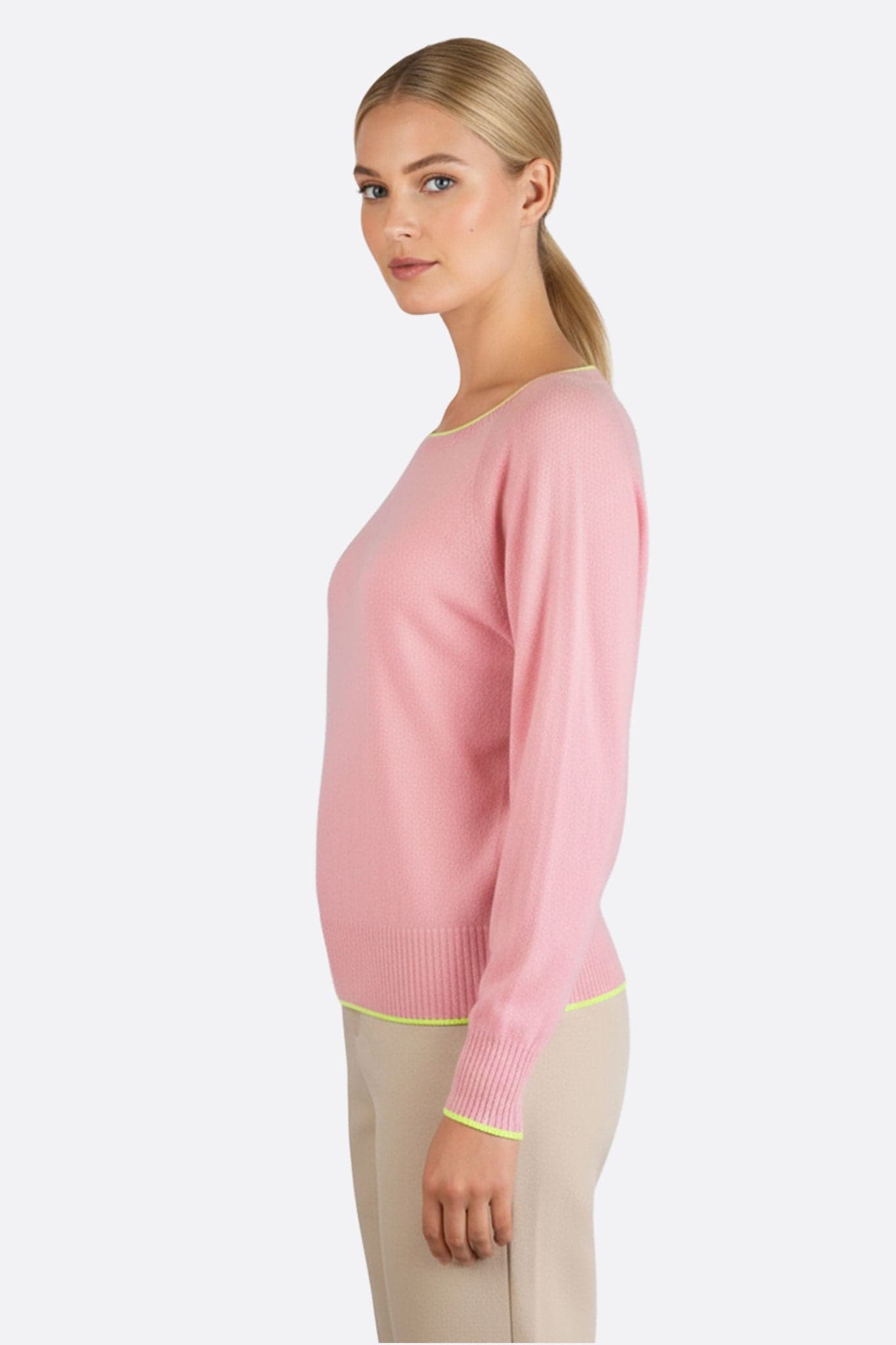
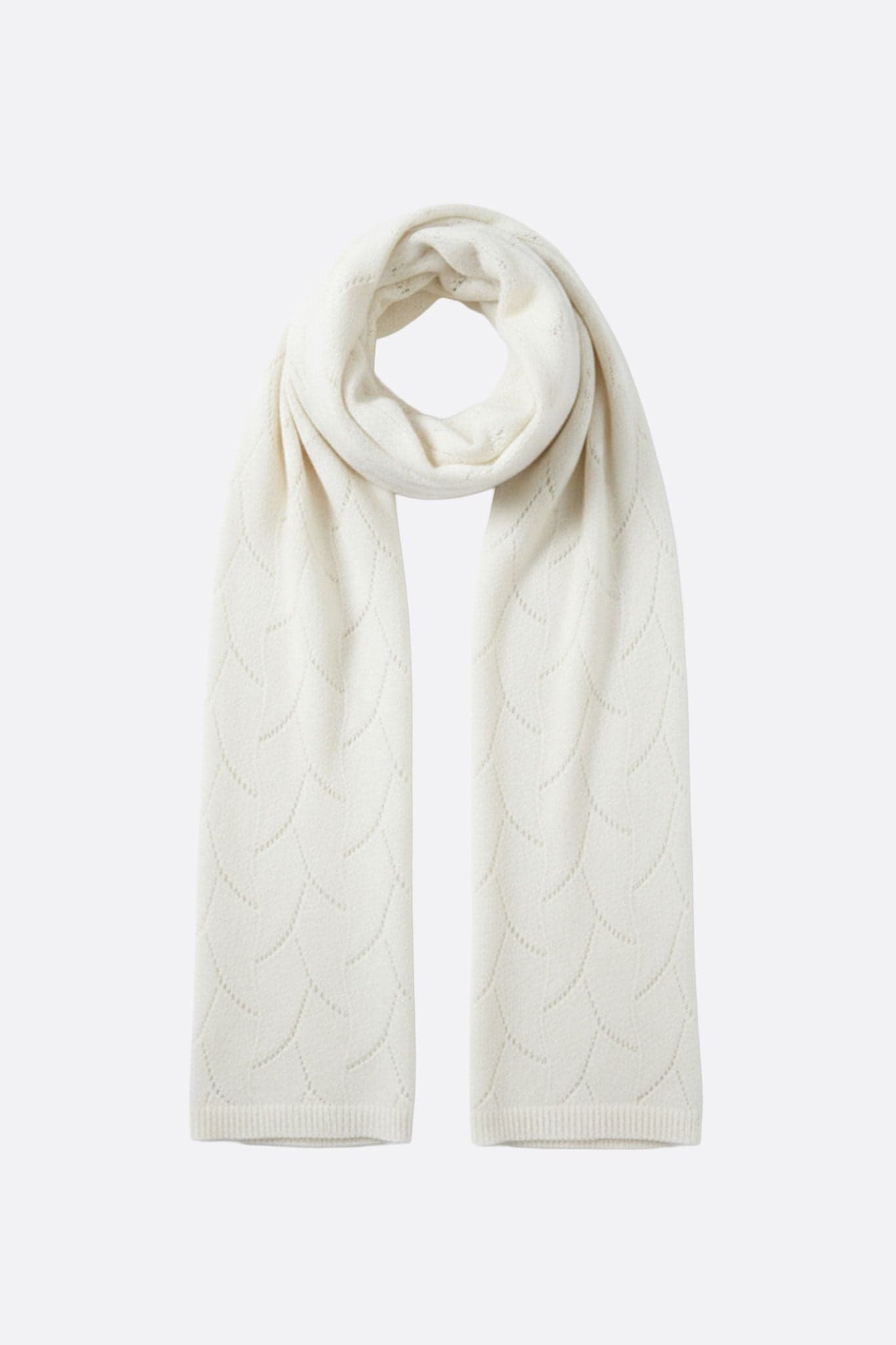
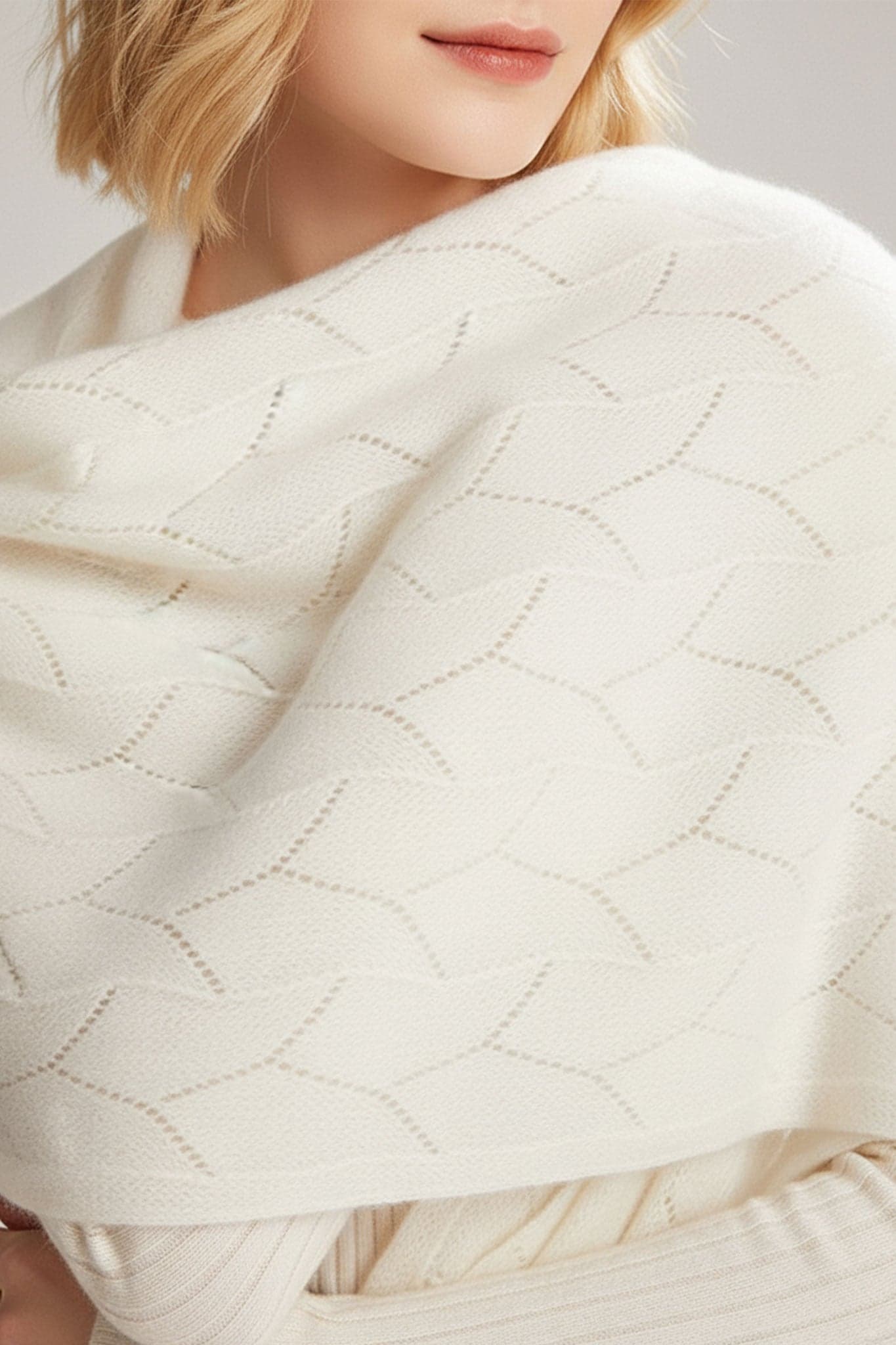
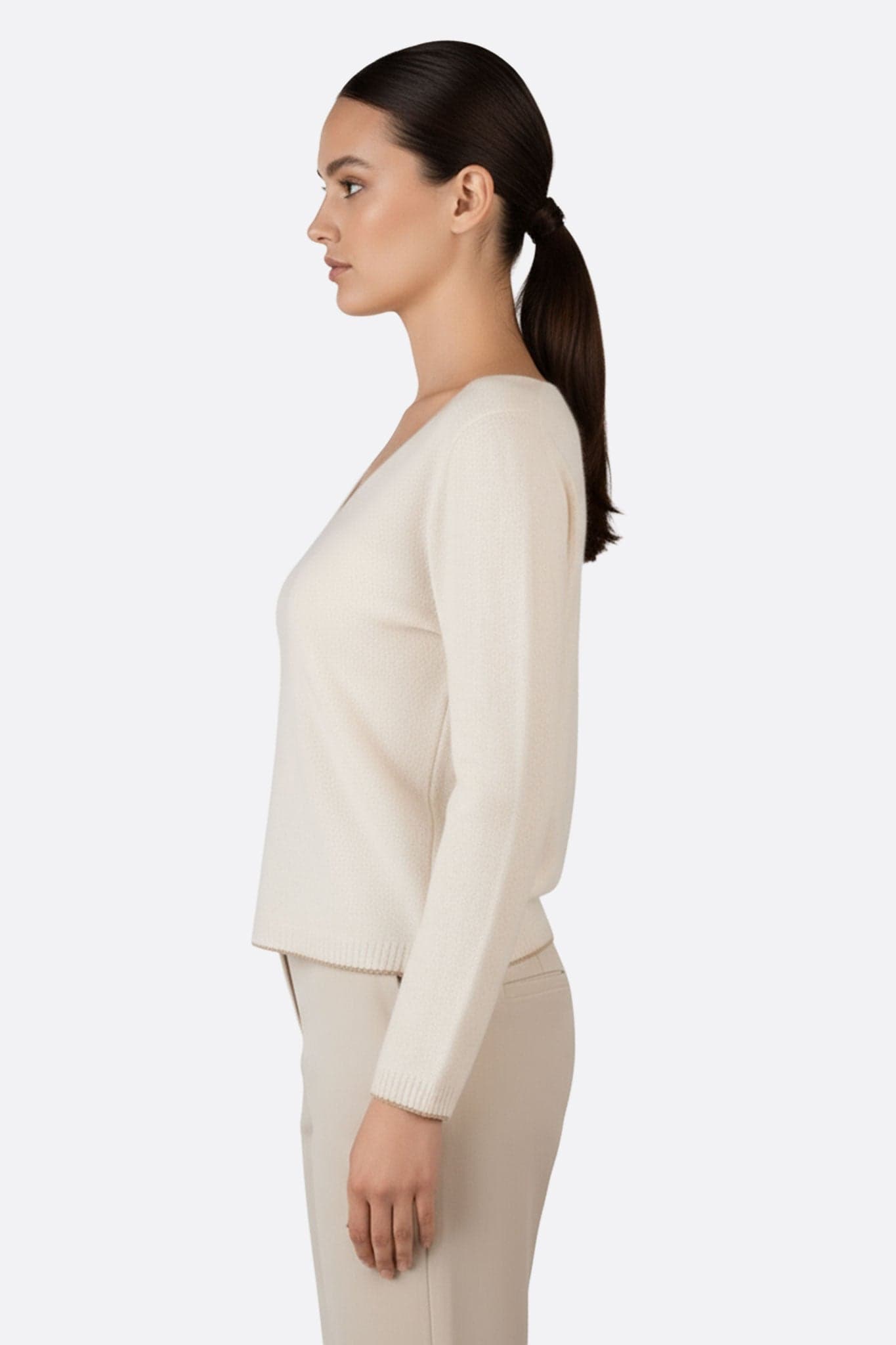
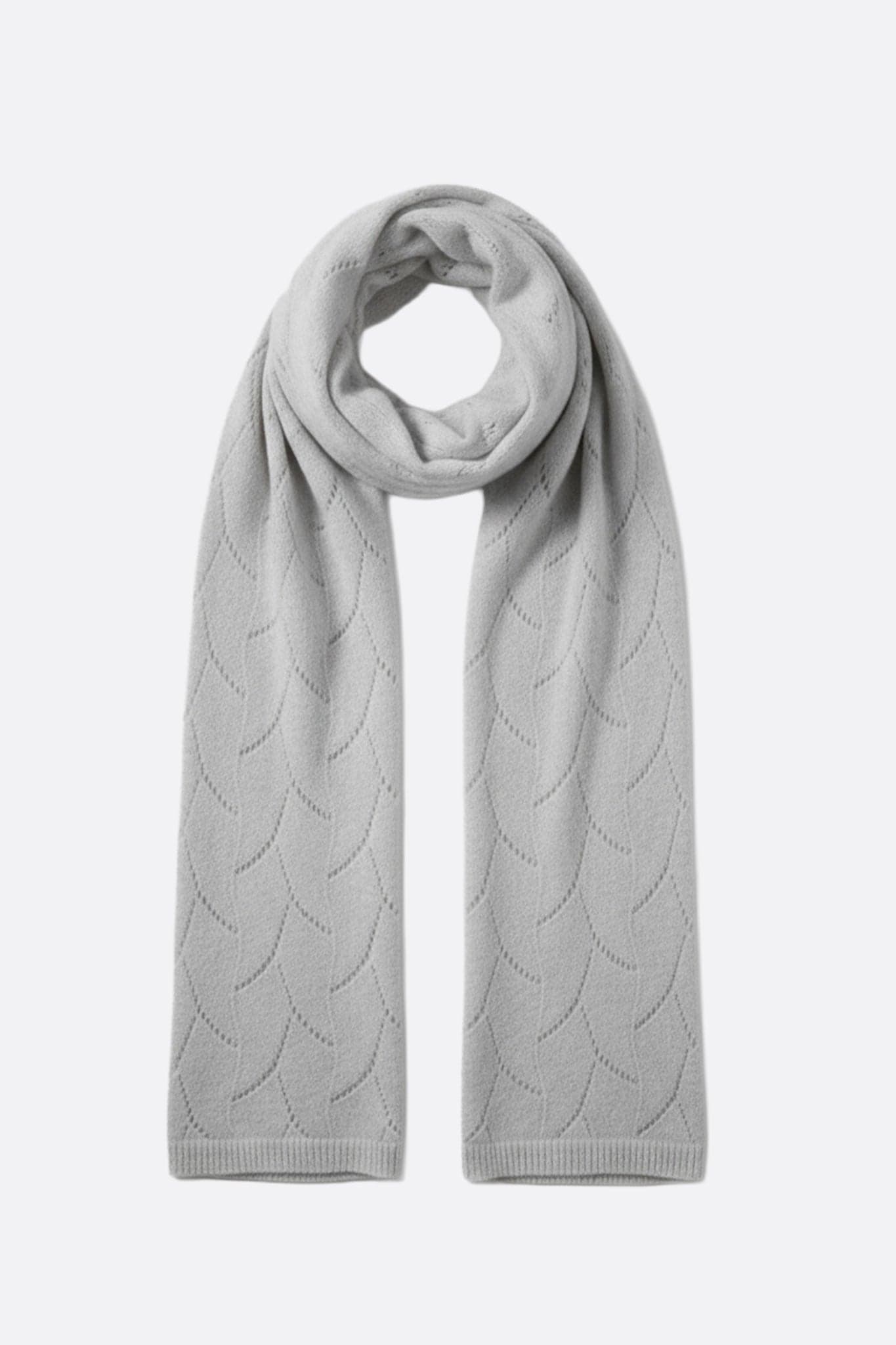
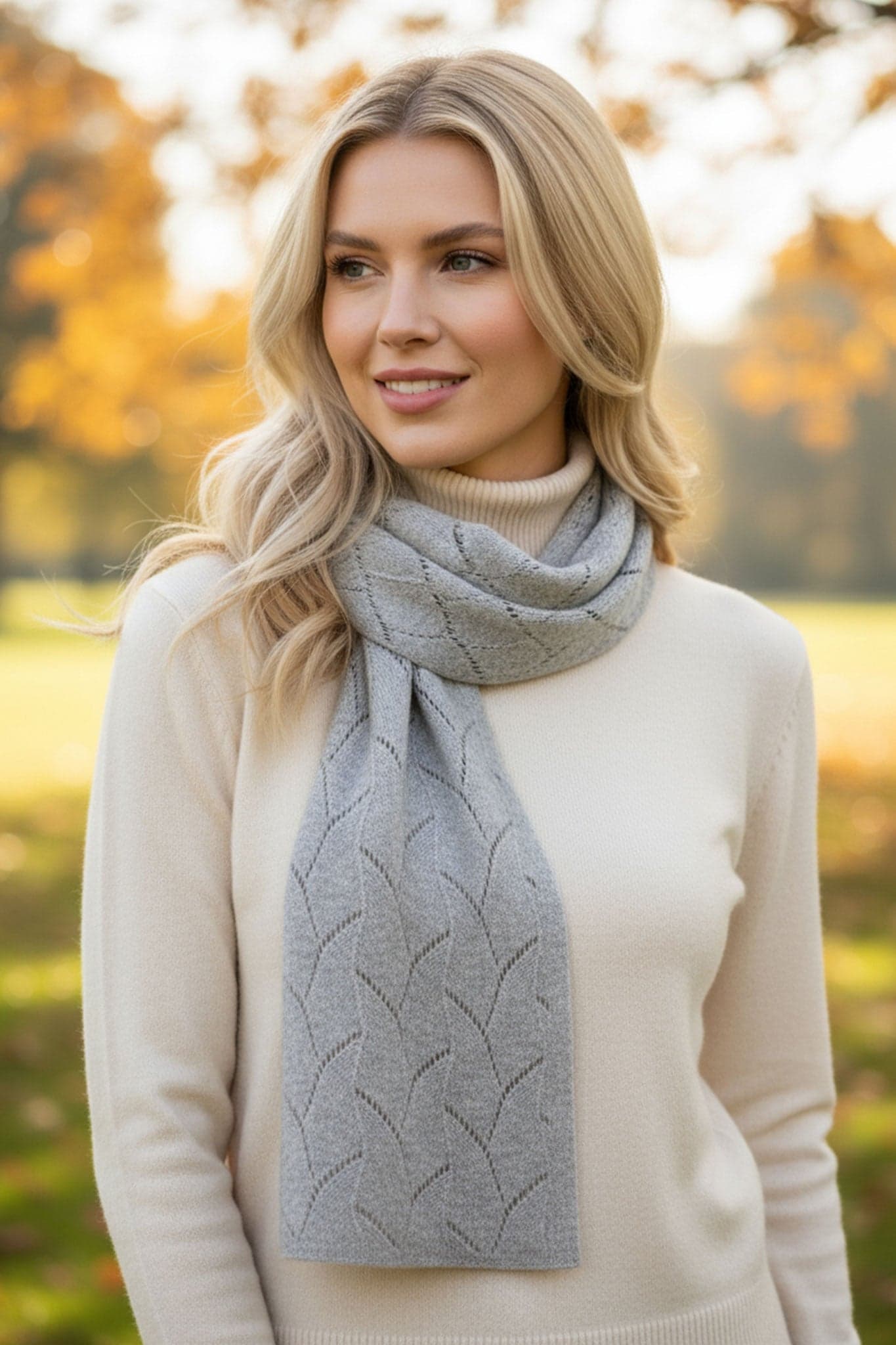
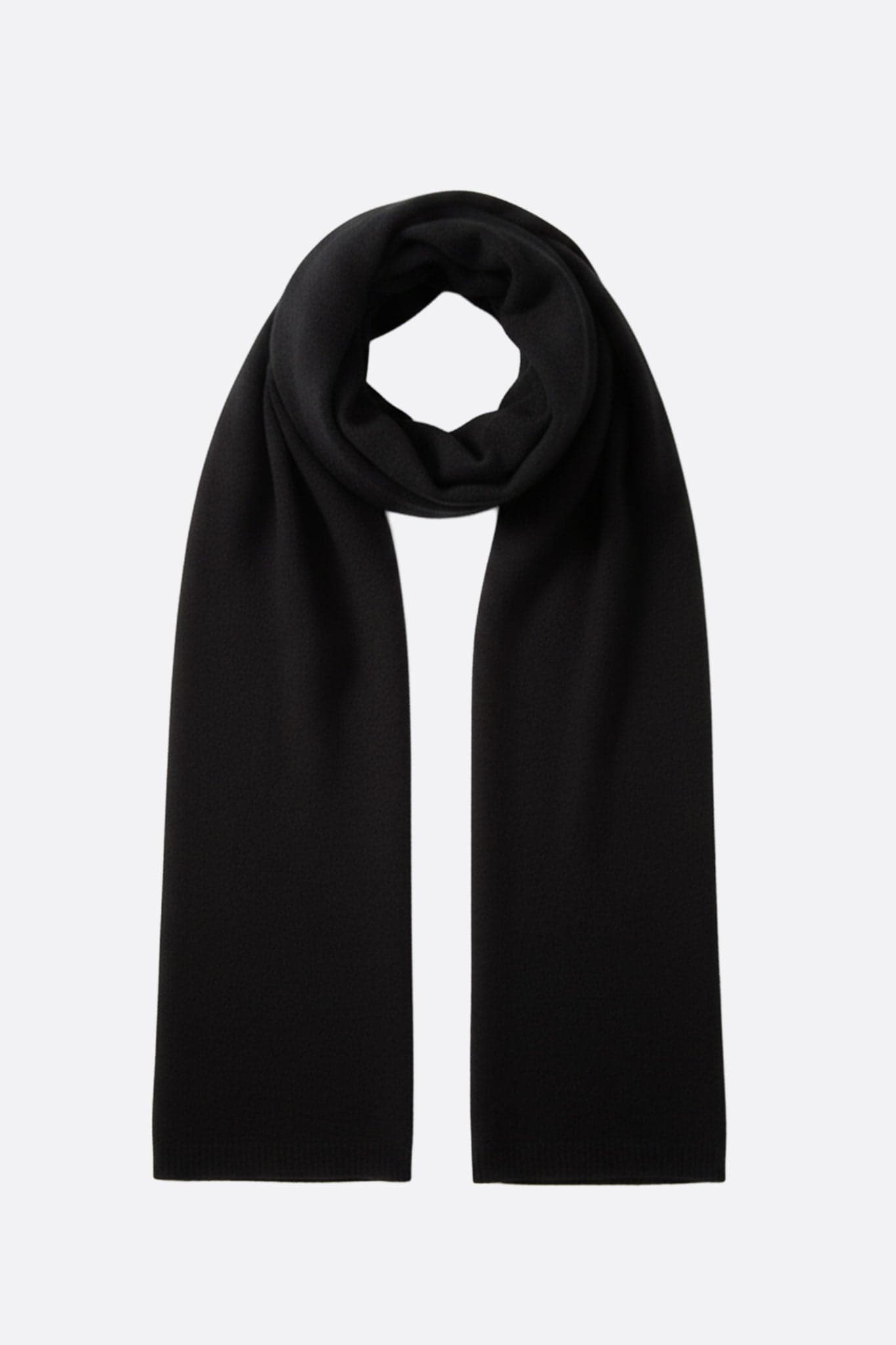
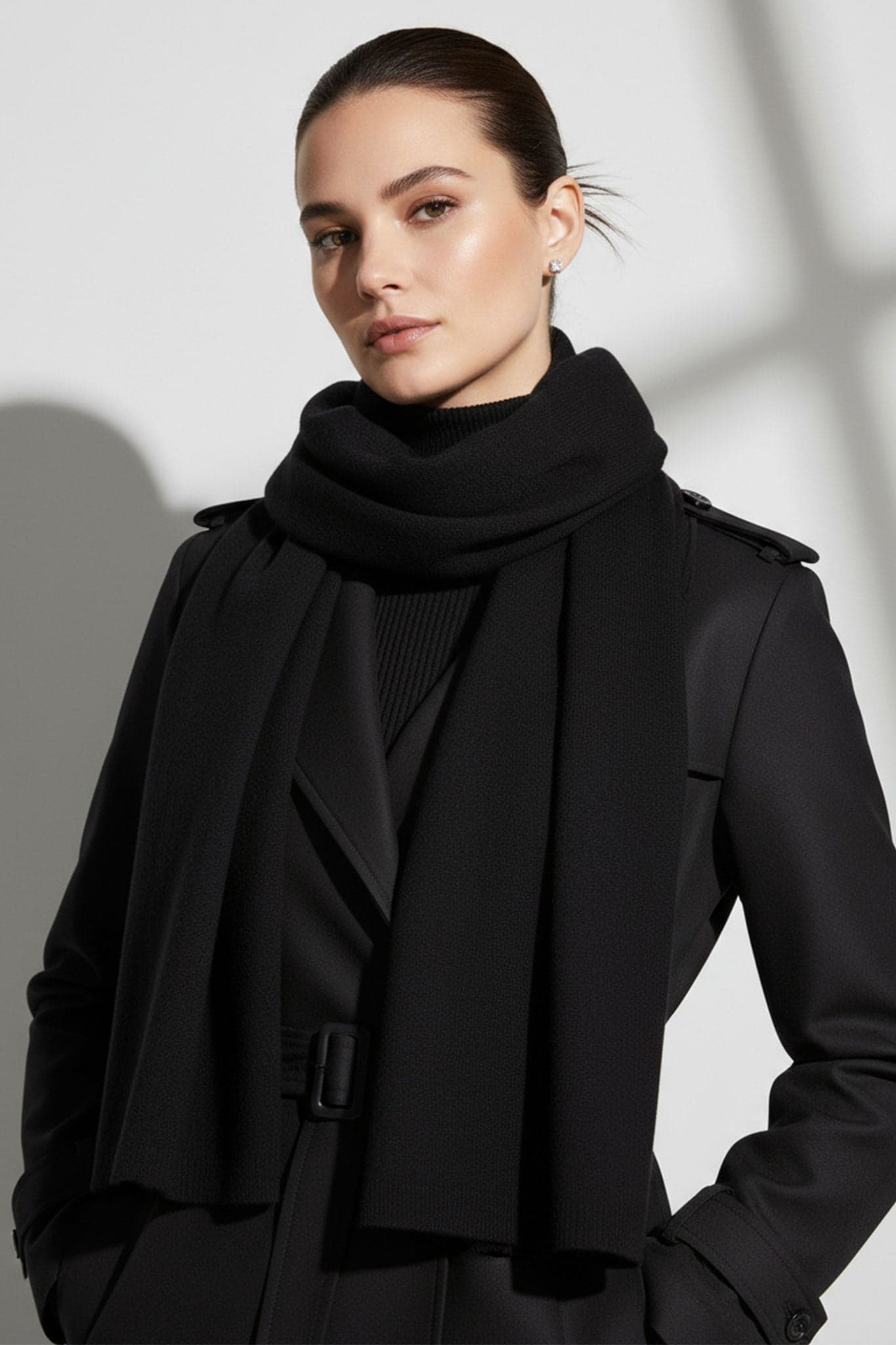
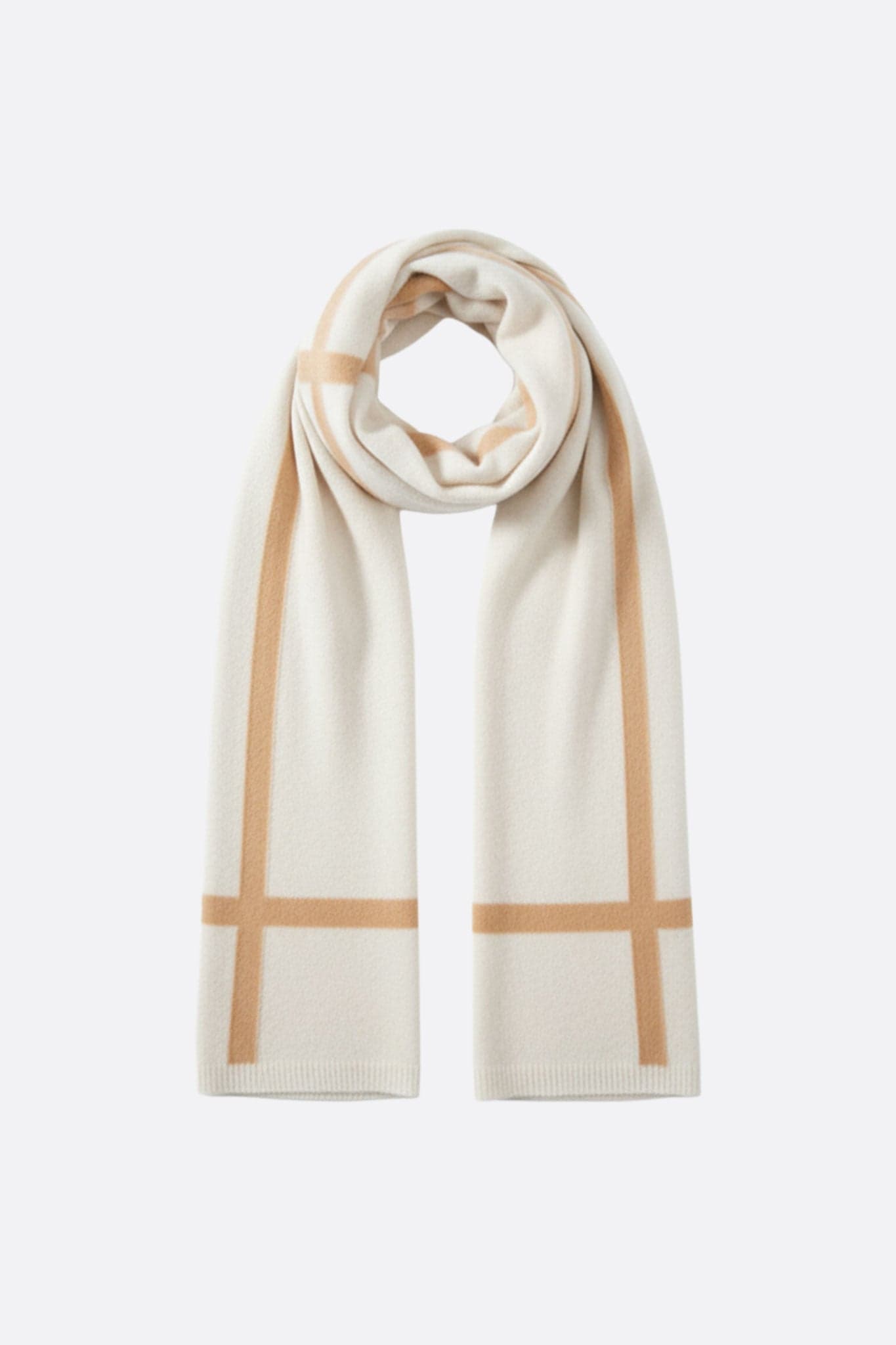
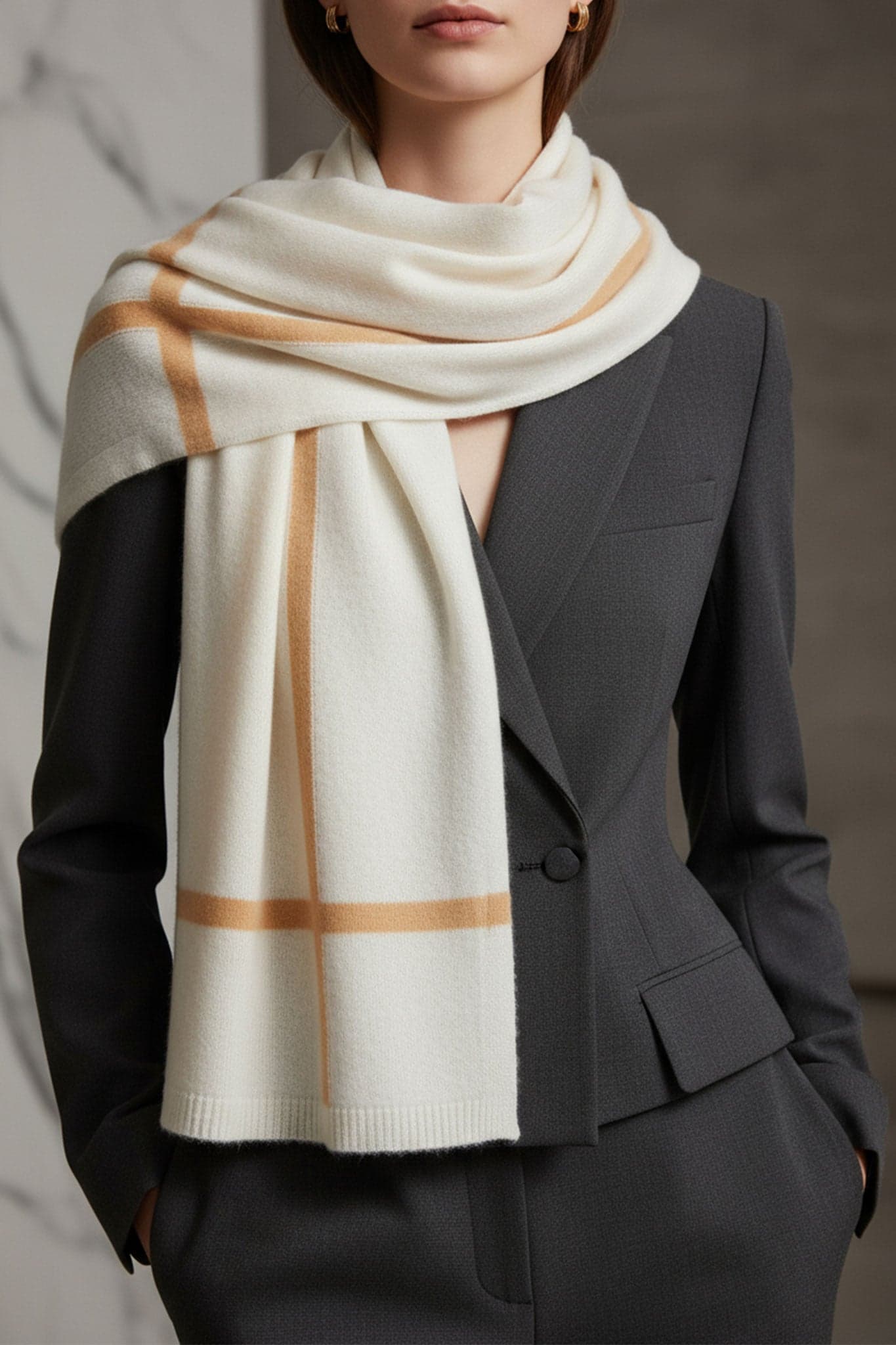
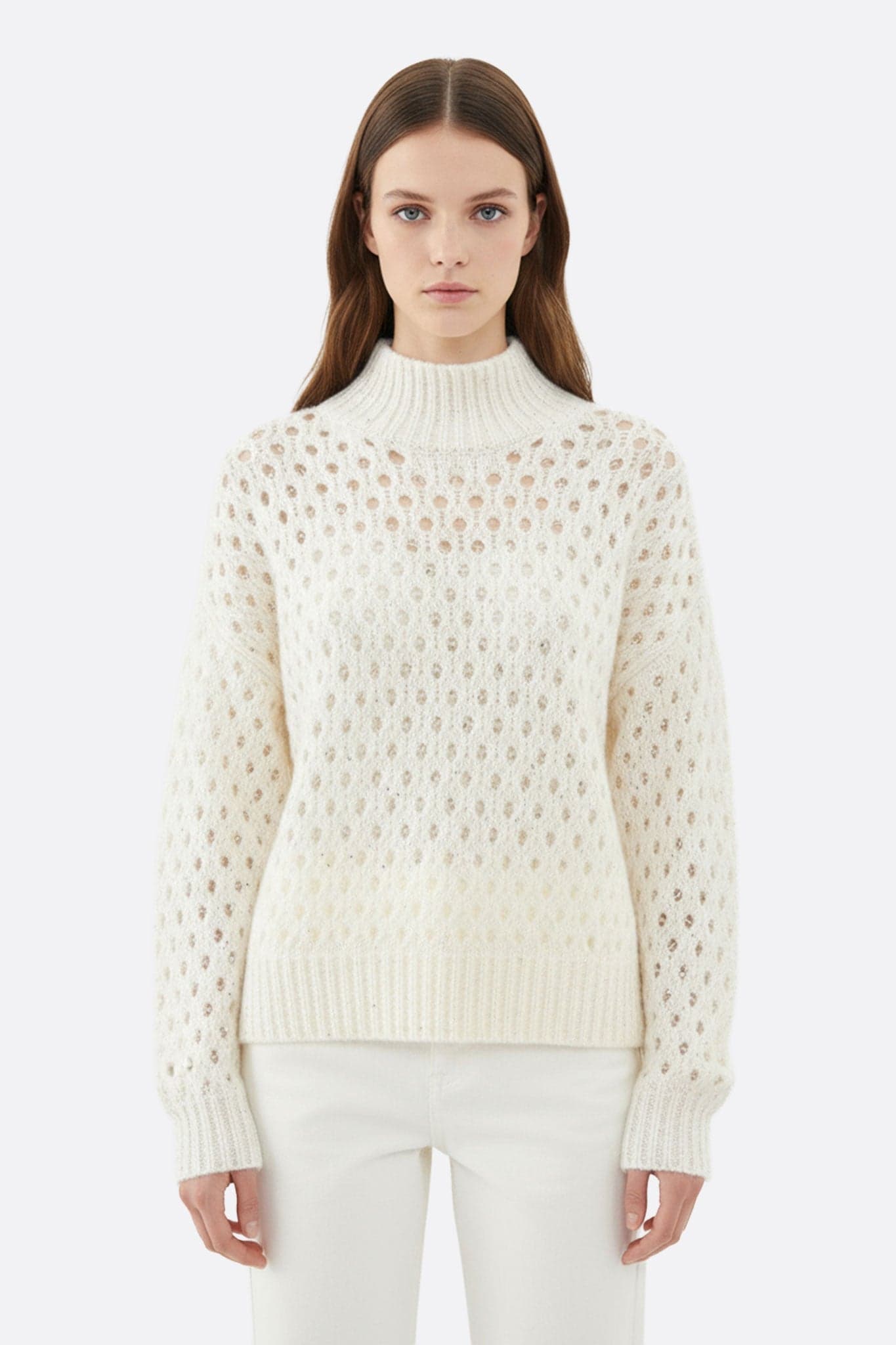
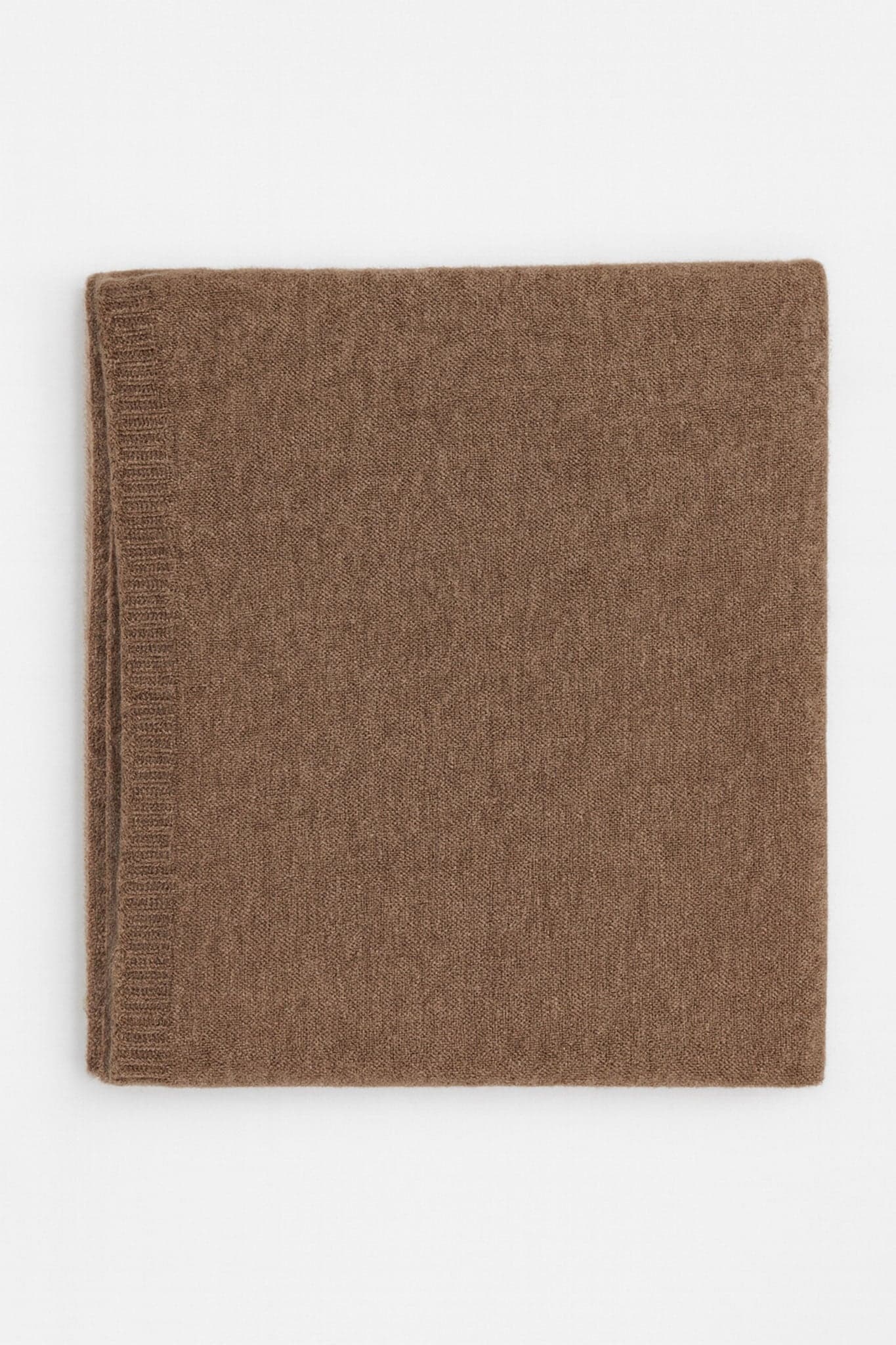
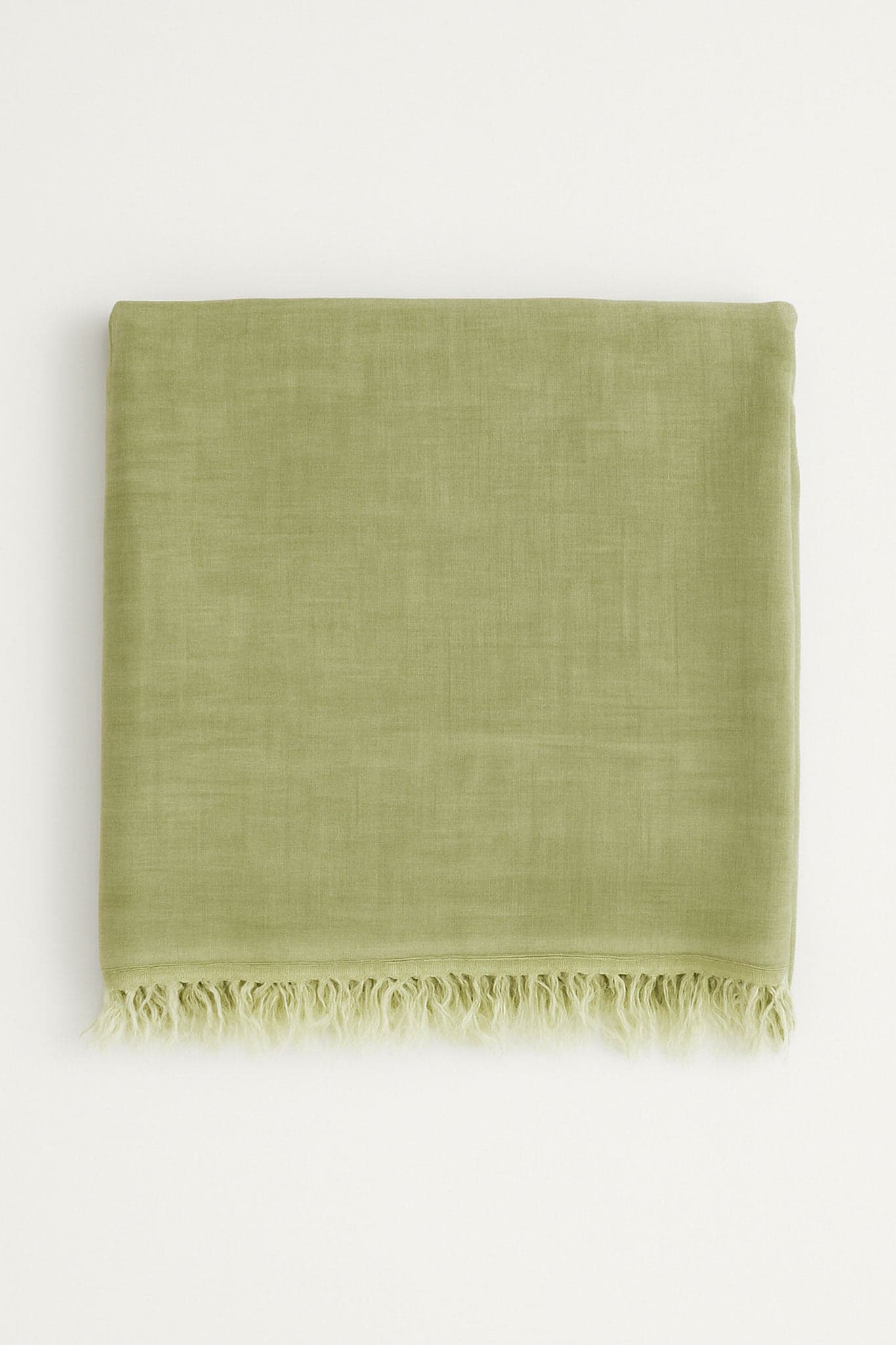
Cashmere sweater: the central piece, worn alone or layered. A 100% cashmere grade A sweater at nm 2/48 weighs 150-180 g: significantly lighter than a wool sweater of the same size. Cashmere cardigan: open front, worn over a shirt or top: the most versatile version for the office. Cashmere scarf or stole (150-200 g/m²): the form where the quality/price ratio is most accessible: a scarf uses less fiber than a sweater and can be grade A for a lower budget. Cashmere vest: sleeveless, for indoor layering: less fiber = more accessible price, same quality.
Warmth Without Weight: Cashmere's Unique Ratio
Cashmere fiber is hollow: it traps air in its tubular structure, which is the most effective thermal insulator. A 100% grade A cashmere sweater at 180 g/m² warms as much as a merino wool sweater at 280-300 g/m². This warmth-to-weight ratio is the physical property that truly distinguishes cashmere from other fibers. In practice: under a coat or jacket, cashmere adds warmth without visible bulk to the shoulders. On a travel day where luggage weight matters, a cashmere sweater replaces two wool sweaters in terms of warmth.
Care: Protocol for a 10-Year Lifespan
Washing frequency: 1 wash for every 5-8 wears (cashmere naturally resists bacteria). Method: hand wash only, cold water at 25°C maximum, wool detergent without enzymes, without rubbing or wringing. Drying: flat on a towel, never hung (stretches), never tumble dry (irreversible felting). Winter storage: wash before storing (invisible sweat stains become permanent yellow in storage), cotton bag, lavender or cedar against moths, never plastic bag. Pilling: normal in the first weeks: use a depilling stone after 3-4 wears. A properly maintained grade A cashmere lasts 10-15 years.
Weaving: Finding the Right Cashmere for Use
For a cashmere sweater worn often daily: cashmere sweaters: grade B recommended for durability. For a cashmere scarf or stole: scarves and stoles: grade A accessible thanks to the reduced format. For an office cashmere cardigan: sweaters and cardigans. To compose a complete winter outfit around cashmere: women's winter outfit. To understand the differences in fibers (cashmere vs wool vs mohair vs silk): material index.
FAQ: Women's Cashmere
How to recognize a true quality cashmere?
Three criteria: micronage less than 14.5 µ (grade A), featherweight (less than 200 g for a sweater), and "100% cashmere" label with a consistent price (less than 80 euros for a 100% grade A cashmere is suspicious). Tactile test: rub on the inside of the wrist: if it stings, the micronage exceeds 20 µ and it is not grade A.
Is a "30% cashmere" sweater worth it?
Yes, if it contains grade A cashmere: the blend will be more durable than a 100% grade C cashmere. But the feel will be that of the dominant fiber (wool or synthetic at 70%). For a truly cashmere feel, the minimum useful is 50% cashmere. Below that, the difference with fine wool is imperceptible on a daily basis.
What is the difference between cashmere and pashmina?
Authentic pashmina is cashmere from the Changthangi breed from the Kashmir region (India/Pakistan), with fibers of 12-14 µ: the finest available. All pashmina is cashmere, but not all cashmere is pashmina. The term "pashmina" is not legally protected: check the origin and micronage on the label.