Fast & secure deliveryFree shipping in France from €99Easy returns
Fast & secure deliveryFree shipping in France from €99Easy returns
Belts
Women's belt: width, wearing height, and silhouette effect
A belt has two physical variables that determine its entire effect: the wearing height and the width. Worn at the natural waist (the narrowest point between the ribs and hips), it highlights the actual waist. Worn at the high waist (above the navel, between the navel and below the ribs), it visually redefines the waist at a higher and narrower point: elongating the perceived leg. The width in cm determines if the belt "cuts" or "decorates": narrow (<2 cm) = discreet, wide (4-8 cm) = structuring.
A belt has two physical variables that determine its entire effect: the wearing height and the width. Worn at the natural waist (the narrowest point between the ribs and hips), it highlights the actual waist. Worn at the high waist (above the navel, between the navel and below the ribs), it visually redefines the waist at a higher and narrower point: elongating the perceived leg. The width in cm determines if the belt "cuts" or "decorates": narrow (<2 cm) = discreet, wide (4-8 cm) = structuring.
Wearing height: natural waist vs high waist
Natural waist (the natural hollow between ribs and hips, generally at the navel level or slightly above): the belt highlights the actual waist. It's the anatomical point. High waist (2-5 cm above the natural waist, between the navel and below the ribs): the belt visually redefines the waist at a higher point. It visually shortens the torso and elongates the perceived legs. For short torso morphologies (little distance between ribs and hips): the high waist is contraindicated as it shortens an already short torso. For long torso morphologies: the high waist creates a balanced proportion. To visually elongate the legs: high waist + pants or skirt starting from this point.
Width and visual effect
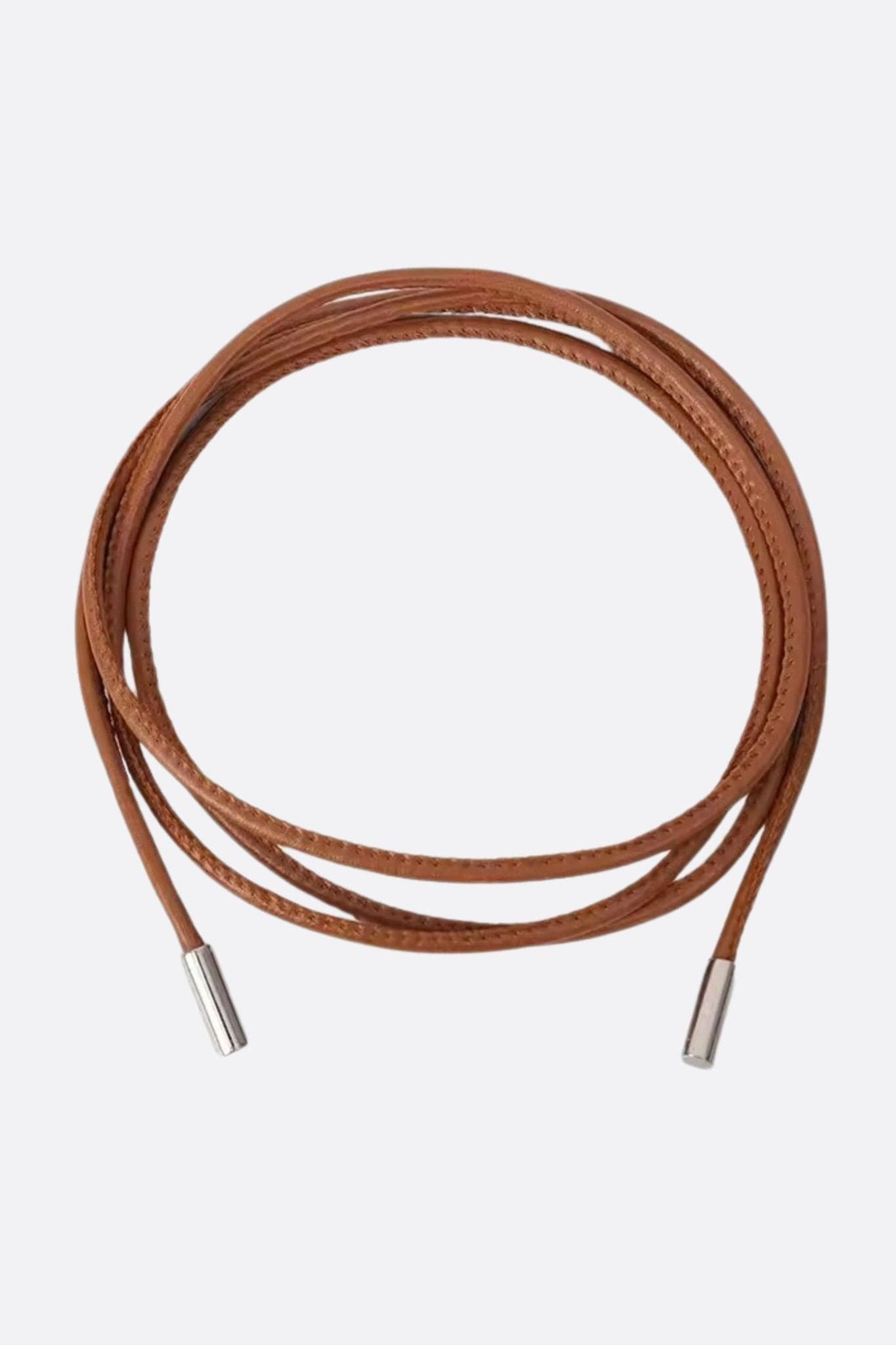
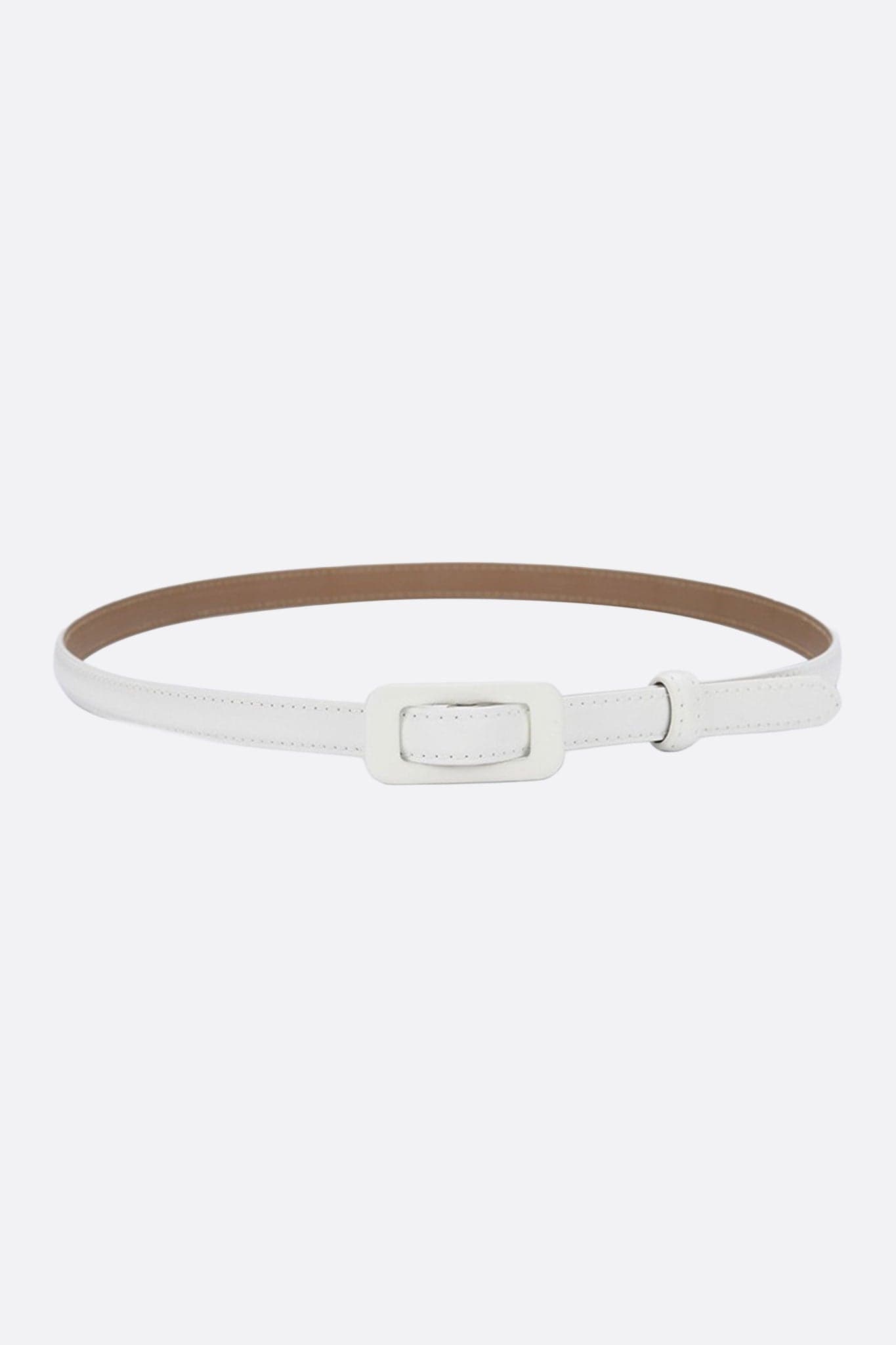
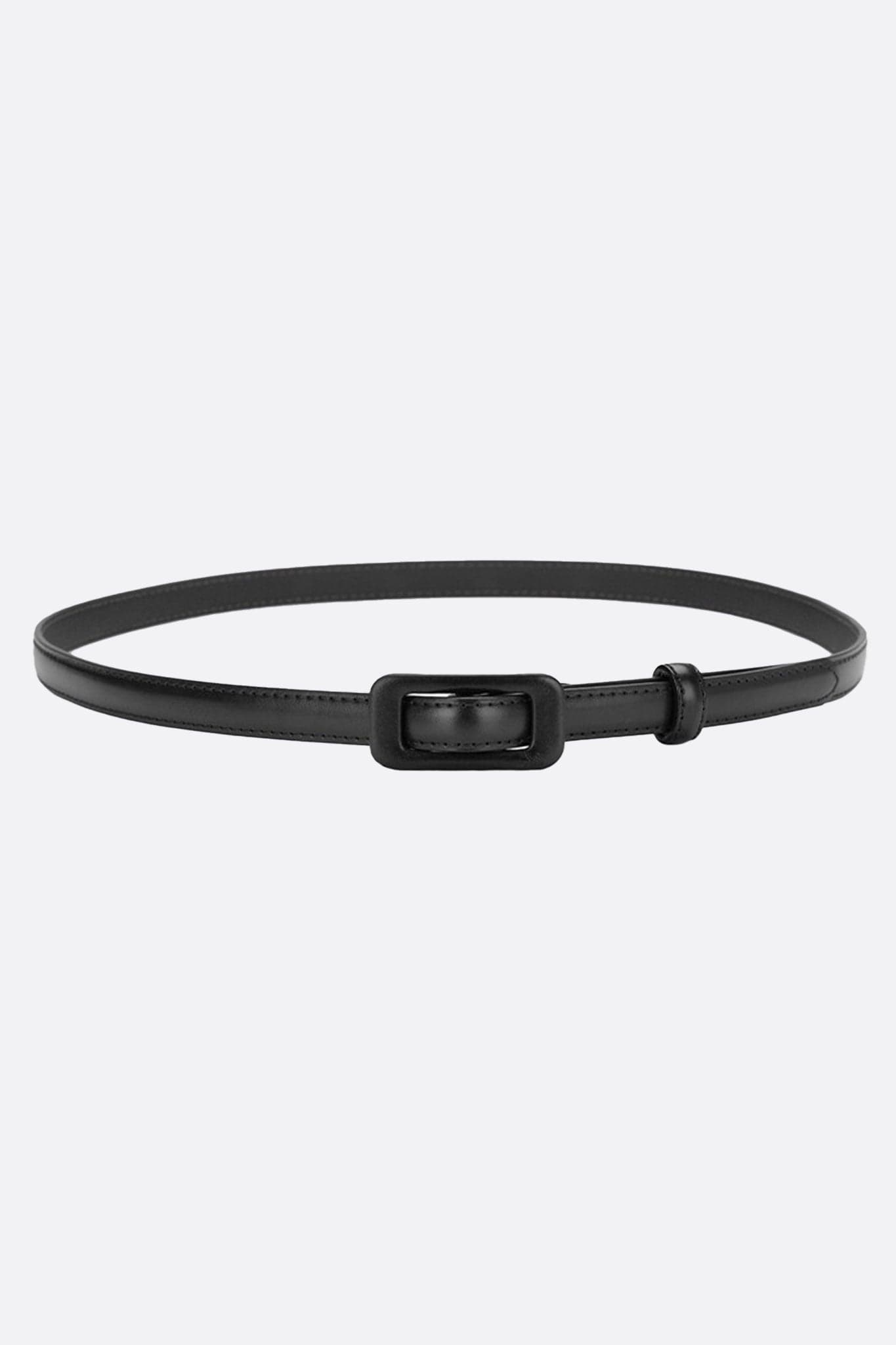
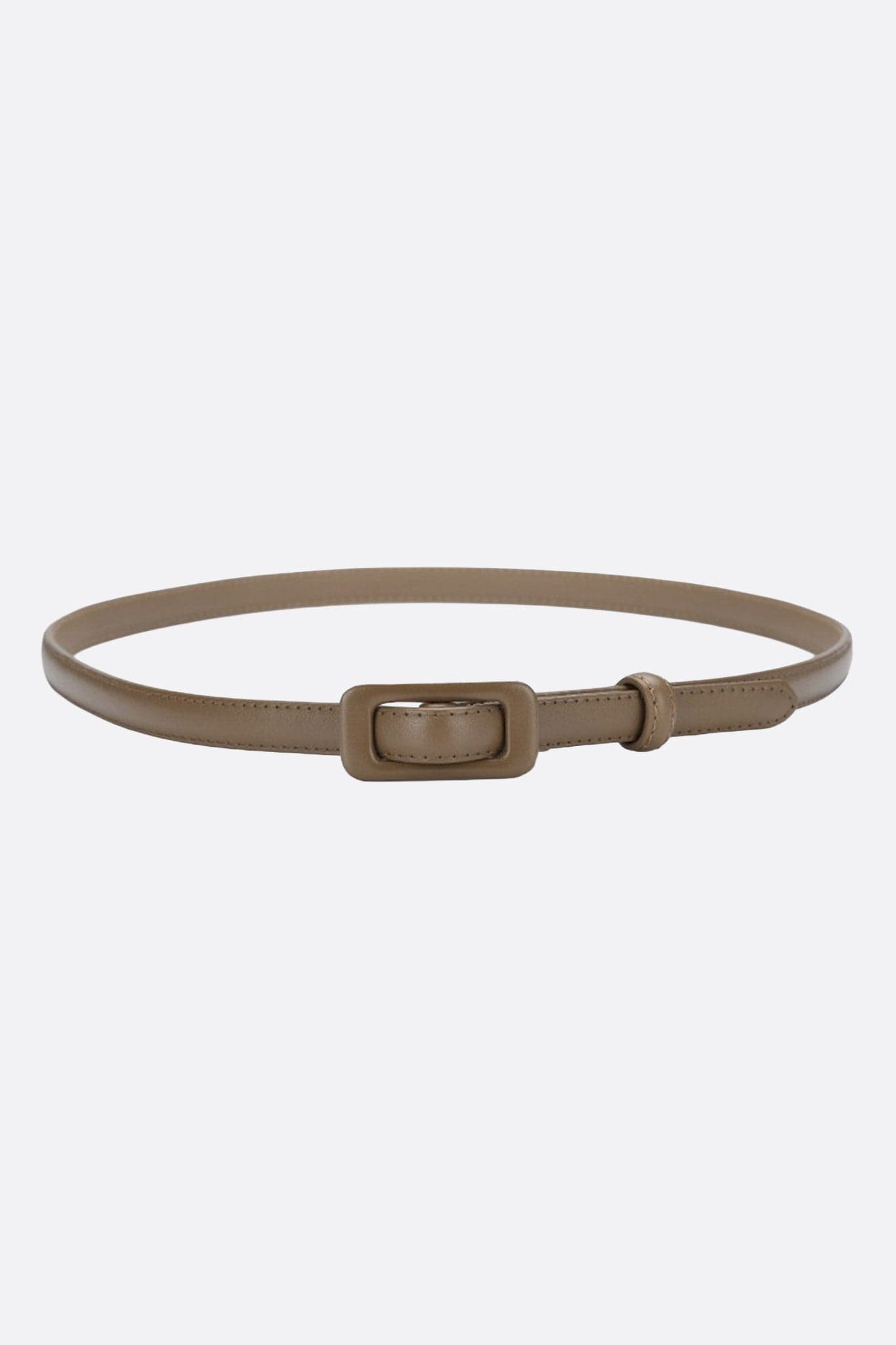
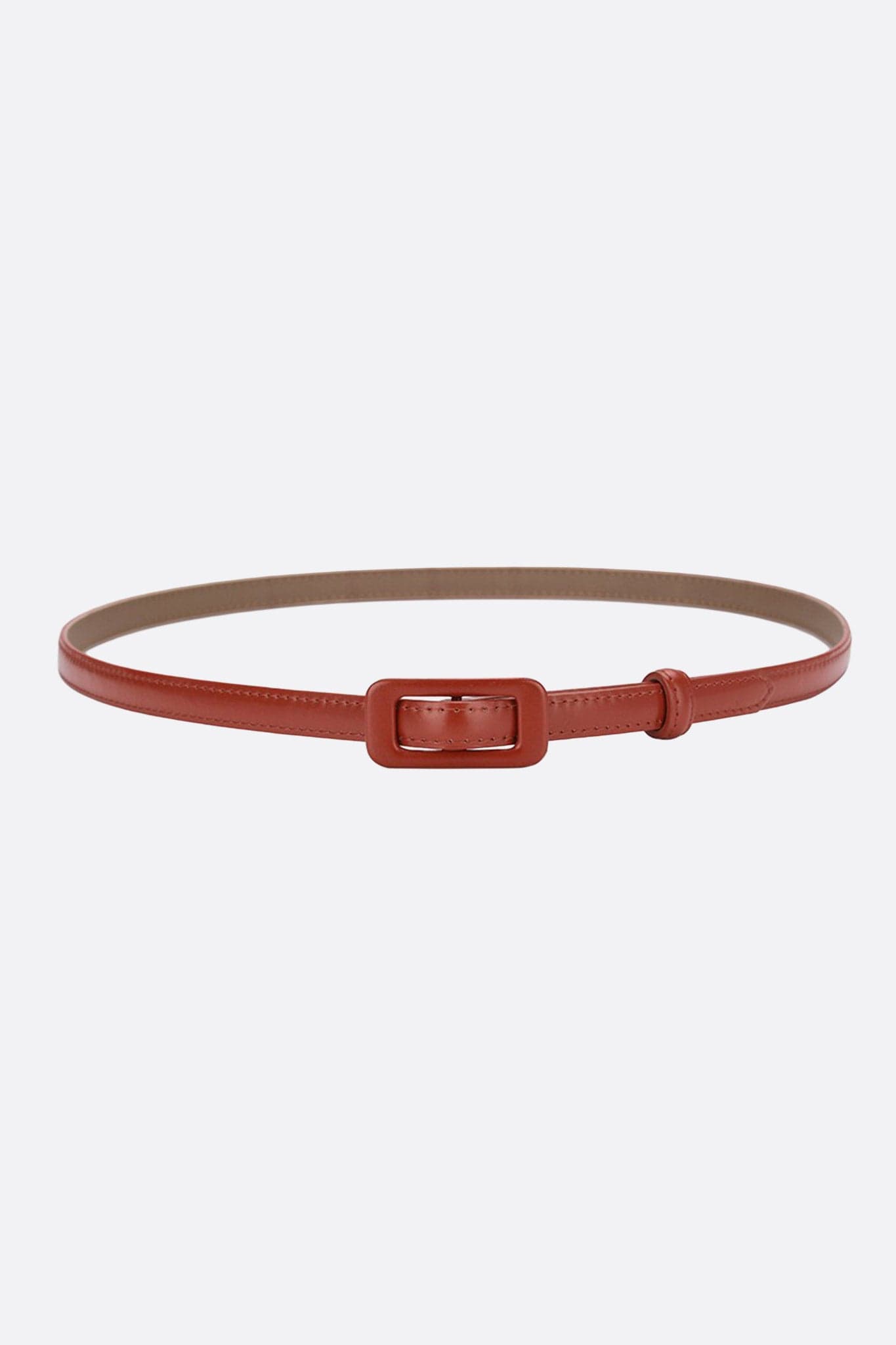
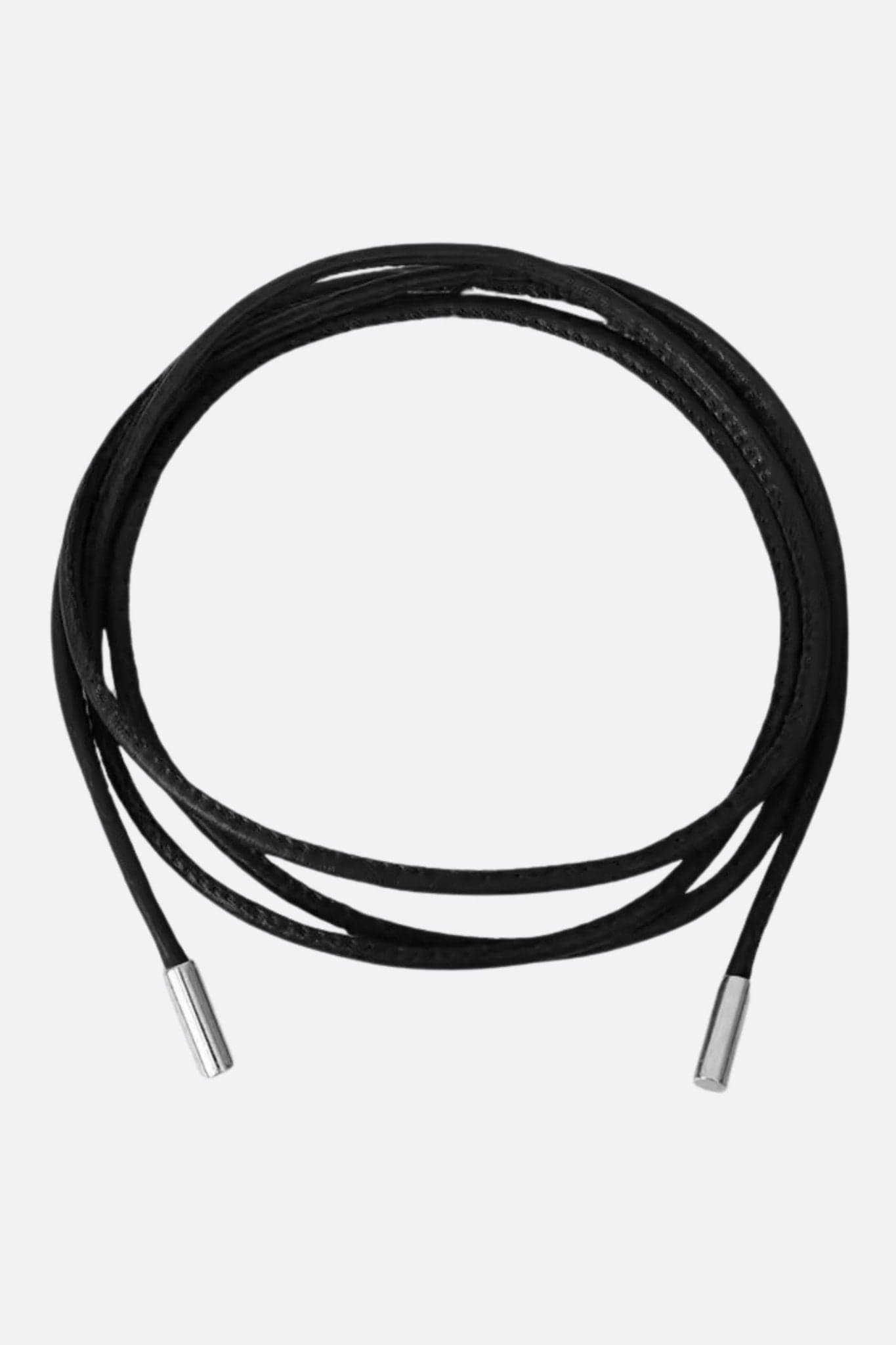
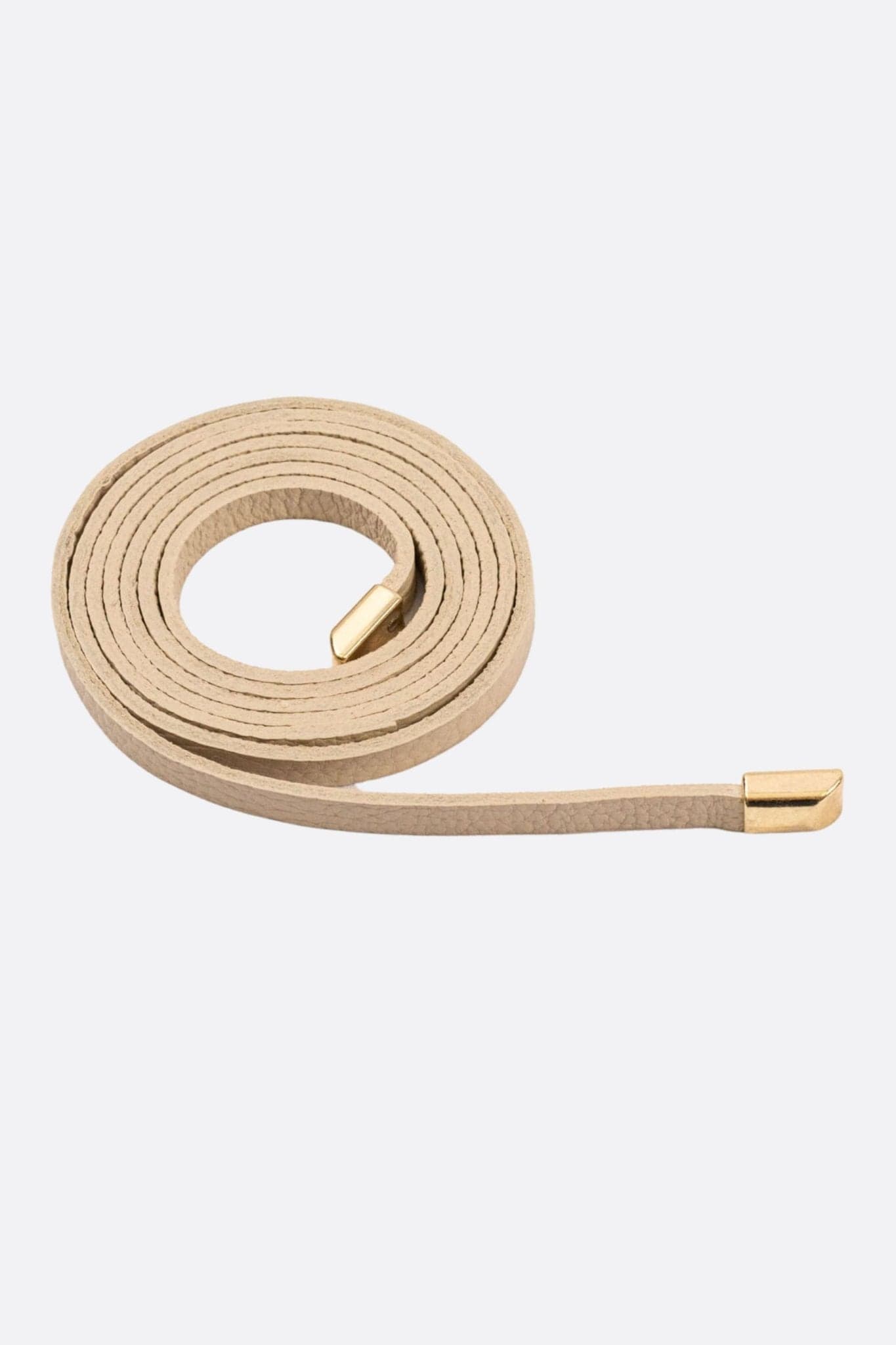
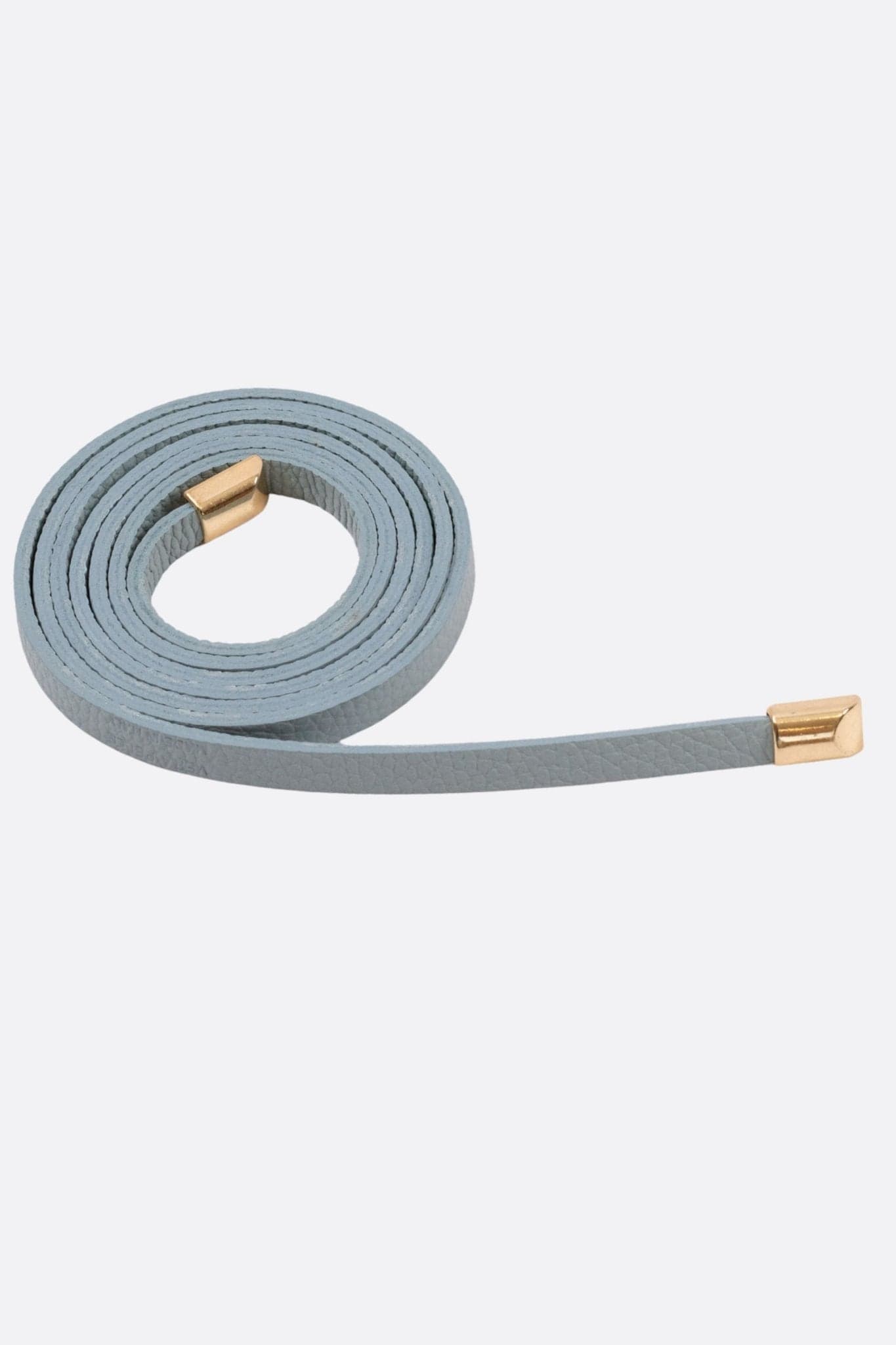
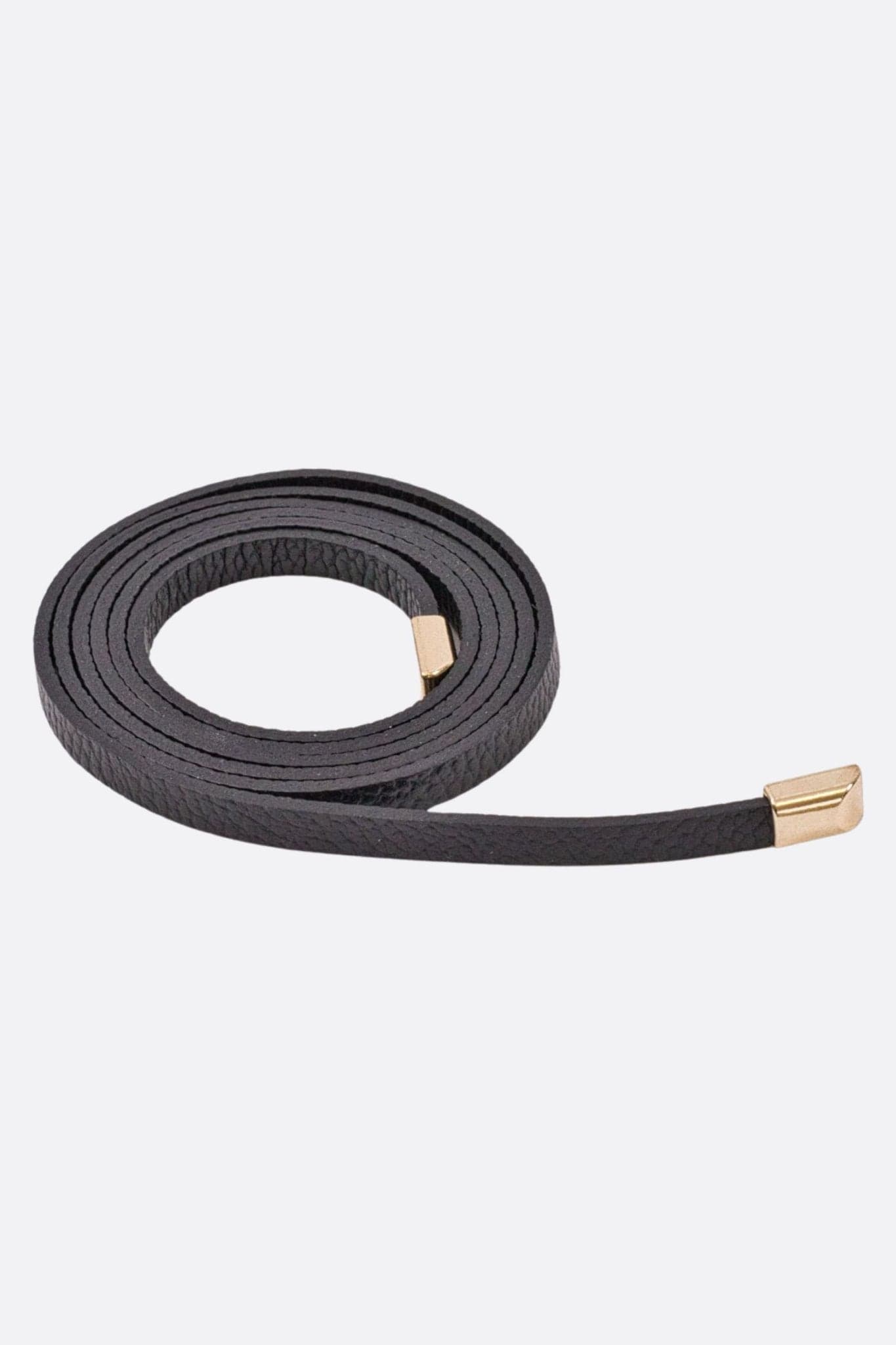
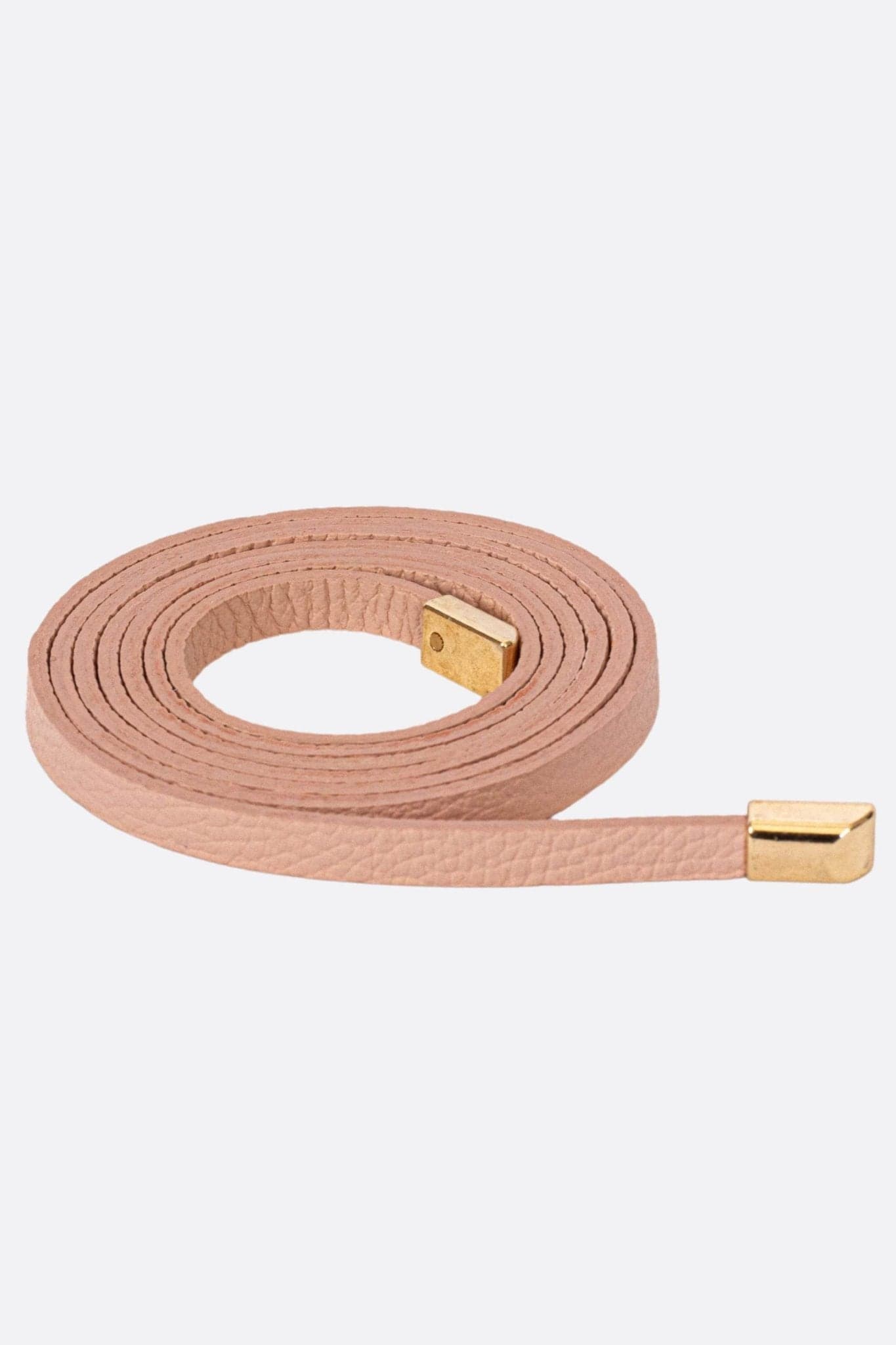
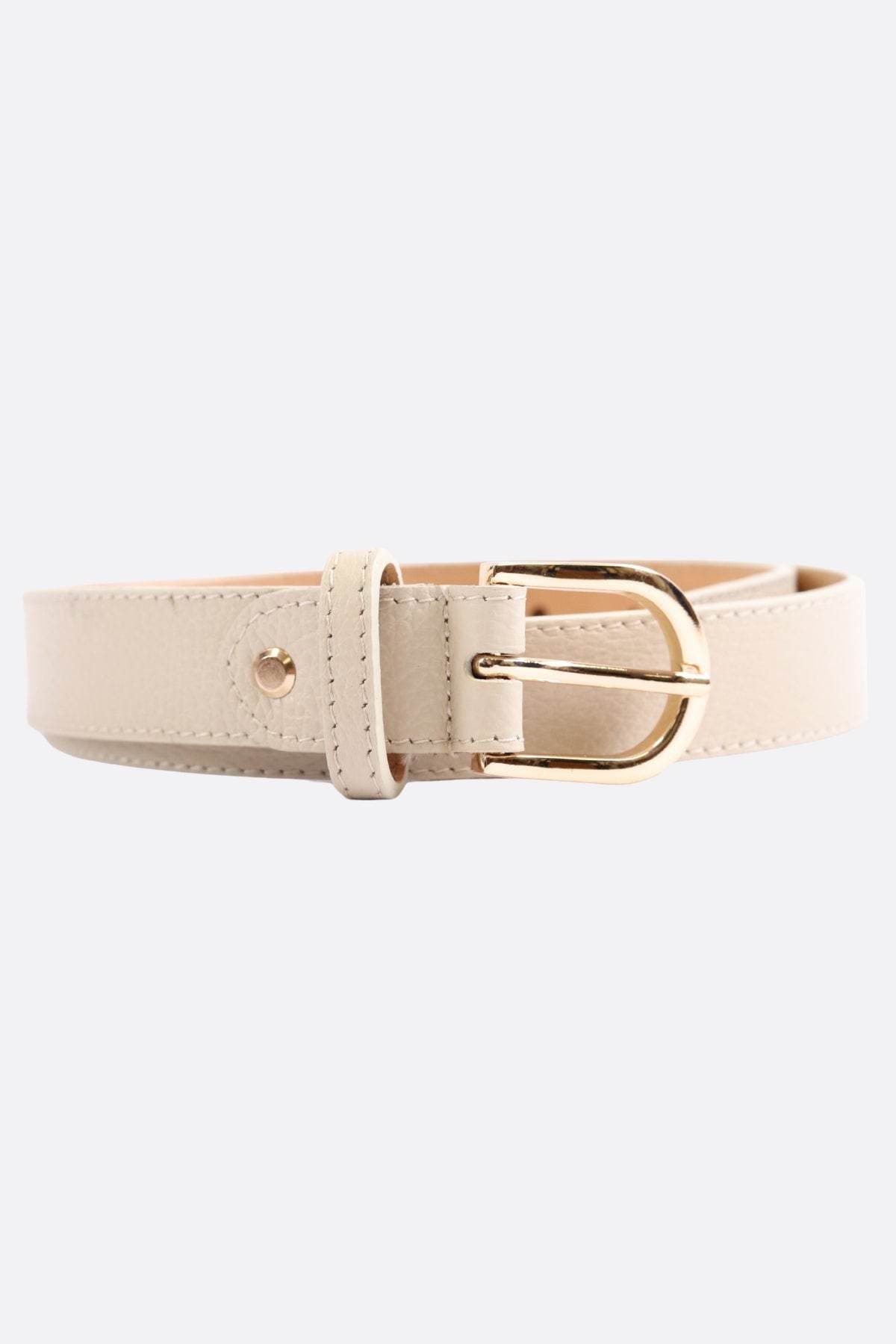
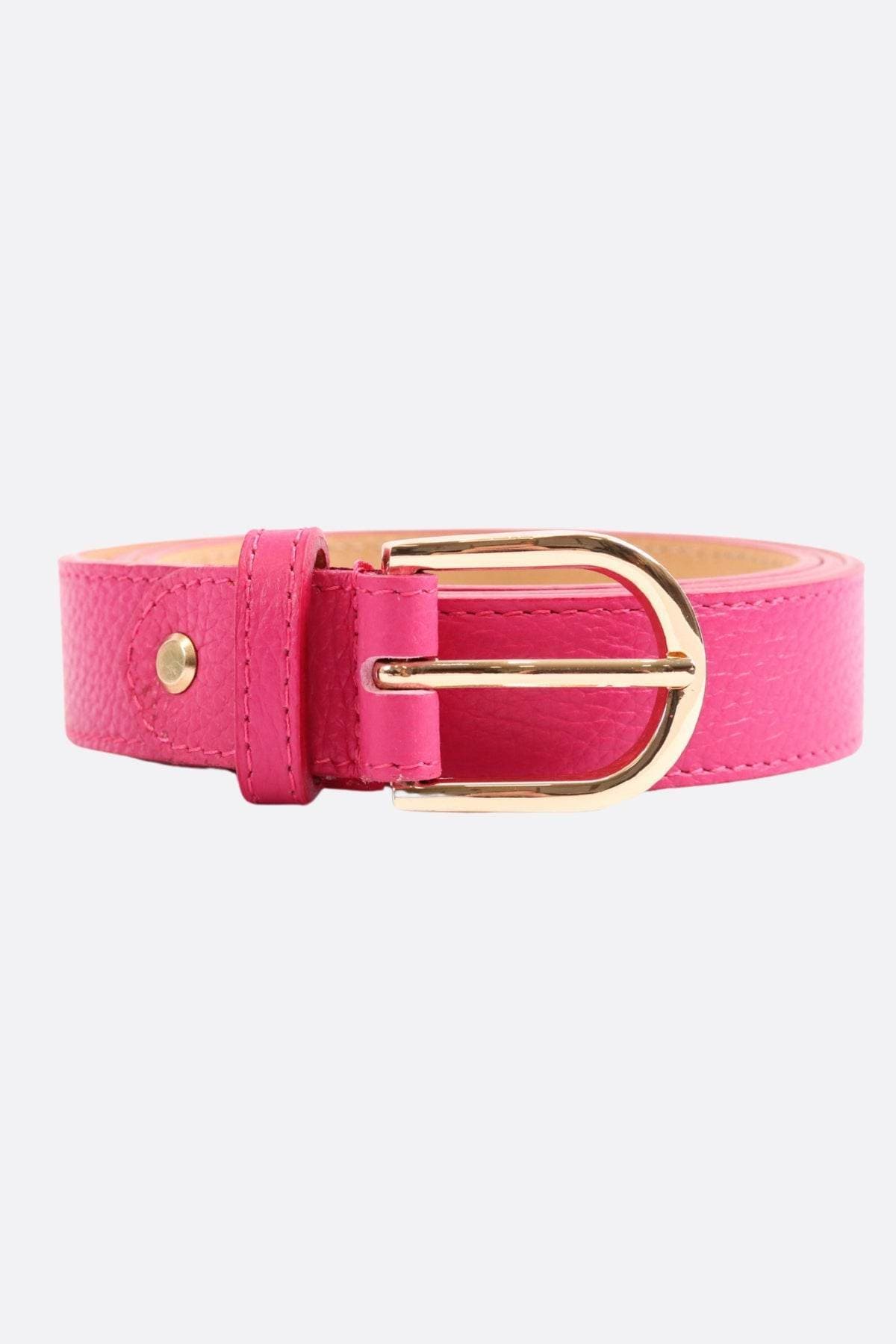
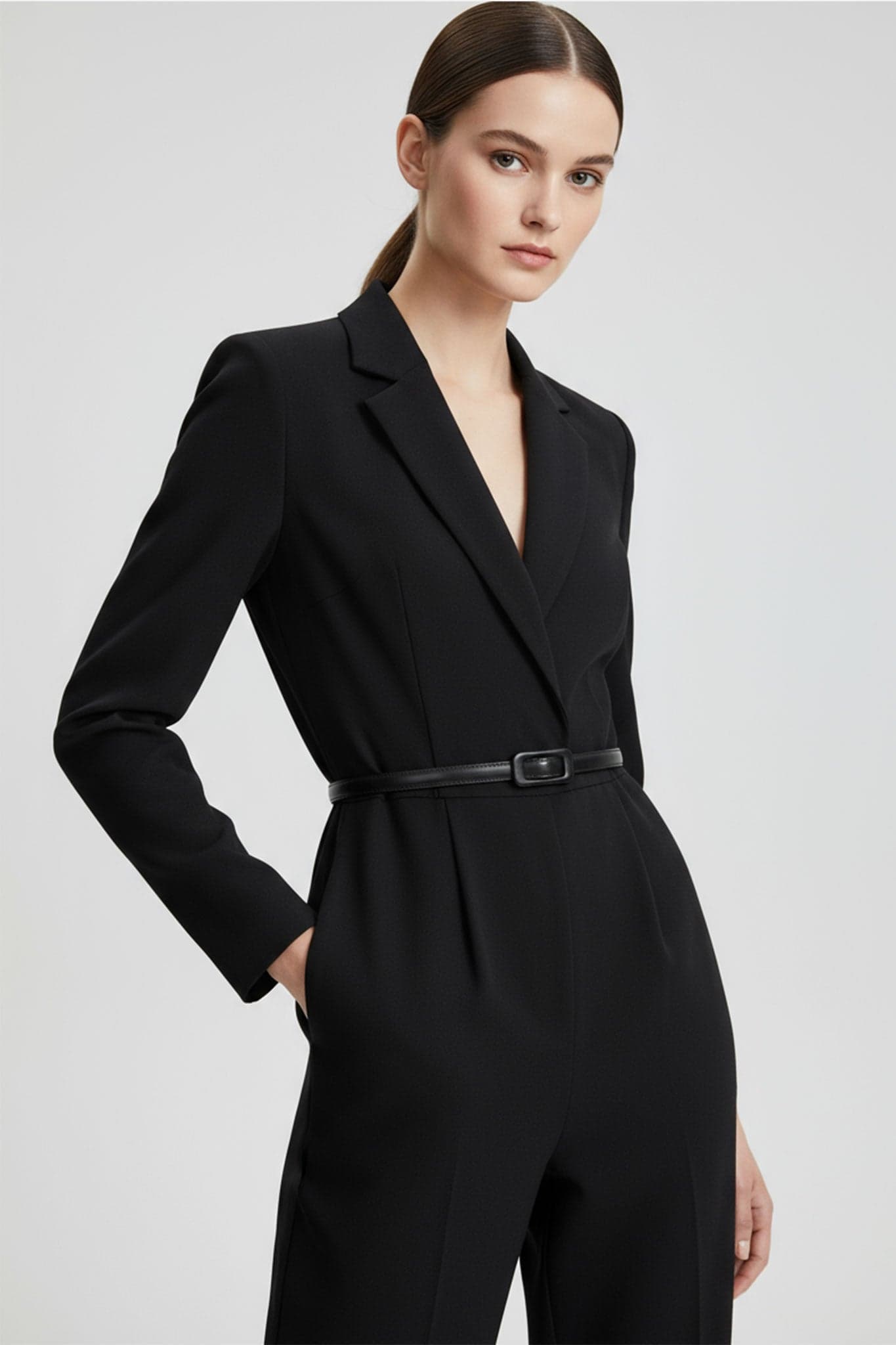
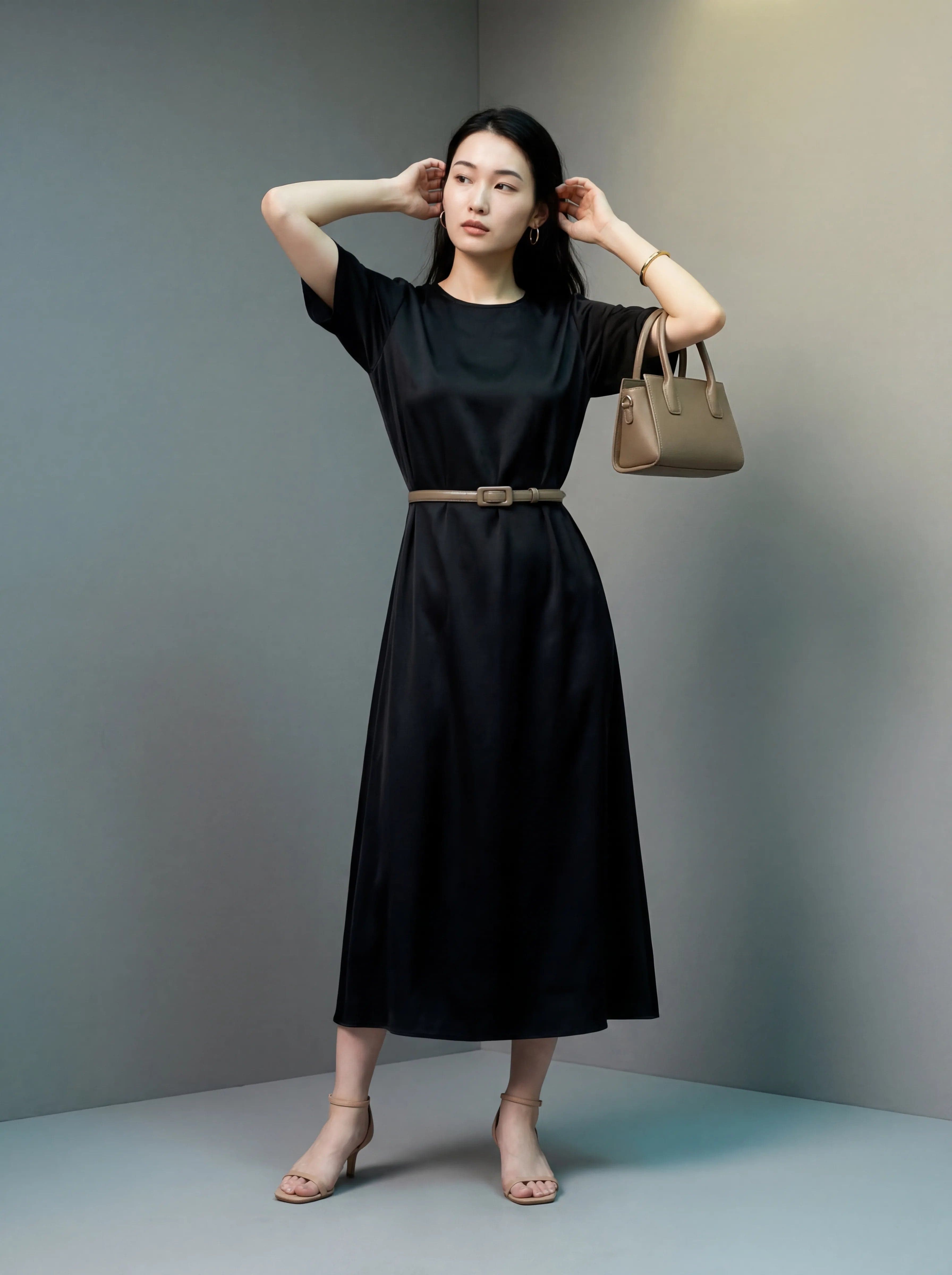
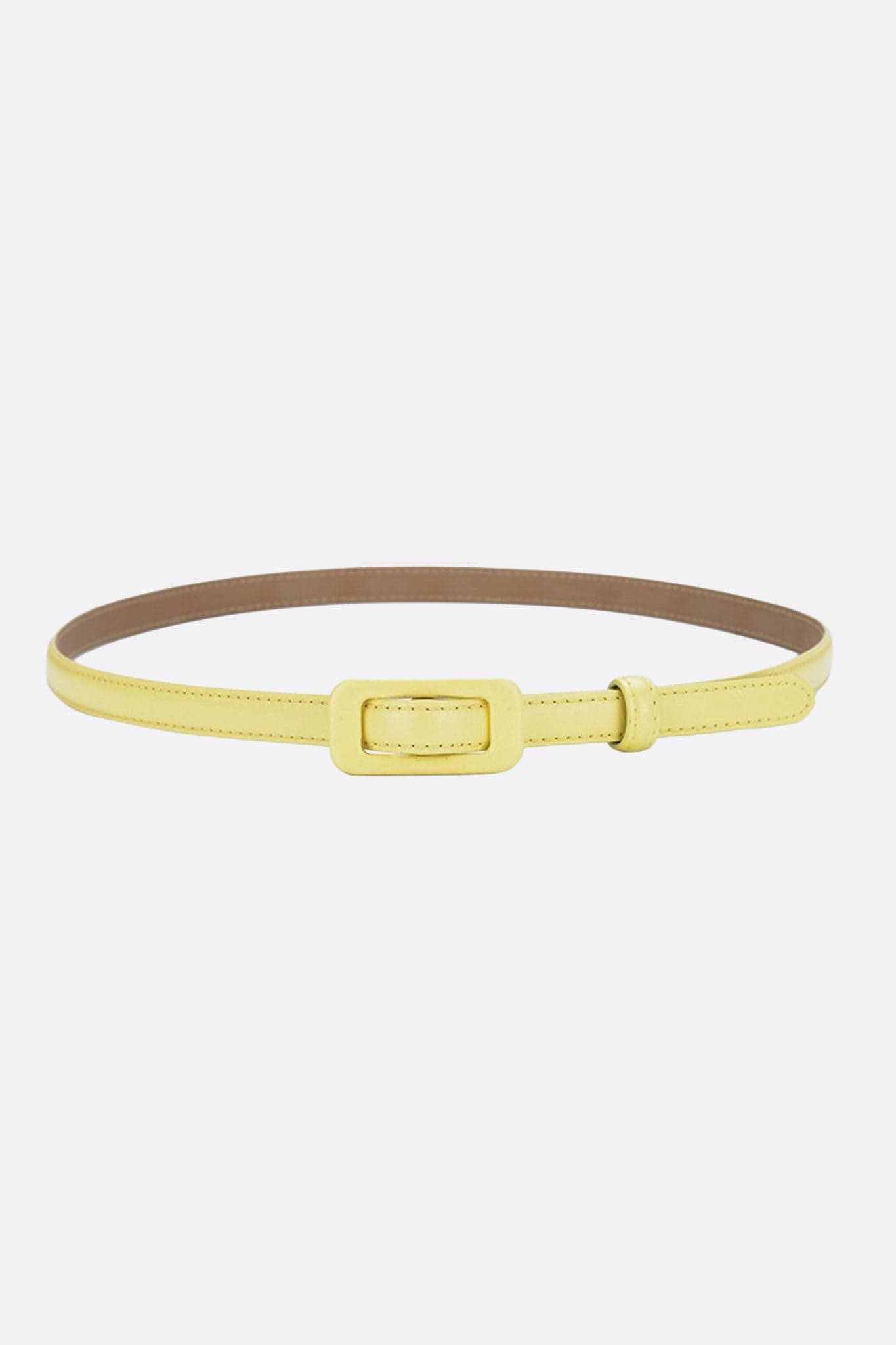
Less than 2 cm (thin belt, cord, chain): decorative, does not structure. Highlights a detail (jewel buckle) without altering the silhouette. 2-3 cm (classic narrow belt): the standard width for pants and dresses: present but discreet. 4-5 cm (medium belt): structuring, visibly marks the waist. Used to transform a dress or coat by wearing the belt above. 6-8 cm (wide belt or corset belt): covers a significant area of the torso: corset effect, very structuring. Alters the silhouette. More than 8 cm (very wide belt, corset style): completely changes the silhouette: medieval or extremely fashionable look. The width must be proportional to the bust: an 8 cm belt on a short bust (small size) covers a larger proportion than on a long bust.
Materials: leather, fabric, elastic, chain
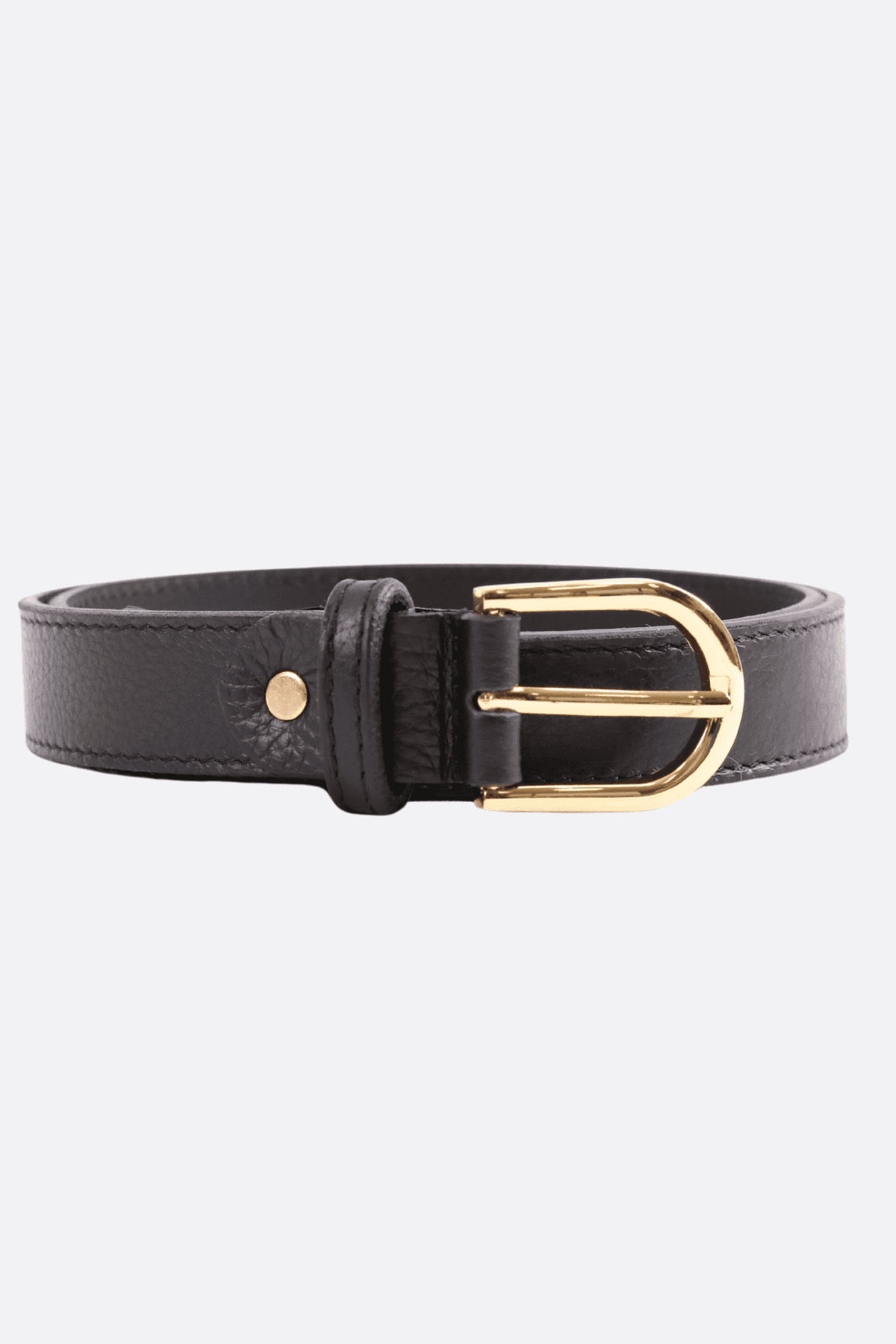
Genuine leather: the most durable, most structuring belt. Best worn at the natural waist because its rigidity keeps it in place. Over time, leather softens at flex points (buckle). Maintenance: leather cream 2-4 times a year. Faux leather (PU): less durable (surface cracks in 2-3 years), less rigid, washable. Fabric (canvas, cotton, velvet): more casual, less structuring. Often used for wide belts in corset or obi style. Elastic: maximum comfort, follows movements: the least structuring but the most comfortable for long days. Metal chain: decorative only: does not hold the waist, jewel effect. The metal chain on an evening dress is a style accessory, not a functional belt.
Belt on a dress or coat: the transformation
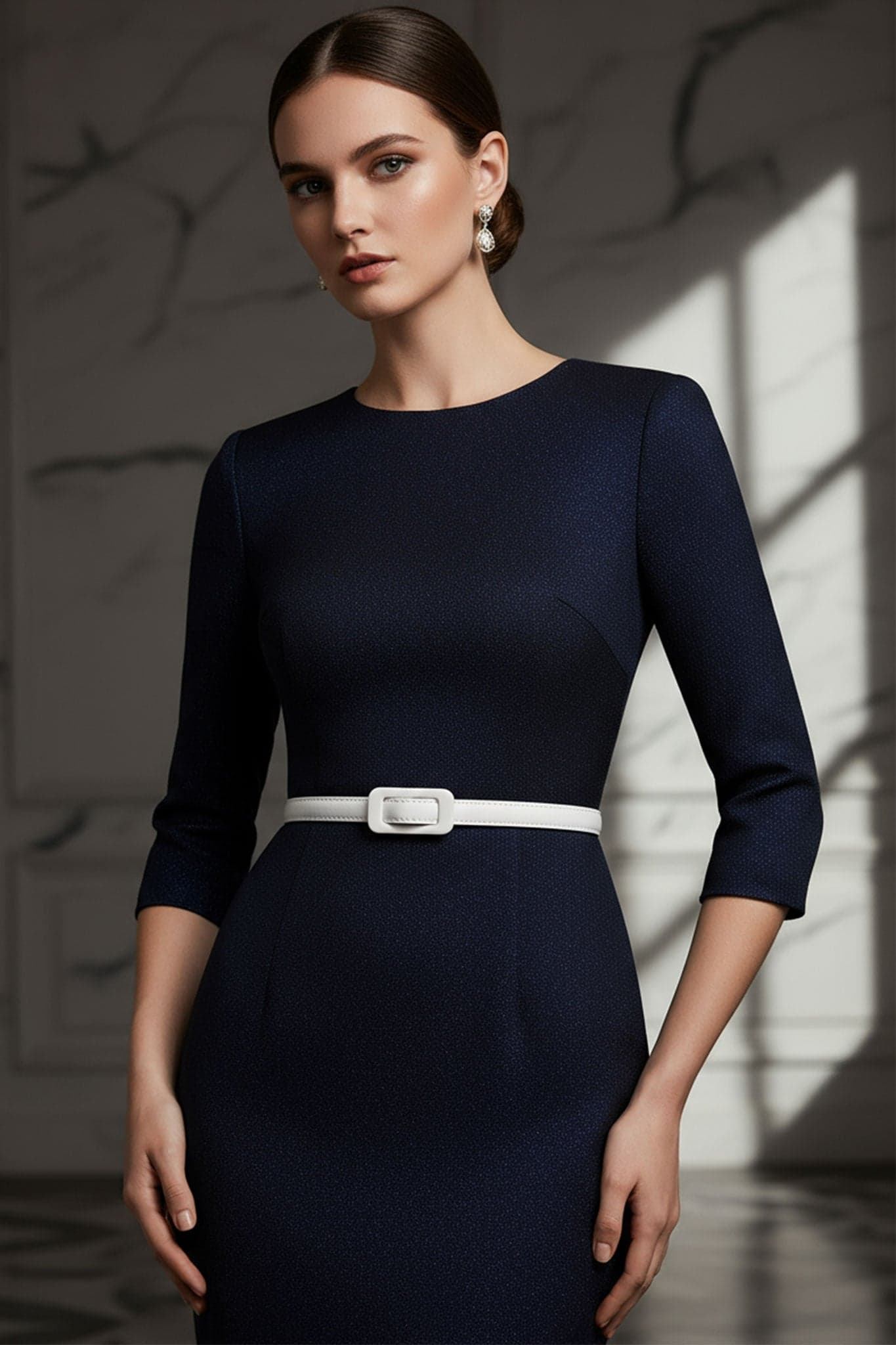
Belt on a straight dress (without waist): the belt creates a waist where there was none: completely transforms the silhouette. The straight dress becomes a belted dress. The wearing point (natural or high) determines the effect. Belt on a coat: restricts volume and creates a profile: useful on oversized coats that drown the silhouette. The belt of a trench coat at the natural waist is its most classic use. Belt on an oversized blazer: same principle: structure without seams. Recommended width for these uses: 4-6 cm minimum for the effect to be visible on voluminous pieces.
Belt size: how to measure
Measure the waist (or hips depending on the intended wearing place) with a flexible tape. The belt size generally corresponds to this waist measurement: but systems vary: numeric size (70, 75, 80 cm) = waist measurement in cm. Clothing size (S, M, L): approximate, take the exact measurement. The belt should close on one of the central holes (usually the 3rd hole out of 5): which leaves room for adjustment. A belt closed on the first or last hole has no room: take the next size up or down.
4-6 cm is the most structuring width to visually mark the waist on a dress or coat. Less than 2 cm is decorative without a structuring effect. A wide belt (6-8 cm) is even more visible but may appear disproportionate on a short torso. The width should be proportional to the length of the torso: about one-third of the distance between the shoulders and hips.
Natural waist or high waist: how to choose?
High waist (above the navel) visually lengthens the legs and suits long torso body types. To be avoided on a short torso (shortens even more). Natural waist (at the anatomical hollow between ribs and hips) suits all body types. Simple test: wear the belt at two different heights in front of a mirror: choose the one that creates the most flattering leg/torso proportion.
How to care for a leather belt?
Apply a colorless leather cream (or tone-on-tone) 2-4 times a year: nourishes the leather and prevents cracking at flex points. Avoid moisture and direct sunlight (discolors the leather). Store unrolled (not tightly rolled: creates permanent creases) or hung by the buckle. In case of accidental wetting: air dry at room temperature, not near a heat source.