Fast & secure deliveryFree shipping in France from €99Easy returns
Fast & secure deliveryFree shipping in France from €99Easy returns
Women's ceremony dress
women's ceremony dress: baptism, communion, graduation, official event
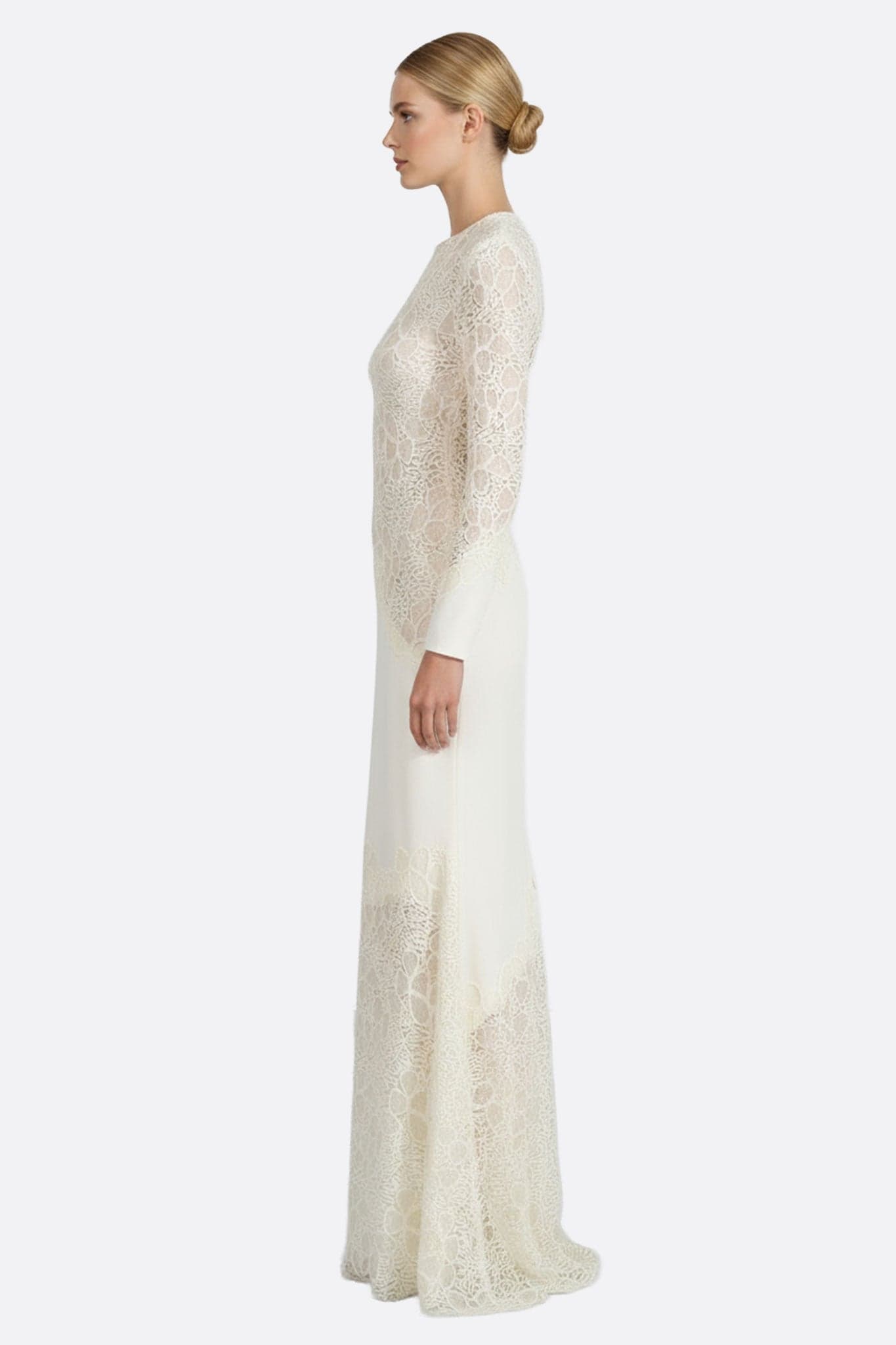
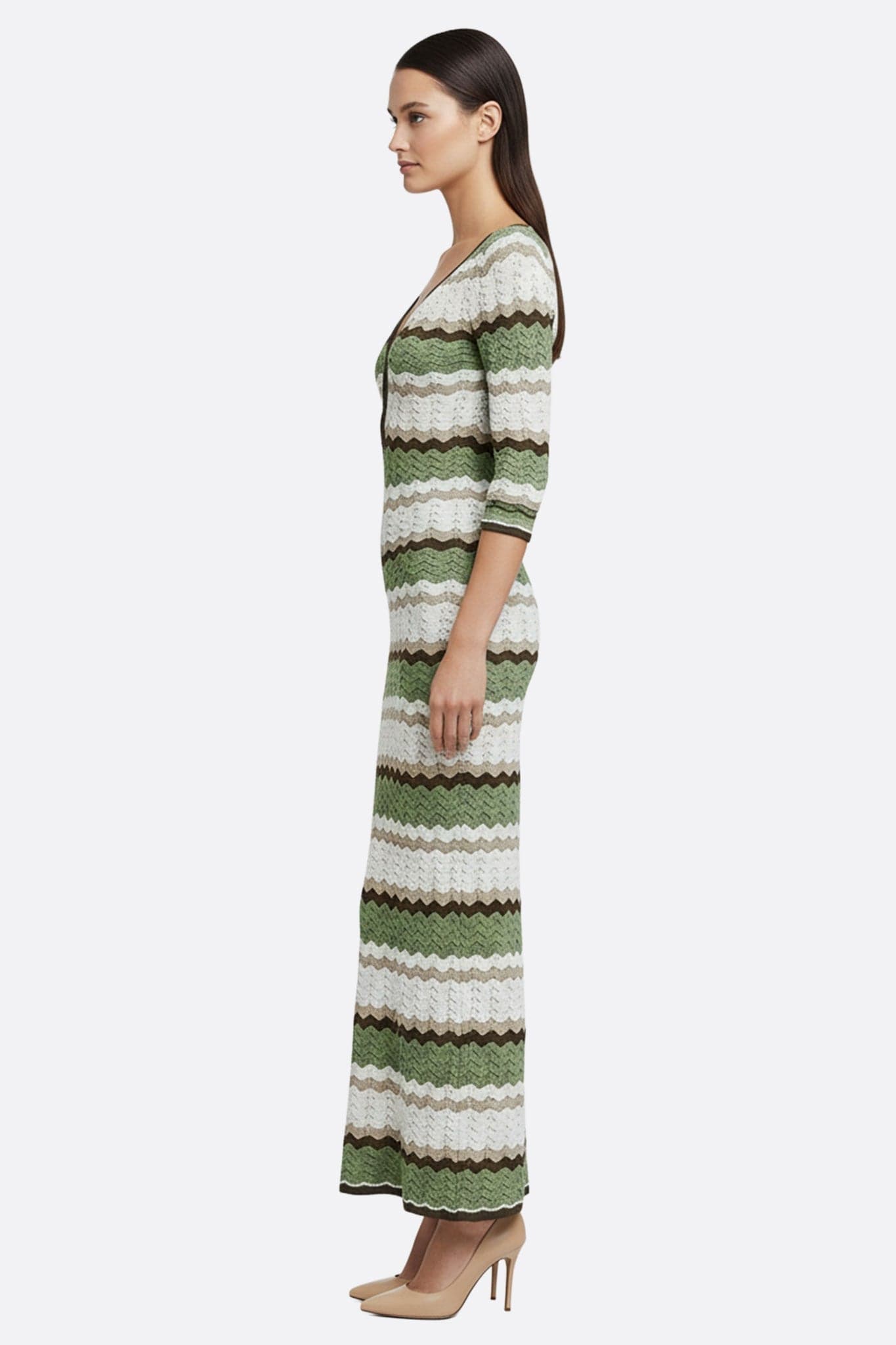
This collection covers four specific contexts: baptism, communion or confirmation, graduation, inauguration or sober official event. It does not cover weddings: for a wedding guest outfit, a completely dedicated collection exists. The common physical constraints for these four contexts: covered shoulders in places of worship, minimum knee length, non-shiny materials (satin and sequins are out of code for these occasions).
This collection covers four specific contexts: baptism, communion or confirmation, graduation, inauguration or sober official event. It does not cover weddings: for a wedding guest outfit, a completely dedicated collection exists. The common physical constraints for these four contexts: covered shoulders in places of worship, minimum knee length, non-shiny materials (satin and sequins are out of code for these occasions).
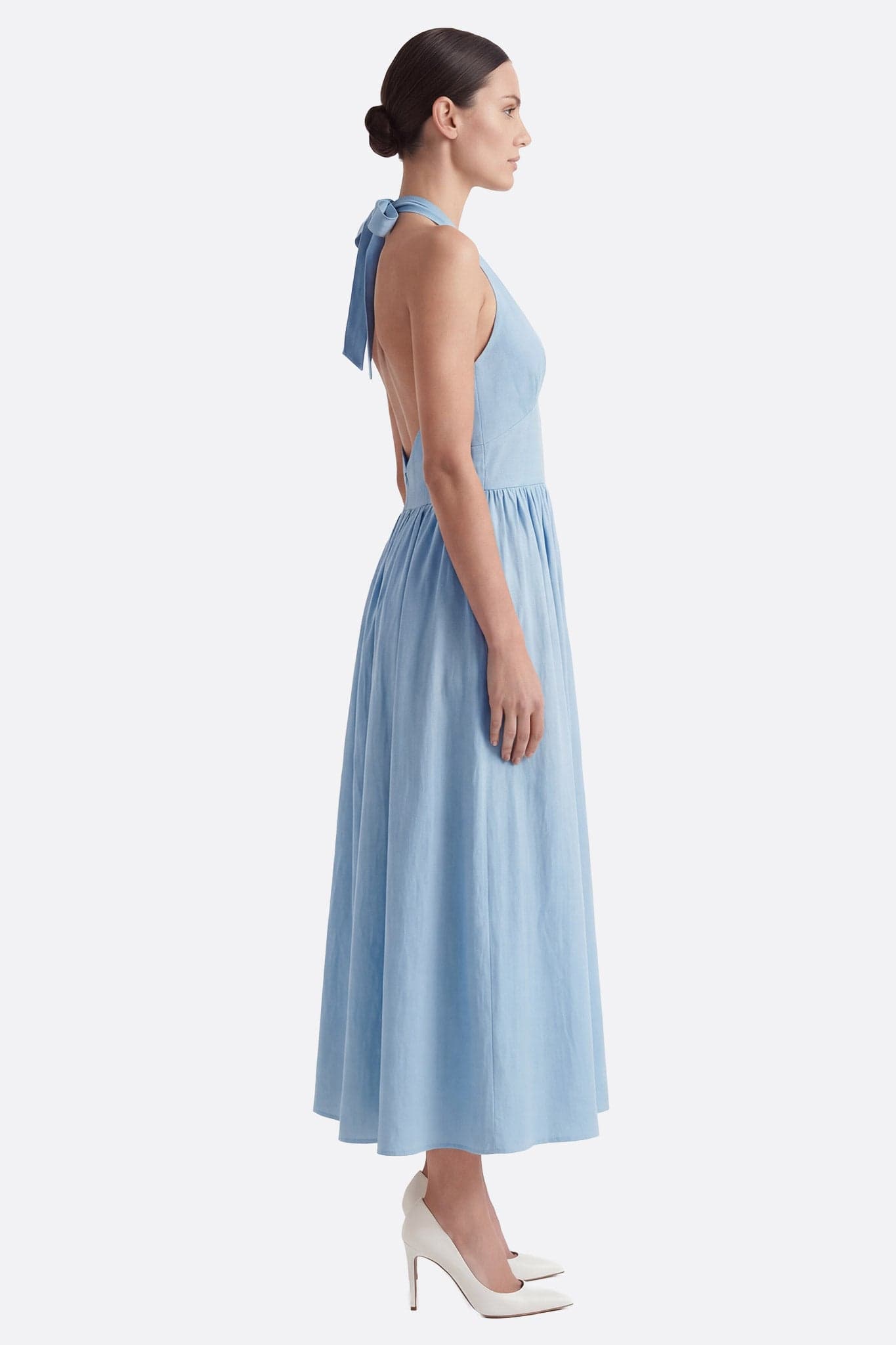
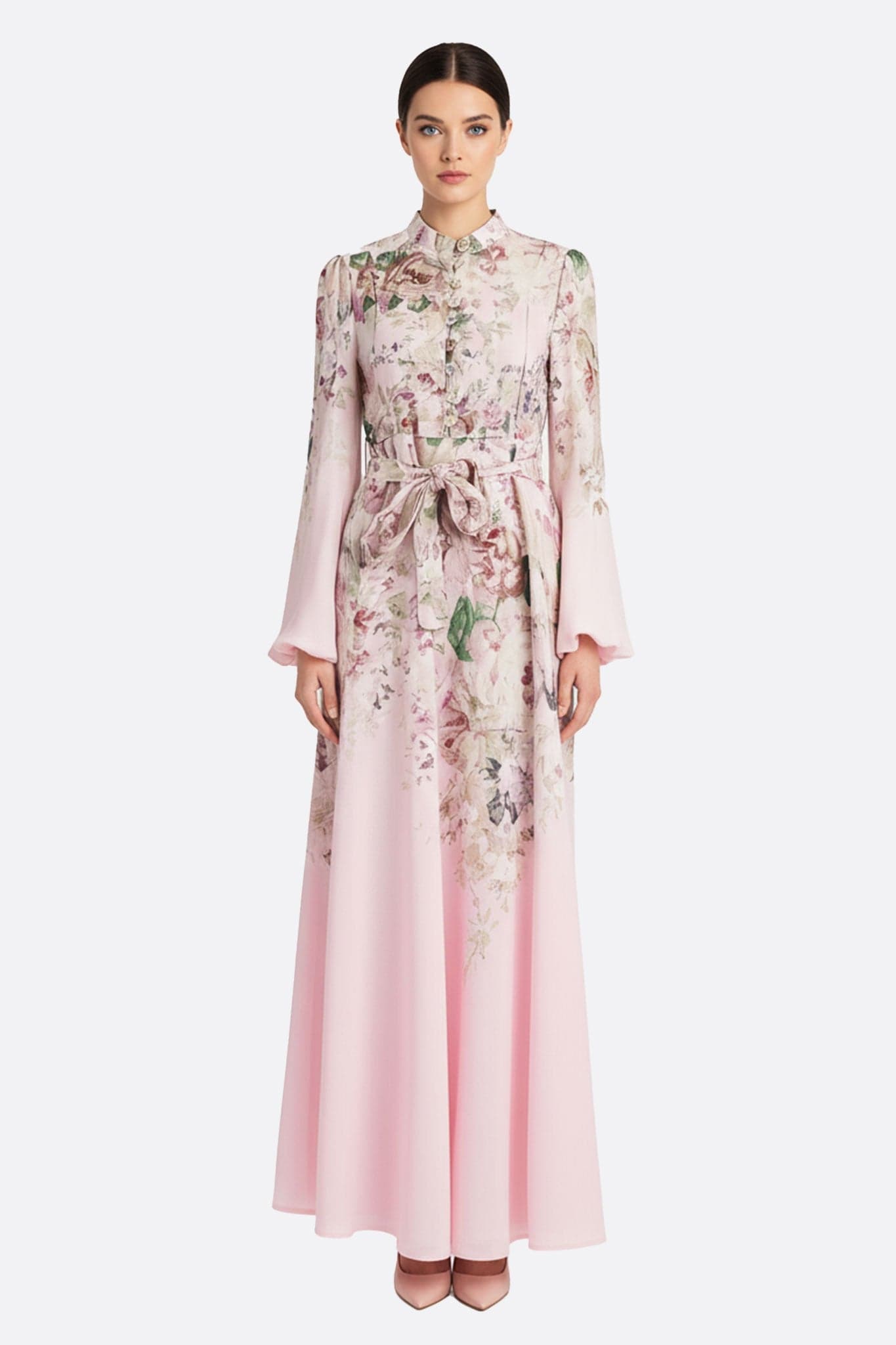
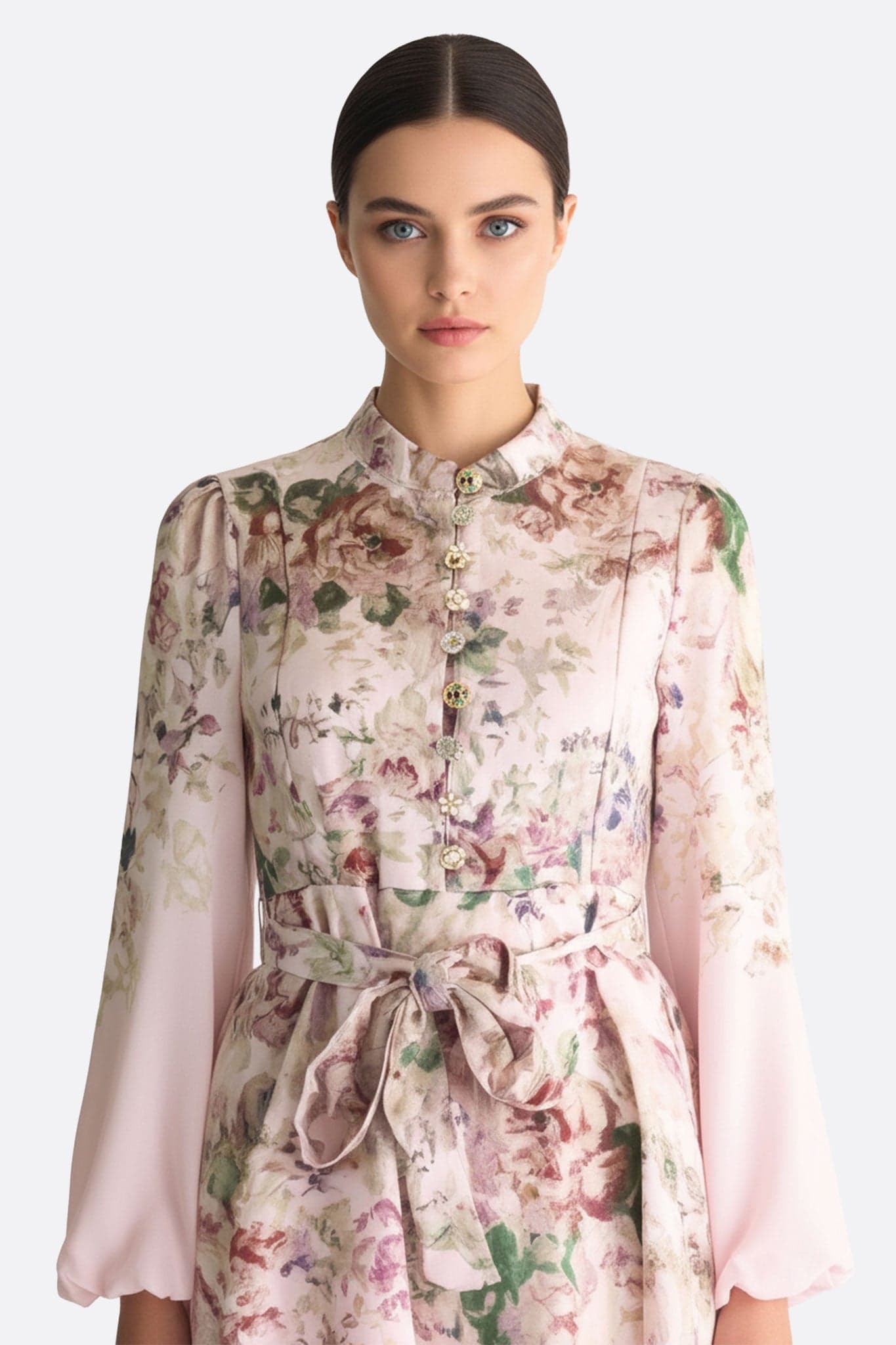
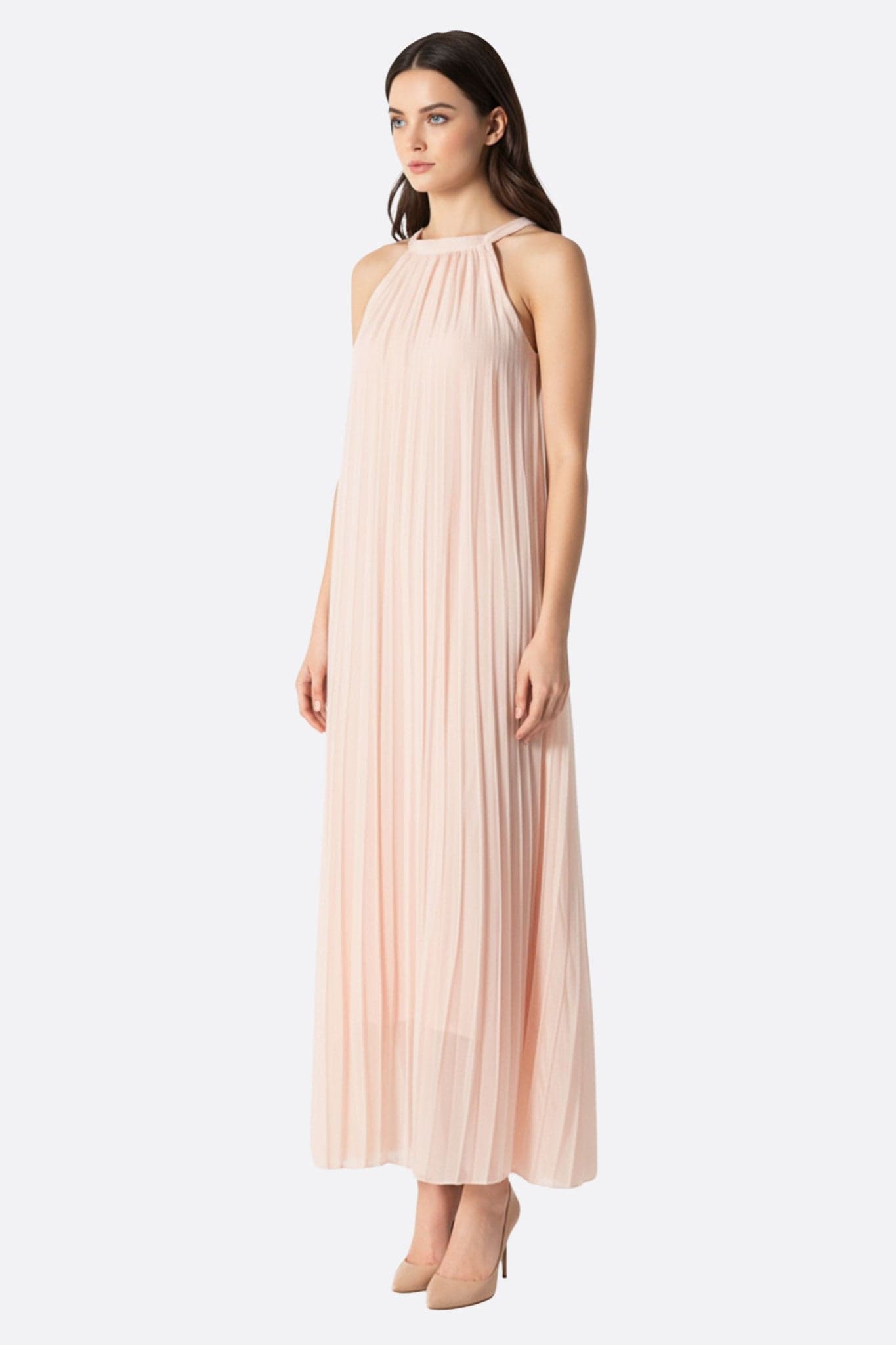
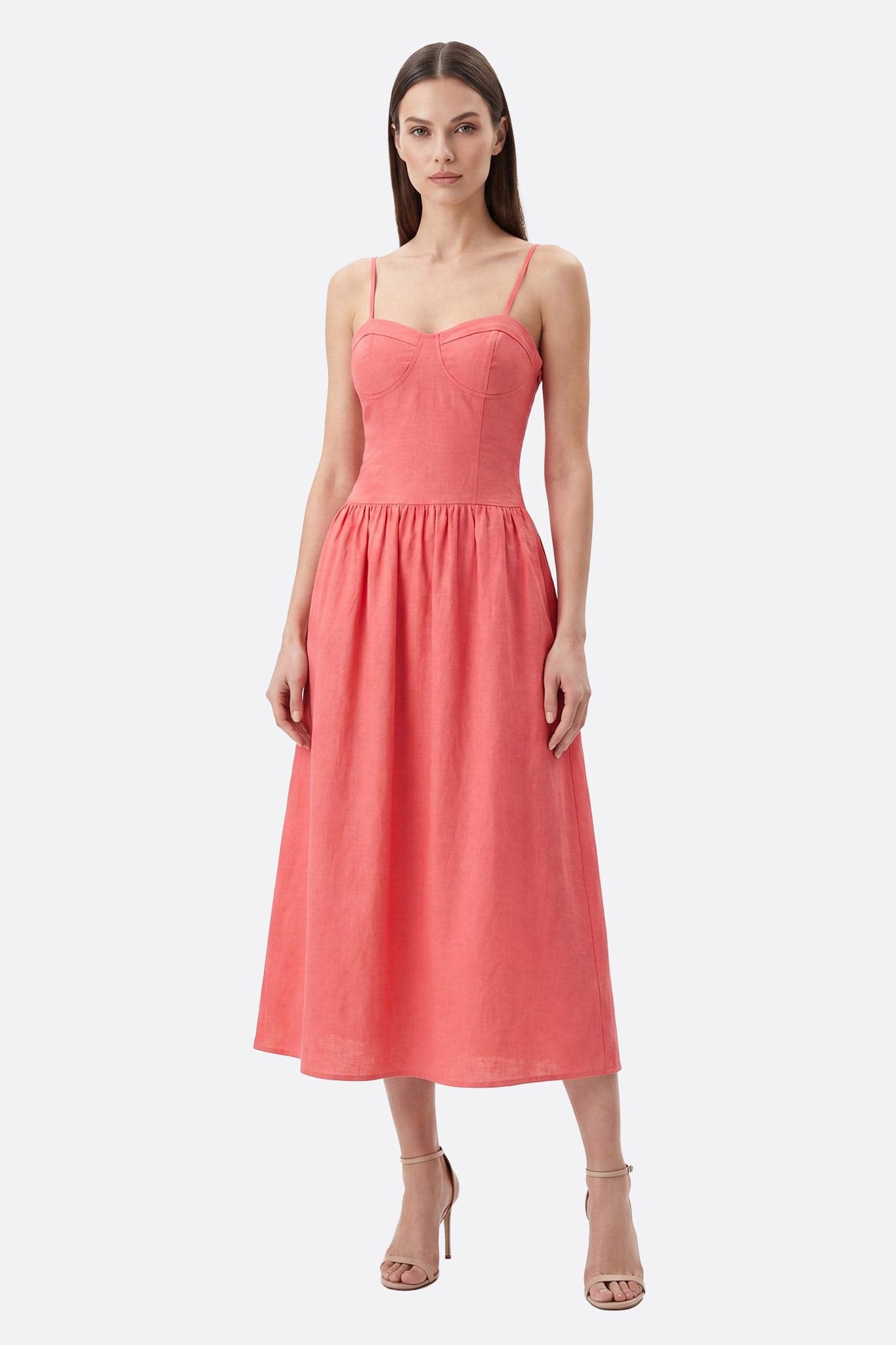
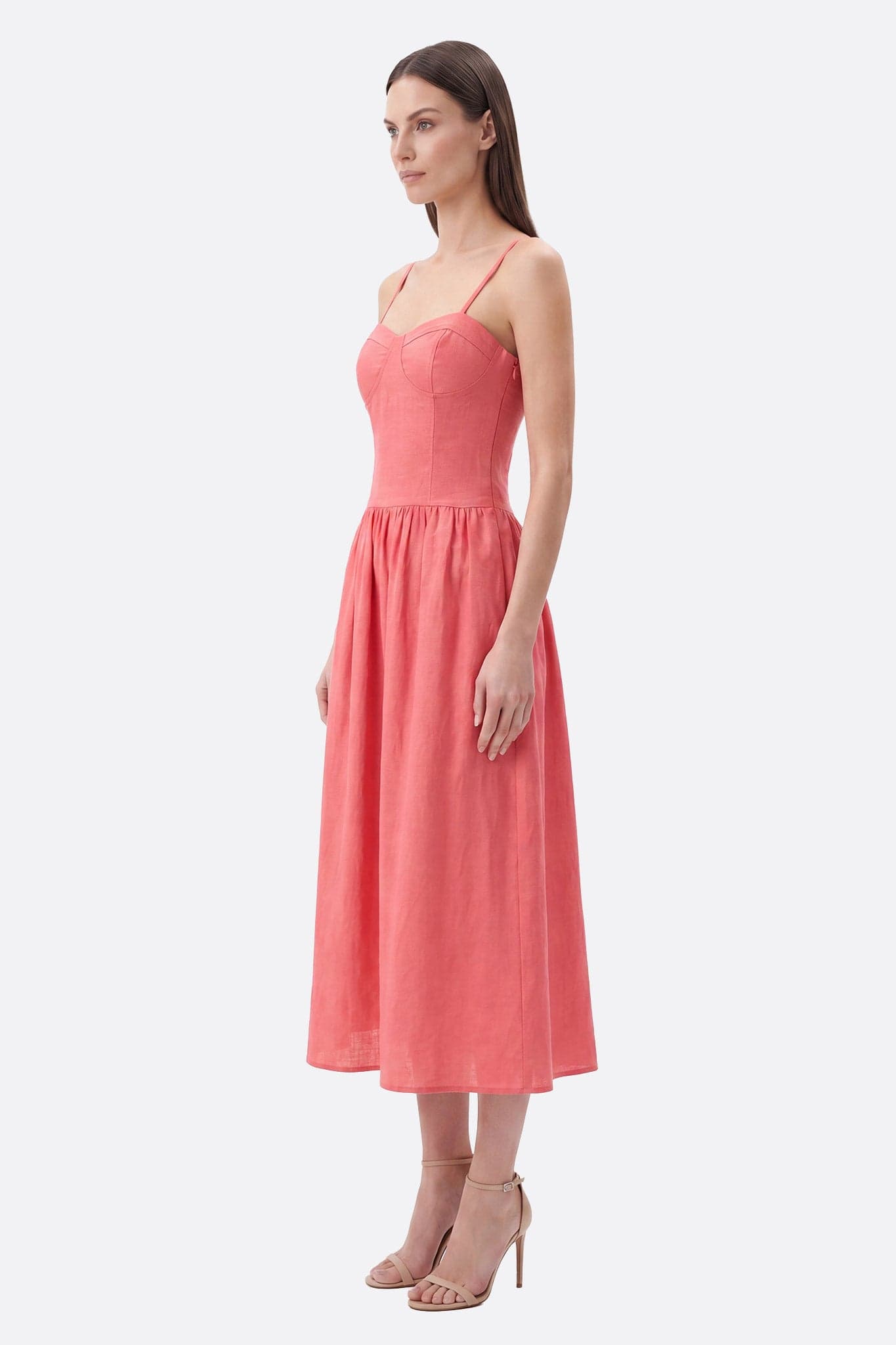
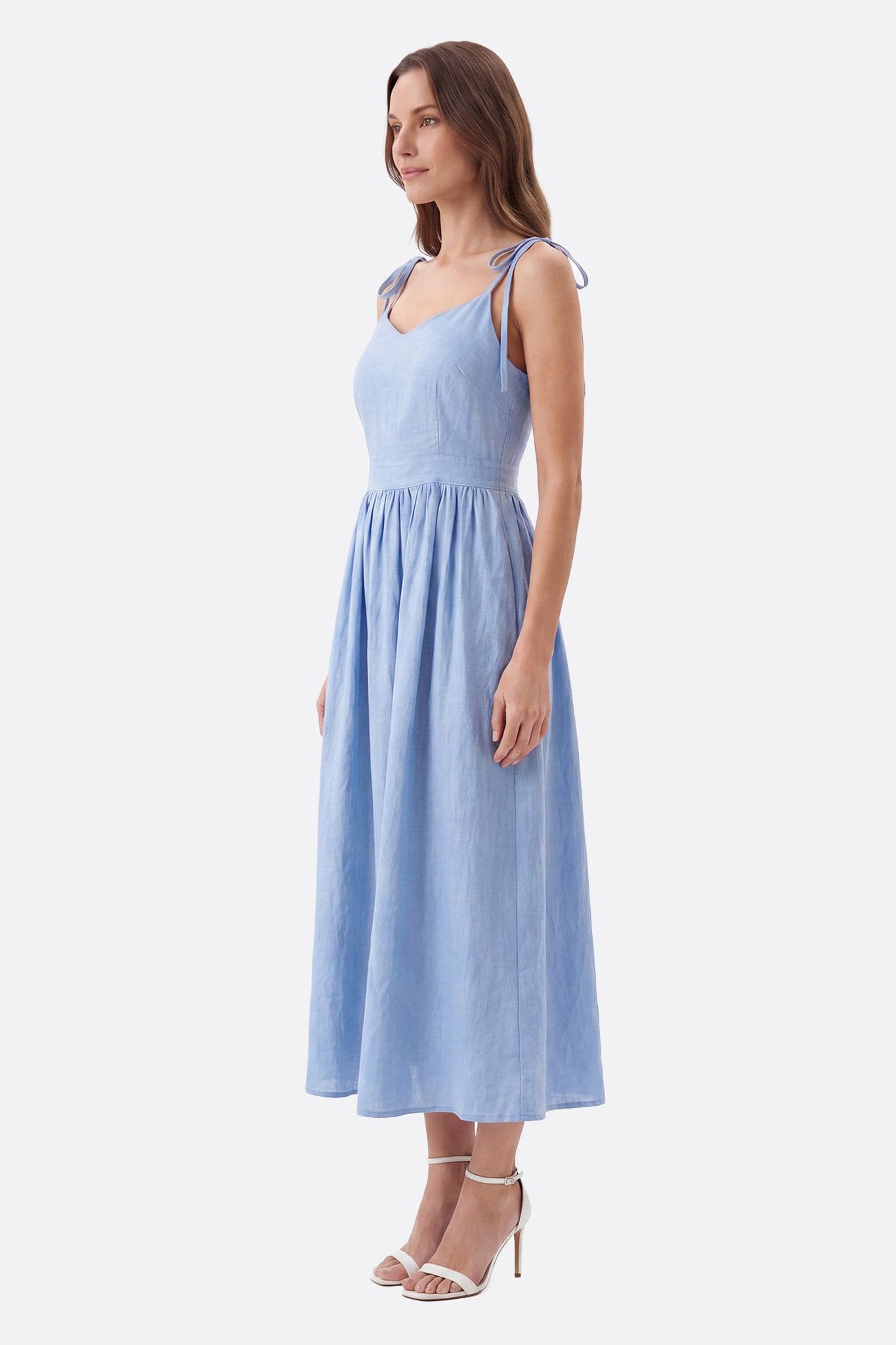
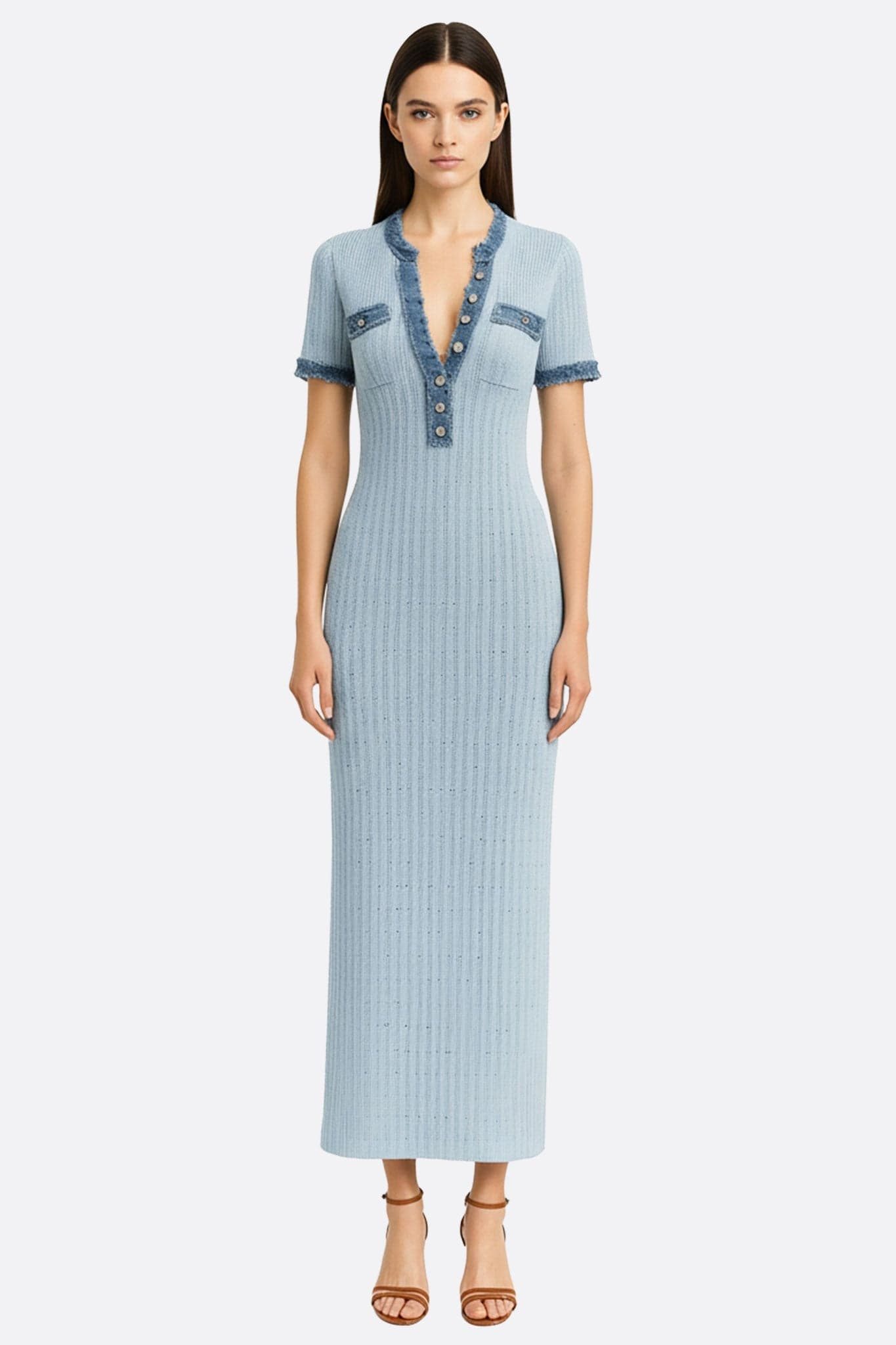
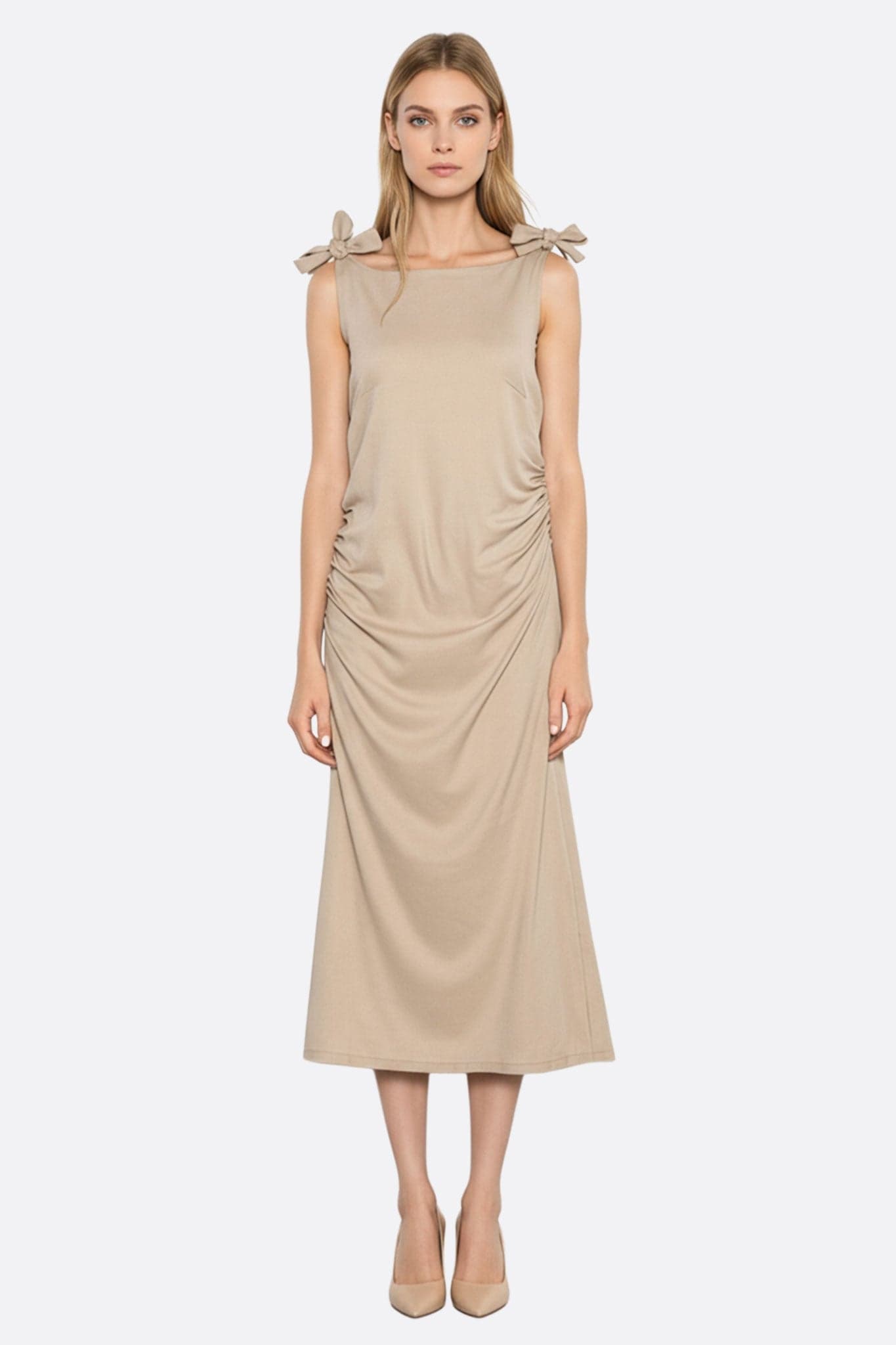
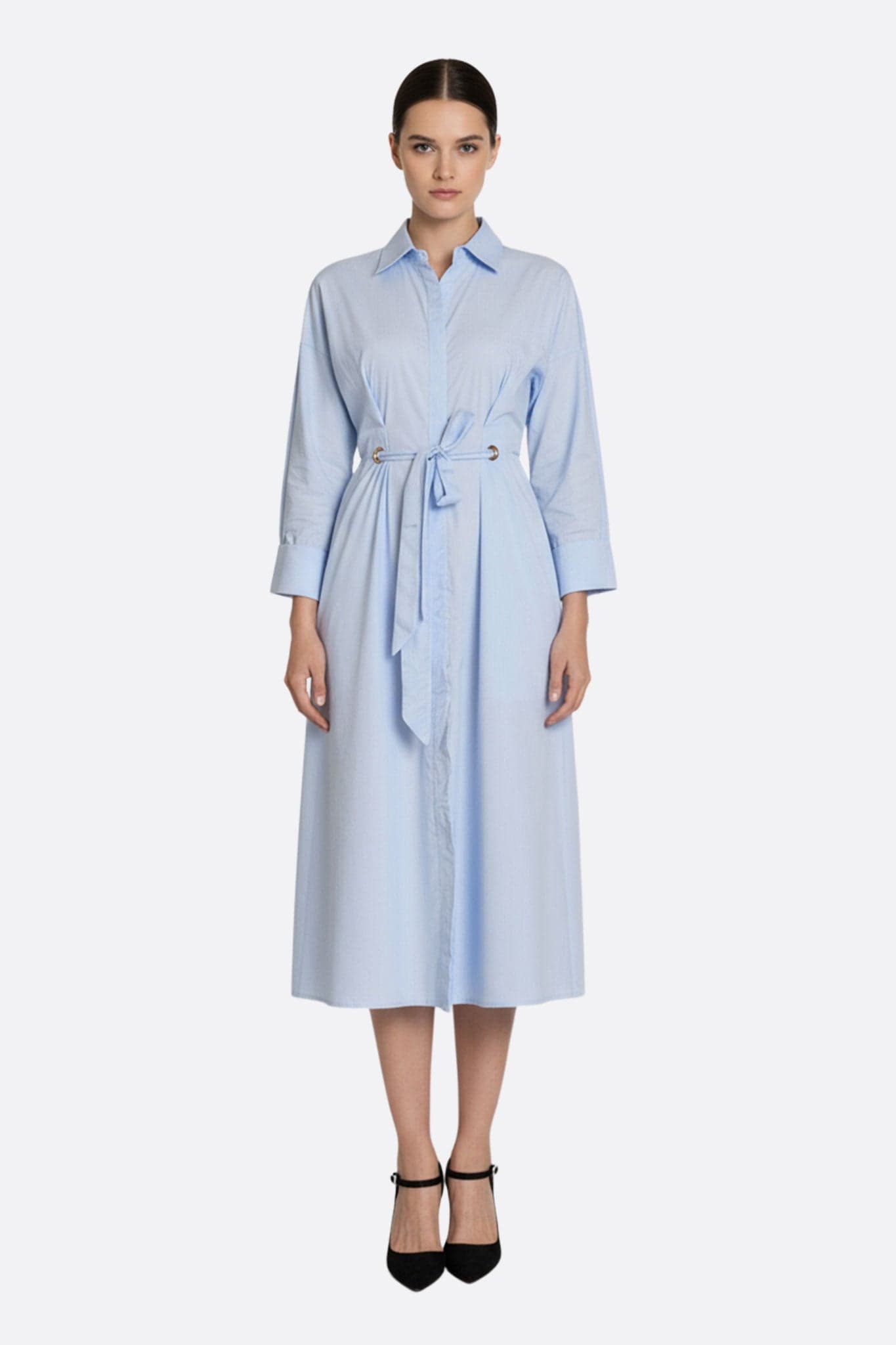
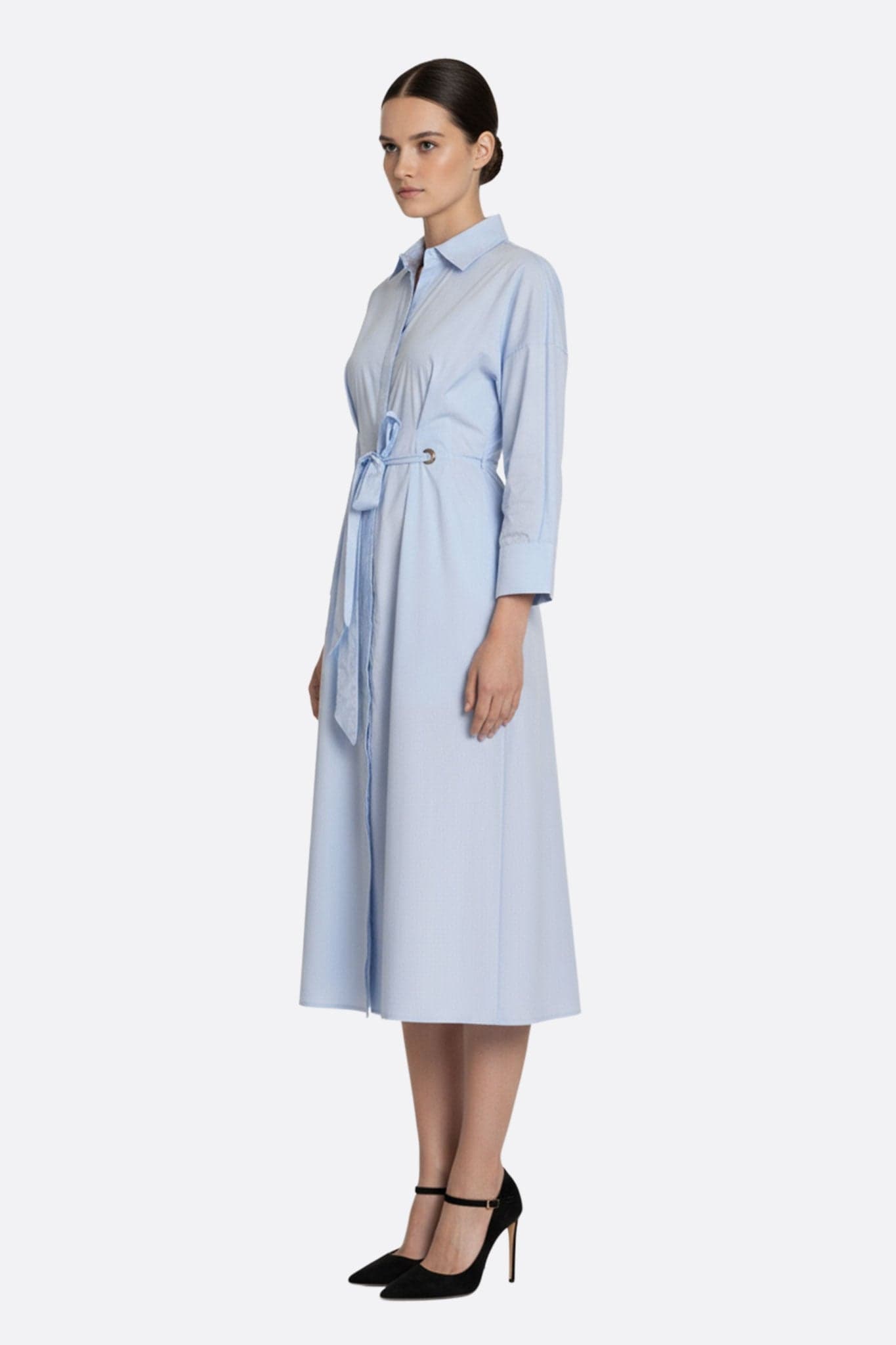
For a baptism, the context is a place of worship with a family assembly. The dress code is precise and non-negotiable in most Catholic and Orthodox churches: covered shoulders (bolero, stole, or long sleeves), minimum knee length, non-shiny materials. Colors recommended by religious etiquette for a baptism: soft tones (lavender blue, pale pink, off-white, beige, off-white). Black alone is discouraged in this particular context of life celebration: pairing it with a light jacket or accessory makes it acceptable. In practice: a midi dress in crepe or georgette, with a bolero or light jacket, in a discreet pastel tone, meets all the codes of a baptism.
Communion and confirmation: classic cut, sober length
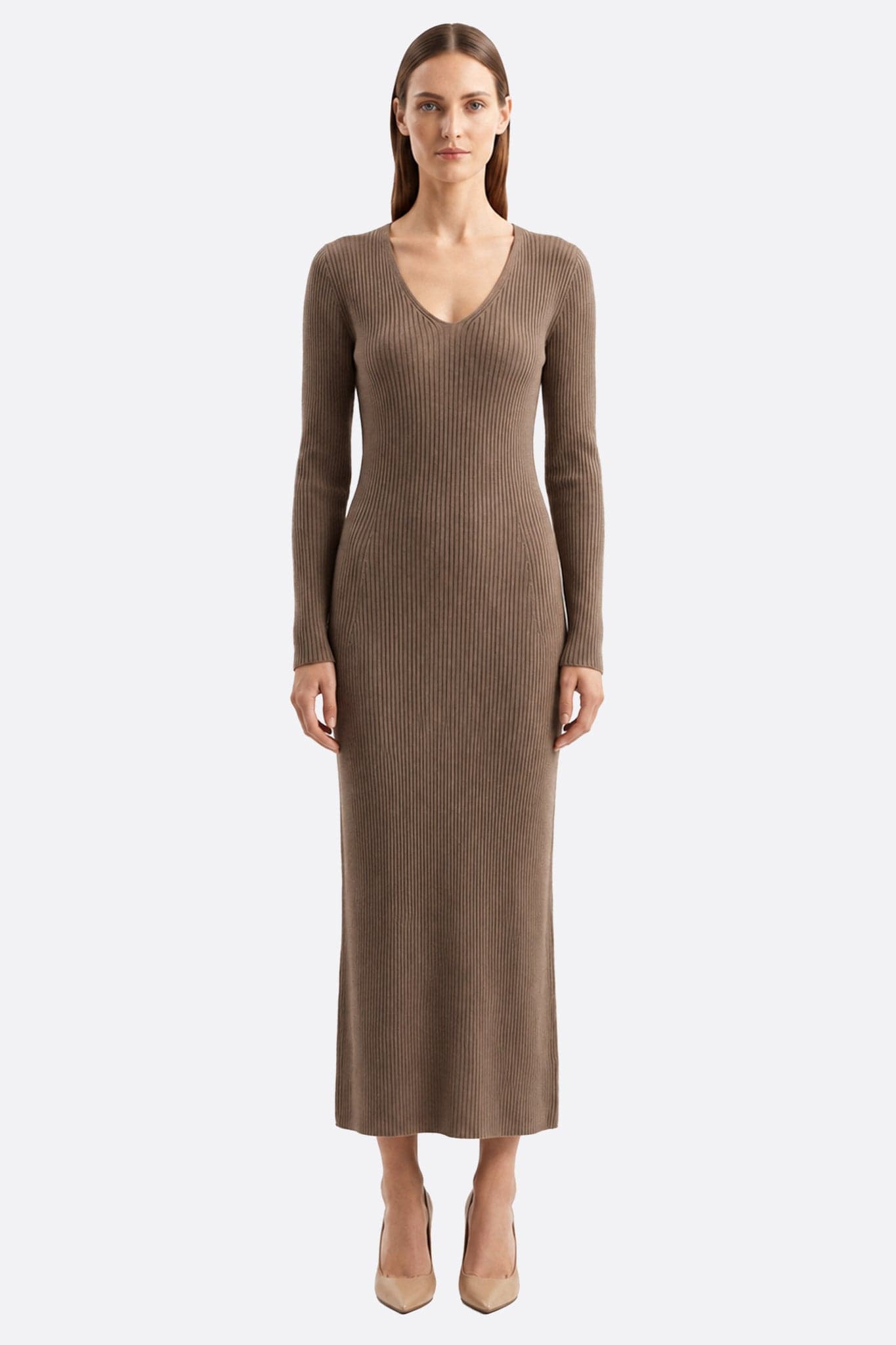
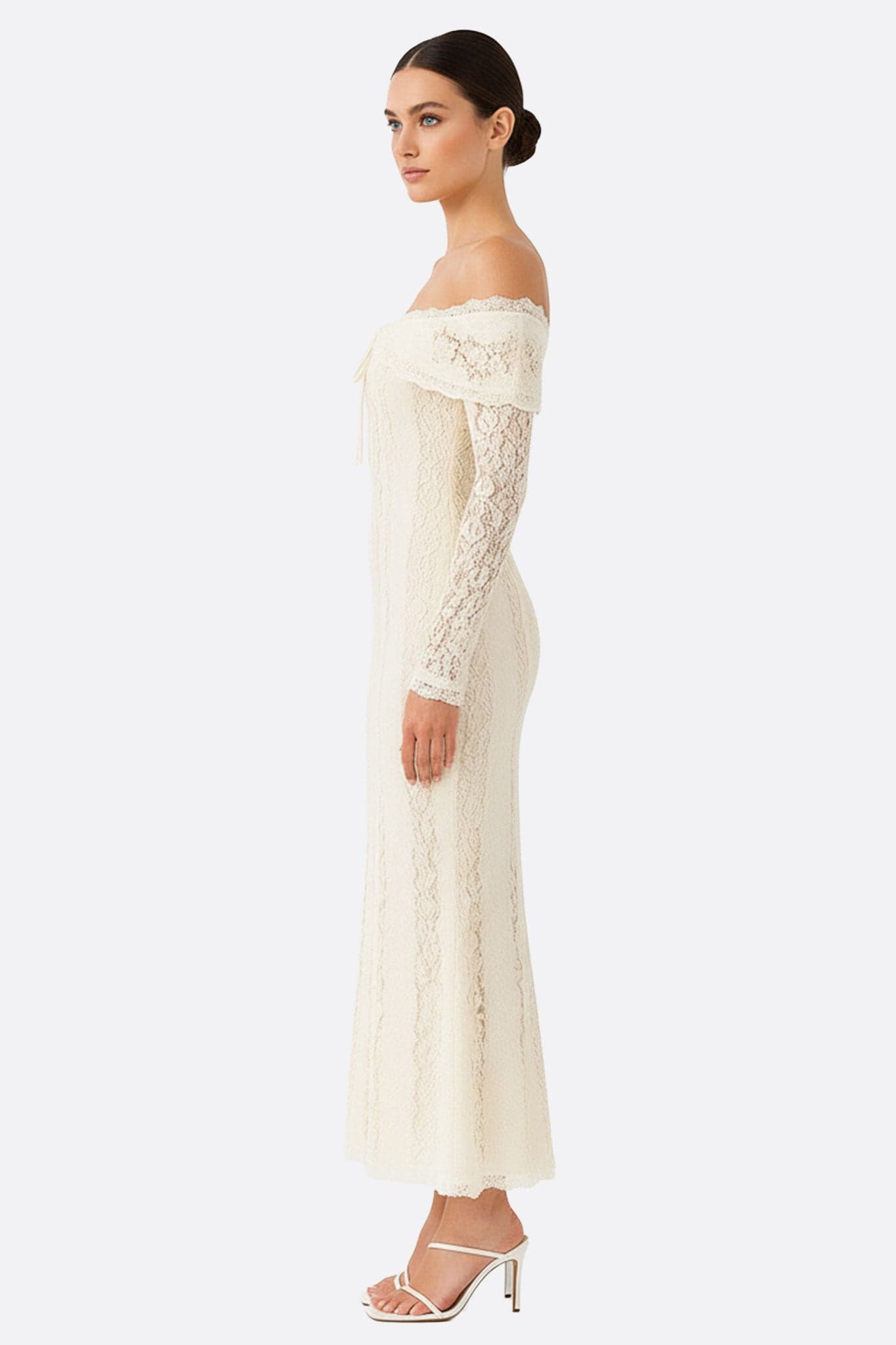
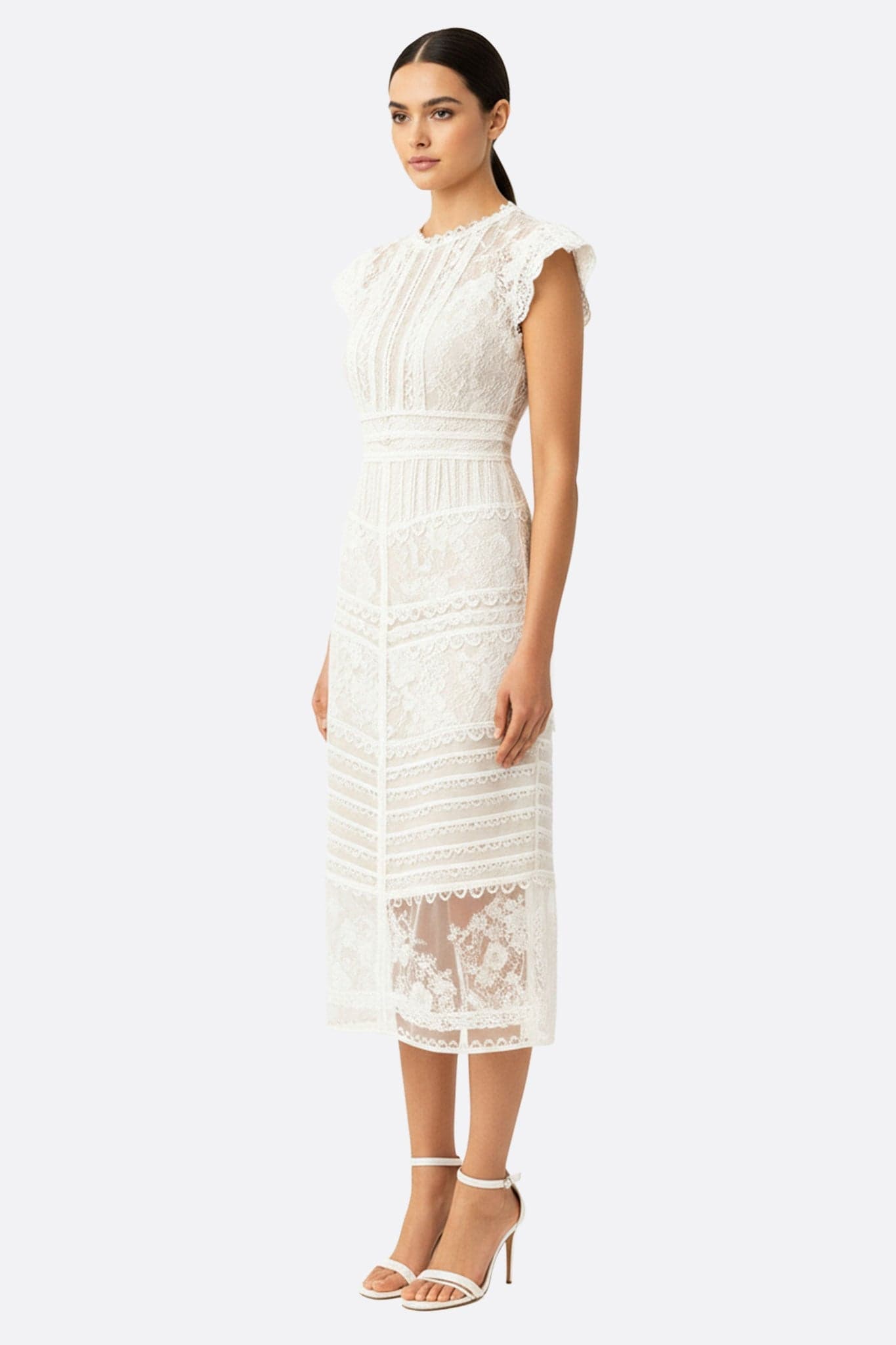
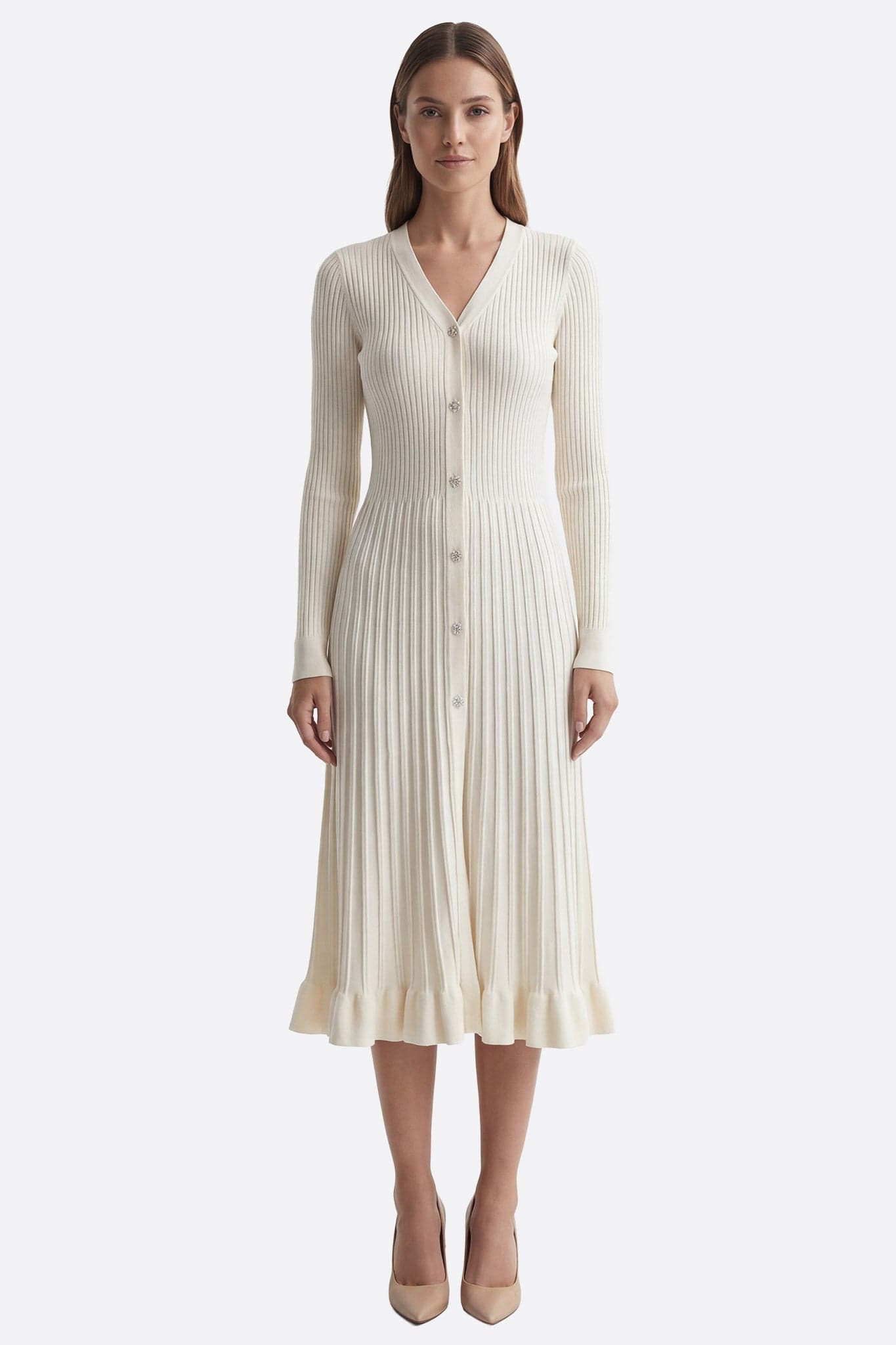
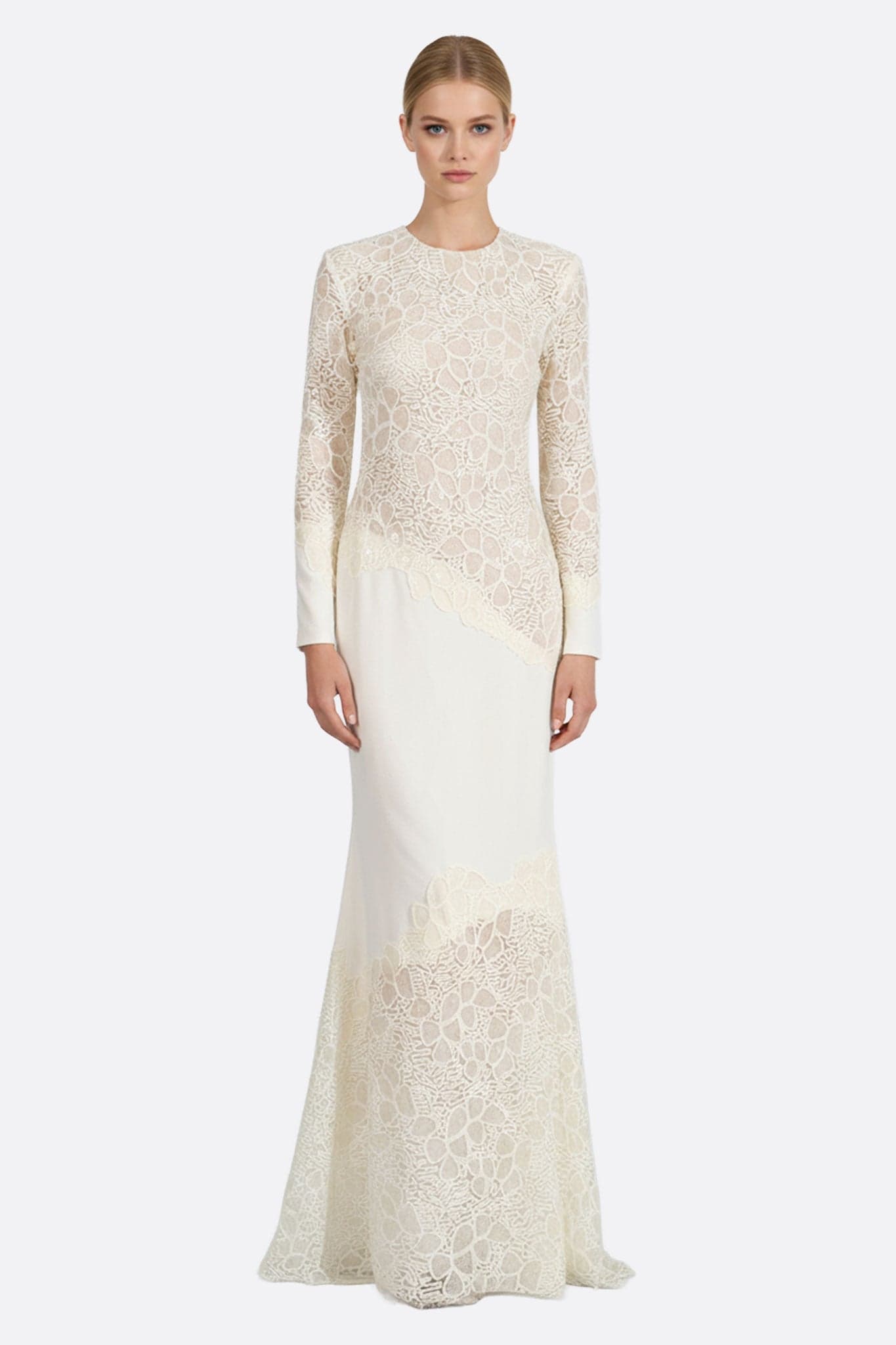
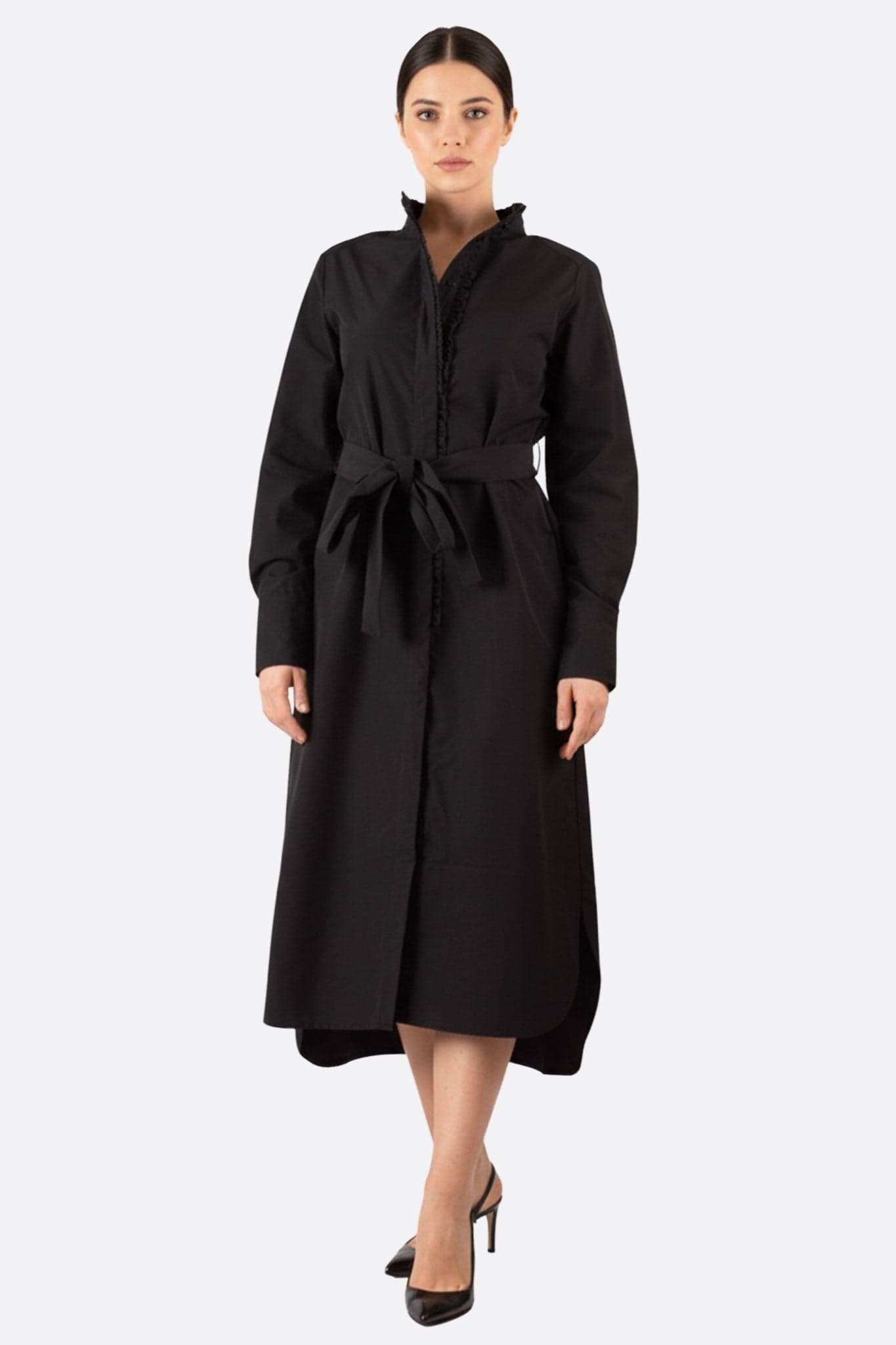
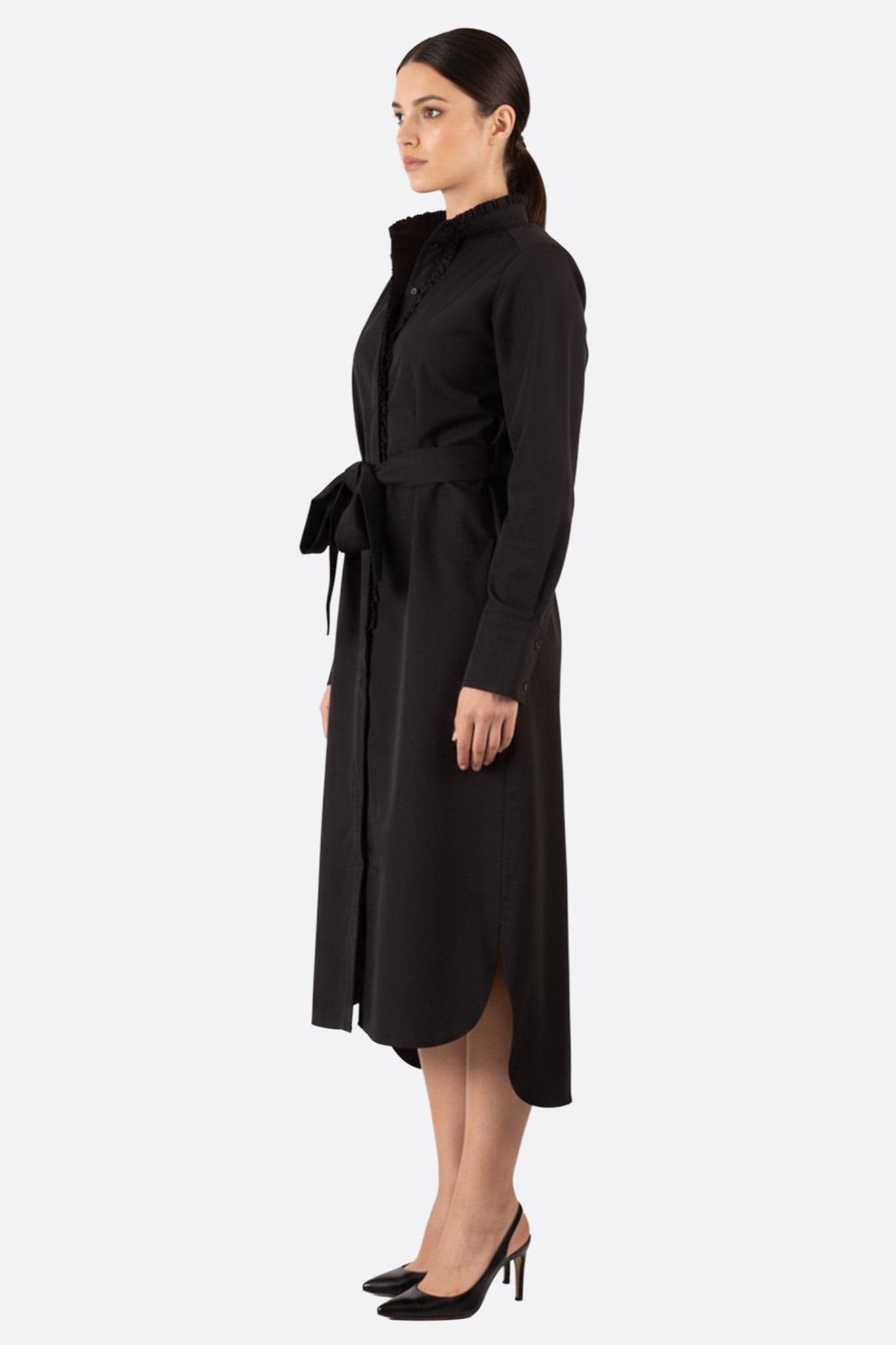
Communion and confirmation are solemn religious ceremonies: the attire of accompanying adults must signal sobriety without being austere. For adults, classic cuts and modest lengths (midi or long) are required. Appropriate materials for a communion or confirmation: matte crepe, georgette, opaque lace on lining, double cotton voile. Materials to avoid: shiny satin, sequins, heavy velvet in summer. Colors: deep neutral tones (navy, burgundy, pearl gray) or discreet pastels are suitable. White and ivory are reserved for communicants: adults avoid these shades to prevent visual confusion in the assembly. Detailed elements (embroidery, structured collar) are welcome as long as they do not expose the neckline or arms.
Graduation: professional and memorable elegance
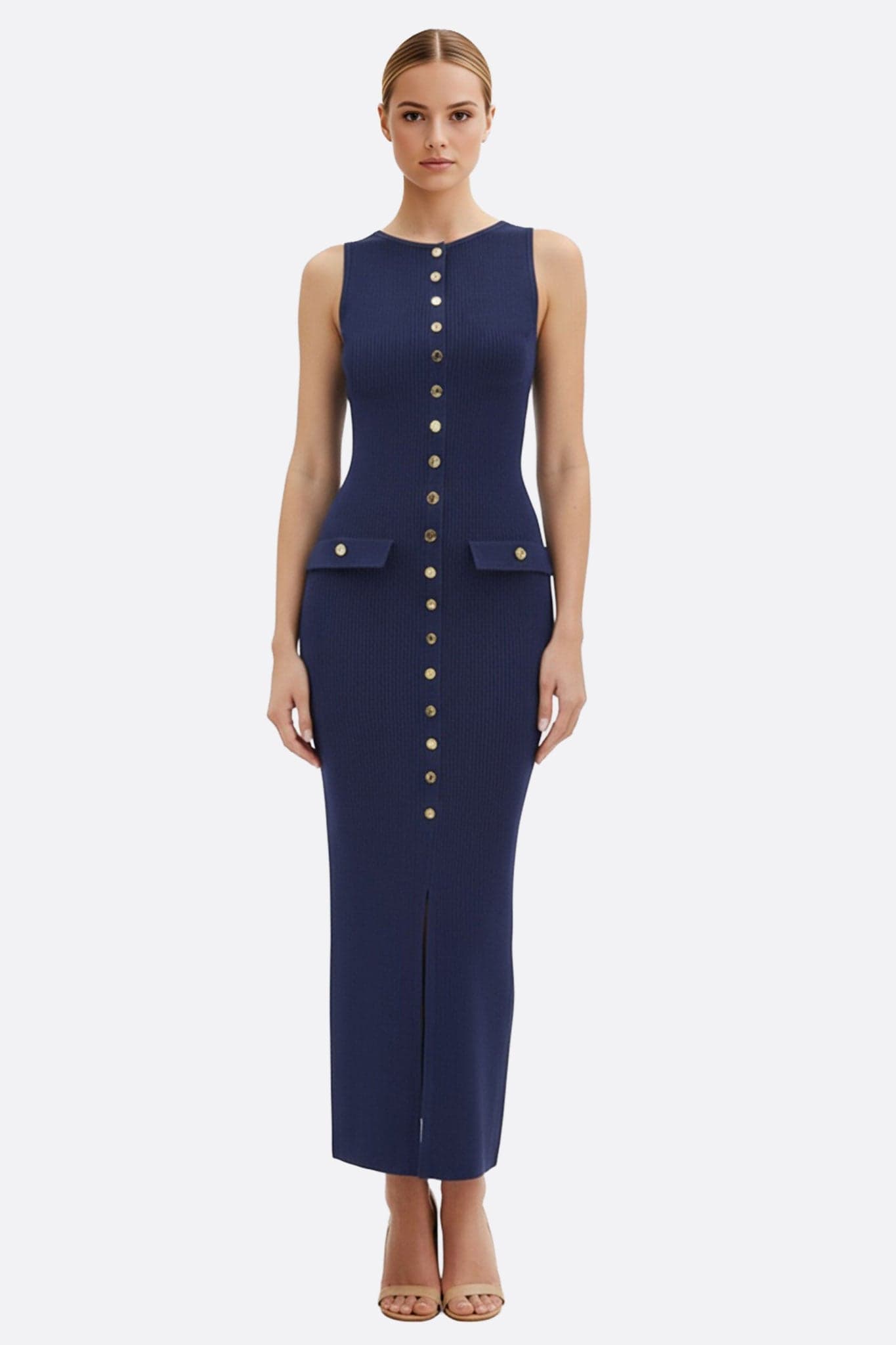
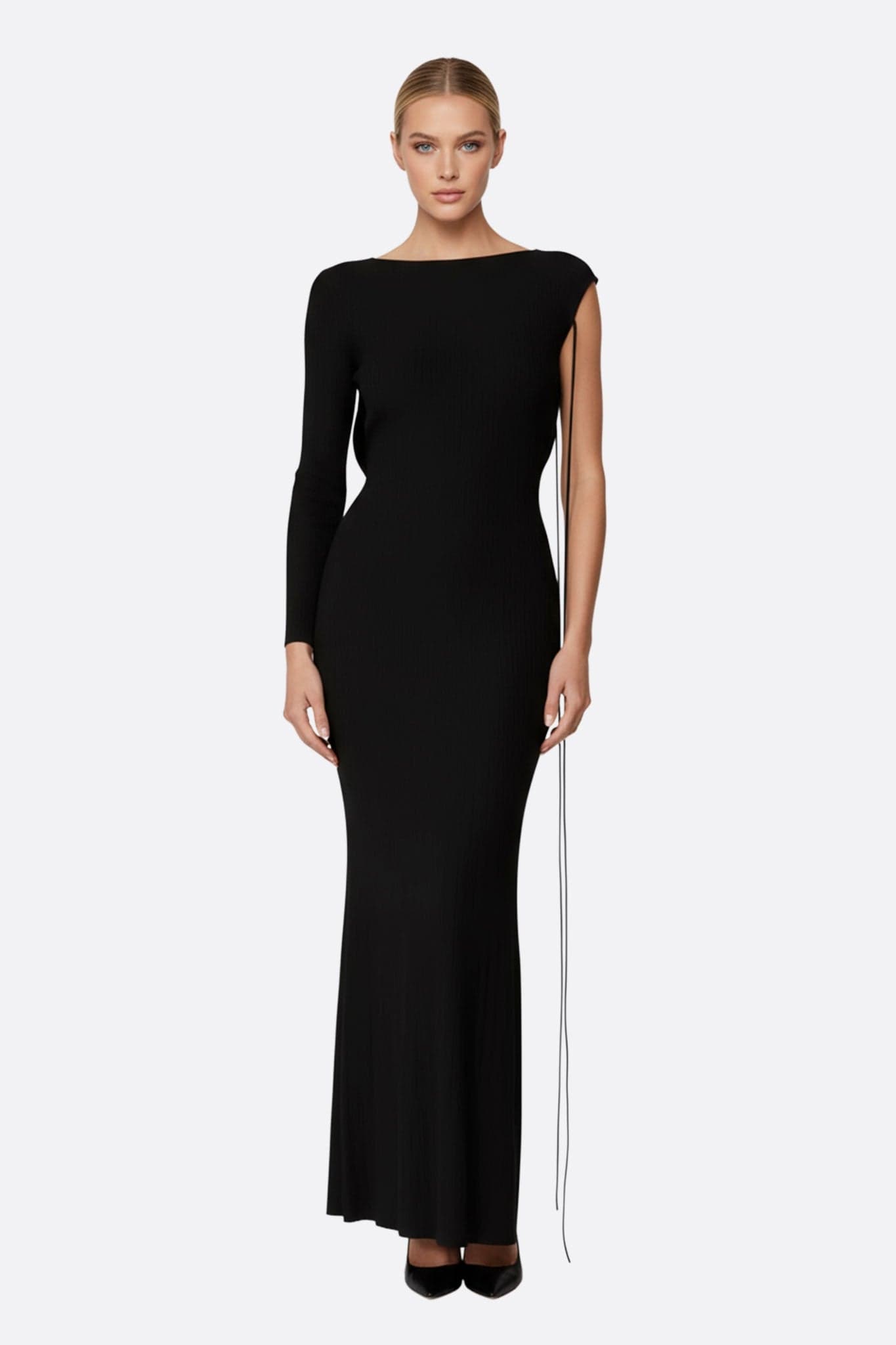
Graduation is a non-religious official ceremony: the constraints of shoulder coverage and pastel color do not apply. The goal is professional elegance that holds up in official photos and suits both the indoor ceremony and family reunions. Recommended cut for a graduation: midi sheath dress, tailored dress, or structured cut dress in noble material (crepe, duchess silk, fine wool). Colors: all deep colors work for a graduation (burgundy, emerald, cobalt, navy, black in impeccable cut). To avoid for this context: very light dresses without lining (lack prestige in official photos), full sequins (signal "evening" rather than "academic ceremony").
Inauguration and official event: formal sober protocol
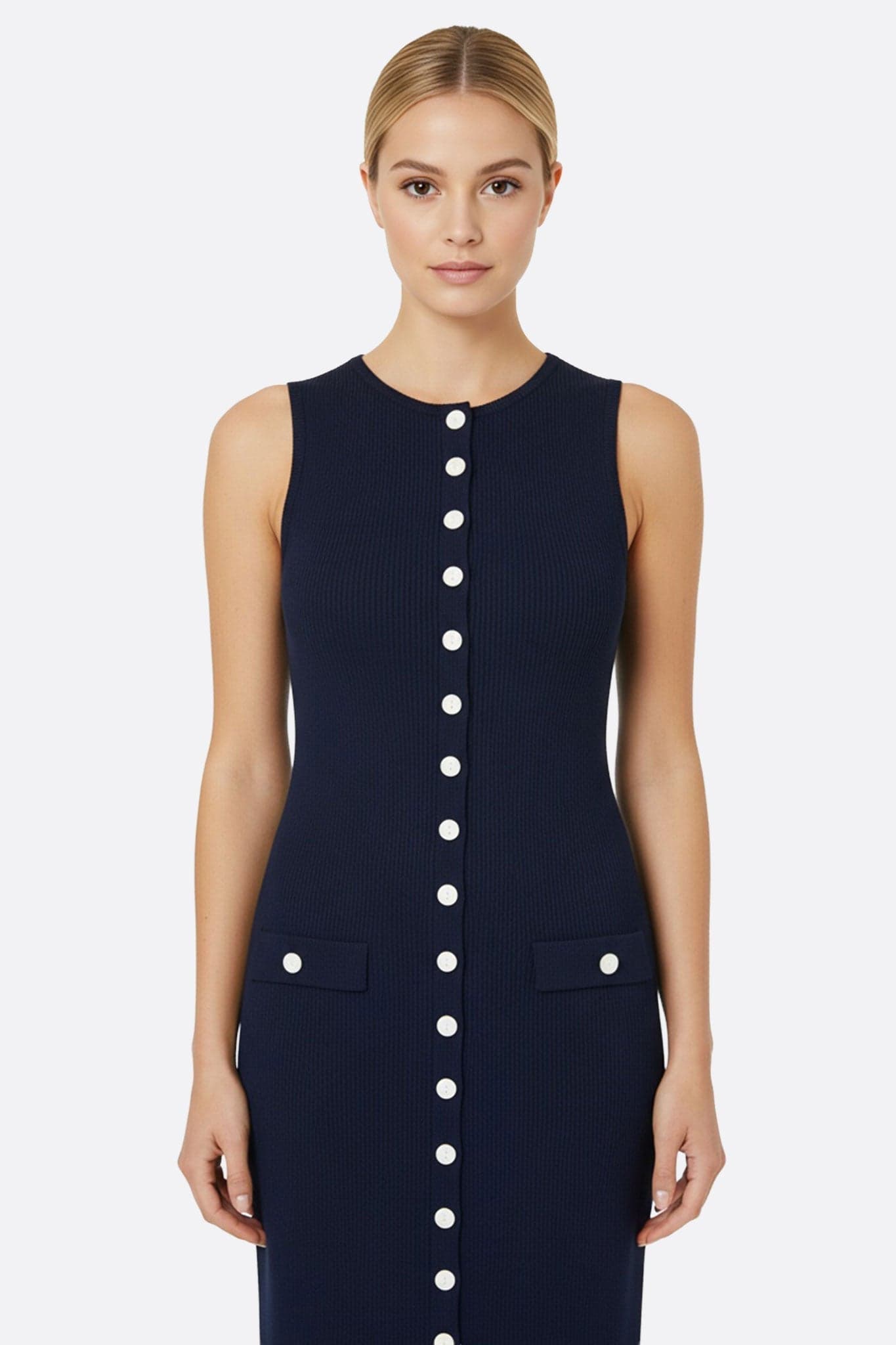
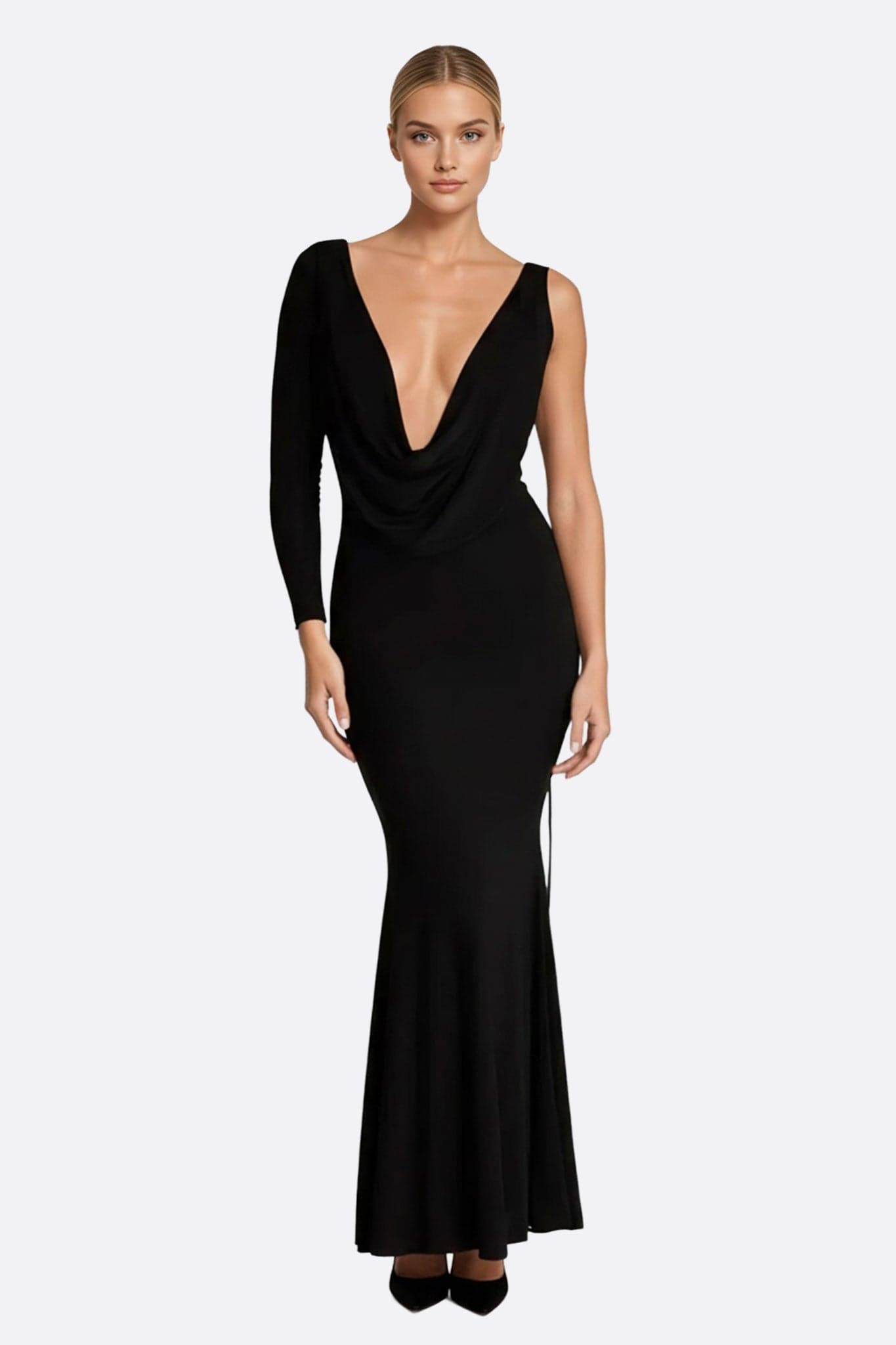
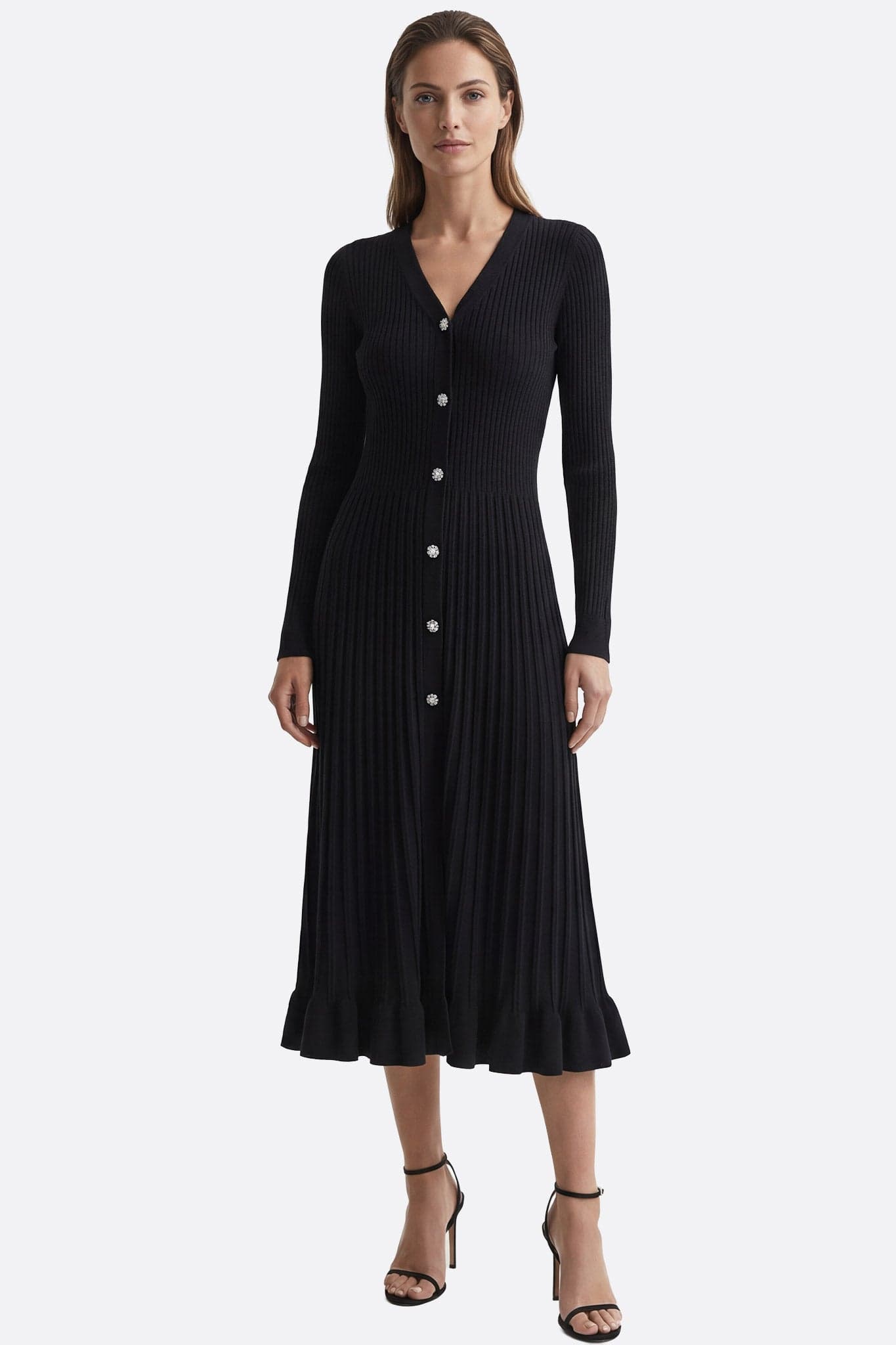
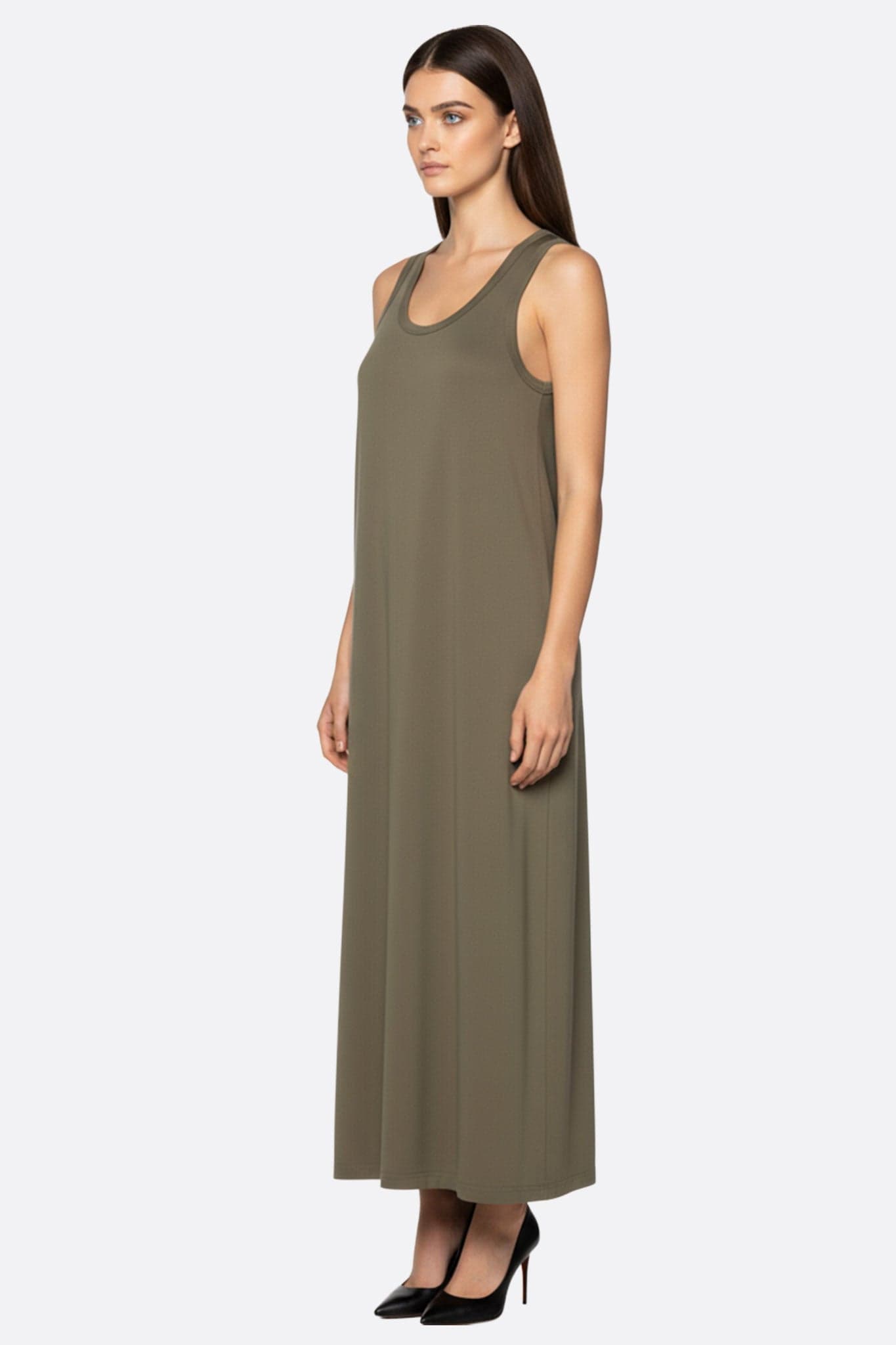
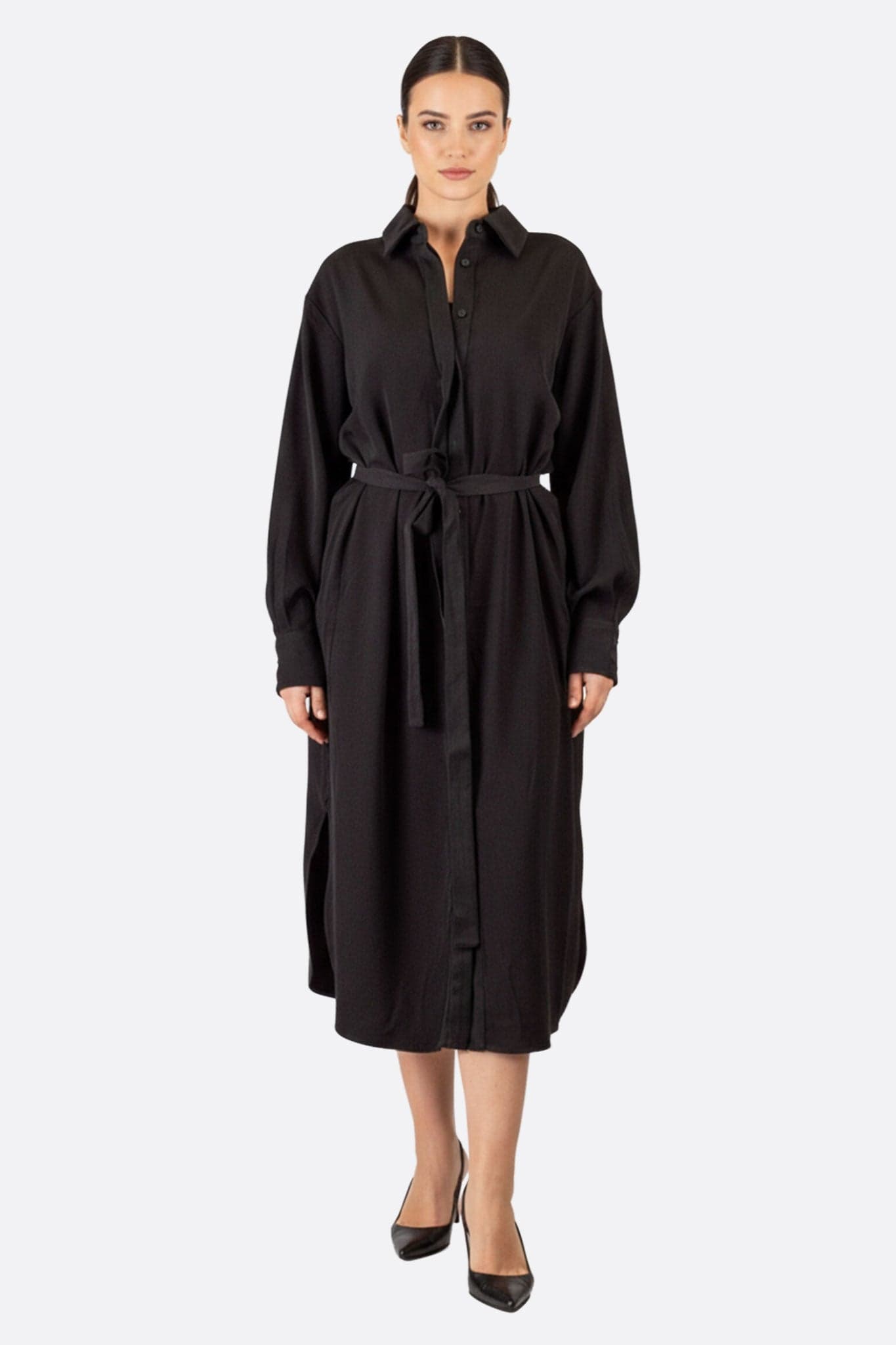
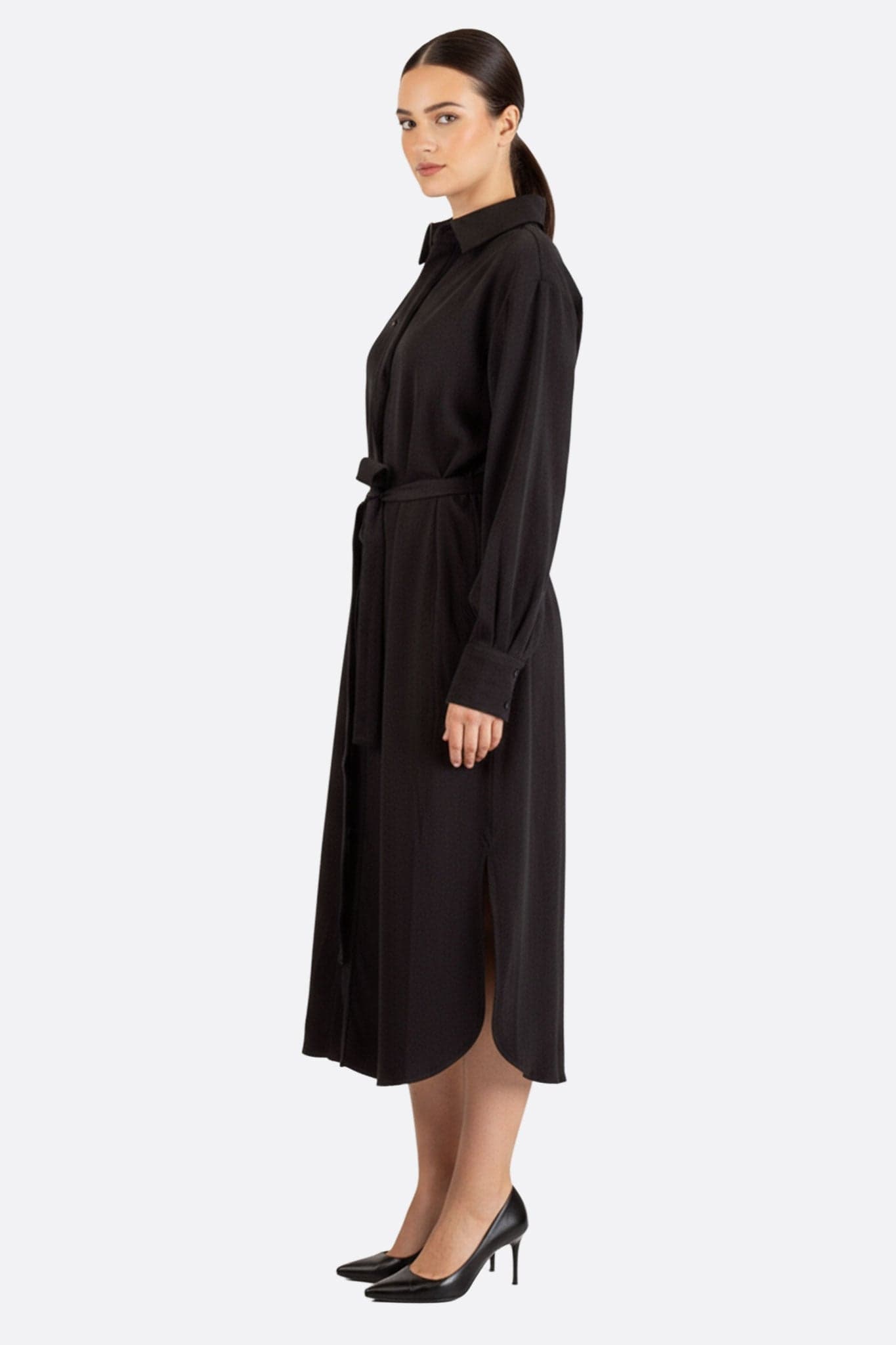
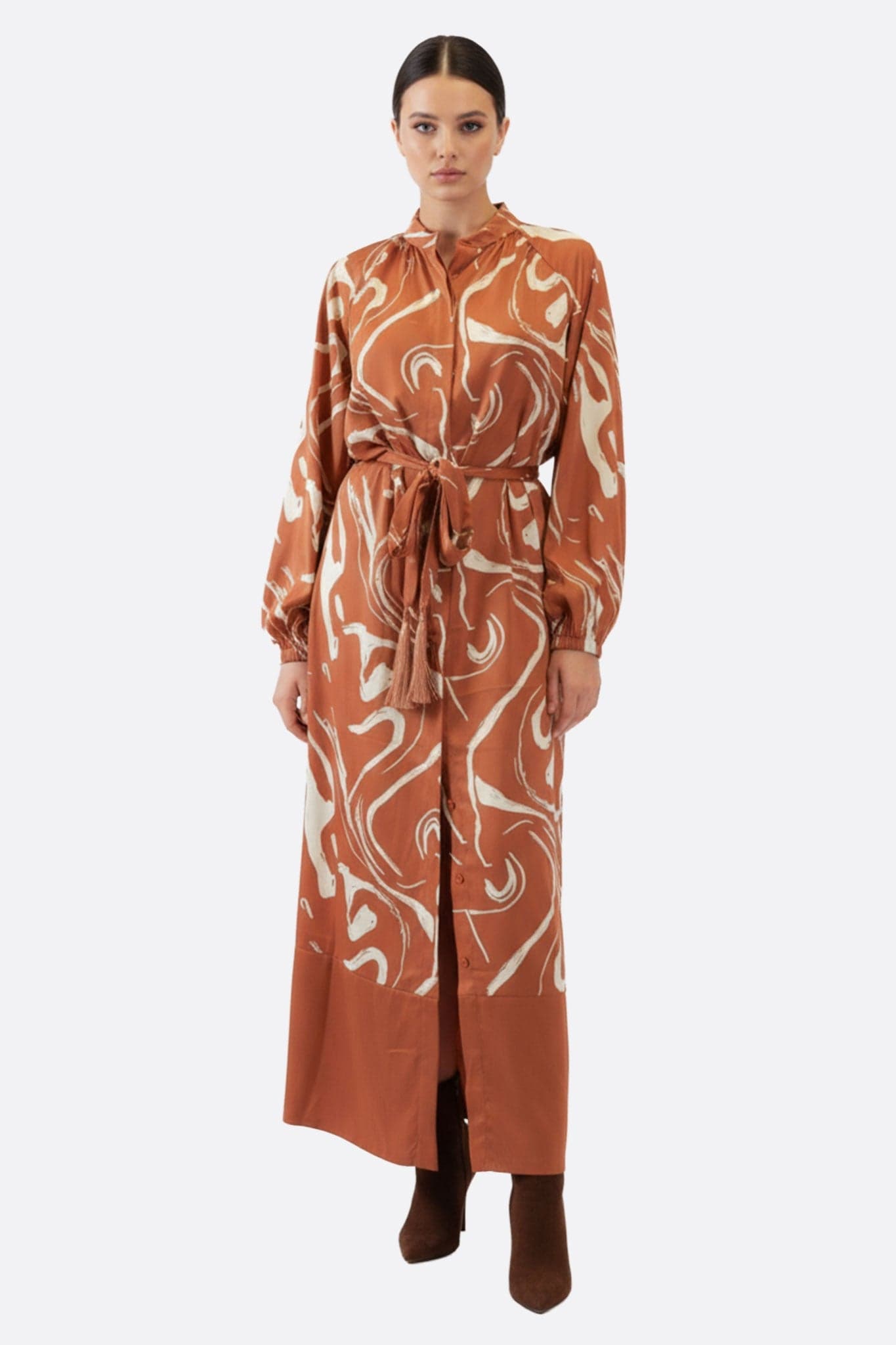
Inaugurations, official visits, civic ceremonies, or award ceremonies are events where attire must signal seriousness without being evening wear. The reference: a structured cut dress (tailored silhouette, integrated blazer, or architectural straight form) in a noble but non-shiny material. For these official events, dark colors (navy, slate gray, burgundy) signal authority and respect for the occasion. Black is universal but must be in an impeccable cut to avoid evoking mourning. Midi length is most suitable for prolonged standing positions and frequent movements. Avoid for these official occasions: very low-cut dresses, asymmetrical cuts, fancy prints: anything that draws attention to the form rather than the person.
Materials: what the code of sobriety concretely imposes
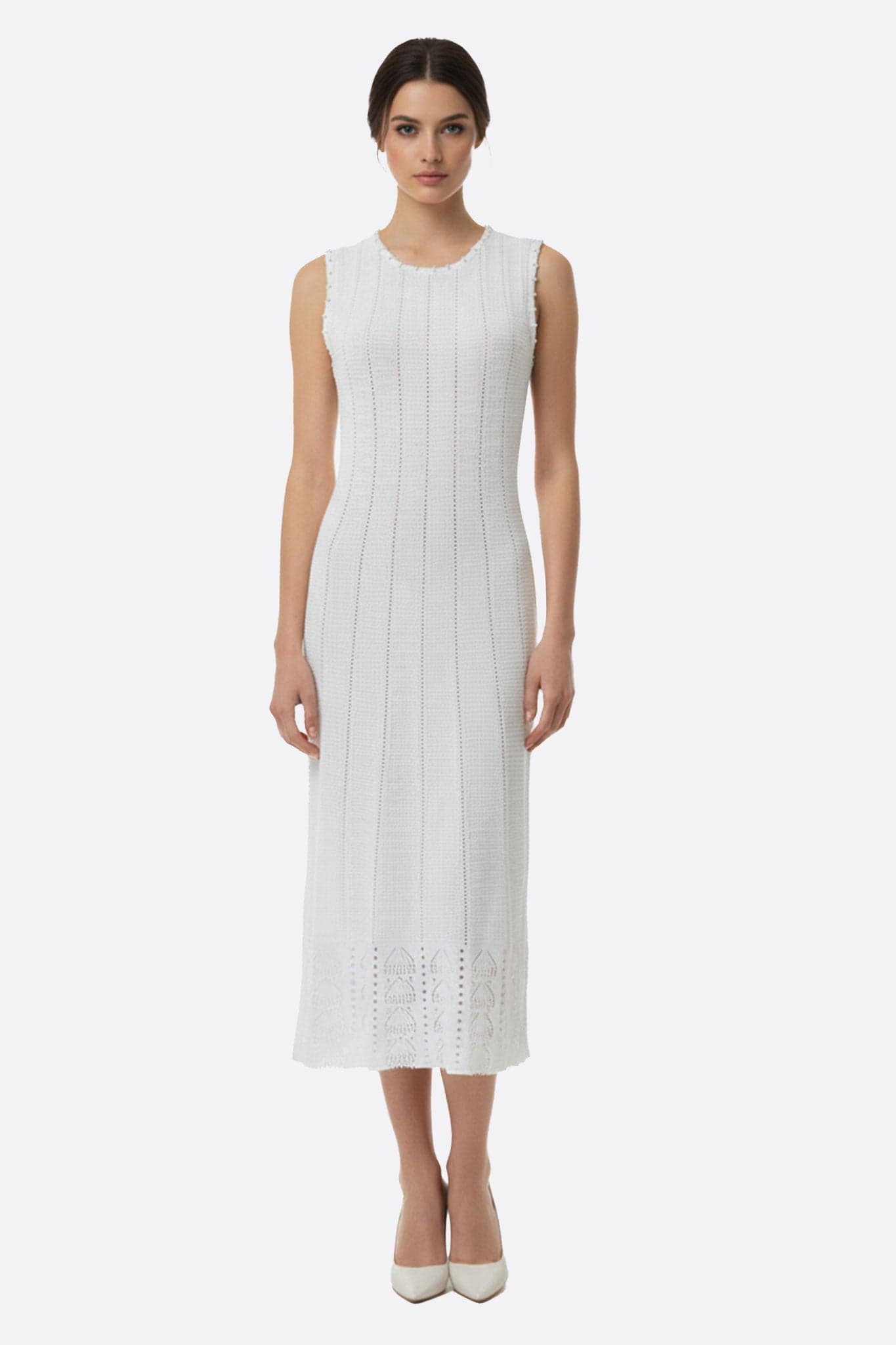
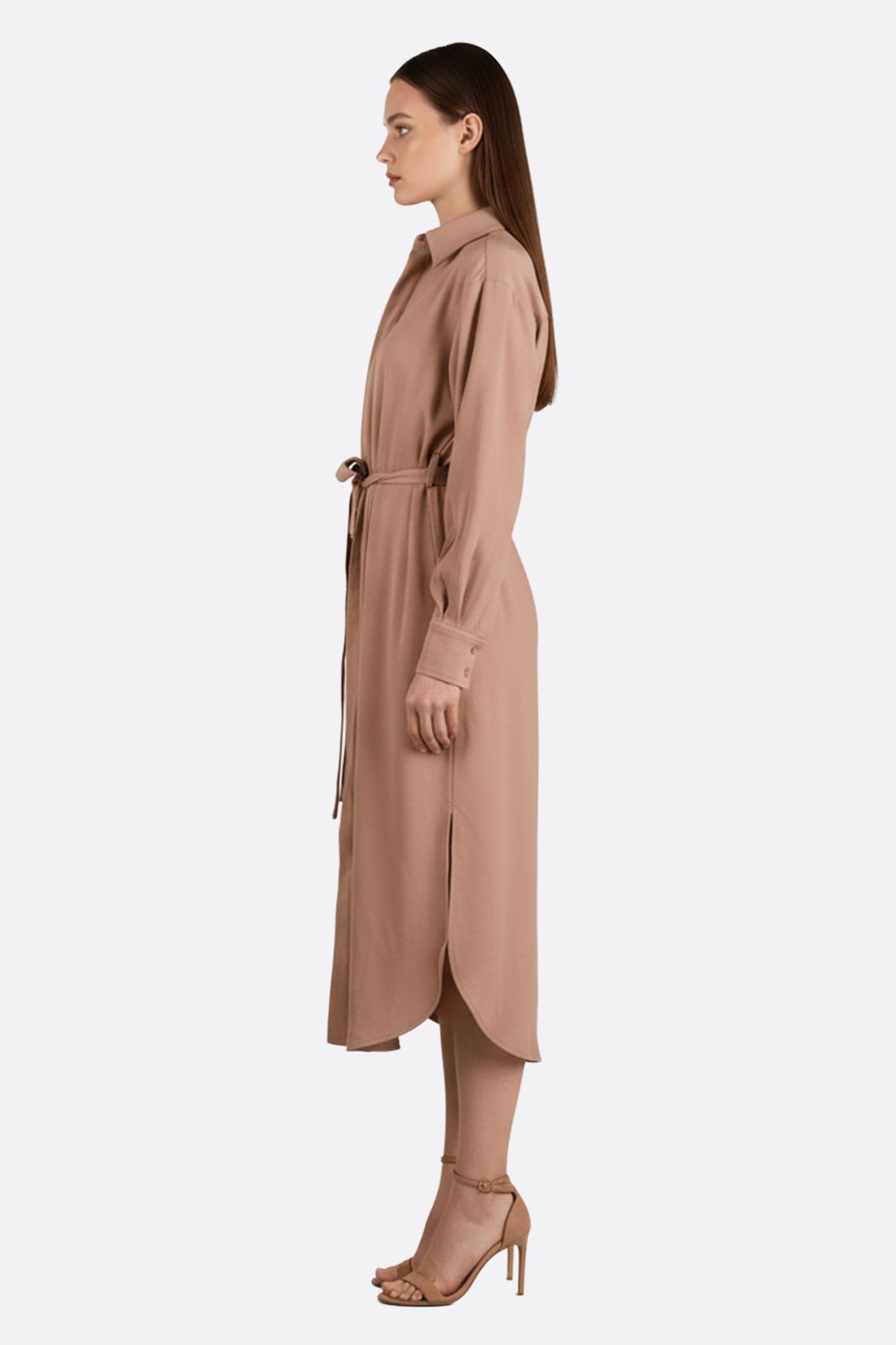
The dress code for religious ceremonies (baptism, communion, confirmation) and official events implicitly prohibits festive materials. It is not a written rule but a documented social convention: shiny satin signals "dance party", sequins signal "gala", heavy velvet in summer is disproportionate for these occasions. Materials suitable for baptisms, communions, and official events are those that "disappear" behind the person: matte crepe (the most neutral, for all these contexts), georgette (fluid without shine, for baptism and communion), opaque lace on lining (formal without sparkle), fine wool mousse (winter, for official events and graduations). Matte silk (silk crepe) is acceptable because it does not have the directional sheen of shiny satin.
If the event is a wedding: a dedicated collection
This collection does not cover weddings. Wedding guest outfits: whether it is a civil, rustic, castle, secular, or winter wedding: have specific and different codes: prohibited colors (extended area around the bride's white), length adapted to the time of the ceremony, style according to the reception venue. If the event you are preparing for is a wedding as a guest, the collection wedding guest dress is entirely dedicated to these codes. For a gala or formal evening: evening dresses. For all dresses: dress collection.
FAQ: women's ceremony dress
Does this collection cover weddings?
No. This collection is reserved for ceremonies where you are a direct participant or close: baptism, communion, confirmation, graduation, inauguration, official event. If you are invited to a wedding (civil, rustic, in a castle or other), the wedding guest dress collection is entirely dedicated to the specific codes of the wedding guest: allowed colors, length according to the time, material according to the place.
Should shoulders be covered for a baptism or communion?
In the vast majority of Catholic and Orthodox churches, shoulders must be covered during the baptism or communion ceremony. A bolero, a stole, a light jacket, or 3/4 sleeves solve the problem. Some Protestant churches or non-denominational chapels do not impose this rule. In case of doubt: plan for a removable bolero that can be taken off at the reception after the ceremony.
What color for a graduation?
All deep colors work for a graduation: burgundy, emerald, cobalt, navy, black in impeccable cut. Very soft pastel tones may lack impact in official photos. Full sequins are out of code for this context. The goal is professional and memorable elegance: the color should enhance without distracting.
Can you wear black to a baptism?
Black alone is discouraged for a baptism as it may evoke mourning in a context of celebrating life. Combined with a beige jacket, a colorful scarf, or gold jewelry, it becomes "formal" and is acceptable. For communions and confirmations, black in classic cut with light accessories is generally accepted. For inaugurations and graduations: black is universal if the cut is impeccable.