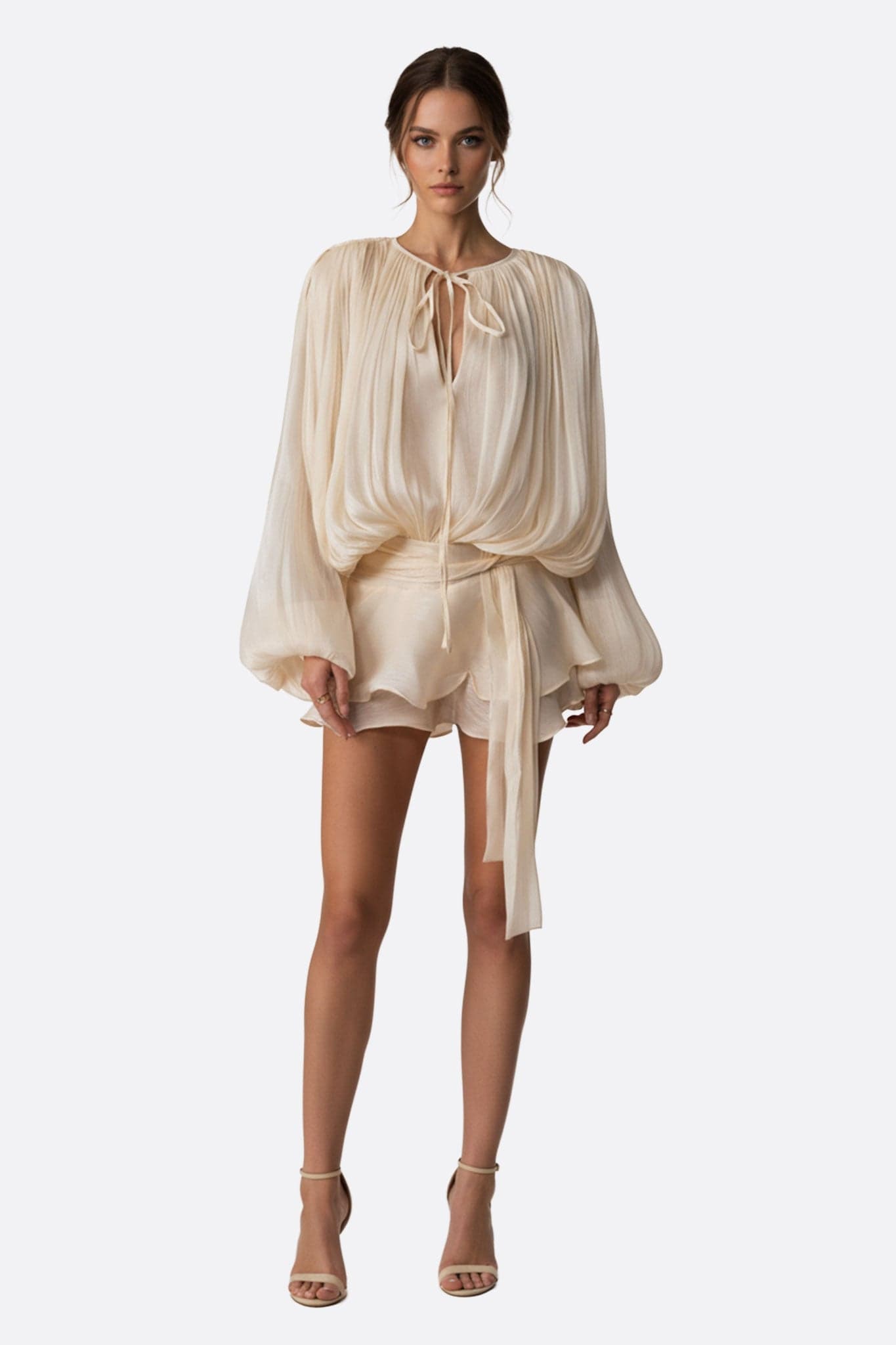
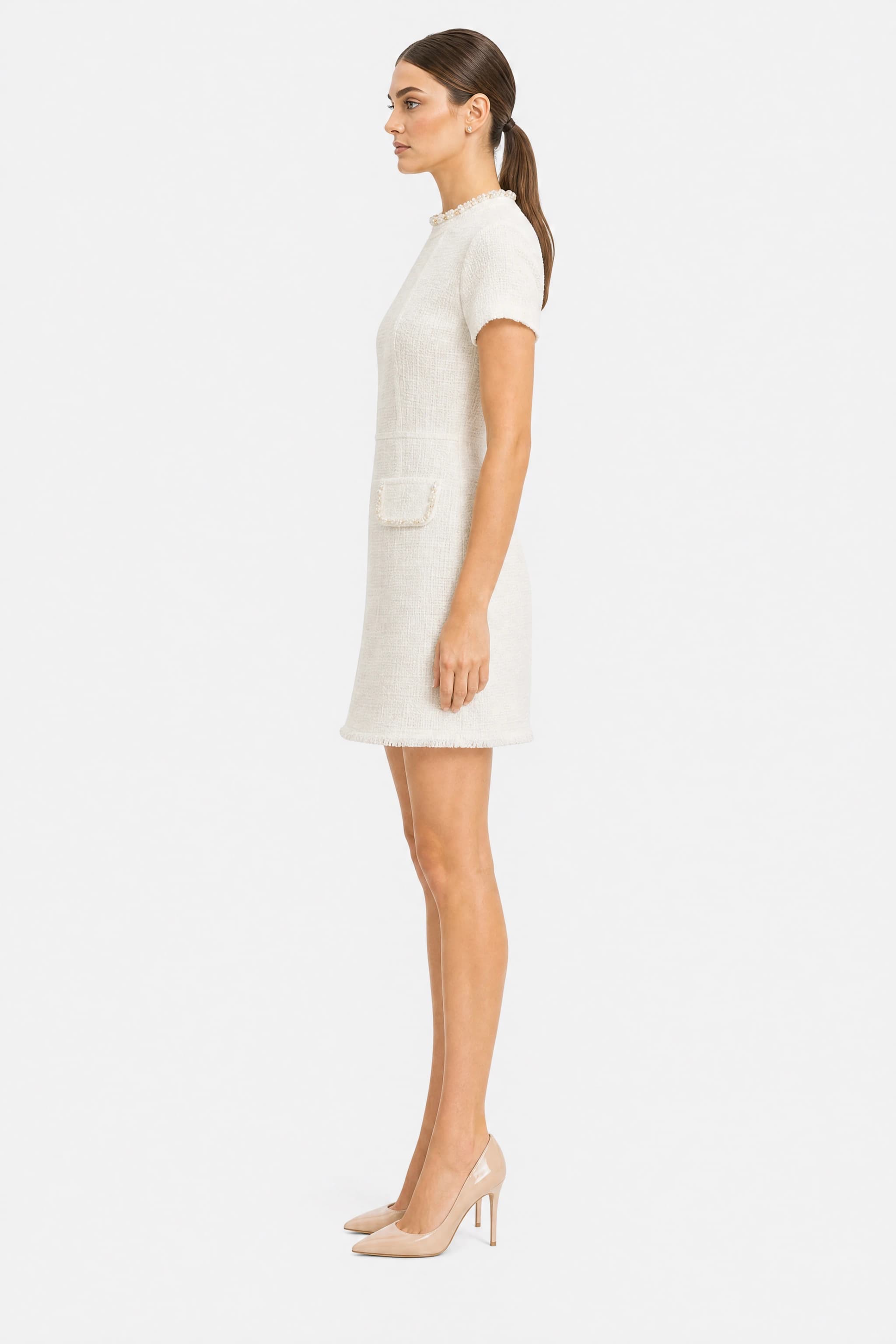
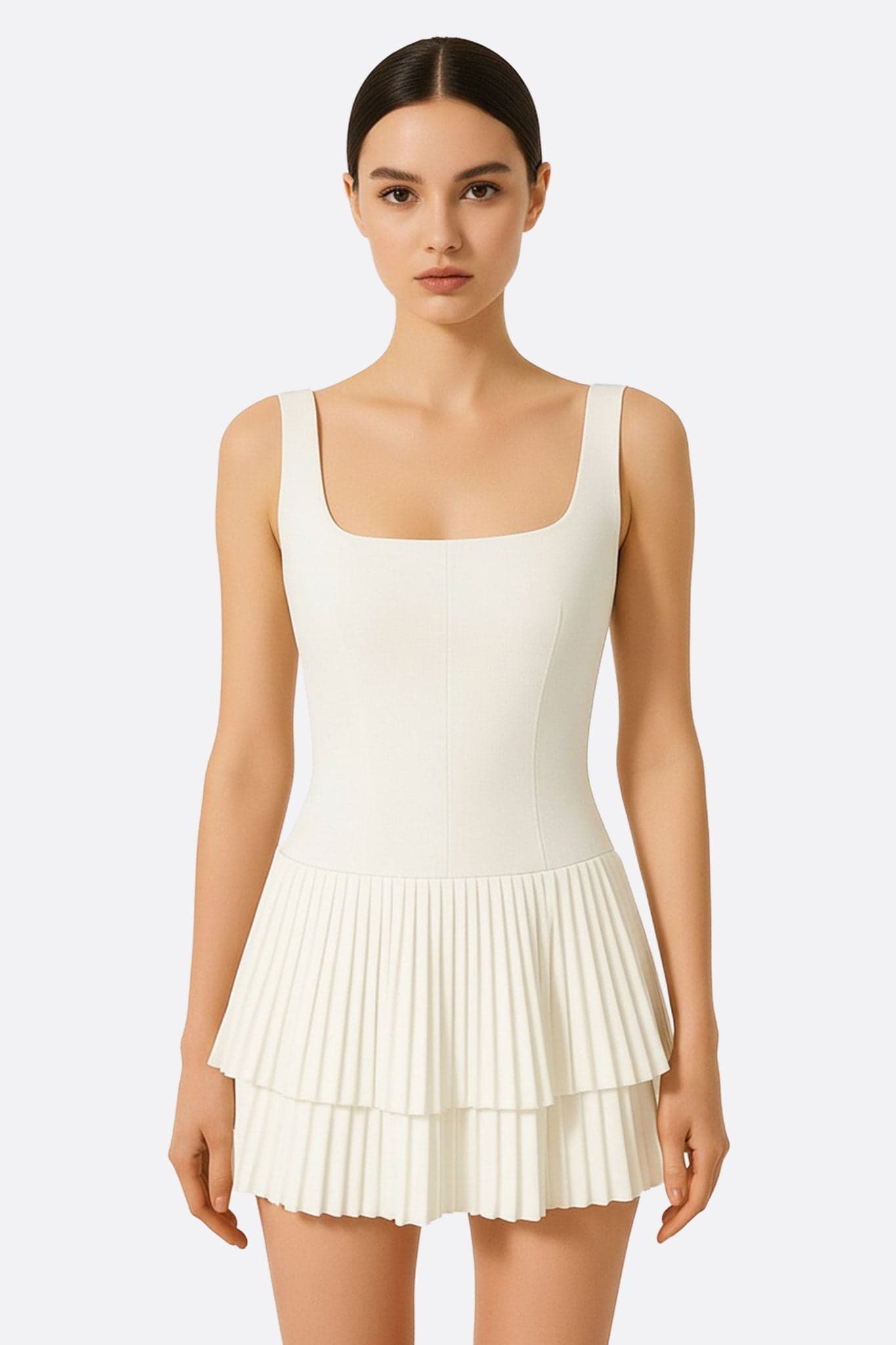
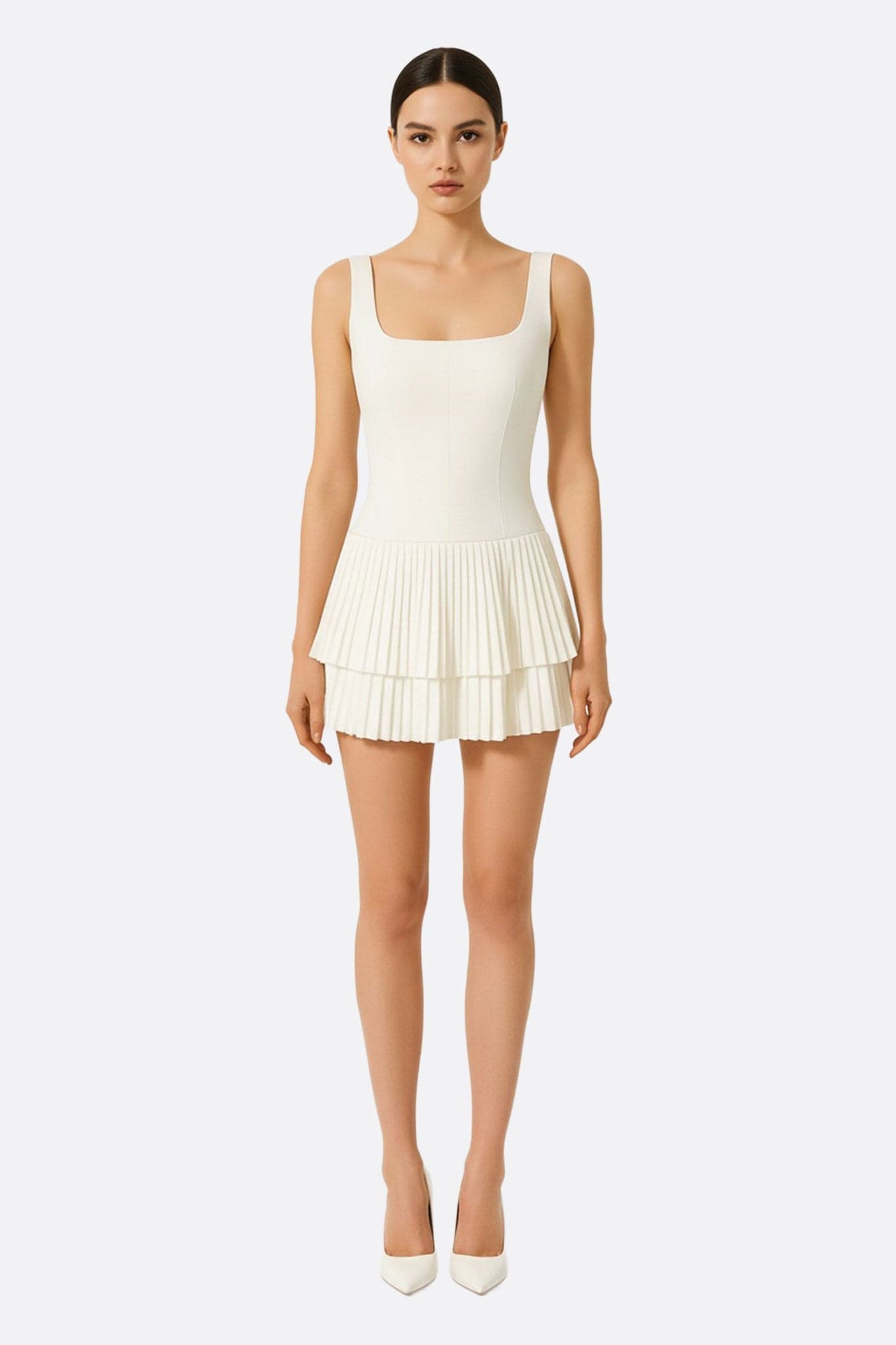
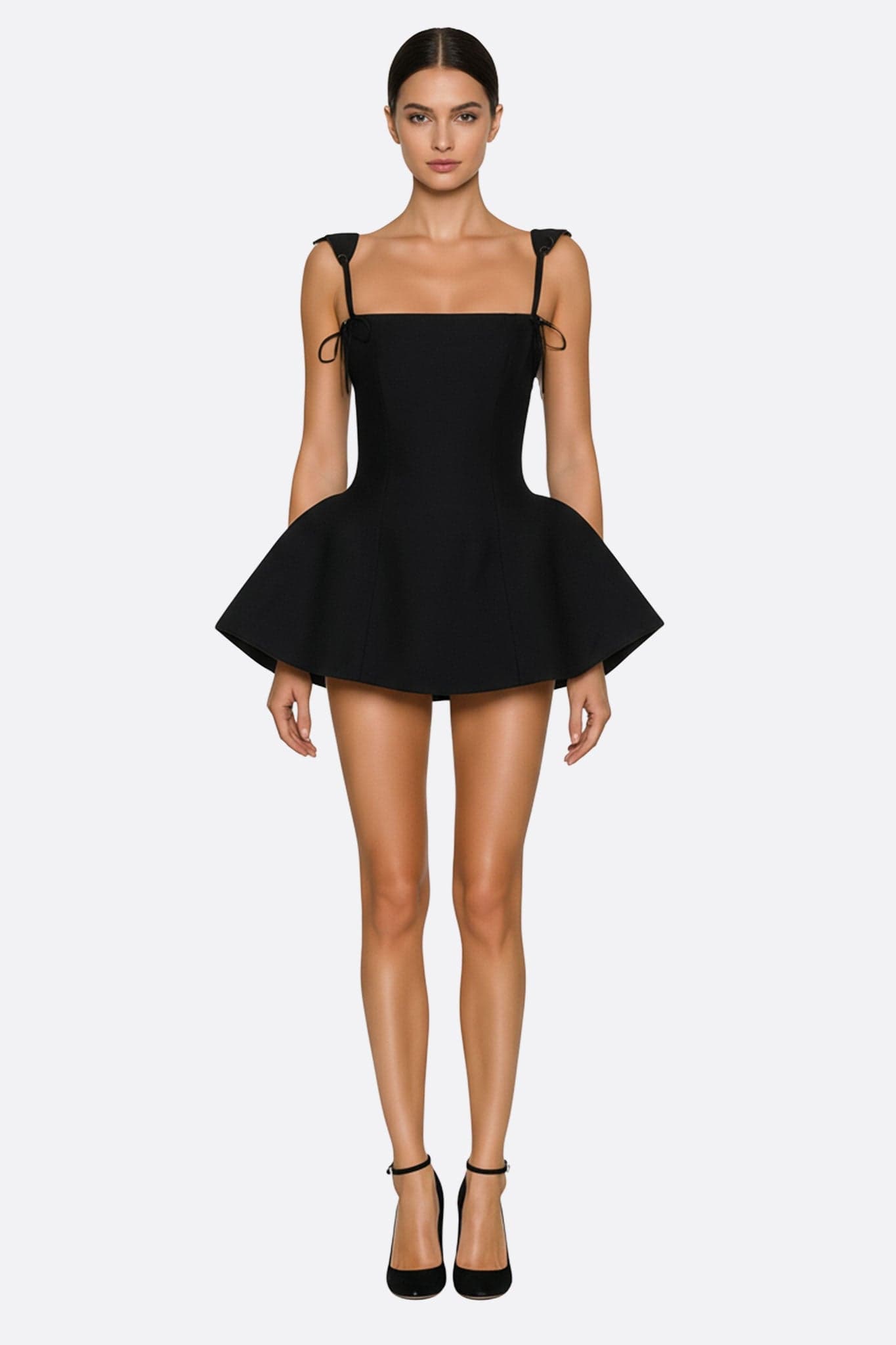
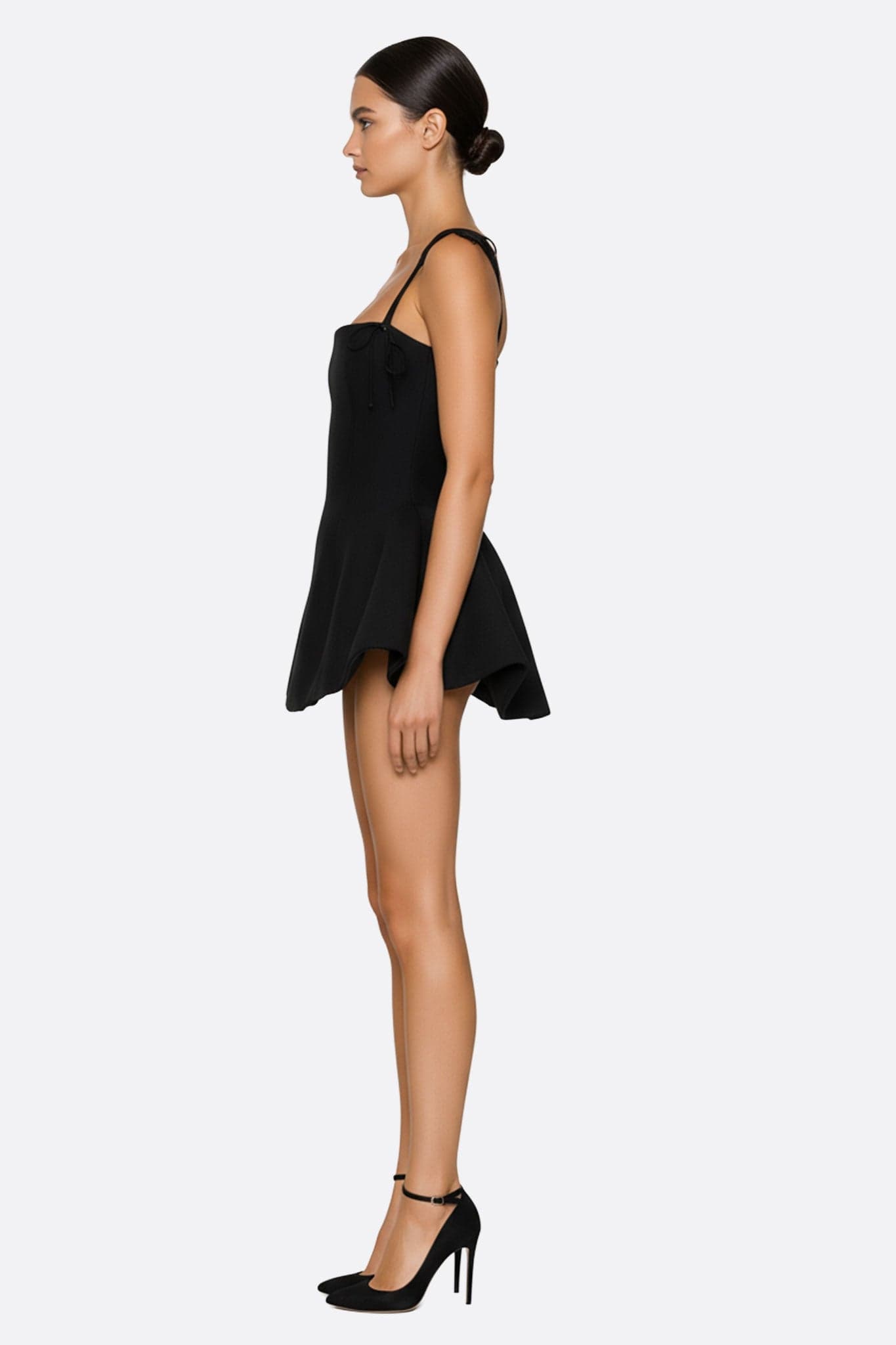
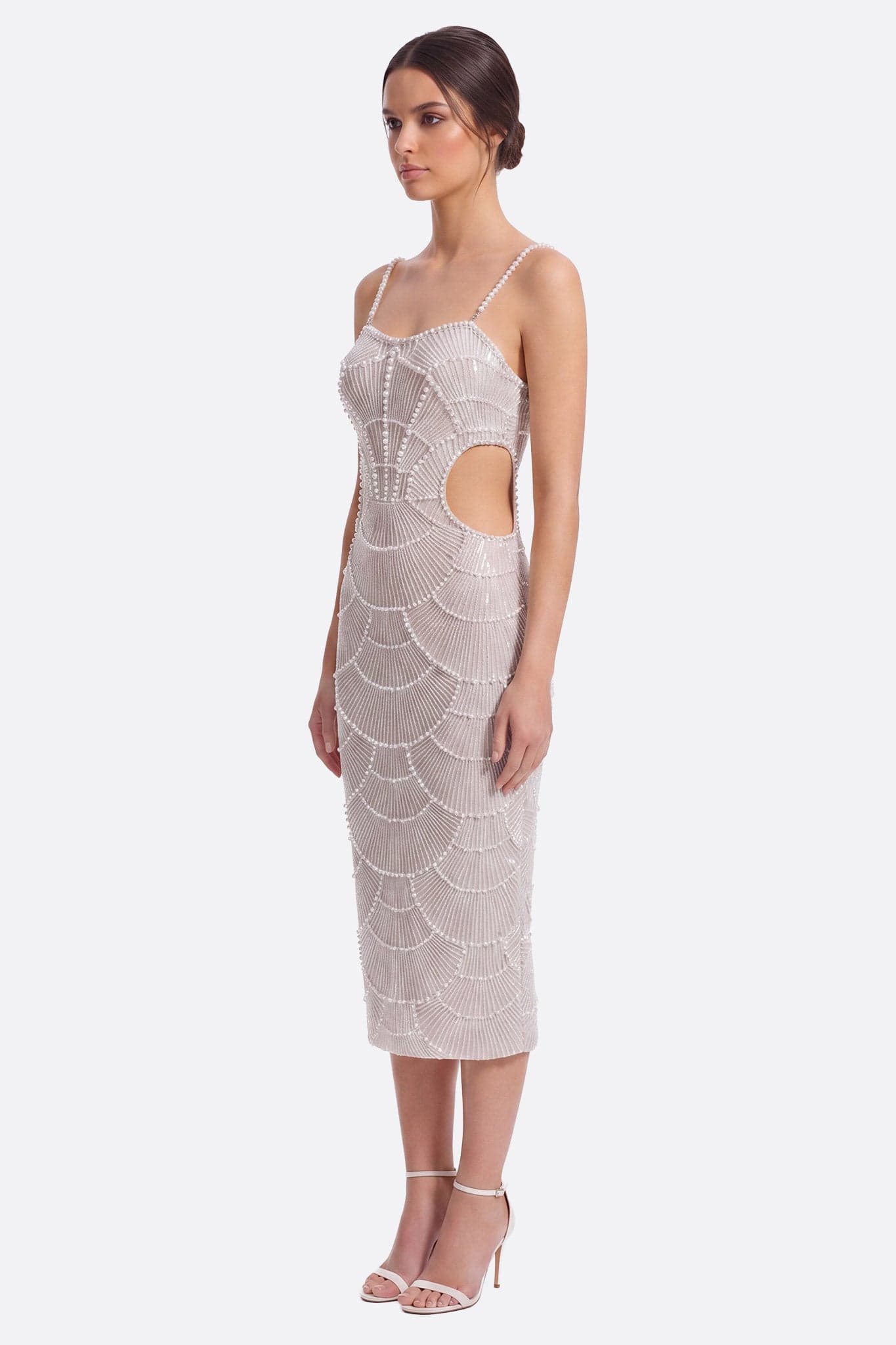
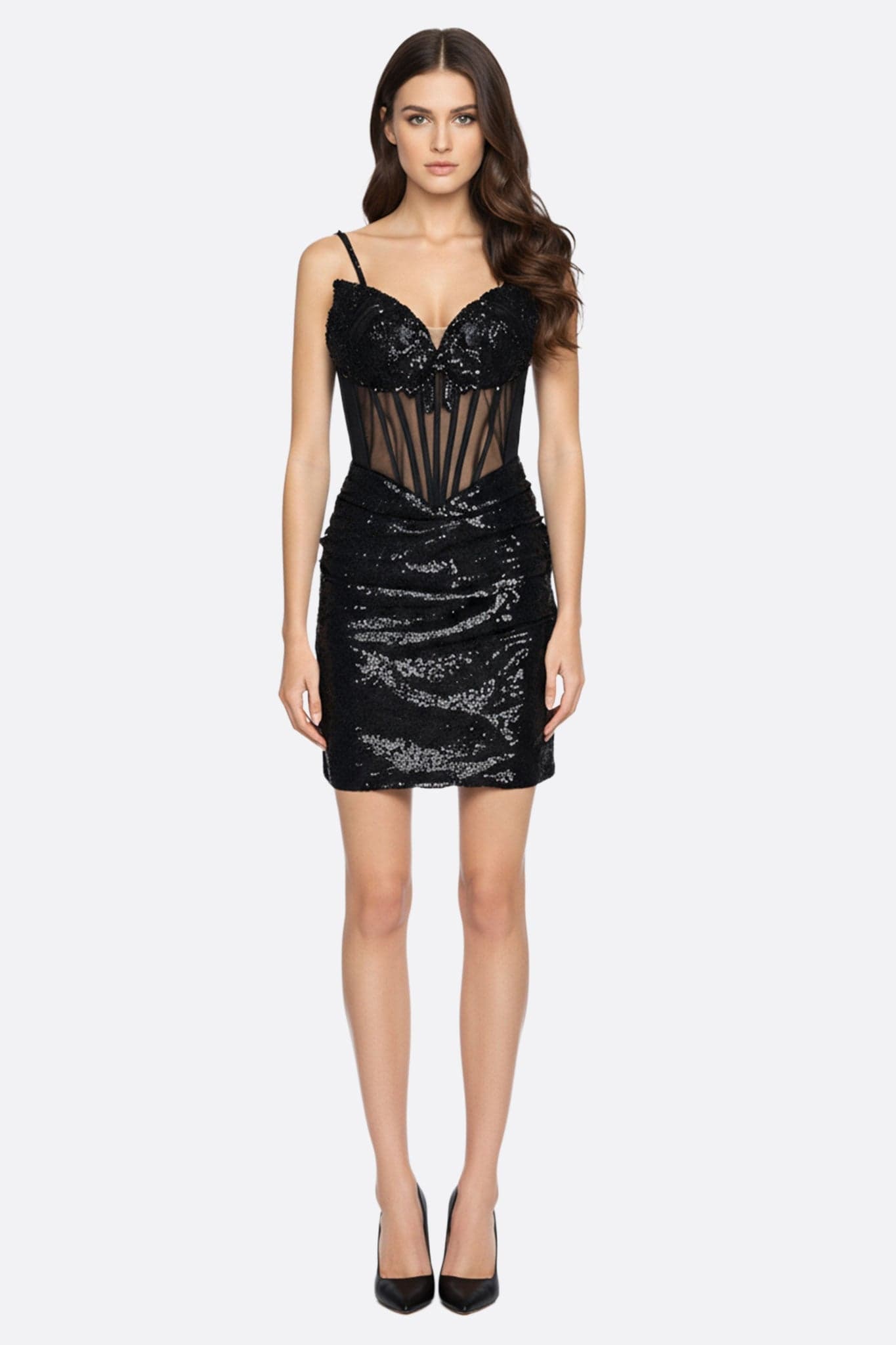
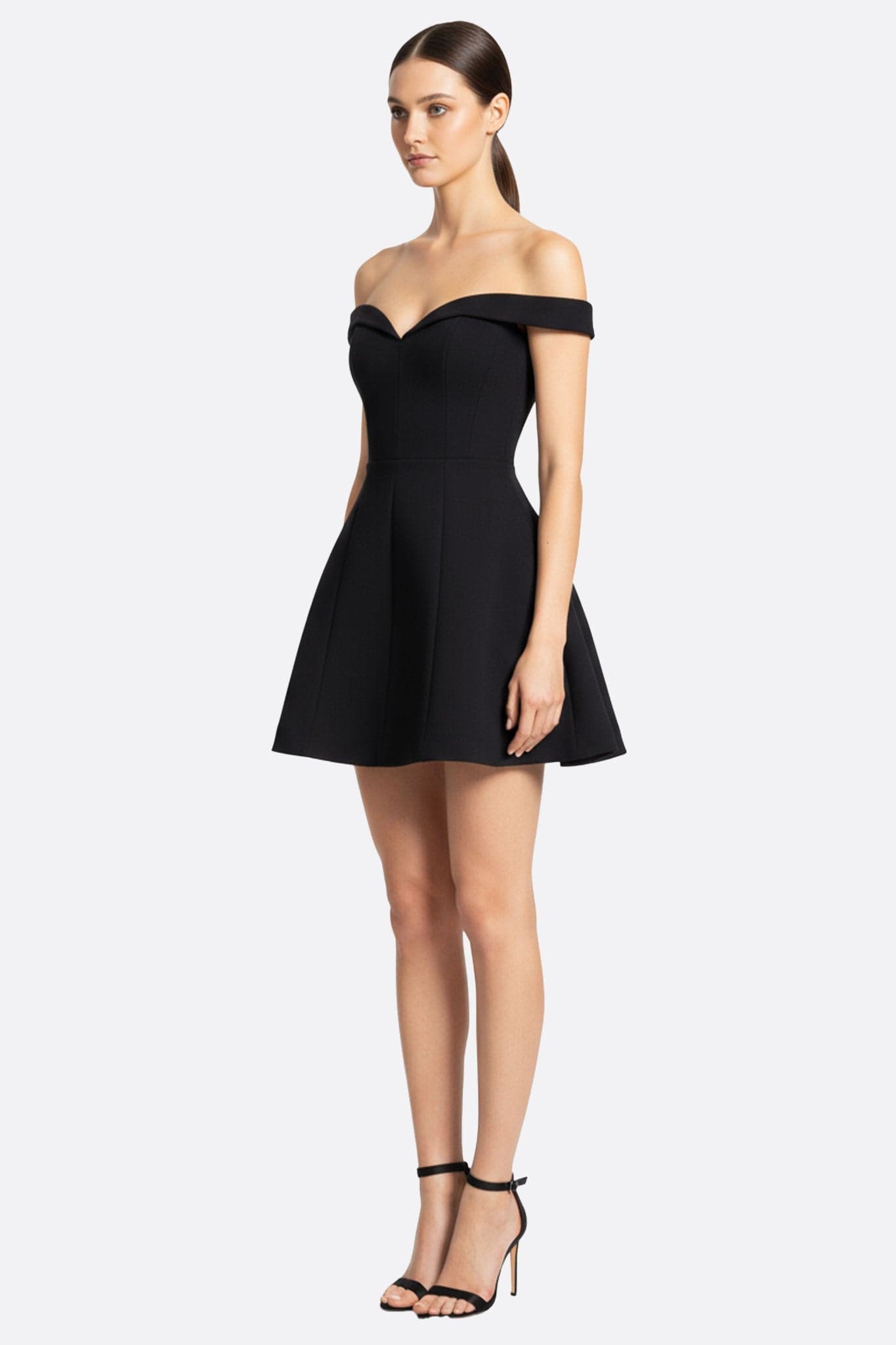
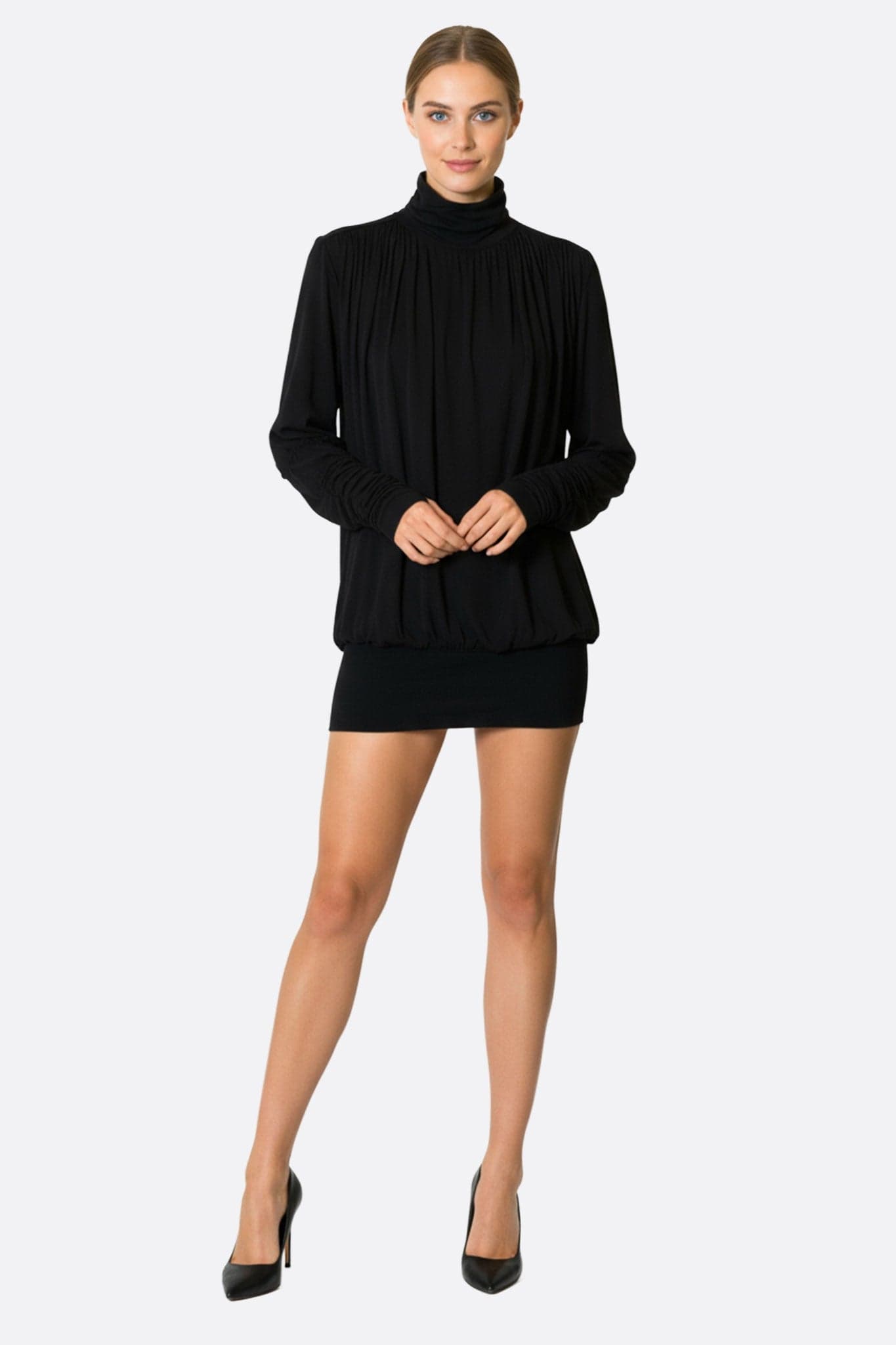
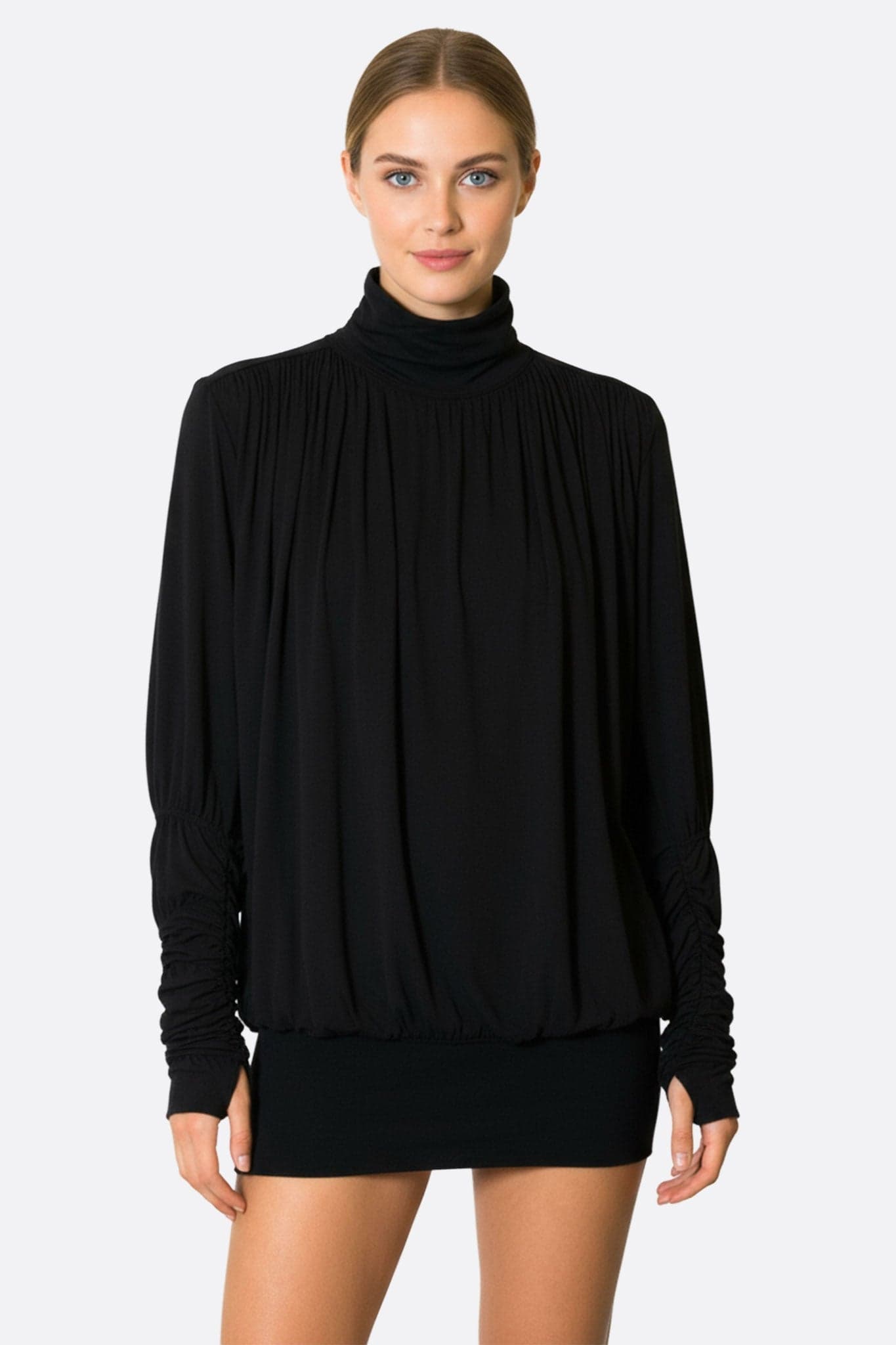
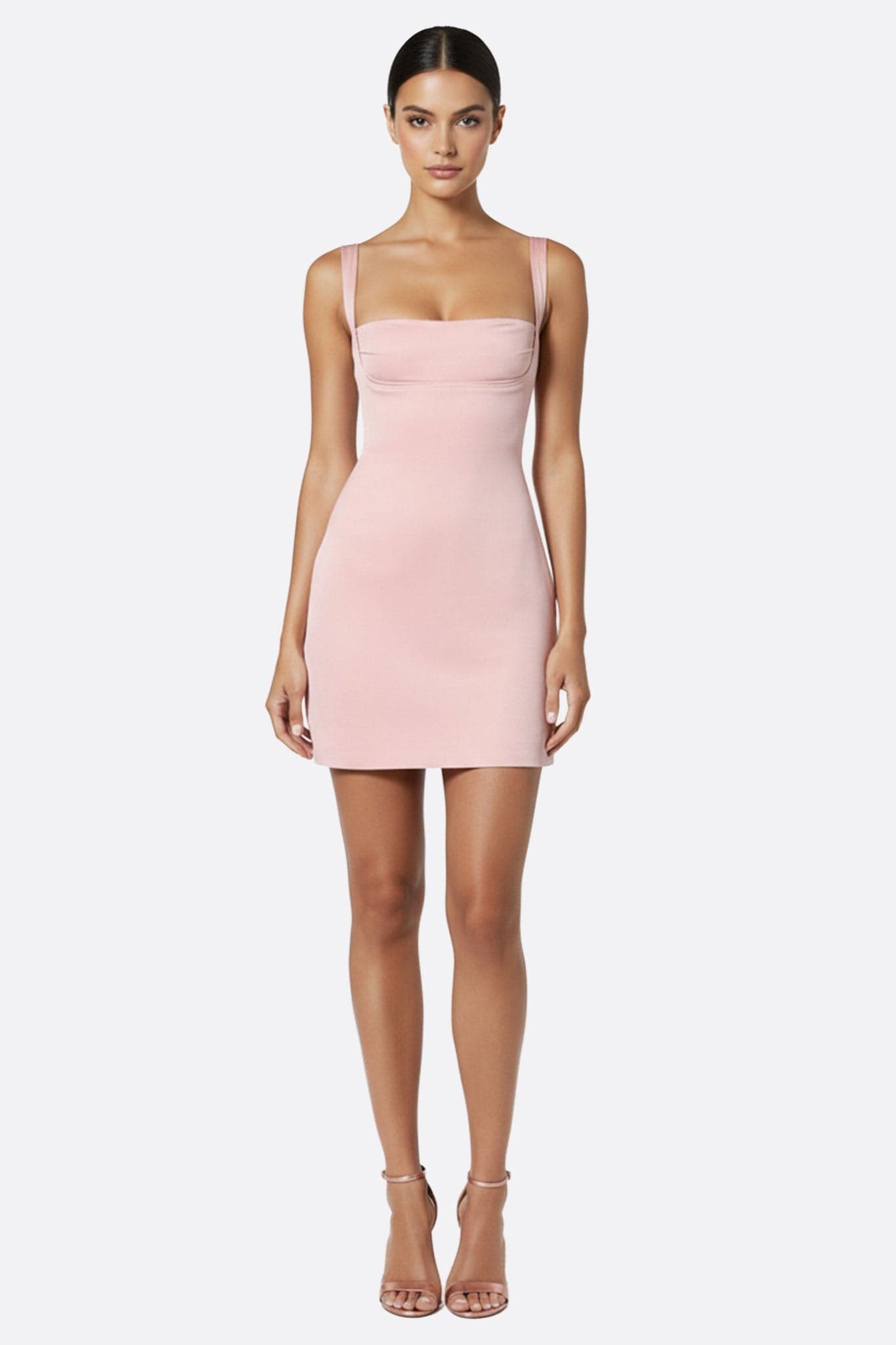
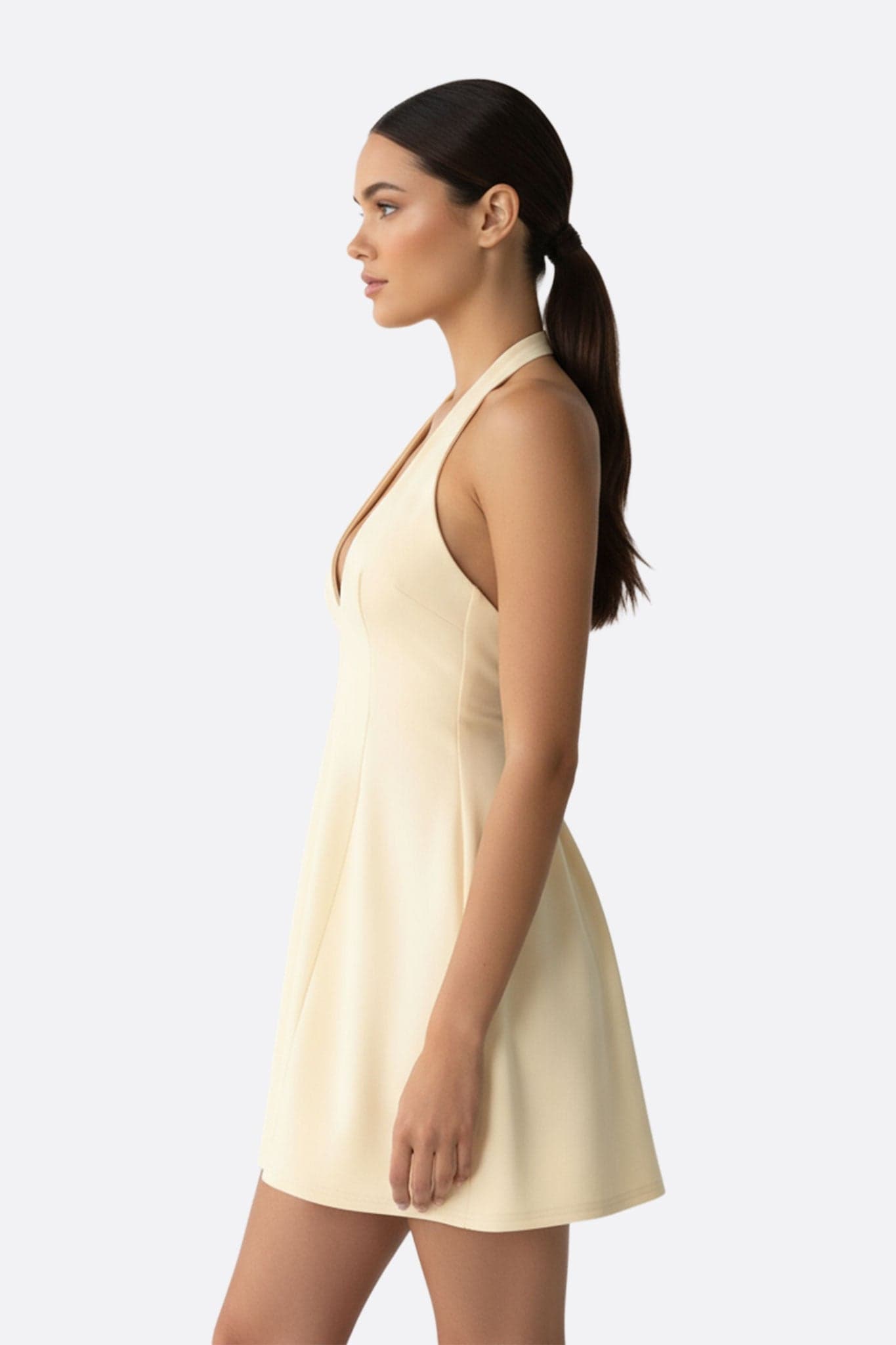
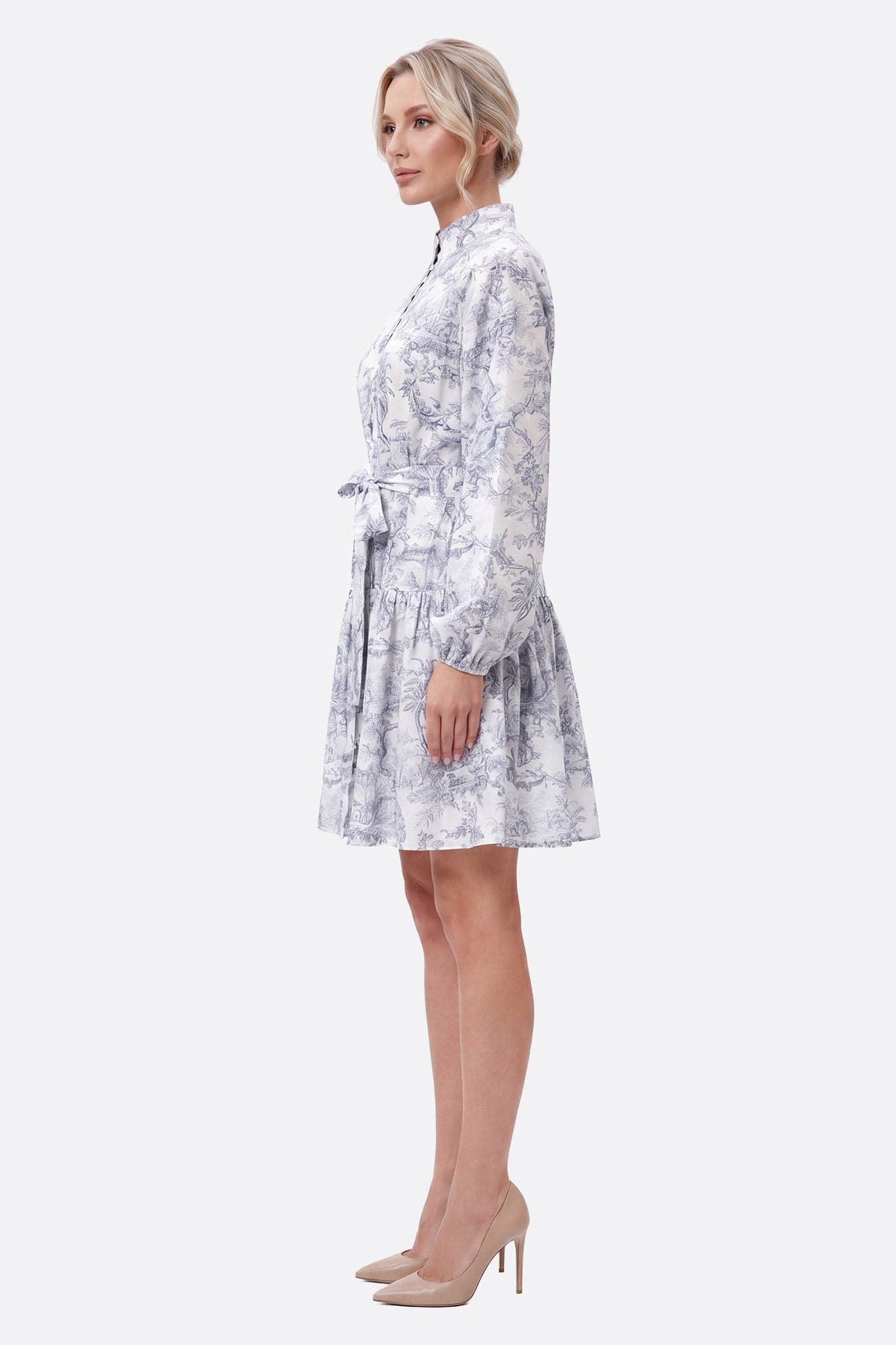
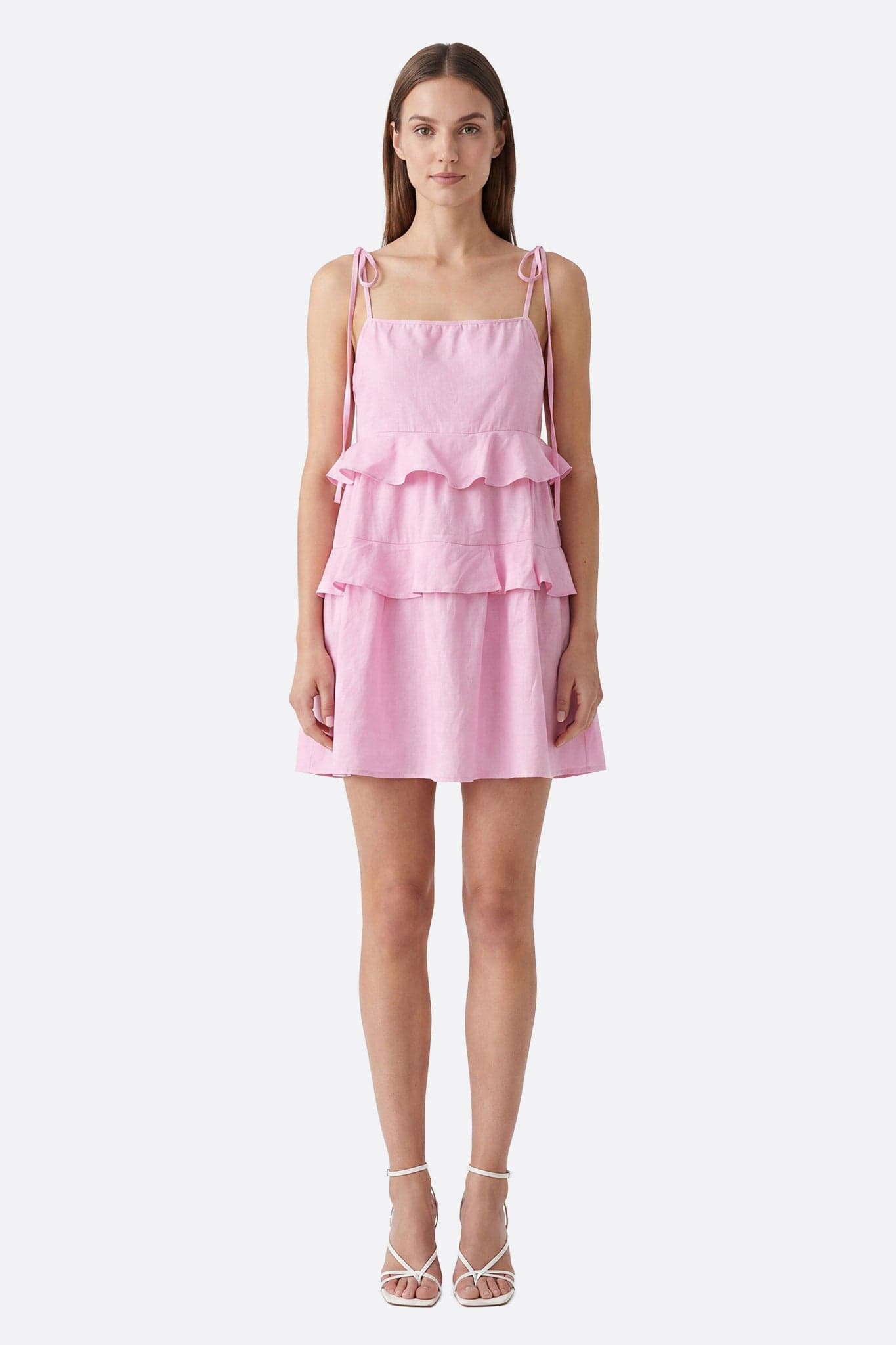
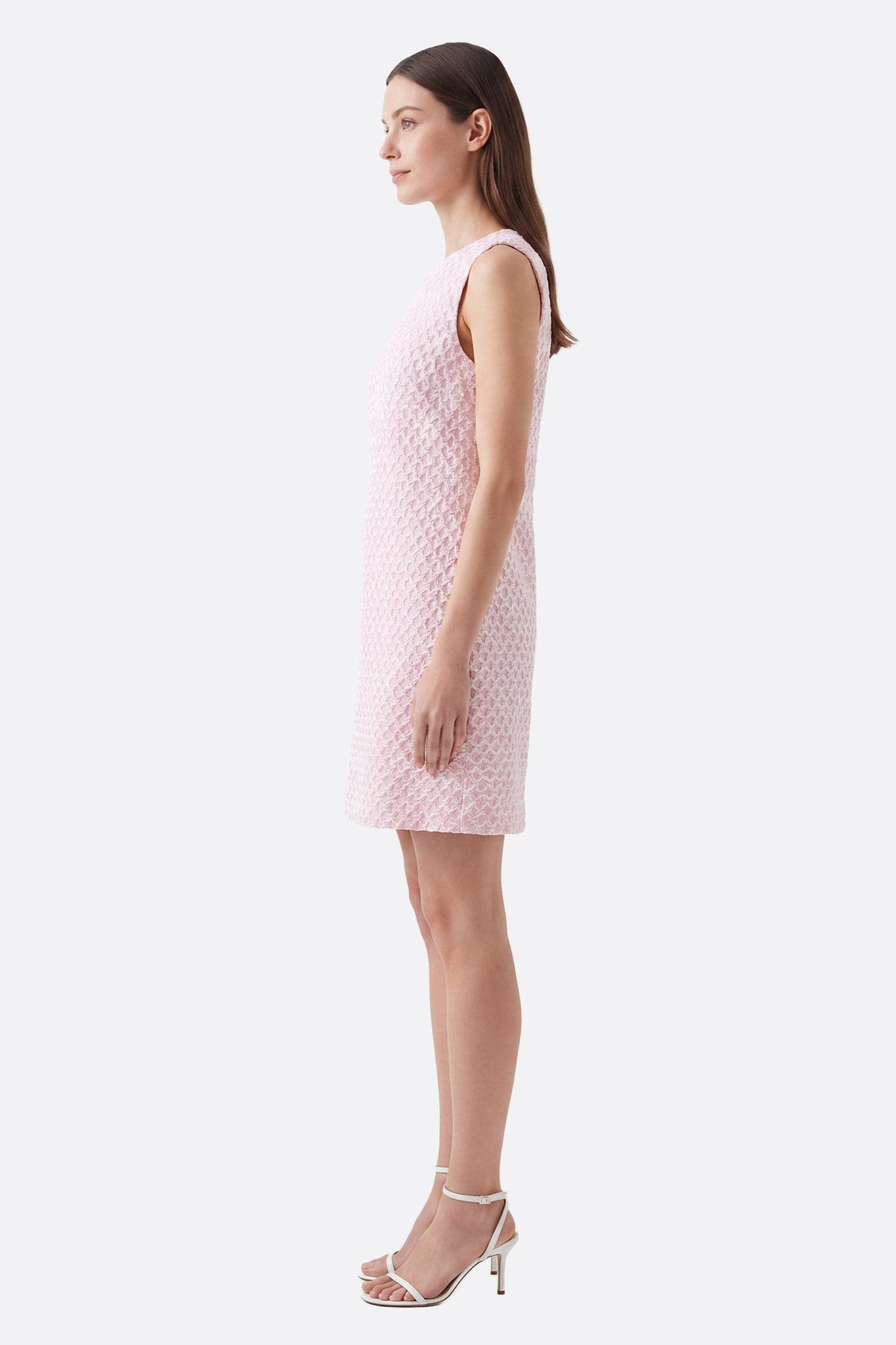
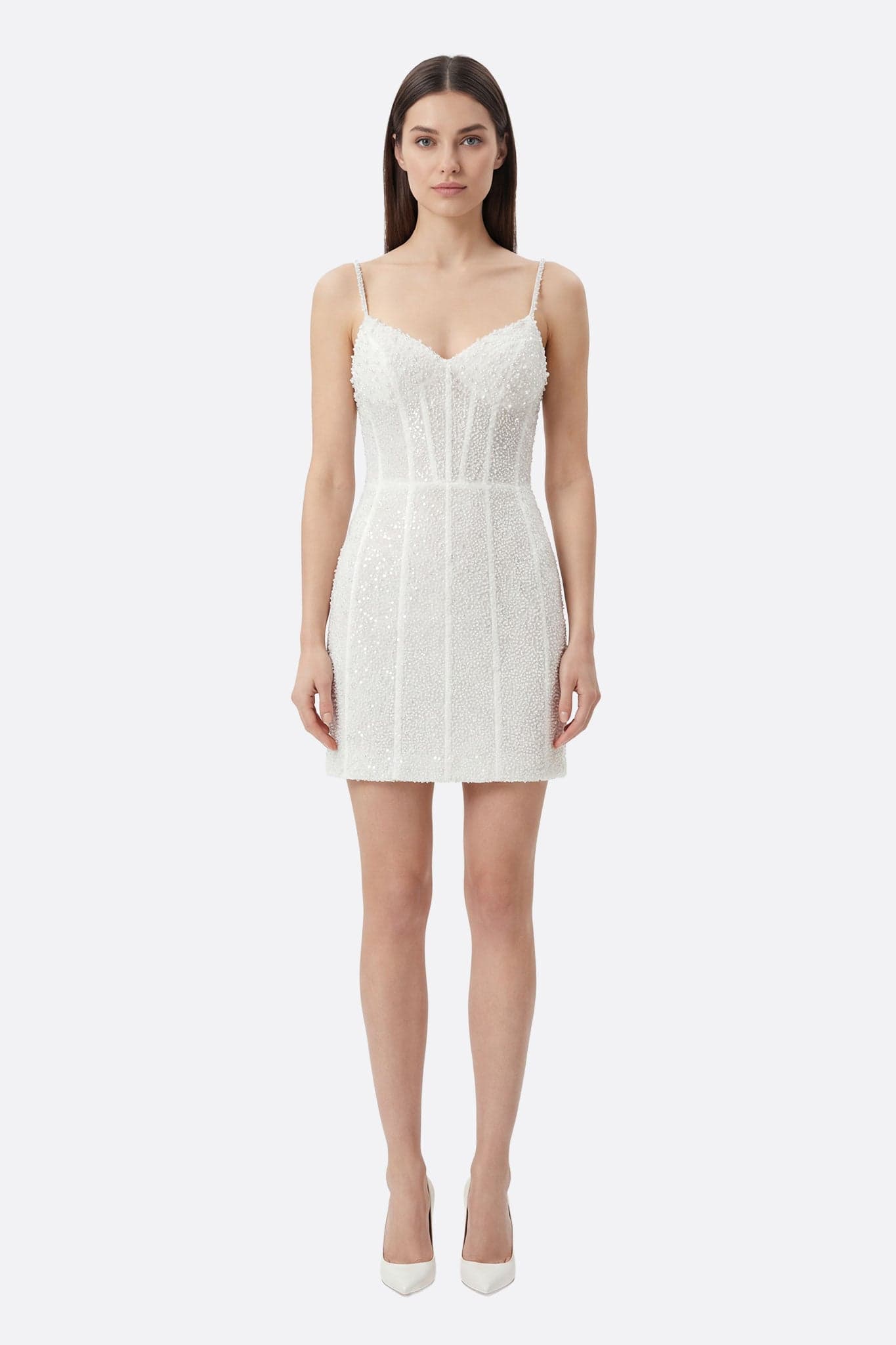
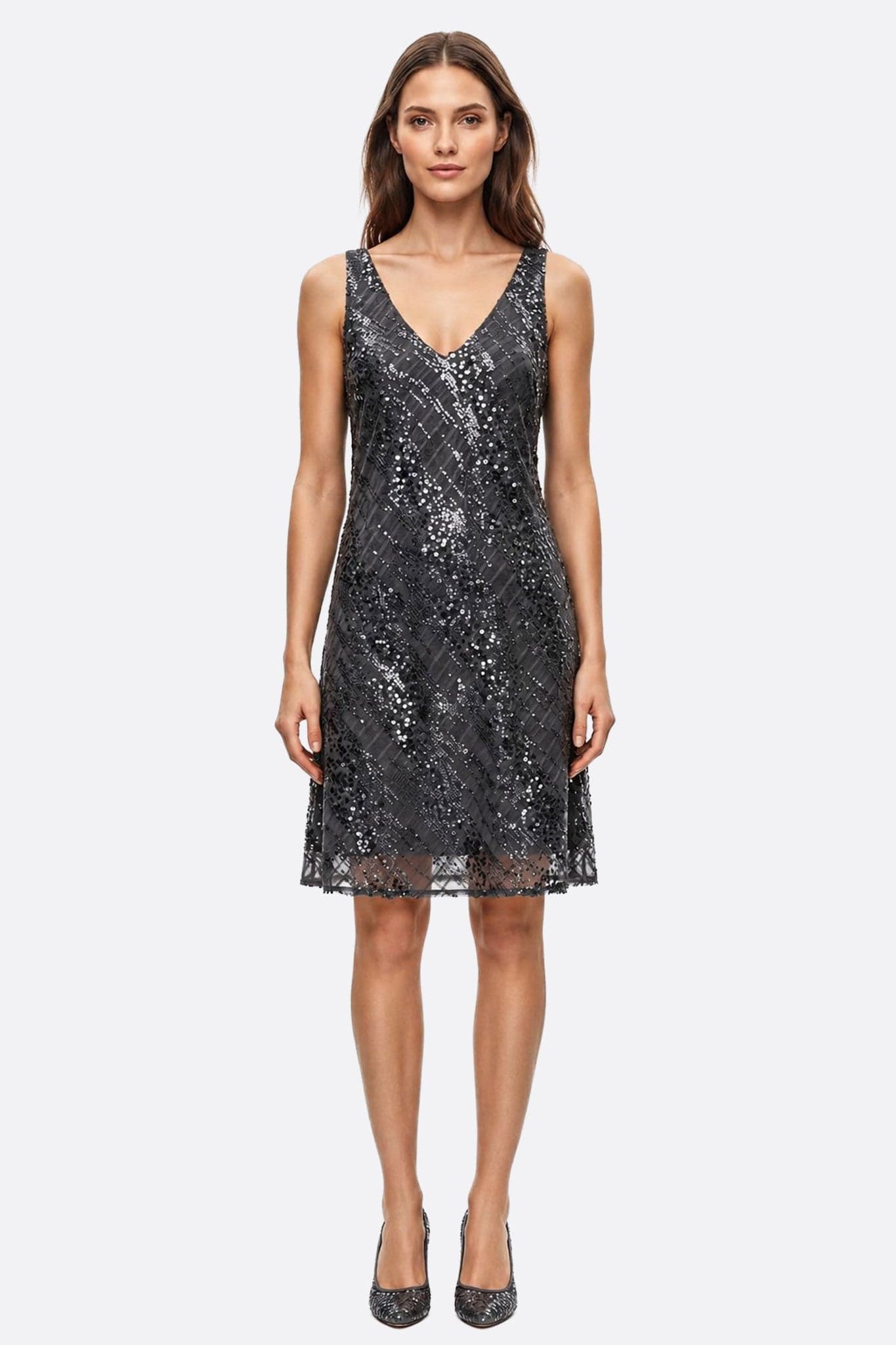
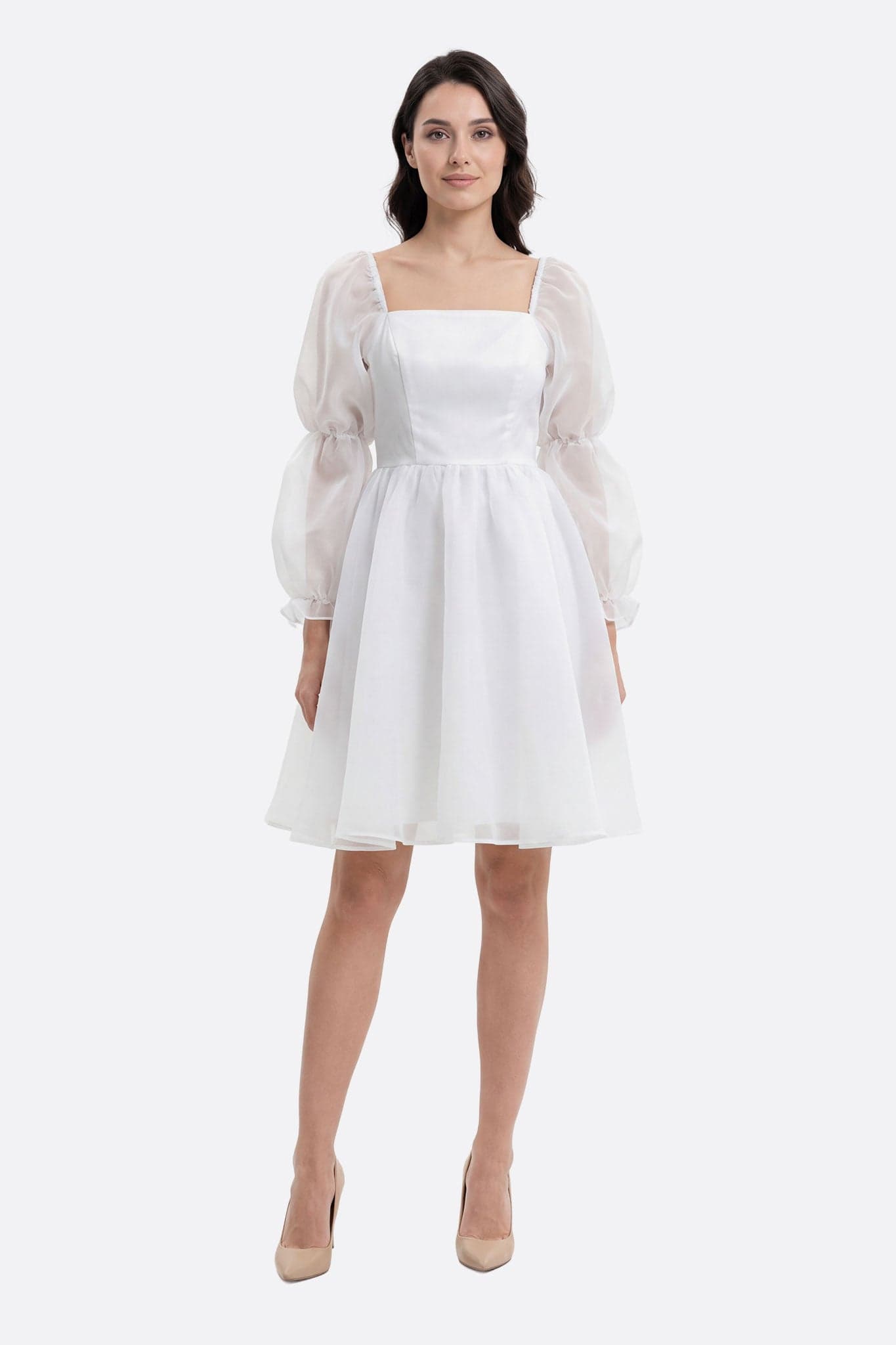
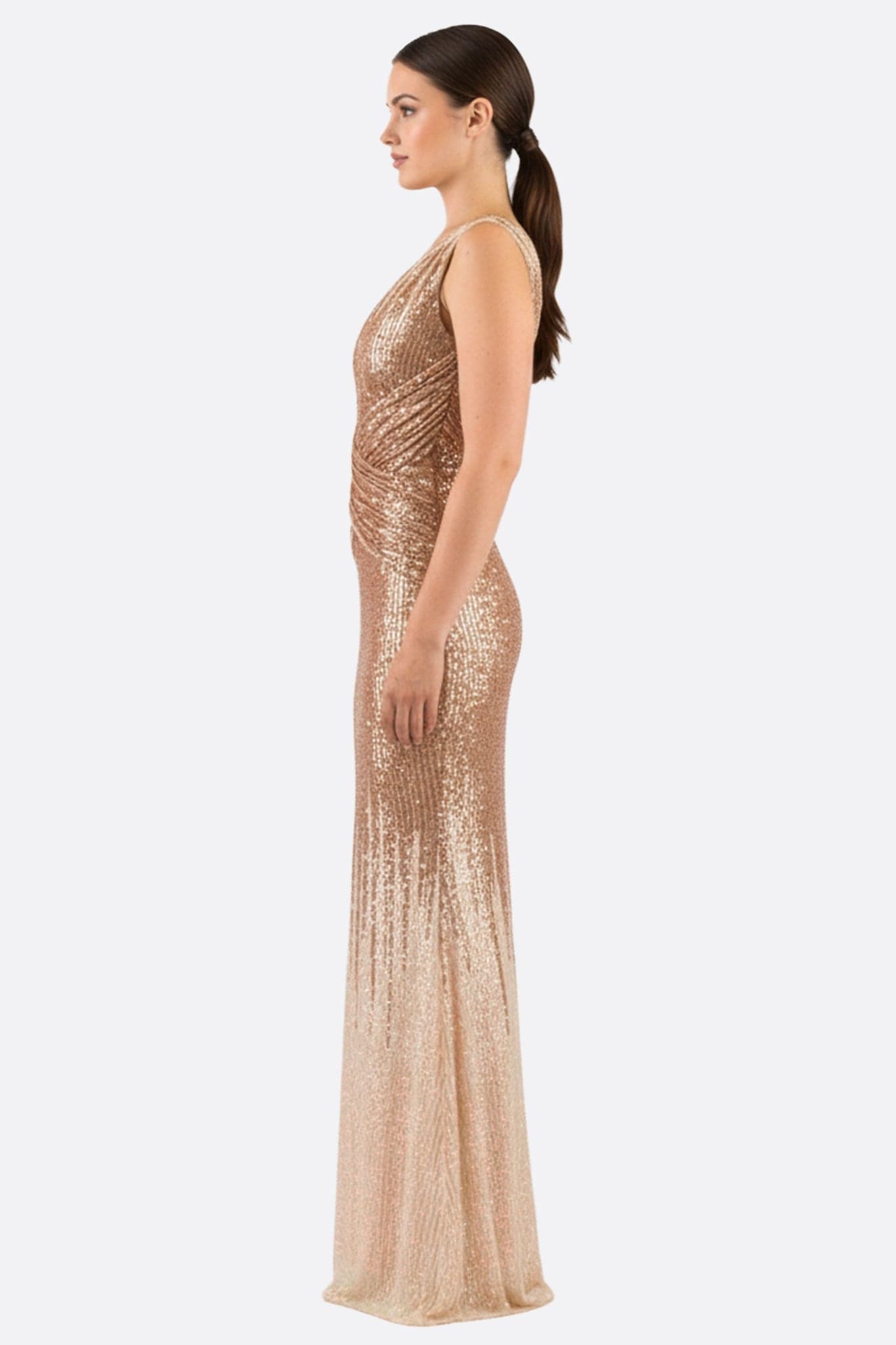
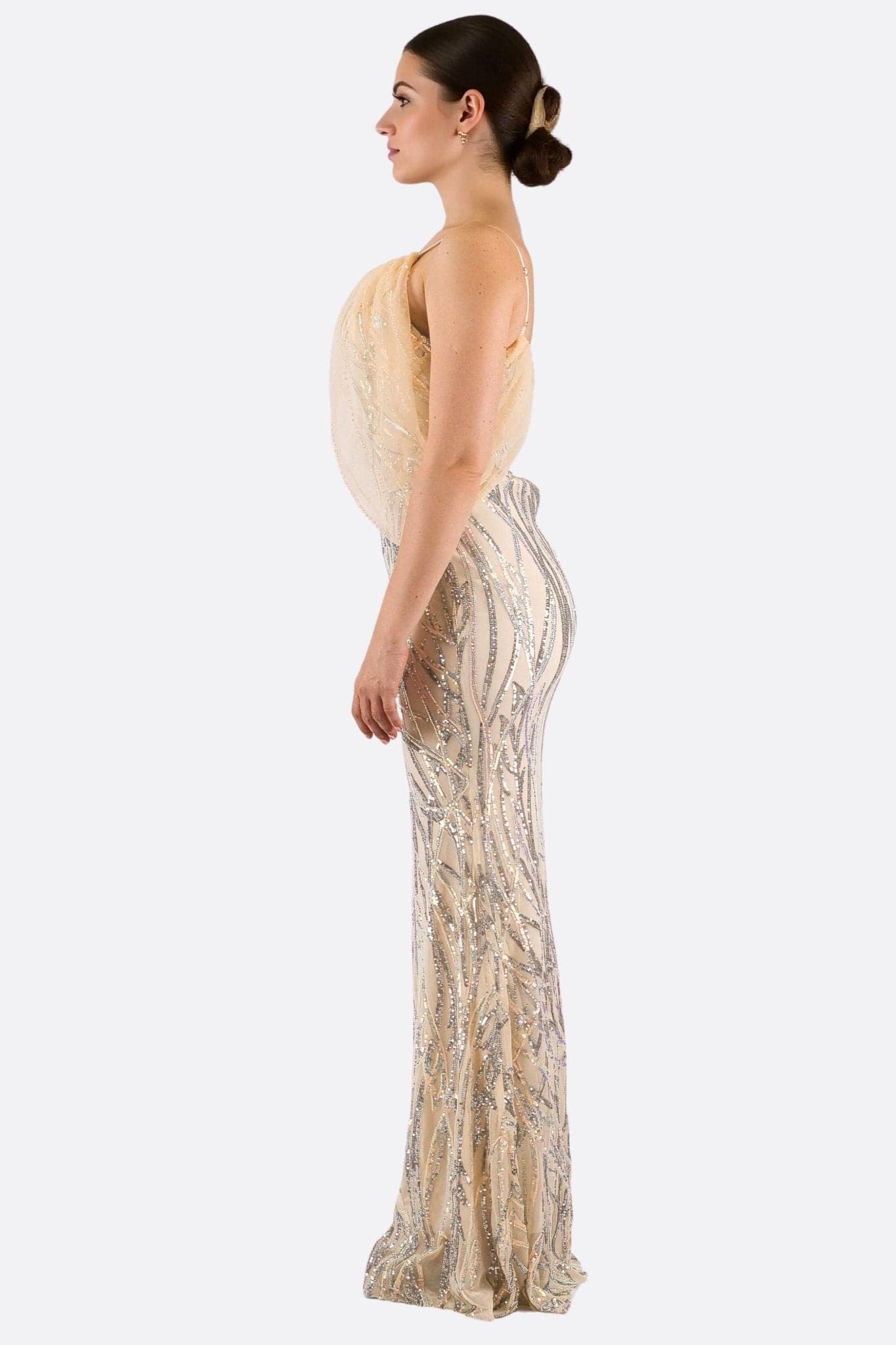
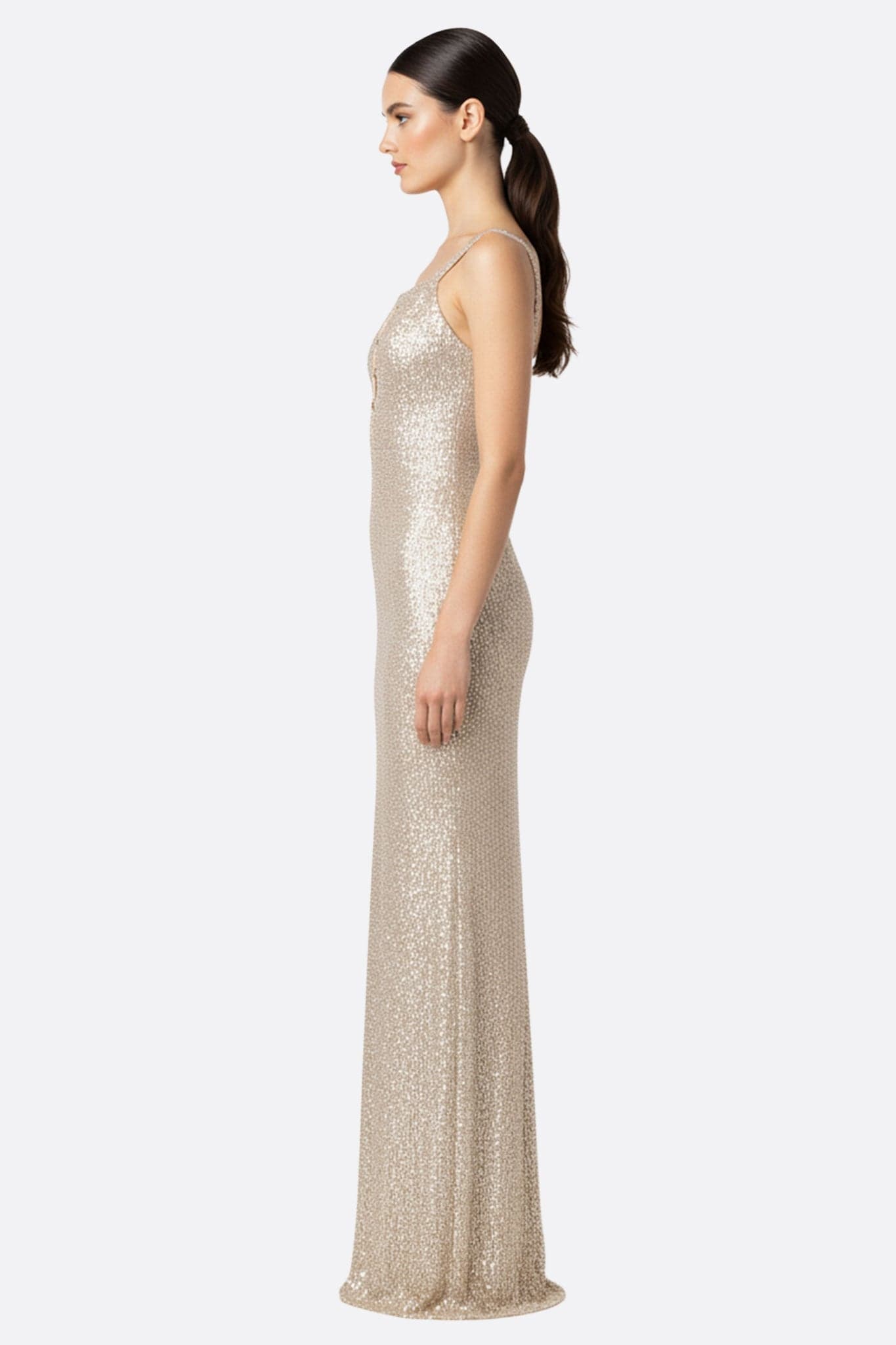
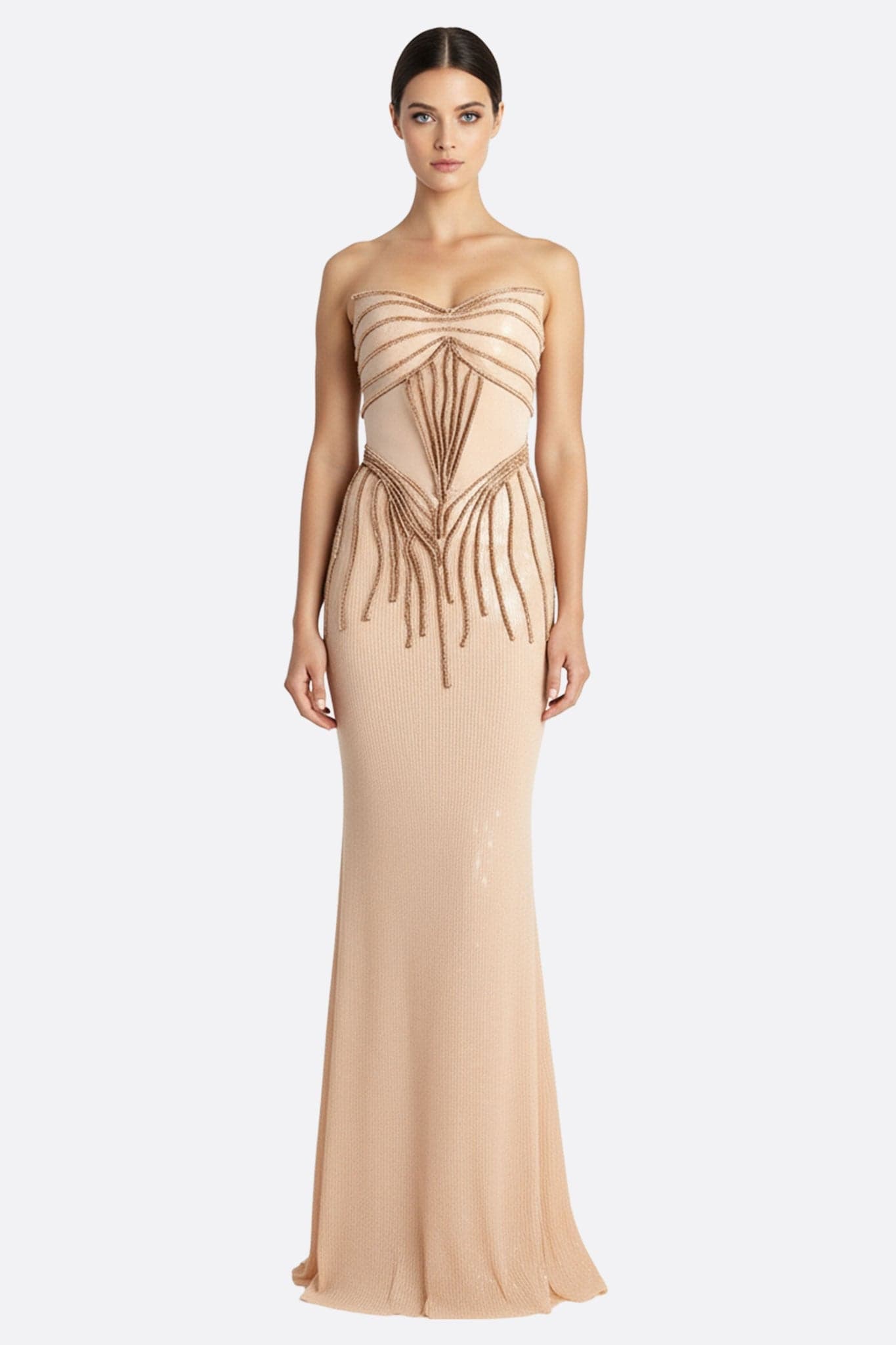
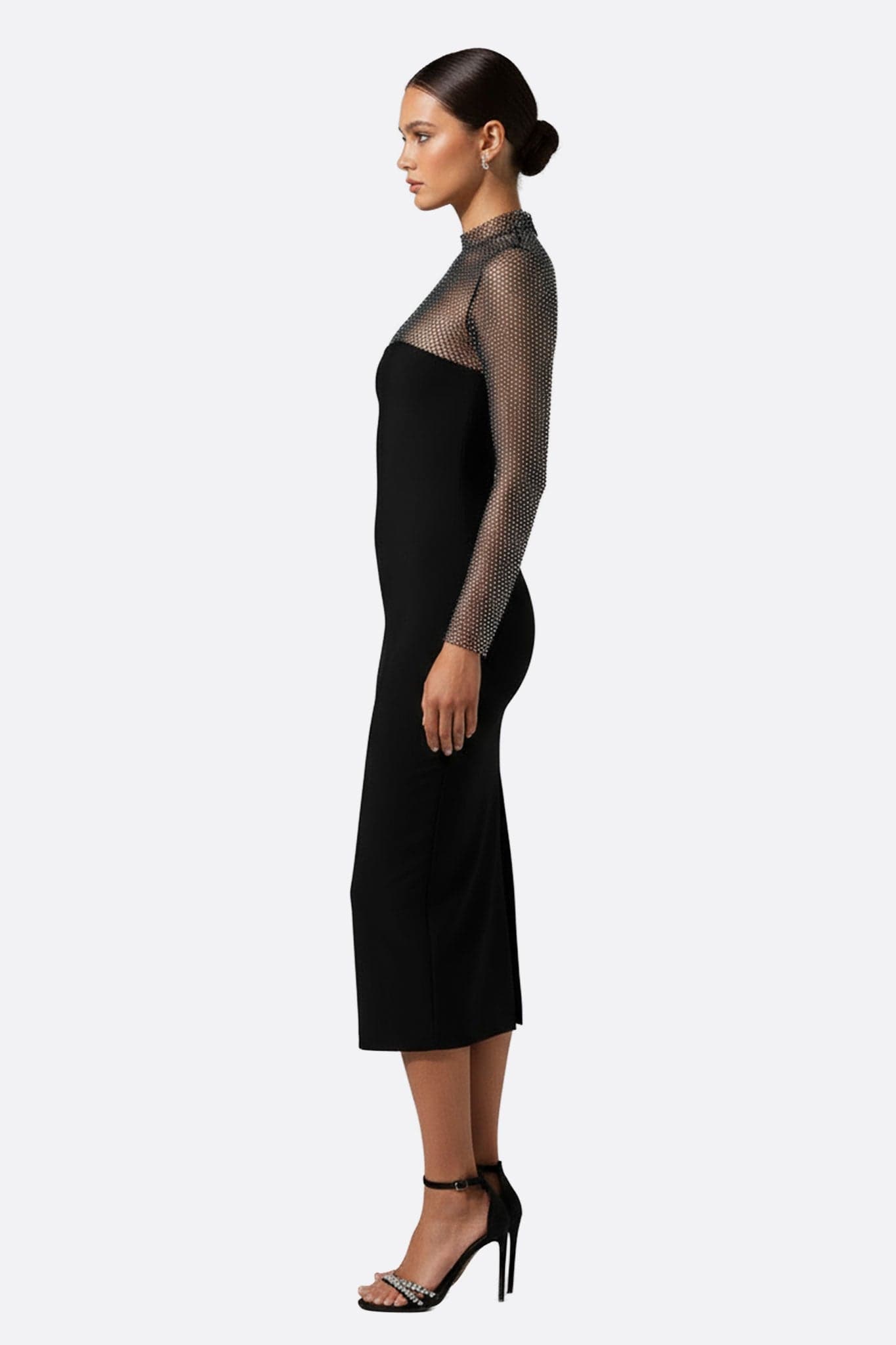
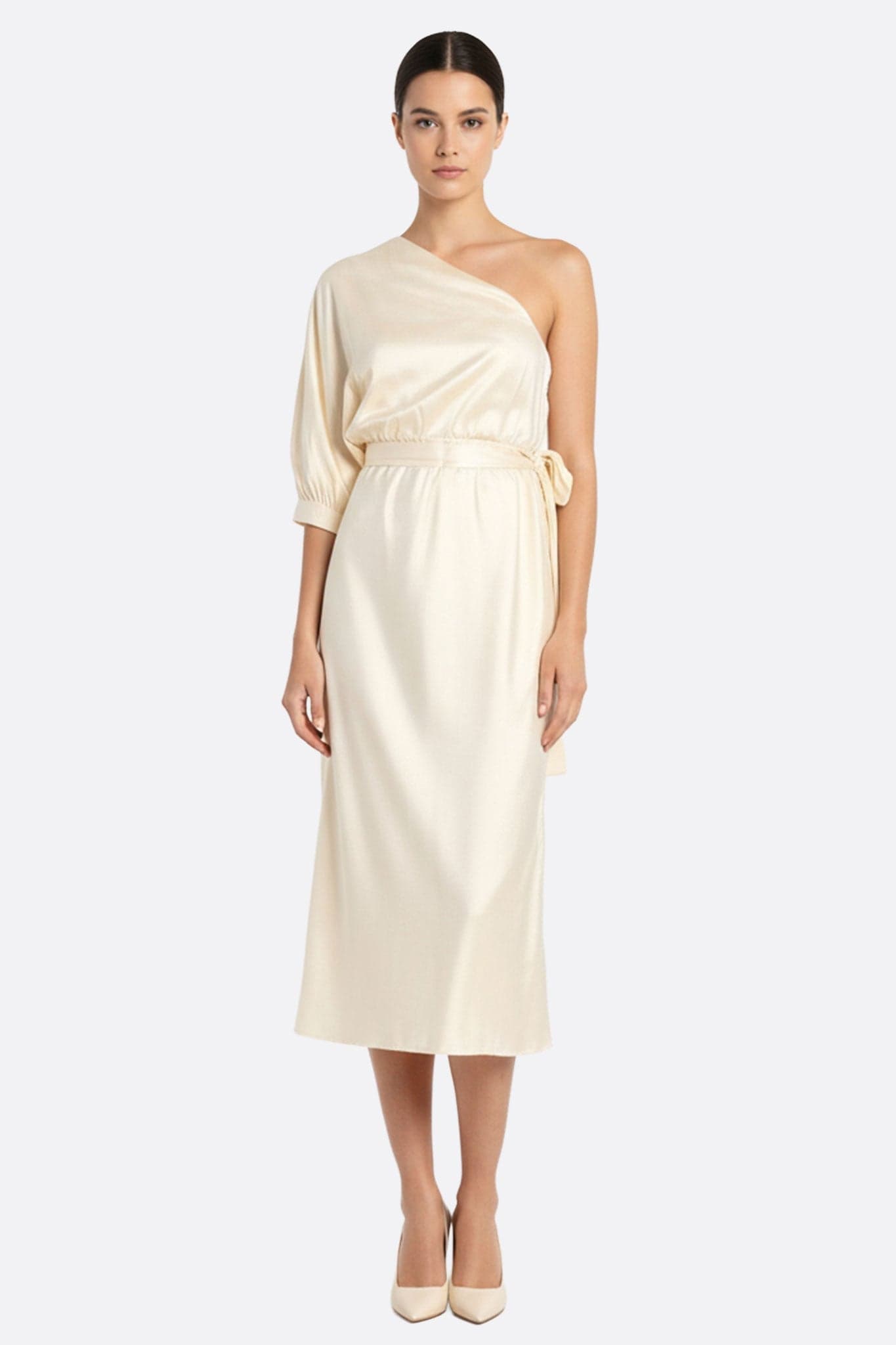
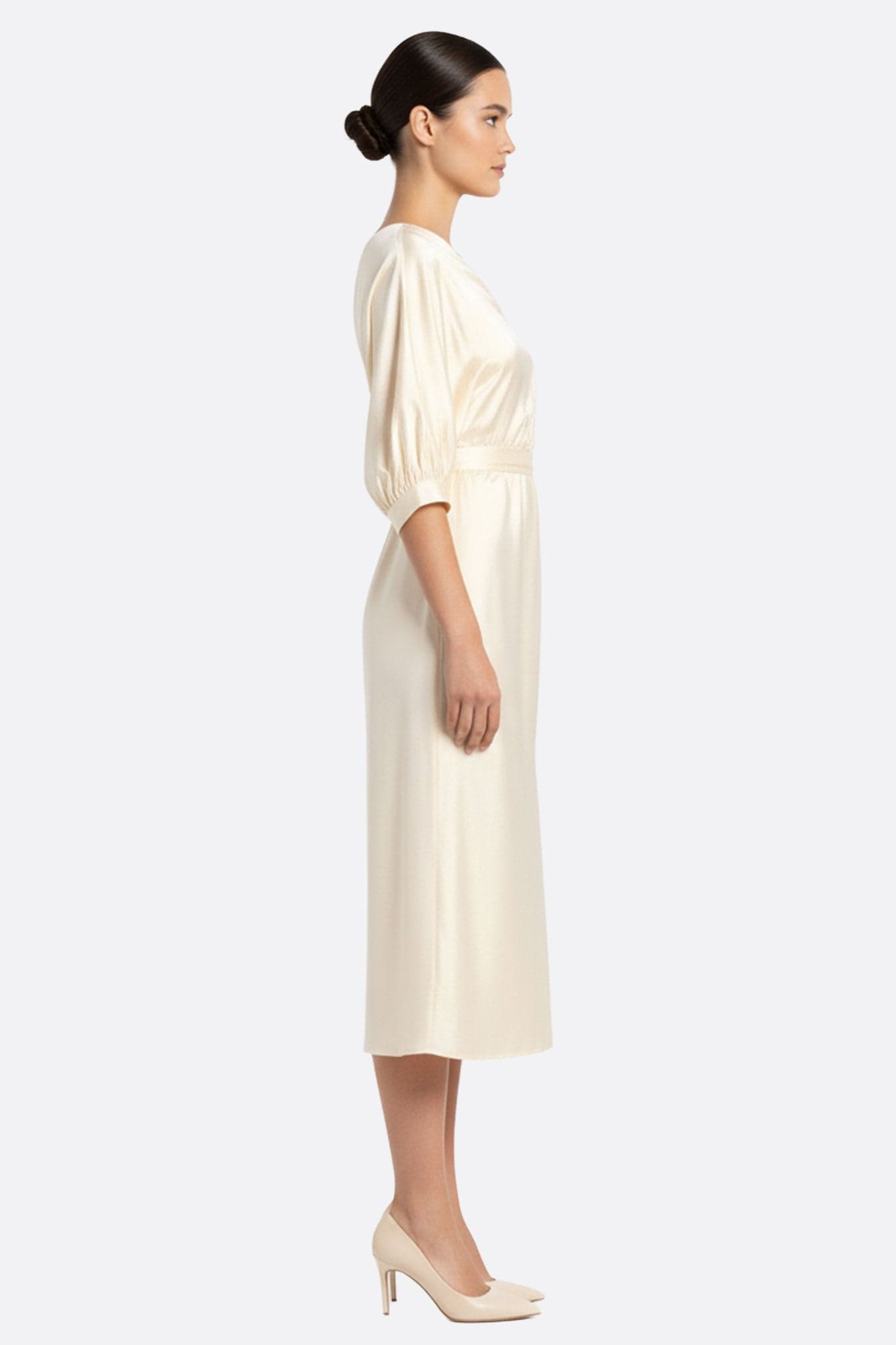
The "cocktail" dress code has a precise definition: knee-length or midi (not long, not too short), formal fabric (crepe, satin, lace, velvet), formal colors. The cocktail dress is not "dressy but not too much": it is a specific dress code for early evening events (5 PM-9 PM), as opposed to black-tie (gala attire) and business casual (office). Choosing a cocktail dress is about responding to an invitation, not just choosing a beautiful dress.
The "cocktail" dress code has a precise definition: knee-length or midi (not long, not too short), formal fabric (crepe, satin, lace, velvet), formal colors. The cocktail dress is not "dressy but not too much": it is a specific dress code for early evening events (5 PM-9 PM), as opposed to black-tie (gala attire) and business casual (office). Choosing a cocktail dress is about responding to an invitation, not just choosing a beautiful dress.
The rules of the cocktail dress code
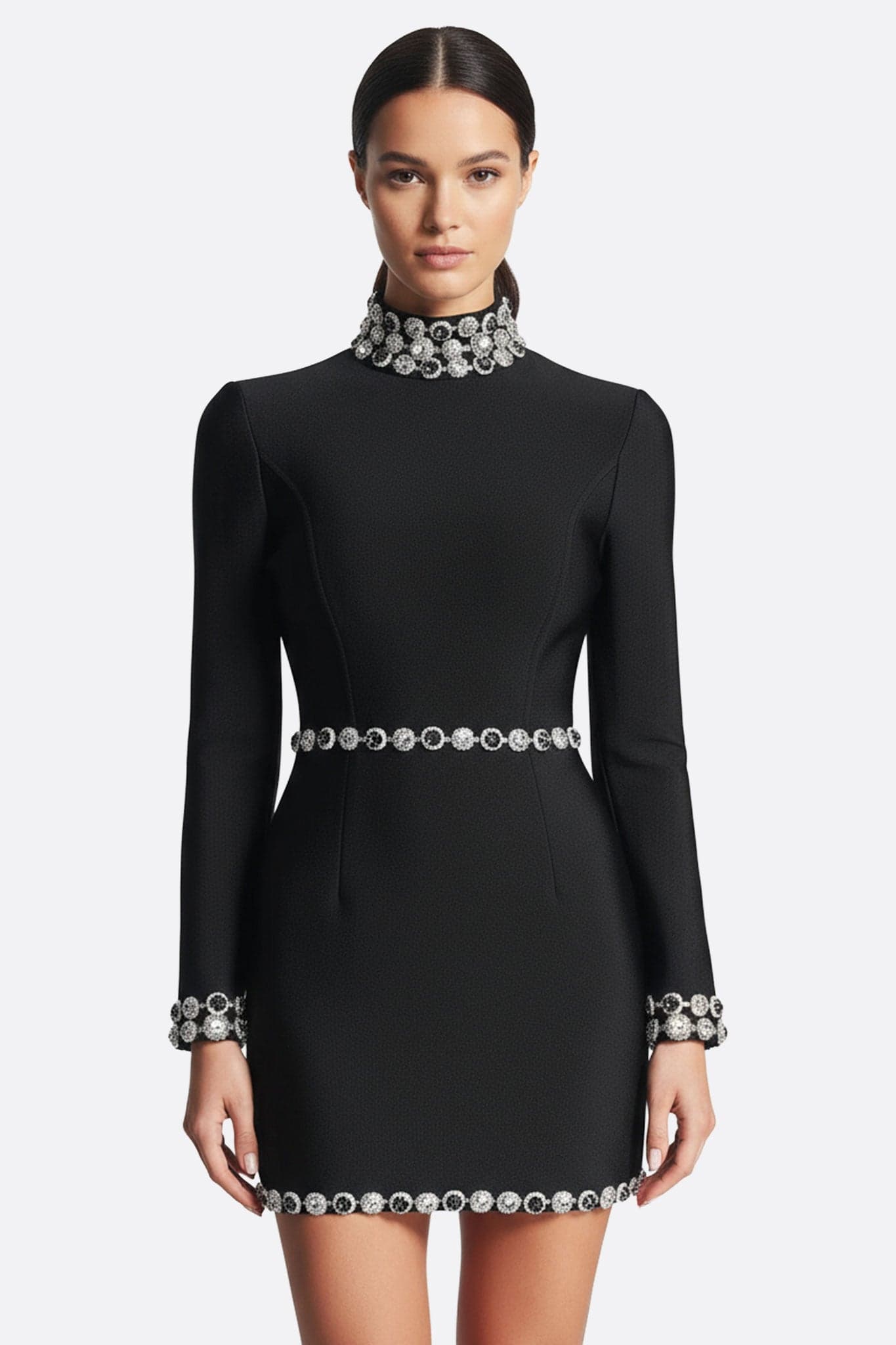
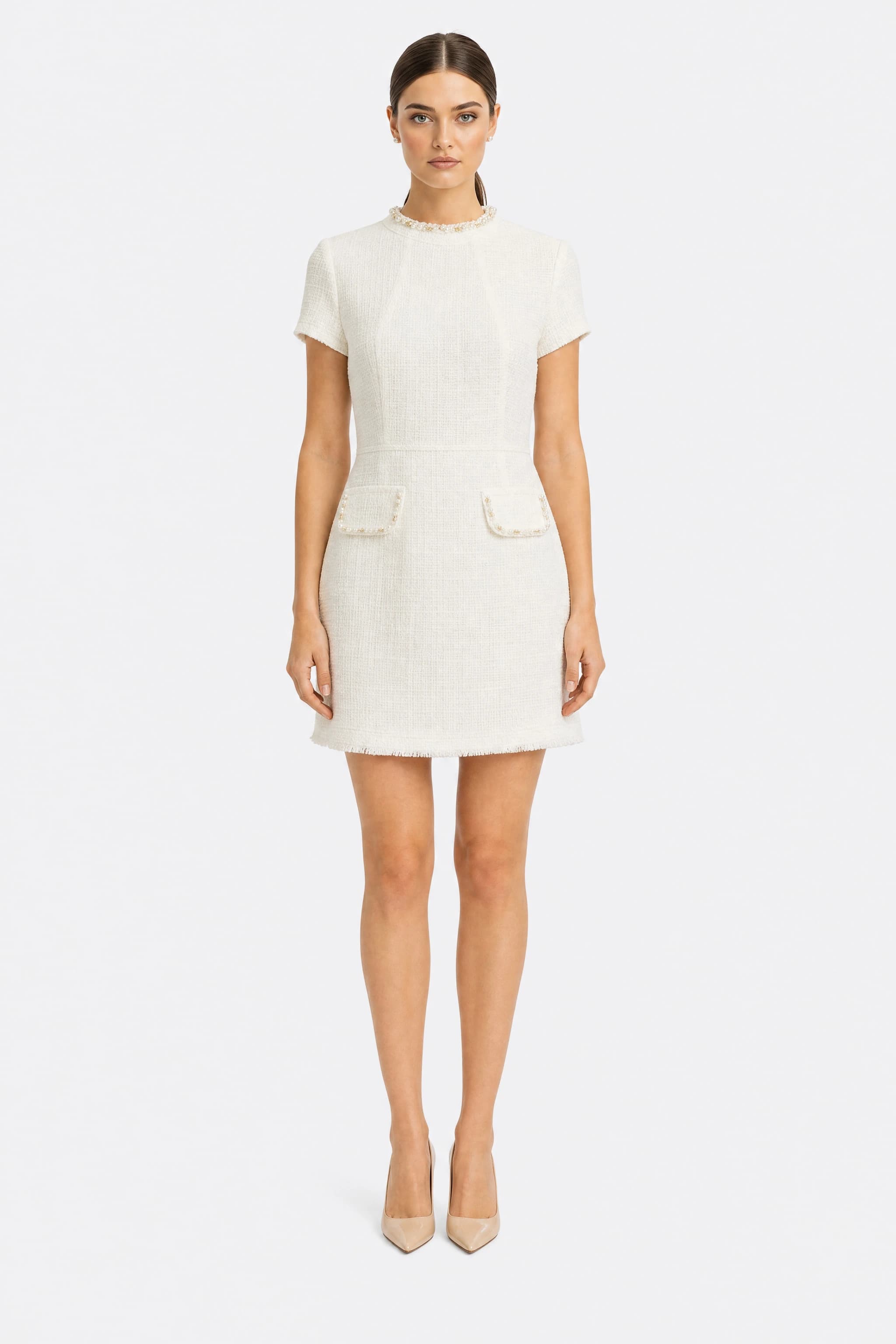
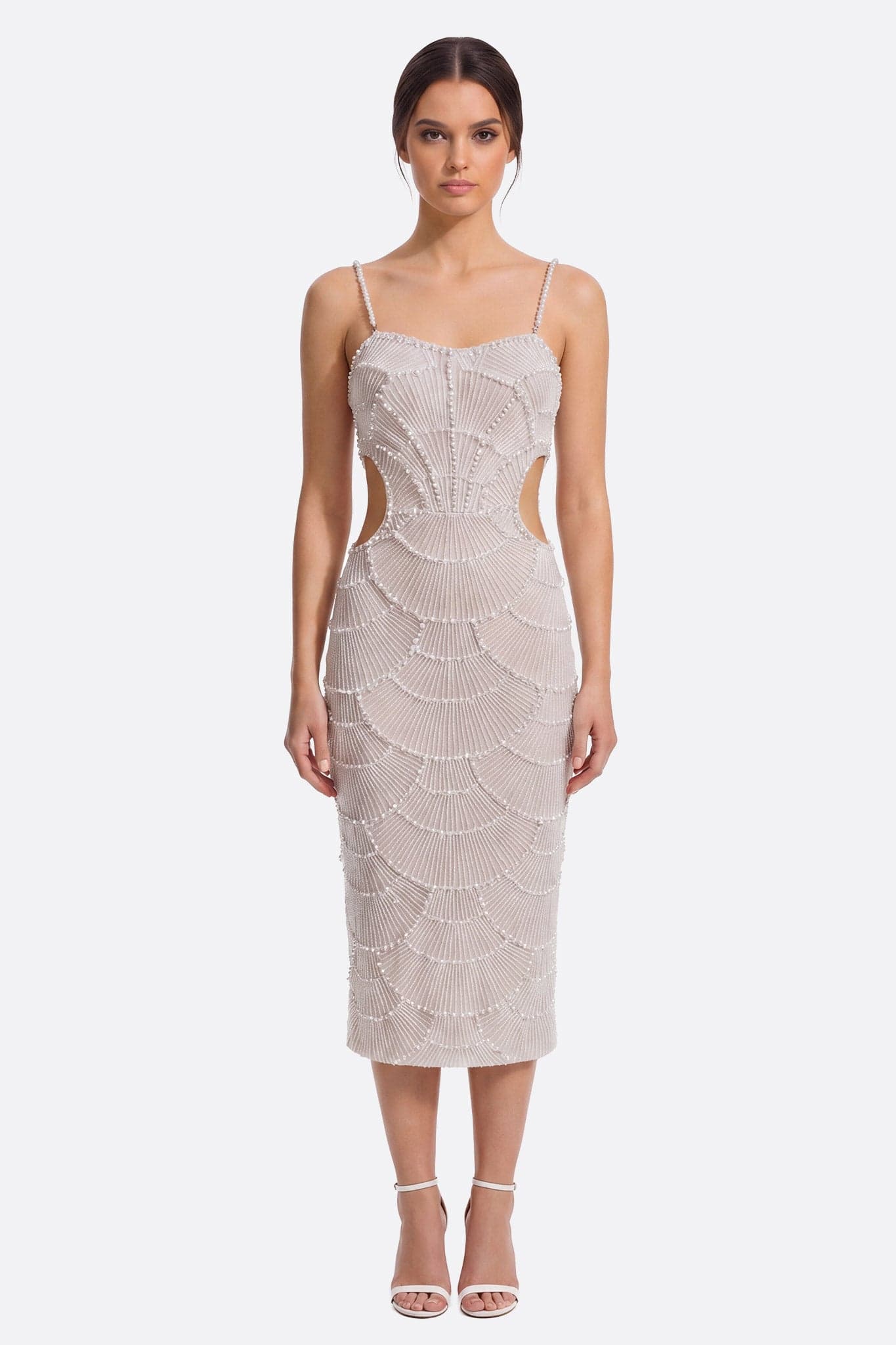
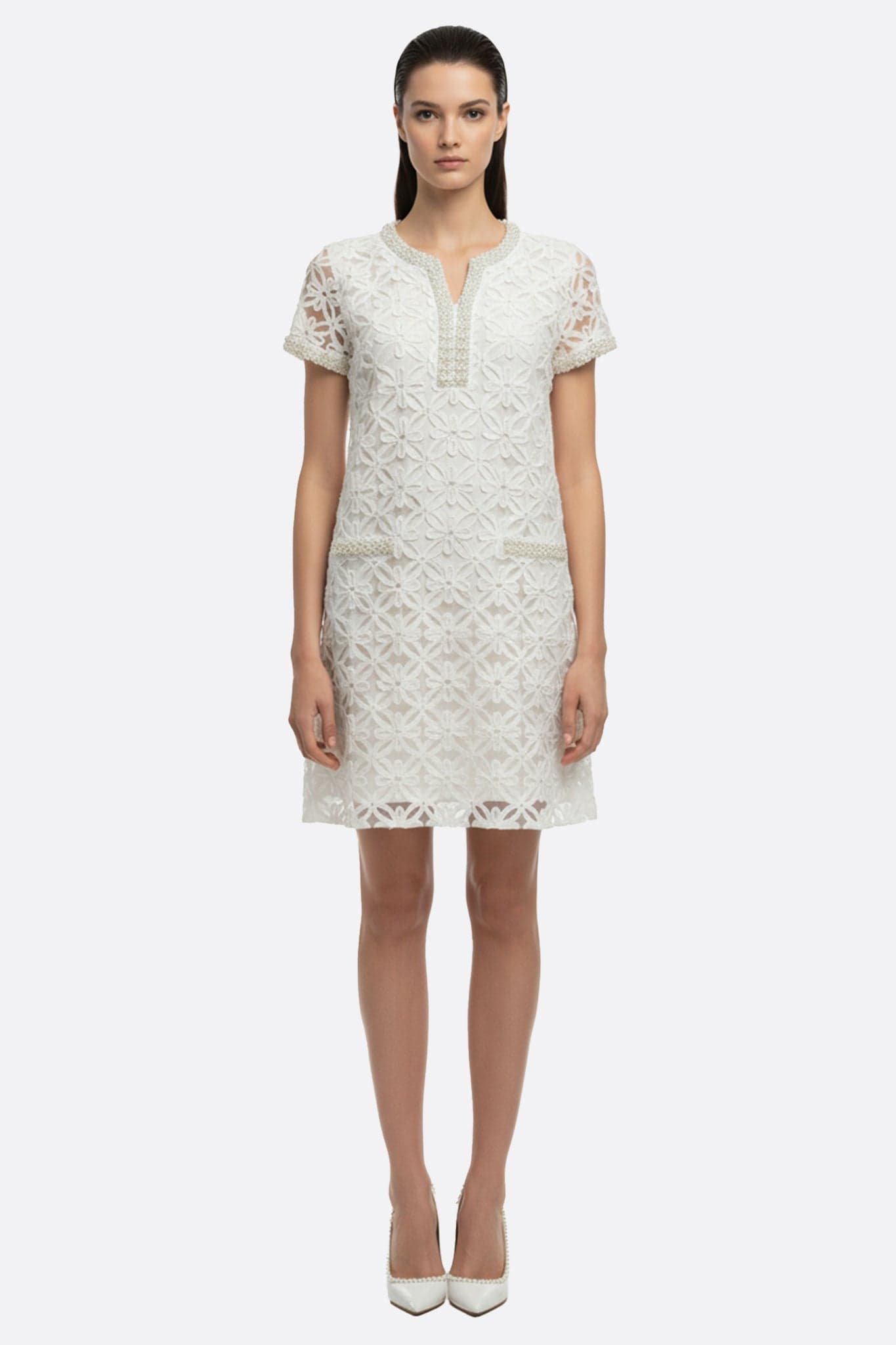
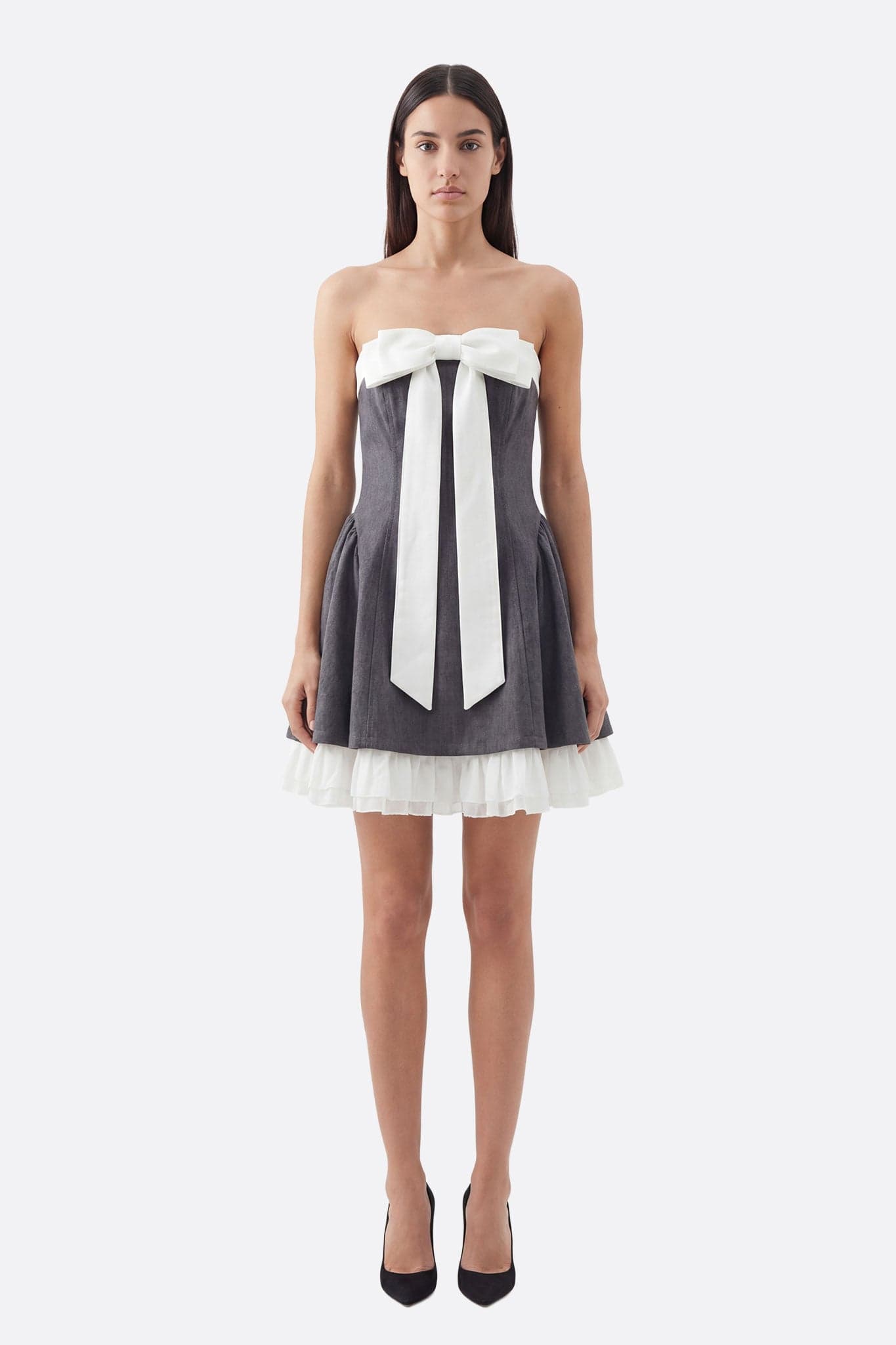
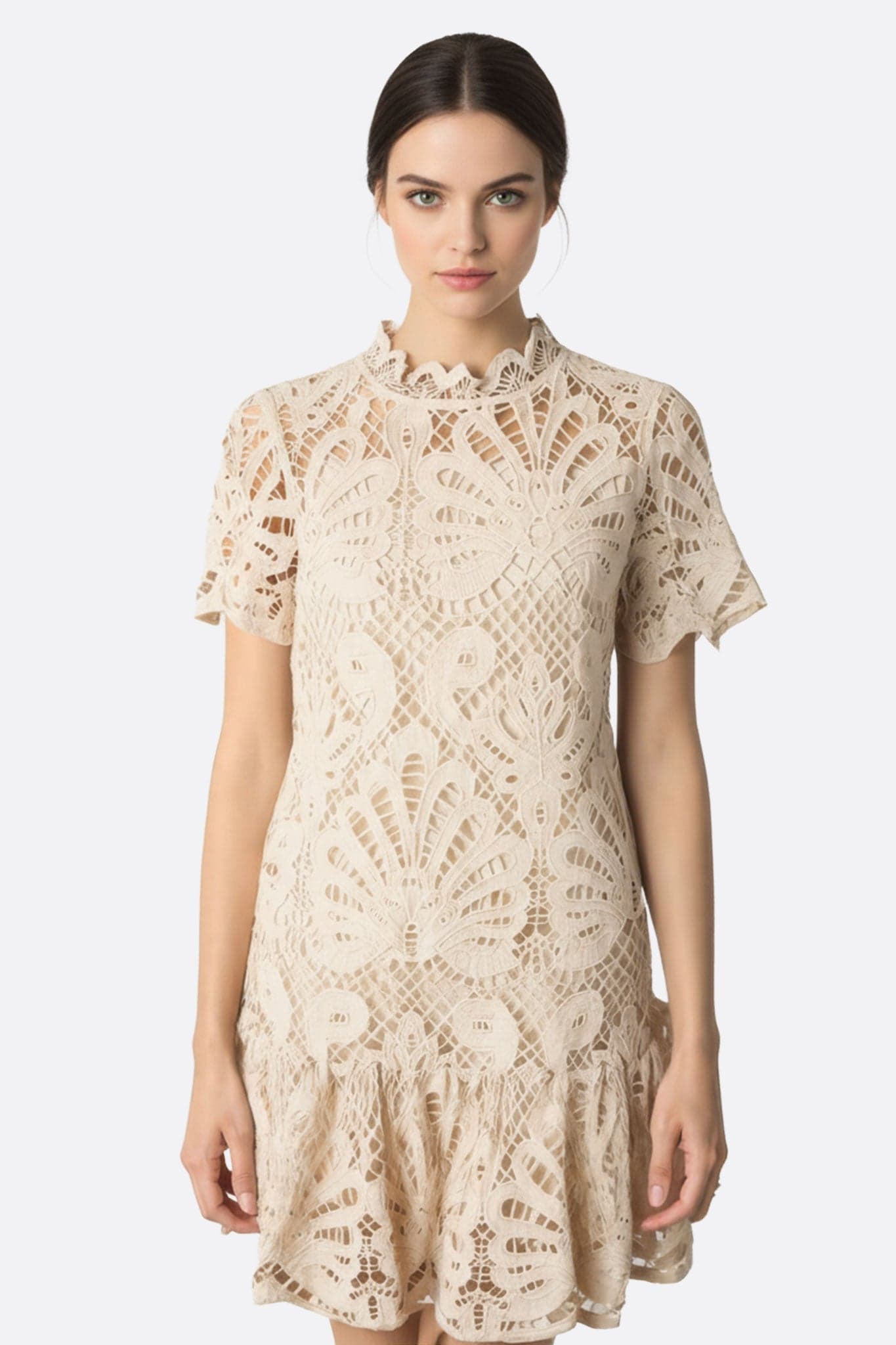
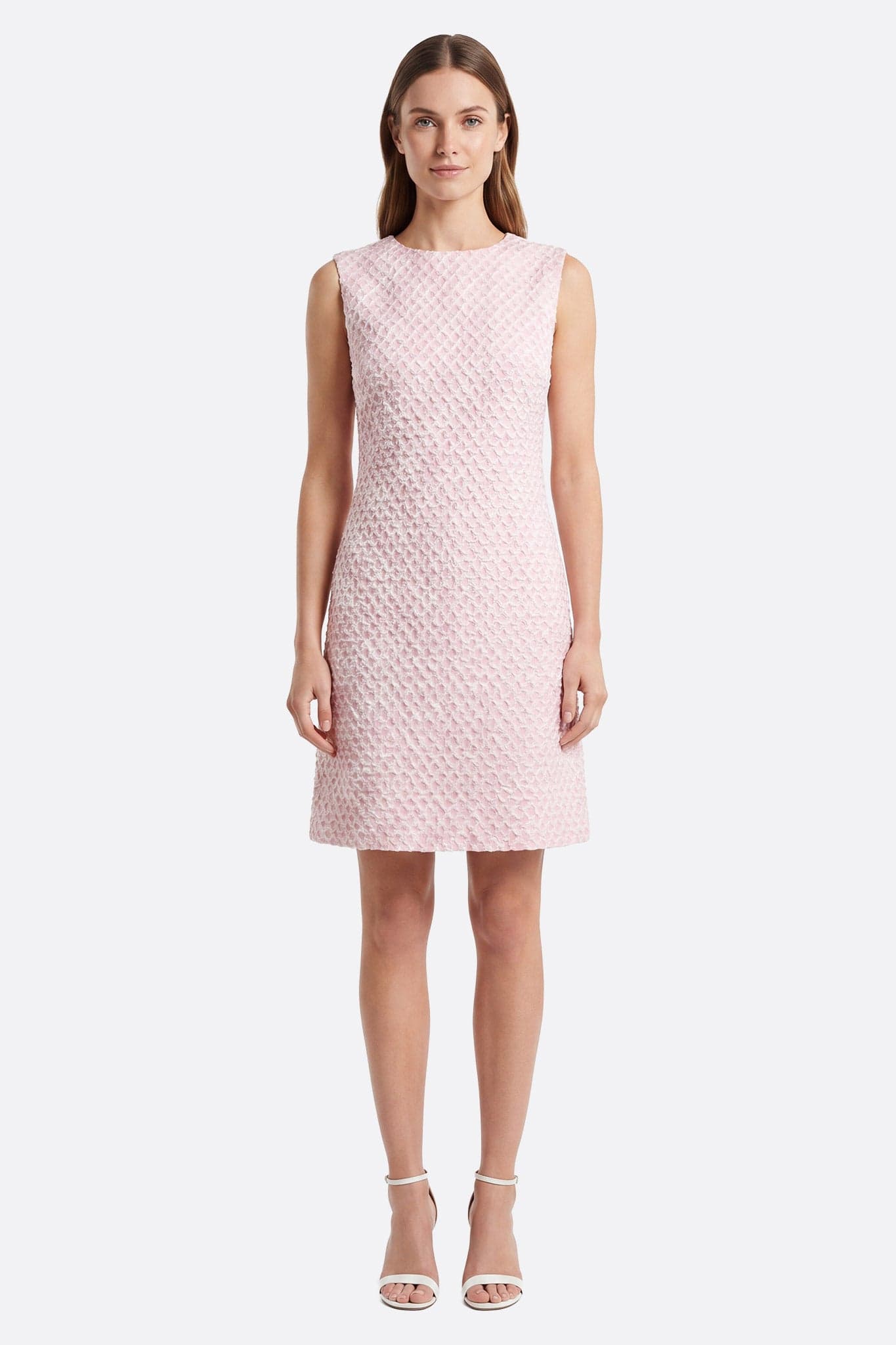
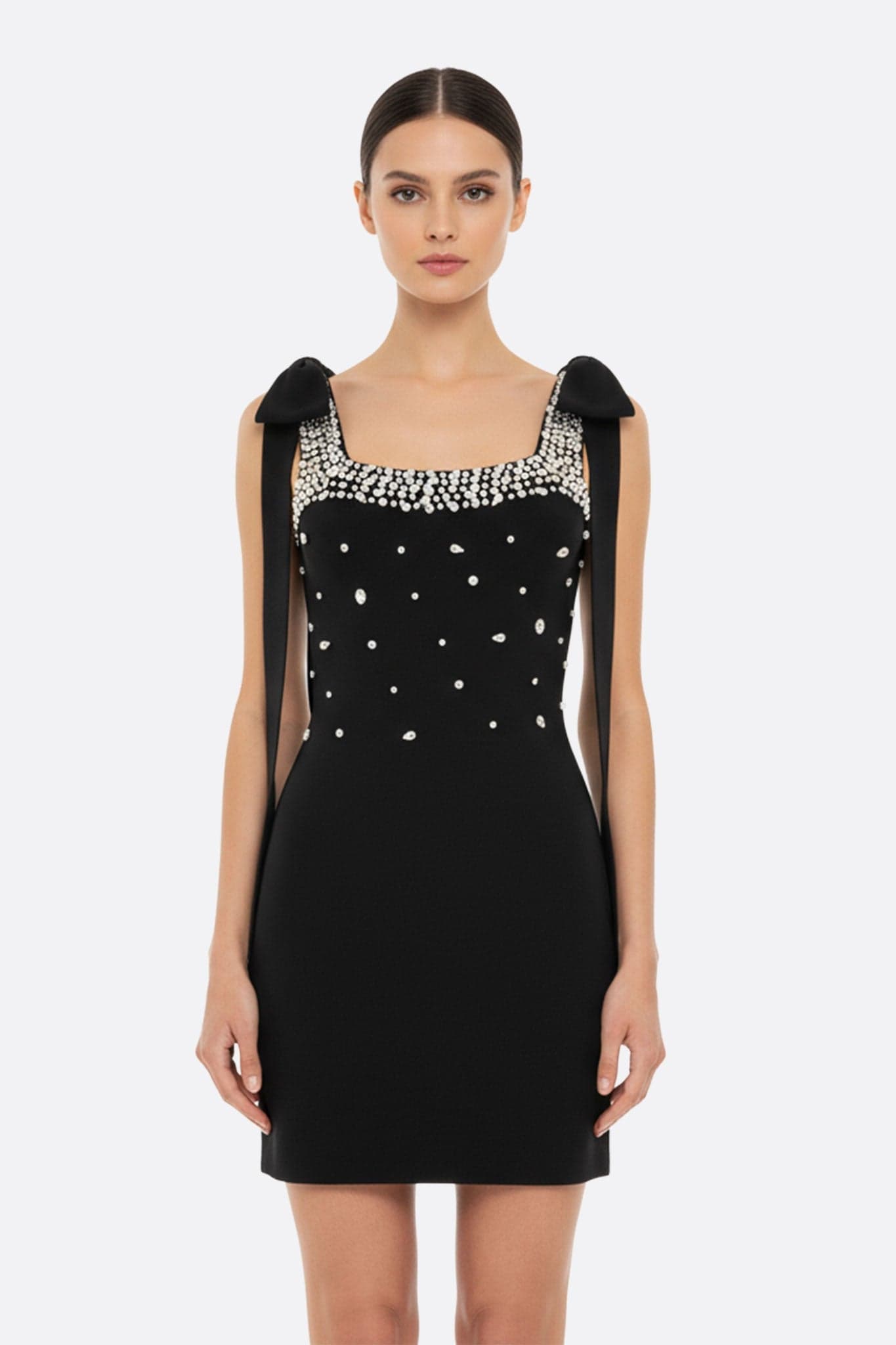
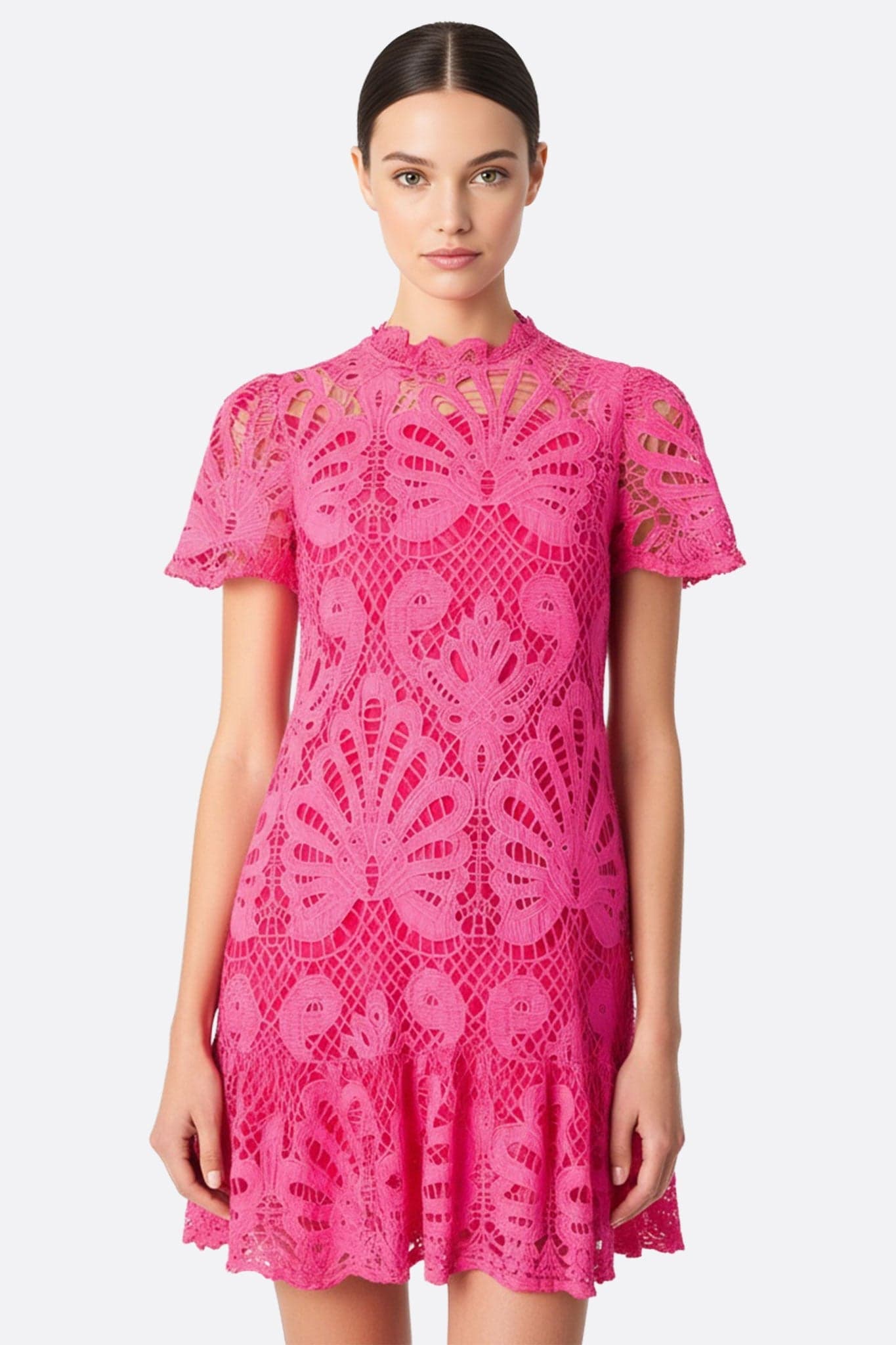
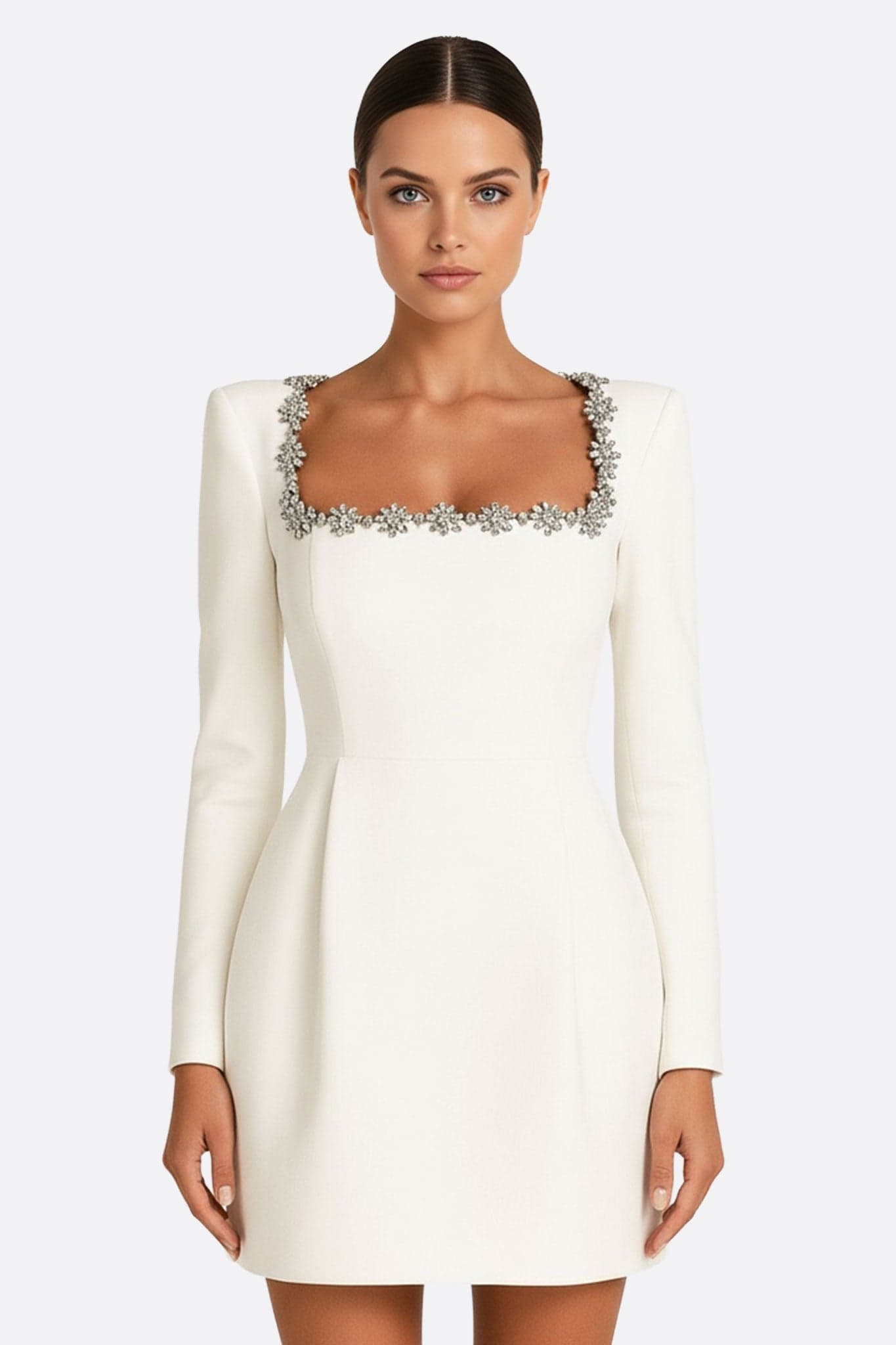
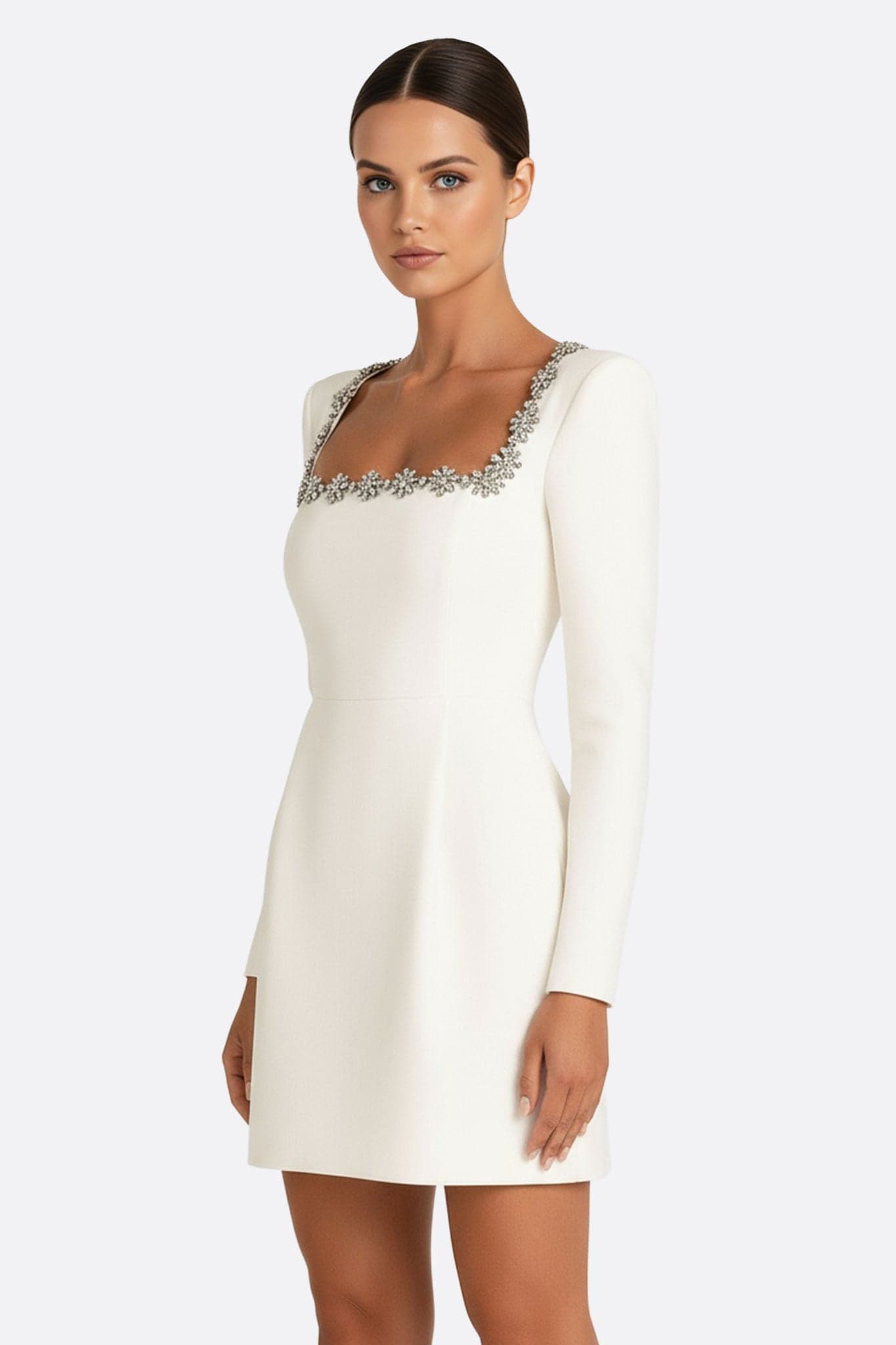
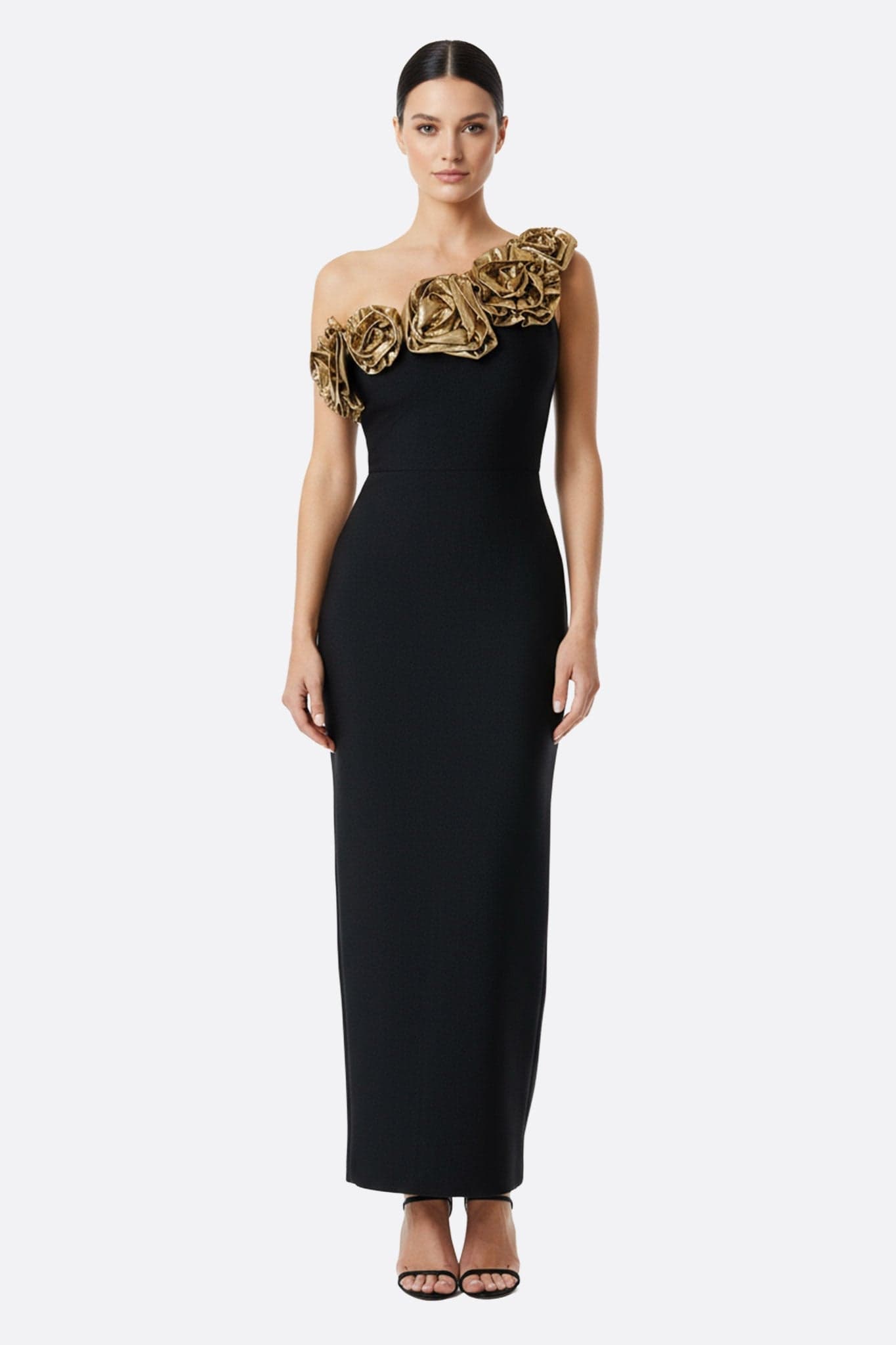
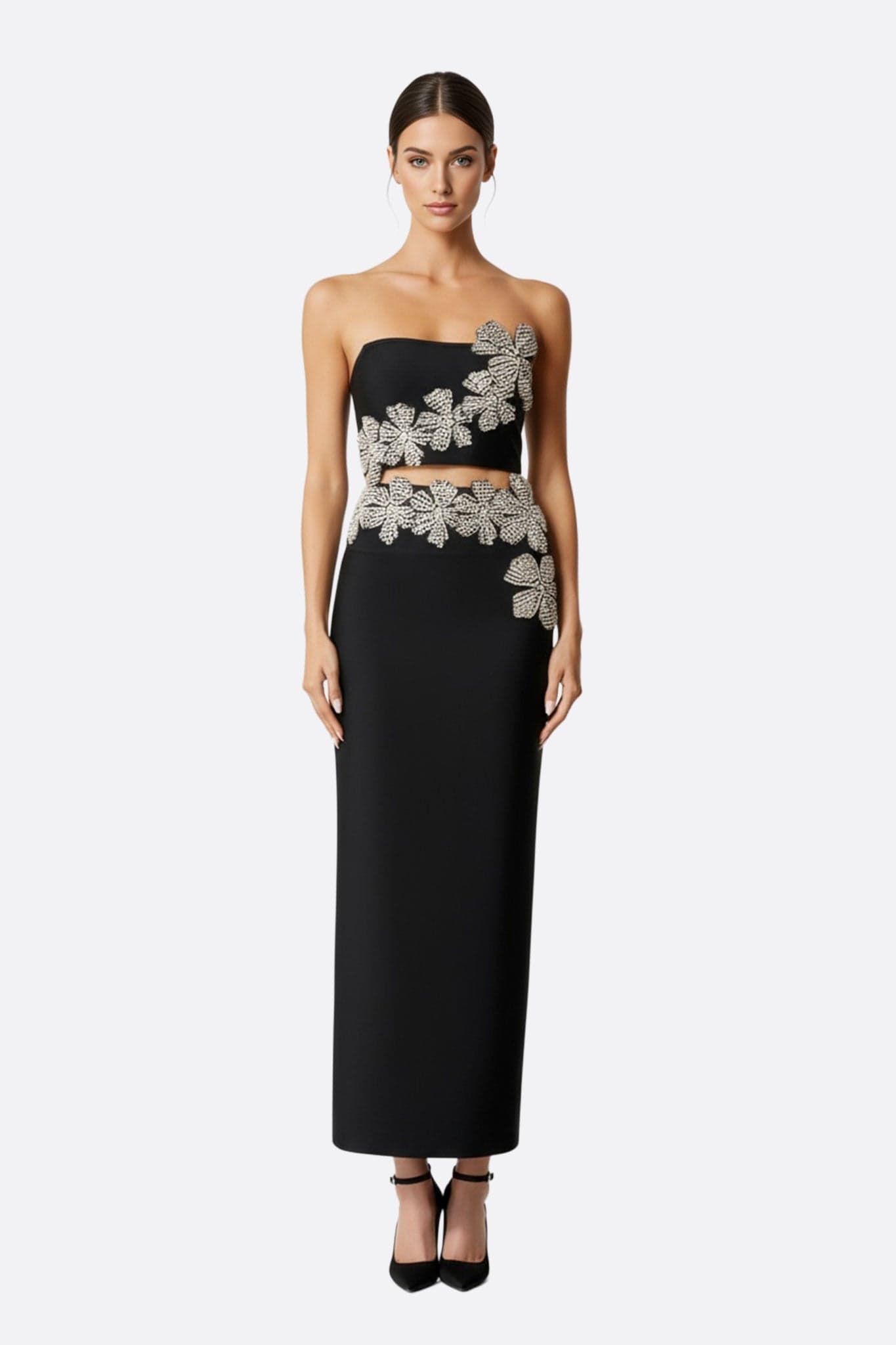
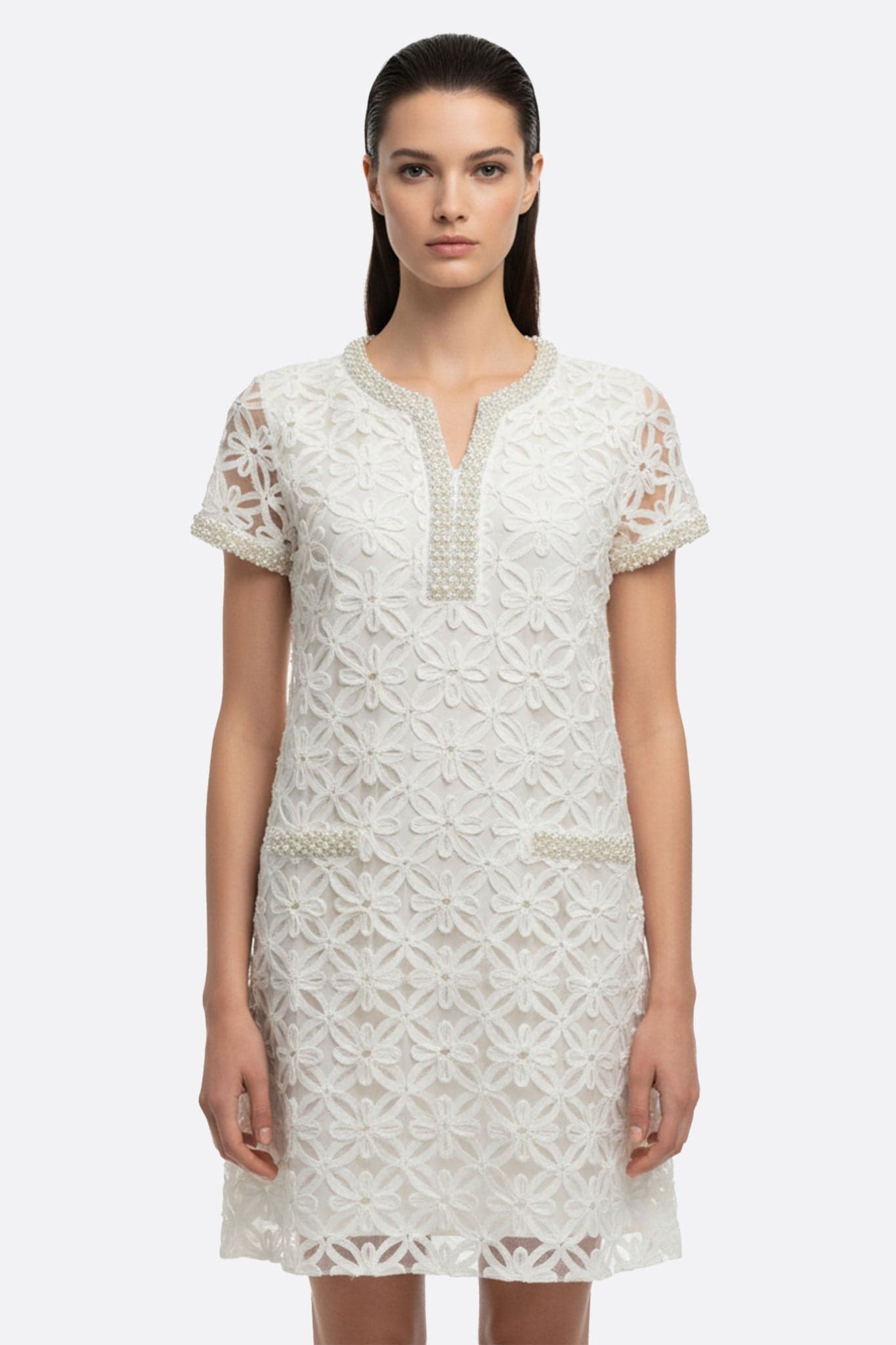
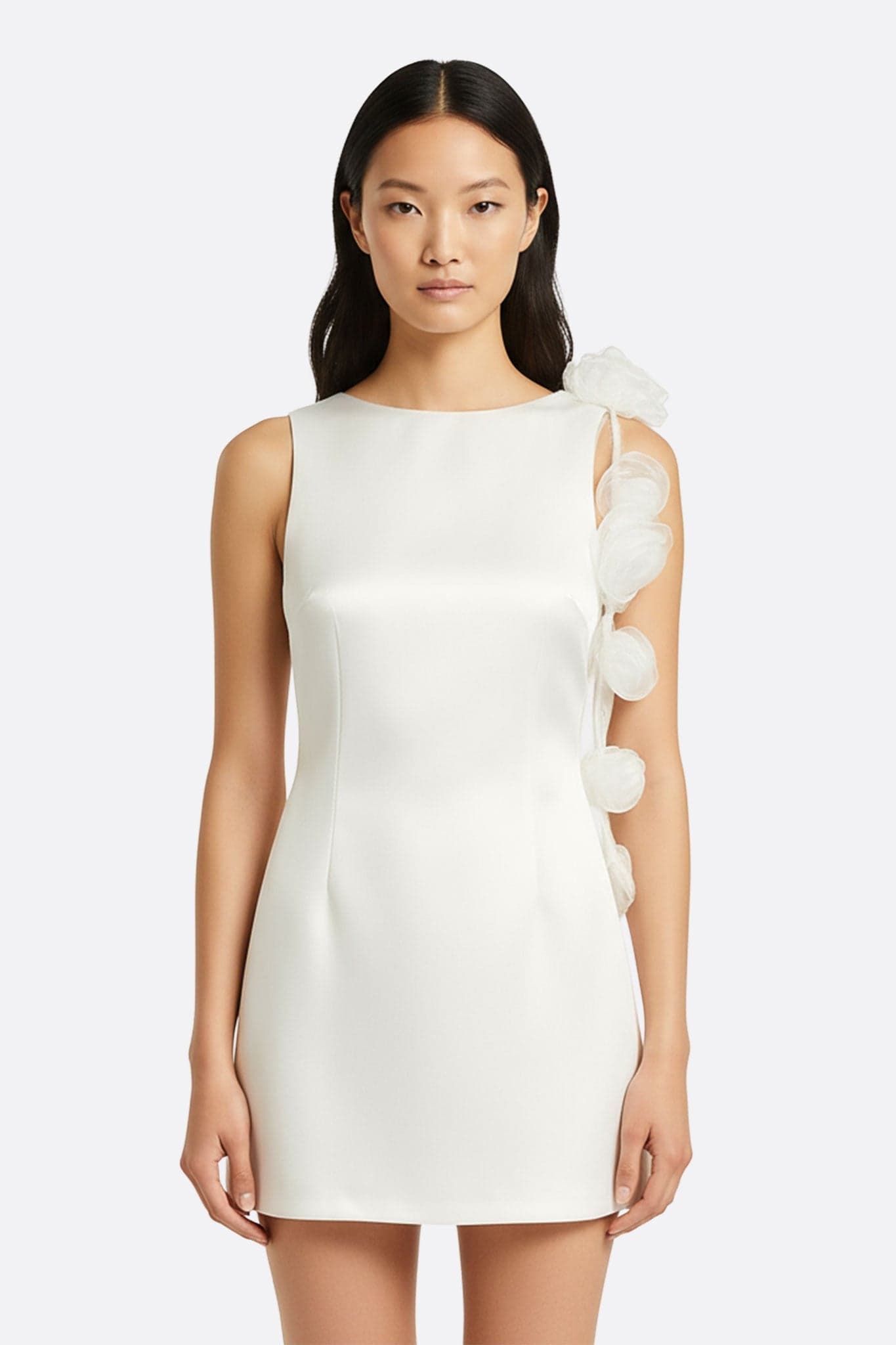
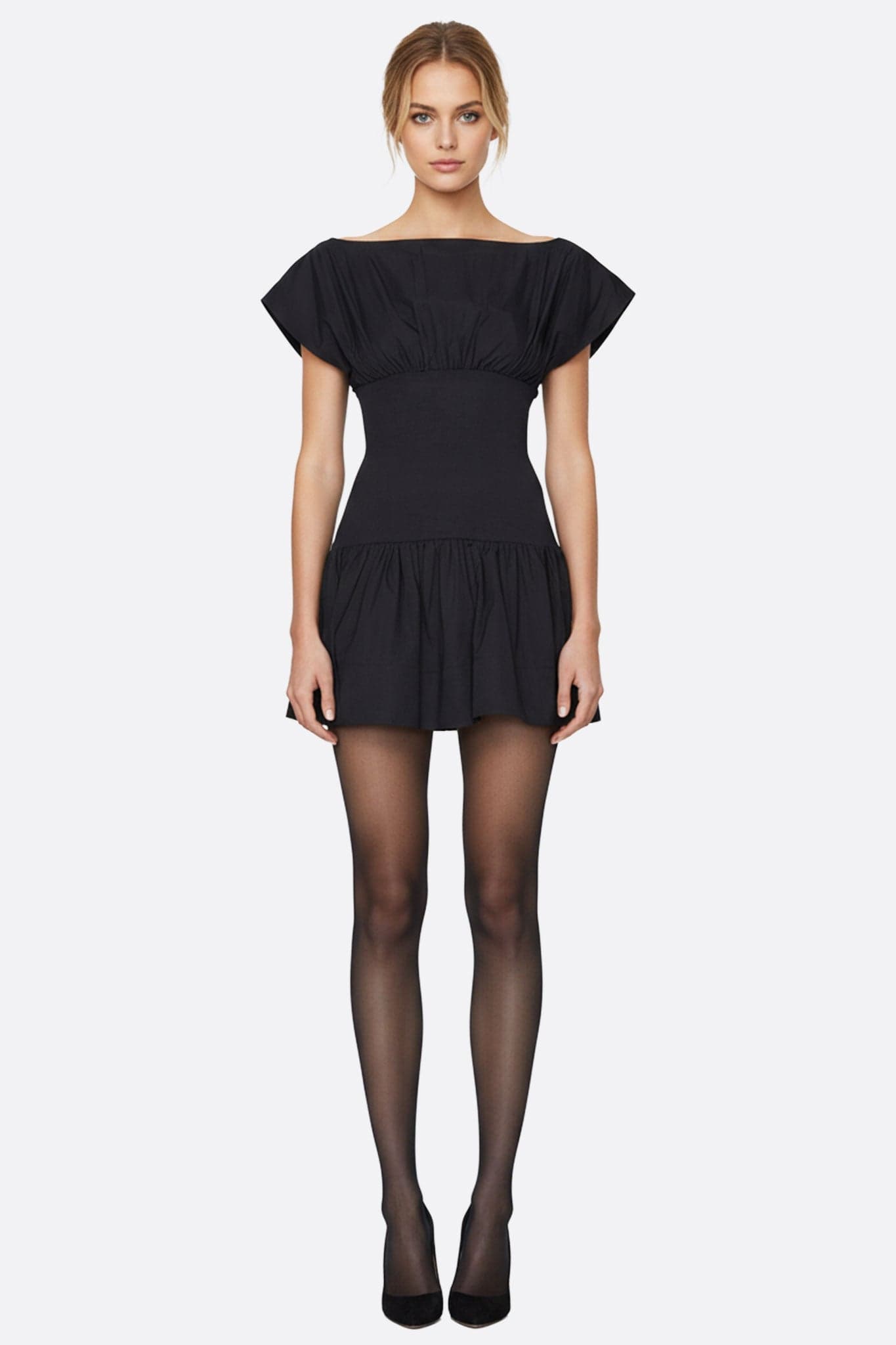
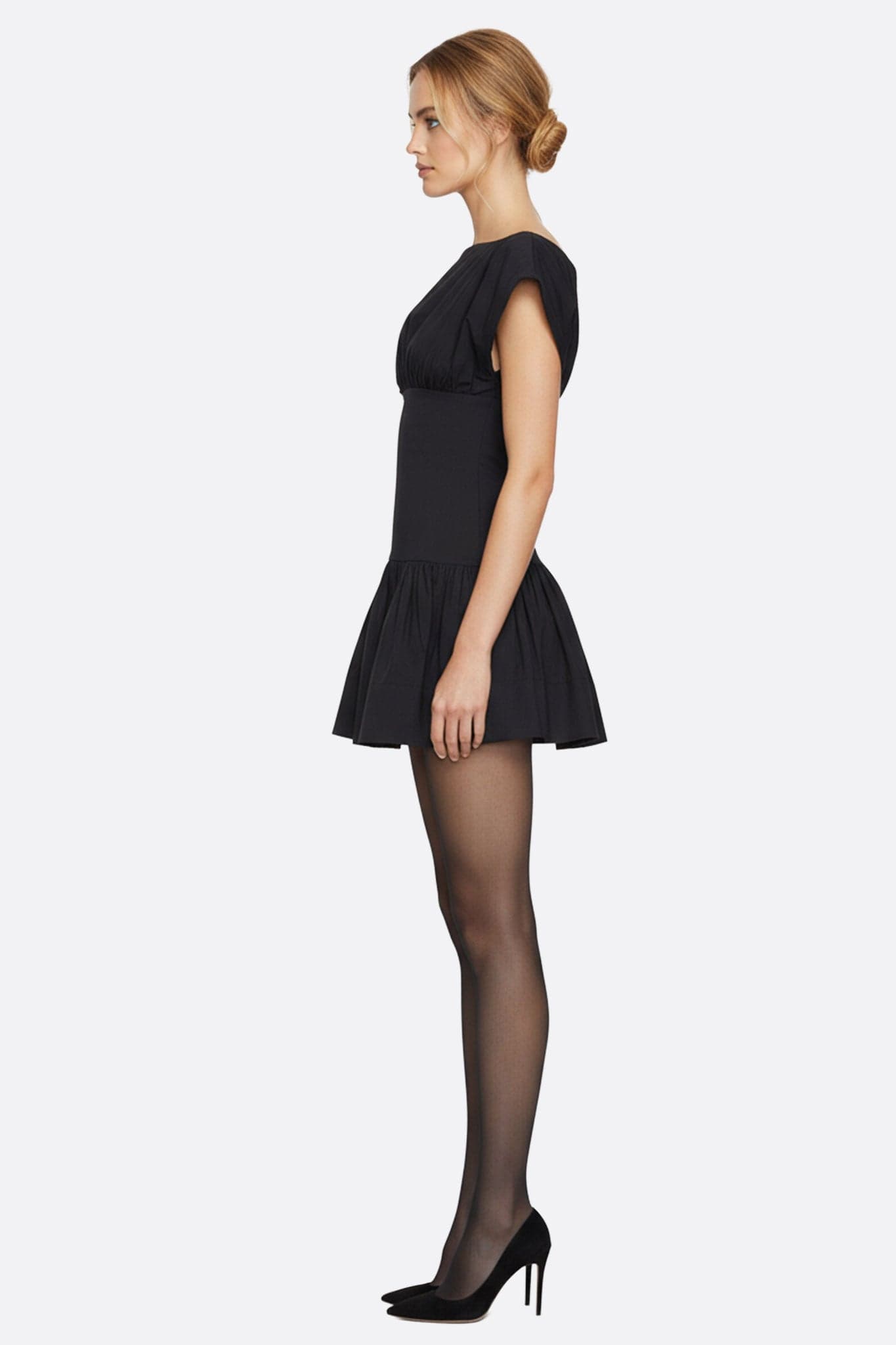
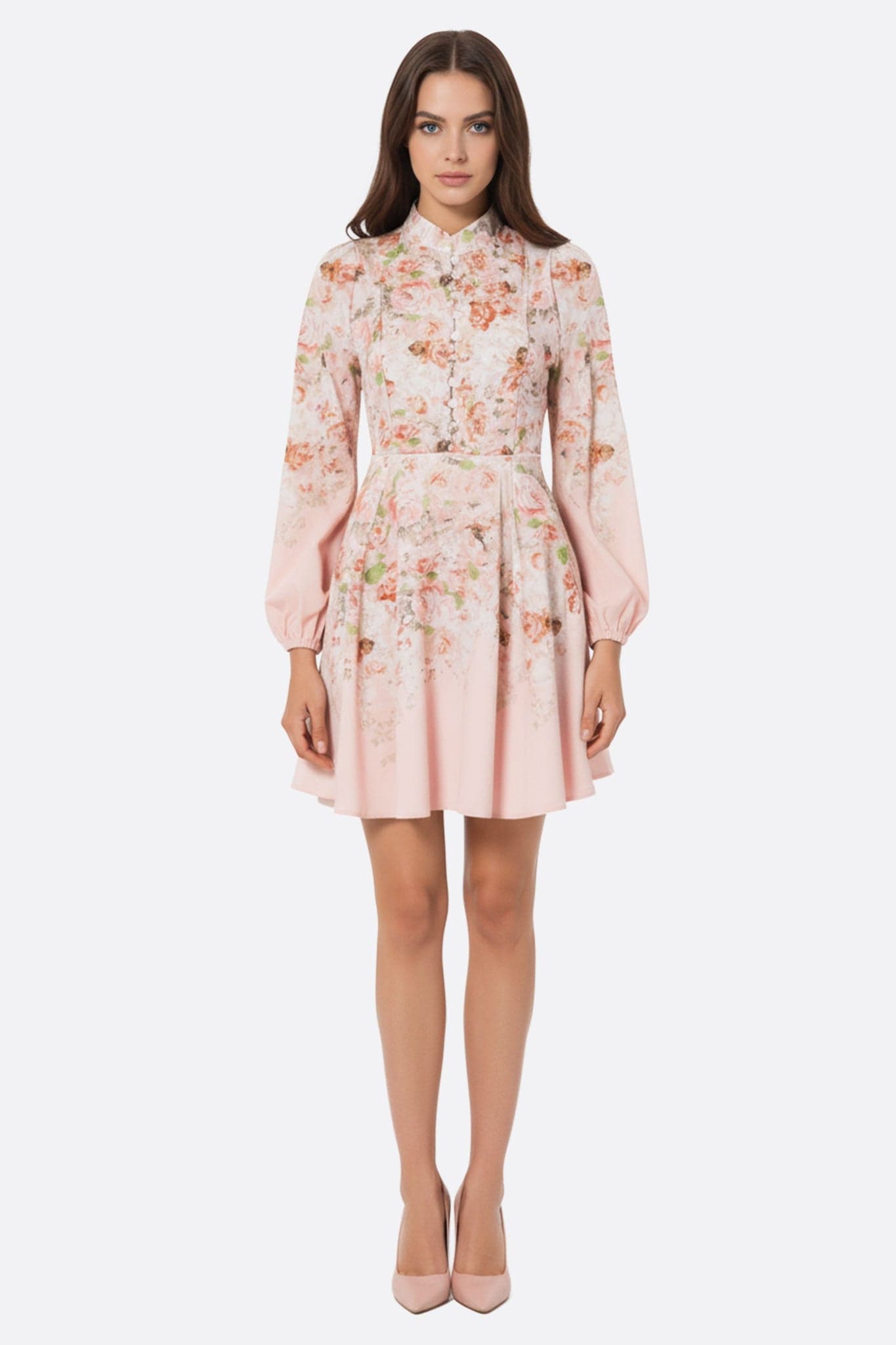
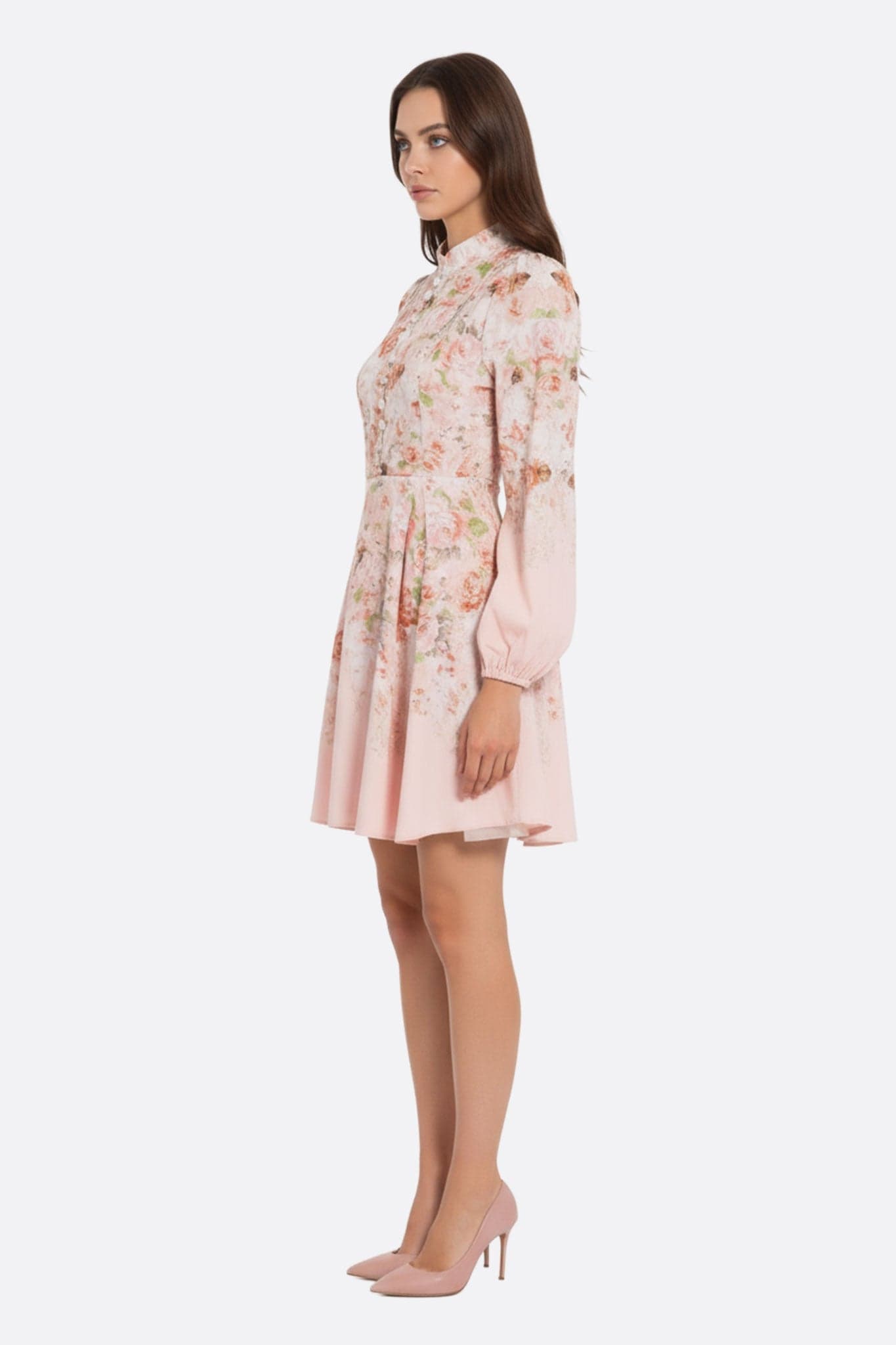
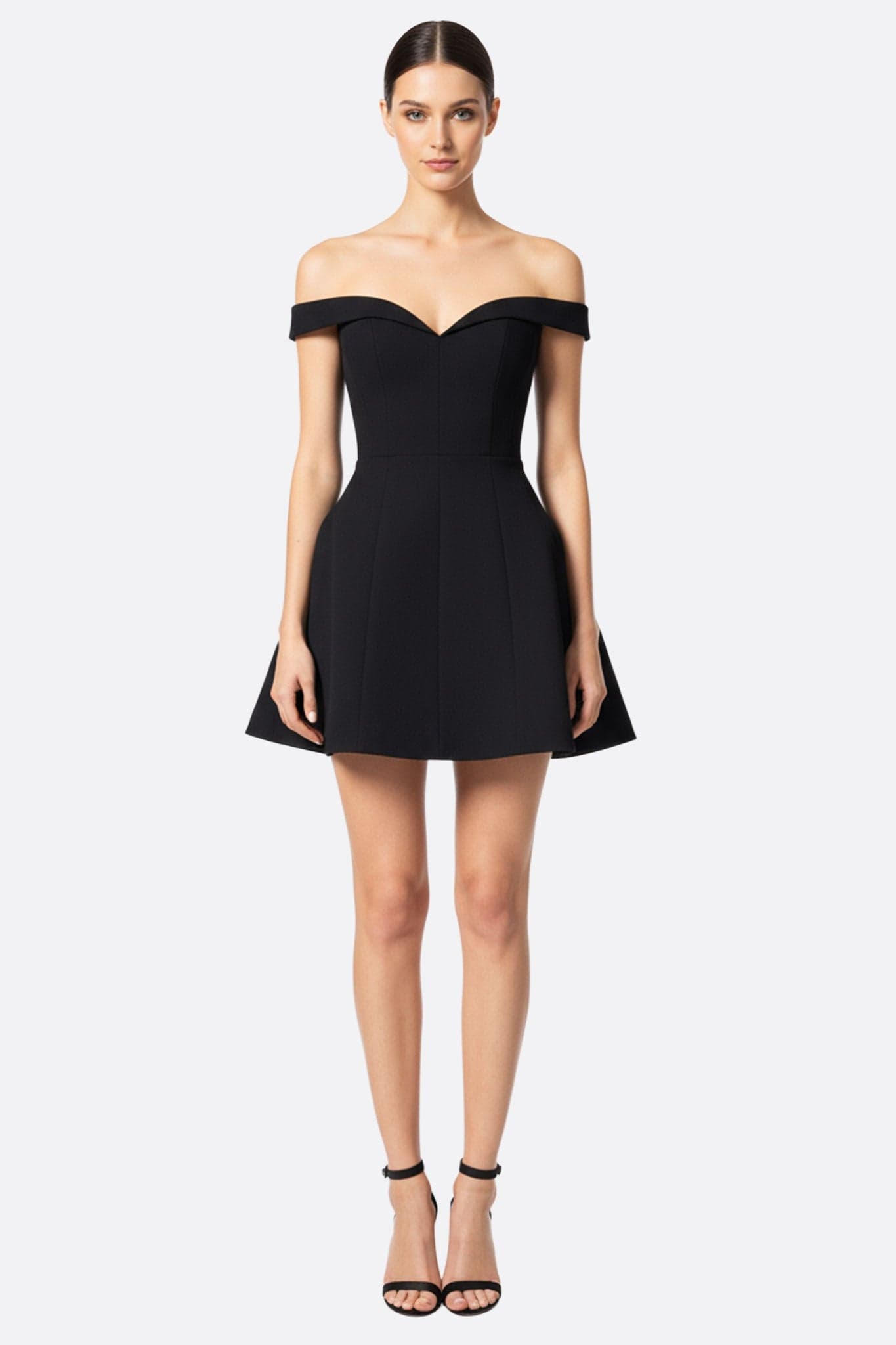
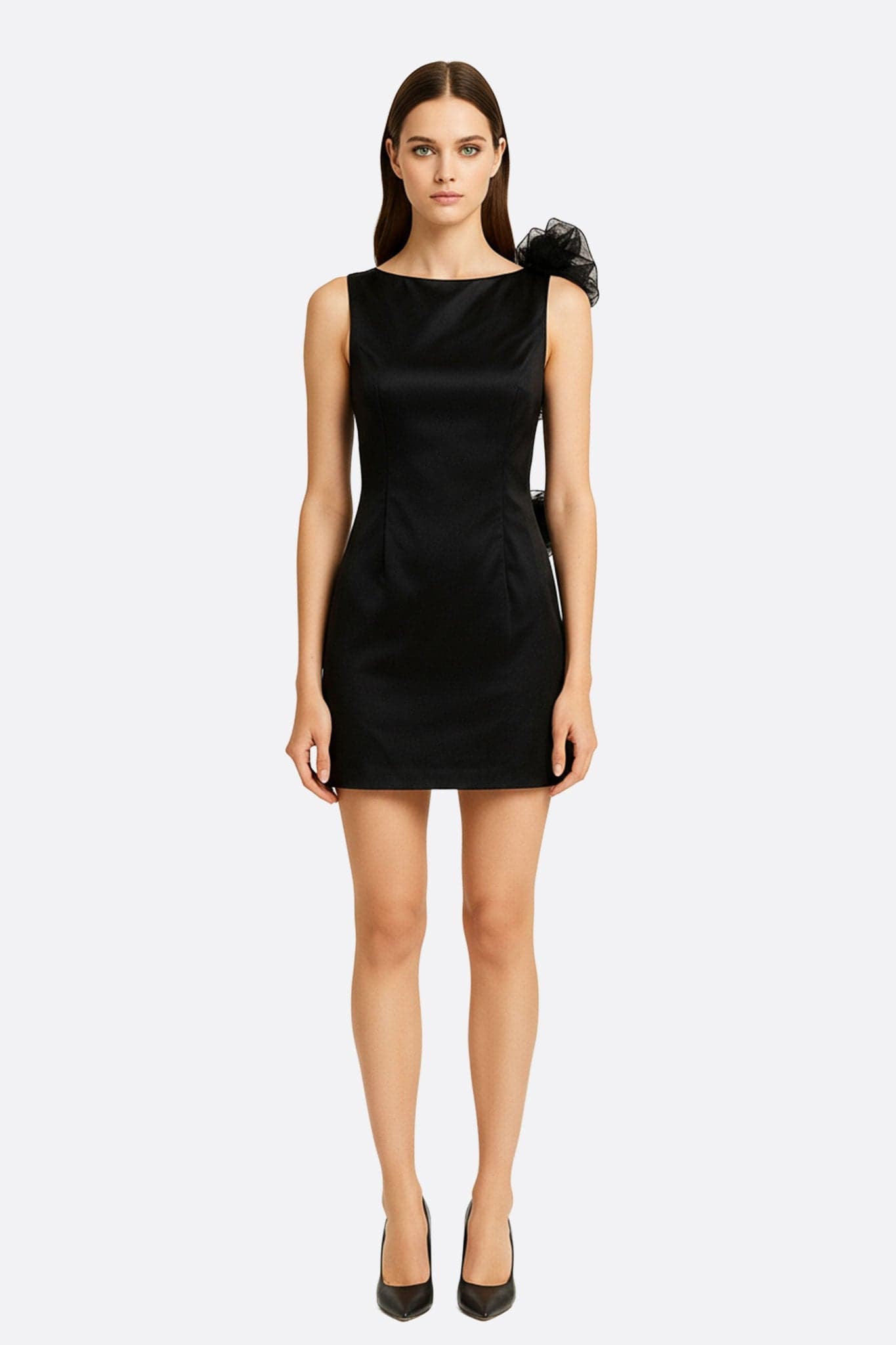
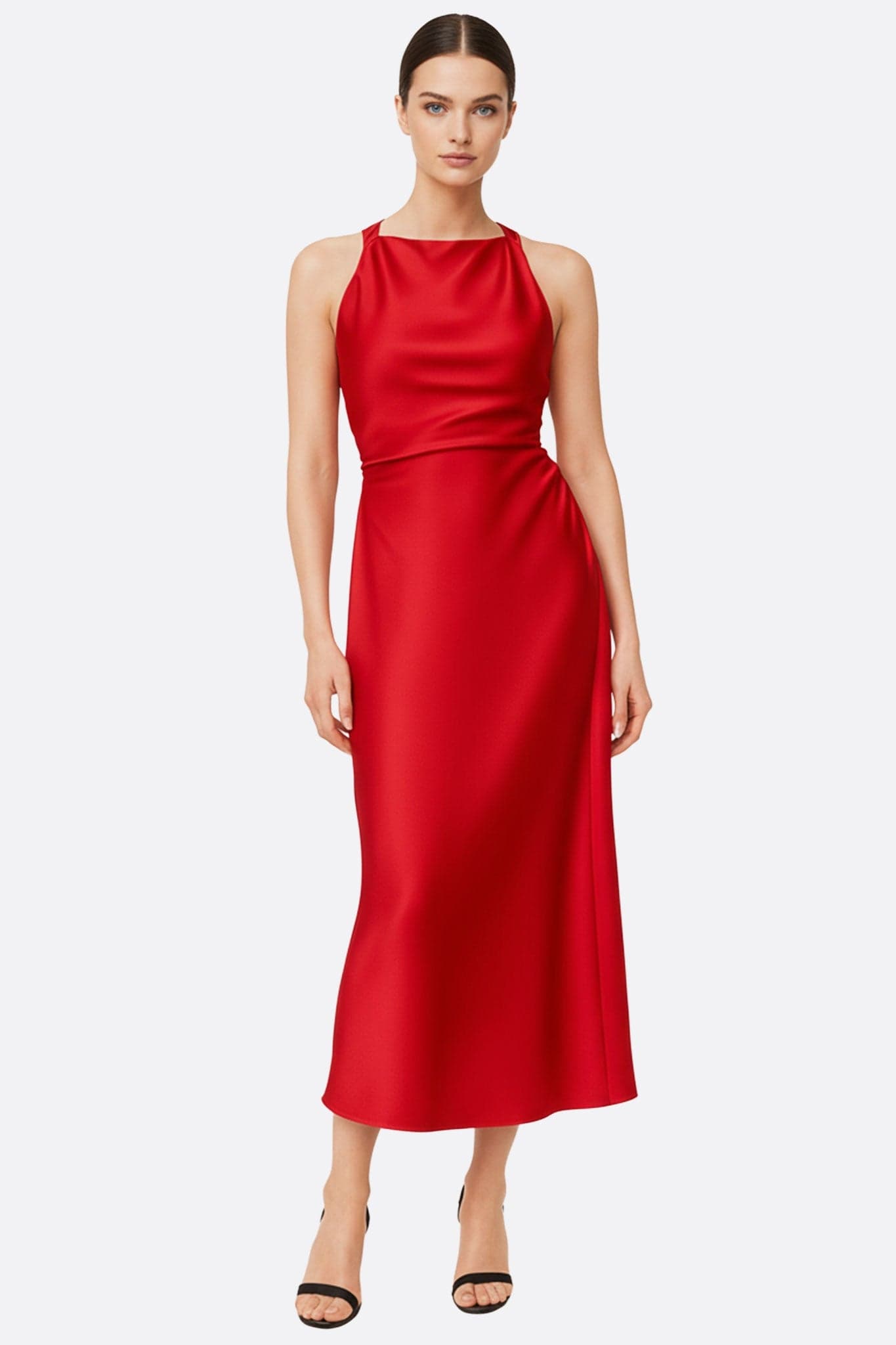
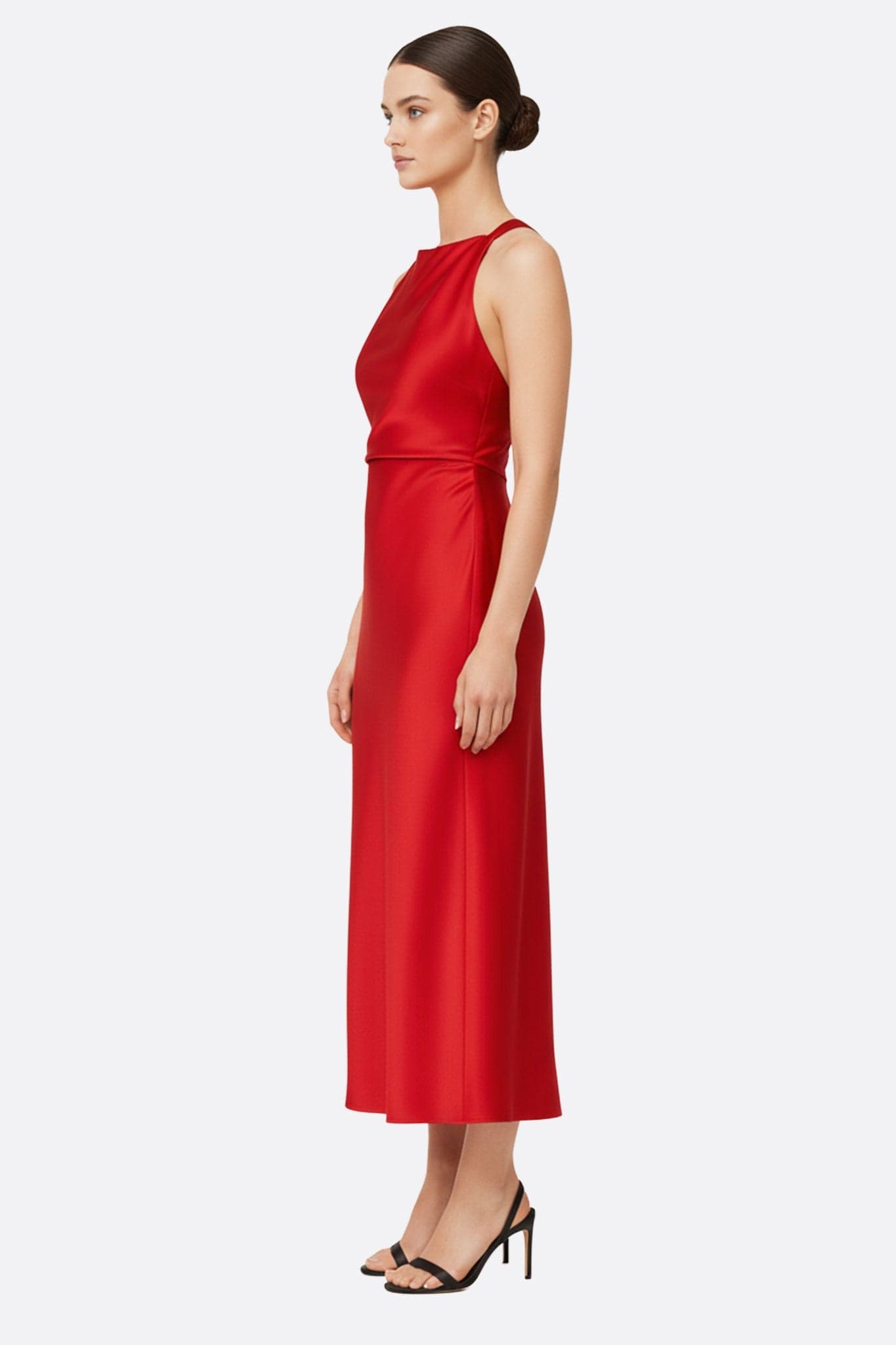
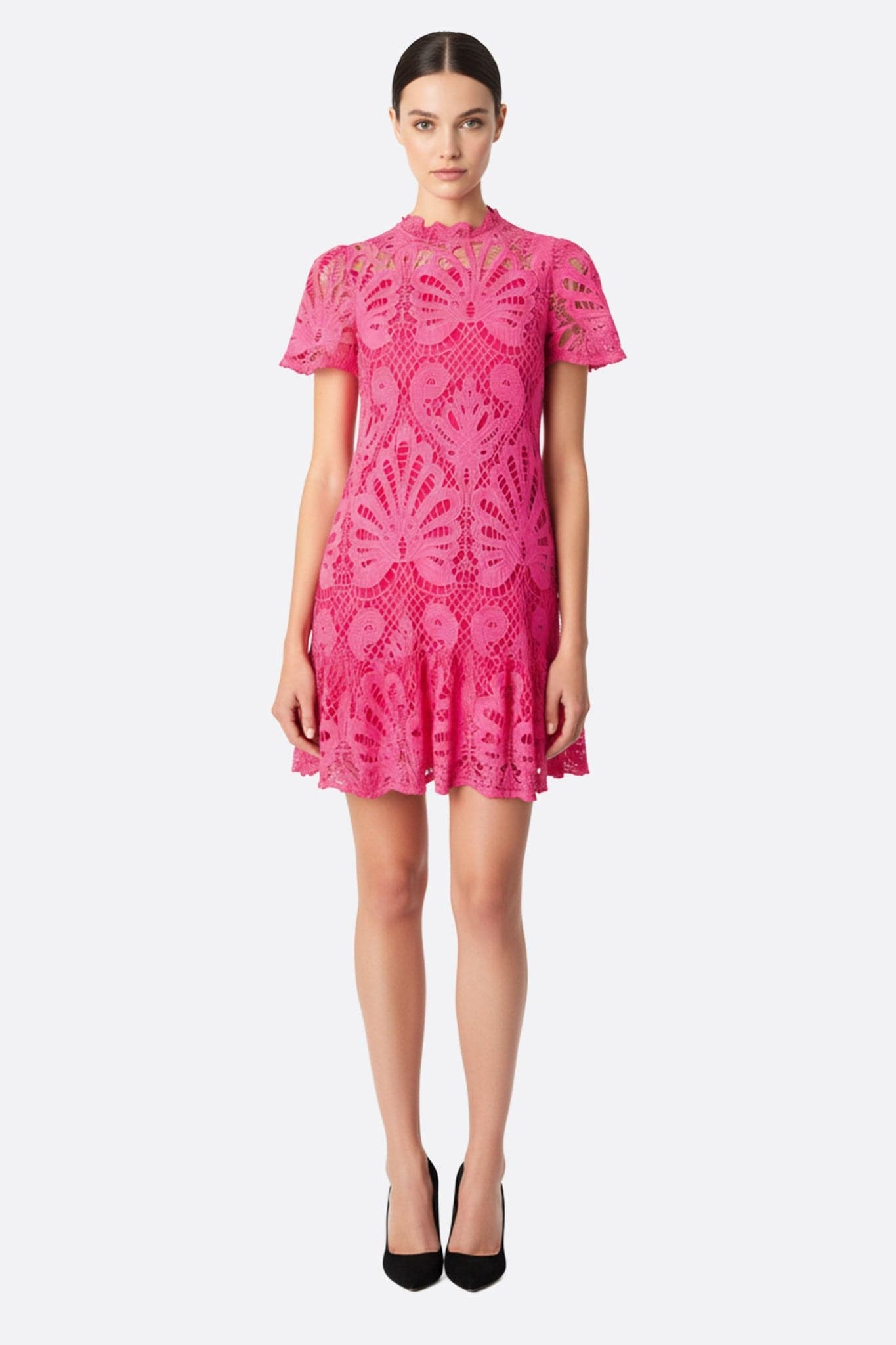
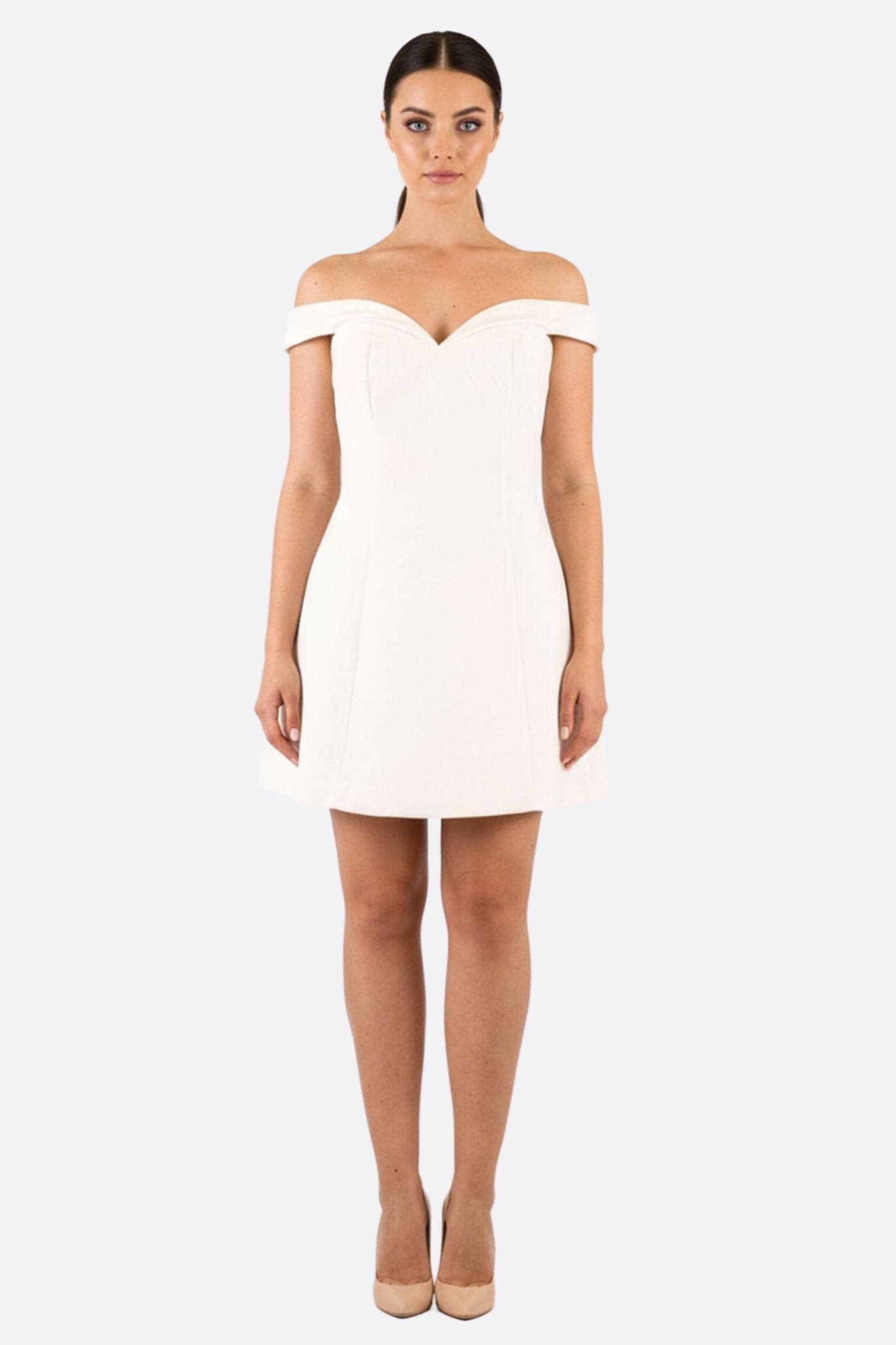
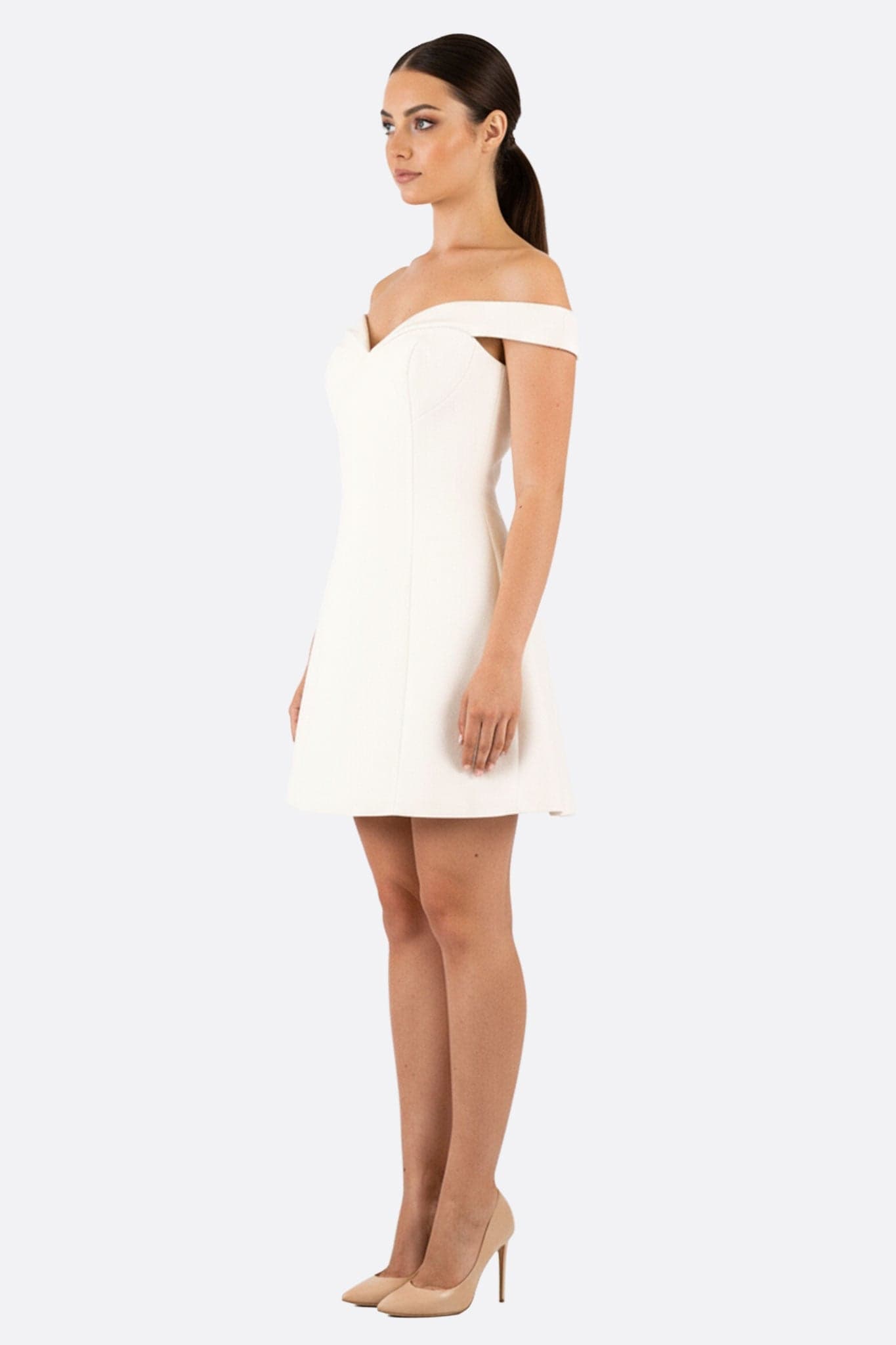
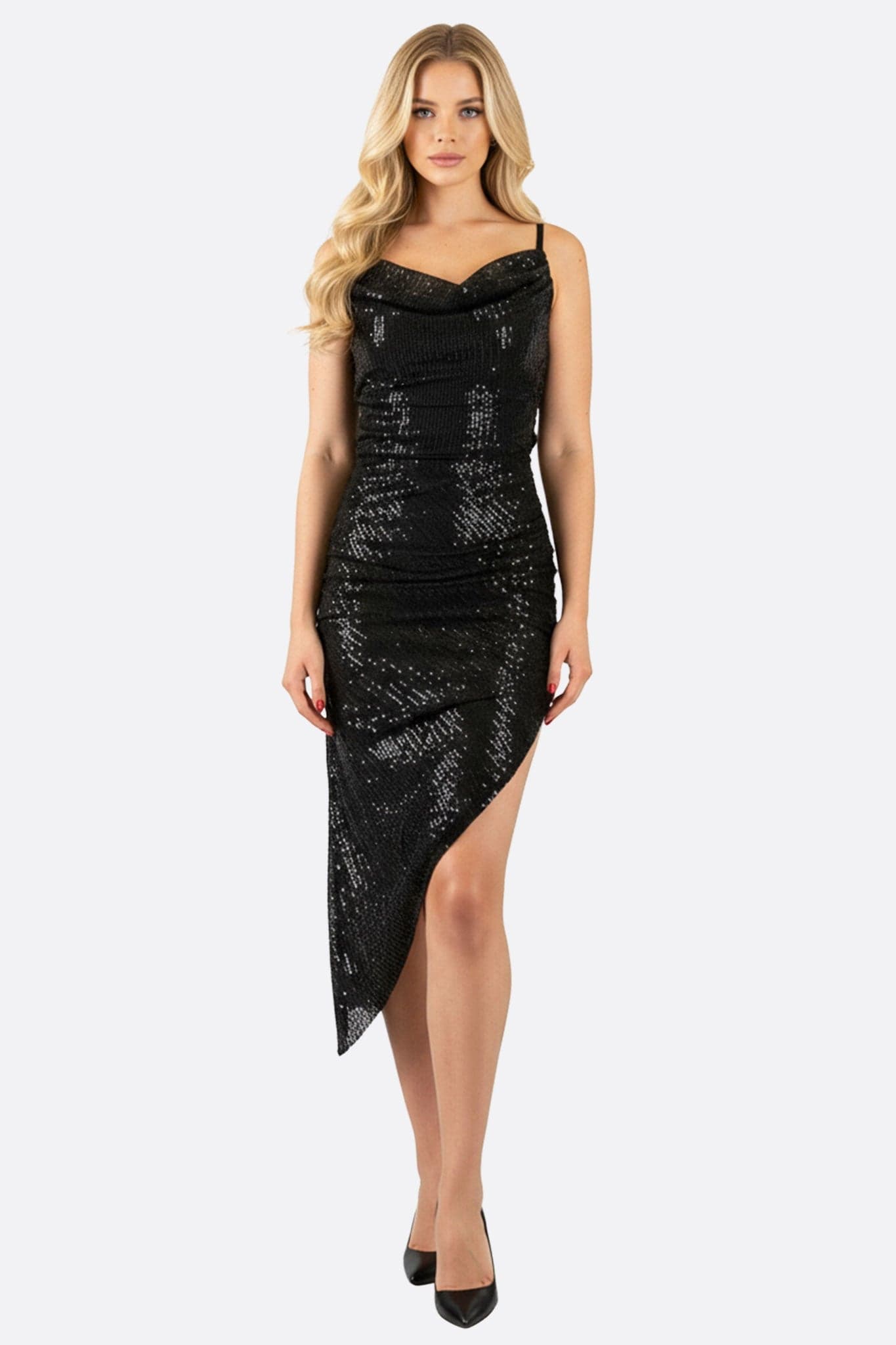
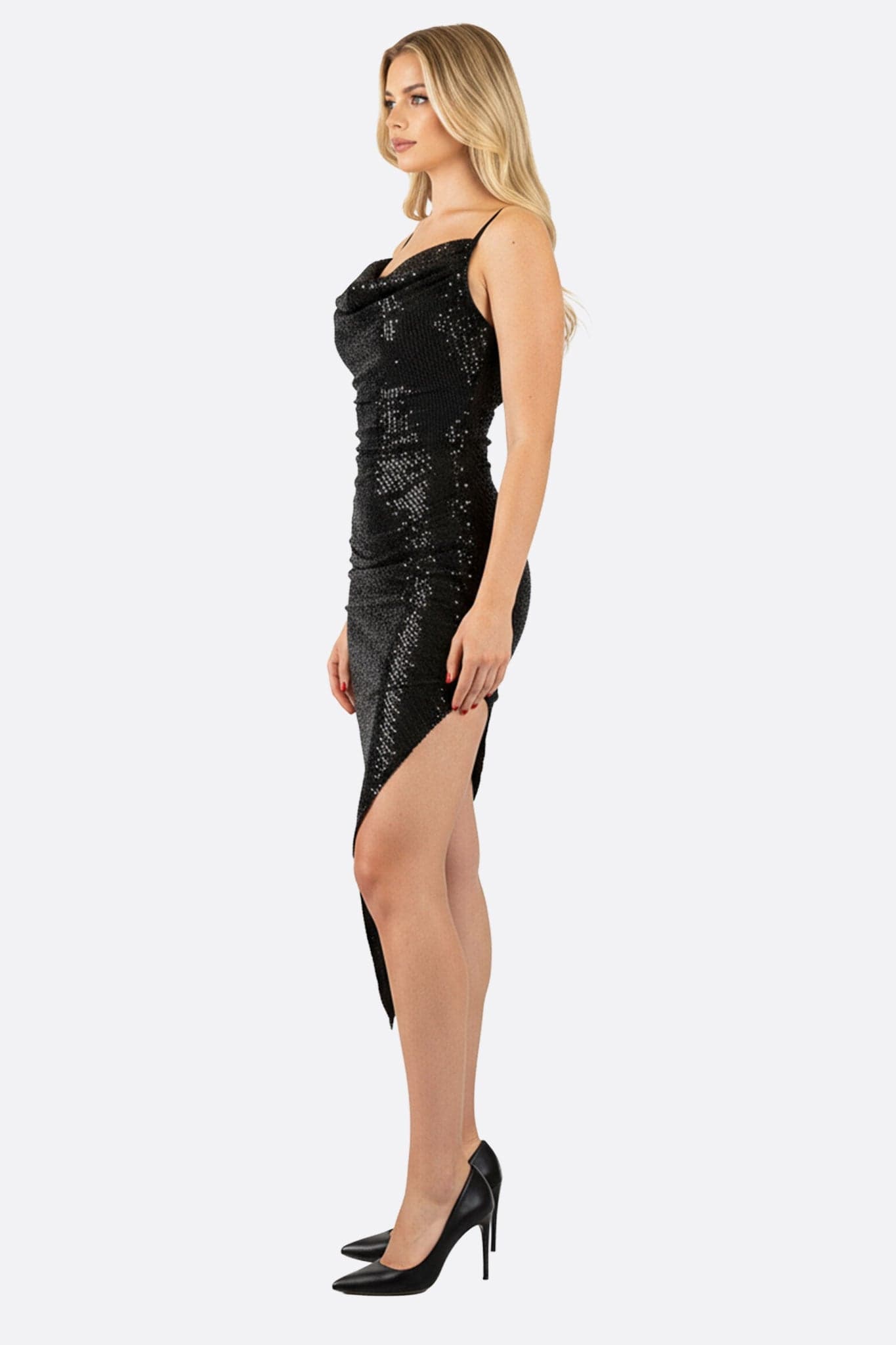
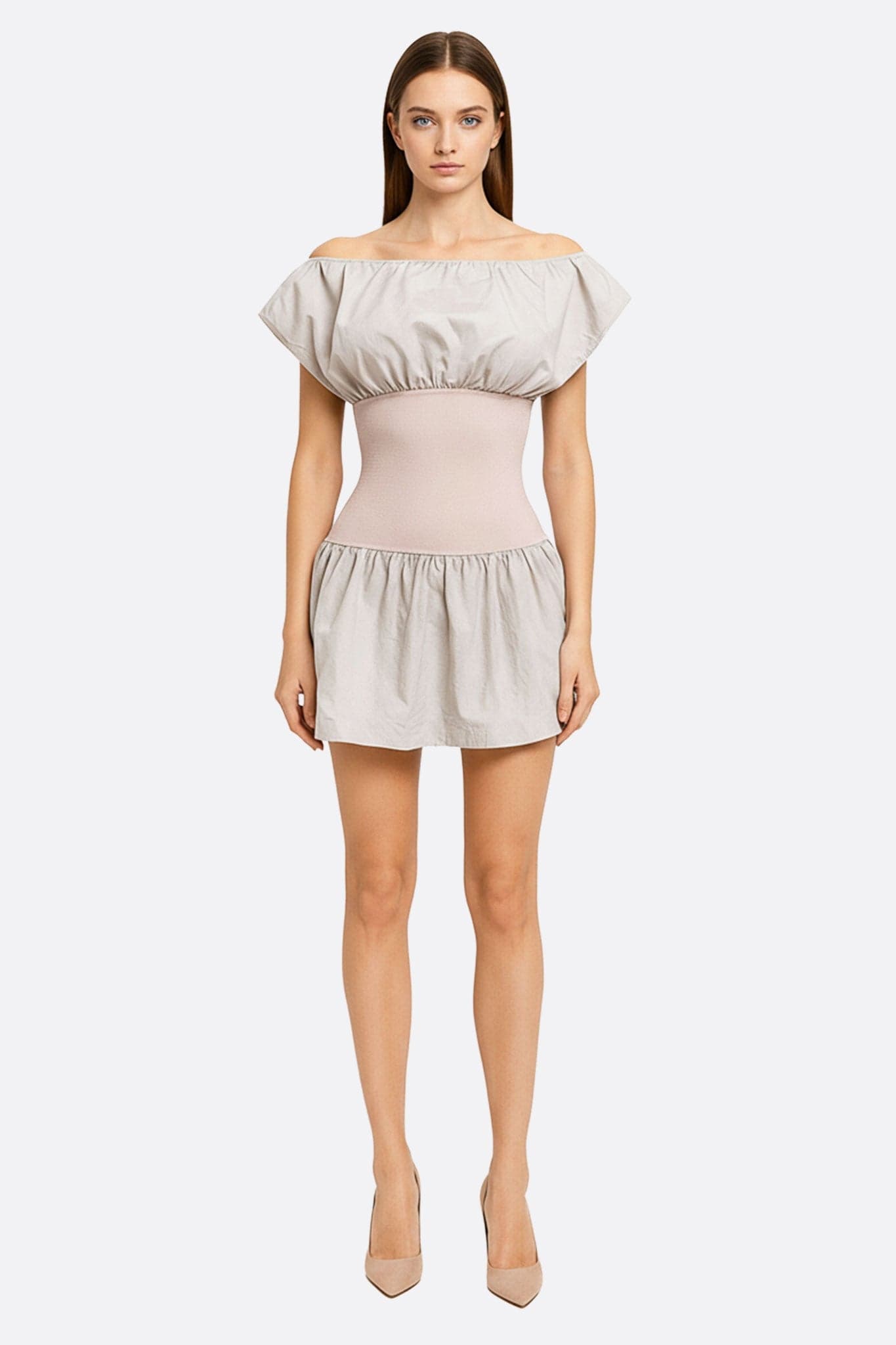
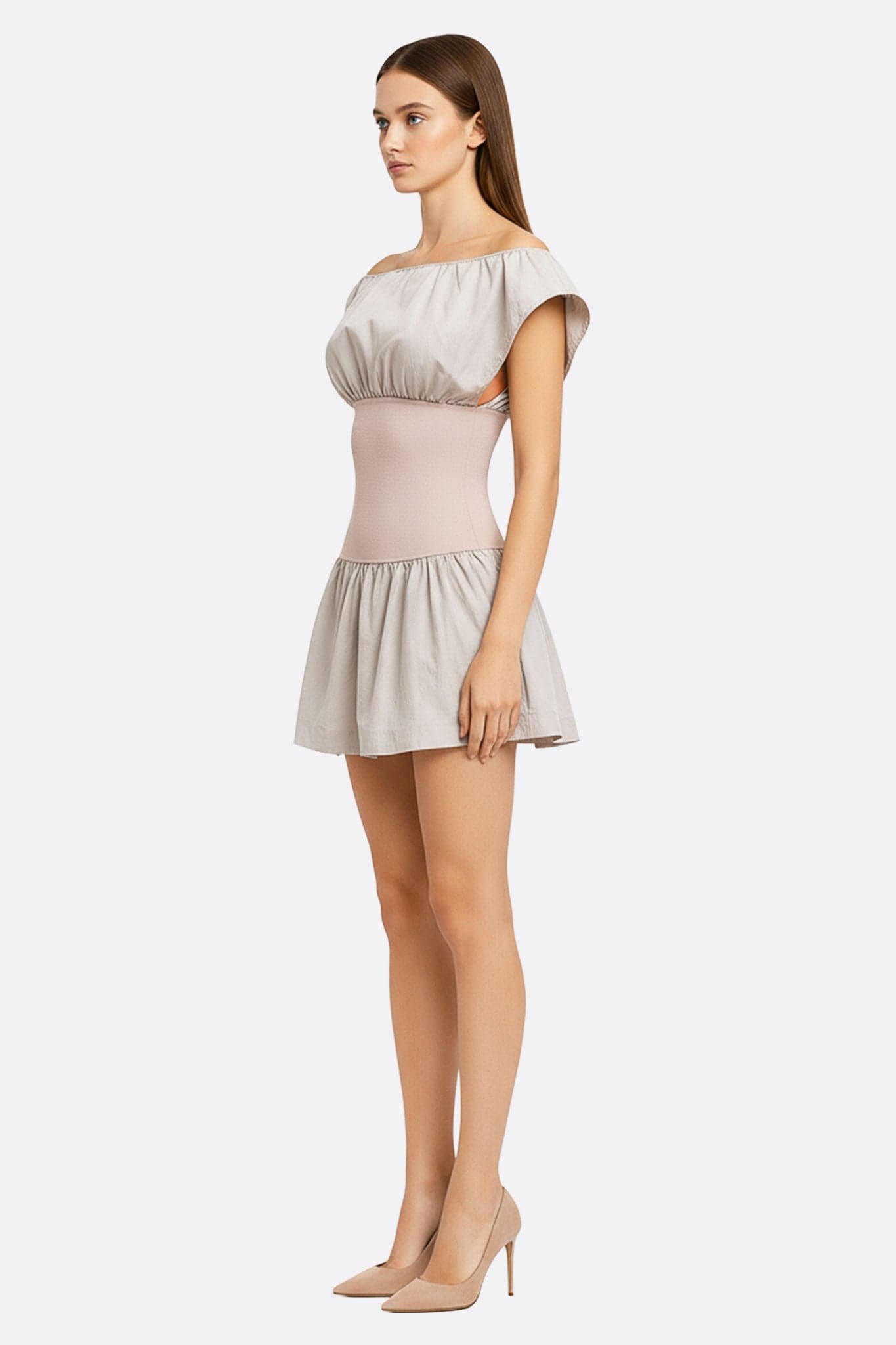
Length: knee-length (56-62 cm depending on body shape) to midi (below the knee, 65-75 cm). Neither short (above mid-thigh = too casual) nor long (ankle and floor = borders on black-tie). Knee-length is the historical reference for the "cocktail dress" since the 1950s (Christian Dior standardized this length for afternoon receptions). Fabric: matte or shiny crepes, satins, chiffons, laces, velvets for winter evenings. Casual fabrics (cotton jersey, linen, denim) do not match the cocktail code. Neckline: moderate: neither high closed collar nor very plunging neckline. The boat neckline, moderate V, or square neckline is the comfort zone. Colors: all colors are accepted: black, midnight blue, burgundy, nude, red are the classics. Prints or pastels are accepted depending on the event.
Crepe: the reference material for cocktail
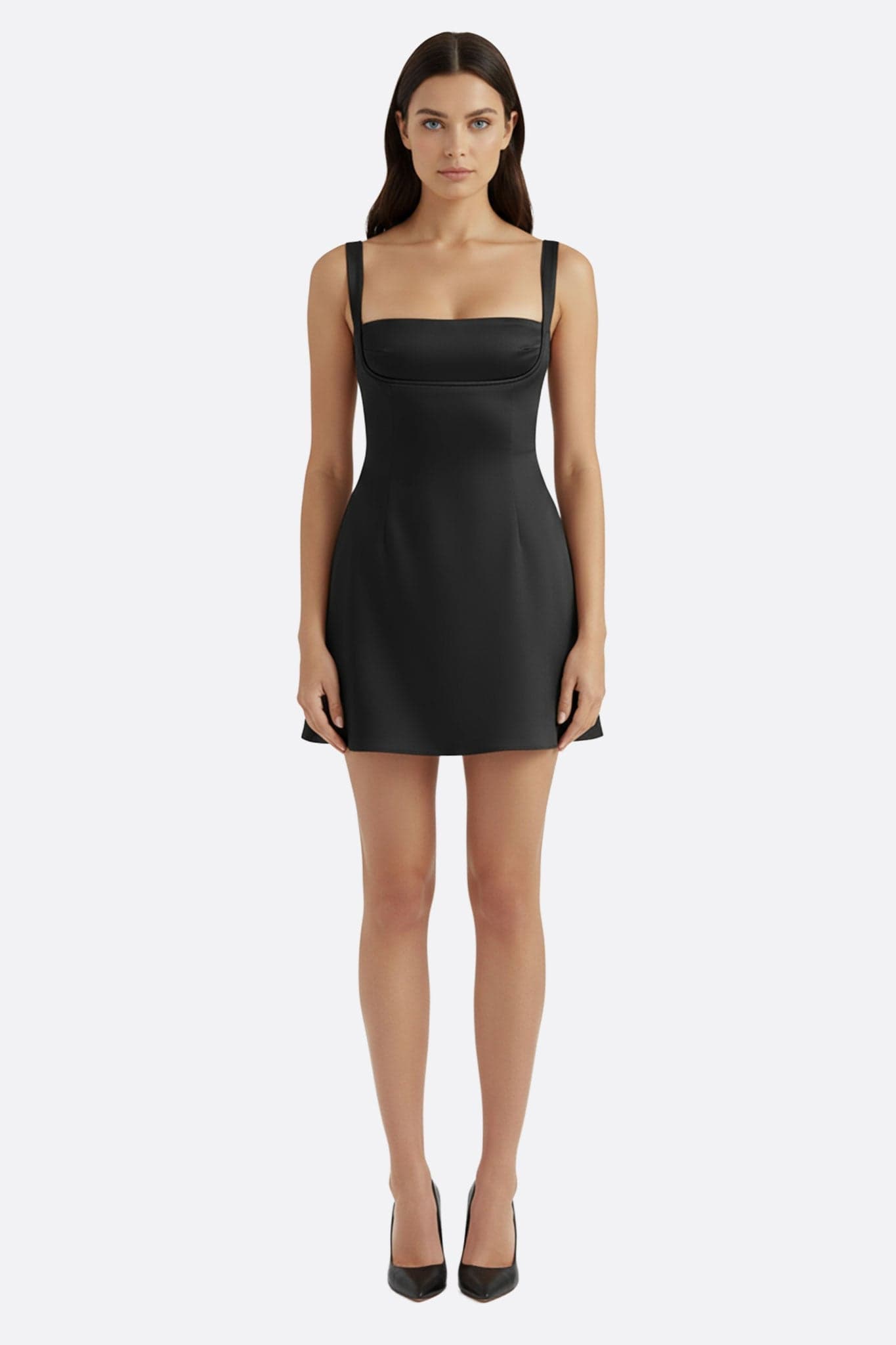
Crepe (crepe weave, grainy surface) is the emblematic material of cocktail dresses: matte, wrinkle-resistant, falls neatly, suitable for day and evening. Its grainy surface diffuses light evenly: no reflection like satin, no halo like velvet. It is the most "readable" material: the line of the cut is the only visible thing. In cocktail, this means that sophistication is in the cut, not in the material: an impeccable cut is required because crepe hides nothing. Modern polyester crepe is almost identical to silk crepe to the naked eye, at a lower cost. Wool crepe is the warmest for autumn-winter events.
Black color vs colors: the strategic choice
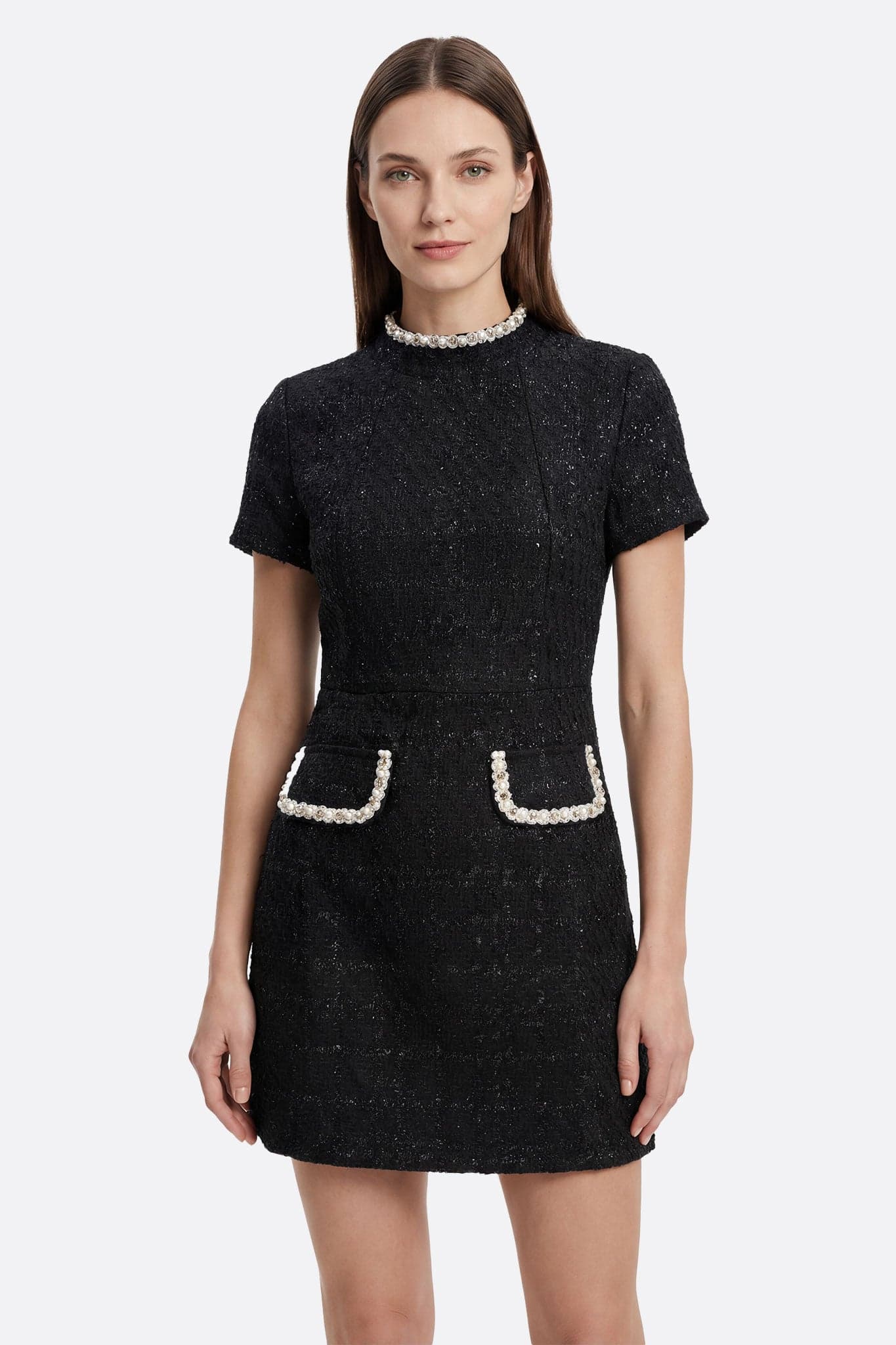
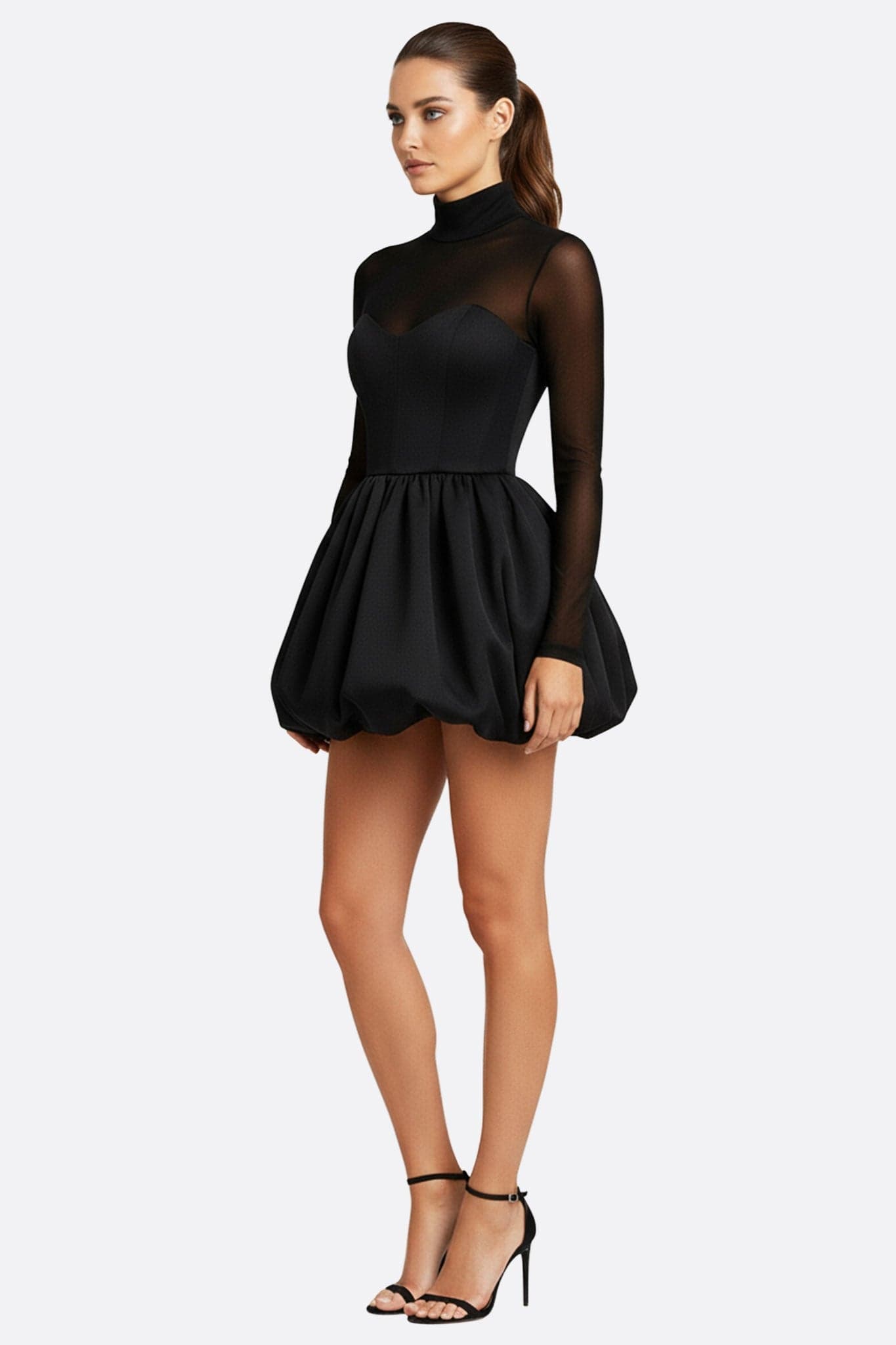
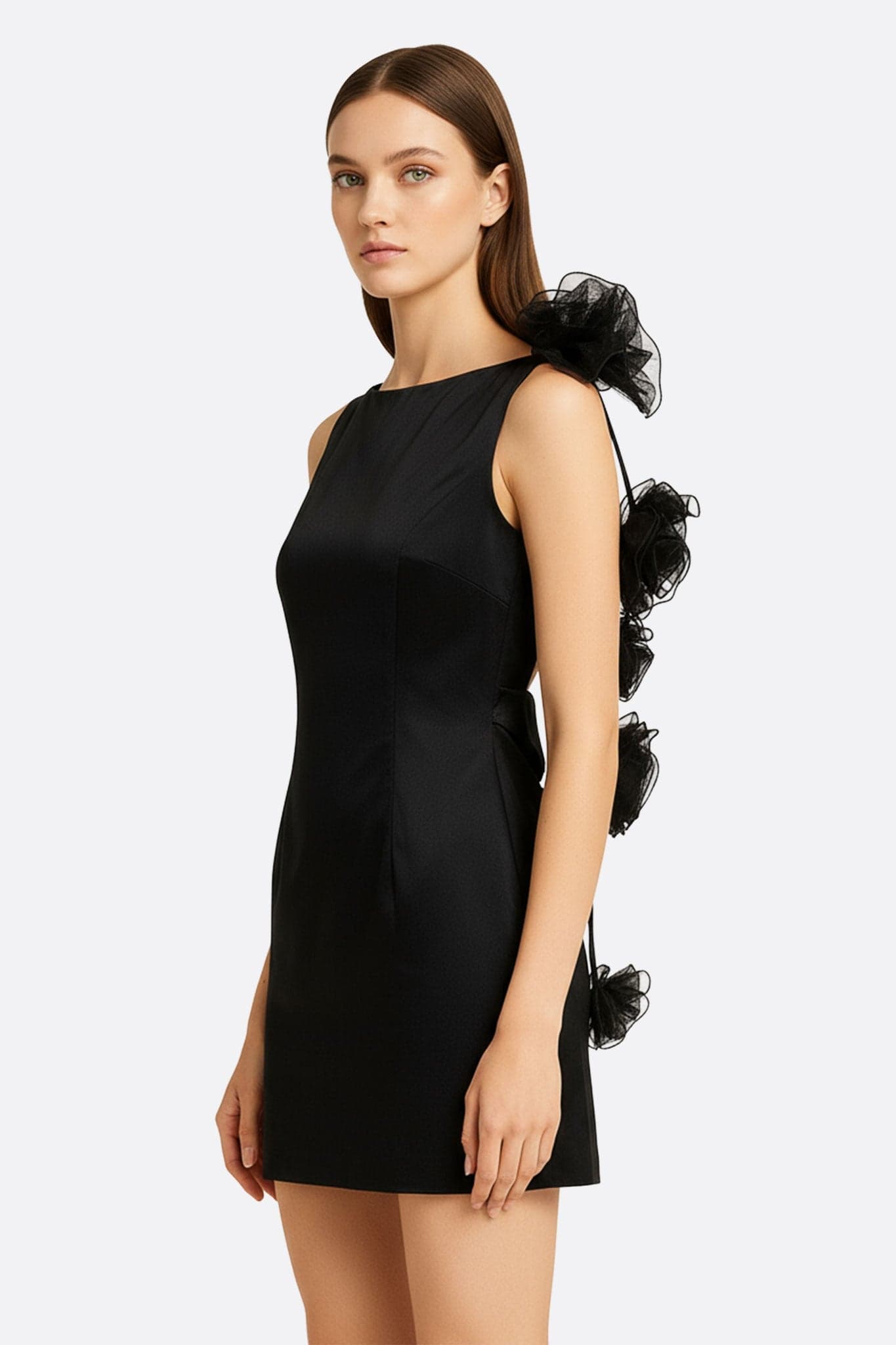
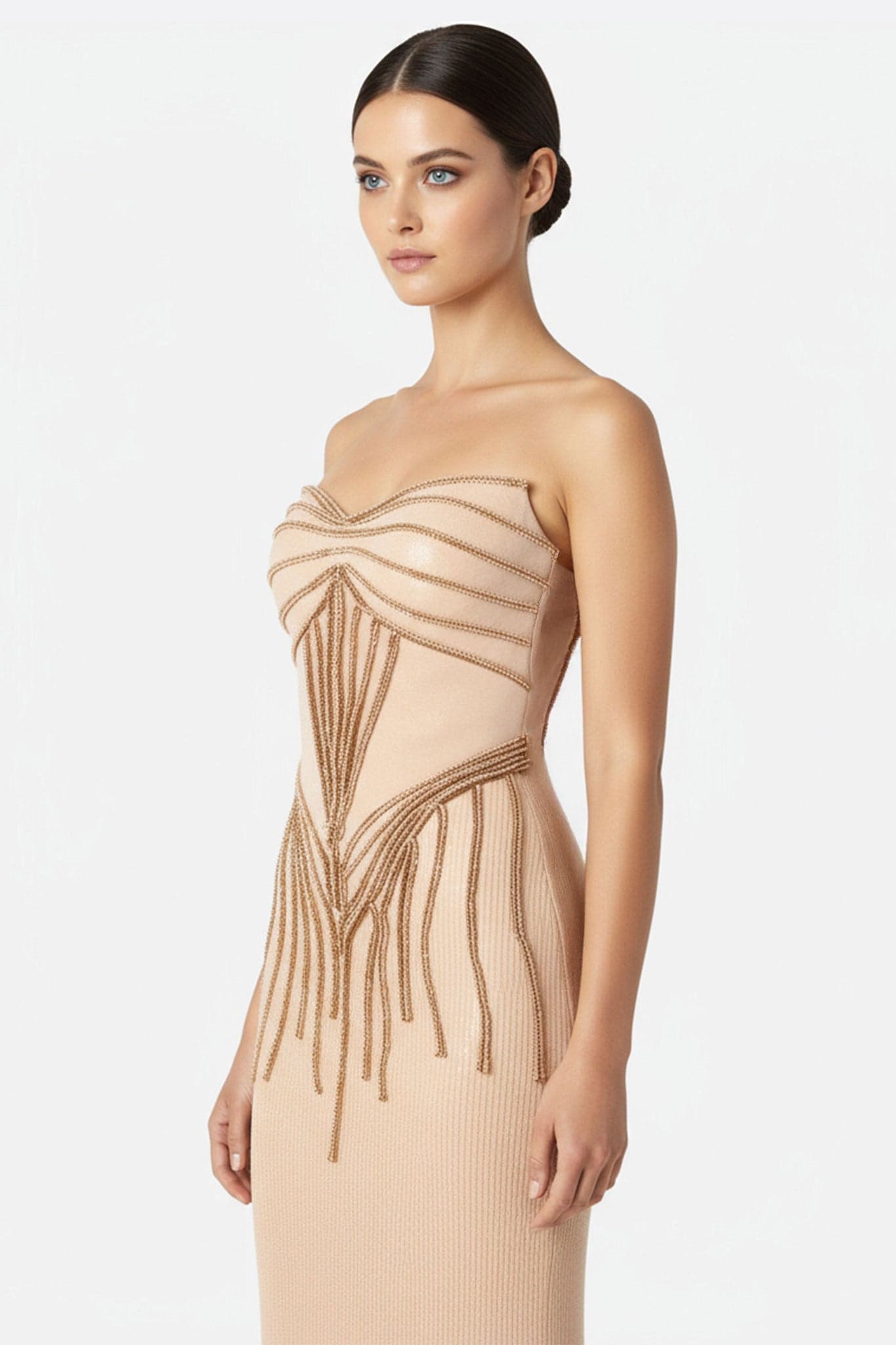
The black cocktail dress is the safest choice because it is universally appropriate, easily accessorized, and versatile for multiple events. One drawback: if several people wear the same black dress in the room, they seem unintentionally coordinated: a more frequent scenario than one might think at corporate cocktails. Bright colors (red, emerald green, cobalt): more distinctive, more memorable, riskier (may be repeated to the eye). Nude and beige: elegant, discreet, but can appear dull under certain lighting if accessories do not compensate. The colored cocktail dress with a color suited to one's complexion is often the most impactful choice.
Cocktail accessories
Shoes: heels (3-10 cm depending on comfort) or elegant mules. Sneakers and flat sandals are outside the code. Bag: clutch or small structured bag: the large city bag breaks the line of the outfit. Jewelry: sober to moderate: no large costume jewelry or total absence. A set (necklace + coordinated earrings) is the simplest solution. Jacket or coat: fitted blazer or structured coat: avoid denim jackets or parkas that contrast with the dress. The coherence of materials (silk or crepe of the dress with wool or satin of the jacket) is key.
Knee-length (56-62 cm depending on body shape) to midi (below the knee, 65-75 cm). The historical reference is knee-length: standardized by Dior in the 1950s for afternoon receptions. Neither too short (above mid-thigh = less formal dress code) nor long (ankle/floor = different code, bordering on black-tie). The midi dress (below the knee) is an acceptable evolution of the modern cocktail dress.
Can you wear a black cocktail dress to a wedding?
Yes in the vast majority of cases: black is no longer taboo at weddings in France and Western Europe. Exceptions: very traditional or religious wedding with explicit code, or the invitation's dress code specifies specific colors. A black cocktail dress with colorful accessories (bouquet, gold jewelry) is perfectly appropriate for a guest.
What is the difference between cocktail dress code and black-tie?
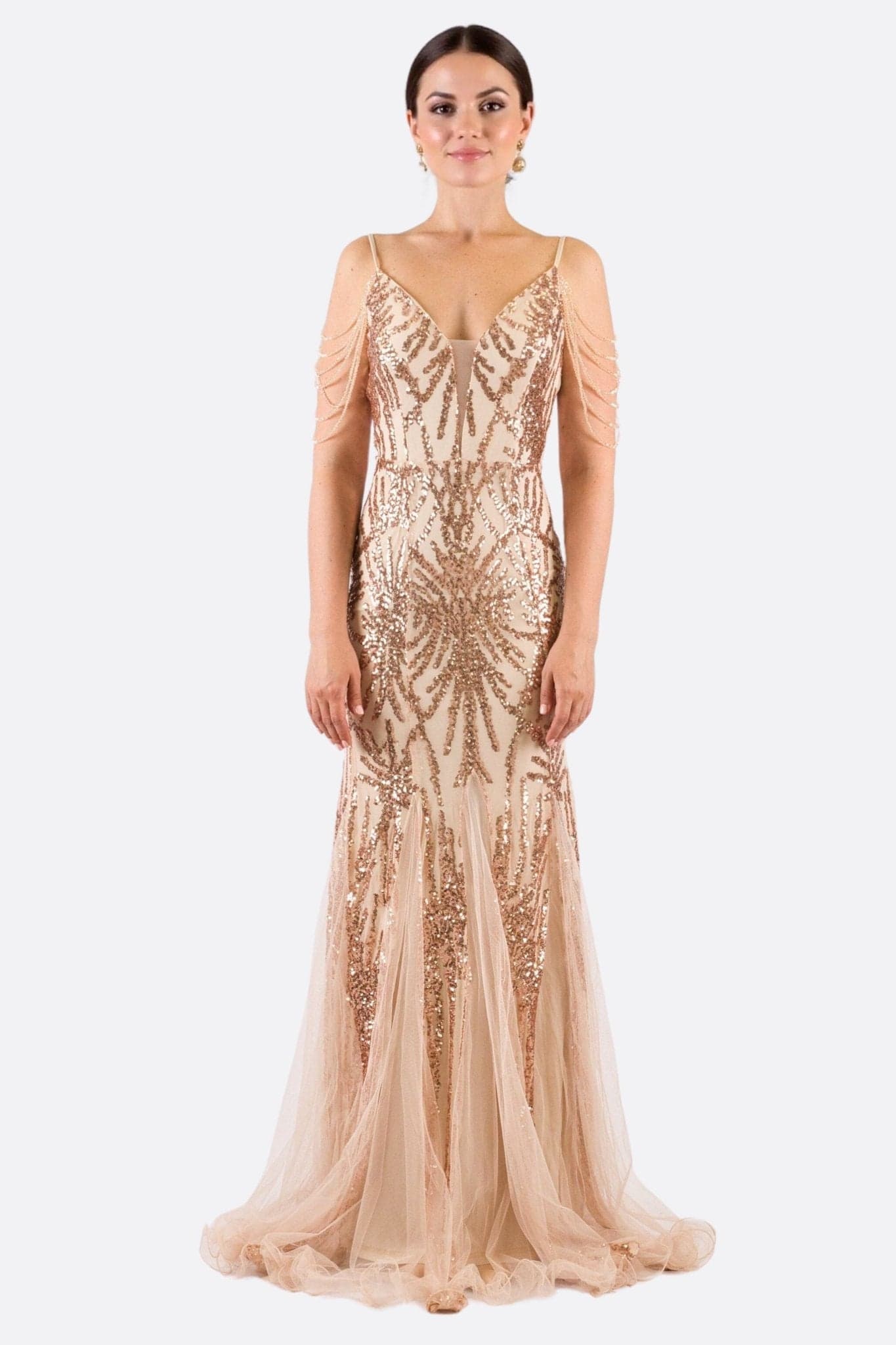
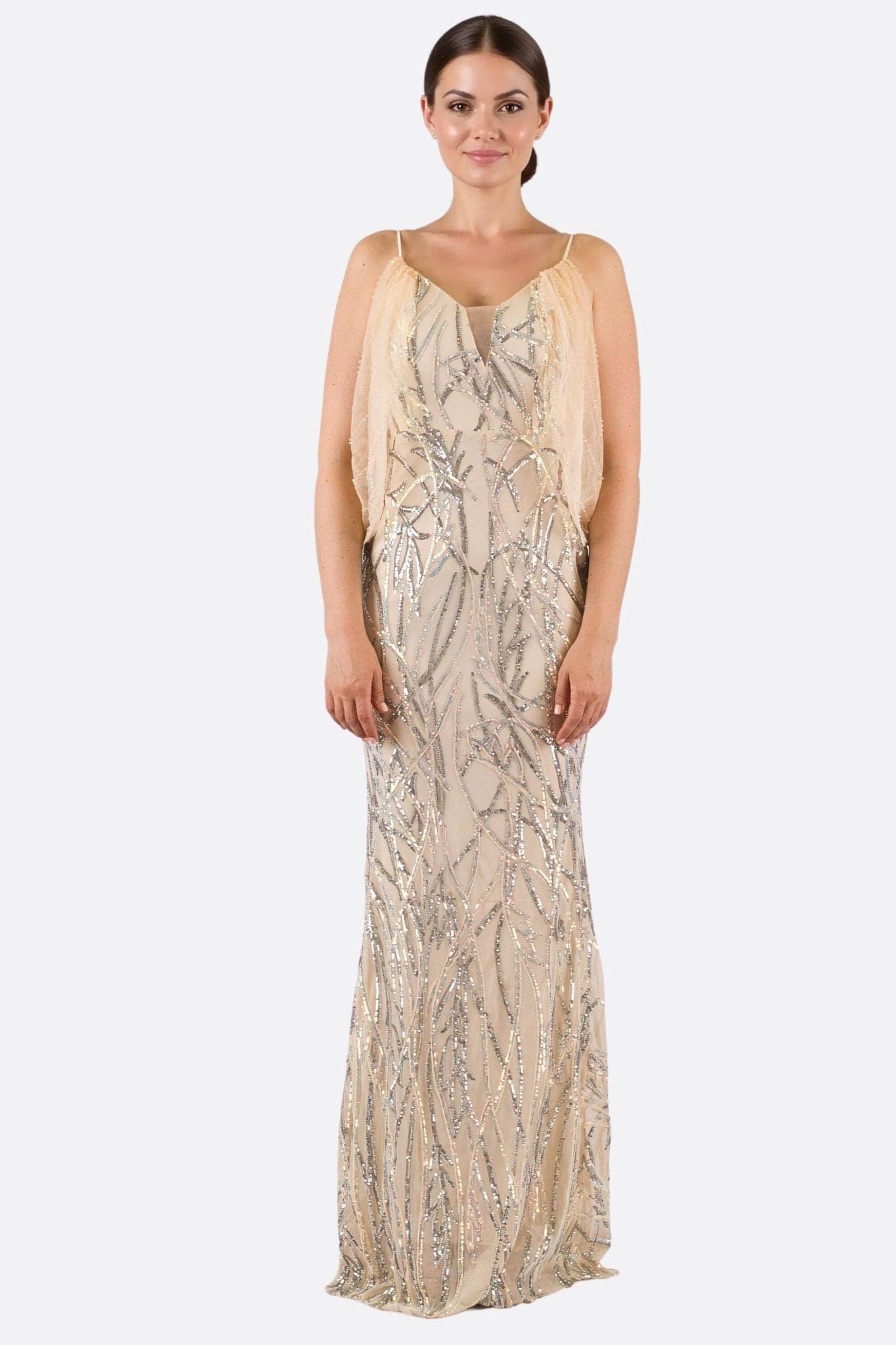
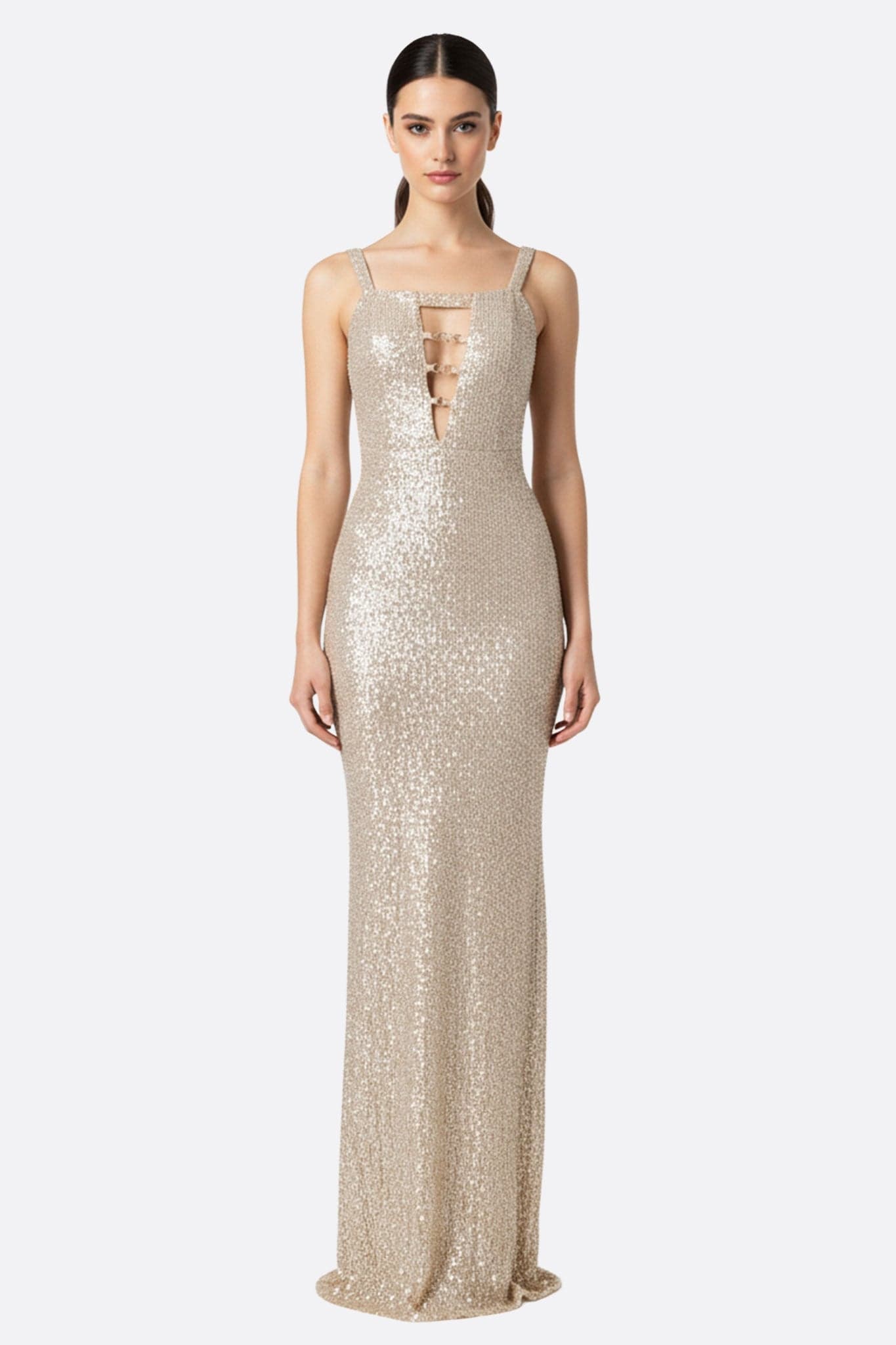
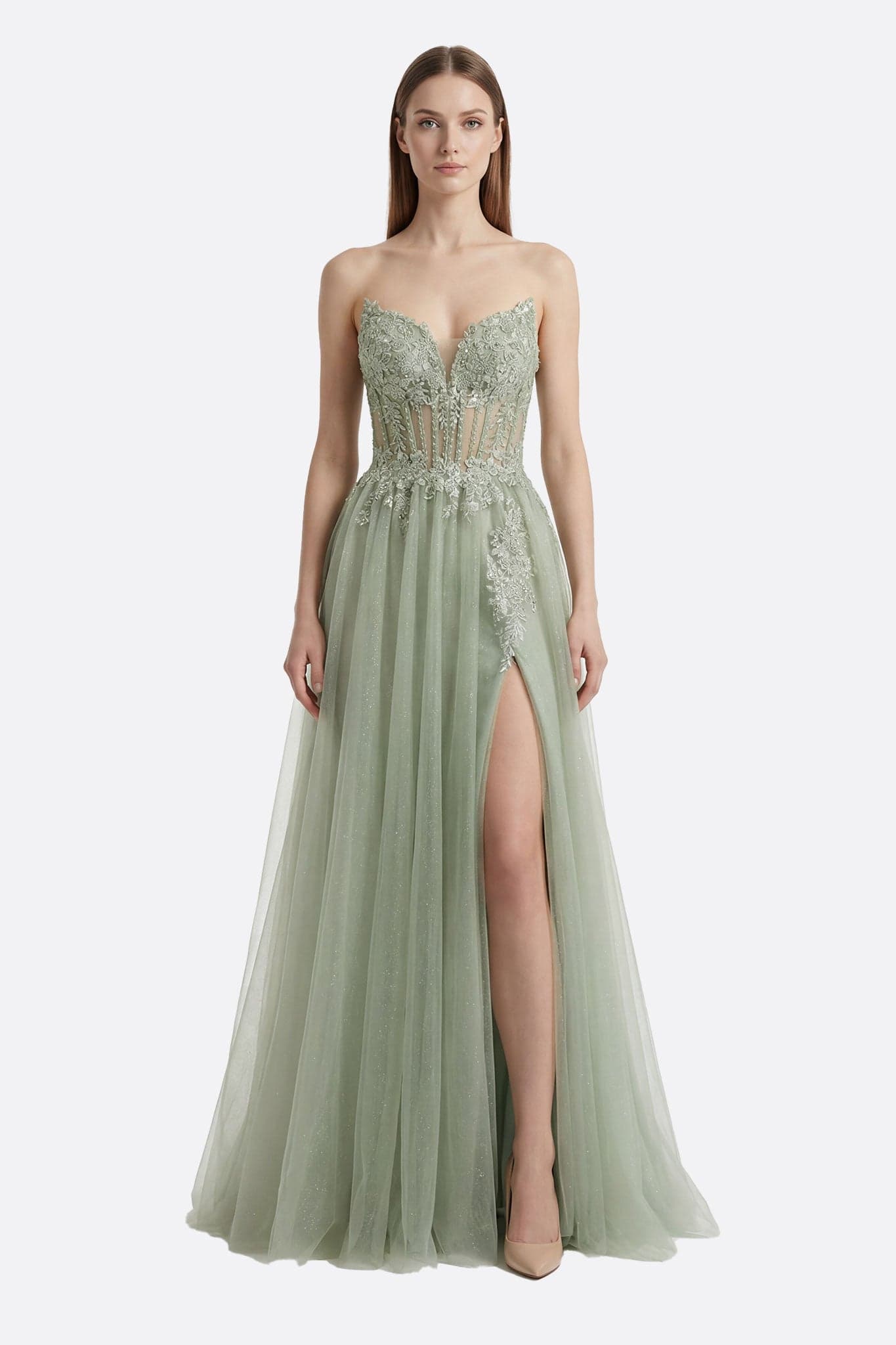
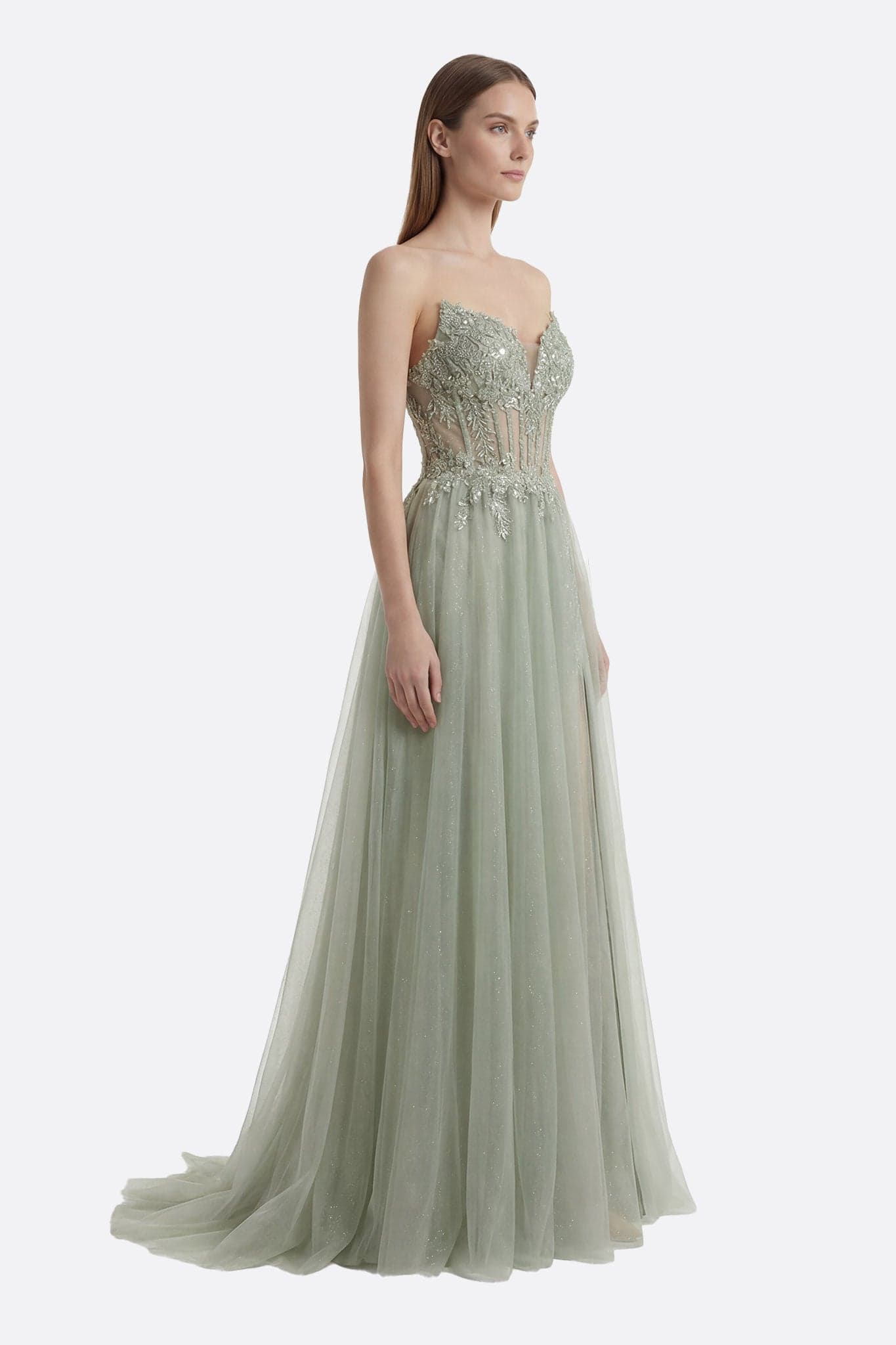
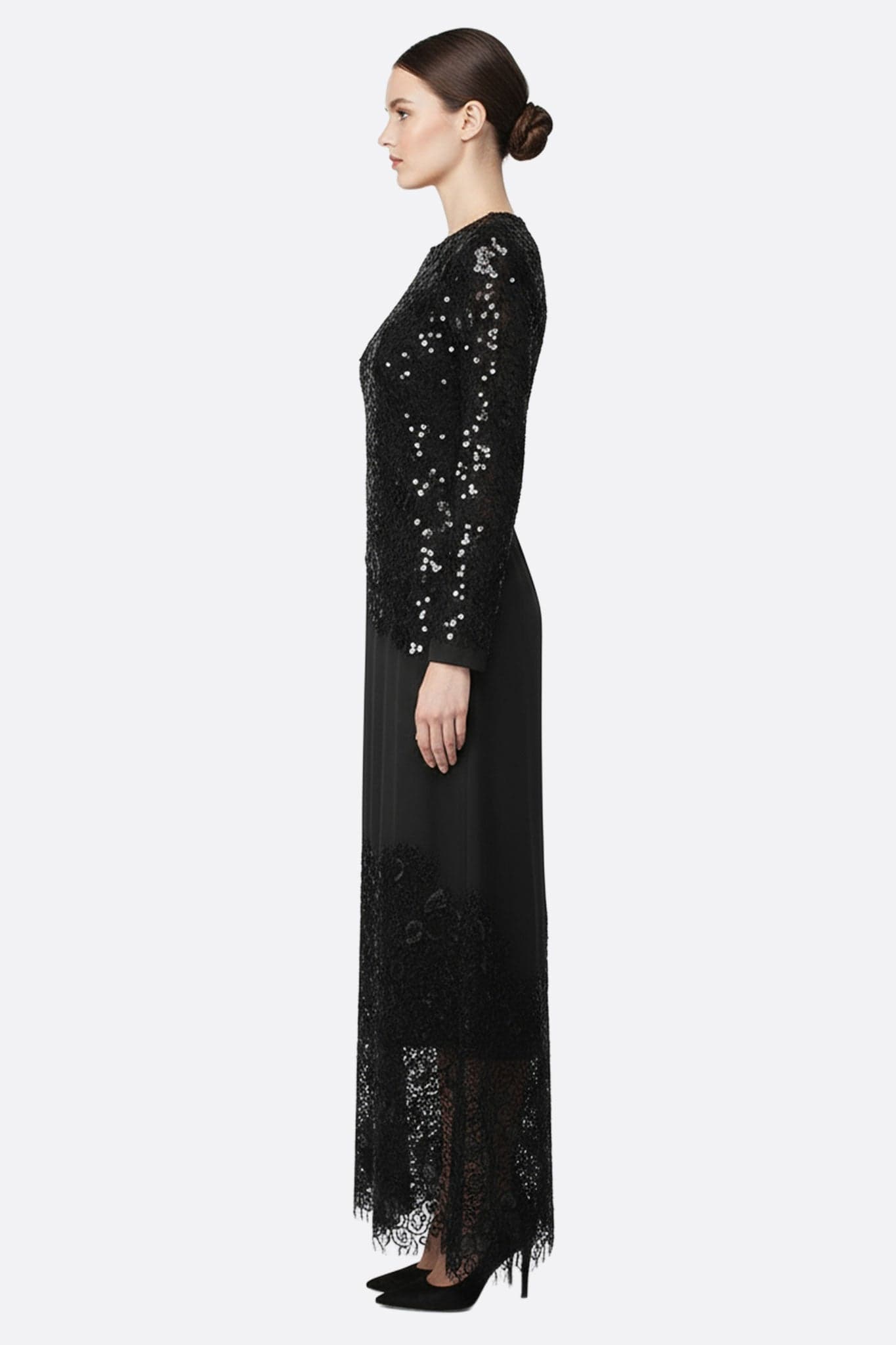
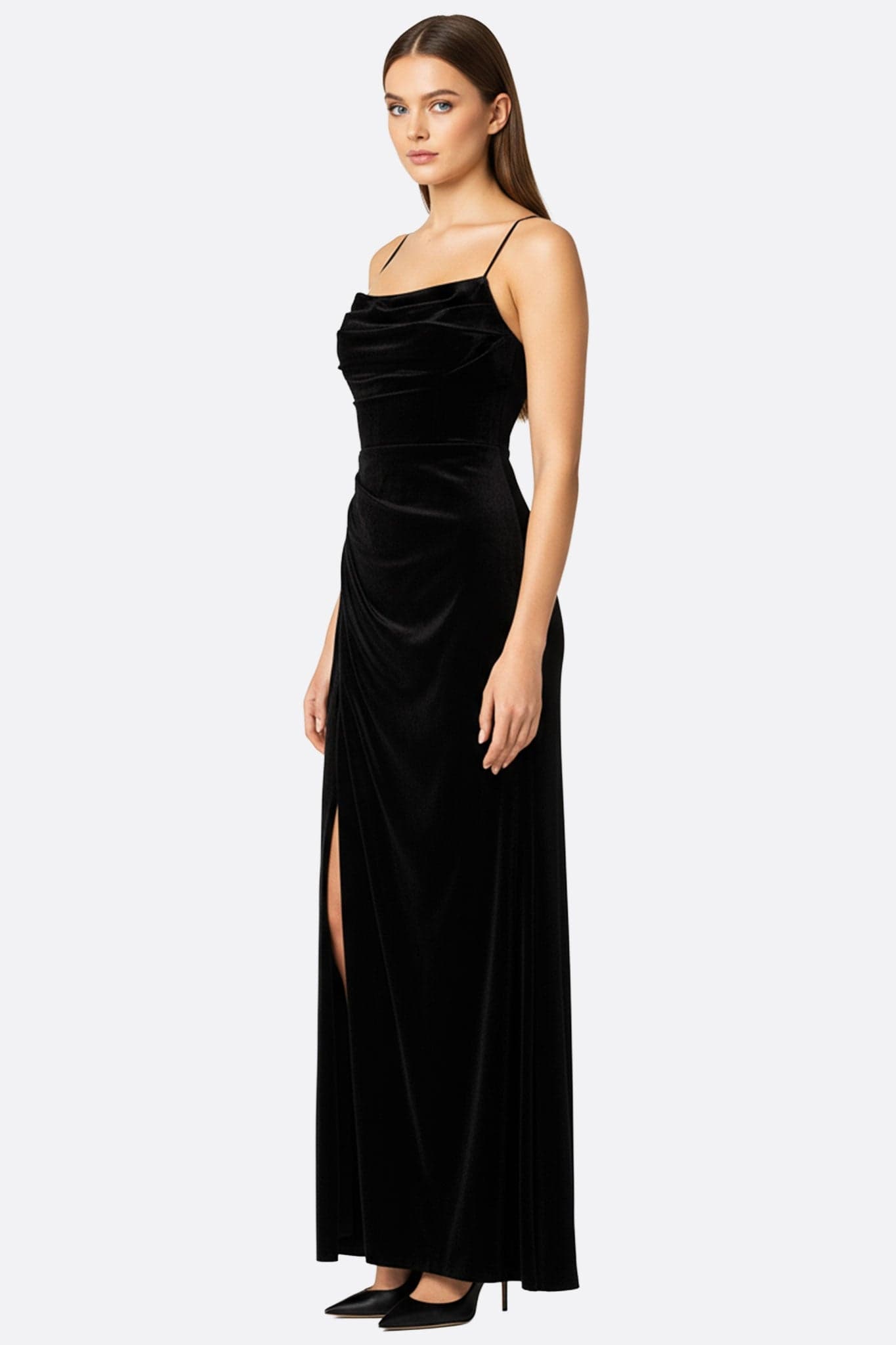
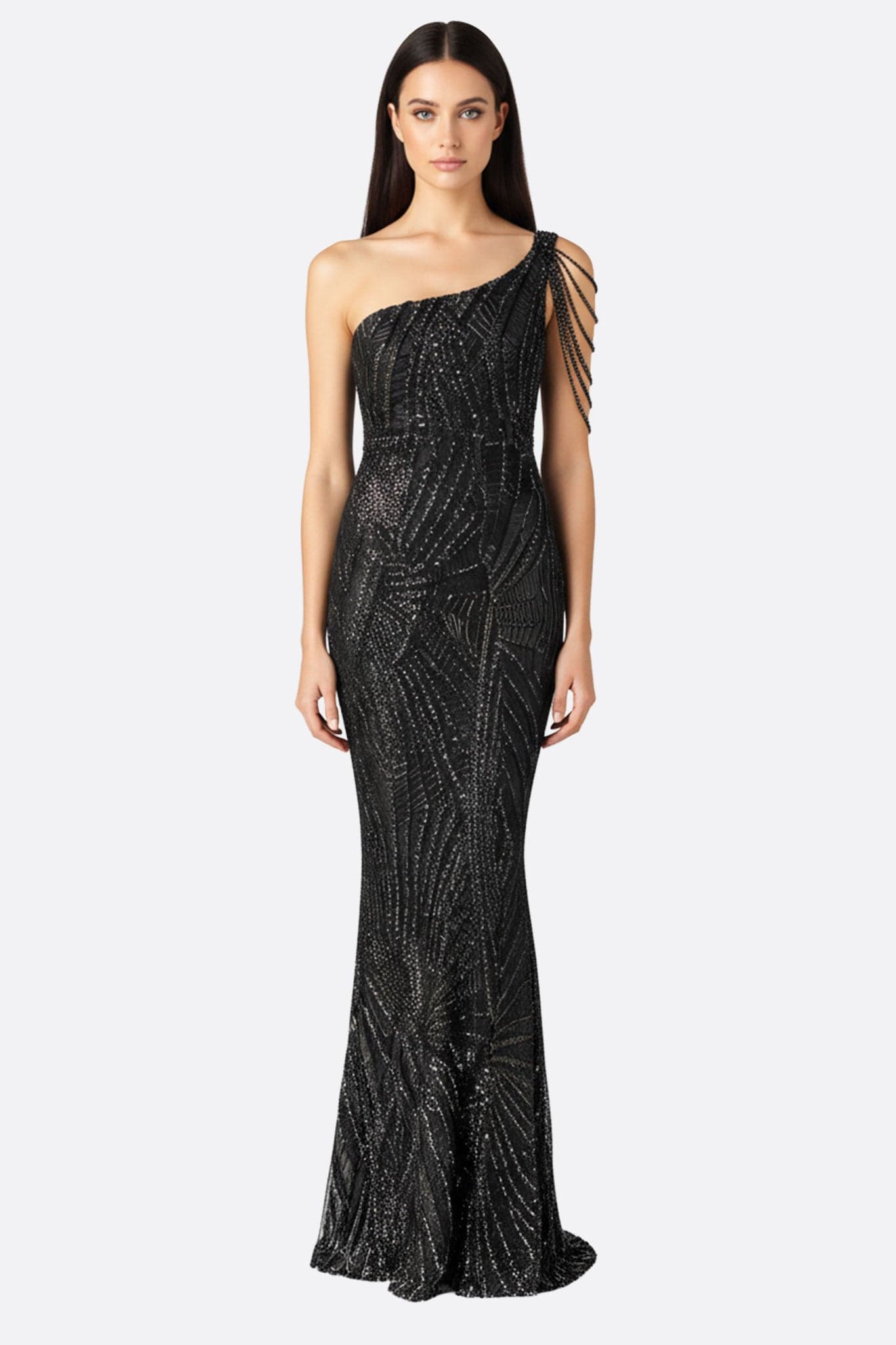
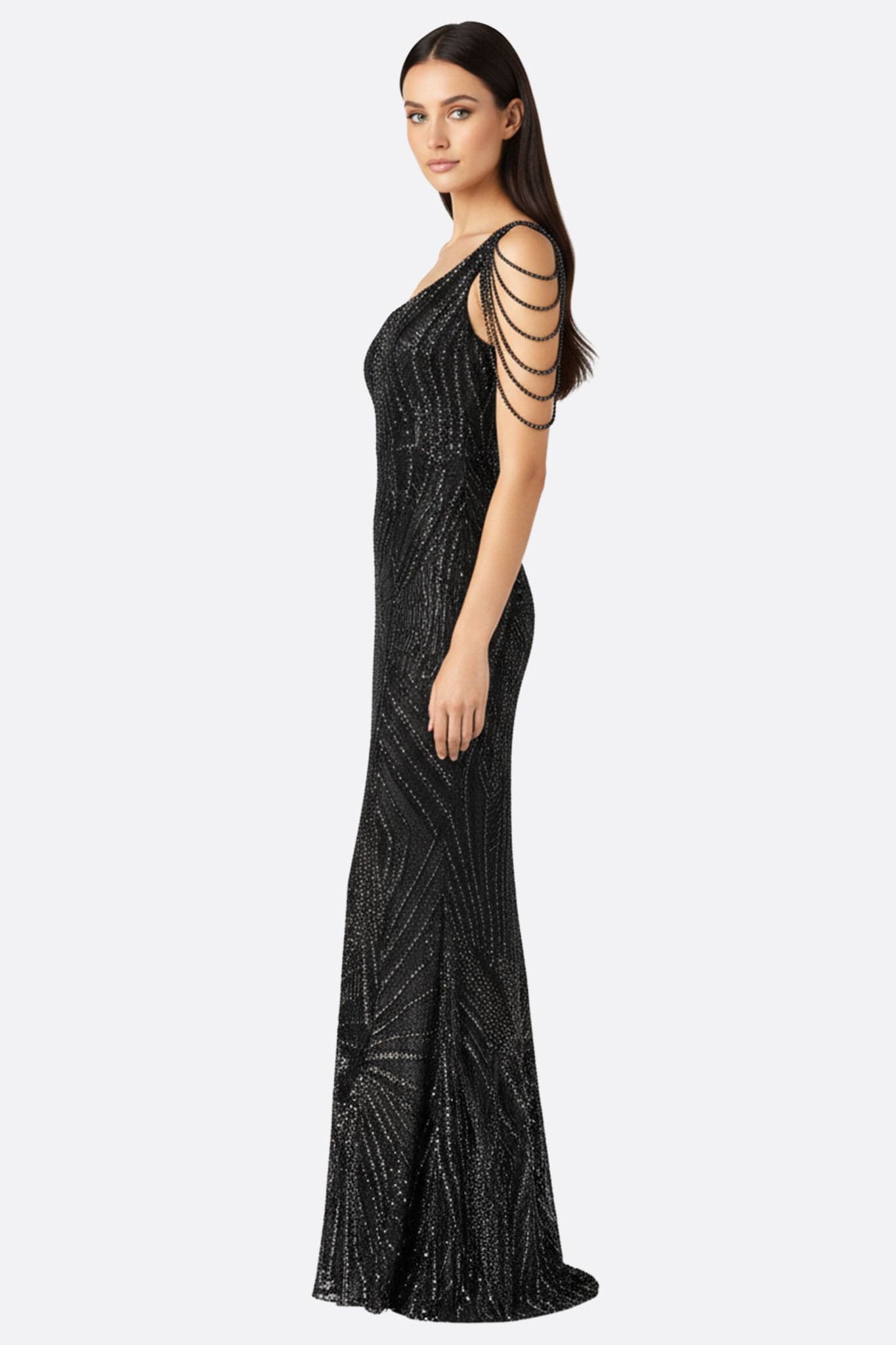
Cocktail (5pm-9pm): knee to midi-length dress, dressy fabrics but no long silk or heavy velvet required. Black-tie (formal evening after 8pm): long dress recommended (ankle to floor), evening fabrics (satin, velvet, chiffon), jewelry accessories. In summary: cocktail = short dressy dress. Black-tie = long evening dress. An intermediate "cocktail-dinner" code accepts both lengths.