Fast & secure deliveryFree shipping in France from €99Easy returns
Fast & secure deliveryFree shipping in France from €99Easy returns
Blue swimsuits
Women's Blue Swimsuit: Physical in Water and Bright Shades
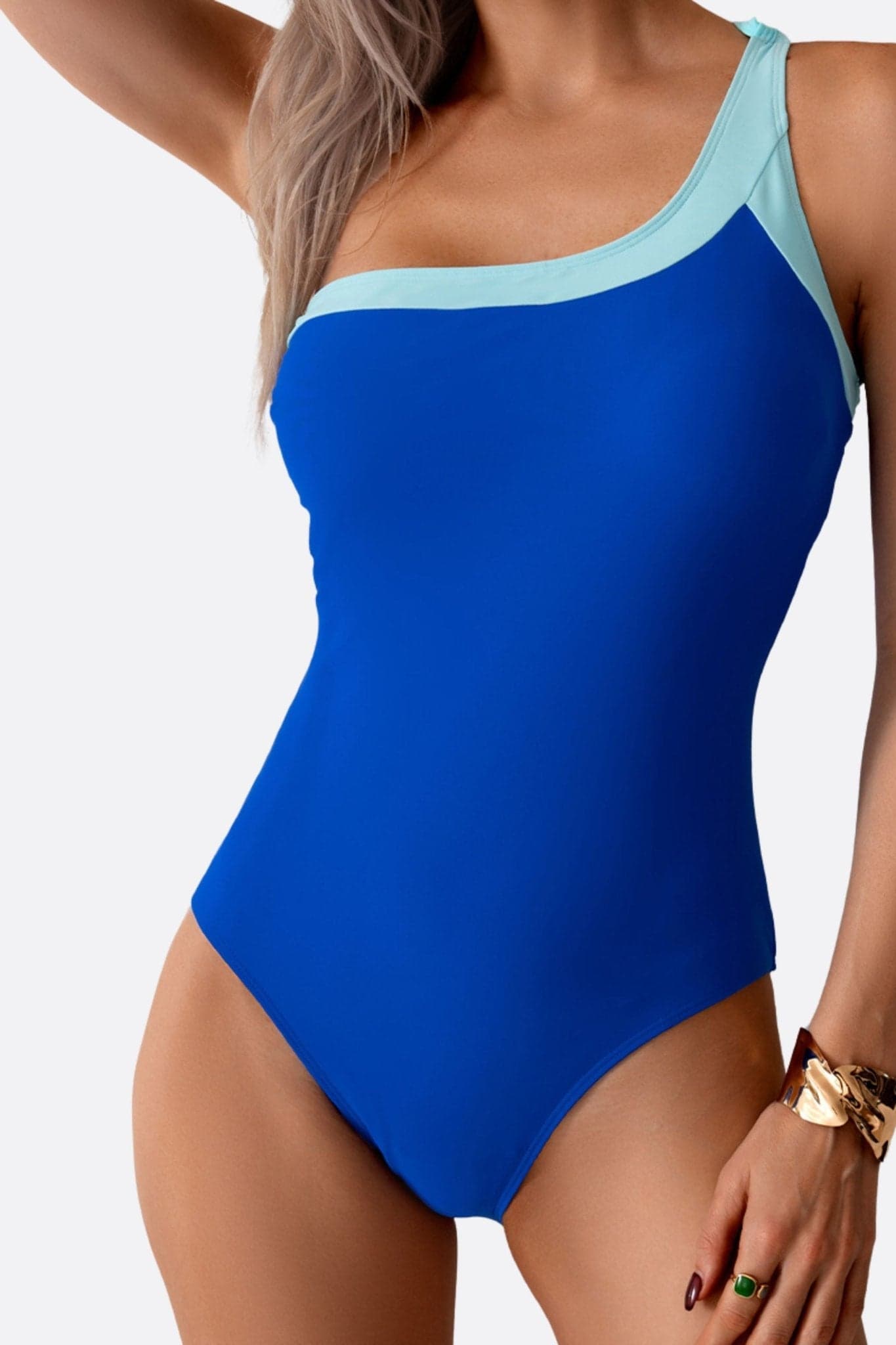
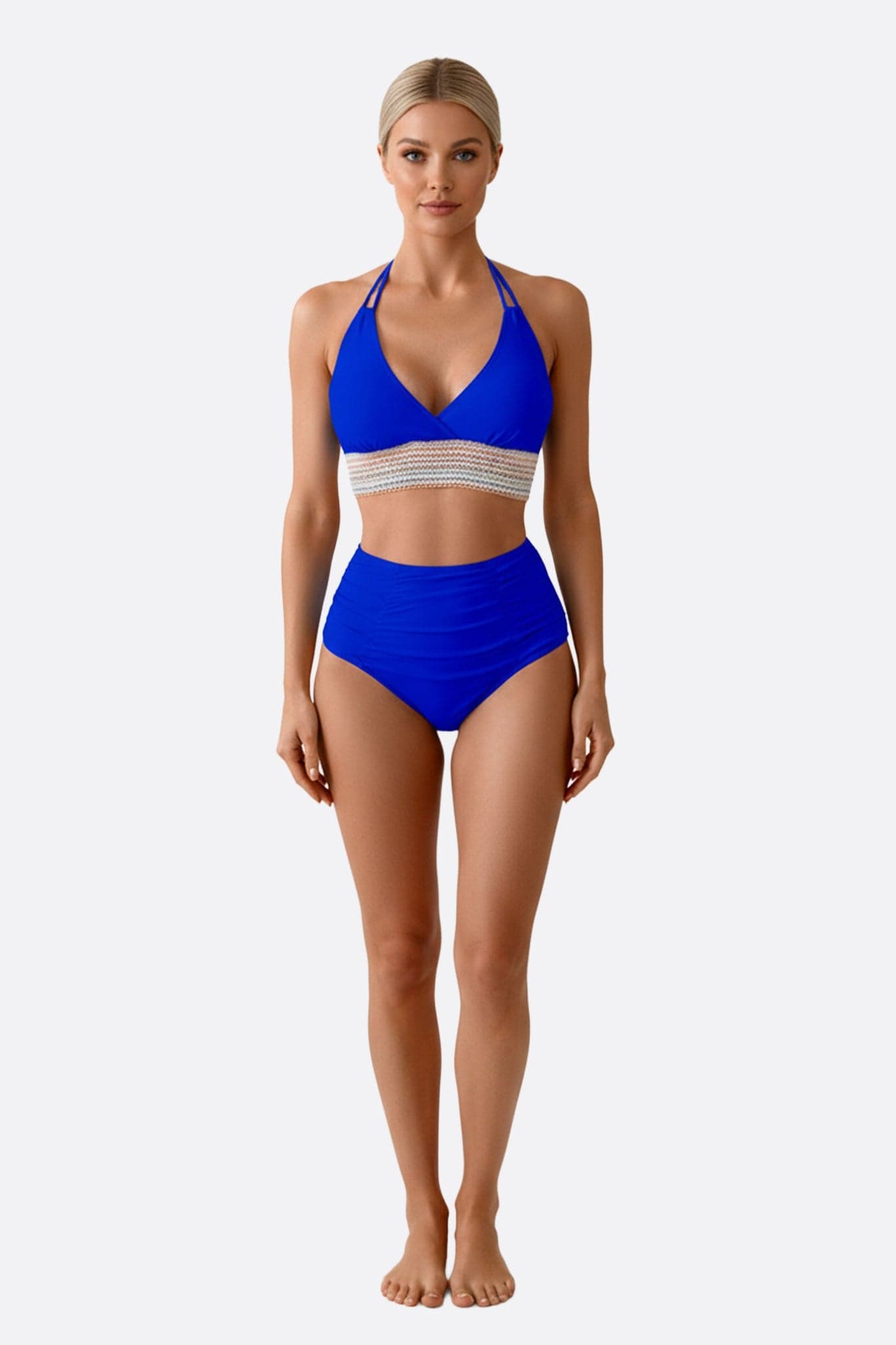
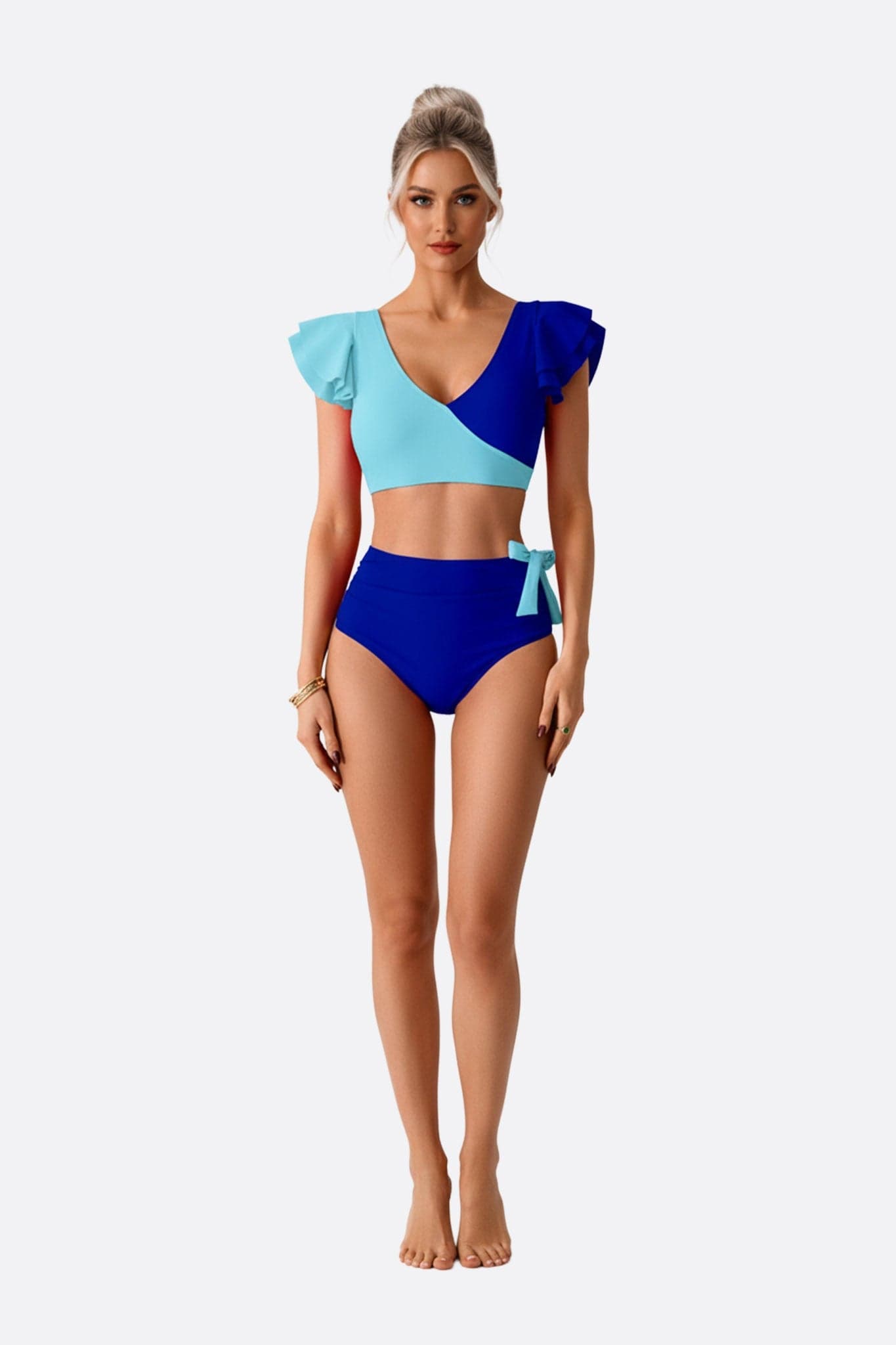
Blue is the only swimsuit color that intensifies in its natural environment. In sea or pool water, blue absorbs the least in the aquatic visible spectrum: it appears more saturated, deeper than on the beach. Navy blue = contrast with clear sea, visual marker. Electric Klein blue = vibrant under the sun, identifiable from afar. Petrol/teal blue = unique under the low light of late afternoon. Each shade has a distinct optical behavior depending on the context.
Blue is the only swimsuit color that intensifies in its natural environment. In sea or pool water, blue absorbs the least in the aquatic visible spectrum: it appears more saturated, deeper than on the beach. Navy blue = contrast with clear sea, visual marker. Electric Klein blue = vibrant under the sun, identifiable from afar. Petrol/teal blue = unique under the low light of late afternoon. Each shade has a distinct optical behavior depending on the context.
Physics of Blue in Water
Unique property: blue wavelengths penetrate further in water and are less absorbed than other colors. A blue swimsuit in water appears more intense than on the beach: the aquatic environment "concentrates" blues and enhances their saturation. It is the only swimsuit color that physically benefits from its usage environment. A navy blue on the pool surface becomes almost black under 1 meter of water.
4 Blues, 4 Distinct Effects
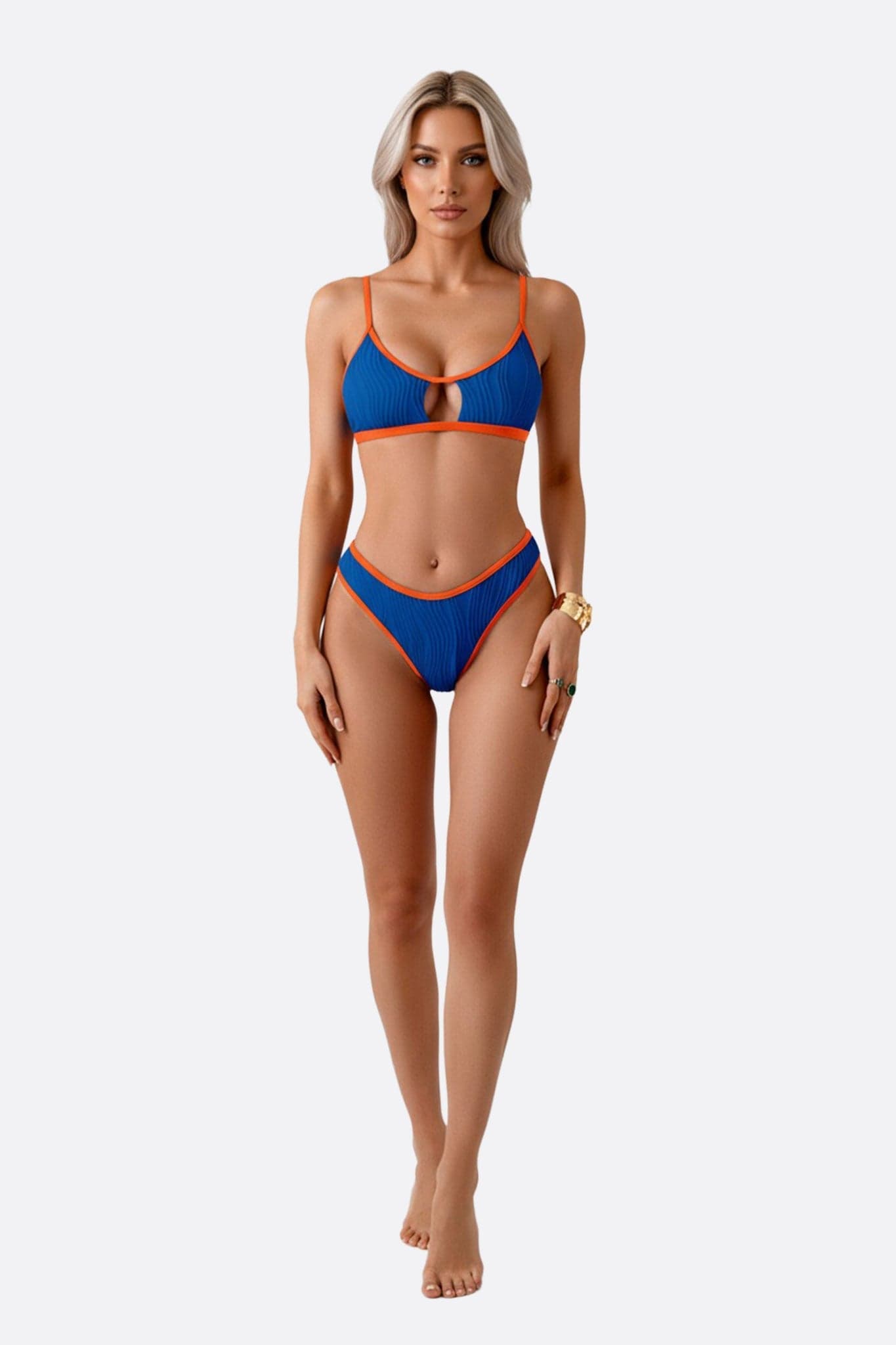
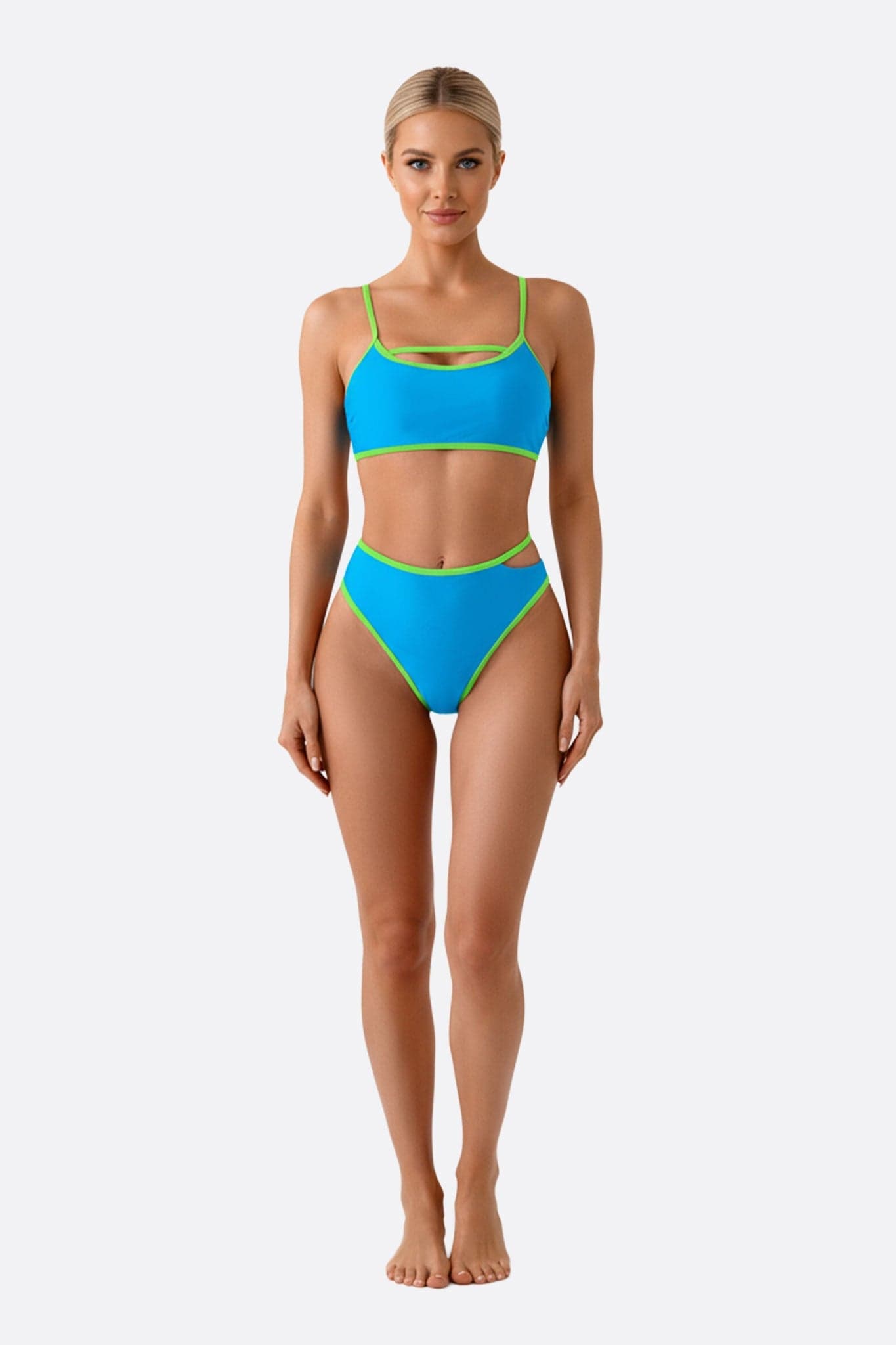
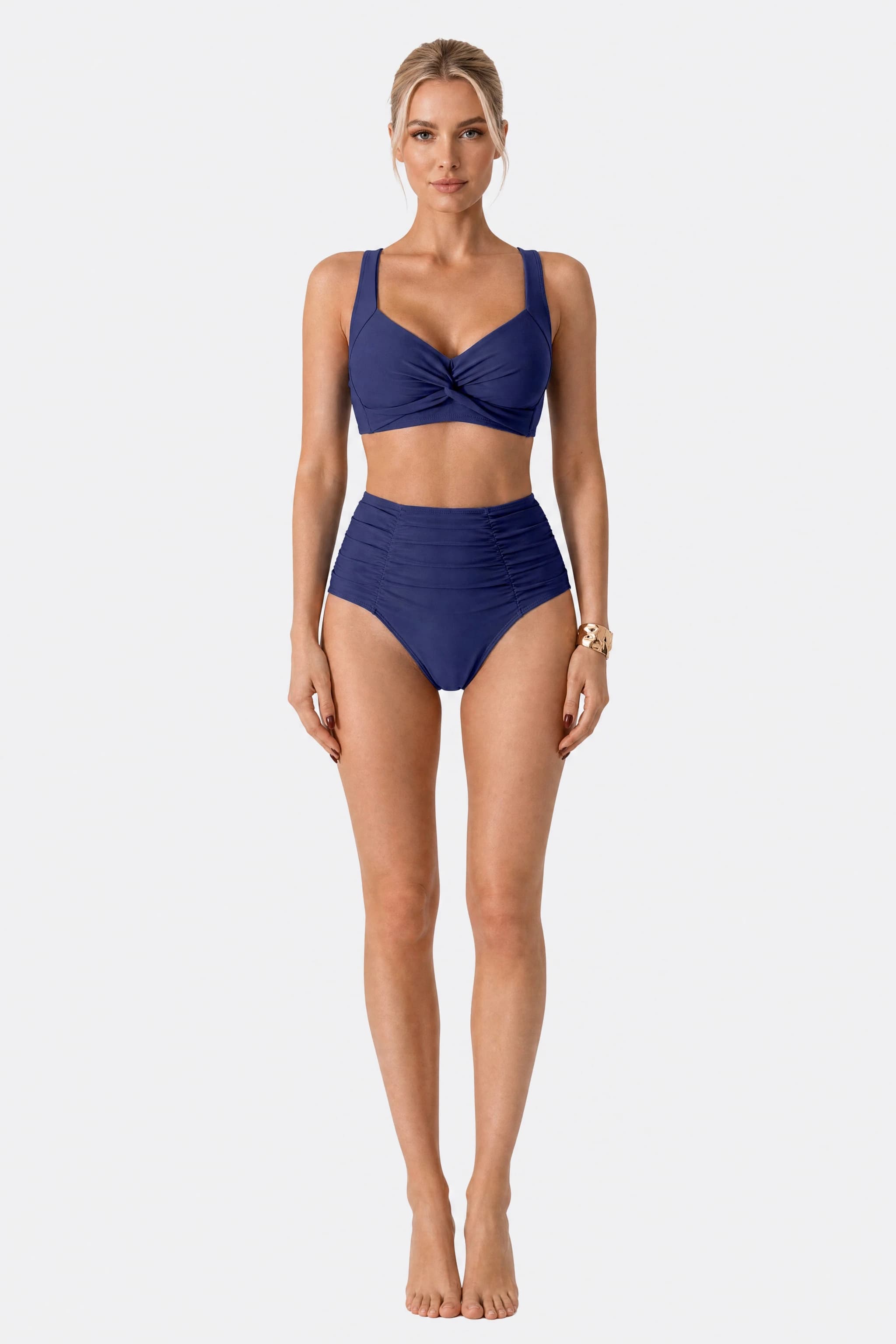
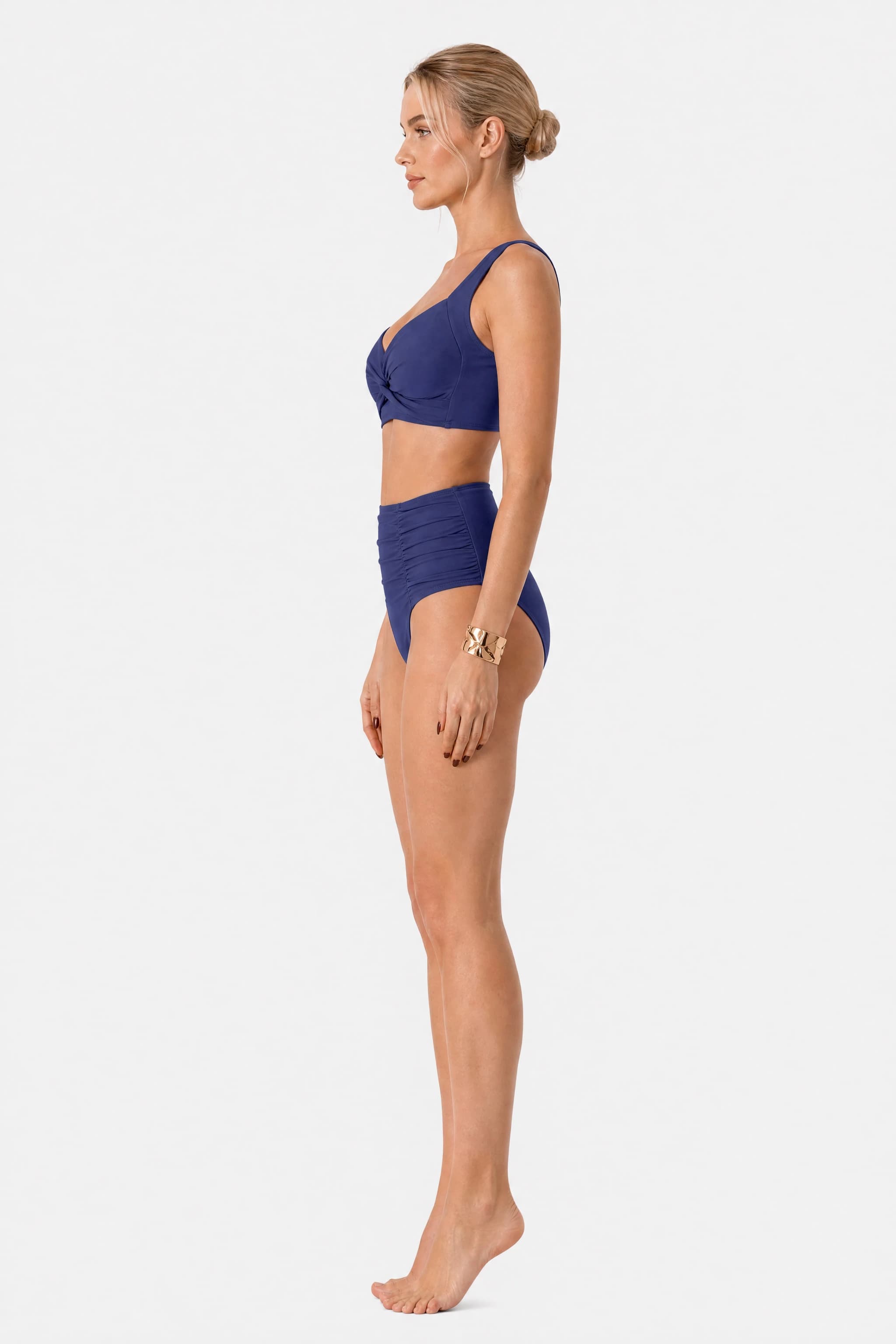
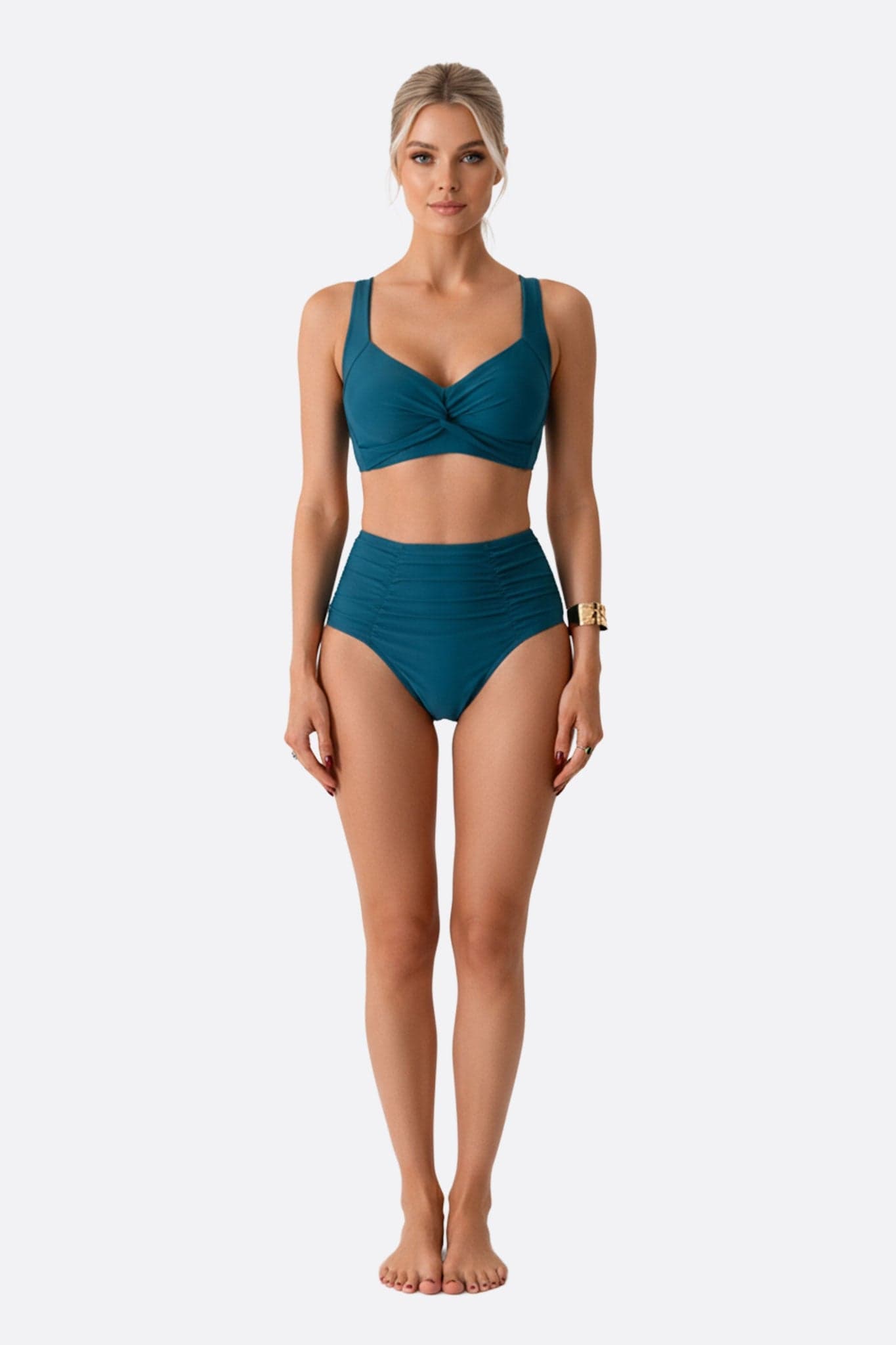
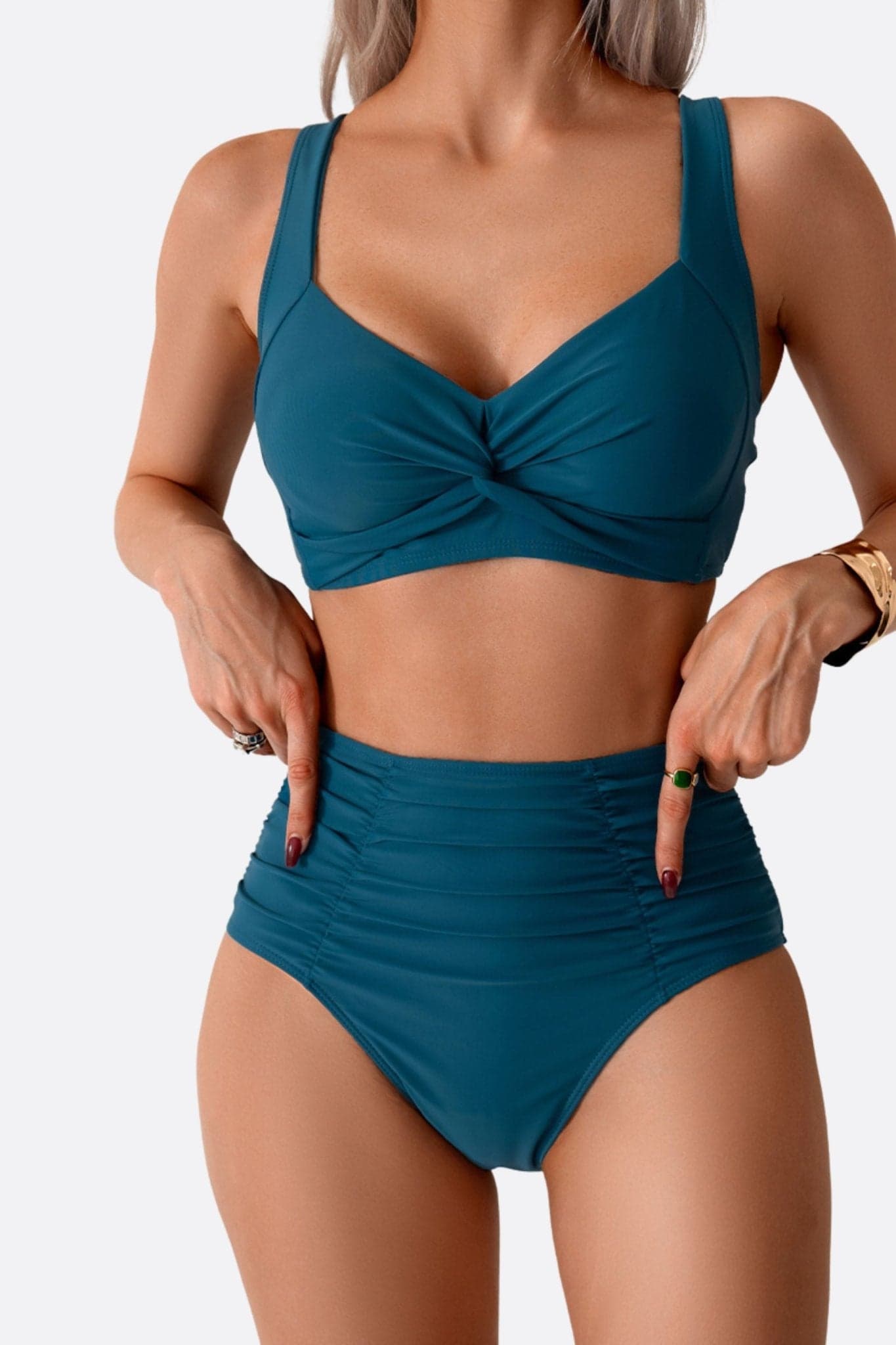
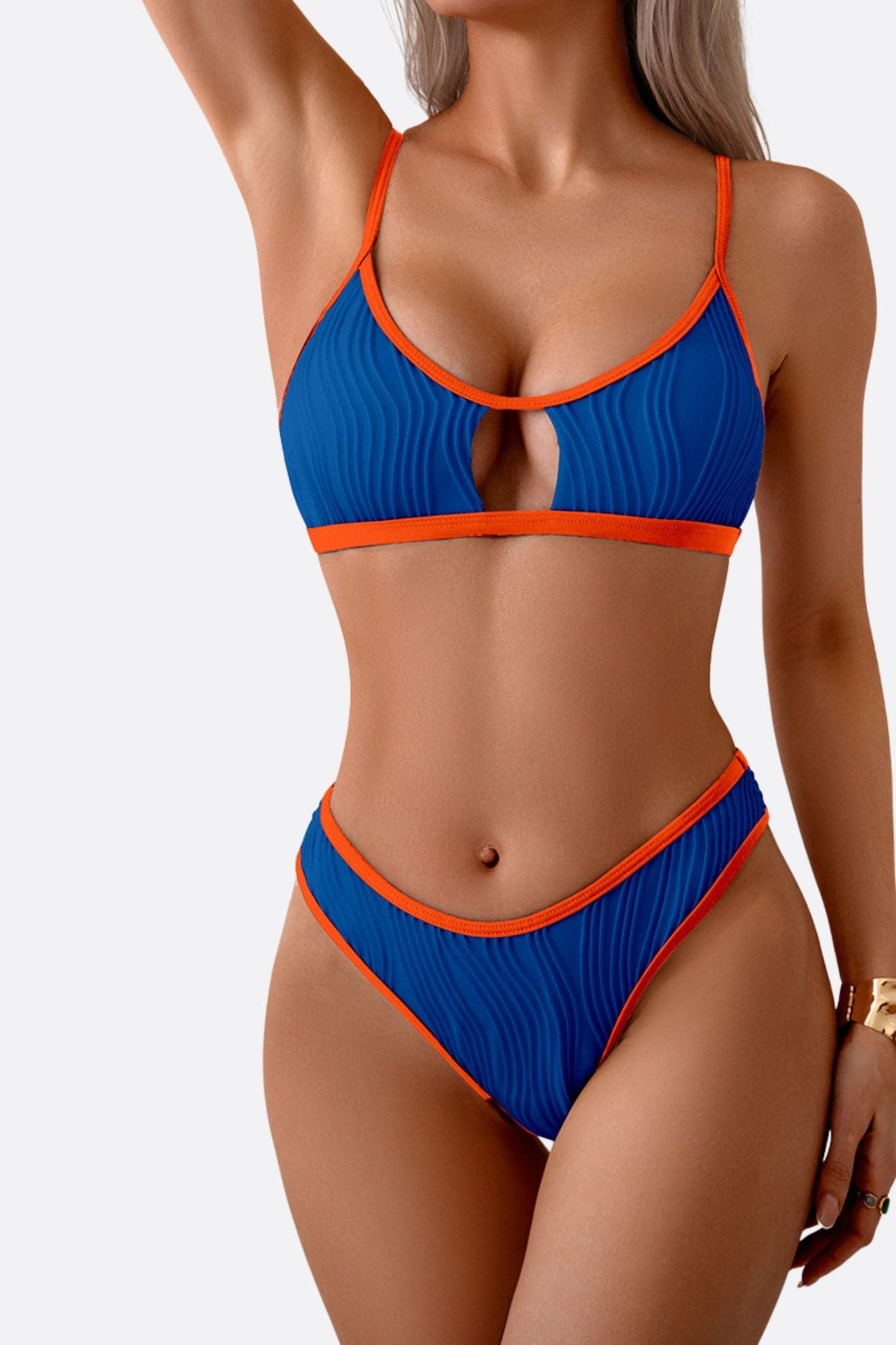
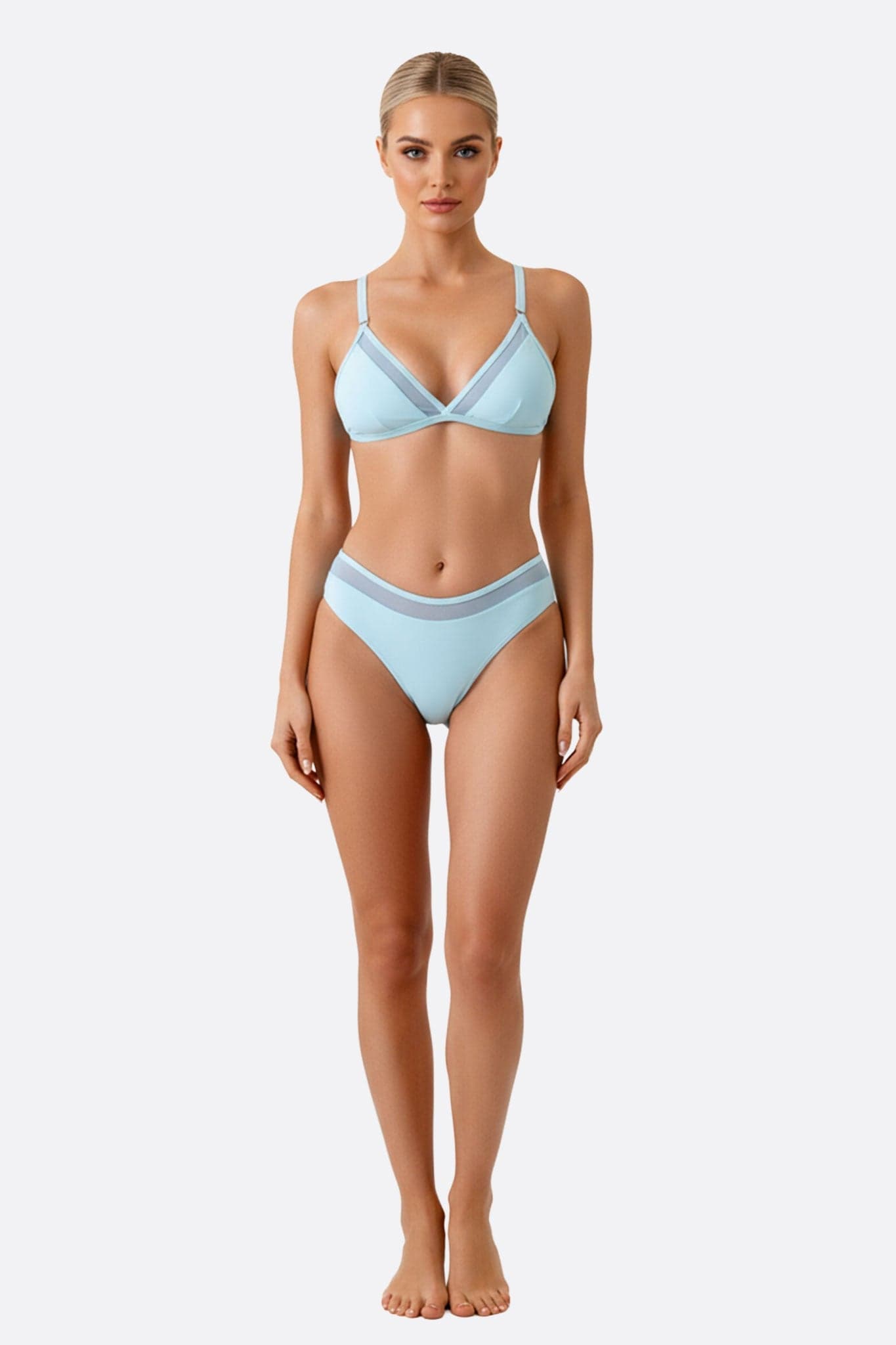
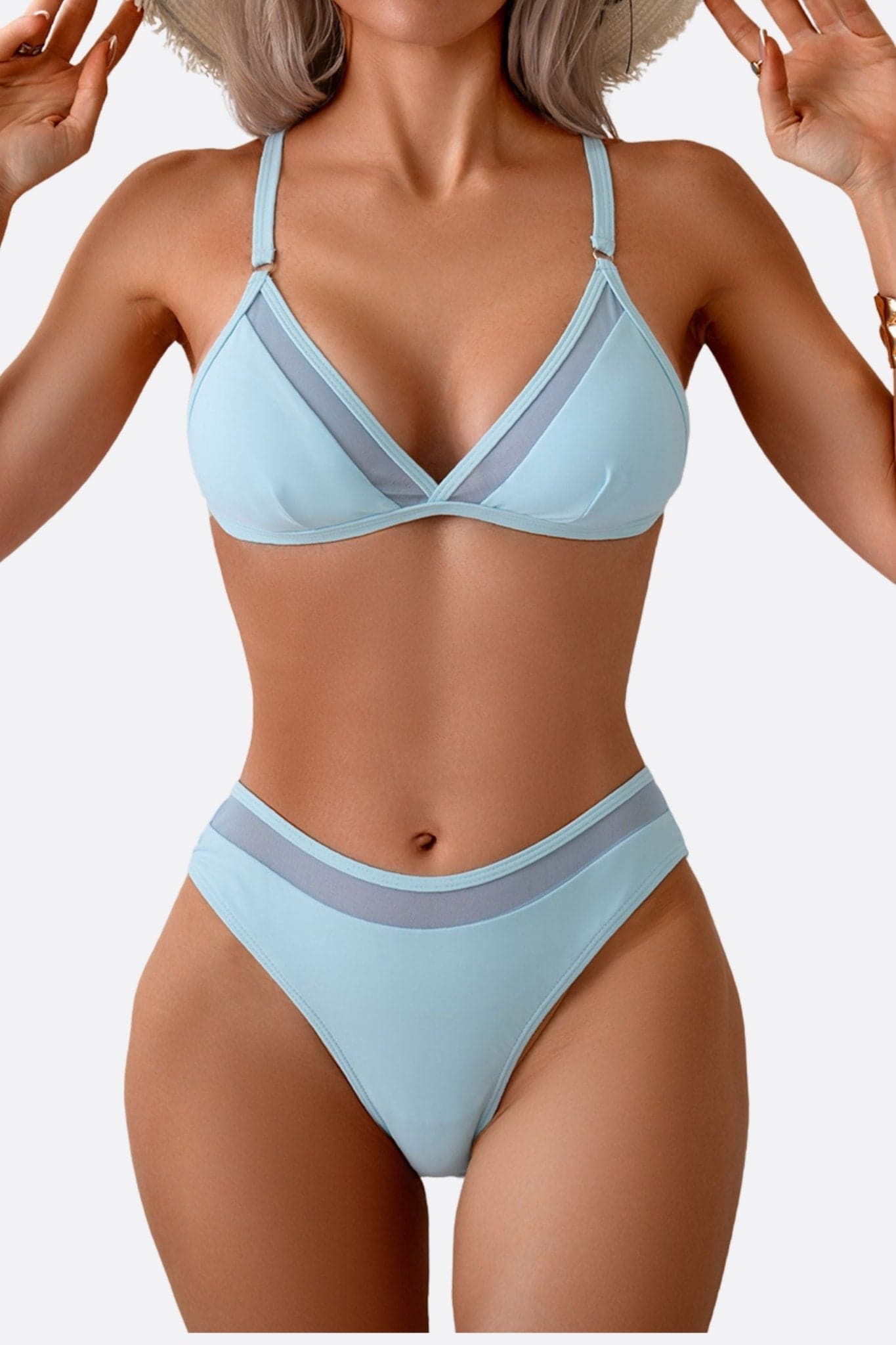
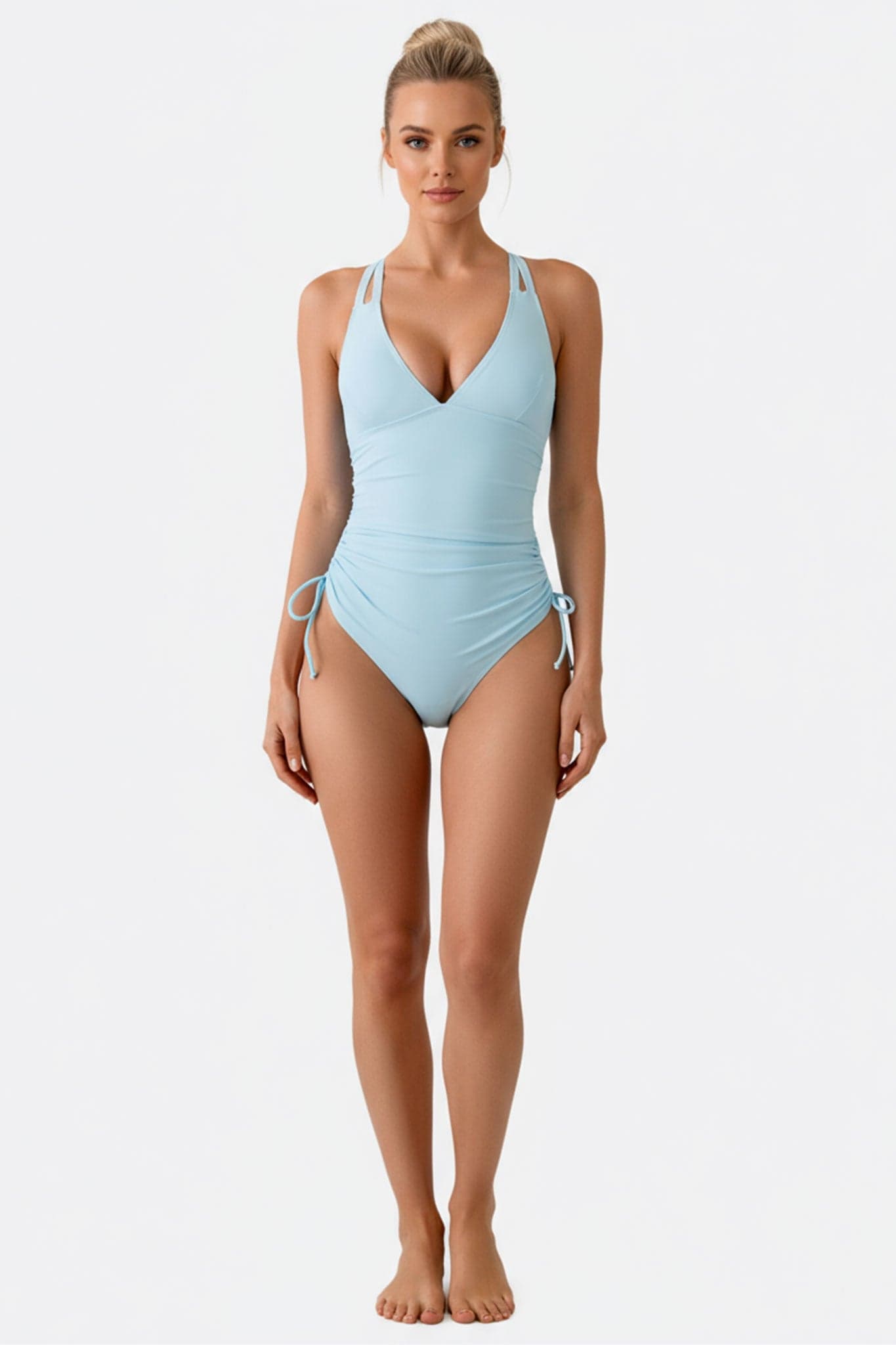
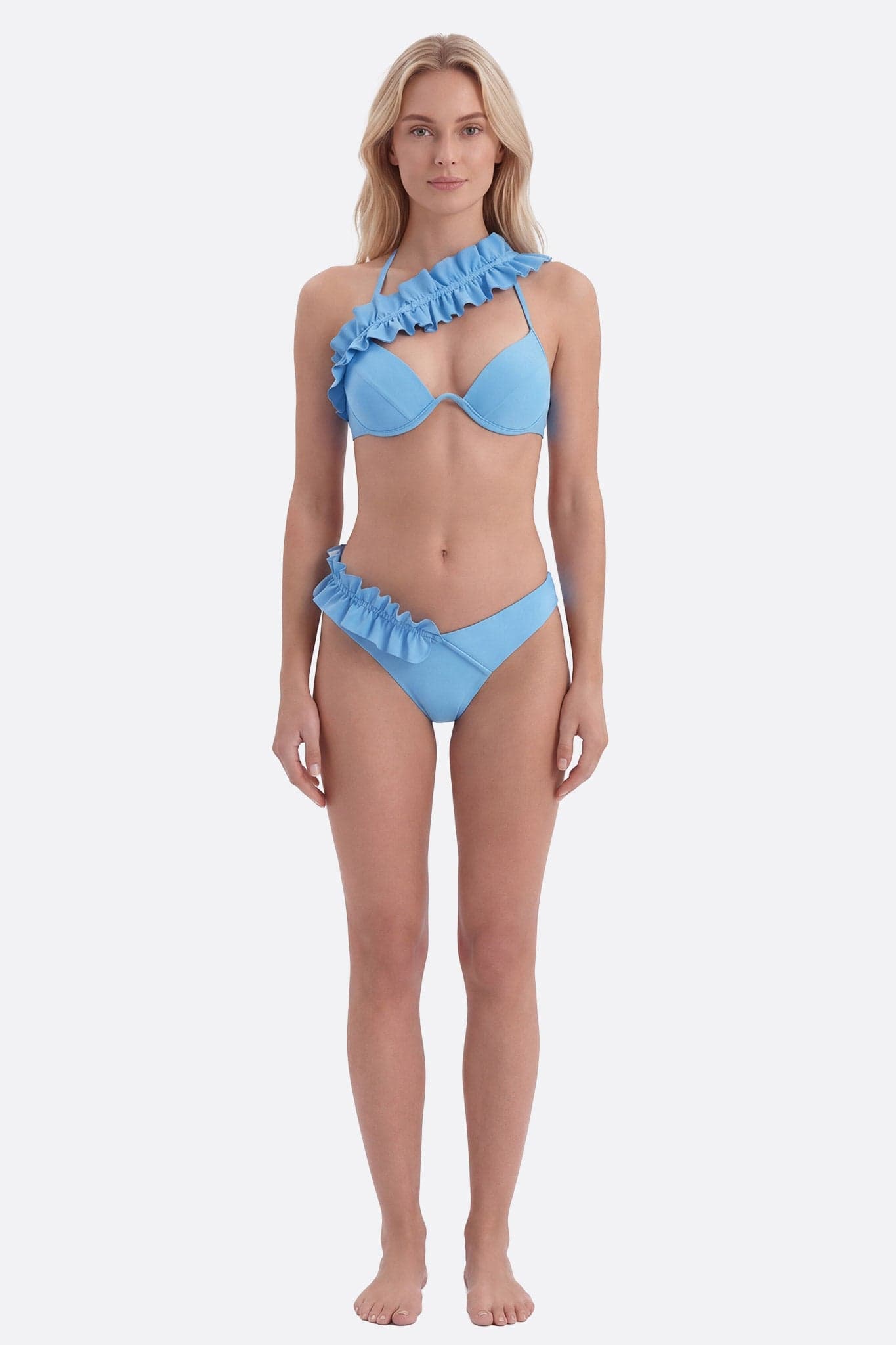
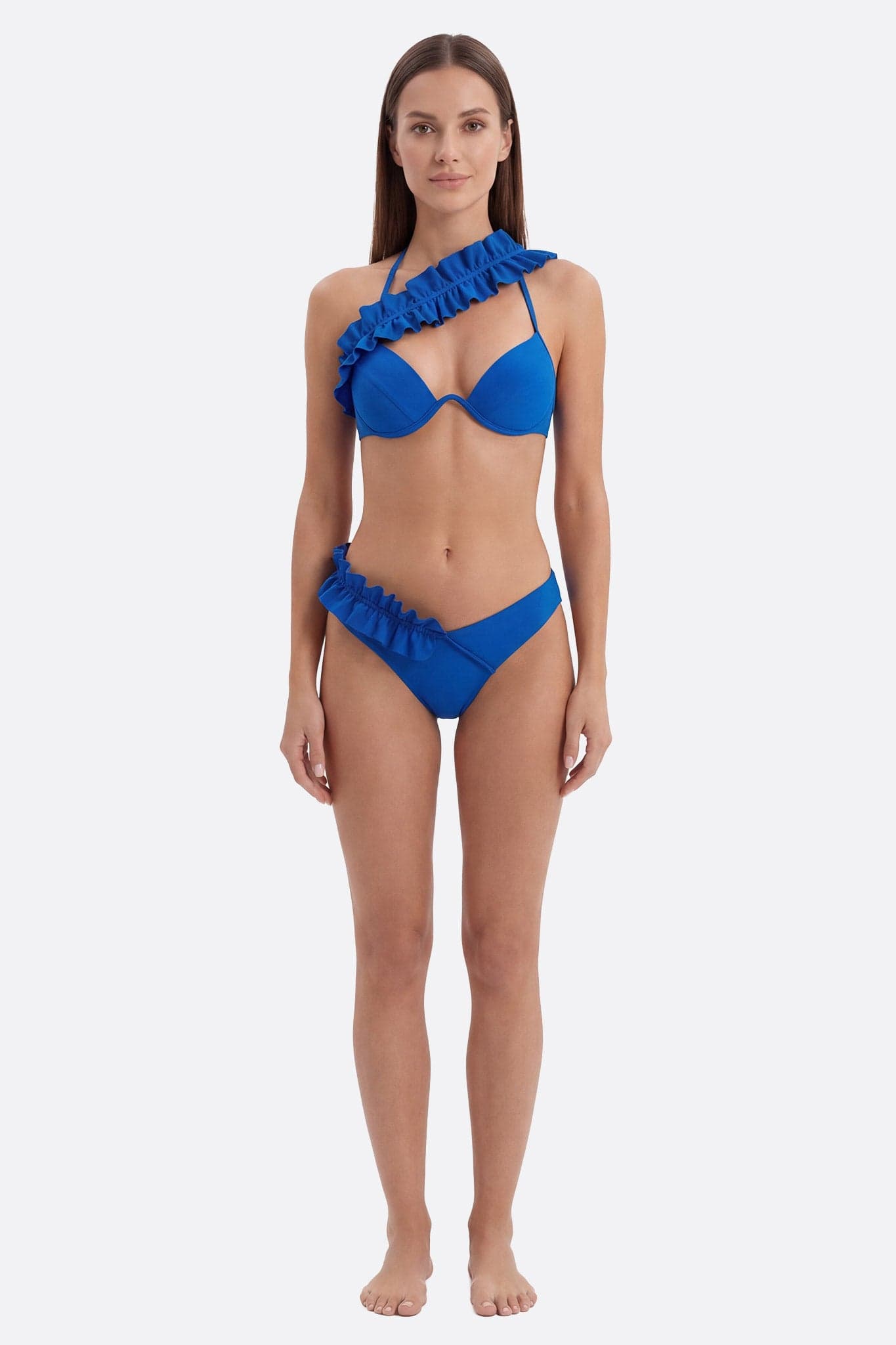
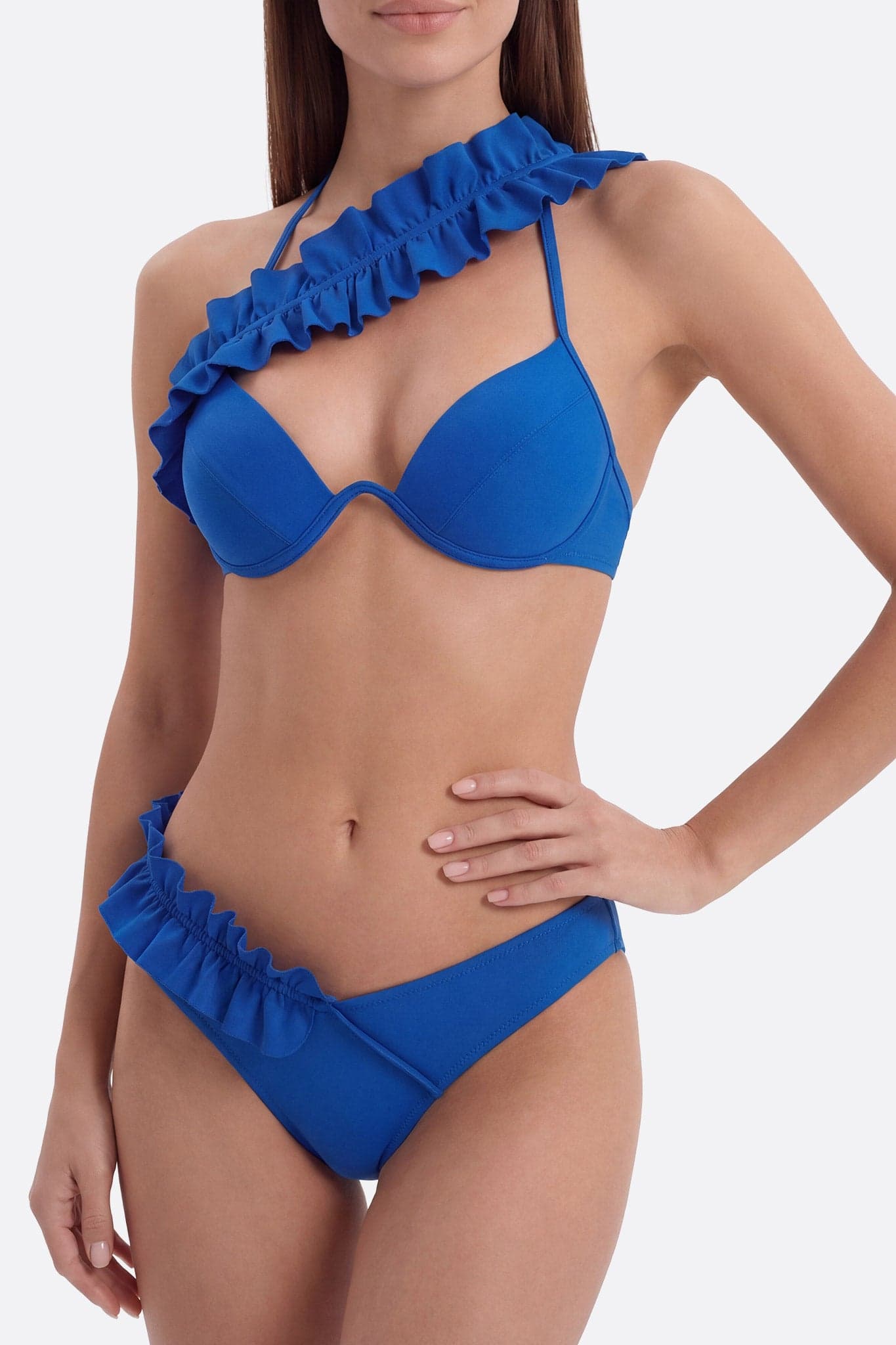
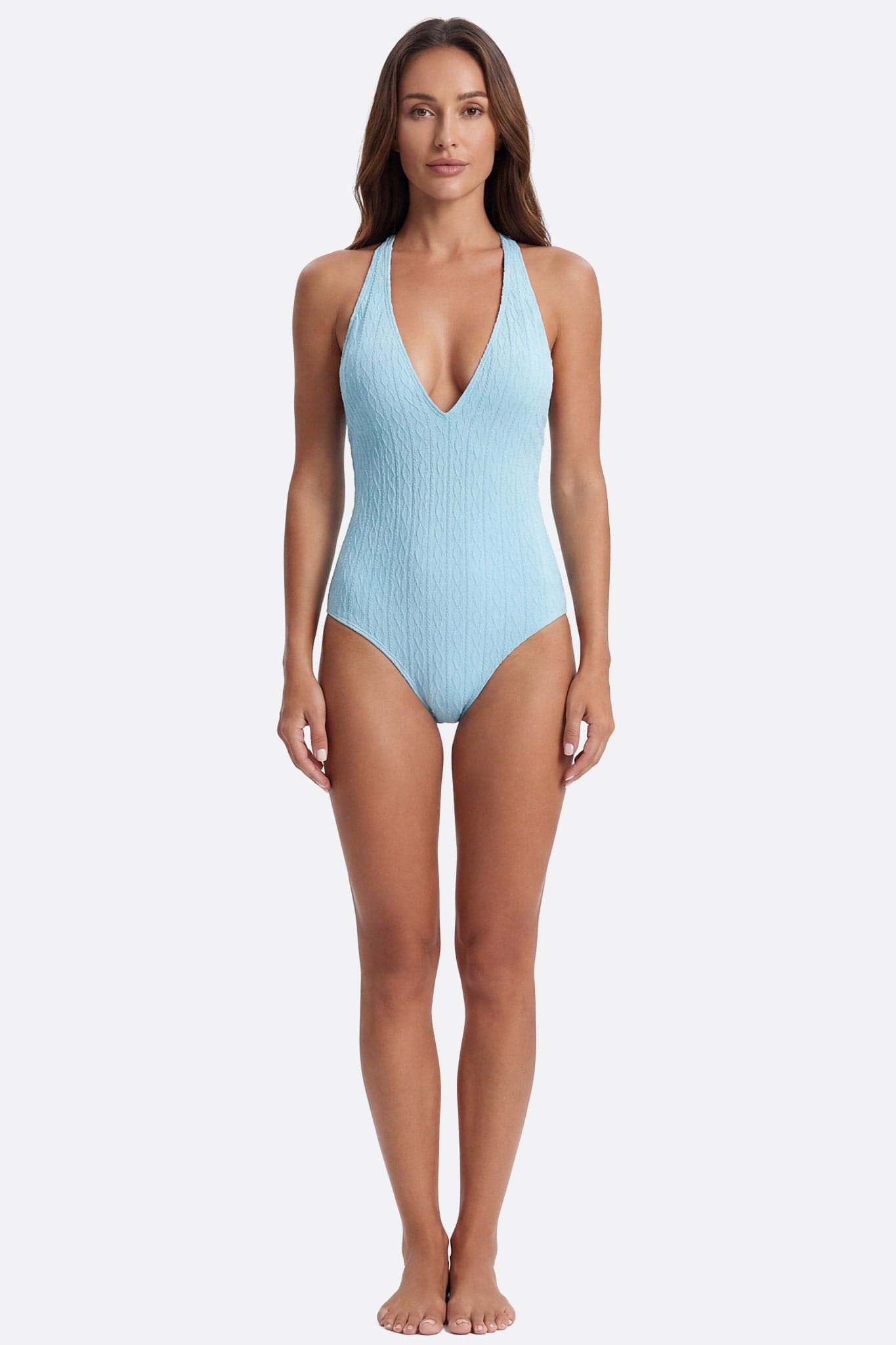
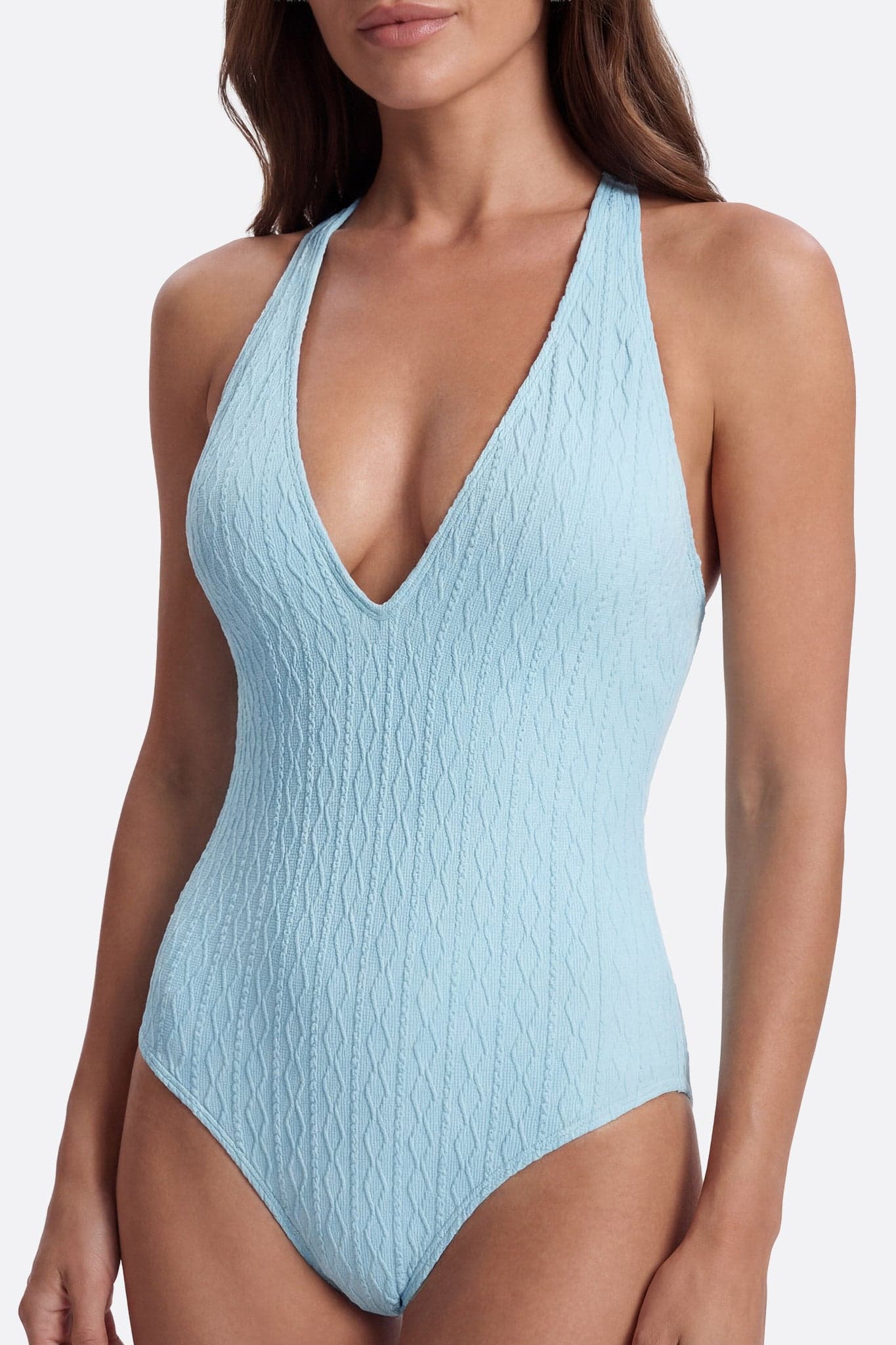
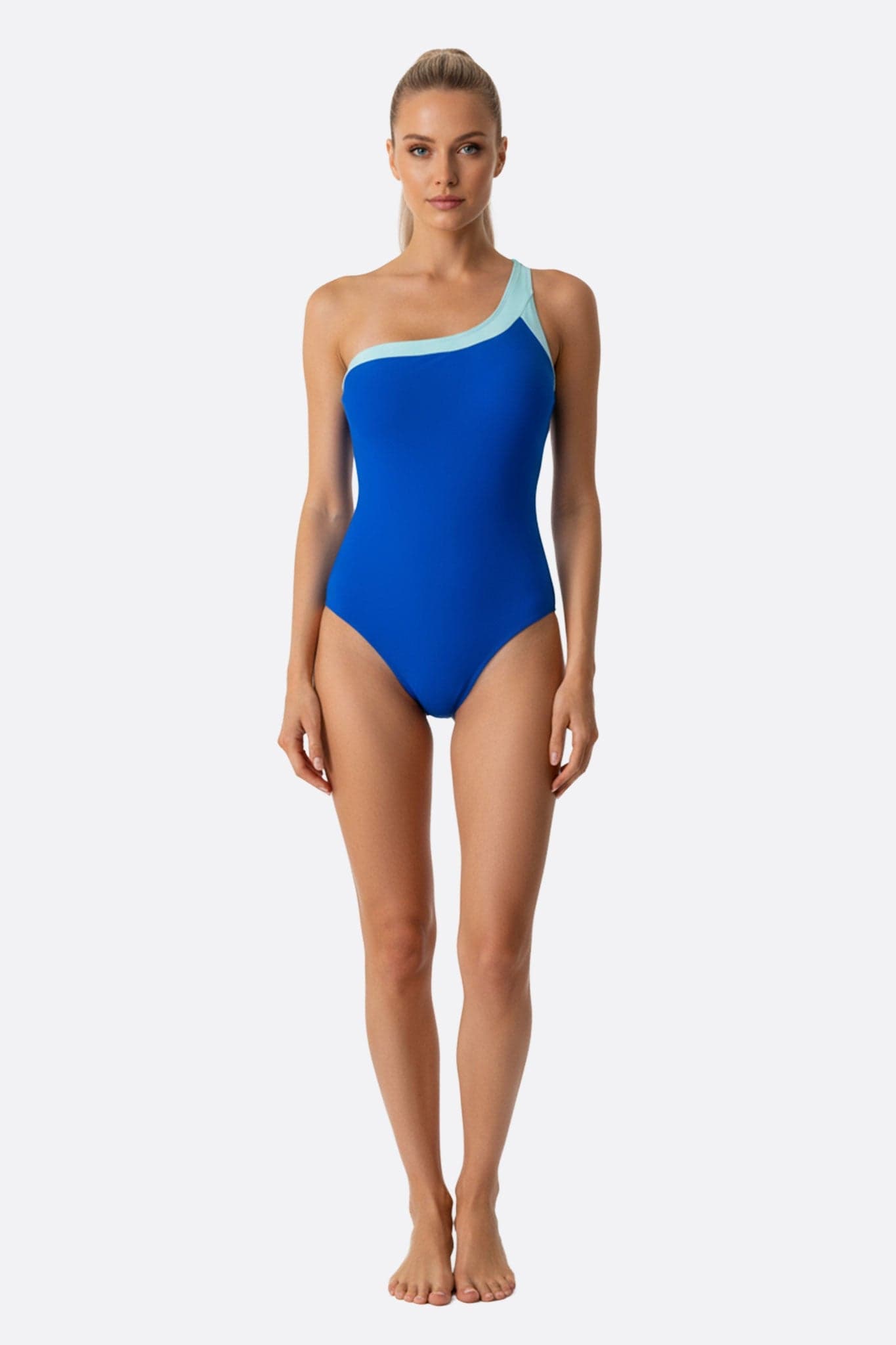
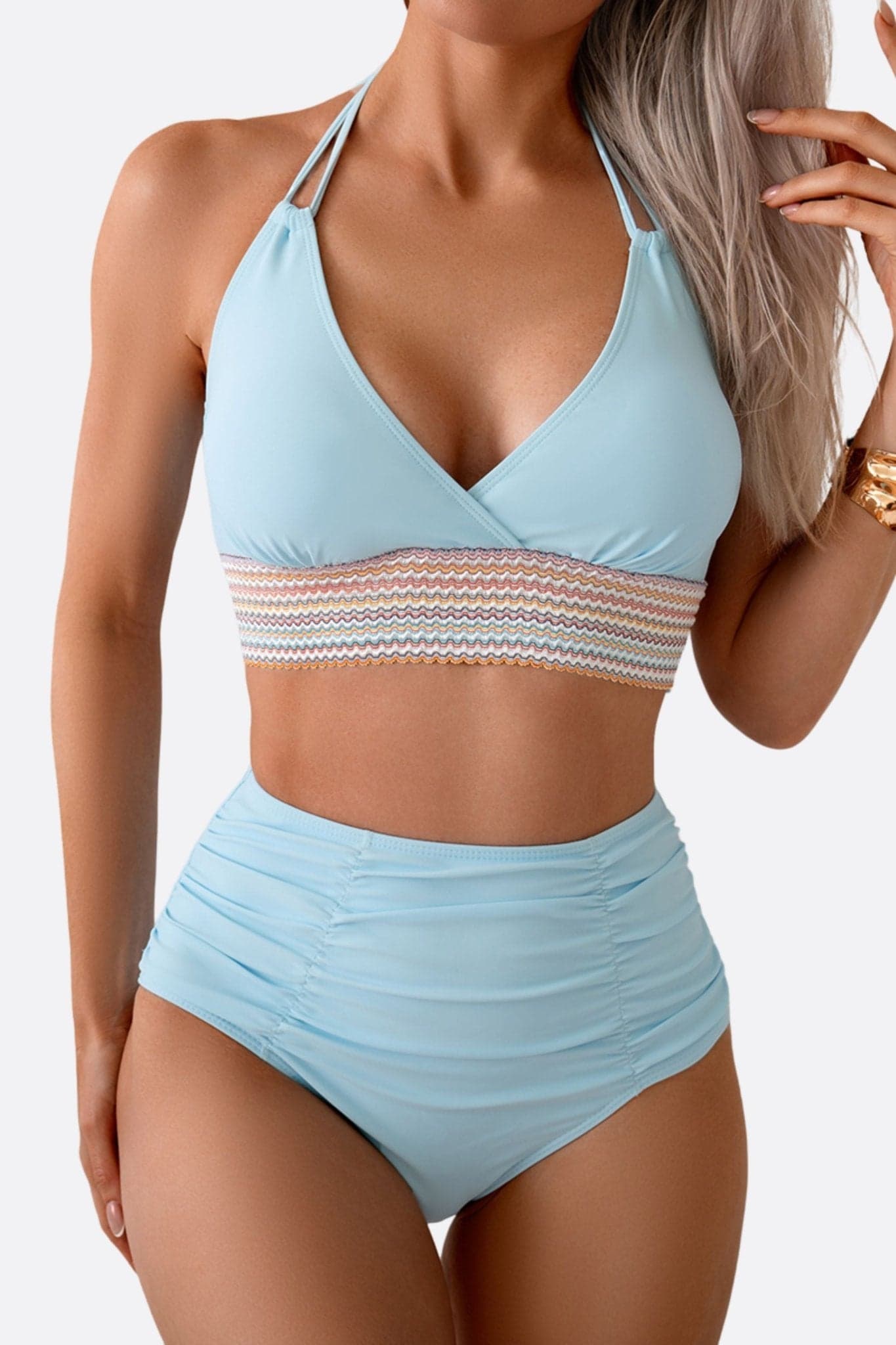
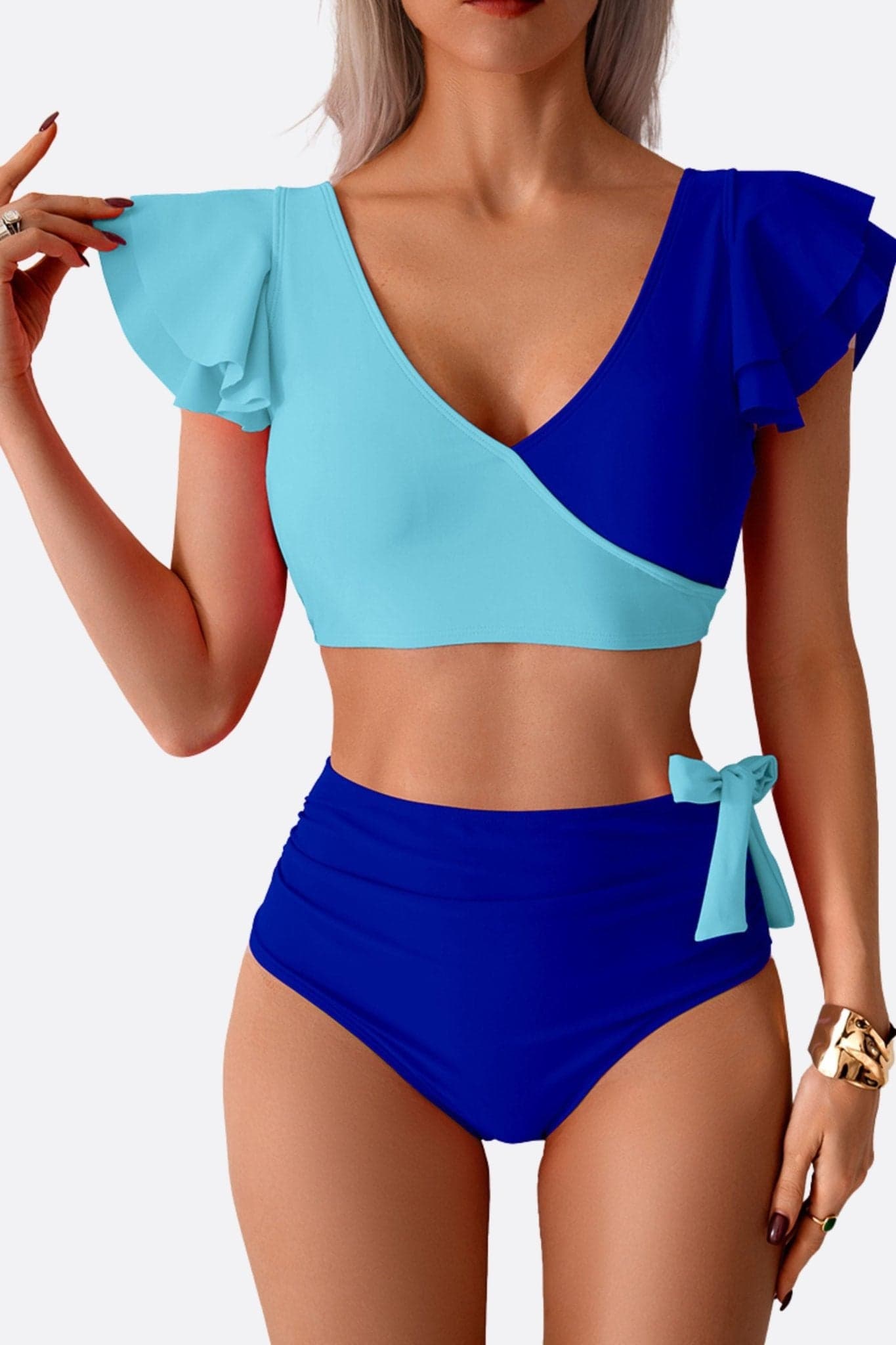
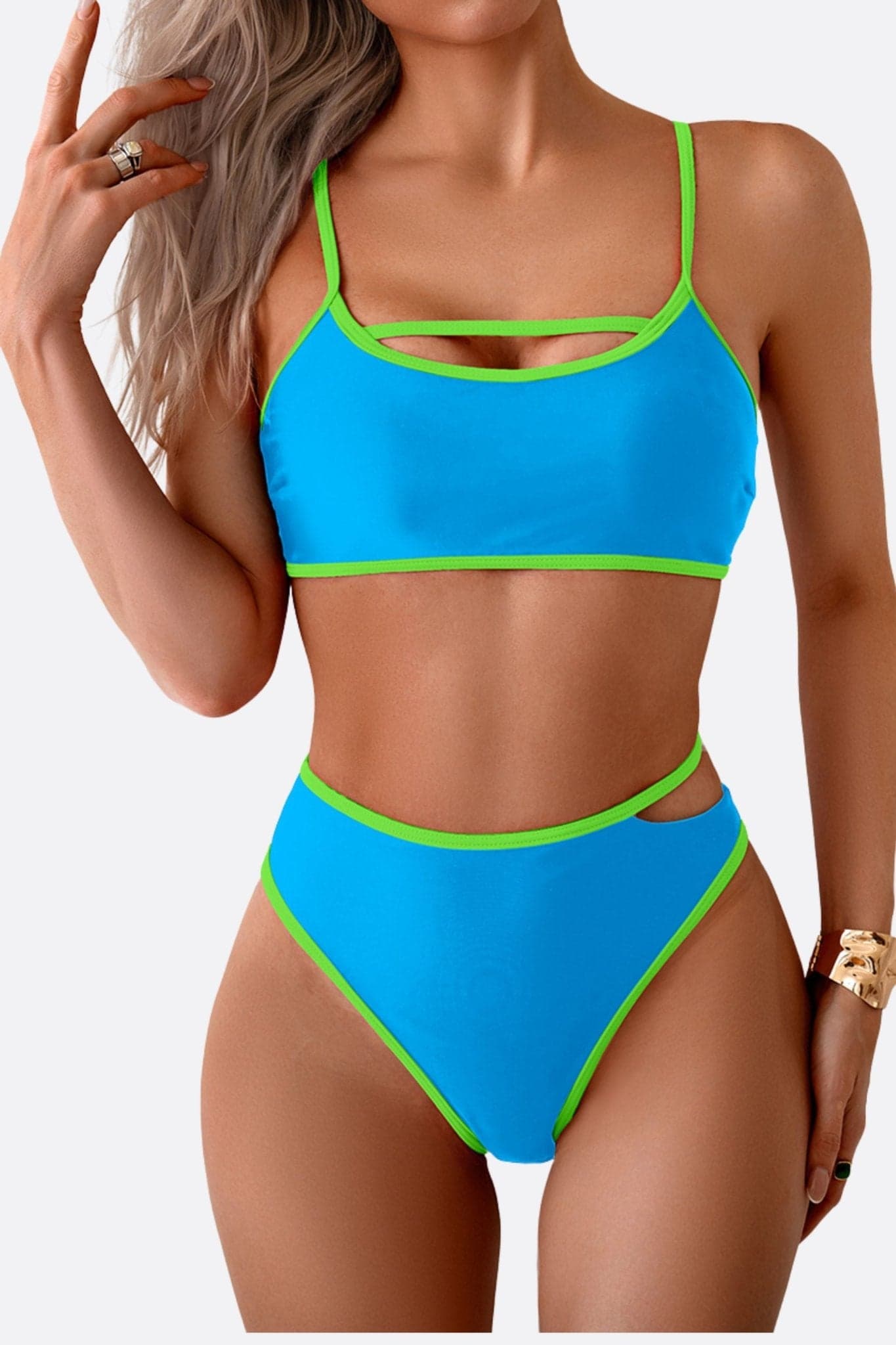
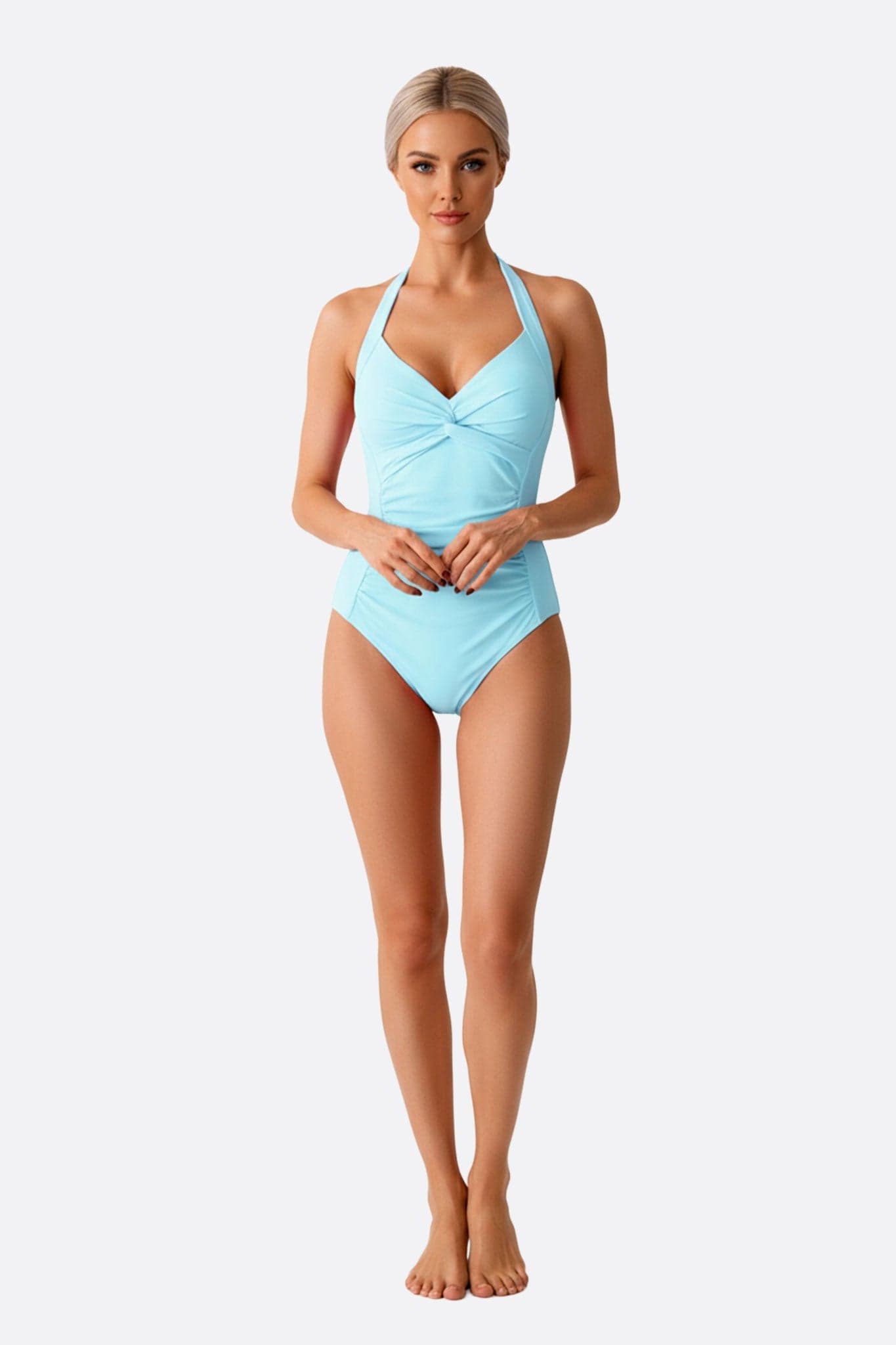
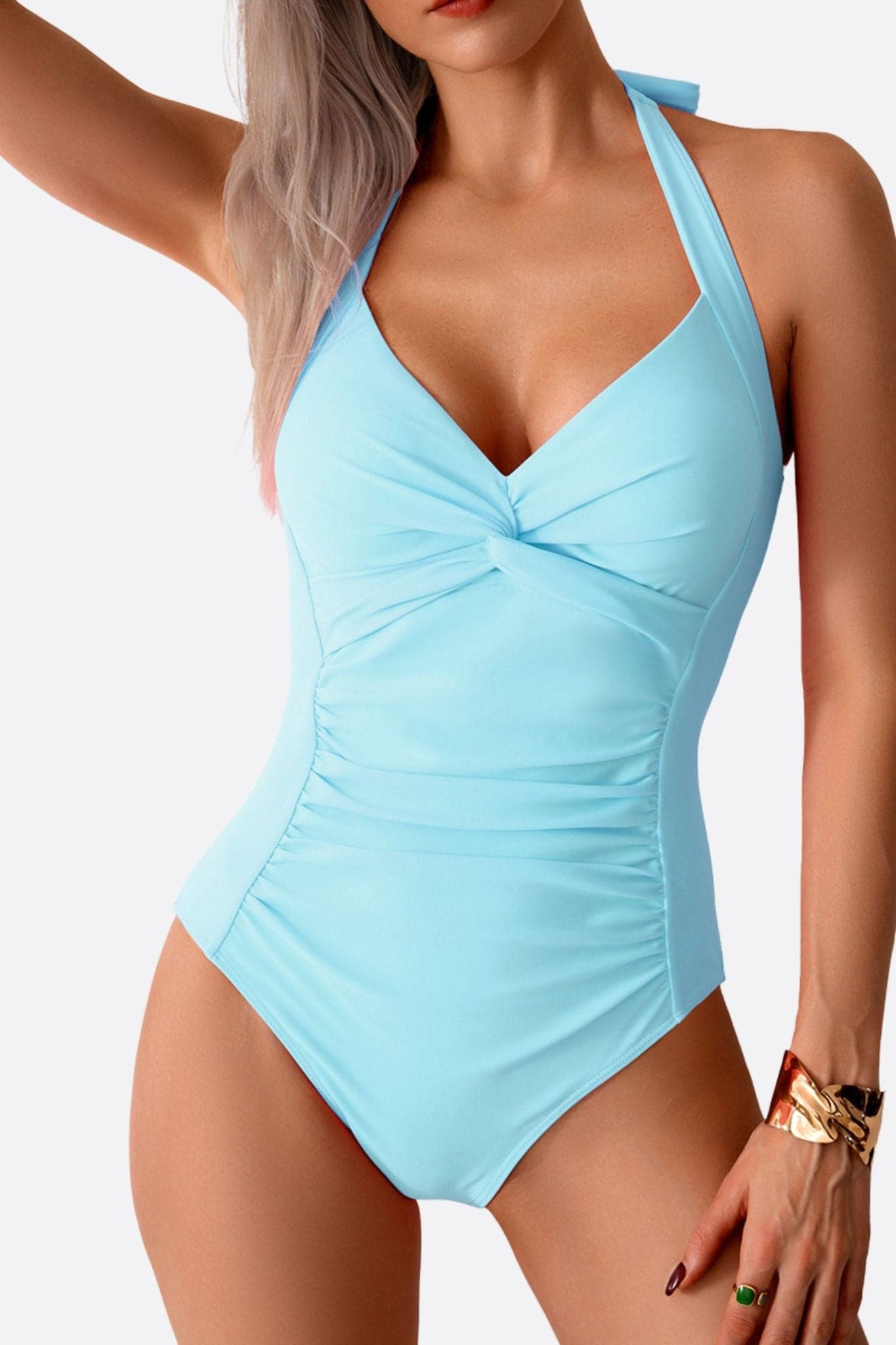
Navy Blue: strong contrast with clear sea, visual marker, most professional reference (competitive swimming). Electric Klein Blue: vibrant on skin, visible from afar on the beach, strong signal. Sky/Pastel Blue: blends with water, discreet, vapor effect. Petrol/Teal Blue: between green and blue, unique under low light of late afternoon, changes hue depending on the lighting angle.
Materials and Behavior of Blue
Matte Polyamide: deep and stable blue, consistent color in all lighting conditions, no surprises. Shiny Lycra: cobalt blue out of water = sapphire blue in water, changing reflections depending on the angle. Spectacular but less consistent. Neoprene: intense and homogeneous blue, warm (cold water or surfing), but cumbersome for simple bathing.
Blue and Skin Tones
Navy blue: strong contrast, favors light to medium skin tones. Klein blue: color independent of skin tone, visible on everyone. Sky blue: close to fair skin, nude effect on Nordic complexions. Petrol blue: complements copper and Mediterranean skin tones. On dark skin: prefer intense blues (navy, Klein, petrol) that create a bright contrast rather than light blues that may appear dull.
Specific Care for Blue
Blue is the most resistant color to UV fading (stable pigments). However: chlorine can green vivid blues and Klein blues after prolonged exposure (chemical reaction between chlorine and certain blue pigments). Rinse with cold water immediately after swimming: essential protection. Dry in the shade. No dryer. Navy blue and petrol blue are the most resistant to chlorine.
Navy blue or Klein blue for a sharp contrast that enhances the skin. Avoid very pale sky blue on very fair skin: risk of a dull effect. Saturated cobalt blue is very flattering on light Nordic complexions.
Can chlorine really turn a blue swimsuit green?
Yes, it's a real chemical reaction. Chlorine oxidizes certain blue pigments (FD blue pigment) and can turn them green after repeated exposures without rinsing. Navy blue (more stable pigments) is less affected than Klein blue or bright cobalt. Solution: rinse with cold water immediately after swimming, without exception.
Is petrol blue the same as turquoise?
No. Turquoise is a light and bright blue-green, close to tropical sky blue. Petrol blue/teal is a deep and saturated blue-green, darker. Teal has the unique property of changing hue depending on the light (blue in full sun, green under low light), which turquoise does not do.