Fast & secure deliveryFree shipping in France from €99Easy returns
Fast & secure deliveryFree shipping in France from €99Easy returns
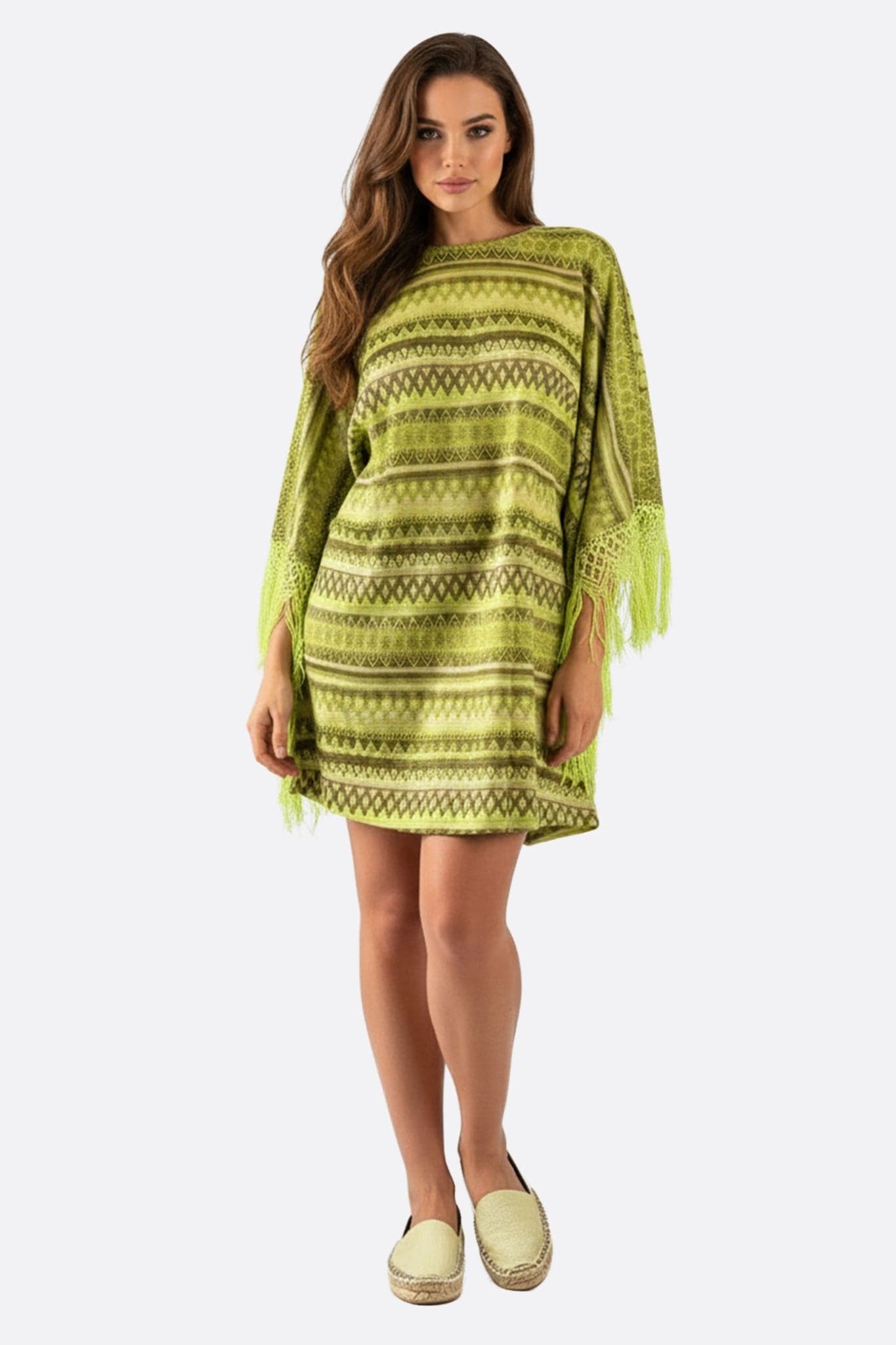
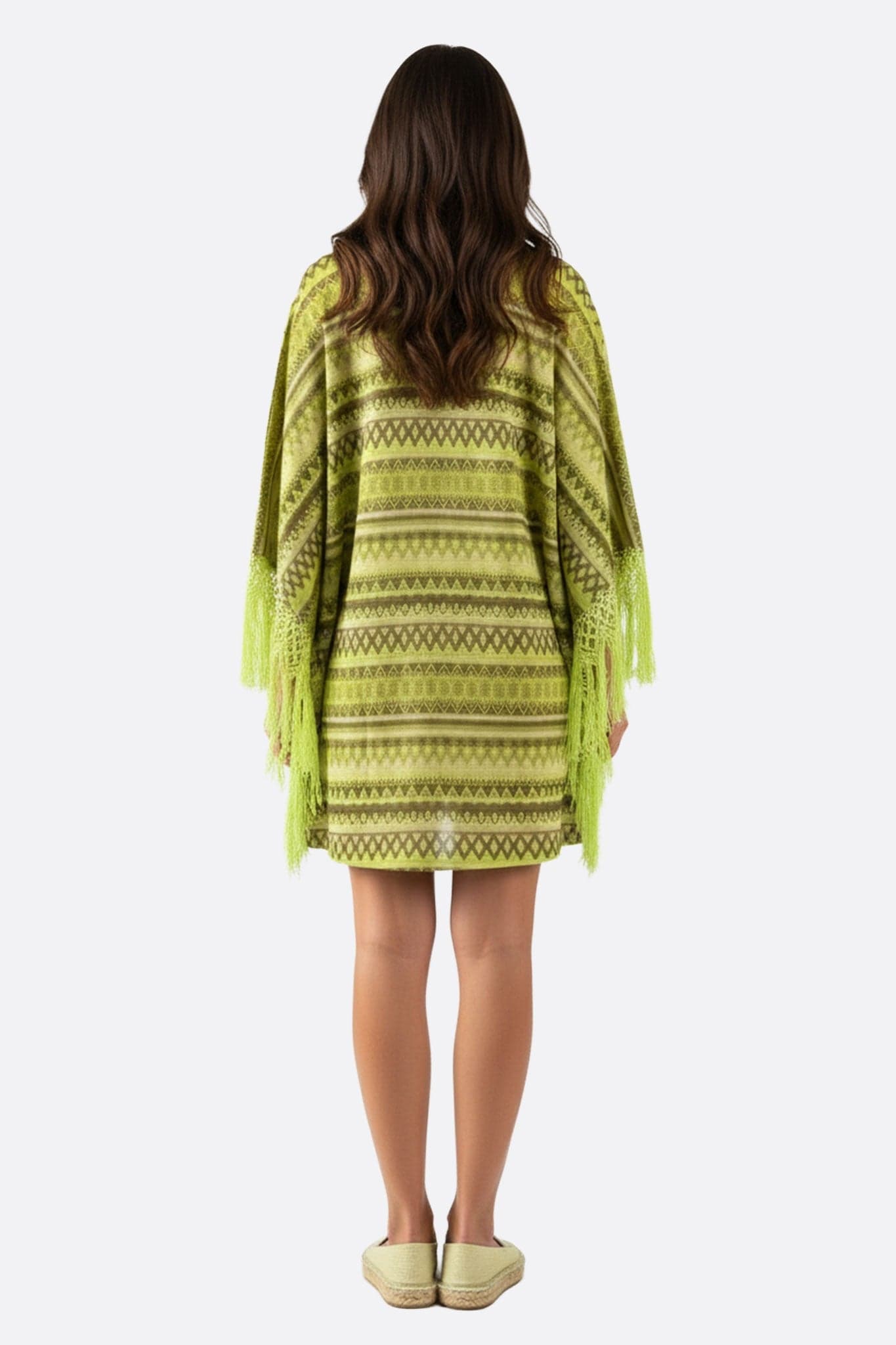
Green Dresses
Women's green dress: chromatic contrast and effect on complexion
Green is the complementary color to red on the color wheel: and human skin contains hemoglobin (red) in its superficial blood vessels, visible in natural light as a pink-red undertone. This complementary relationship makes green a naturally flattering color on most complexions: green highlights the pink/red undertone of the skin through simultaneous contrast, creating a "radiant complexion" effect. But not all greens work the same way depending on complexion and saturation.
Green is the complementary color to red on the color wheel: and human skin contains hemoglobin (red) in its superficial blood vessels, visible in natural light as a pink-red undertone. This complementary relationship makes green a naturally flattering color on most complexions: green highlights the pink/red undertone of the skin through simultaneous contrast, creating a "radiant complexion" effect. But not all greens work the same way depending on complexion and saturation.
Simultaneous contrast: why green brightens the complexion
Simultaneous contrast (Chevreul, 1839) is a perceptual phenomenon: two complementary colors placed side by side intensify each other. Red appears redder next to green, and green appears greener next to red. Applied to clothing: a green dress near the face intensifies the pink-red undertone of the skin: the complexion appears more colorful and lively. This effect is maximum with greens directly complementary to red (emerald green, bottle green) and minimum with very yellow greens (chartreuse) or very blue greens (aqua green) that deviate from the pure complementary of red.
4 greens according to complexion
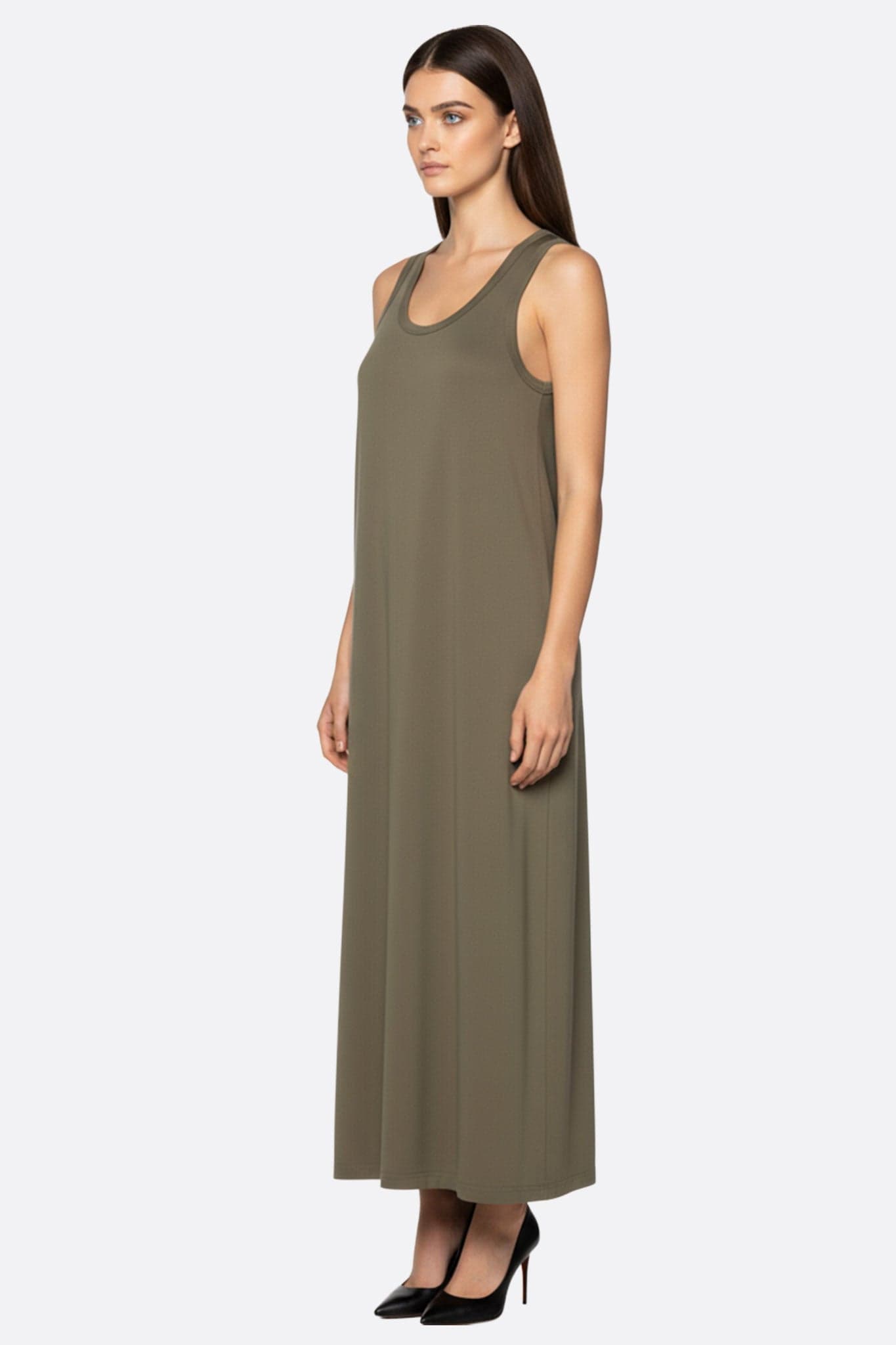
Fair skin with cool undertone (pink, beige-pink): emerald green or pine green: deep greens counterbalance paleness and create a strong contrast. Avoid olive green (too yellow, can make the complexion look sallow). Fair skin with warm undertone (ivory, golden beige): olive green or khaki green: warm greens (containing yellow) respond to golden undertones without creating too harsh a contrast. Medium or tanned skin (neutral to warm undertone): all greens work: bright green (lime, emerald) is particularly striking on tanned skin. Dark skin (ebony, chocolate): electric green or neon green: intense and saturated greens create maximum contrast on very dark skin, the effect is particularly dynamic.
Saturation and depth: matte green vs bright green
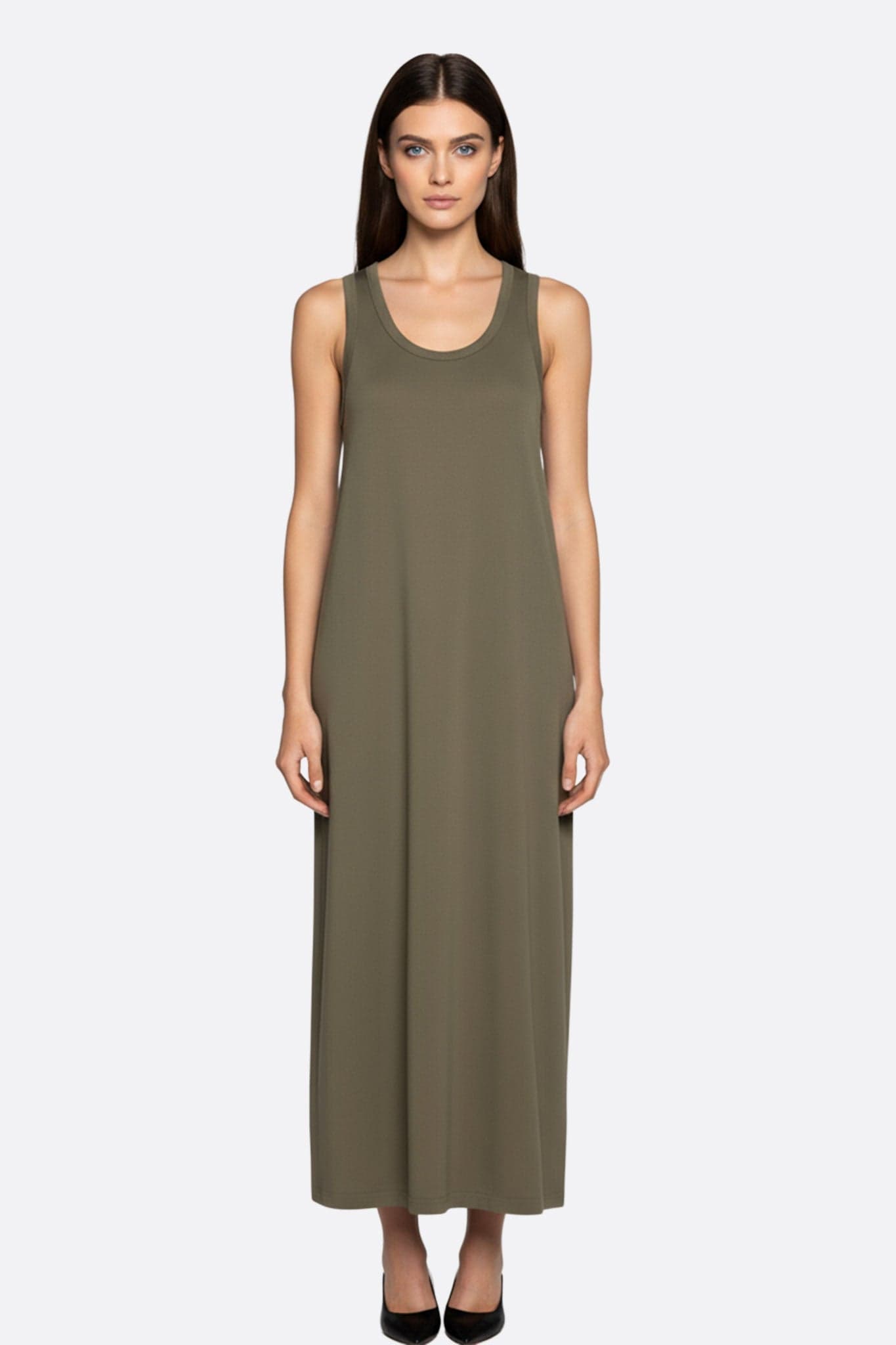
A bright and saturated green (emerald, lime, chartreuse): dominant color in the outfit: the dress is the immediate focal point. A desaturated green (khaki, sage, pale aqua green, celadon green): neutral color: can be treated as a "colored neutral," versatile, easily matched. A dark green (bottle, forest, pine): in between: present without being dominant. In terms of social signal: bright green says "I'm here," desaturated green says "I appreciate color but without excess." Khaki green has become a quasi-neutral in contemporary fashion: as versatile as beige or camel.
Green and other colors: complementary and analogous
Complementary to green: red (maximum contrast): a red bag on a green dress is a declared and intentional contrast. Neighbors of green on the wheel: blue and yellow: green-blue (cool analogues) and green-yellow (warm analogues) associations are harmonious without tension. Green with white: clean and fresh, "print" effect if the white is very white. Green with black: classic, black snows the saturation of green. Green with camel or hazelnut: natural association (grass and earth) particularly balanced. Green with burgundy: autumnal and sophisticated association: both colors have the same depth.
Material and rendering of green
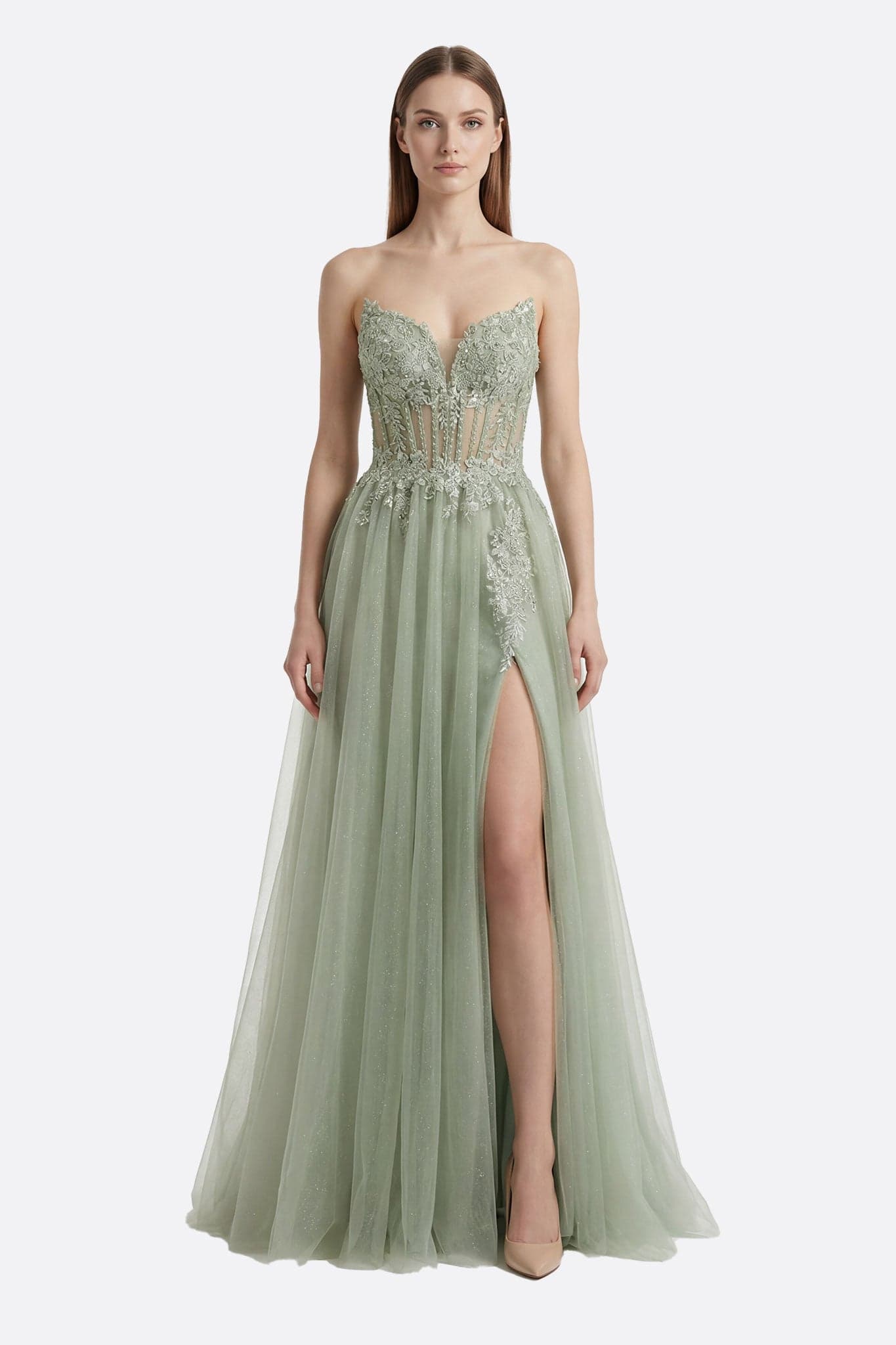
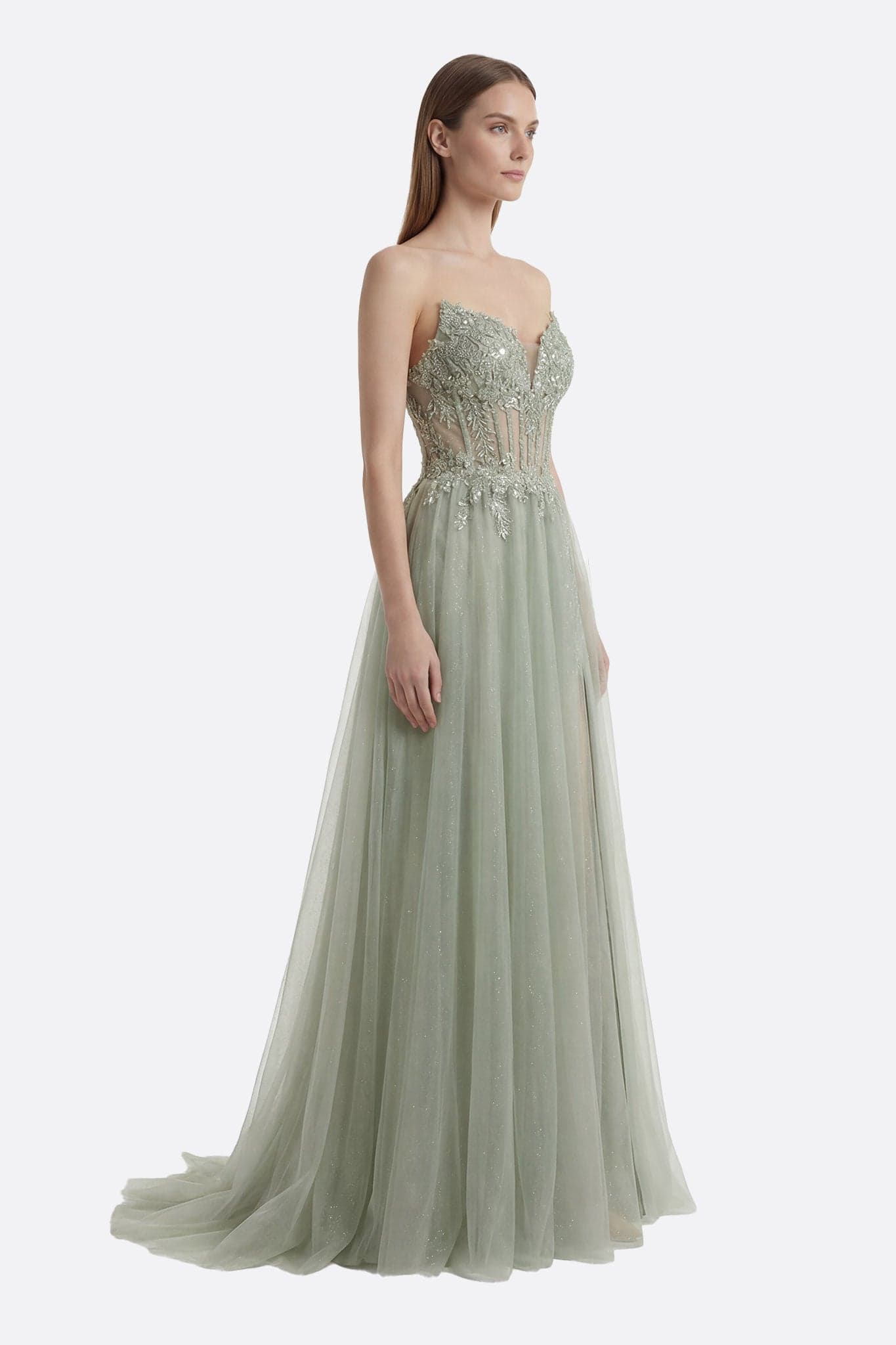
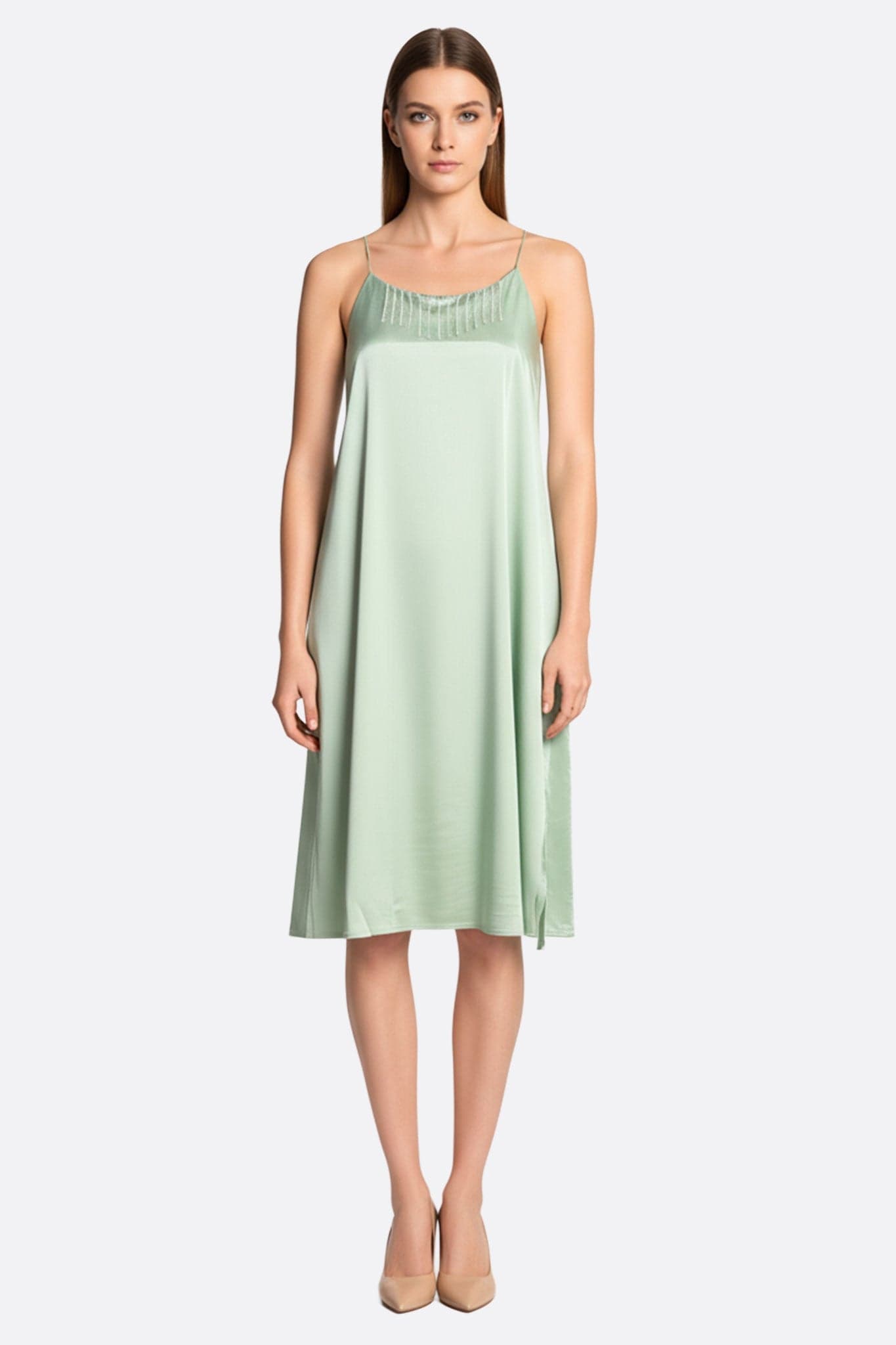
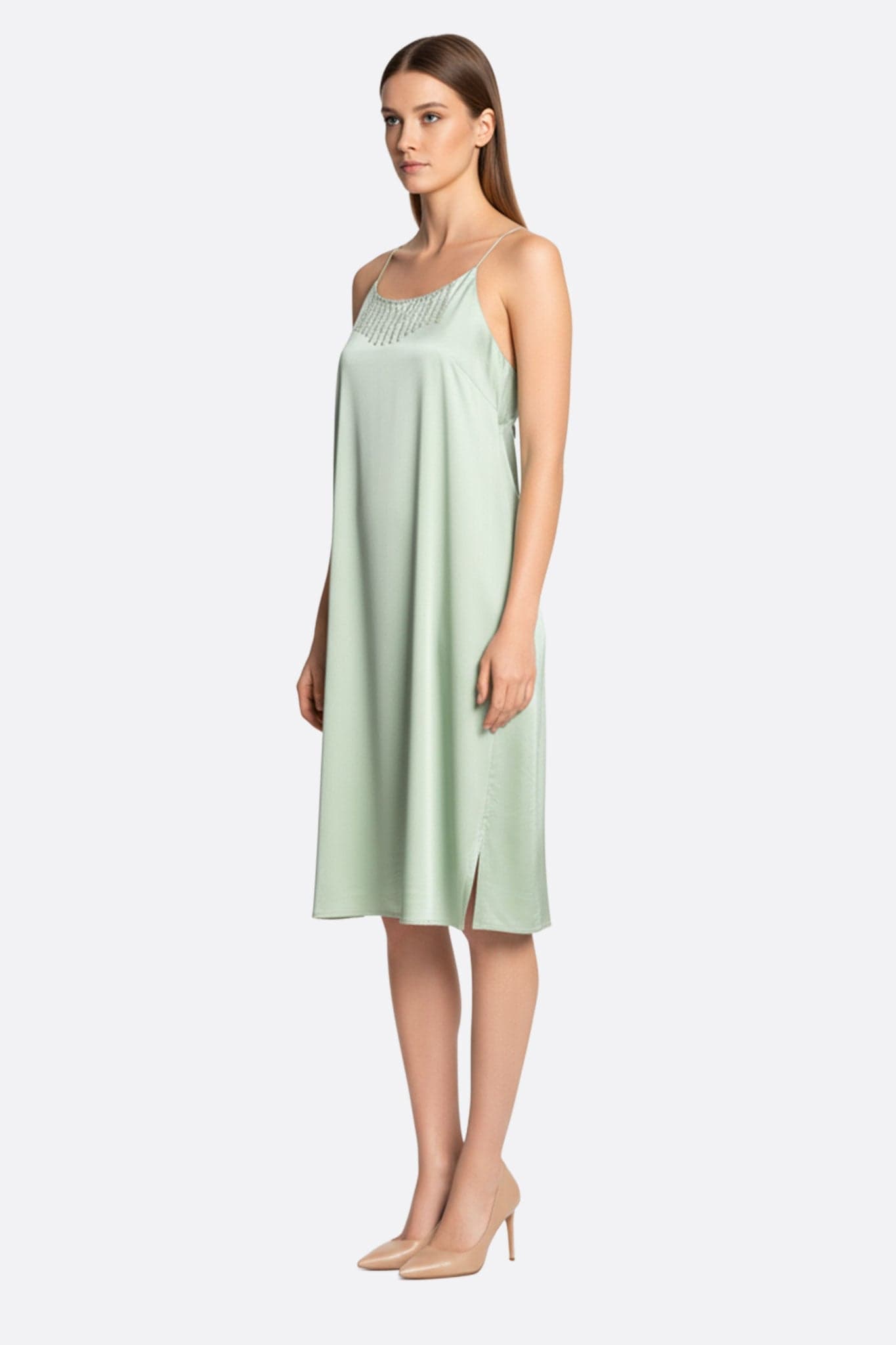
Green in satin: shiny and deep: emerald green in satin is one of the most sumptuous colors for an evening. The directional reflection of satin creates variations in shade between illuminated areas (light green) and shadow areas (almost black green). Green in velvet: three-dimensional, very rich: forest or emerald green velvet is iconic for autumn-winter evenings. Green in linen or cotton: casual chic, suitable for casual occasions and summer. Green in jersey: everyday, accessible. Green in silk: bright and lively, captures light differently depending on movement.
Mesh: green dresses by occasion
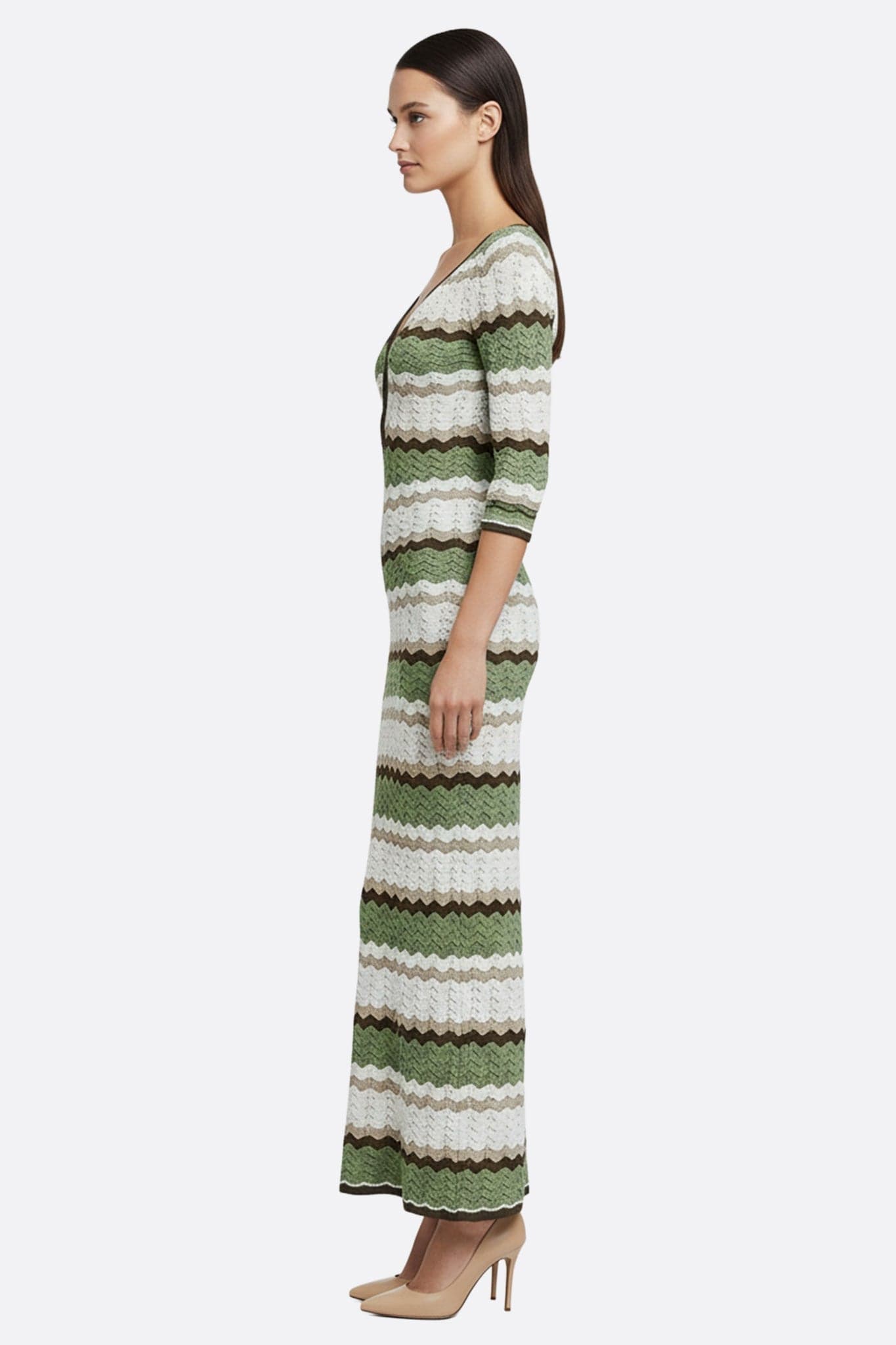
For a formal evening green dress (black-tie, gala): evening dresses. For a long green dress: long dresses. For analogous colors (blue-green, cool harmony): blue dresses. For the same complementary effect applied to swimsuits: green swimsuits.
FAQ: women's green dress
Does green suit all skin tones?
Yes: green is complementary to the red/pink of human skin (superficial hemoglobin), which makes it naturally flattering for the vast majority of skin tones. The key is to choose the right shade: emerald or pine green for cool fair skin, olive or khaki green for warm fair skin, all greens for medium skin, intense and saturated greens for very dark skin.
What is the difference between emerald green and olive green?
Emerald green is a pure and saturated green, close to the theoretical complement of red: cool, deep, bright. Olive green is a desaturated green with yellow and brown: warm, earthy, neutral. Emerald creates a strong contrast and energizes the complexion. Olive is more neutral, behaving like a colored camel. Emerald is better suited for cool skin, olive for warm skin.
How to accessorize a green dress?
Gold accessories with warm green (olive, khaki, forest). Silver accessories with cool green (emerald, sage). Neutral shoes (nude, beige, white) to let the color dominate. A camel or hazelnut bag with any green: natural harmonious association. Avoid bright red accessories (too strong a contrast unless intentional) and electric blue (clash of vivid colors).