Fast & secure deliveryFree shipping in France from €99Easy returns
Fast & secure deliveryFree shipping in France from €99Easy returns
Black Puffer Jackets
Women's Black Down Jacket: Filling, Weight, and Care
The performance of a women's black down jacket lies in its filling, not its style. The real choice is between natural down (unequaled warmth per gram, but sensitive to moisture) and synthetic fibers (PrimaLoft, Thinsulate: moisture-resistant, heavier for the same warmth). The filling weight determines your actual comfort range: 100-150 g for autumn, 200-300 g for urban winter, 400 g and more for extreme cold.
The performance of a women's black down jacket lies in its filling, not its style. The real choice is between natural down (unequaled warmth per gram, but sensitive to moisture) and synthetic fibers (PrimaLoft, Thinsulate: moisture-resistant, heavier for the same warmth). The filling weight determines your actual comfort range: 100-150 g for autumn, 200-300 g for urban winter, 400 g and more for extreme cold.
Natural Down vs Synthetic
Natural down (goose or duck, 90/10 ratio): unequaled warmth per gram, very compressible, light. Disadvantage: loses its properties if wet, long drying time. Synthetic (PrimaLoft, Thinsulate): resists moisture, dries quickly, hypoallergenic. Disadvantage: heavier and less compressible for the same warmth. Dry urban use = down. Frequent rain = synthetic.
Weight and Temperature Range
100-150 g: transitional jacket, autumn-spring (0 to 10 degrees). 200-300 g: standard urban winter (-5 to +5 degrees). 400 g and more: extreme cold or mountain activities. A weight too low for your use = certain discomfort. A weight too high = overheating indoors or in transit. The weight is the most important technical data to check before purchase.
Shell: Lightness vs Resistance
Ripstop nylon: light, strong, resists tears well. Crinkled polyester: trendy but more fragile to friction. Quilted nylon: classic look, but too thin a shell = heat loss. Black has a practical advantage: it masks urban micro-dirt (transport marks, city pollution) invisible on black but visible on light colors.
Cuts and Practical Uses
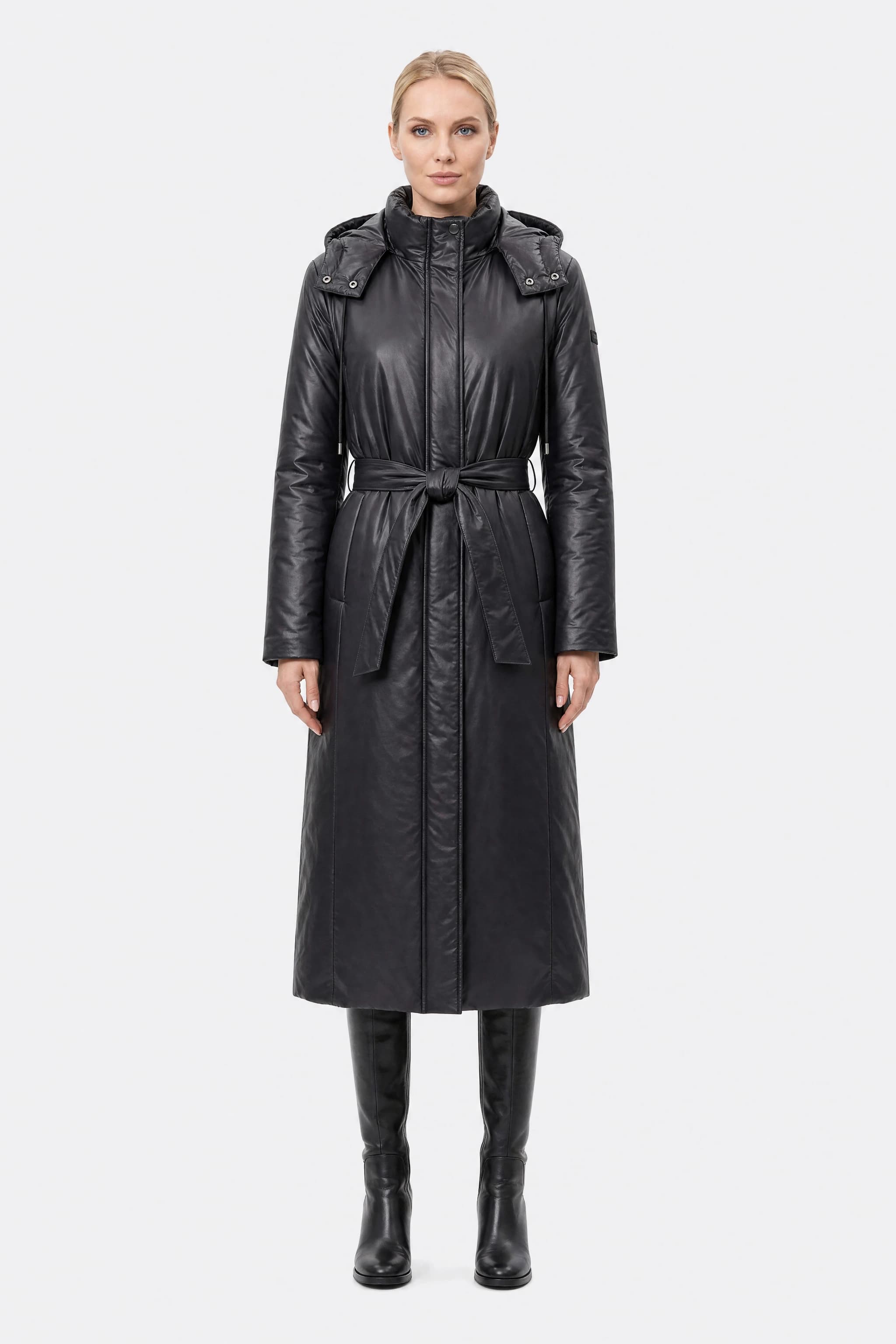
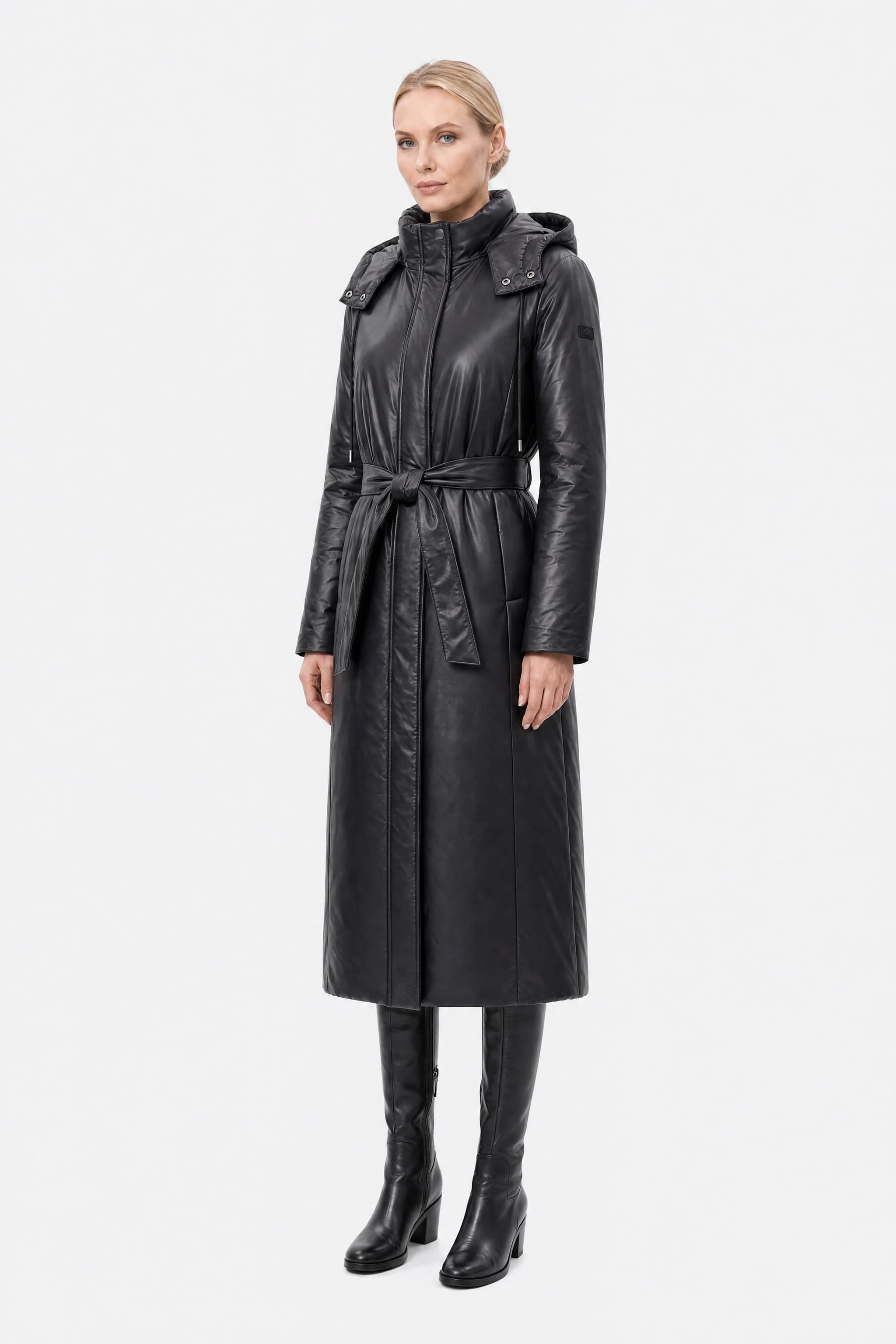
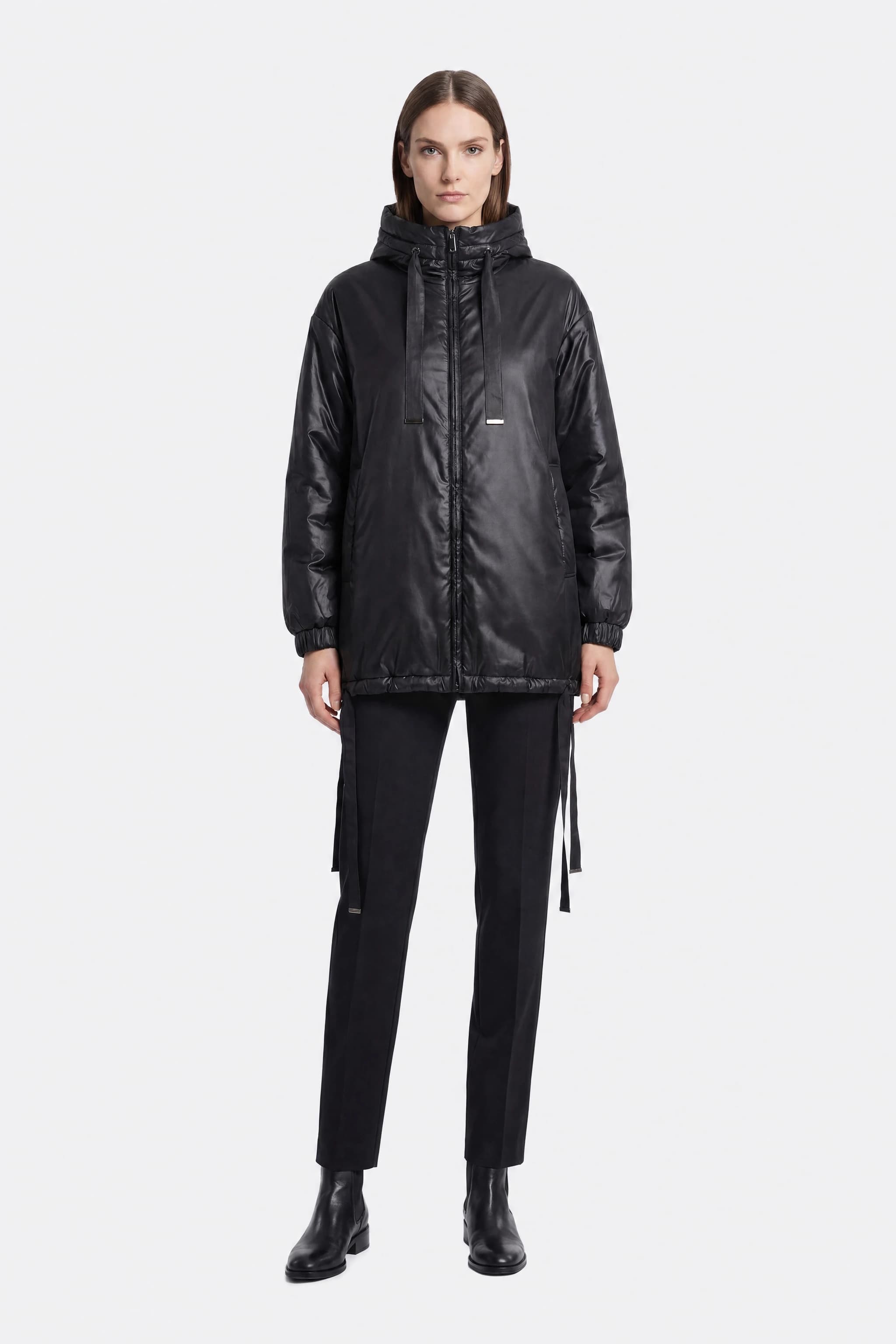
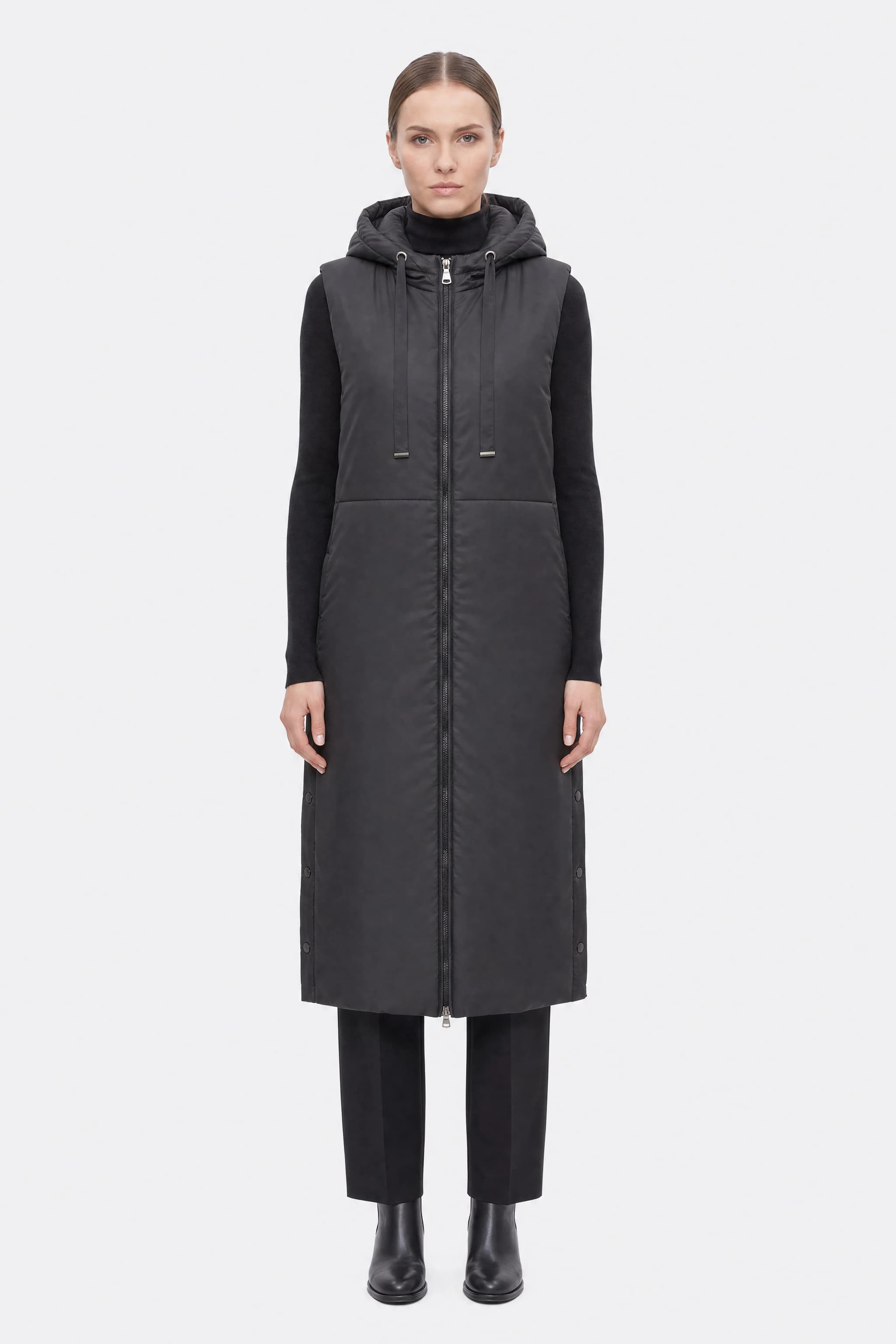
Short (up to the waist): total mobility, active city, driving. 3/4 (mid-thigh): balance of warmth and freedom of movement. Long (knees and more): maximum warmth, covers thighs, long outdoor waits or harsh climates. The short one can be easily layered with other jackets. The long one is not suitable for easy layering but is the most thermally efficient.
Care: Tennis Balls Are Essential
For down jackets: machine wash at 30 degrees on a gentle cycle. Add 2-3 tennis balls in the drum: they beat the down during the cycle and help it to refluff. Dryer low temperature MANDATORY for down: never air dry = down clumps and won't refluff. For synthetic: air drying is possible. Check after drying: shake the jacket to redistribute the filling.
For dry urban use, down is excellent: light and very warm. If you are often in the rain or melting snow, a quality synthetic (PrimaLoft) is more suitable because it retains its warmth even when wet and dries faster.
Why tennis balls in the machine?
The tennis balls beat the down jacket during washing, preventing the down from clumping into packets. Without them, the down forms lumps that do not fluff up after drying, drastically reducing the thermal efficiency of the down jacket.
What length of black down jacket for the office?
The 3/4 length (mid-thigh) is the best office compromise: long enough to protect from the cold in transport, short enough to store easily. Avoid the short one if you walk a lot outside and the long one if you drive.