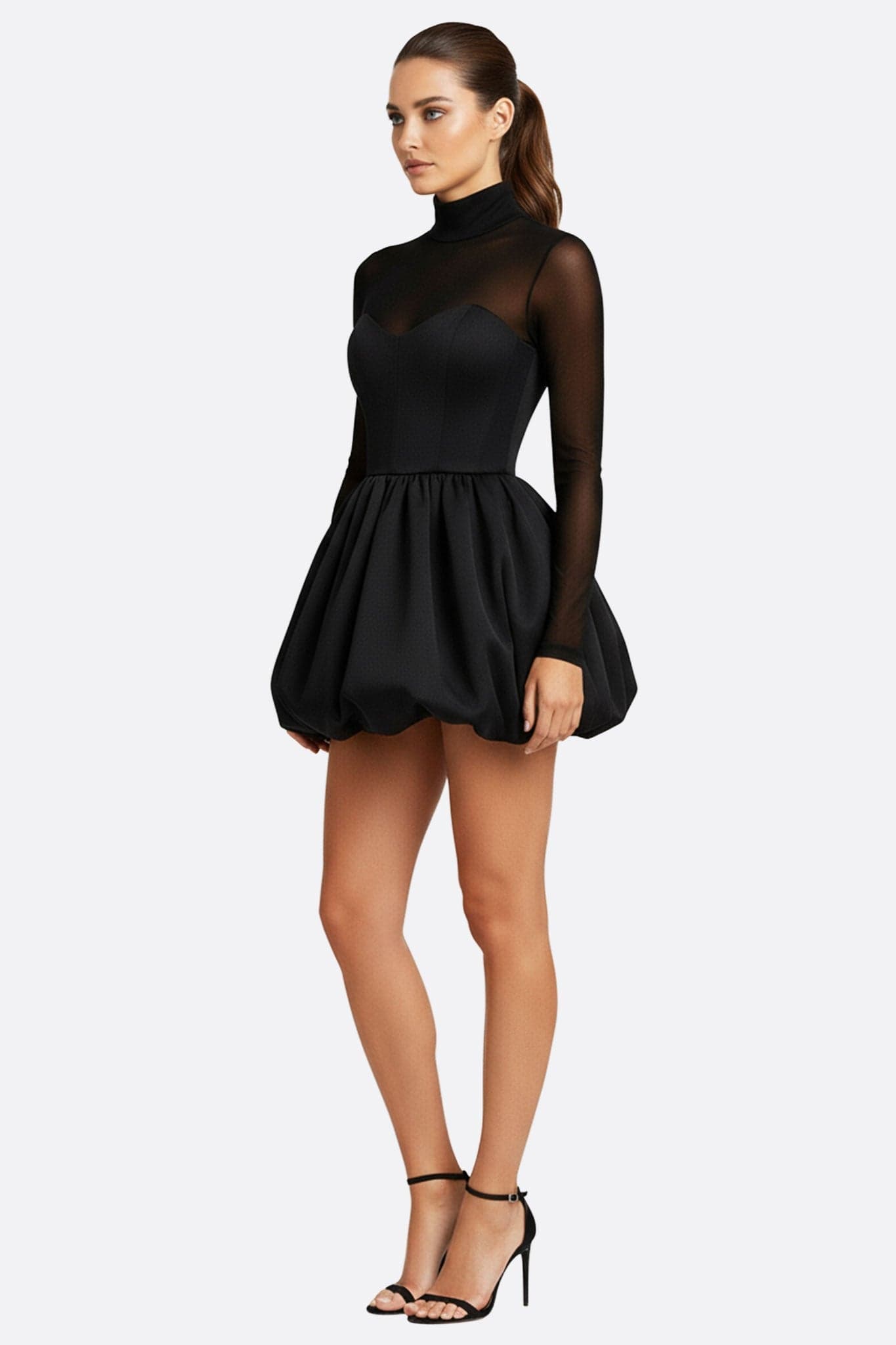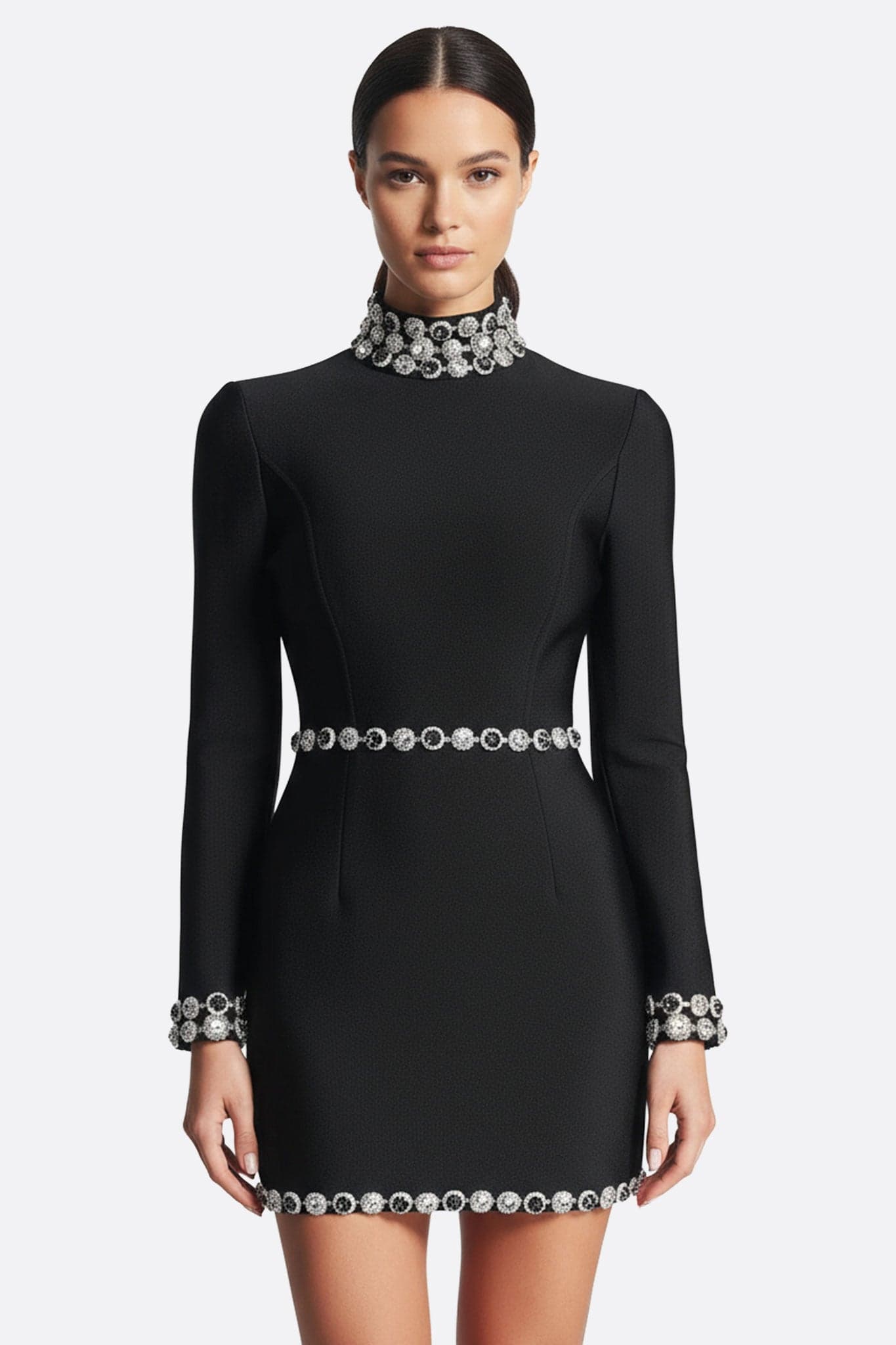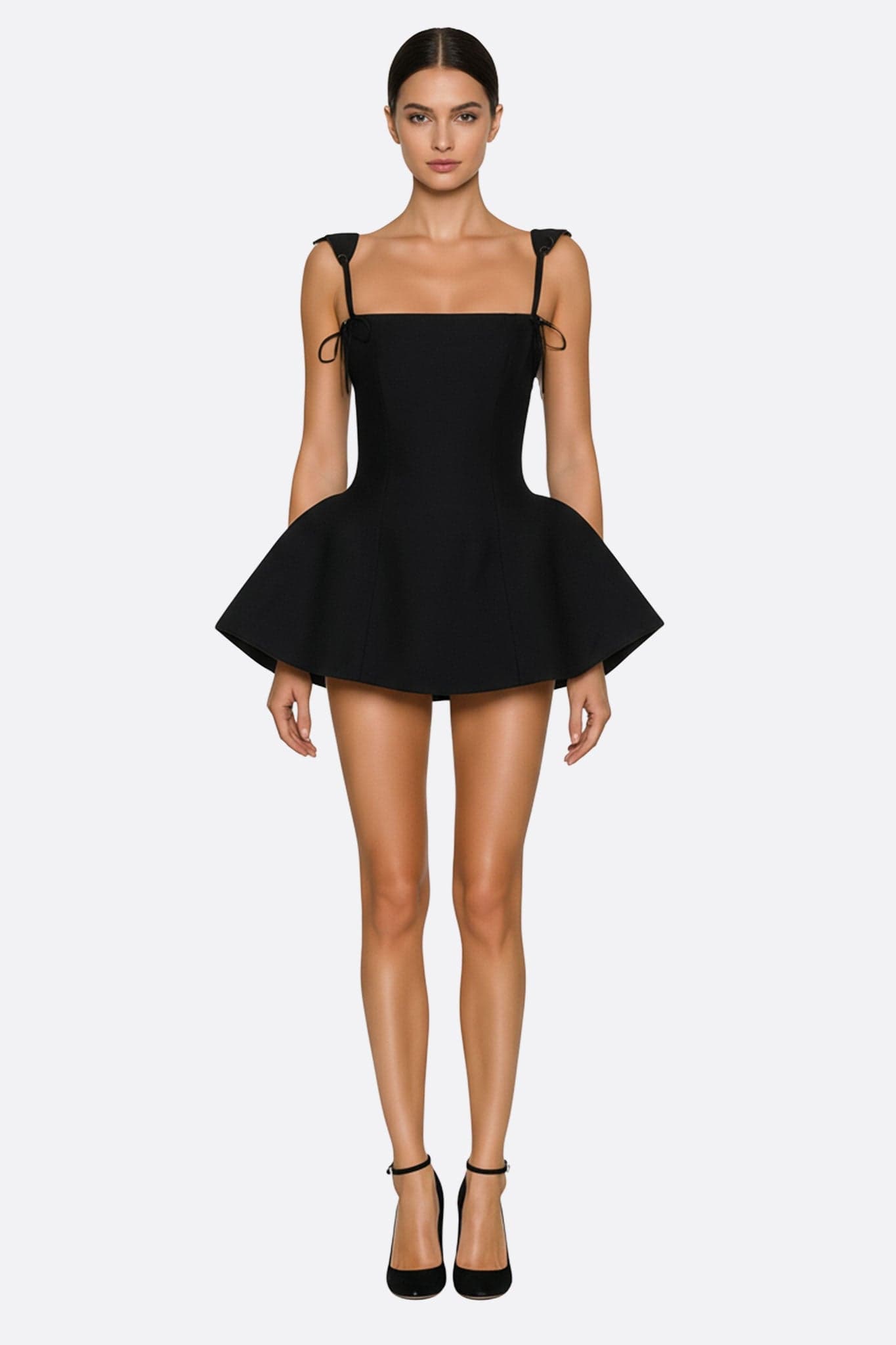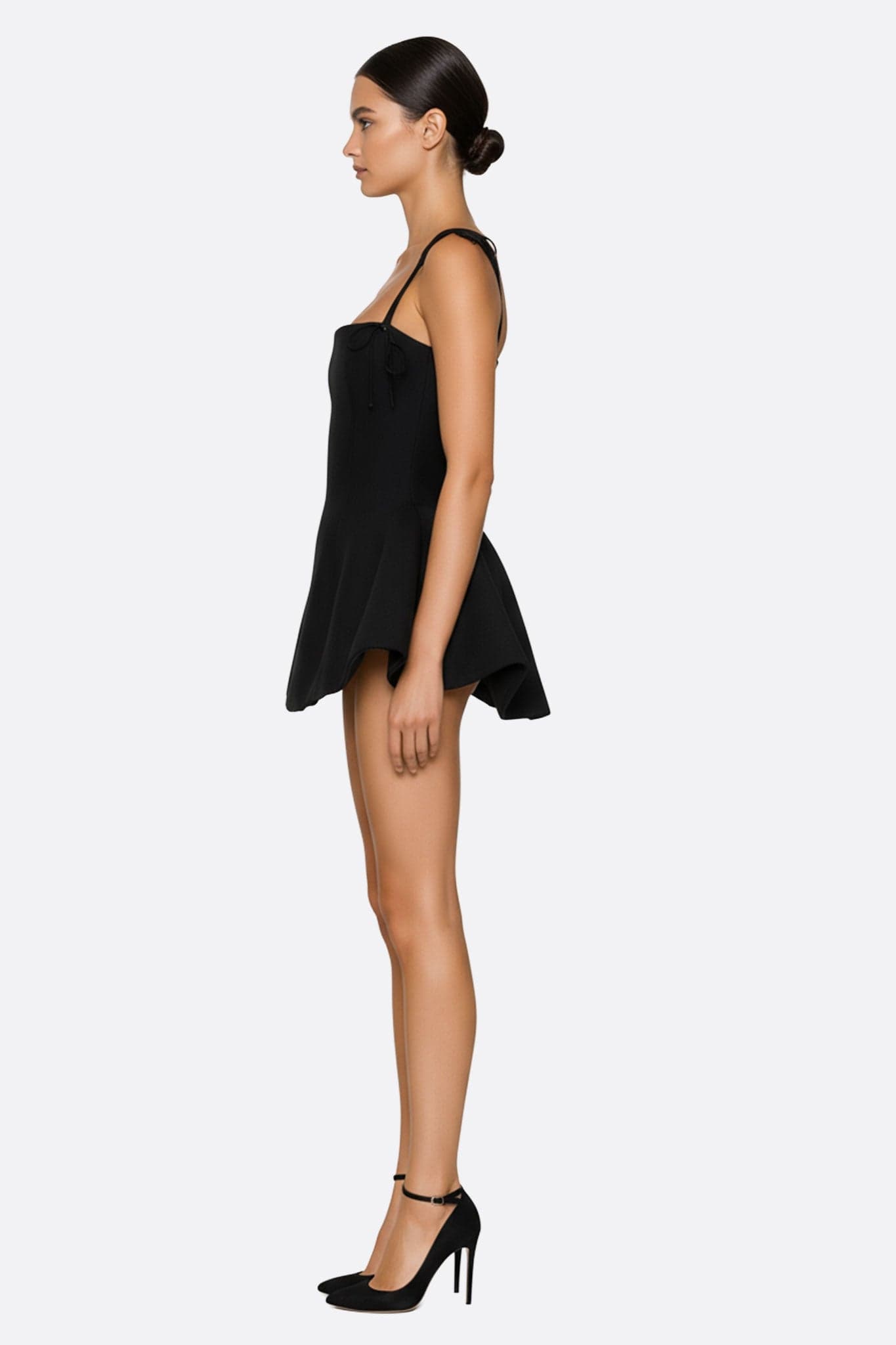
Elegant black dress for women: complete guide 2026
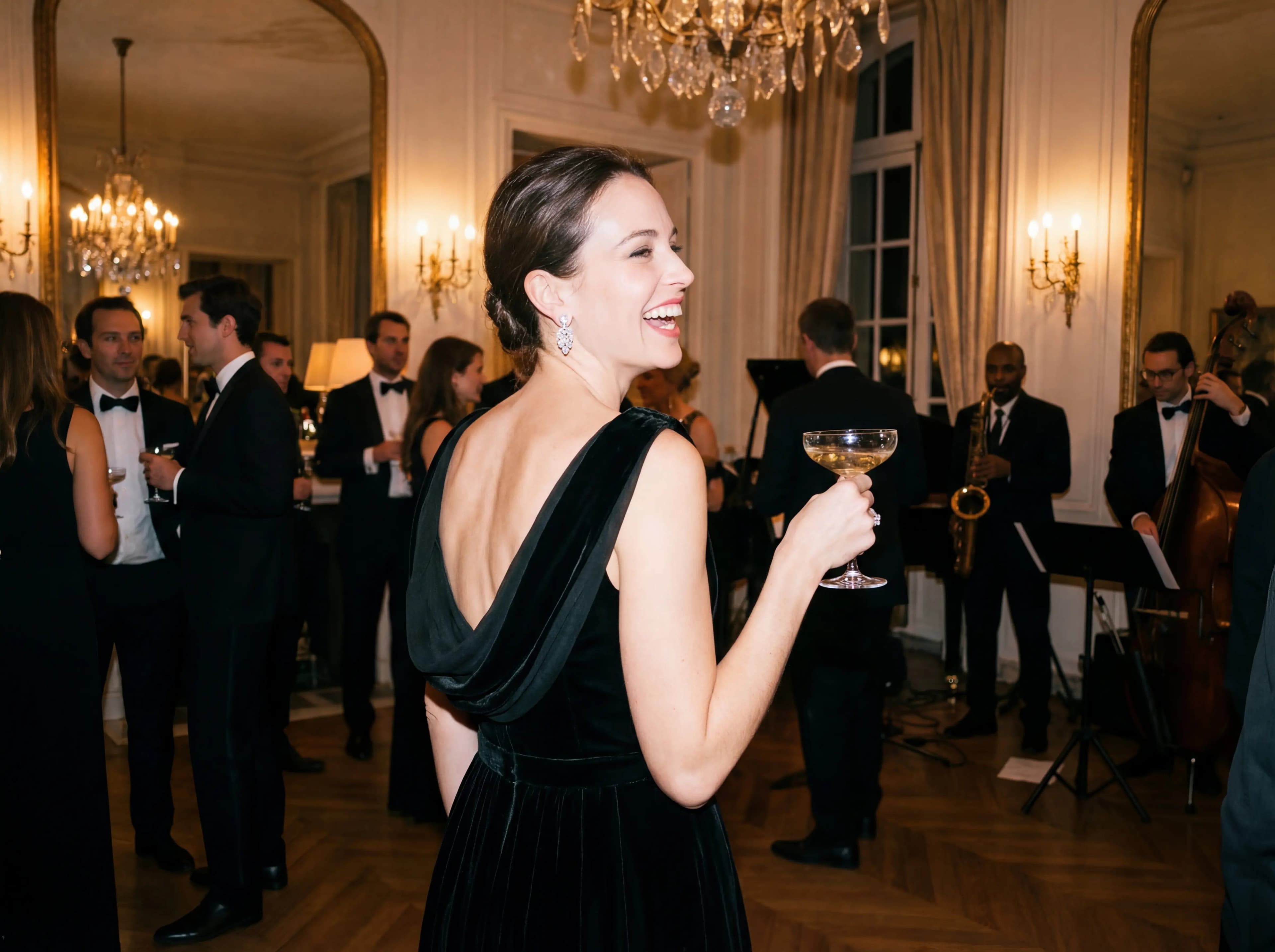
There are pieces that you wear once and keep forever. The elegant black dress for women is one of them: simple without being austere, assertive without shouting, capable of spanning twenty years of fashion without losing an ounce of relevance. Since Chanel's little black dress in 1926, this garment has conquered every generation with the same discreet efficiency.
But not all black dresses are created equal. An elegant black dress is built on three pillars: the material (satin, tulle, lace), the cut (suited to the body shape and occasion), and the finish (hems, lining, seams). This Misciano guide details each criterion to help you choose, wear, and maintain the black dress that will become a foundational piece of your wardrobe.
Whether you are looking for an elegant black dress for a ceremony, a cocktail, or a gala evening, the answers are in this guide.
Why the black dress remains the essential piece of the female wardrobe
In 1926, Coco Chanel published in Vogue a drawing of a straight black dress, without embellishments. The magazine called it the "Ford of fashion": accessible, universal, durable.
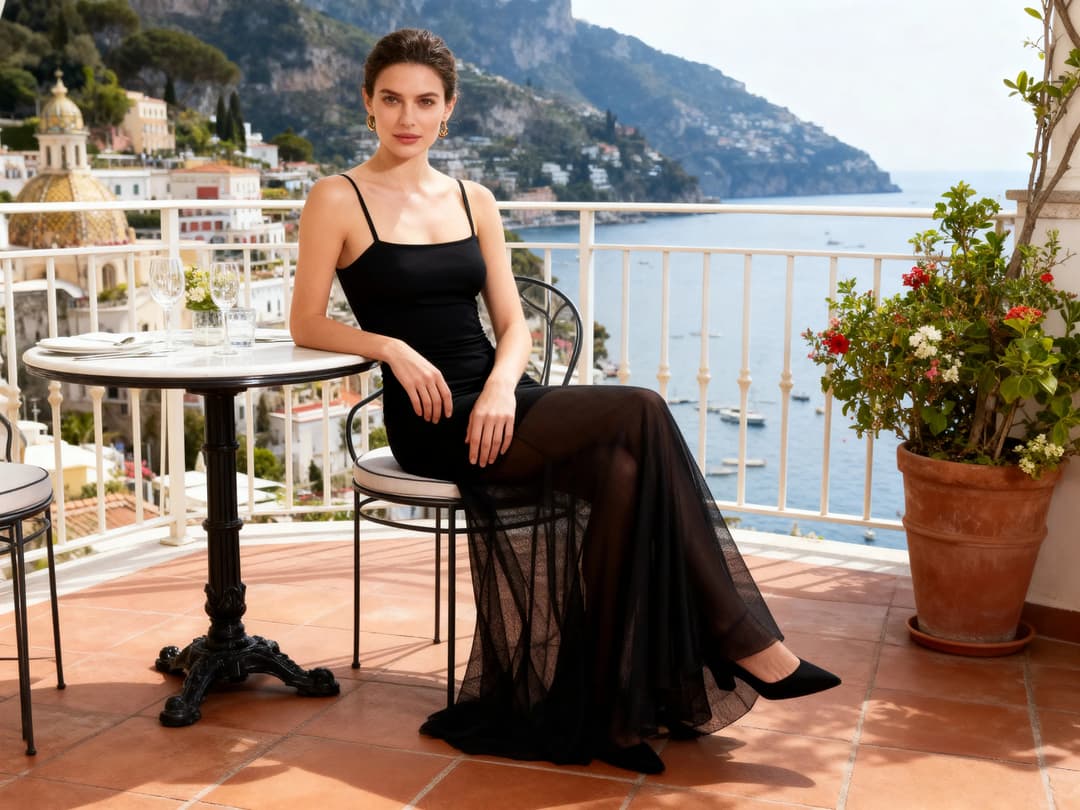
A century later, 68% of French women own at least one elegant black dress in their wardrobe, according to the Ifop fashion barometer 2025. This is no coincidence: black absorbs light rather than reflecting it, creating a sharp and assertive silhouette without resorting to any artifice.
The elegant black dress has a property that few other pieces share: it changes its style according to its accessories. In the evening with satin pumps and a golden clutch, it is formal.
The next day, with loafers and a double-breasted blazer, it becomes professional. This radical versatility makes it the piece with the highest return on investment in the female wardrobe.
At Misciano, this conviction is reflected in every cut: Italian black dresses constructed according to the codes of Italian couture, and if you are looking to buy a black dress that will last ten years rather than a season, it is this radical versatility that justifies the investment, with calculated lengths to elongate the silhouette, and materials chosen for their durability. Our Long black evening dress: the timeless piece that enhances the silhouette explores in detail this timeless piece that never ages.
Noble materials for an elegant black dress: satin, tulle, and lace
The choice of material determines everything: the drape, the sheen, the durability, and the occasion's style. For an elegant black dress for women, four materials stand out for their specific properties.

Satin (120 to 180 g/m²) is the signature material of evening elegance. Its tightly woven threads create a luminous sheen that changes with the viewing angle, structuring the silhouette with light rather than cut. A quality polyamide satin (minimum 80 threads/cm²) holds without creasing, resists wrinkles, and can be washed at 30° on a delicate cycle. Our complete satin guide details the quality differences between grades.
Tulle (15 to 30 g/m²), an ultra-light mesh in nylon or silk, only gains consistency in several superimposed layers. It gives evening skirts their airy volume without adding weight.
Finally, lace comes in three main types: Calais lace (mechanical, precise patterns, 80 to 120 g/m²), Leavers lace (on jacquard loom, three-dimensional patterns), and guipure (larger mesh, more pronounced relief). Each gives a different character to the elegant black dress.
| Material | Weight | Drape | Ideal occasion | Care |
|---|---|---|---|---|
| Satin | 120-180 g/m² | Fluid, luminous | Cocktail, gala, evening | 30° delicate, flat |
| Tulle | 15-30 g/m² | Ethereal, sculptural | Ceremony, gala | Hand only, flat |
| Lace | 80-140 g/m² | Structured, precise | Ceremony, dinner | 30° net, natural drying |
| Velvet | 200-350 g/m² | Dense, structured | Winter gala, formal evening | Dry cleaning |
In any case, an OEKO-TEX certified material guarantees the absence of harmful substances in black dyes, often loaded with chemical fixatives to maintain color intensity. This is a selection criterion at Misciano.
Which black dress cut to choose according to your body shape
The cut is the first level of optimization of an elegant women's black dress. It creates visual lines that stretch, balance, or structure the silhouette according to each person's proportions. It's not about hiding but building a coherent visual balance.
For the H body shape (shoulders, waist, and hips aligned): the sheath dress or shaping cut creates the illusion of a defined waist thanks to the side seams. A cut highlighted by a side slit or an asymmetrical drape amplifies this effect.
The A body shape (hips wider than shoulders) benefits from a bustier or structured top that optically widens the shoulders, connected to a flared skirt that glides over the hips without emphasizing them. Check out our selection of Choose a flattering dress for an O-shaped body type.
The V body shape (wider bust, slimmer hips) calls for a V-neck or boat neckline to avoid weighing down the bust, with a slightly flared skirt that restores proportions to the hips.
The O body shape benefits from an empire cut: fitted top under the bust, fluid skirt falling without stopping at the waist. The universal rule: the more structured and precise the piece is in its construction, the more it creates a sense of mastery and elegance.
TO REMEMBER
H Body Shape: shaping sheath with marked side seams
A Body Shape: structured bustier + flared skirt, widened shoulder top
V Body Shape: V-neck or boat + slightly flared skirt
O Body Shape: empire under the bust + fluid skirt, never a belt at the natural waist
Universal rule: precise seams = mastered silhouette
Elegant black dress for which occasion: ceremony, cocktail, or gala evening
Each dress code has its own rules for the elegant black dress. Mixing them without knowing produces outfits that sound false, even with a dress of impeccable quality.
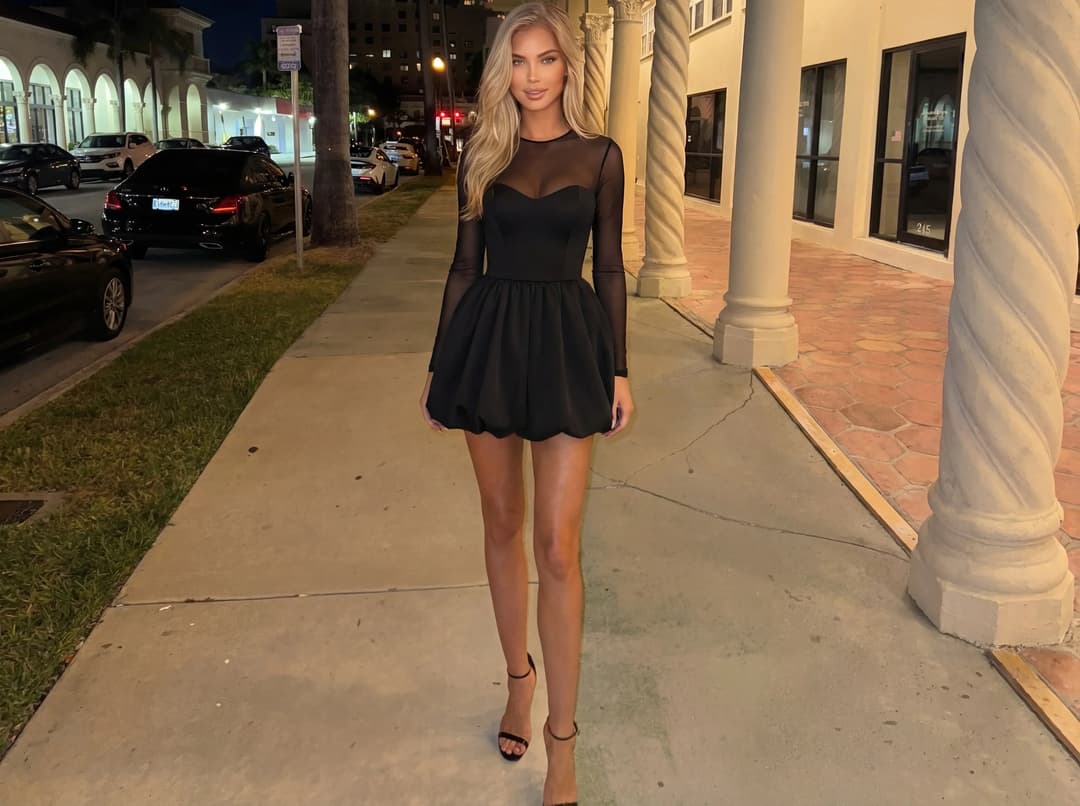
For a ceremony (wedding, baptism, communion): the long midi black dress is a must. The rule of 20% maximum visible skin applies in places of worship. Avoid excessive shine (sequins, overly reflective satin) that distracts attention. A ceremony dress in lace or matte crepe is perfectly suitable.
For a cocktail, the length ranges from knee-length to midi, with greater freedom of material and cut. A shiny satin or a transparent mesh with opaque lining are accepted. Our guide Find the ideal dress for an elegant evening details these distinctions according to the expected degree of formality.
The gala evening is the only context where all materials are allowed without reservation: sequins, transparent lace, triple-reflect satin. Long length is required for formal galas. The rule of proportion remains fundamental: a pronounced neckline calls for a long covered skirt, a covered top allows for a short skirt or a deep slit.
How to accessorize an elegant black dress without error
The accessory makes or breaks an outfit. The fundamental rule with an elegant black dress for women: one statement piece per outfit, not two. Either bold jewelry or visually strong shoes, never both simultaneously to avoid visual saturation.
For shoes: the satin nude or black pump remains the absolute reference (elongates the leg, does not contradict the dress). The gold or silver strappy sandal adds a festive touch without overpowering the dress.
For a midi dress in winter, the black suede square-heeled bootie creates a perfect line continuity. Avoid the overly sporty platform shoe and the flat loafer under an evening dress: the break in style destabilizes the entire outfit.
For jewelry: with a back neckline, gold chandelier earrings do all the work.
With a high collar, a cuff bracelet is enough. The clutch (satin, velvet, or metal) for an evening, the structured small handle bag for a cocktail. As for the jacket: a lined crepe blazer or a structured tweed elevates the black dress to the professional or daytime ceremonial register.
TO REMEMBER
1 statement piece per outfit: bold jewelry OR visual shoes, never both
Nude or black pumps: the safest and most elegant combination
Back neckline: chandelier earrings, no necklace
High collar: cuff bracelet or sculpted ring, discreet earrings
Clutch for evening, structured handle bag for cocktail
Maintaining an elegant black dress: preserving the fabric's shine
Black is a demanding color to maintain: black dyes require intensive chemical fixatives that react poorly to excessive heat and harsh detergents.
An elegant black dress poorly maintained loses its luster in a few washes: black becomes gray, satin's sheen dulls, lace deforms.
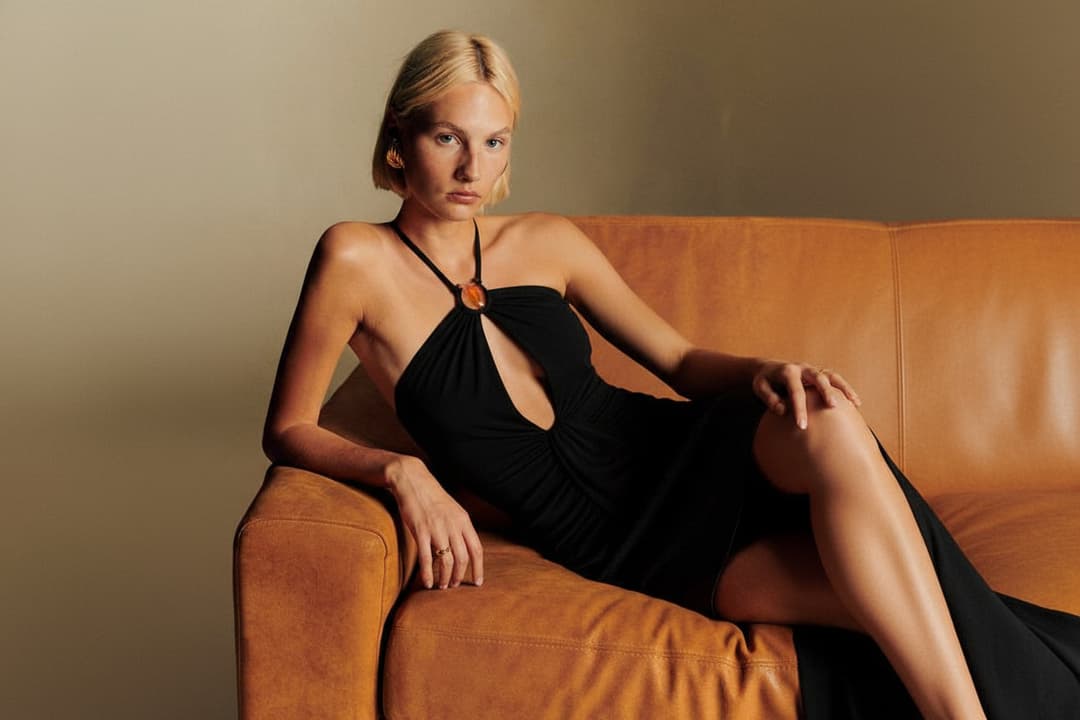
For satin: wash at 30° on a delicate cycle, no spin. Dry flat on a clean towel, never hung (the weight of the water deforms the drape). Steam at low temperature, never direct iron.
For lace: washing net required, maximum 30°, horizontal drying. For tulle: hand wash in cold water with special delicate detergent, never machine. Our article on Chic transparent black dress: the glamorous must-have of your wardrobe details the specifics of tulle and mesh.
For stain removal: red wine stain on satin, act within 5 minutes with cold sparkling water (never hot, never rub). Makeup stain: dampen with a cotton pad soaked in micellar solution, dab without rubbing.
Storage: breathable cover (never plastic), padded hanger for long dresses, layer-on-layer storage prohibited for lace that marks. An elegant black dress well maintained lasts 10 to 15 years in a well-kept wardrobe.
Long or short black dress: how to choose according to the occasion and season

Length is not a matter of fashion: it's a matter of register and proportion. For an elegant black dress for women, length immediately encodes the level of formality: long = formal, midi = versatile, short = casual.
The long black dress is essential for galas, formal dinners, ceremonies, and winter evenings. It elongates the silhouette, creates a regal bearing effect, and allows for the most architectural materials (voluminous tulle, trailing satin, lace throughout the length). Our selection of evening dresses offers the most elaborate long lengths of the season.
The midi black dress (mid-calf) is the most versatile length: suitable for cocktails as well as office-evening, in summer with sandals or in winter with high boots.
The short dress (mid-thigh to mid-knee) is reserved for casual cocktails and urban summer evenings. The rule of proportion is fundamental: a low-cut or transparent top calls for a long skirt; a covering top allows for a short skirt or a deep slit. Reversing this logic creates an immediate visual imbalance.
The asymmetrical cut deserves a special mention: it reinvents the black evening dress by playing on controlled imbalance (one bare shoulder, a diagonal slit, a drape falling on one side). This construction signs a graphic silhouette suitable from cocktail to gala.
Asymmetrical cut, Misciano materials, and occasions from cocktail to gala.
Investing in a quality black dress: the criteria that make the difference
An elegant women's black dress of quality is not necessarily the most expensive. It is the one whose finishes withstand time. Here are the concrete criteria to check before any purchase.
A luxury black dress or a high-end chic black dress stands out from an entry-level piece on three measurable signals: its drape (angle of fall after 30 seconds of hanging on a padded hanger), its deep luster (without greenish or bluish reflection that betrays a low-quality black dye), and its hand finishes (rolled hems, cupro lining, 3-thread overlock). These criteria immediately distinguish serious Italian tailoring from fast fashion that mimics appearance without investing in construction.
The seams: a quality seam measures 1.5 to 2 cm in width and uses a reinforced stitch at the armholes and ribbed edges.
A 3-thread overlock (not 2) ensures better tear resistance. The hems: the hand-rolled hem is the most delicate (invisible finish), the saddle-stitched hem holds up better on heavy materials.
The lining in cupro (semi-synthetic natural fiber) is the premium reference: it breathes, glides on the skin, does not generate static electricity.
DISCOVER ALSO
Long lace & sequin dress
Long satin dress with American neckline
Puffy transparent tulle dress
Transparent mesh dress
Thin strap satin dress
The ultimate test before purchase: crumple a piece of the dress in your hand for 10 seconds. Good satin immediately returns to shape. Poor material retains the creasing.
Also test under bright light: quality black dyes remain deep and uniform, without greenish or bluish reflections that betray a low-grade formulation.
An elegant black dress well constructed and carefully maintained will easily last 10 to 15 seasons. Check out our guide How to recognize a quality garment: the invisible criteria that make the difference to delve deeper into these textile criteria.
To complete your wardrobe around the elegant black dress, explore our collections and guides selected according to the occasion.
TO PAIR WITH

Article written by Camille Laurent
Published on 05/12/2026 at 10:00
About the author
Camille Laurent is a fashion editor for Misciano Paris. A specialist in textile materials and formal dress codes, she has been guiding readers in their choice of elegant pieces since 2019.
→ Learn more about Camille LaurentFREQUENTLY ASKED QUESTIONS
Which black dress to choose for a wedding invitation in 2026?
For a wedding in 2026, opt for a black midi dress in lace or matte crepe: elegant without stealing the spotlight. Follow the rule of a maximum of 20% visible skin in places of worship. Avoid sequins and overly marked transparencies during the day.
How to wear an elegant black dress at the office?
At the office, an elegant black midi or knee-length dress is worn with a double-breasted blazer and low-heeled pumps (max 5 cm). Choose a matte material (crepe, ponte, cool wool) rather than shiny satin. A structured accessory (rigid bag, thin belt) reinforces the authority of the silhouette.
Long black dress or short for a gala evening?
For a formal gala evening, the long dress is a must. It immediately encodes the level of ceremony and allows for the most architectural materials. The short dress is suitable for casual galas or after-parties, never for classic gala dinners.
What material for a black dress that doesn't wrinkle while traveling?
Crepe (100 to 150 g/m²) and ponte jersey are the most wrinkle-resistant materials. Fold the dress in sheaths in tissue paper. Satin wrinkles more easily but quickly regains its shape with steam (hot shower for 5 minutes in the bathroom).
How to choose an elegant black dress when you are petite?
For a petite silhouette, opt for a short or midi black dress with a vertical cut without a mid-body belt that breaks the line. A single material from top to bottom stretches optically. Avoid puffy skirts and large volumes at the bottom that overwhelm the silhouette.
Satin or lace black dress for a ceremony?
For a ceremony, lace is generally more appropriate than shiny satin. Lace projects a more traditional and elegant image. A matte satin (less reflective) may be suitable if the cut is simple and the length is midi to long.
How to remove a wine stain from a black satin dress?
Act within 5 minutes: dab with cold sparkling water (the bubbles lift the wine molecules). Never rub, only dab from the outside in. If the stain has dried, apply an enzyme stain remover for proteins and wash at 30° immediately after.
Is a black dress suitable for a religious wedding?
Yes, provided you follow the coverage rules. A black midi to long dress, without transparencies and with covered shoulders (or a stole for the church) is perfectly appropriate. The black color has been accepted in Catholic churches, mosques, and synagogues for several decades.
What jewelry with a backless black dress?
With a backless dress, avoid a choker necklace that competes with the back. Opt for long chandelier earrings in gold or silver. A thin cuff bracelet can complement without overloading. Rule: the back is the statement piece, the jewelry accompanies.
How to avoid the excessive shiny effect of black satin?
Look for a duchess satin weave (denser, silkier reflection than metallic). In styling: avoid direct lights (flash photography) and prefer dim lighting. A satin of at least 140 g/m² will have a deeper and less aggressive reflection than a light satin.