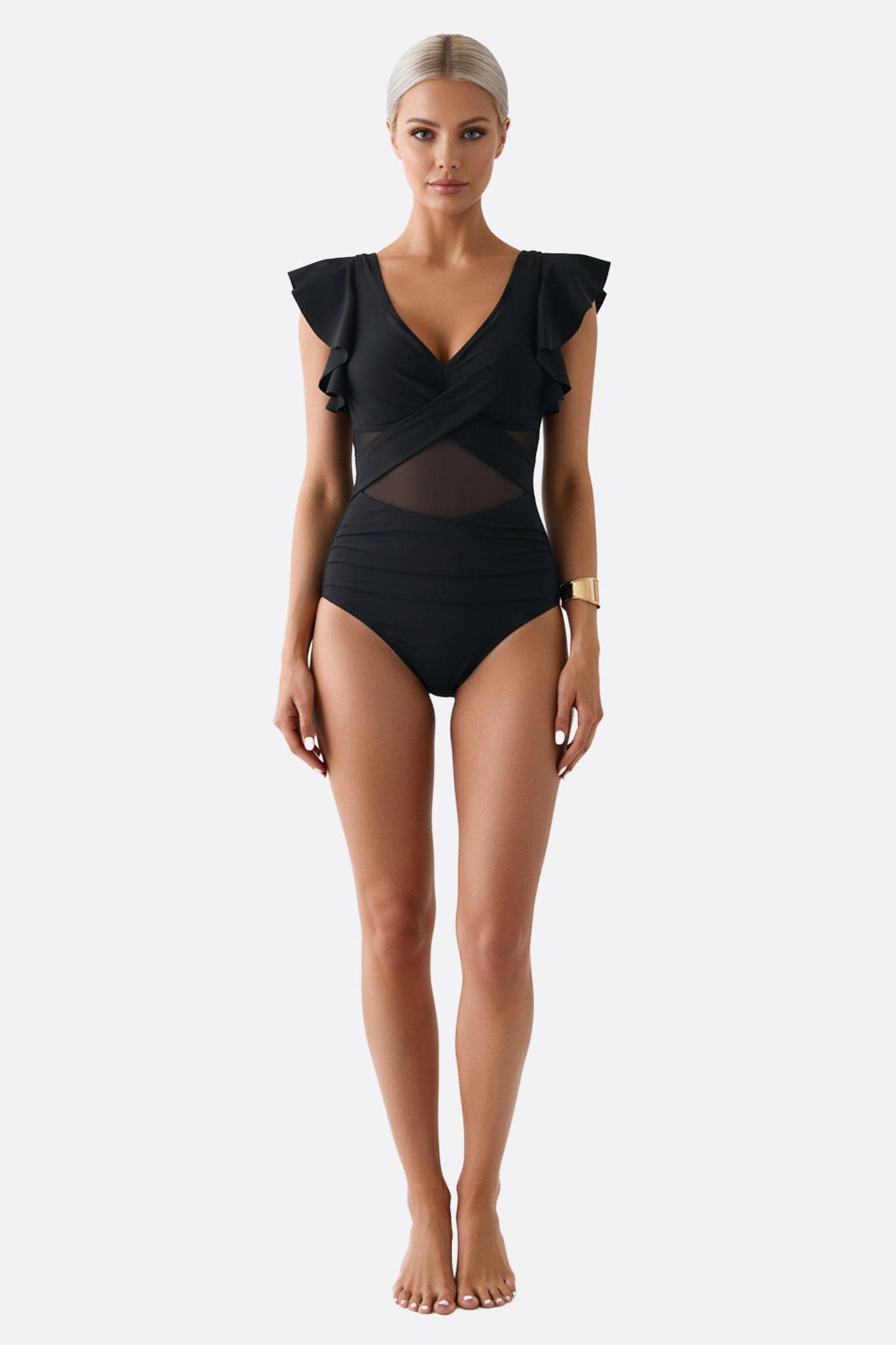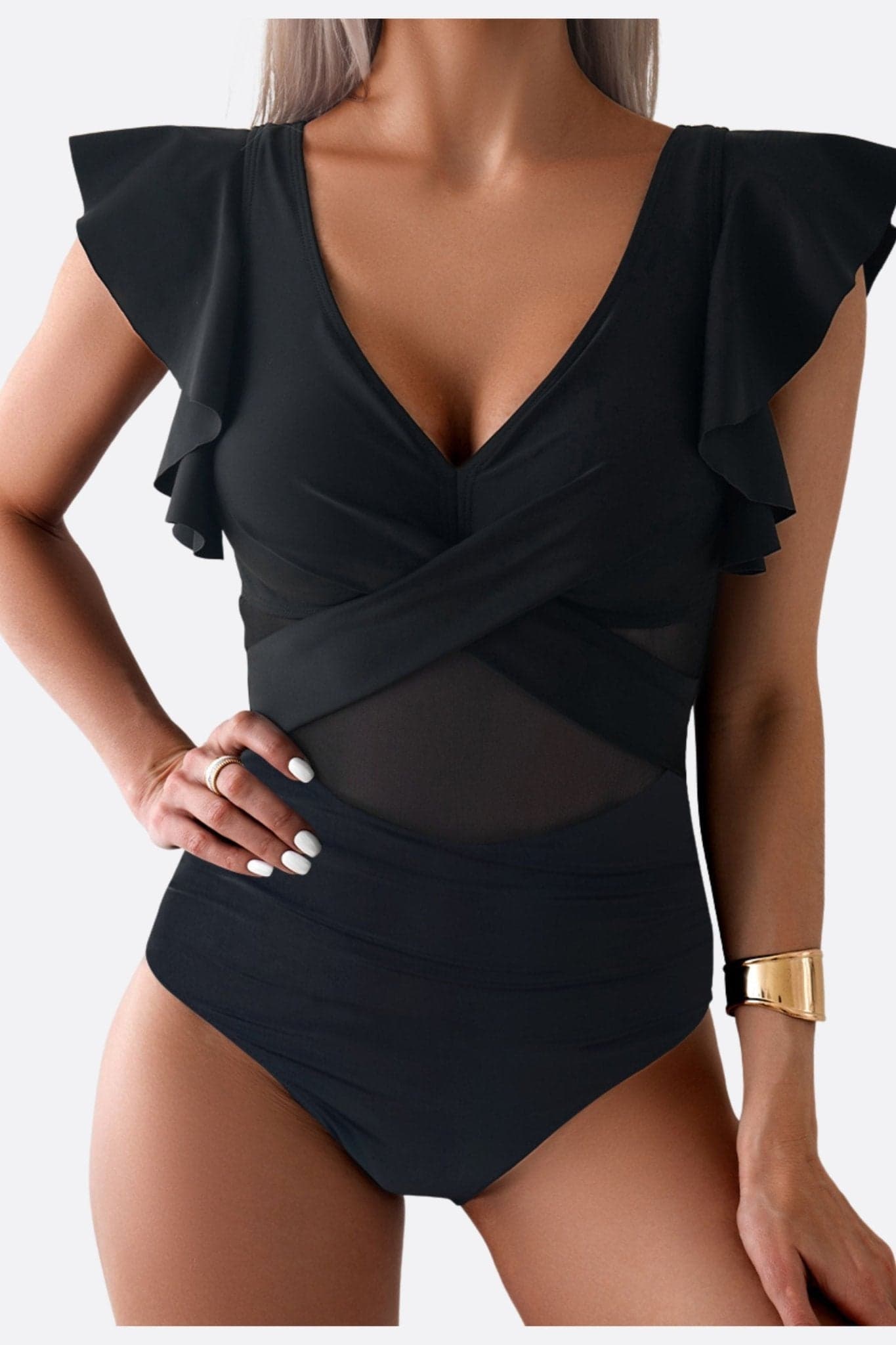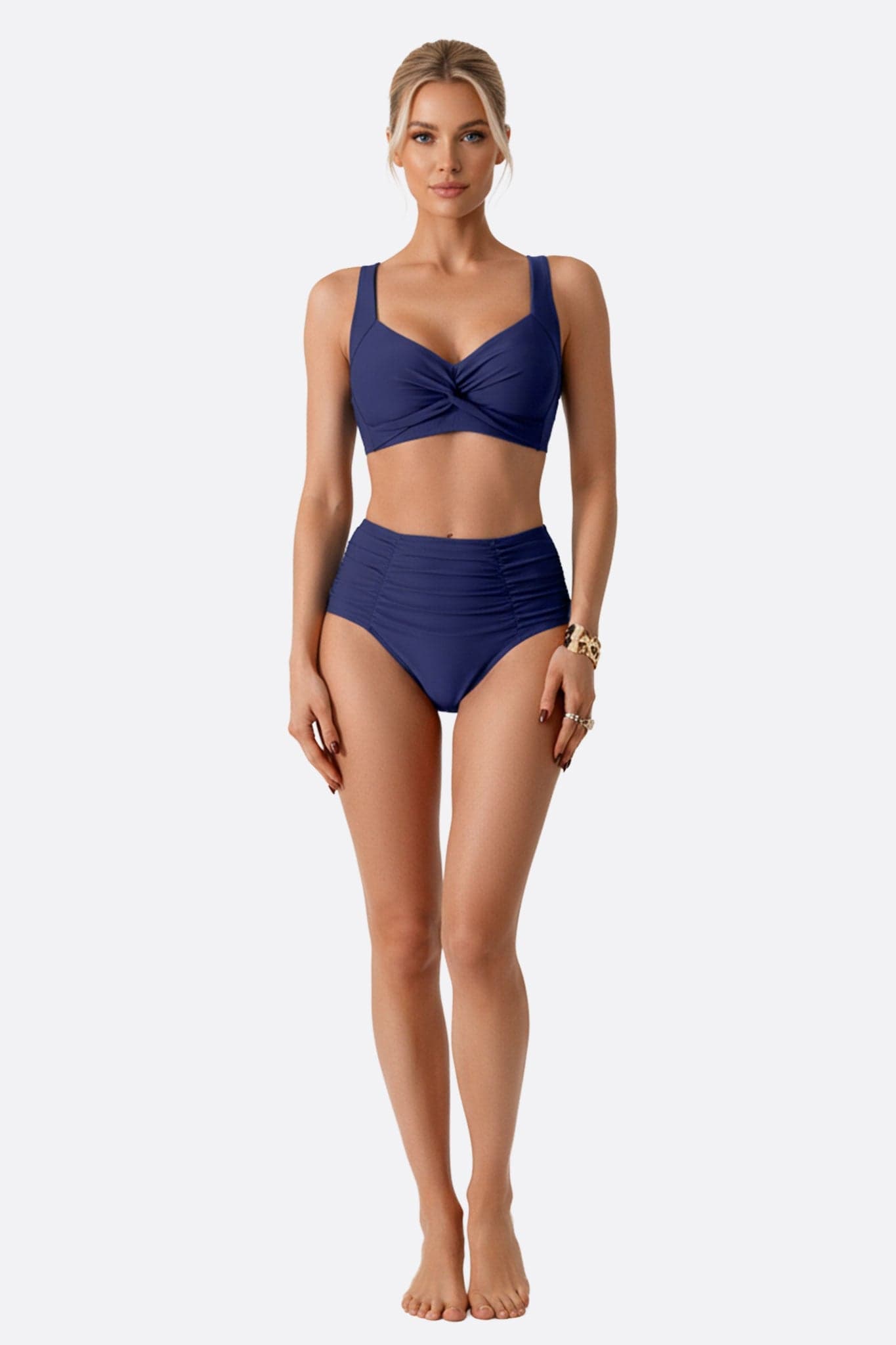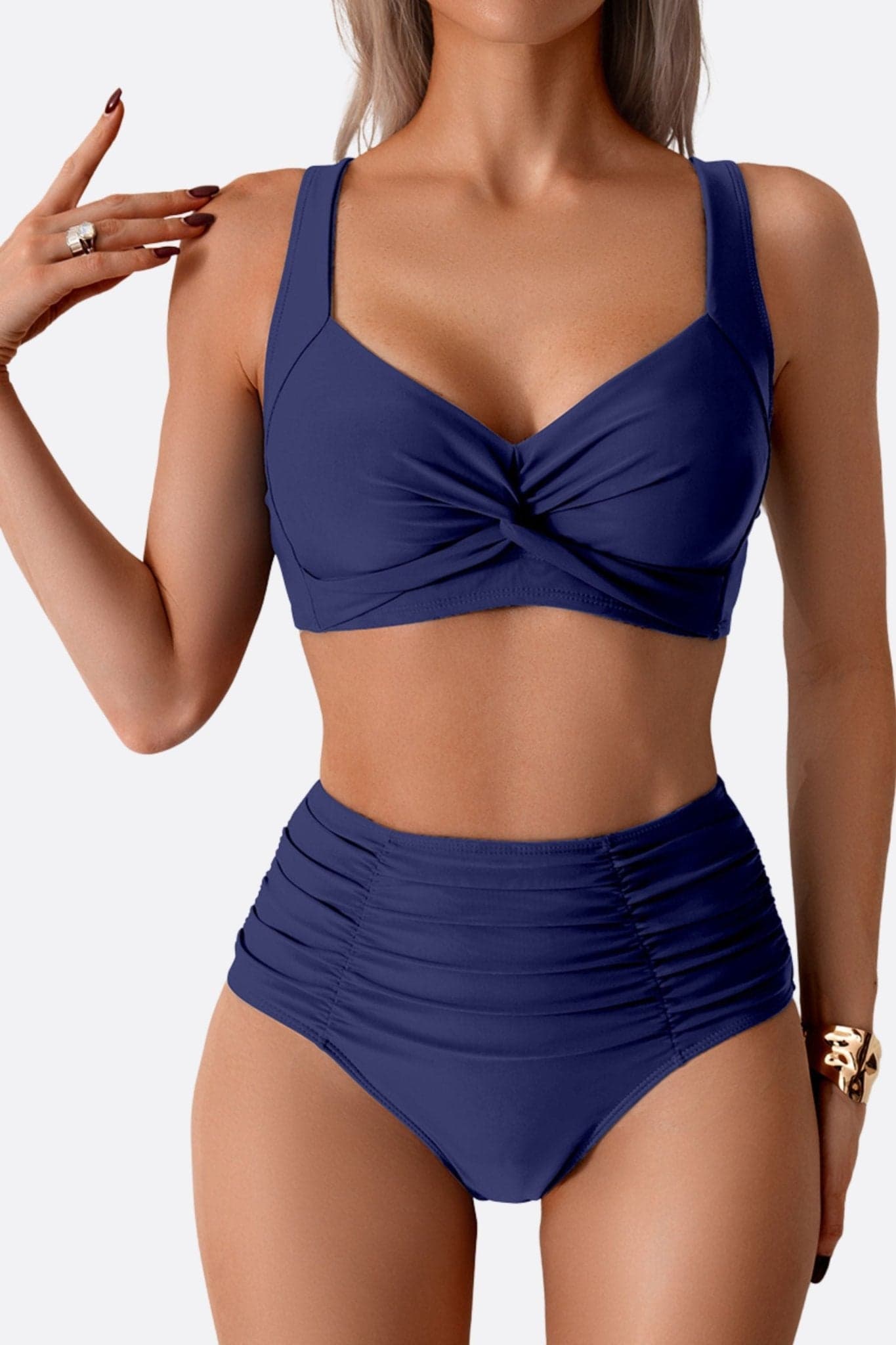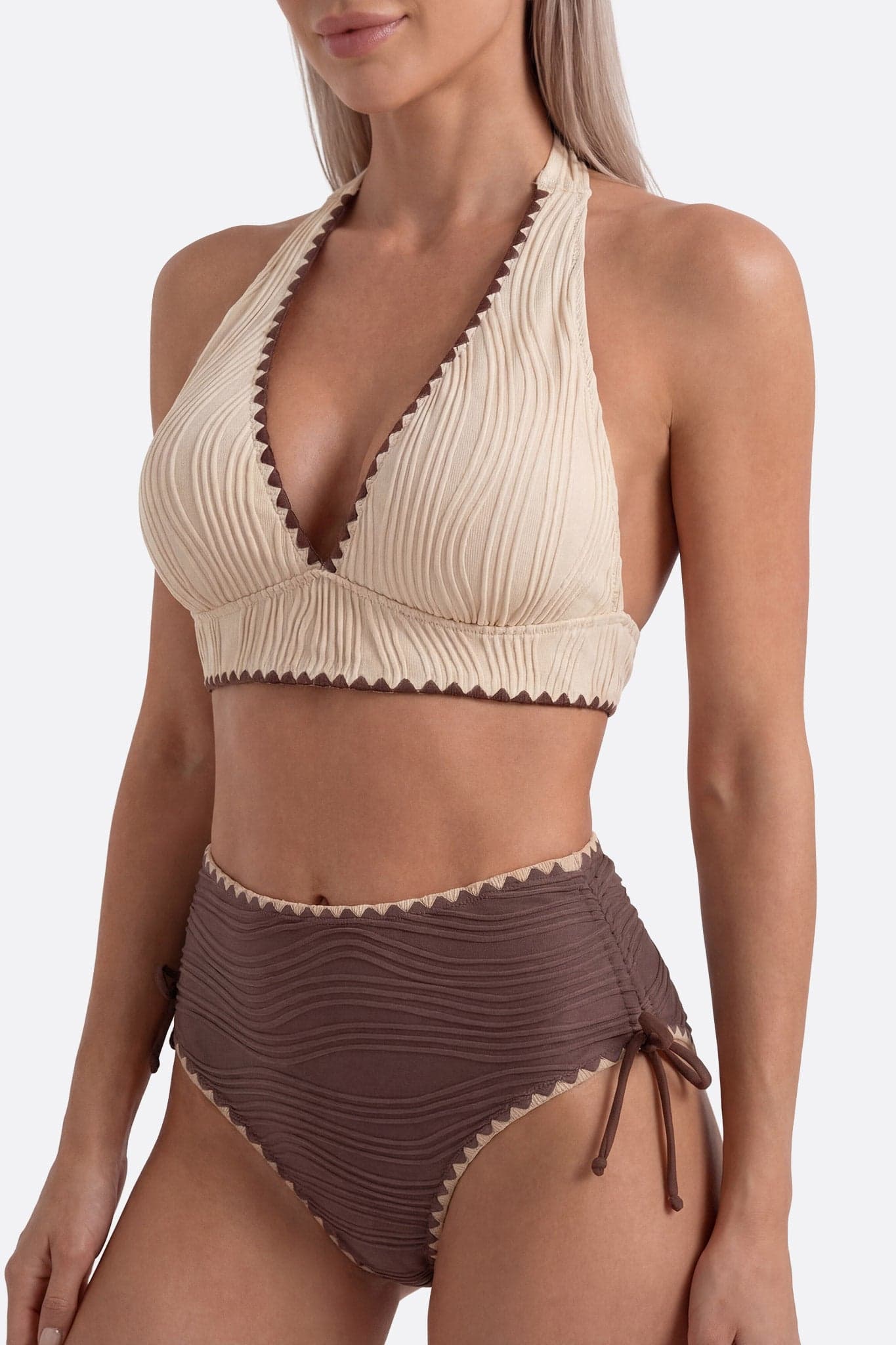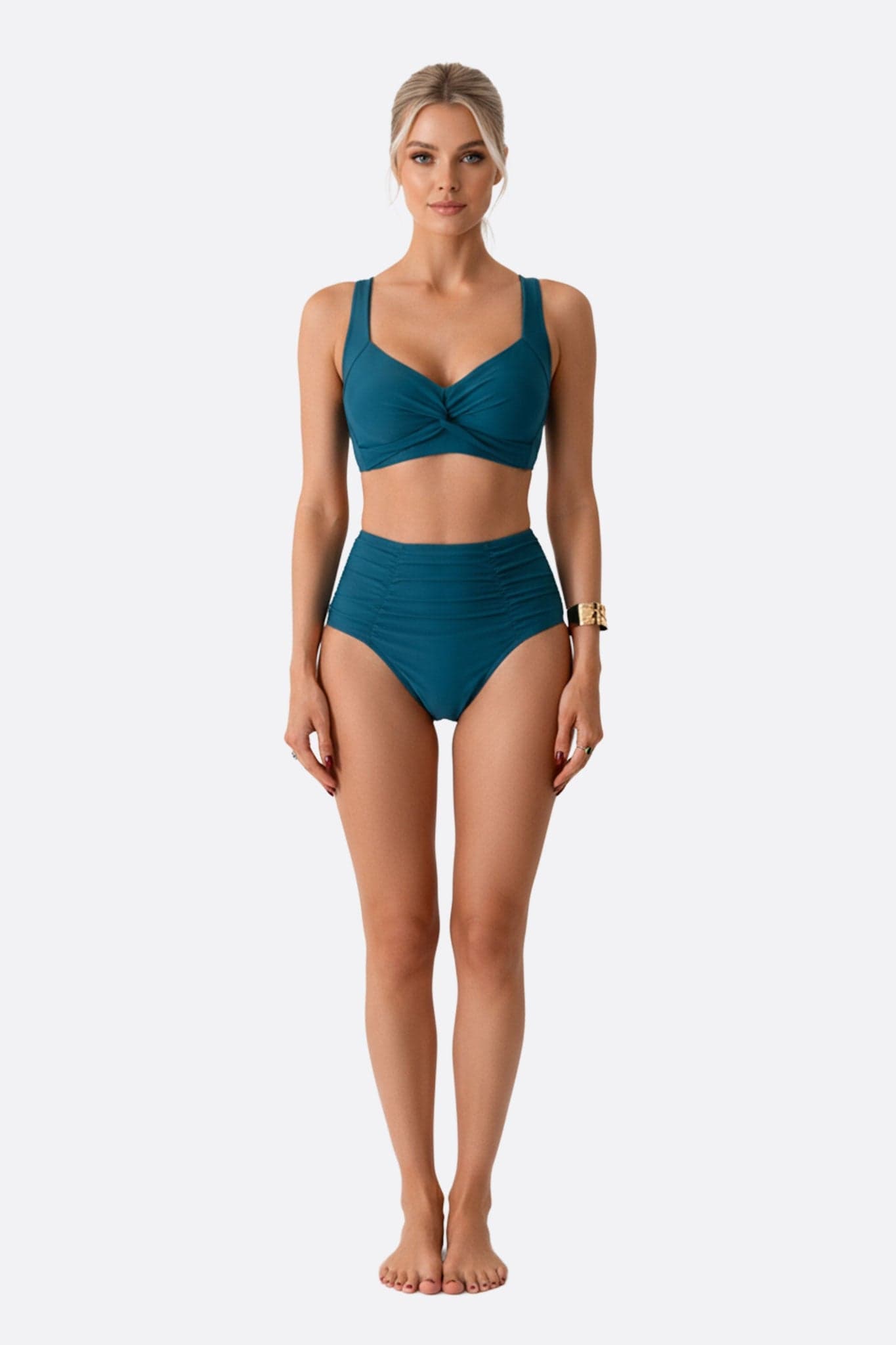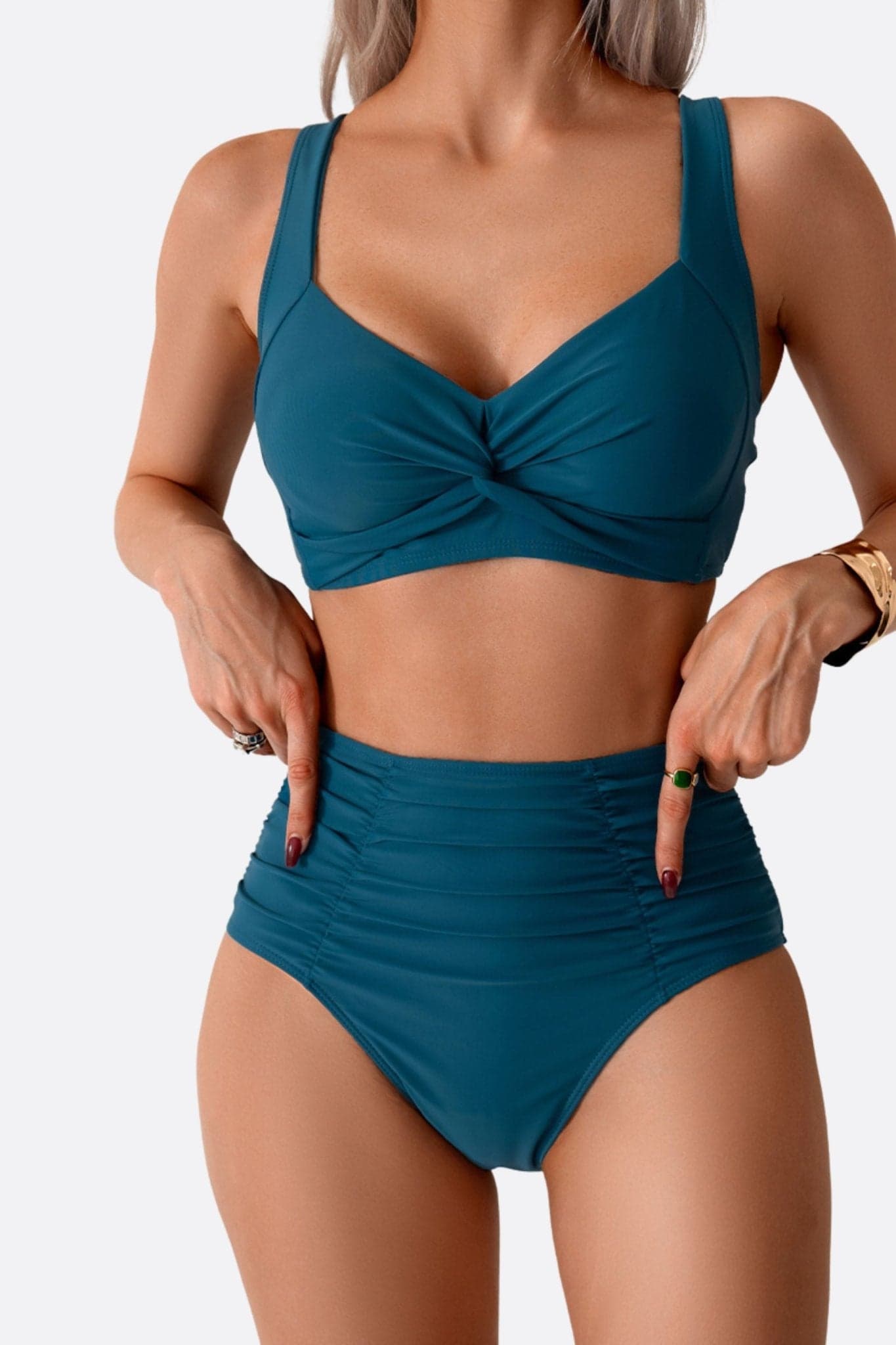
Women's swimsuits: how many do you need for a summer?

You go swimming repeatedly, then put on the same swimsuit still fresh from saltwater, a bit heavy, barely dry at the seams... and by the end of August, the elastic has lost its hold, the color has faded, the fabric has become "polished" at friction points.
The real question is not "how many is reasonable," but how many women's swimsuits are needed to respect the drying time, limit fiber fatigue, and maintain a sharp line throughout the season.
Discover our swimsuit collection
How many women's swimsuits to plan according to your swimming frequency
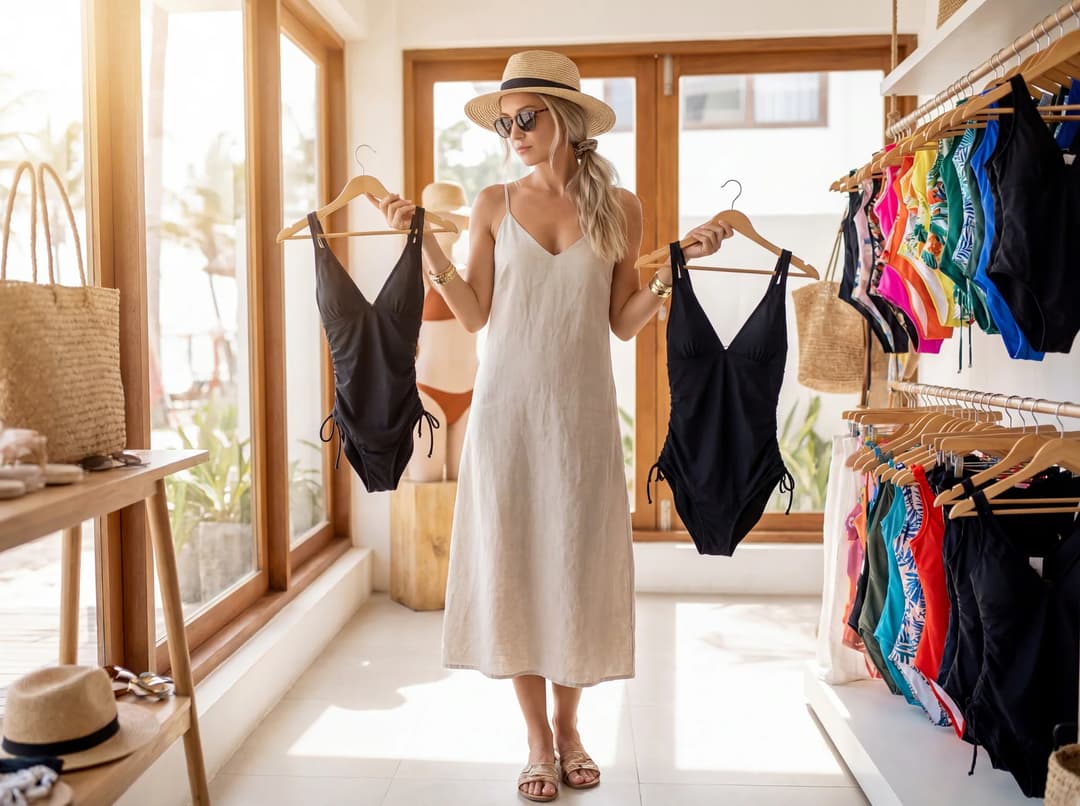
To determine the right number, we start with a simple textile principle: a swimsuit should ideally dry completely between wears. Putting on a still damp swimsuit is not only uncomfortable; it's also an effective way to accelerate wear. Prolonged moisture keeps the fibers under tension, retains salt/chlorine, and promotes friction (straps, cutouts, bottom seam) when the fabric is most vulnerable.
Practical reference: 24 hours of rest. Under proper conditions (rinsing, gentle wringing in a towel, drying in ventilated shade), a polyamide/elastane swimsuit often takes 8 to 18 hours to dry.
But as soon as it is lined, very shaping, or the air is humid, it quickly shifts to 24 hours (this time can vary depending on thickness, elastane content, temperature, humidity, and ventilation). These references come from internal tests conducted under variable conditions and are based on manufacturers' recommendations.
The most reliable method: calculate the number of "water sessions" per week and the likelihood of complete drying in between. Then, add a "buffer" swimsuit if you travel (suitcase, poorly ventilated room) or if you alternate between sea and pool (salt + chlorine, demanding combination).
- 1 to 2 swims/week (beach on weekends, occasional pool): 2 swimsuits. You wear one, the other dries without urgency. This is the minimum to avoid putting on fabric still loaded with salt/chlorine.
- 3 to 4 swims/week (active summer, light sports, regular outings): 3 swimsuits. This is the most comfortable rotation: one worn, one drying, one ready. You significantly reduce elastic fatigue.
- Daily (sea/pool vacations, training, boat): 4 swimsuits. Here, the "rest" of the textile becomes crucial. With 4, you absorb the unexpected: late swim, humidity, thick lining, or simple forgetfulness of immediate rinsing.
- Two swims a day (morning + late afternoon, or alternating sport/tanning): 5 swimsuits if you want to maintain an impeccable appearance all summer. Otherwise, 4 swimsuits + strict rinsing/wringing discipline may suffice, but you'll be closer to the breaking point by the end of the season.
Note: the "right number" depends not only on volume but on the type. A lined one-piece, a very shaping swim bra, or an underwired top retains more water. They deserve more drying time than a light triangle. If your wardrobe mainly contains dense pieces, go up a notch: 3 instead of 2, 4 instead of 3.
For a complete beach wardrobe, also consider complementary pieces available in our beachwear collection.
Rotation and drying: the textile equation that truly extends lifespan
Rotation is not a whim: it is a way to reduce mechanical stress on elastane and limit the chemical attack of chlorine or salt.
A swimsuit undergoes three simultaneous aggressions: water (which weighs down the fabric), chemical agents (chlorine/salt/UV) and friction (sand, deckchair, straps under a bag, pool edge). Rotation allows you not to accumulate these aggressions on the same piece day after day.
For a complete guide on choosing your swimsuit, consult Women's swimsuit: complete guide to make the right choice.

The right cycle after swimming (simple, but crucial):
- Immediate rinsing with fresh water: 30 seconds are enough to remove the essentials. Salt leaves a slightly rough feel when drying; chlorine continues to act as long as it remains in the fiber.
- Wringing without twisting: gently press, then roll the swimsuit in a towel. Twisting breaks the elastic memory, especially on the straps and waistband.
- Drying in ventilated shade: direct sunlight accelerates the degradation of dyes and “cooks” the elastane. Bright shade is your ally: the fabric retains its texture and tension.
- Complete rest: avoid folding a still damp swimsuit in a bag. The smell is just the symptom; the real issue is the fiber remaining under humid stress.

What you feel to the touch when a swimsuit hasn't dried enough: the material seems heavier, a bit “sticky,” and the lined areas remain cold. On the skin, the sensation is less clear, as if the fabric slides less well. These are subtle signals, but they betray a fabric that hasn't recovered.
Smart rotation: alternating roles. Ideally, you don't always wear the same swimsuit for the same activity. Reserve a more covering or shaping model for sporty days (swimming, paddleboarding), and a lighter model for calmer moments.
This distributes the tensions: straps, cutouts, bottom seams. And if you alternate between sea and pool, if possible, assign one swimsuit mainly to the sea and another to the pool. Chlorine is particularly harsh on elastane; salt stiffens when drying if rinsing is delayed.
If you are still unsure about the cuts and constructions that dry best (lining, support, coverage) and how to choose a piece suited to your use, you can refer to the main guide women's swimsuit: keep it as a compass, then use the rotation logic here to size your summer wardrobe.
Vary colors with a pink swimsuit for sunny days. Green tones bring a natural and refreshing touch. See our green swimsuits.
Lifespan: recognizing wear, choosing the right “mix” of women's swimsuits and avoiding mistakes that tire them out

The lifespan of a swimsuit is not a fixed number; it is reflected in the condition of the fabric, the sharpness of the edges, and the stability of the color.
A swimsuit may look “still beautiful” on a hanger but may have already lost its tension on the body. The goal, if you invest in beautiful women's swimsuits, is to maintain a clean silhouette: straps that do not stretch, a neckline that stays in place, bottoms that do not loosen at the hips.
Concrete signs that the piece is wearing out:
- Wavy edges: the internal elastic has started to loosen; the line is no longer sharp.
- Increased transparency in stretched areas: the fabric has opened, sometimes due to too vigorous twisting/spinning.
- Color fading: black becomes less deep, saturated shades lose their sharpness. UV + chlorine are often responsible.
- “Long” straps: you need to tighten more than before, or the adjustment slips. This indicates a loss of elastic memory.
- Drier, less supple feel: salt residues, unsuitable detergent, or too hot drying.
- Tumble dryer, radiator, and very hot water: these methods accelerate fiber degradation. Always follow the recommendations on the manufacturer's label.
How many seasons can a swimsuit last? With moderate use and proper rotation (2–3 pieces, systematic rinsing, drying in the shade), a swimsuit can remain very presentable 2 to 4 summers.
With intensive use (daily, chlorinated pool), even a beautiful piece can show signs of wear in 1 season if worn continuously without rest. The most decisive variable is not the “quality” alone: it is the recovery interval between wears.

The best “mix” to last (rather than accumulating):
- 1 “pillar” piece: the one that accompanies you everywhere, reliable cut, impeccable comfort.
- 1 “alternating” piece: different in construction (lighter or, conversely, more supportive) to distribute tensions.
- 1 “buffer” piece: useful for humid days, late returns from the beach, or double swims.
- +1 dedicated pool piece if you swim often in chlorinated water: it absorbs the chemical aggression and protects your other models.
Common mistakes that shorten lifespan (and how to avoid them):
- Drying in direct sunlight: prefer ventilated shade. Direct sunlight is a shortcut to color “turning” and elastane loosening.
- Leaving the swimsuit wet in a bag: if you cannot do otherwise, rinse, press in a towel, then put it in a breathable pouch (or at least slightly open).
- Aggressive detergent / fabric softener: fabric softener leaves a film that can alter elasticity and dull the feel. A mild soap, lightly dosed, is sufficient.
- Unnecessary friction: avoid sitting directly on rough concrete; place a pareo in between. Sand is abrasive: rinse before putting on shorts over it.

Special cases: For swimsuits with underwires, thick lining, or particularly shaping cuts, it is recommended to strictly follow the manufacturer's care instructions. In these cases, avoid any mechanical drying (tumble dryer, radiator, machine spinning) and prefer drying in the shade to preserve the structure and elasticity of the fabric.
Finally, remember that rotation is also a matter of appearance: a swimsuit that has had time to dry regains a sharper feel, more stable tension, and a more pleasant sensation on the skin. The fabric lays better, the edges remain clean, and the whole looks immediately more polished. In summer, it is often these details, invisible on the label, obvious when worn, that distinguish a piece that lasts the whole season from a piece that silently wears out.
To complement these tips, also consult our guide to maintaining your swimsuit which details other recommended practices.

Article by Alexander Chekushine
Published on 04/22/2026 at 13:49
About the author
A specialist in style and fashion trends, I bring a keen eye to Misciano's creations. My in-depth knowledge of noble materials and Italian craftsmanship enriches each of my articles with a precise and demanding reading of contemporary elegance.
→ Learn more about Alexander Chekushine