
Silk square and fair price: recognize quality and invest wisely

Our silk squares in stock
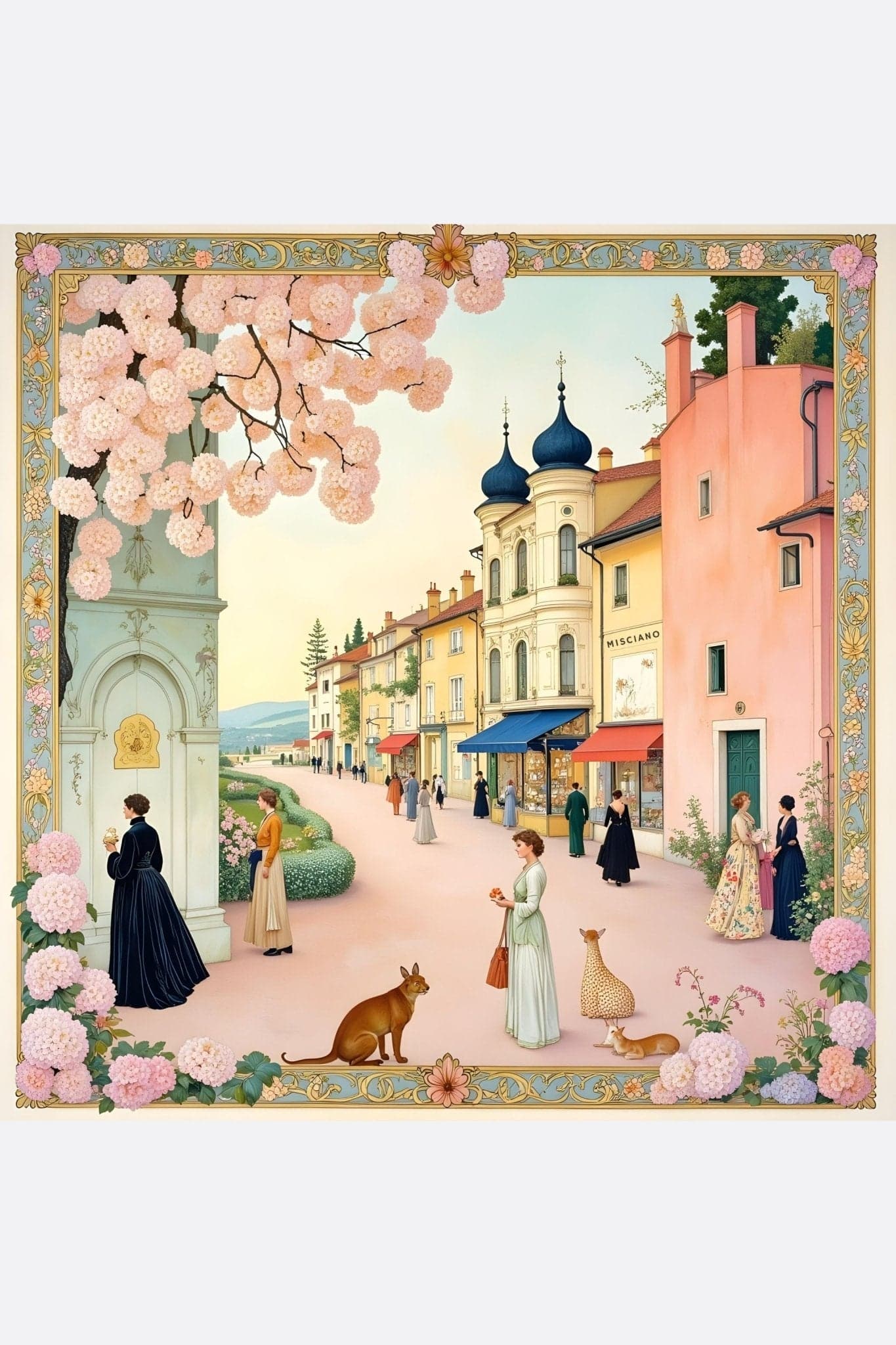
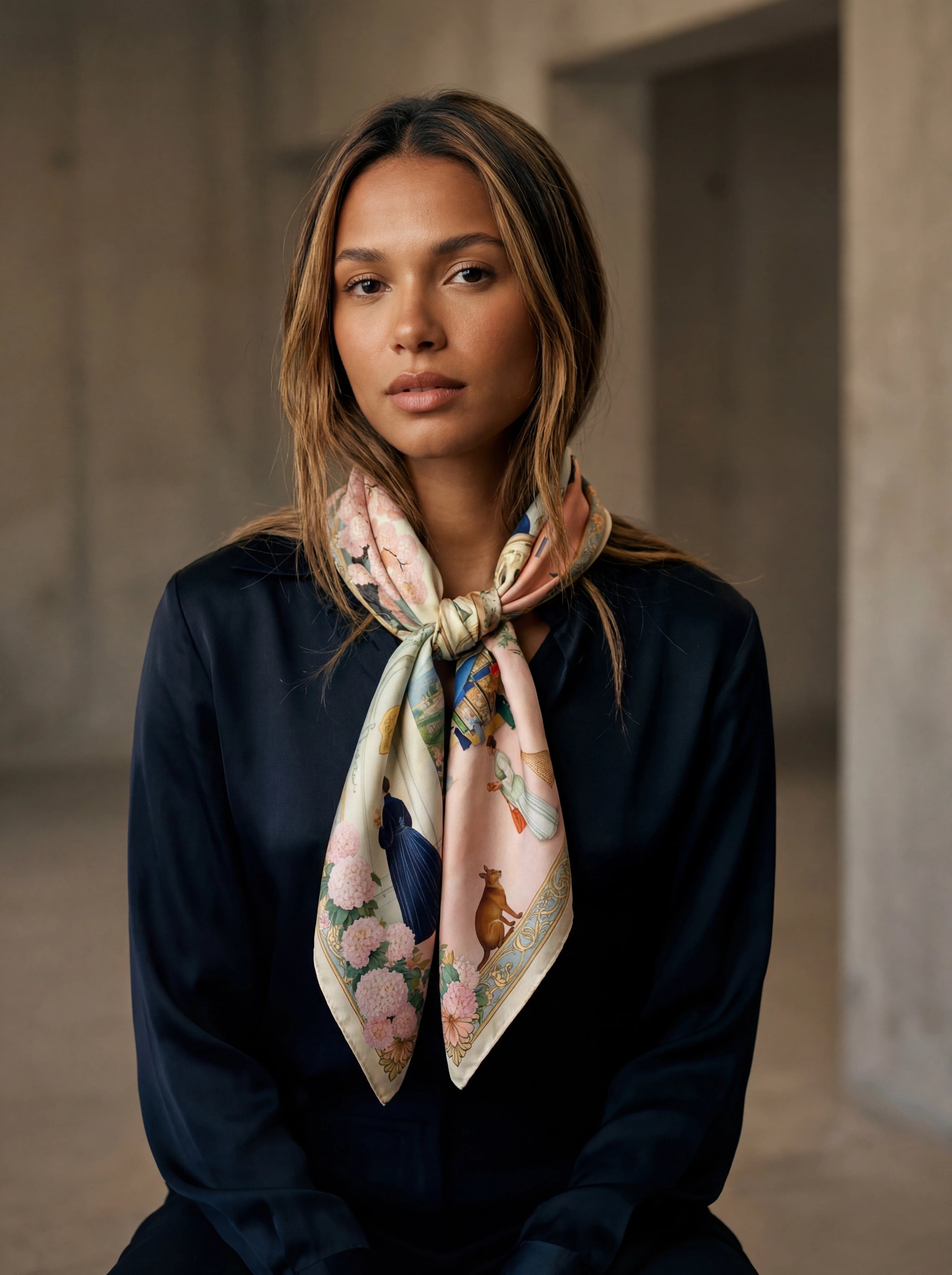
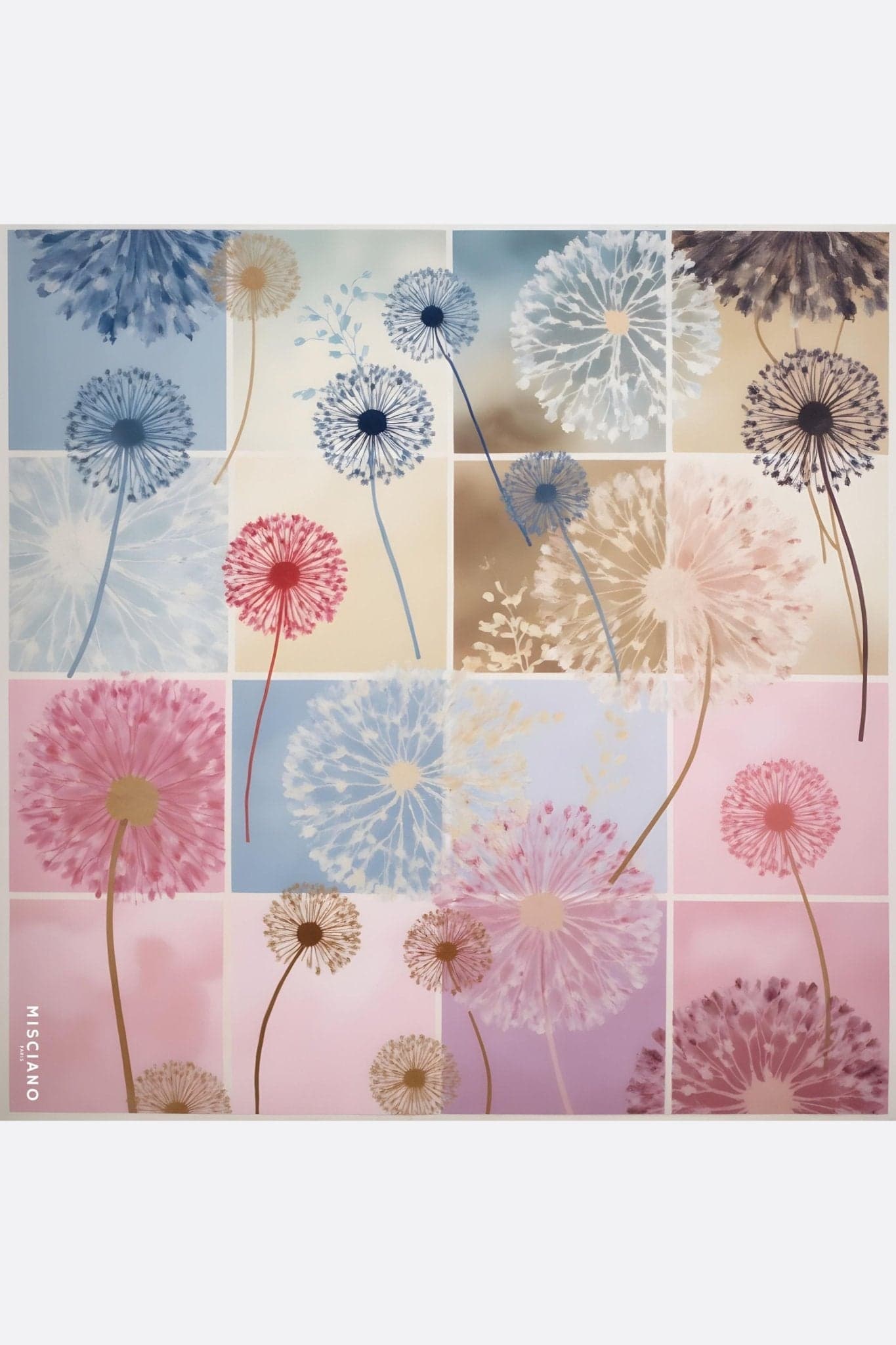

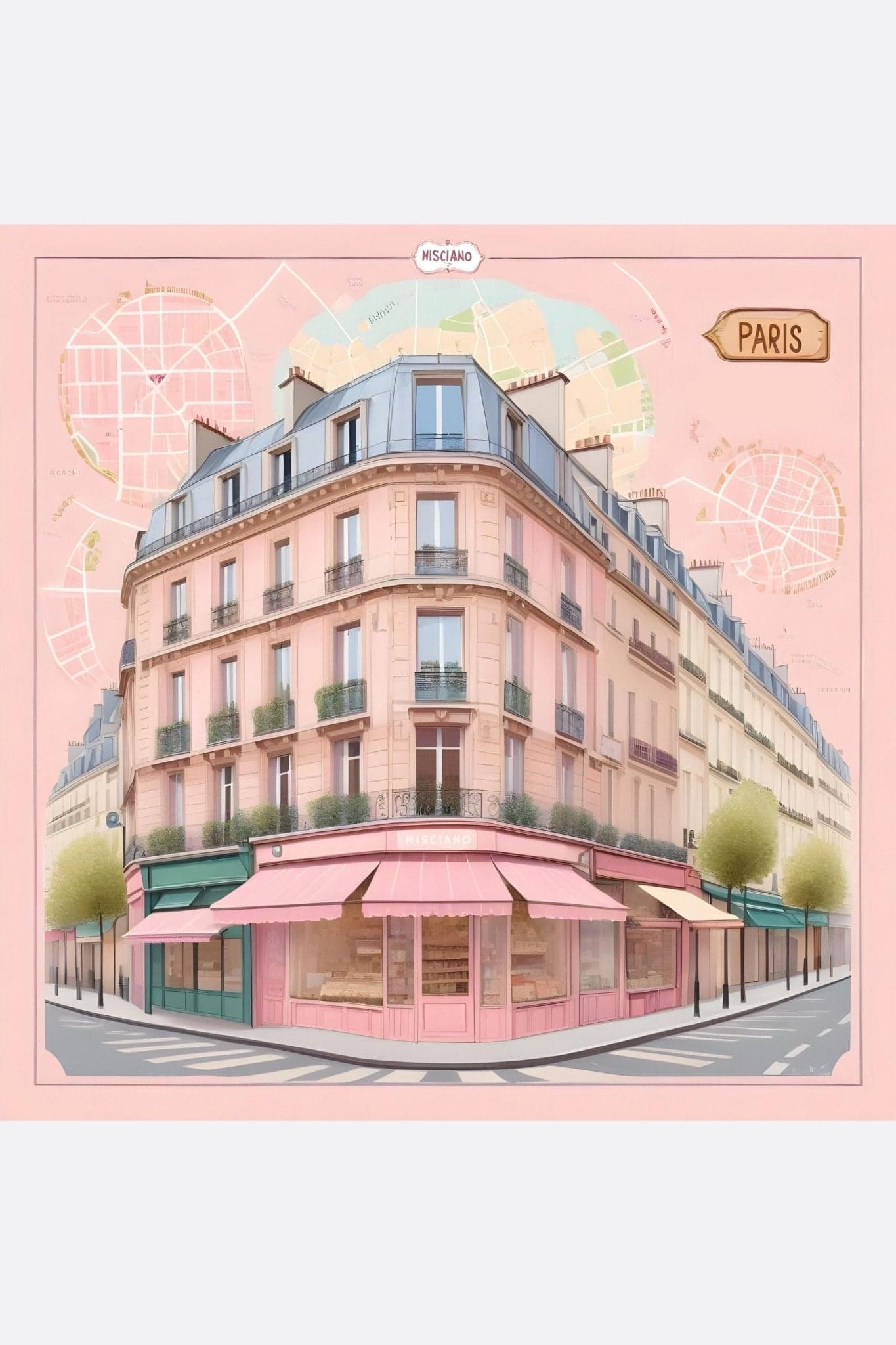
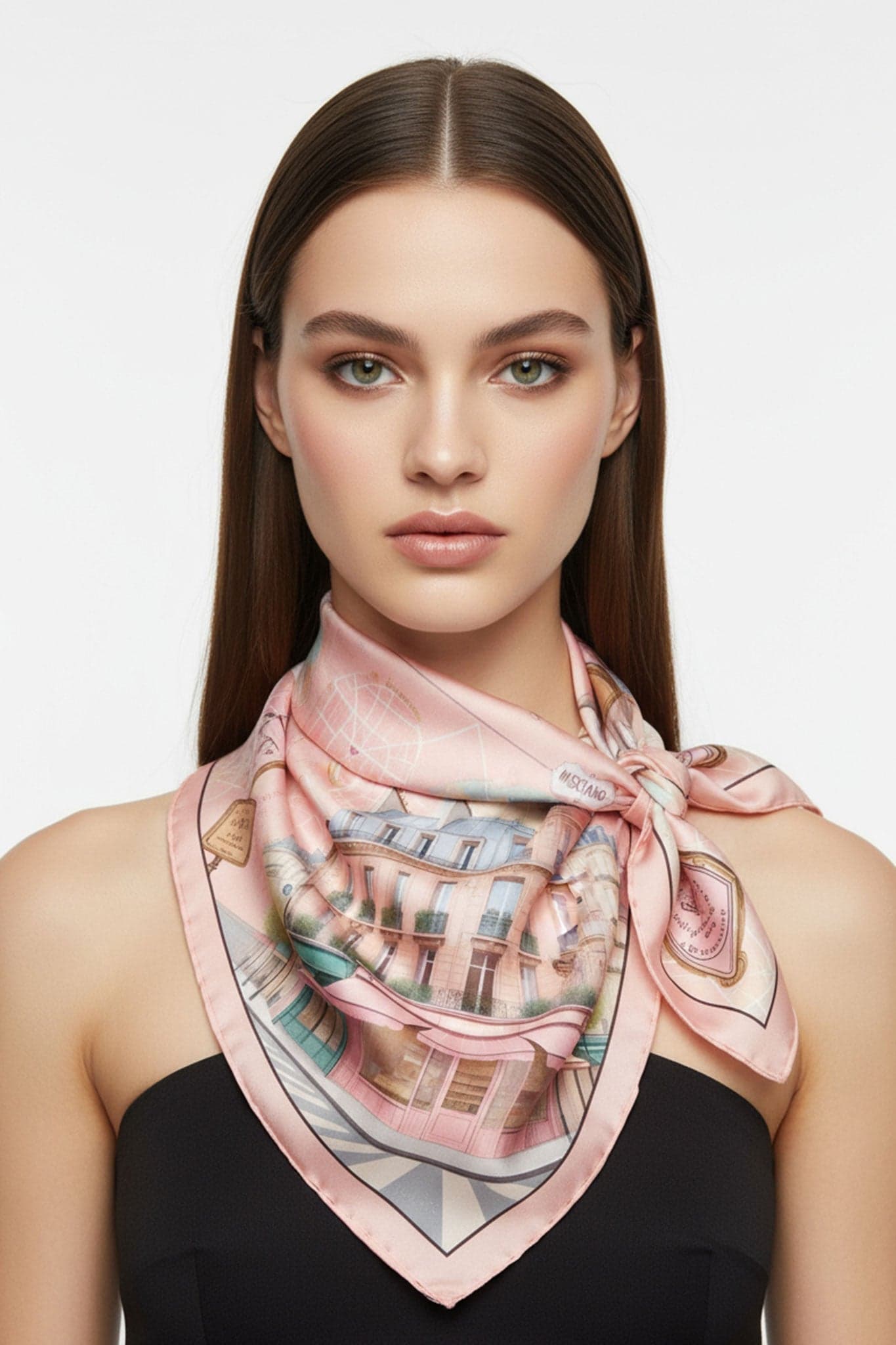
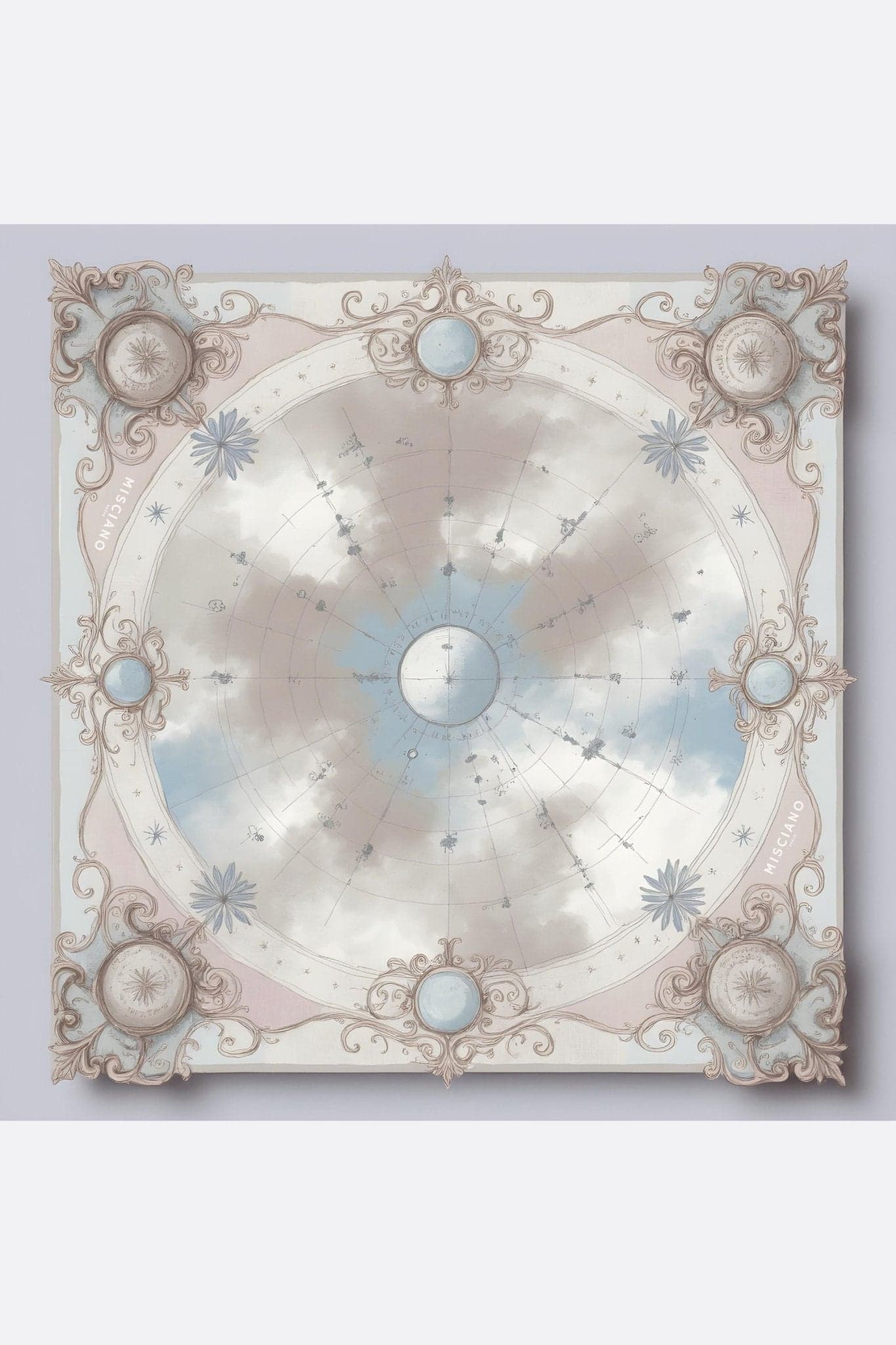

You hesitate in front of a price gap that seems illogical: two visually similar silk squares, one at €45, the other at €180 (or more). The problem is not your eye: it's that the value of a square is hidden in tactile details, hand weight, crispness, slipperiness, sharpness of the design, edge hold, difficult to read online and rarely explained.
This article gives you a clear method to judge the price of a silk square without paying for the "label," and without falling for false bargains.
To concretely visualize the diversity of textures and finishes mentioned here, discover our Misciano silk square collection, where each piece expresses a balance between brilliance, density, and hand finesse.
What makes the price of a quality silk square vary (and what shouldn't)
The price of a quality silk square is built on an addition of concrete items: raw material, weaving, preparation, printing, finishes, controls, losses, logistics. When one of these items is "compressed," you feel it sooner or later: a drier touch, too soft a drape, flat shine, bleeding print, wavy edge.
Conversely, some elements inflate the price without improving the piece: over-packaging, influencer campaigns, multiplication of intermediaries, or storytelling too heavy compared to the textile reality.
The material and weaving weigh heavily in the cost. A well-set silk twill has a lively hand: it slightly catches the pulp of the fingers then glides, with fine resistance when crumpled. At equal density, the regularity of the thread and the stability of the weave make the difference: a "cheap" square often seems fluid... until it loses its hold at the knot or shows dull creases.
Stable weaving gives a neat drape: the square is placed and stays in place. (For information, a quality twill is often around 120-160 g/m², while other types of weaving may have different ranges.)
To understand how texture influences the perception of price and comfort, you can delve deeper with our article Silk square twill or satin: which to really choose. It details the differences in weaving and their impact on hand and durability.
The preparation before printing is an invisible but determining item: washing, finishes, tension, control of the background whiteness. Careful preparation allows for bright colors without stiffening the fabric. Without it, the design may seem "laid" on the surface, with a slightly sticky touch or irregular shine.
Printing often explains price differences. Precise printing respects contours, preserves gradients, avoids the "pixel" effect on micro-patterns. The depth of a black color, the sharpness of a fine line, the accuracy of an ivory are more reliable indicators than simple saturation. On a quality square, the reverse is not identical to the front (depending on the technique), but it should not appear "dirty": it remains legible, with good dye penetration. (Note, however, that in some processes, a slightly paler reverse may be normal.)
The finishes, especially the rolled hem, are an immediate indicator. A regular, discreet rolled hem without over-thickness requires time and dexterity. If it is too large, too stiff, or uneven, you are paying for a piece that will age poorly: edges that ripple, corners that deform, less neat silhouette when worn.
The accuracy of the design and the depth of the shades also depend on historical know-how. If you want to explore behind the scenes, consult History of the silk square: origins, codes, and know-how, which sheds light on the link between printing mastery and the real value of a square.
What should not alone justify a high price: an oversized logo, artificial rarity, or a "luxury" promise without transparency on density, type of weaving, and finish. Your compass: what is seen and felt, then what holds up to washing, crumpling, knotting.
Quick evaluation grid: recognize a coherent "quality silk square price," even online
You don't always have the scarf in hand. However, you can assess if the price of a quality silk scarf is consistent using a simple reading grid, applicable in-store as well as on a product sheet. The goal: to transform a subjective impression ("it's beautiful") into verifiable criteria ("it's well made").
A. Density and hold
Ask (or look) for the weight information (g/m²) or, failing that, indications of hold: more structured twill, more textured crepe, more luminous satin. A quality scarf should have a presence: when you hold it by a corner, it should not collapse like a muslin. When worn, the knot should "bite" and remain sharp instead of slipping.
If the product sheet gives no indication of density, it's often a signal: they prefer you buy based on image rather than facts. (For reference, a quality fabric is often between 120 and 160 g/m² in the case of a well-made twill.)
B. Sharpness of the design
Zoom in: the outlines should be clean, the micro-details readable, the flat areas even. On a quality scarf, a fine line remains fine, without a diffusion effect. Look at the light areas: an ivory should remain bright, without dullness. A good visual test: color transitions. If they are abrupt or grainy, the printing technique is probably more economical.
C. Reverse side of the fabric
A reliable brand often shows the reverse side. You are looking for proper penetration, not a "ghost" reverse. A too pale reverse is not always prohibitive (depending on the process), but combined with a high price, it raises questions. At a moderate price, it can remain acceptable if the feel and finish follow.
D. Rolled hem and corners
The rolled hem is your judge of peace. In photos, observe the thickness of the edge: ideally thin, regular, with precise corners. A too wide rolled hem "stiffens" and breaks the line when you tie it. In-store, slide the edge between two fingers: it should be flexible, without sticky stiffness.
E. Feel: slippery, texture, sound
Yes, even the sound matters. A quality twill has a discreet, almost felted rustle, not a dry crackle. The slipperiness should be controlled: pleasant, but not soapy. A too smooth touch may indicate a heavy finish that will wash out, leaving the scarf poorer than on the first day.
F. Transparency on origin and manufacturing
Without demanding exhaustive traceability, expect at least: type of silk, country of weaving/printing, nature of the finish. The higher the price, the more the lack of information becomes inconsistent. An expensive piece should be documented.
If you are also looking for wearing tips (knots, placements, care), keep a single complete guide at hand: Silk square: expert guide to choose, wear, maintain. Here, we deliberately focus on reading the price and quality.
Price ranges: what to expect according to the quality level (and how to "invest well")
Talking about “good price” without ranges would be abstract. But a range only has value if it is linked to concrete requirements: density, print, rolled hem, fabric stability. Here is a useful reading to decide, based on your use and risk tolerance.
Entry-level (around €30–€70)
You can find pleasant squares, especially if the brand reduces intermediaries. At this level, expect compromises: less deep print, paler reverse side, mechanically rolled hem or simple finish, thinner fabric.
The good purchase in this price range is a square whose feel remains pleasant without excessive finish, with a clean design on contrast areas. To “invest” at this level, choose easy-to-wear patterns and stable colors (avoid approximate blacks and overly acidic reds that turn).
Quality mid-range (around €70–€140)
This is often where the quality/price ratio becomes most interesting. You can demand: a fabric with hold, a clear print (including on details), a clean edge finish, and overall consistency.
This is also the area where the difference between a beautiful piece and an average piece is played out in the finishes and color accuracy. To invest well: favor a square whose structure you feel at the knot and whose edges remain sharp. A square that is easy to place will be worn more, and that is the first rule of value: a profitable purchase is a used purchase.
High-end (around €140–€350 and more)
Here, you pay for precision and consistency: weaving quality, printing complexity, control, finishes, and sometimes more expensive manufacturing. Your demand should rise: fine and regular rolled hem, impeccable corners, deep colors, perfectly aligned design, “full” material feel without heaviness.
If you do not immediately perceive a leap in clarity, feel, and hold, question the price: you may mainly be buying an image.
When the high price is justified
- Complex pattern with subtle gradients and micro-details.
- Visible manual finish in regularity.
- Stable fabric after crumpling.
- Deep colors without rigidity.
When to be cautious
- High price without technical information (density, weaving, finishes).
- Heavily retouched photos, lack of material zoom or reverse side.
- Thick edges, soft corners, print that seems “placed”.
Investing well: method in 3 purchases instead of an impulse buy
1) Buy a first square in the mid-range, to validate your preference of feel (twill vs crepe vs satin) and your tolerance to slipperiness.
2) Move up in range only if you identify what you are missing: more hold, more clarity, a finer rolled hem, a deeper color.
3) Build a small rotation: a “signature” square (master colors), a light square (to brighten), a dark square (to structure). The value is measured by the frequency of wear and aesthetic longevity. Disclaimer: investing in this context means maximizing cost per wear and aesthetic durability, and does not constitute a promise of financial return on investment.
If you are looking to link these quality criteria to the art of choosing and wearing a square well, consult the Silk square: expert guide to choose, wear, maintain. This supplement explains how to adapt each format and color to your actual use.
A beautiful silk is also preserved by the right gesture. To prolong the hold and shine of your square, follow the advice in our article Washing a silk square by hand, which details the steps to preserve the fiber and shine without altering it.
Mistakes that lead to overpaying (or underpaying) for a square: immediate purchase checklist
The square market is full of pitfalls: you can overpay for an average piece or underpay for a decent piece thinking you're making a "risky" compromise. To secure your price for a quality silk square, here is a purchase checklist you can apply in less than five minutes, with sensory criteria and simple questions.
Mistake #1: confusing shine with quality
Too uniform a shine can come from a low-density satin or a finish. True quality is recognized by nuanced light: the fabric captures the light then releases it, with more matte areas in the fold. If everything shines the same, the result may appear flat when worn. In-store, fold the square accordion-style: the light should create reliefs, not a continuous mirror.
Mistake #2: ignoring the edges
The edge is the most stressed area: friction, tension at the knot, handling. A thick or irregular edge ages quickly and distorts the line. Check: regularity of the rolled hem, flexibility, sharp corners. If the edge "feels like a rope," you'll feel it on your neck and see it in photos.
Mistake #3: buying a "difficult" pattern to justify the price
A very busy pattern can impress, but if it doesn't match your palette, it will stay in the drawer. Usability value is paramount. To invest, choose a design that interacts with your wardrobe: a controlled contrast, colors that recur in your coats, knits, and bags. A square worn 40 times is worth more than an "admirable" square worn 4 times.
Mistake #4: not testing the knot's hold
In-store: make a simple knot, then loosen and redo it. A quality square maintains a beautiful line and does not turn into a limp ribbon. There should be a fine resistance, a slight memory of form. If the knot slips and comes undone, you will tend to neglect it.
Mistake #5: believing that "silk = fragile" so "quality doesn't matter"
Well-woven and well-finished silk defends itself better: it pills less, marks less, and withstands handling better (with proper care). Excessive fragility often comes from too low a density or a finish that disappears. If you feel a "too perfect" and too smooth hand, ask yourself what will remain after two cleanings.
Mistake #6: underpaying and regretting it
A very low price can be interesting, but only if you accept the limits: less precise printing, thinner fabric, simple edges. Regret comes when you expected a hold and depth worthy of a high-end product. Be clear: buy low for light use (bag accessory, occasional hairstyle), not for wearing close to the face if you seek a clear and bright result.
Final checklist
Does the fabric hold at the corner?
Are the pattern details sharp when zoomed in?
Does the reverse side remain clean and readable?
Is the edge thin, regular, flexible?
Does the knot hold without slipping?
Are the technical information consistent with the price?
If you check everything, the price is probably aligned with the quality, and your purchase is likely to last through the seasons with the same obviousness, this mix of fresh softness on the skin and graphic hold that marks a beautiful square.
Methodology
The criteria presented in this article are based on a methodology of observation and comparison applied to silk squares from different price ranges, origins, and manufacturing processes. The objective is not to rank brands, but to make price differences understandable based on observable textile facts, reproducible by any attentive buyer.
The analysis grid combines three complementary approaches:
- Material and structure analysis: examination of fabric density (g/m² when information is available), weaving regularity, behavior of the square held by a corner, crease stability, and ability to form a neat knot without excessive slipping.
- Visual and technical reading: observation of the sharpness of patterns (fine lines, micro-details, flat areas), color hierarchy, depth of shades, and readability of the reverse side, taking into account the printing processes commonly used in silk production.
- Sensory and usage evaluation: assessment of touch (slippery, grainy, nervous), noise when creased, reaction of the rolled edge during handling, and repeated wear. These elements are crucial for judging the actual durability of a square over time.
The price ranges mentioned are based on market observations conducted in France and Europe, cross-referenced with workshop practices and professional textile standards. They should be understood as zones of coherence between price and technical requirements, not as absolute values.
Finally, when certain information is not accessible (exact density, precise process), the analysis favors verifiable substitute indicators for the buyer: knot behavior, quality of the rolled edge, visual and sensory stability. This methodology aims to restore the central role of gesture and observation in the evaluation of a silk square, beyond marketing discourse.
Conclusion: Pay the right price, read silk with discernment
The price of a silk square is not just about a signature or an image. It reflects or should reflect a textile reality made of material, gestures, adjustments, and controls. When a price difference is justified, it is perceived in the hand, in the knot's hold, in the sharpness of a design, in the edge's stability, and in how the piece withstands successive wears without losing its line.
Conversely, a high price without readable technical indicators should raise questions, just as a very low price requires consciously accepting certain compromises. The right decision is not to aim for the cheapest or the most expensive, but the price consistent with the expected use: a square worn often, close to the face, deserves more demand than an occasional accessory.
And to turn this knowledge into an elegant gesture, consult Choosing a silk square to give as a gift: the Misciano guide to hit the mark without missteps, designed to aim right between emotion and textile accuracy.
To see how a pattern, a weave, and a finish can embody this demand, discover Silk square Promenade in Misciano: an accessory of timeless elegance, a concrete example of balance between refined design and mastered hand.
By relying on observable criteria, density, hold, printing, finish, behavior when worn, you regain control of your purchase. You no longer pay for an abstract promise, but for tangible, verifiable, durable quality. It is this enlightened reading that transforms a simple accessory into a piece that is chosen, worn, and kept.
A well-evaluated silk square is not an impulsive expense: it is a reasoned choice, based on touch, eye, and time. And it is precisely there that the true value lies.
To extend your discovery, also explore our silk scarves and shawls, a complementary selection where hand and light express themselves in other forms.

Article by Camille Laurent
Published on 01/29/2026 at 11:47
About the author
What interests me above all is the intimate relationship we have with clothing: why we choose it, how we wear it, and especially how long it accompanies us.
→ Learn more about Camille LaurentOur silk squares