Sensitive skin: materials to choose for combining softness and balance in daily life
When the skin reacts, it’s not “in the head”: it’s often a very concrete equation between friction, heat, humidity, and chemical residues trapped in the fiber. The result, you know it: tingling at the collar, redness in the folds, itching on the forearms, burning sensation under a sweater that seemed “soft” in the store.
The good news is that you can choose a material (and especially a fabric construction) that respects sensitive skin, without falling into fashion boredom. Here, we get straight to the point: what to buy, what to check, and how to decide when the label is not enough.
Materials that soothe sensitive skin: fibers, weaves, and expected sensations
If you’re wondering which material for sensitive skin clothes, the most reliable answer lies in three criteria: smooth surface (less grip), breathability (less maceration), and stability (less micro-friction from a fabric that “itches” or pills). It’s not just the fiber that matters, but how it is spun, knitted, woven, and finished.
Combed cotton / Supima cotton / Mercerized cotton: for sensitive skin, cotton is often the first instinct, but not all cottons are equal. Combed cotton (longer fibers, impurities removed) gives a cleaner, less powdery feel. Mercerized cotton has a more regular surface and a cleaner drape: when worn, it’s less “dry” and especially less clingy on reactive areas (neck, inside elbows). For a t-shirt, look for a dense jersey that glides over the skin rather than a too-light jersey that deforms and rubs.
Lyocell (TENCEL™): an excellent candidate when the skin reacts to heat. Lyocell has a cool, almost silky touch, and manages moisture well. For sensitive skin, this moisture management is crucial: less moisture = less irritation. In a shirt or top, it offers a “clean” and continuous feel, without roughness. Note: very fine lyocell can become fragile; opt for sufficient weight or well-thought-out blends (lyocell-cotton for example) if you’re looking for durability.
Modal: similar to lyocell in concept, often a bit more stretchable and very soft at first touch. For underlayers (tank top, second-skin t-shirt), modal is often an immediate relief. The point of caution is longevity: some very supple modals can pill if the yarn quality is not up to par, and pilling becomes a mechanical irritant again.
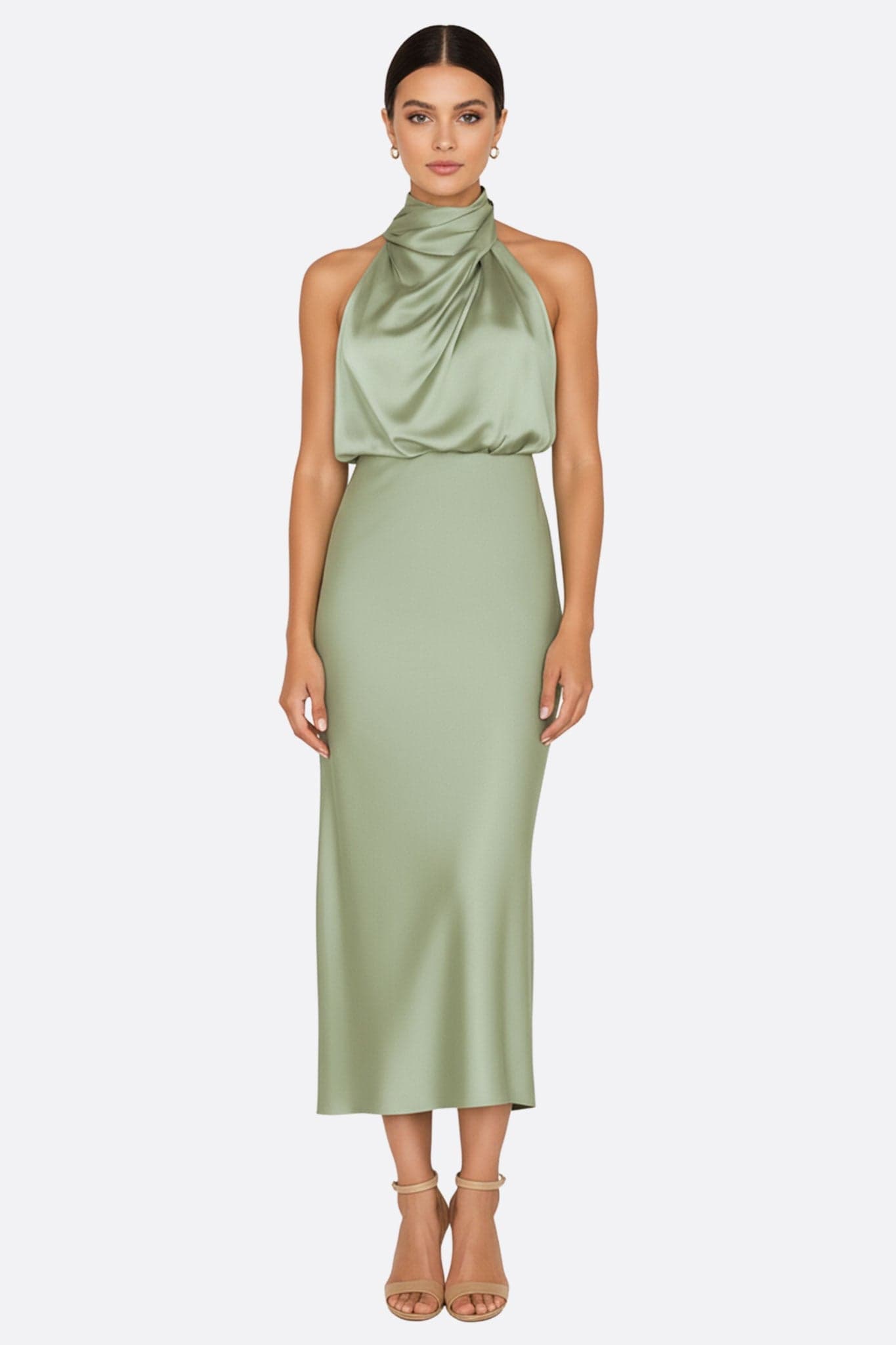
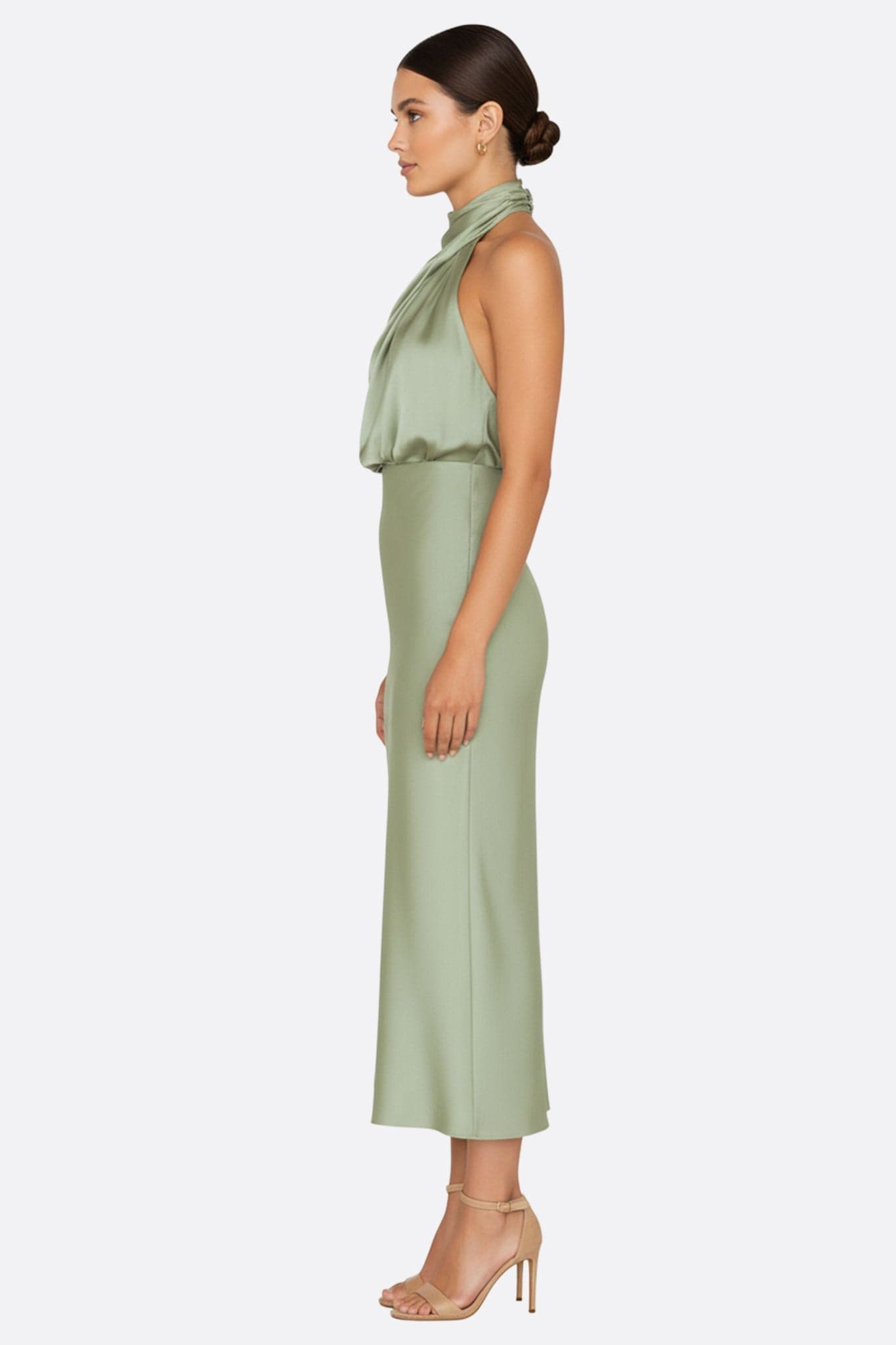
Silk: when well-finished, silk is an exceptional material for sensitive skin: it glides, insulates without suffocating, reduces friction. In practice, a sandwashed silk (washed) or a well-handled silk crepe can be more tolerable than a silk that is too “dry.” For risk areas (collar, straps, waistband), silk is a discreet and very effective ally.
Ultrafine merino wool (and quality cashmere): yes, wool can be suitable, provided it is ultrafine and especially well-constructed. Fine merino (low micron) can be forgotten, especially in tight knit. Cashmere, when it is of fine fiber and well-combed, offers a soft halo; but short-fiber cashmere pills, and pills become friction points. If you have very reactive skin, test first as an intermediate layer over a combed cotton t-shirt, then move to direct contact if all goes well.
Well-selected cashmere can also be suitable for sensitive skin. Discover The Art of Cashmere: Elegance and Comfort for Winter: a Misciano guide on the softest and most stable fibers, designed for direct contact without irritation.
The weaving/knitting that changes everything: a satin (smooth surface) irritates less than a dry canvas, a compact jersey irritates less than a loose jersey. Sensitive skins like continuous surfaces: well-tightened poplin, interlock (double jersey), fine high-gauge knit, cotton satin, soft twill. Conversely, “lively” textures (tweed, boucle, hairy knit) multiply micro-hooks.
The comfort of a material also depends on its weight and density: a fabric that is too light moves, deforms, and rubs more. To learn how to evaluate this essential parameter, check out our article Fabric weight how to choose: read the weight per m² before buying.
Invisible irritants: finishes, dyes, seams, and labels (the real cause of redness)
You can wear “the right fiber” and still suffer. Why? Because irritation often comes from what the label doesn't tell: chemical finishes, dyes, finishes, but also seams and accessories (zip, buttons, threads). To specifically answer which material for sensitive skin clothing, you need to look beyond the word “cotton” or “viscose.” Certifications like OEKO-TEX Standard 100, GOTS, or Bluesign can help reduce exposure to certain chemical residues, without providing an absolute guarantee.

Finishes and residues: a new garment can contain finish residues (anti-wrinkle, more “full” feel, stabilization). On sensitive skin, these residues can cause heating and itching, especially in areas where heat accumulates. Simple advice: always wash before wearing, ideally with a fragrance-free detergent, and do a double rinse. If the garment “squeaks” to the touch when new, it's often a sign of a present finish.
Dyes and colors: reactive skins often tolerate light or natural shades better, not by magic, but because some very saturated colors require more advanced dyeing processes. Without falling into an absolute rule, if you have frequent outbreaks, first test on basics like ecru, off-white, light gray, deep navy (often more stable), before introducing bright reds or very dark blacks. Dermatological and allergological studies, like those published by specialized journals, confirm these observations.
Poorly placed stretch: elastane is not an enemy, but it sometimes increases the sensation of “pull” on the skin: a too tight fabric accentuates friction. For sensitive skin, it's better to have a discreet stretch (2–5%) in a stable fabric, rather than a very elastic knit that sticks and heats.
Seams, topstitching, edges: this is one of the most underestimated points. A thick seam on the shoulder, a stiff attached collar, abrasive topstitching can be enough to trigger irritation, even on high-end cotton. Look for: flat seams (flatlock), soft bound finishes, clean folded edges. On tops, a neckline with a too tight band is a classic cause of neck redness.
Labels and heat transfers: everyone knows the itchy label. But heat-transferred prints can also irritate if they stiffen an area. Prefer brands that print directly on a large, flexible area, or place the label in an easily removable side seam.
A useful marker: if you hesitate between two pieces, choose the one with a regular hand (uniform surface), clean construction (neat seams), and stable drape. To refine your reading of labels and textile constructions without getting sidetracked, you can consult How to choose a clothing material without making a mistake: it's a useful base for decoding what the material promises... and what it can hide.
Important: When to consult?
The advice presented here is general and non-medical. If you notice persistent irritation, significant redness, oozing, or skin lesions, it is recommended to consult a dermatologist or allergist. A patch test can be useful to differentiate between simple mechanical irritation and contact allergy.
Purchasing method and quick tests: deciding in-store (or online) without making a mistake
Sensitive skin requires a quick, almost clinical method, but one that remains compatible with real life: a fitting room, an online order, a wardrobe to fit. The goal: minimize the risk of irritation from the first wear, and avoid "soft to the touch" purchases that become unbearable after two hours.
The reactive zones test (30 seconds): do not test only on the hand. Place the fabric (or the inside of the garment) on the side of the neck, the inside of the forearm, and the top of the chest. These are revealing areas: if it tickles there, it will be worse in motion. Also do a test by gently rubbing the fabric on itself: if you feel roughness or a dry "grain," be cautious.
The heat test: a material can be soft and yet cause heat. In the fitting room, keep the top on for two minutes, move your shoulders, raise your arms. If you feel a rise in heat at the collar or under the armpits, it is not necessarily the fiber: sometimes it's the cut (too close to the body) or a too occlusive knit. For sensitive skin, breathability is a priority: a bit of ease is better than a stretch that clings.
Check the inside: the outside can be perfect, the inside irritating. Look for: floating threads, thick seams, hard overlocks, bare elastics. A garment designed for comfort often has an inside as well-finished as the outside. On a sweater, run your hand inside: if it catches, your skin will feel it.
Choose by clothing category (practical and precise):
- First layer (t-shirt, tank top, undershirt): combed cotton/interlock, modal, lyocell. Priority to stable softness + flat seams.
- Shirt / blouse: tightly woven cotton poplin, lyocell, washed silk. Avoid too dry fabrics that "crinkle."
- Knitwear: ultra-fine merino in tight knit, high-quality cashmere (little pilling). Avoid hairy blends if you react.
- Pants / skirt: favor a soft lining (quality viscose/lyocell) if the outer fabric is textured. The lining is your real contact area.
To better understand how certain fibers regulate heat and sweat, you can read our guide What material to choose for summer when it's very hot: the guide to staying cool: a useful reference for choosing breathable and lightweight fabrics.
Online: read between the lines: look for the words "combed," "mercerized," "interlock," "flat seams," "washed silk," "extra-fine merino." Beware of purely emotional descriptions ("ultra soft") without construction details. Also look at zoom photos: a regular surface, dense jersey, fine knit are good signs. And if the composition indicates "majority polyester" on a close-fitting piece, anticipate a risk of heat and thus irritation, especially in summer or heated indoors.
Anti-irritation maintenance routine: even the best material can become aggressive if poorly maintained. Use fragrance-free detergent, avoid fabric softener (possible occlusive film), favor generous rinsing. Air dry when possible: some too hot drying stiffens fibers and makes the touch drier. Finally, replace a basic that pills: pilling is not just an aesthetic detail, it's a source of continuous friction.
Checklist for choosing a suitable material:
- Smooth surface with sufficient weight
- Flat seams (flatlock) and bound finishes
- Elastane limited to 2–5% in a stable fabric
- Long fibers (combed cotton, lyocell, silk, extra-fine merino)
- Certified fabrics (OEKO-TEX, GOTS, Bluesign)
- Clean inside and regular seams
- Gentle wash, complete rinse, natural drying
Applying these reflexes means anticipating instead of enduring. The skin rarely reacts to fashion, but often to poorly chosen material. And this is precisely where elegance meets precision: that of a garment that is forgotten, because it is designed at skin level.
For those looking for materials that are both comfortable and easy to maintain daily, our article Easy-care fabric: women's fabrics to prioritize for a hassle-free daily life complements this practical approach: it details fabrics that remain soft and neat without excessive care.
In summary: materials that respect the skin and appearance
For sensitive skin, the fibers to prioritize are those that breathe, glide, and last over time:
- Combed or mercerized cotton: simple, stable, reliable.
- Lyocell (TENCEL™): soft, breathable, moisture-regulating.
- Modal: flexible, silky, ideal as a base layer.
- Washed silk or silk crepe: fresh, naturally hypo-absorbent.
- Extra fine merino wool: insulating without irritating.
Reactive skins benefit from avoiding overly textured fabrics, fluffy knits, heavy finishes, and saturated dyes. A well-constructed garment, carefully washed, is better than a promise of softness that fades after the first wash.
If your skin reacts particularly to natural fibers, reading our article Misciano cashmere will help you distinguish noble fibers truly tolerant to contact.
And for those looking for an accessory that is both delicate and skin-friendly, the silk scarf remains a safe bet, a discreet caress, in direct contact with the neck, combining comfort, lightness, and natural refinement.
In the same idea of natural softness, the cashmere scarf embodies light warmth and soothing comfort for reactive skins, while maintaining the elegance unique to Misciano.
The elegance of sensitive comfort
Choosing the right material is choosing peace of mind: that of a garment that respects the skin, the rhythm, and real life. Elegance, in its truest form, never harms, it accompanies, protects, and lasts.
At Misciano, each fabric is evaluated not only by hand and drape but also by tolerance: the way it feels in contact with the body. Because a truly well-designed garment must first be forgotten.
And to extend this softness into accessories, explore our Misciano scarf and shawl collection: lightweight and skin-friendly materials, designed to accompany everyday gestures.

Article by Esther Arnaud
Published on 01/30/2026 at 15:01
About the author
What interests me above all is not the immediate trend, but the coherence of a wardrobe. I like to analyze why a piece works, how a material influences movement, and how a garment can accompany a woman over time, without ever imposing itself.
→ Learn more about Esther ArnaudFREQUENTLY ASKED QUESTIONS
What materials are recommended for sensitive skin?
For sensitive skin, prioritize natural fibers such as cotton, silk, or linen. These materials are breathable and less likely to cause irritation. Also, pay attention to the fabric construction, which should be soft to the touch and avoid excessive friction.
How do chemical residues in fabrics affect my skin?
Chemical residues, often present in treated fabrics, can cause skin reactions such as itching or redness. It is essential to choose clothes made from materials free of irritating treatments, opting for labels that guarantee respectful production.
What signs should alert me to a skin reaction to clothing?
Signs of a skin reaction include tingling, redness, or a burning sensation, often located at folds or friction areas. If you experience these symptoms, it is best to remove the clothing and assess the fabric's composition and construction.
How can I choose clothes that respect sensory comfort?
To ensure sensory comfort, examine the texture and weight of the fabric, looking for light and soft options against the skin. Also prefer flat seams and neat finishes, which reduce the risk of irritation when worn.
What to check on a clothing label for sensitive skin?
Read the label carefully to identify the materials used and check for the absence of chemical treatments. Favor simple compositions, with minimal additives, and look for indications of compliance with ecological standards, which are often guarantees of quality and safety for the skin.