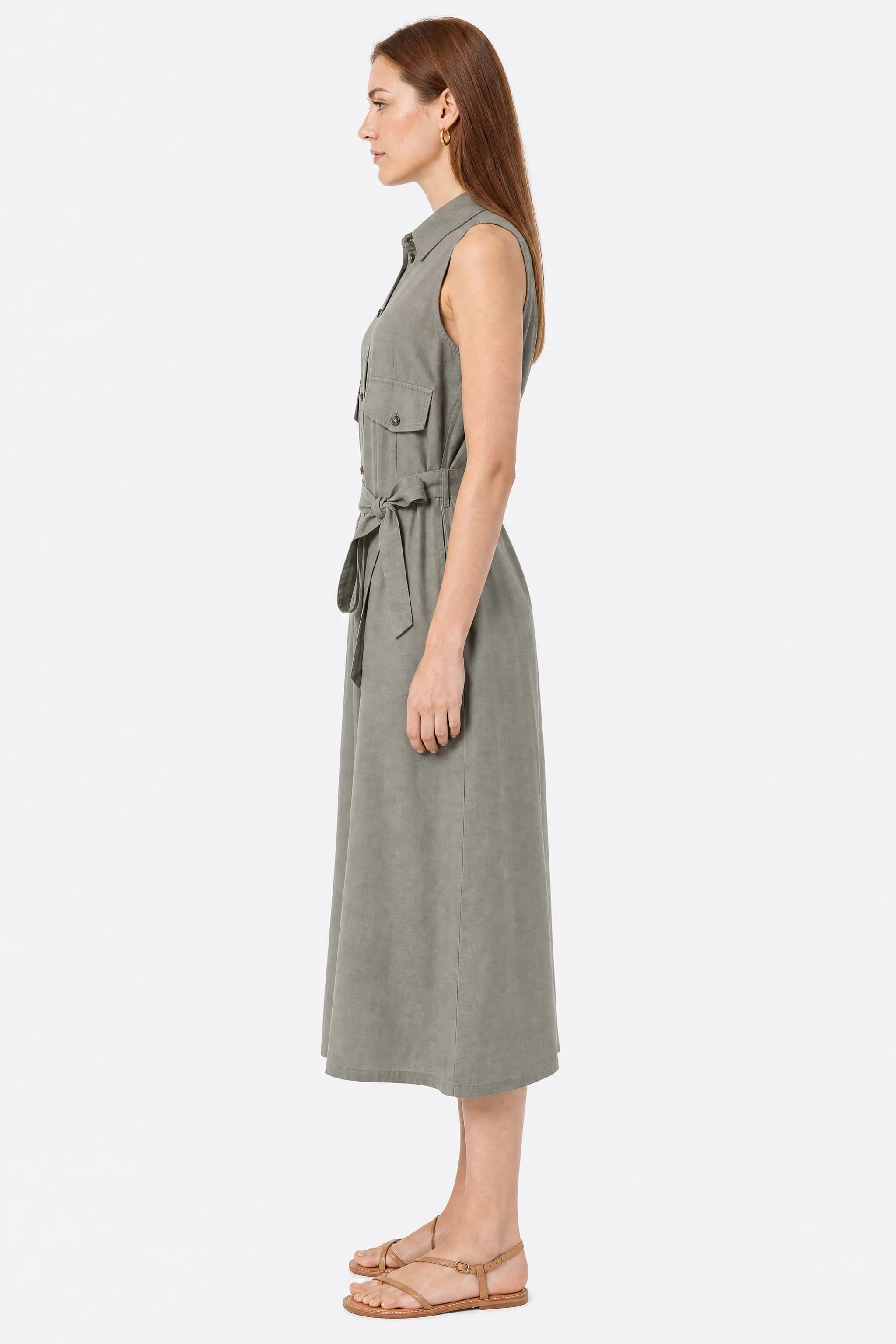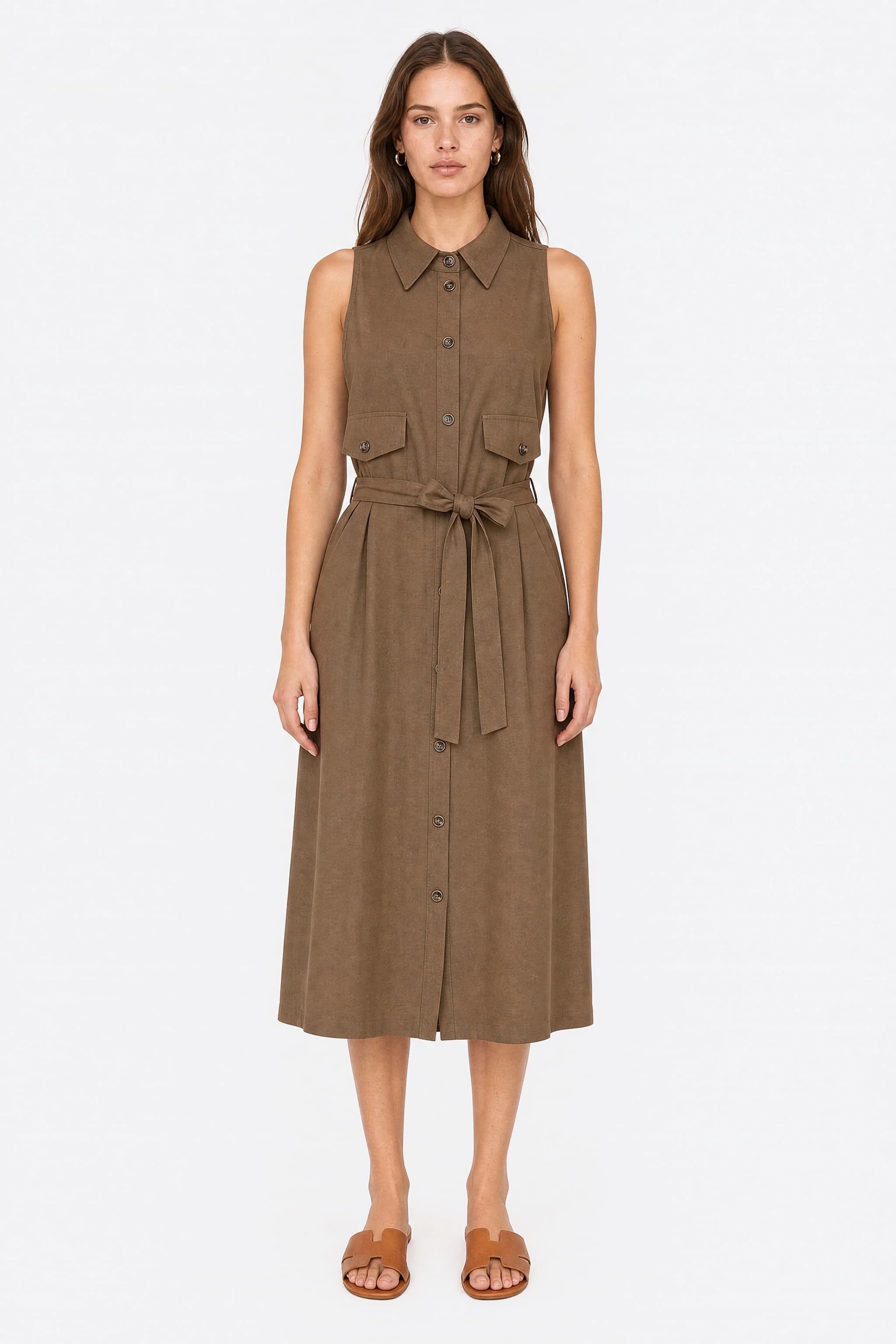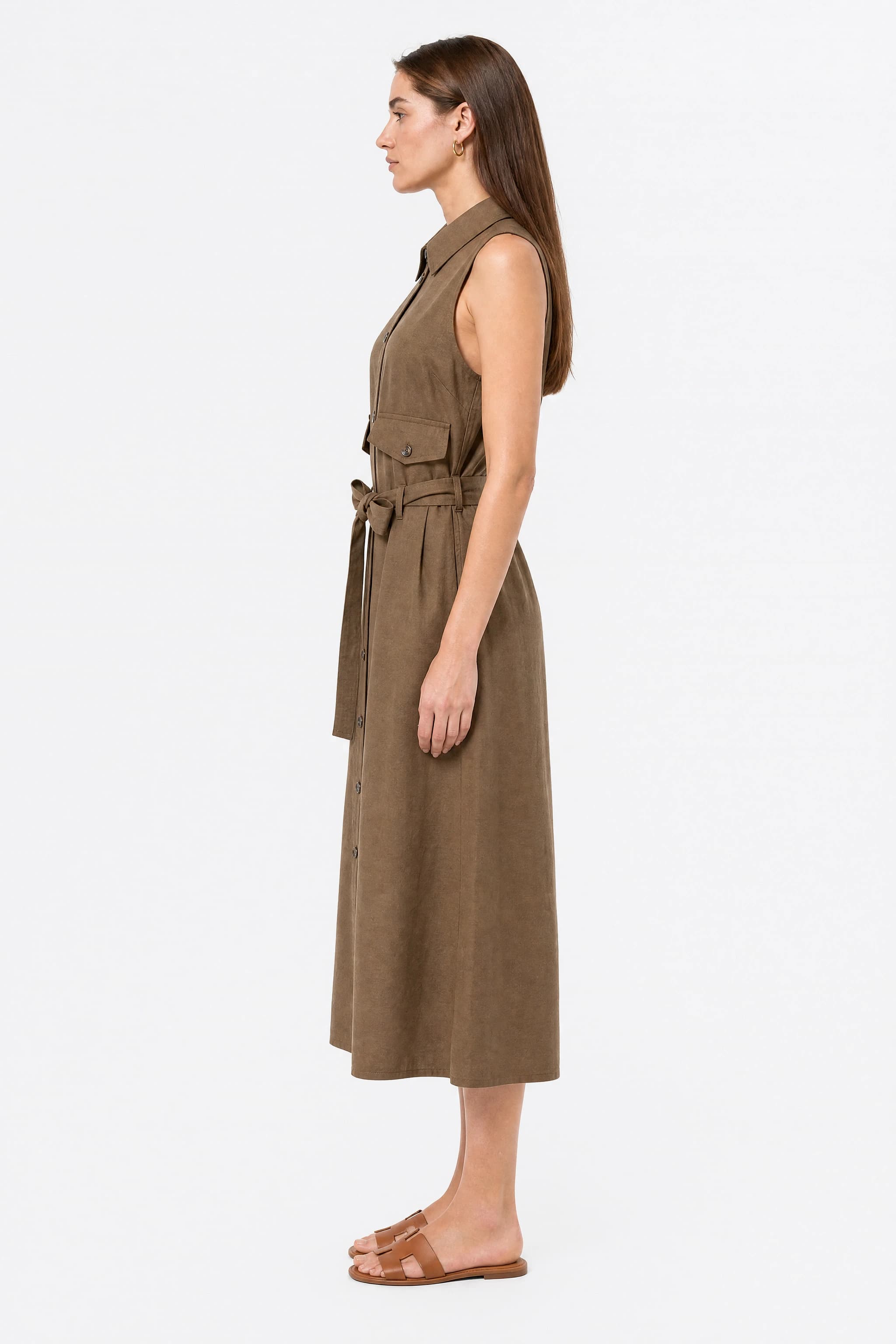
Which fabric to choose for summer when it’s very hot: the guide to staying cool

When the heat sets in, the problem isn't just the temperature: it's the clothes that stick, the feeling of dampness in the small of the back, the sweat marks that appear at the slightest commute, and that feeling of being "trapped" in your outfit.
The right fabric changes everything: it lets air circulate, dries quickly, feels pleasant against the skin, and stays neat throughout the day. Here, we answer precisely the question which fabric to choose for summer with a concrete textile approach: what works depending on the climate (dry or humid), your sweat level, and the look you're after (casual, office, ceremony).
Which fabric to wear in summer: breathability, coolness, and a clean drape
To choose a summer fabric without suffering, three criteria dominate: breathability (the ability to let air through), moisture management (absorbing then releasing/drying), and the feel when worn (cool touch, no "film" effect on the skin). Natural fibers and certain well-constructed artificial fibers are your best allies.
A summer fabric's effectiveness is measured by three measurable technical criteria. Weight: a high-performance summer fabric weighs 80-160 g/m², a density that guarantees maximum fluidity and breathability. Breathability measured in CFM (cubic feet per minute): silk chiffon reaches 80-100 CFM, wrinkled linen 60-90 CFM, cotton poplin 40-60 CFM, while technical polyester tops out at 15-25 CFM. Moisture absorption capacity: linen absorbs up to 20% of its weight in moisture before feeling wet, compared to 8% for cotton and only 0.4% for polyester (hence the discomfort when sweating).
Thermal conductivity clearly separates natural plant and animal fibers from synthetics: linen and silk actively conduct body heat outward, while synthetic fibers (polyester, acrylic) retain it. On a scorching day (35°C+), wearing polyester creates a microclimate 2-3°C warmer around the body, versus active coolness with linen or silk chiffon. The ISO 11092 standard (thermal resistance of textiles) confirms: Ret < 6 m²·Pa/W = optimal breathable fabric, Ret > 20 = fabric that traps heat and moisture.
"Elegance is not an effect, it's a discipline. It is built on invisible technical details: weight, lining, hand finishes. It's this precision that makes a piece wearable for five years instead of one season.
 Alexander Chekushine Style and trends specialist, Misciano Paris
Linen is the safest reflex when it's hot. Its hollow fiber promotes air circulation, and its slightly dry hand gives an immediate feeling of coolness. On the skin, linen doesn't "stick": even when the air is heavy, it maintains a distance, a structure.
In a loose shirt version, light buttoned blouse, straight dress, or wide-leg trousers, it's a fabric that moves with you and avoids the sauna effect. Note: it wrinkles, yes, but that's also what marks its naturalness. For a neater look, look for fine-density linen weaves (less sheer) or well-balanced linen-cotton blends.
Cotton works very well if you choose it with discernment. A poplin cotton or cotton voile has pleasant breathability, especially in airy cuts. The feel is soft, familiar, "clean." On the other hand, cotton that's too thick (heavy jersey, fleece, dense denim) retains more heat and dries more slowly: in the height of summer, it can become a trap if you sweat. For an active woman, opt for lightweight, woven cottons with a dry touch rather than thick knits.
Viscose (a man-made fiber derived from cellulose) is an excellent option when you're looking for a fluid drape and a "cool" feel on contact. It glides over the skin, follows the silhouette without constricting, and expresses itself very well in a wrap dress, midi skirt, or draped blouse. Its watch-out point: it absorbs moisture and can show marks if the fabric is too thin or the cut is fitted. In humid climates, a good-quality viscose, not too lightweight, will be more comfortable than a "paper" viscose that wrinkles and sticks.
Silk is precious for summer when chosen in a good weight and suitable weave (silk crepe, lightweight twill). It regulates fairly well, stays pleasant on warm skin, and maintains an impeccable look. Sensorially, silk has that subtle freshness, a smooth touch that doesn't become sticky if the piece is well cut. A powder pink satin blouse will bring that touch of light without weighing down the silhouette. Be careful though: some very fine satin silks can reveal perspiration and require appropriate underwear.
Finally, think about construction: a successful summer material isn't just a fiber, it's also a weave (more or less breathable) and a density. Too-thin linen can become sheer and less durable; too-tight cotton can suffocate. The ideal balance: a fabric that lets air through but still holds its shape.
Our summer pieces in noble fabrics
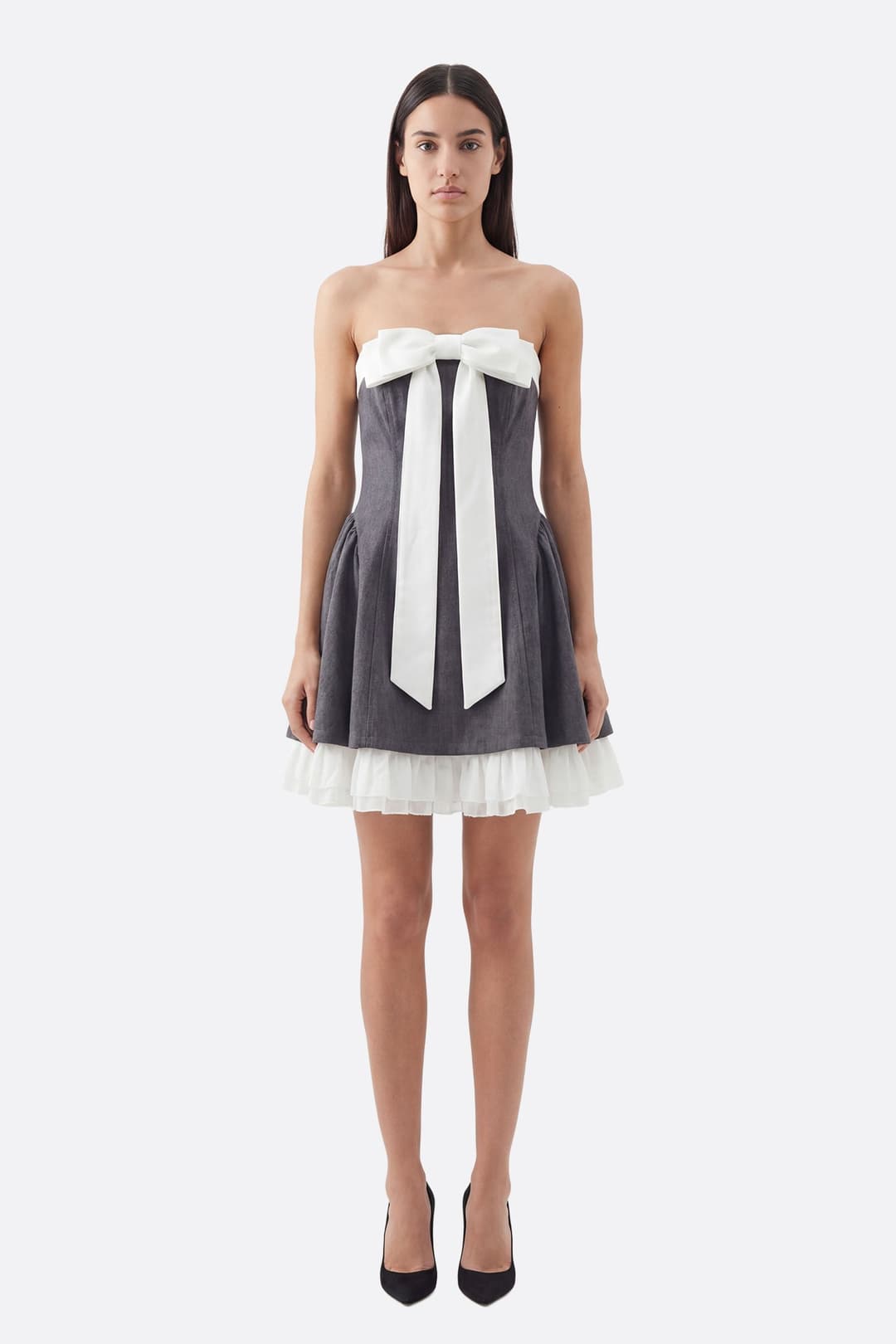
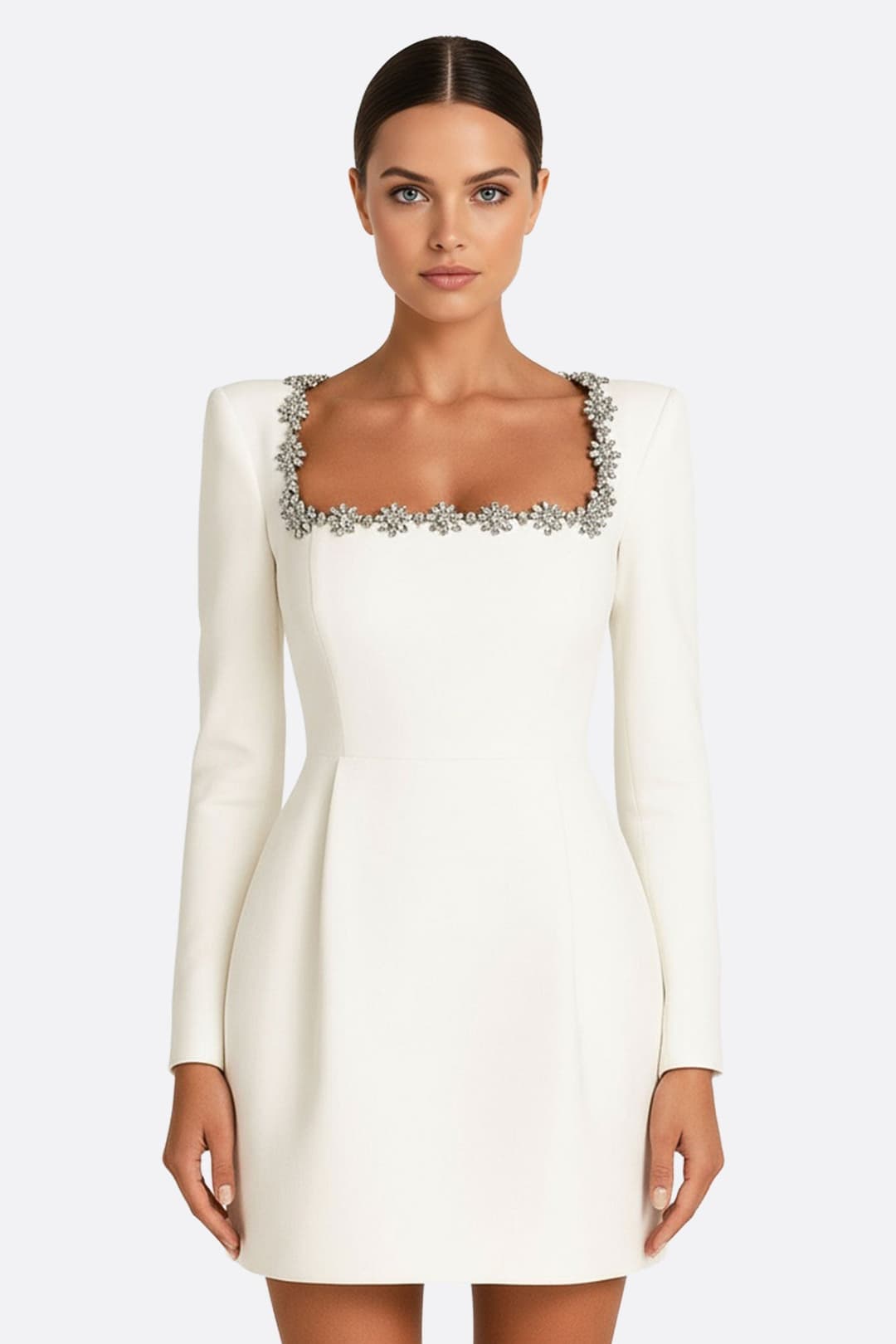

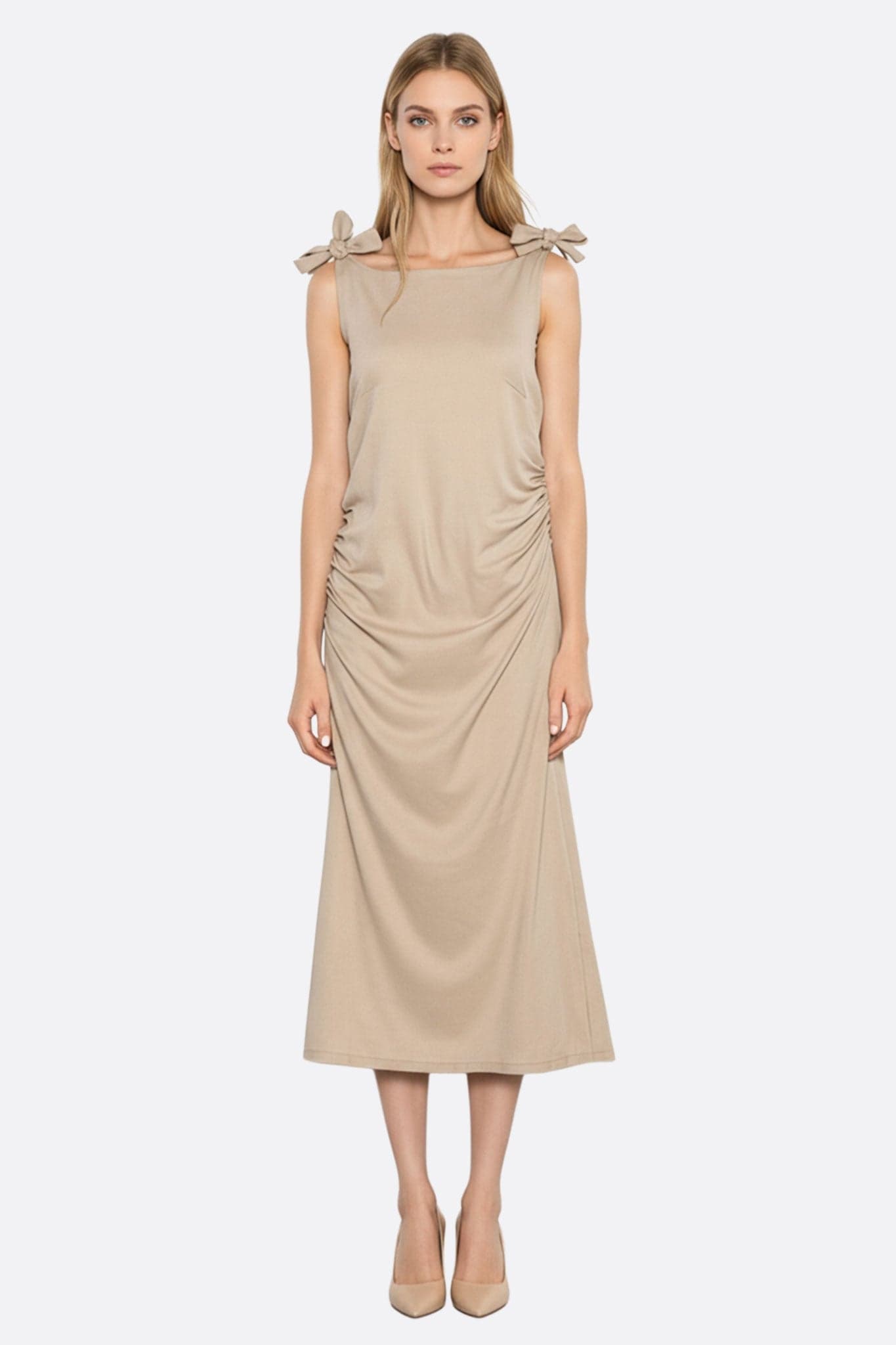
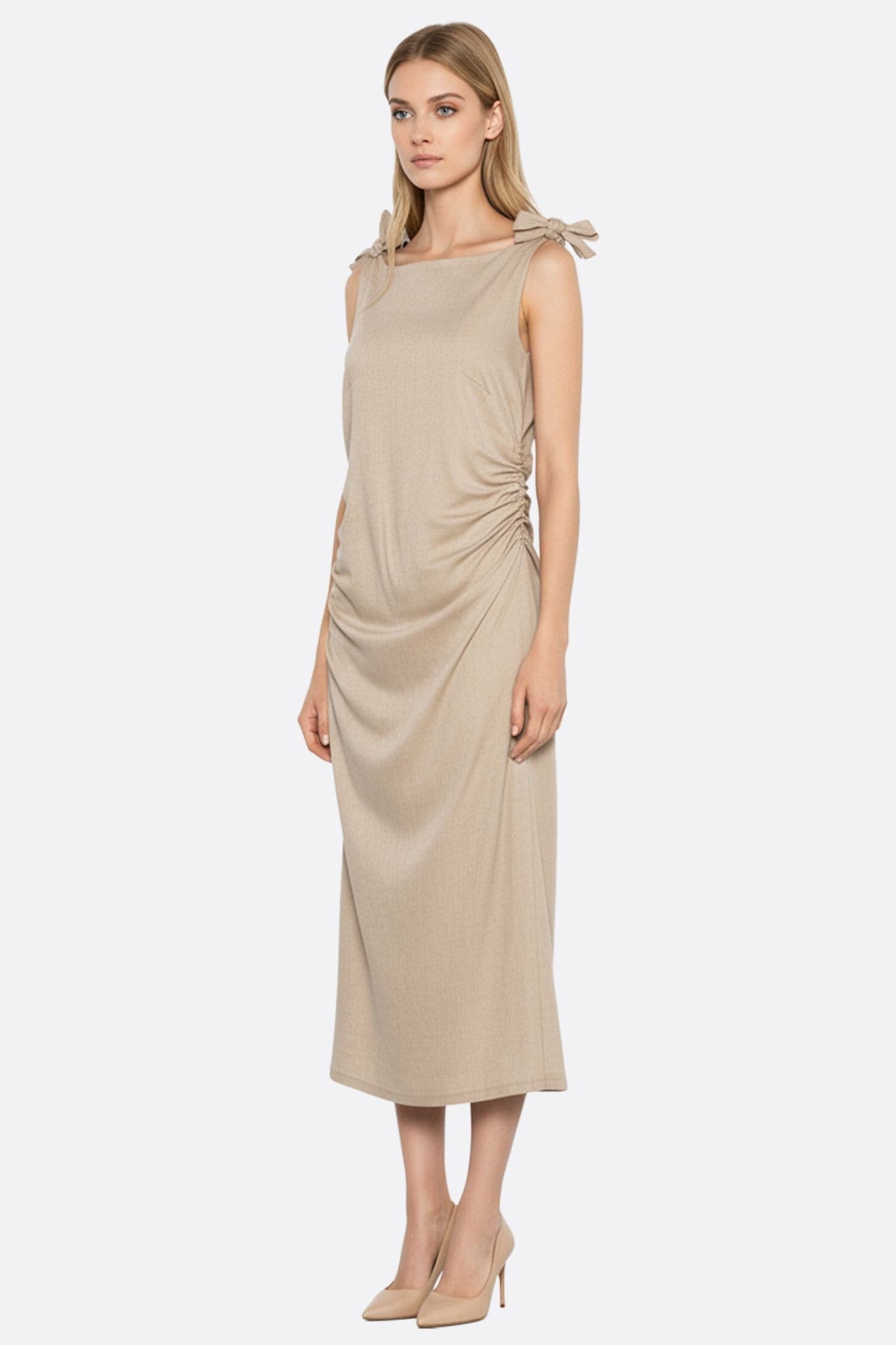
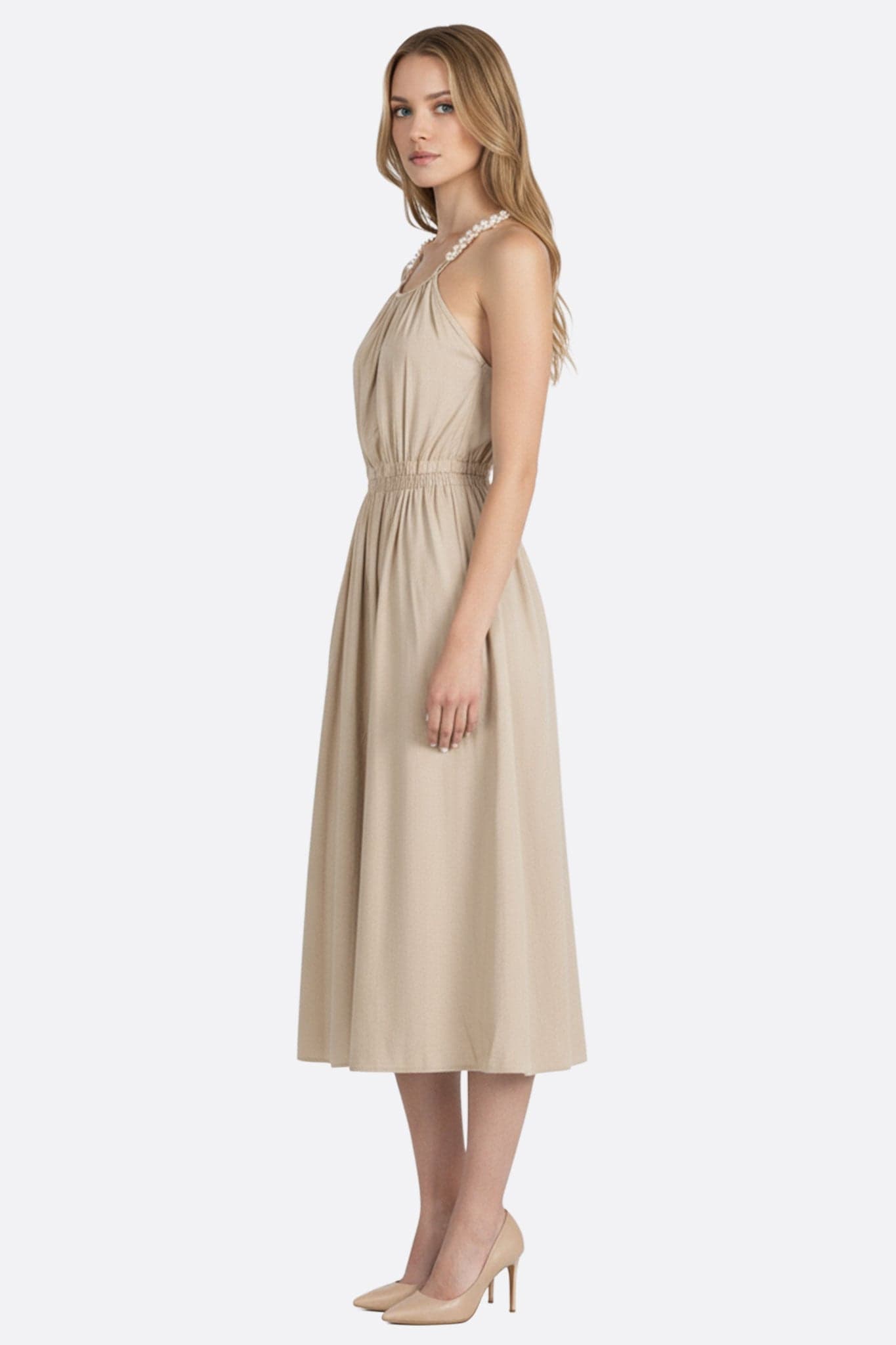
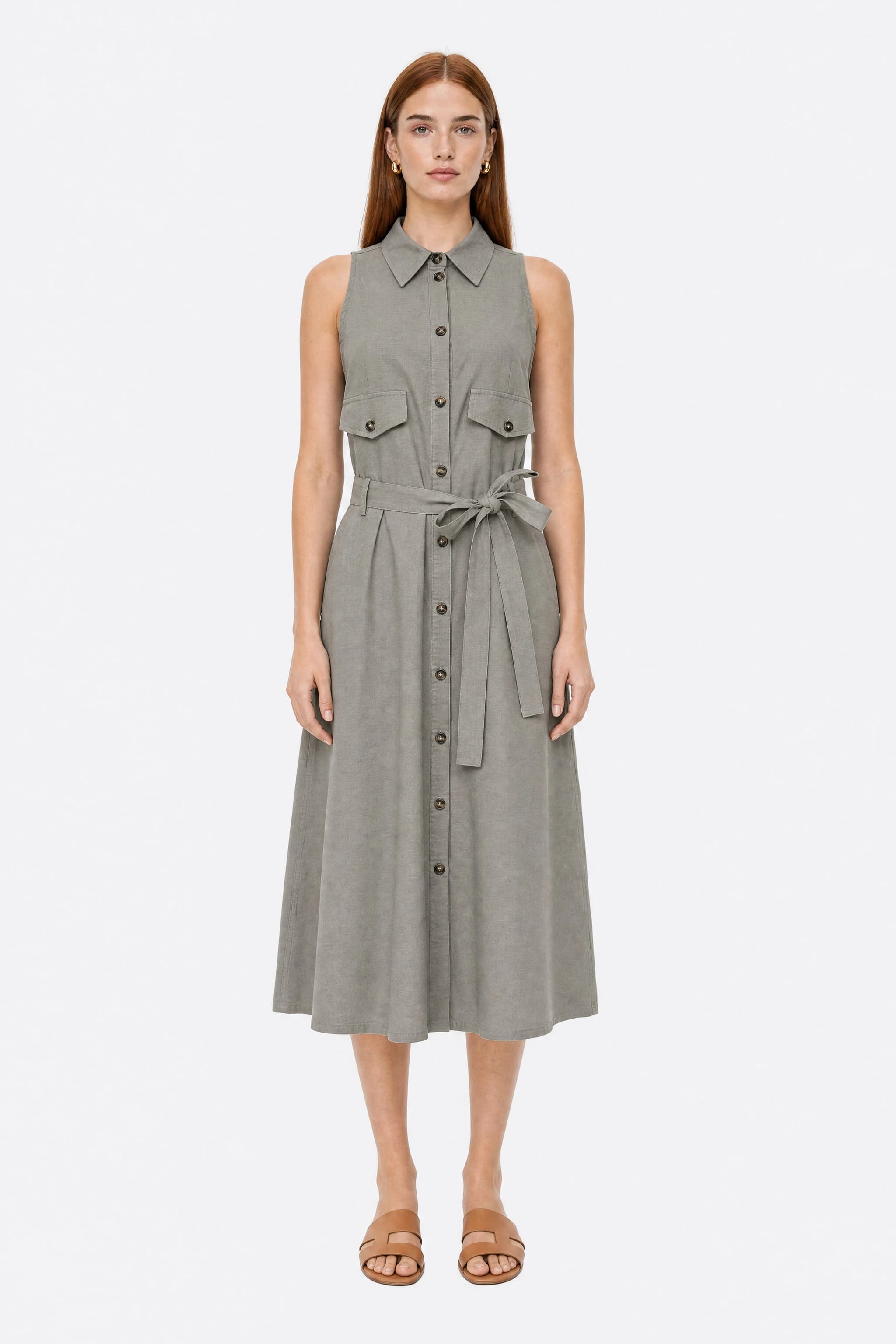
Linen and flowing fabrics from the house
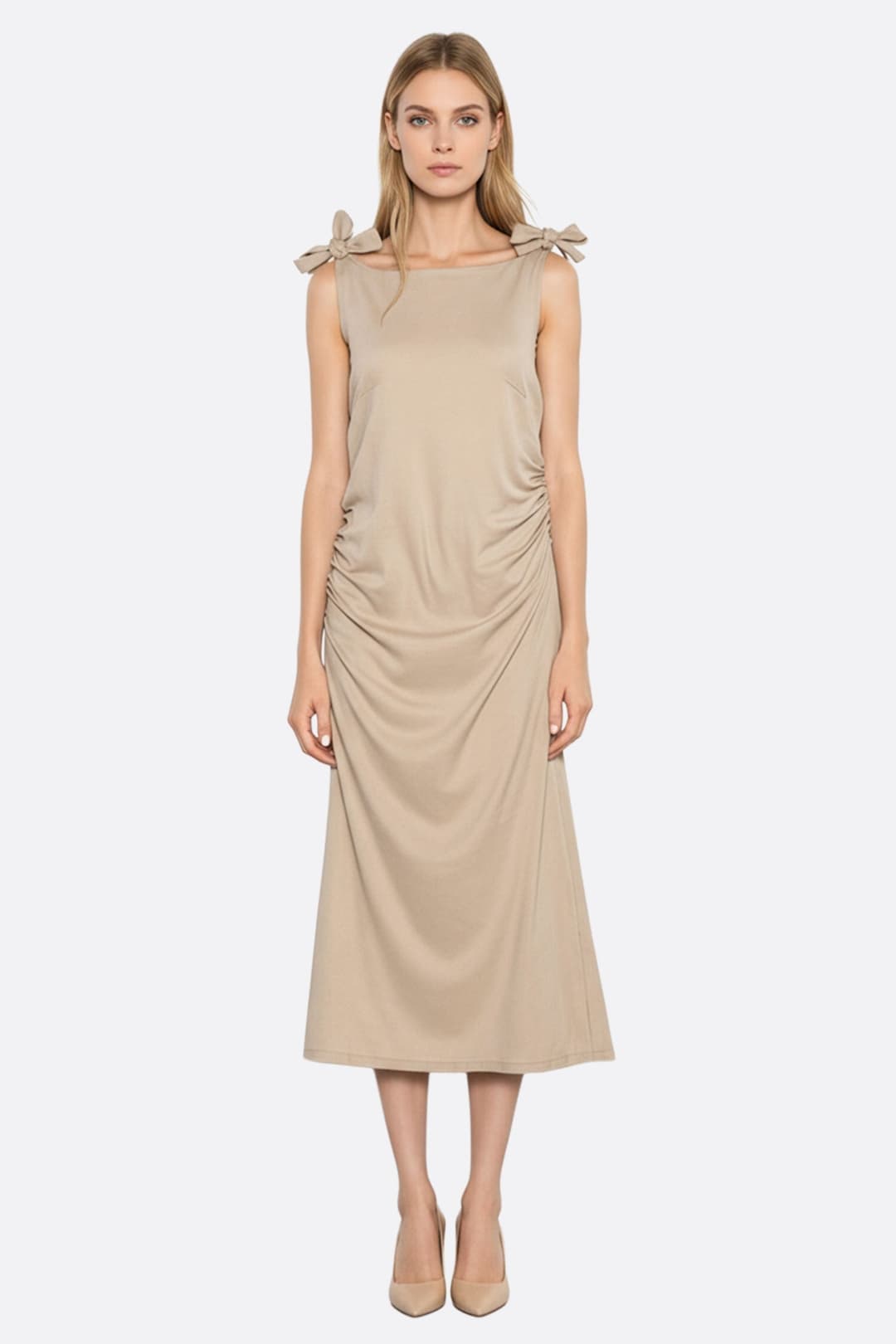
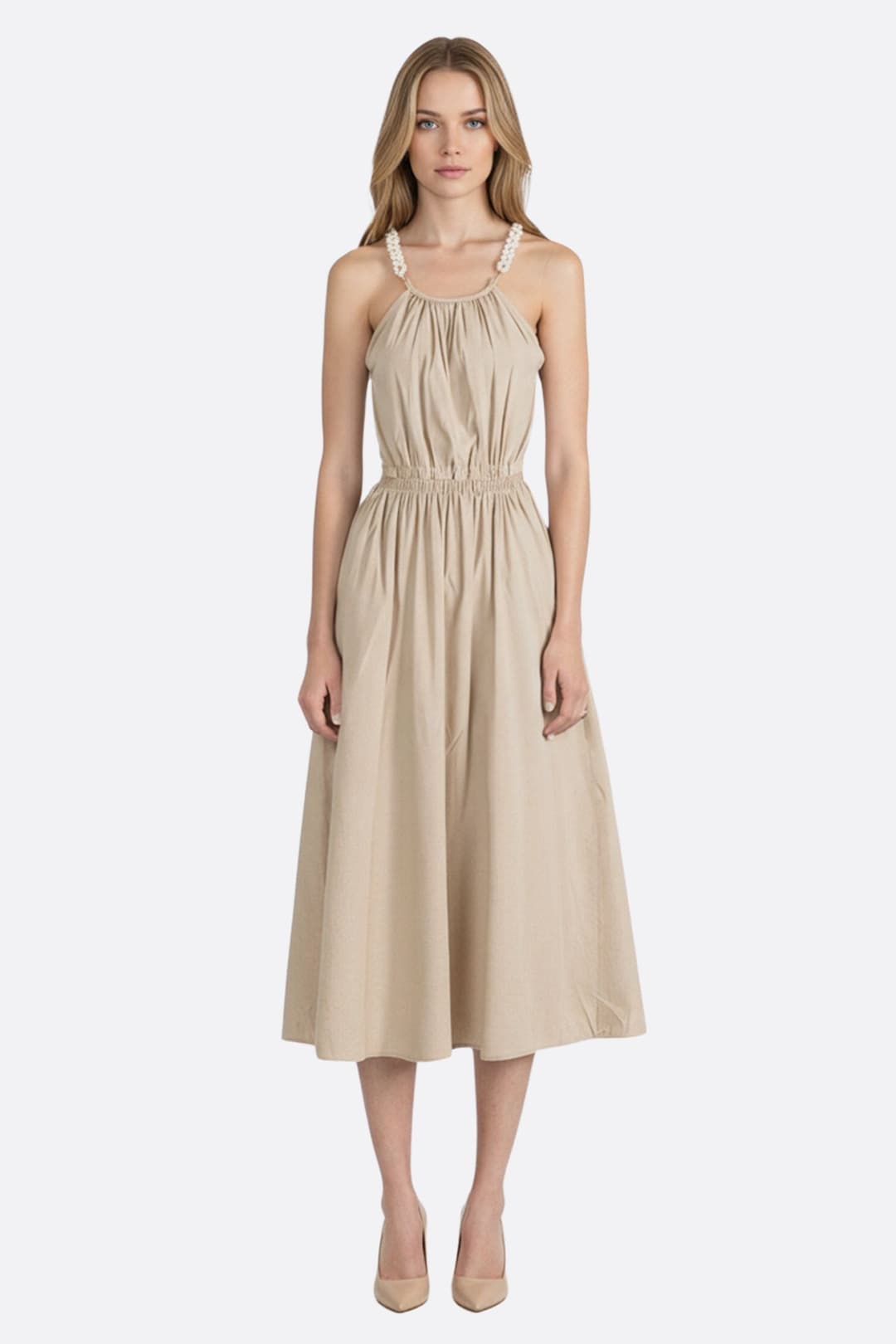
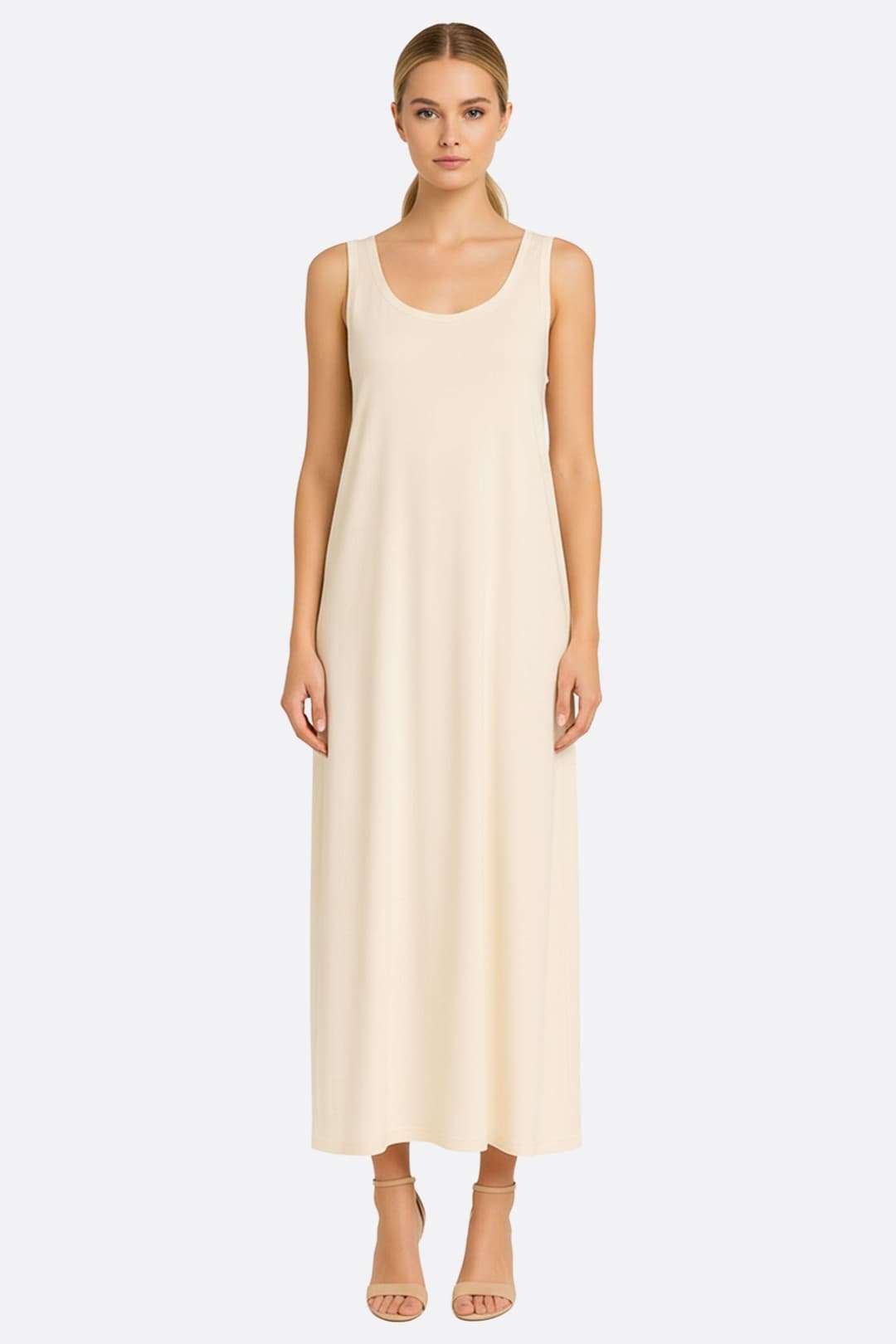
Fabrics that don't trap heat: materials to avoid when it's very hot
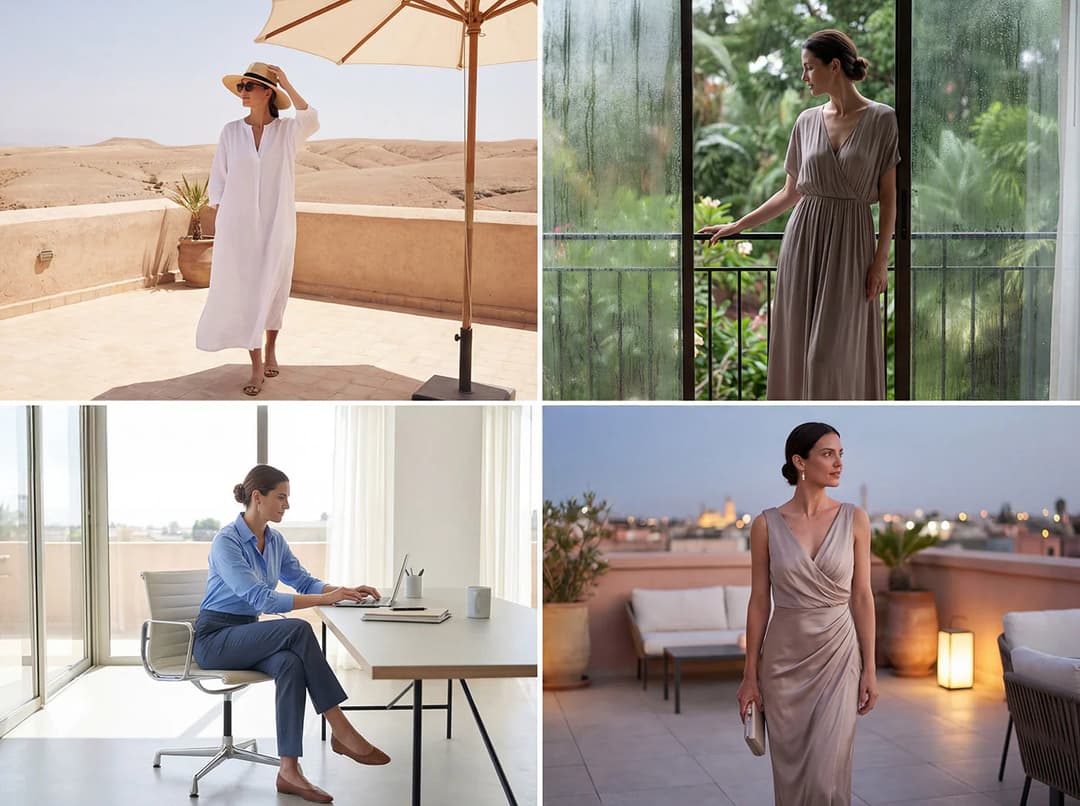
Certain materials become uncomfortable as soon as the temperature rises, not because they are "bad," but because they trap heat, retain moisture, or create a surface that sticks to the skin. If your goal is clear, not suffering in summer, you need to know how to spot risky fabrics.
Polyester (and more broadly, many synthetics) is often the main culprit behind the sauna effect. The fiber breathes little: heat stays trapped, moisture builds up, and the skin ends up feeling "coated."
You might tolerate a technical polyester designed for sports, but for a summer city outfit, it is rarely the best choice. However, it is possible that technical polyesters, with mesh or micro-perforated constructions, allow better heat management, although this remains rare in city pieces.
Acrylic should be avoided in hot weather: it insulates, warms, and offers no pleasant moisture management. Likewise, nylon and certain highly synthetic blends can increase perspiration and discomfort, especially on contact areas (back, chest, elbow creases). That said, some technical nylons, thanks to specific finishes, can promote better ventilation, but they remain the exception.
Coated, synthetic satin or very "glossy" fabrics may look visually appealing, but they often have a surface that retains heat and quickly shows marks. Result: you feel polished for the first ten minutes, then trapped in your outfit as soon as the air becomes heavy.
The importance of breathability in choosing materials
At Misciano, we have found that a fabric's breathability is essential to ensuring optimal comfort during hot summer days. The feeling of lightness from a linen shirt, for example, is incomparable: it allows air to circulate freely, creating an effective barrier against heat. When you wear a linen garment, each movement triggers a gentle breeze, bringing instant freshness. This phenomenon is especially noticeable on humid days, where a breathable fabric like linen will save you from the discomfort of perspiration.
Furthermore, linen's structure, with its hollow fibers, helps regulate body temperature, making it a preferred choice for women who want to combine elegance and comfort. By incorporating linen pieces into your summer wardrobe, you opt for a pleasant tactile experience that enhances your silhouette while offering you a sense of freedom.
Another pitfall: thick knits even in natural fibers. A heavy jersey, a dense cotton knit, a tight rib: on paper, "cotton = good," but in practice, the compact structure prevents air from circulating. If you love knitwear in summer, look for openwork constructions, fine ribs, or blends that stay lightweight.
Finally, be wary of fabrics that are too thin and too light without a thought-out lining: they can become sheer, show your underwear, and push you to layer… which adds heat. Better a slightly denser, well-cut fabric than an ultra-fine material that forces you to cheat with layers.
If you're torn between two fabrics, do a simple test in the store: crumple the fabric in your hand, then place it on your forearm. A successful summer fabric stays pleasant, doesn't "cling," and feels immediately breathable. To go deeper into technical benchmarks (weaves, densities, finishes) without straying from the topic, you can also check how to choose a clothing fabric. Sources: French Textile and Apparel Institute, Textile Exchange.
Summer fabrics: weight, breathability, use
Which fabric for summer: linen, silk, cotton, chiffon, decoding the vocabulary
Searches around summer fabrics come in specific intentions. Cool summer fabric, light breathable fabric, fabric that doesn't make you hot, elegant summer fabric: each term targets a different compromise between breathability, elegance, and adapting to heatwaves.
Italian linen remains the most effective fabric for temperatures > 30°C, with moisture absorption above 20%. Silk muslin is the fabric of open elegance (ceremonies, evenings) with maximum breathability. Poplin cotton is the office compromise (95 g/m², structure + freshness). Cotton voile is the fabric for beach dresses. Conversely, technical polyester and acrylic should be avoided in heatwaves: they create a warmer microclimate around the body.
Summer clothing fabric: choosing based on heat, humidity, and occasion
The best answer to which fabric to choose for summer depends on your reality: climate, mobility, perspiration level, and context (subway, office, terrace, ceremony). A fabric that is perfect on the French Riviera in dry weather can become less pleasant in Paris when humidity lingers.
1) Dry heat (hot air, low humidity)
In a dry climate, you can aim for fabrics that ventilate and keep a cool hand feel. Linen is king: shirt dress, flowy blouse in colored linen, wide linen pants, unlined summer blazer. Light cotton also works very well (poplin, voile). Silk crepe brings clean elegance without overheating, especially in fluid cuts. Here, linen wrinkles are less bothersome because dry air limits the "damp" effect.
2) Humid heat (heavy air, perspiration that doesn't dry)
When the air is humid, the key is the ability not to stick and to dry cleanly. Linen remains excellent, but favor fabrics that are not too fine, which hold their structure. Viscose can be very pleasant if it is not ultra-light: a good-quality viscose, with a soft but not "limp" drape, avoids the rag effect. Cotton remains relevant in an airy version, but avoid overly fitted pieces: moisture would concentrate at contact points.
3) You perspire a lot: prioritize cuts and colors as much as the fiber
If you perspire easily, the fabric alone is not enough: the cut must allow air to circulate (comfortable armholes, slightly open back, volume at the bust). Fabric-wise: linen, woven cotton, medium-density viscose. Avoid synthetics that retain odors. Color-wise: very light shades limit the sensation of heat, but can make marks visible depending on the fabric; prints (like fuchsia zebra or its emerald green variant) and textures (flame linen, micro-relief) camouflage better than a smooth solid.
4) Office attire: staying cool while keeping a clean line
At the office, you want breathability, but also a neat drape. Linen blends (linen-cotton) can be a compromise: more stable, slightly less wrinkle-prone. Cotton poplin is ideal for shirts and structured dresses, with a clean feel against the skin. Silk crepe or a nice light twill allow a polished look without heaviness. Avoid shiny synthetic satins that suffocate: they quickly degrade in comfort, especially under inconsistent air conditioning.
5) Evening, event, ceremony: freshness + elegance
For a summer evening, silk and viscose are your allies if you seek an elegant drape that doesn't trap you in. A well-constructed long dress in viscose gives a supple movement, pleasant when air circulates. A silk piece (crepe, twill) maintains a refined presence without overheating. If you opt for linen, choose an intentional cut: a worked back, a belted waist, a midi linen dress, the wrinkles then become a signature, not a flaw.
The detail that changes everything: look at the inside of the garment. A synthetic lining can ruin a beautiful outer fabric. For summer, an unlined piece, or one lined with breathable fabric, is often more comfortable than a "beautiful dress" that traps heat.
Limits & care tips
Each fabric has its own specificities: linen can shrink and wrinkle easily, cotton requires ironing at a low temperature to preserve the fiber, viscose needs a delicate wash to avoid water stains, and silk often requires hand washing or a delicate cycle. It is recommended to always check the care label and test the fabric in store (sheerness, wrinkling, adherence on damp skin) to make the most of its qualities.
Experience examples: for a day of metro and office, opt for a cotton poplin with an airy cut; for humid heatwaves, choose a structured, well-fitted linen-cotton blend; for an outdoor wedding, a silk crepe or a well-crafted viscose guarantee elegance and comfort.
To go further:
- To compare the breathability of all summer fabrics at a glance, the silk, cashmere, and viscose comparison table
Linen trousers: the summer staple that replaces jeans
Linen is the fiber that handles heat best: it absorbs moisture, dries quickly, and its dry hand never sticks to the skin. As trousers, it offers what dresses don't always provide: a sharp look at the office, freedom of movement when traveling, and a freshness that thick cotton no longer delivers above 28 °C.
Two criteria determine a good pair of linen trousers. First, the weight: below 180 g/m², the fabric is cool but sheer on light colors and creases at every fold; between 200 and 260 g/m², it holds its shape, stays opaque, and wrinkles with a clean crease. Then the cut: wide or straight, with a high waist or pleats, so the fabric falls from the hip rather than the thigh. A linen blend (linen and cotton, linen and viscose) is the right compromise if you can't stand wrinkles.
Linen should be washed at 30 °C, spun gently, hung damp, and ironed while still slightly damp, or not at all: linen's wrinkles are part of its elegance, provided the cut is sharp.
Article by Alexander Chekushine
Published on 18/01/2026 at 2:08 PM
About the author
As a specialist in style and fashion trends, I bring a sharp perspective to Misciano's creations. My in-depth knowledge of noble fabrics and Italian craftsmanship enriches each of my articles with a precise and discerning take on contemporary elegance.
→ Learn more about Alexander ChekushineFREQUENTLY ASKED QUESTIONS
How do I choose the fabric of my clothes according to the seasons?
The choice of fabrics should be based on climate variations. In winter, opt for warm textiles like wool or silk, which provide good insulation. In spring and autumn, choose lightweight but breathable fabrics, such as cotton or linen, which allow for elegant layering. In summer, natural materials like silk or bamboo are ideal for their lightness and ability to wick away moisture.
Which fabrics are best suited for humidity?
When facing humidity, it is essential to choose textiles that dry quickly and do not retain water. Silk, for example, is an excellent option because it offers good breathability while wicking away moisture. Additionally, linen blends can also be beneficial, as they are lightweight and dry quickly, while providing a feeling of freshness.
How can I layer clothes elegantly in winter?
Layering is a delicate art. Start with a light base, such as a silk blouse, then add a fine wool sweater for warmth. Finish with a structured coat. Be sure to choose complementary colors and varied textures to add depth to your outfit. Remember that each layer should be not only functional but also visually harmonious.
What criteria should be considered for summer silk clothing?
For summer, the lightness and breathability of silk are paramount. Look for pieces with a lighter weave density, which allows for better air circulation. Light colors and fluid patterns are also recommended to reflect heat. Finally, ensure the cut is loose to avoid any feeling of suffocation, while keeping a touch of elegance.
Is it possible to wear noble fabrics in hot weather without discomfort?
Yes, it is entirely possible to wear noble fabrics in hot weather, provided you choose the right options. Silk, for example, is naturally thermoregulating, meaning it can keep you cool even in hot weather. Opt for light cuts and light colors to maximize comfort while maintaining a sophisticated look.
Shop the selection