Fabric weight: how to choose, read the weight per square meter before you buy
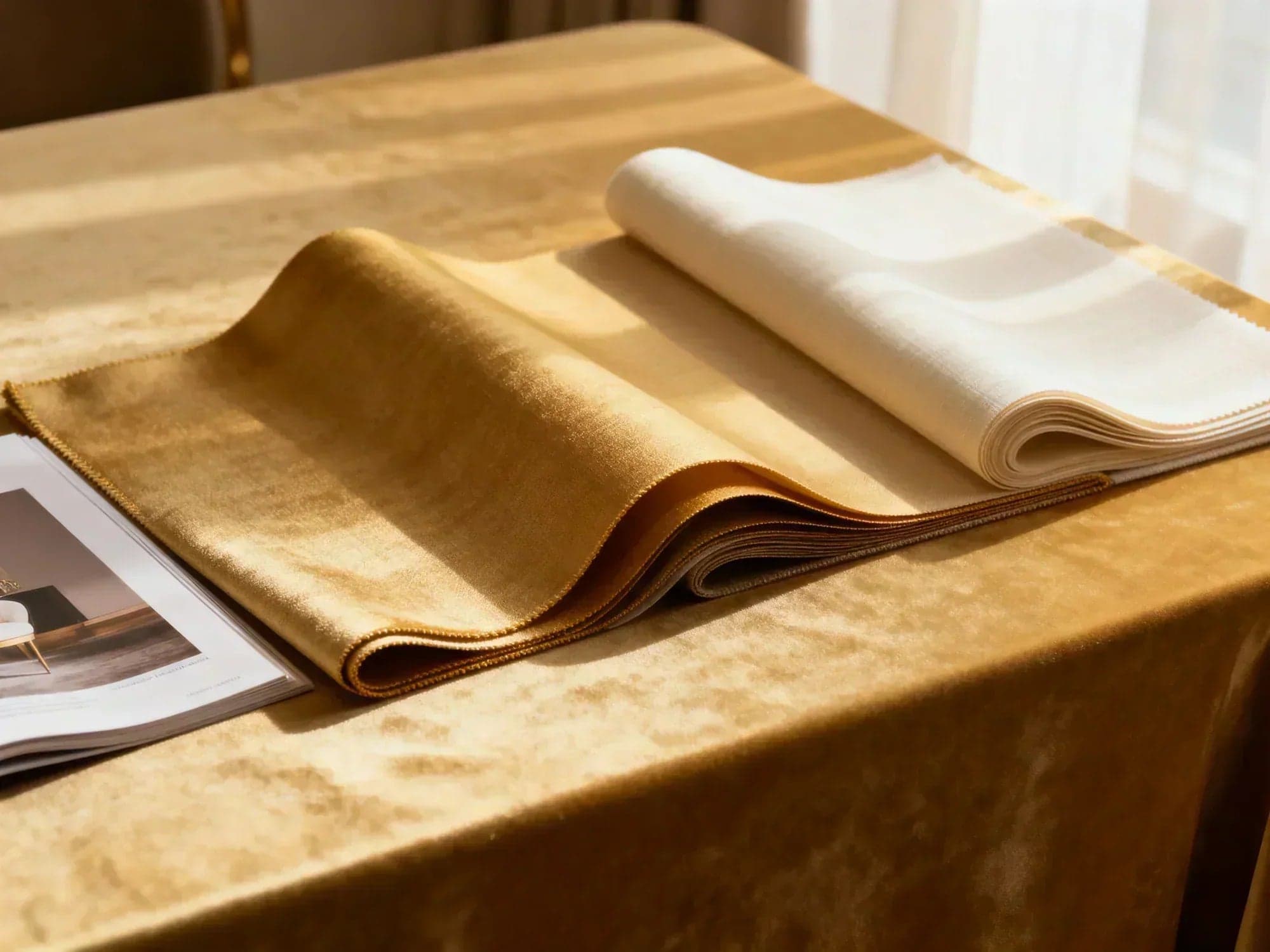
Have you ever received a garment that looked “perfect in photos” but turned out too thin, too warm, too stiff, or on the contrary limp and see-through? Most of the time, the problem isn’t the cut, it’s the fabric weight.
A few dozen g/m² are enough to change how it feels on the skin, how a lapel holds its shape, how sheer it is against the light, and how a fabric “lives” when worn. Here, we’re talking practical: how to choose fabric weight based on use, season, and the desired look, with concrete benchmarks and simple tests to apply before you buy.
Note: The weight benchmarks shown below are based on internal testing, customer feedback, and technical references (e.g., Textile Institute, Technical Guide 2023). They are provided as a guideline and should be adjusted based on the specific characteristics of the fabric (fiber, weave, finishes, etc.).

Fabric weight and garment weight: how to choose based on real-world use
Fabric weight (expressed in g/m²) isn’t a contest of “heavier = better.” It’s a balancing tool between three things you feel immediately: drape, visual density (opacity or sheerness), and thermal performance (warmth, breathability, moisture management).
Textile weight (weight per square meter, in g/m²) is a measurable, standardized technical indicator. It is measured according to ISO 3801 (method for determining linear and surface mass of fabrics). In practice, a 100 cm² sample is cut, weighed on a precision scale, and the result is extrapolated to the full square meter. This measurement is objective and allows you to directly compare two fabrics without touching the material.
Beyond weight alone, two complementary parameters refine the assessment. Weave density (measured in threads/cm in warp and weft): at equal weight, a fabric with a density of 40 threads/cm will be denser, more structured, and more opaque than a fabric at 25 threads/cm. Fiber type: linen at 130 g/m² feels denser than polyester at 130 g/m², because linen has a higher specific density (1.5 vs. 1.3). At Misciano, we systematically list all three parameters (weight + weave density + fiber composition) on our internal technical sheets, and we test each batch under ISO 105-C06 (wash fastness) to ensure color stability above 92% after 30 cycles.
"Elegance is not an effect, it’s a discipline. It is built on invisible technical details: weight, lining, hand-finished seams. It’s this precision that makes a piece wearable for five years instead of one season.
 Esther Arnaud Fashion writer, Misciano Paris
To choose a fabric weight wisely, start by naming the exact use: "summer dress worn in the evening", "shirt for an air-conditioned office", "non-sheer white t-shirt", "trousers that don't show marks".
Drape and movement.
A lightweight fabric (≈ 90–140 g/m²) follows the body, catches the air, floats. Gorgeous on a wrap dress or a summer blouse, but more demanding: sheerness, clinginess, and the need for precise cutting. Conversely, a heavier fabric (≈ 220–350 g/m²) brings presence: it structures, holds a line, and forgives more with light and underwear. Ideal for trousers, a straight skirt, or an overshirt.
Sheerness.
At the same weight, two fabrics can behave very differently depending on the weave. But when shopping online, weight often remains the best available indicator. For a light-colored top with "zero sheerness", it's better to aim for a higher threshold (often ≥ 160–180 g/m² in knit, or a very tight weave). For a deliberately airy piece, staying under 120–130 g/m² is consistent, provided you embrace a lining or dress underlayer.
Warmth and comfort.
Weight indicates mass, not the final thermal sensation. A combed wool at 240 g/m² can remain breathable; a synthetic at 180 g/m² can feel stifling. Use weight to frame the level (light / midweight / heavy), then check the fiber and construction.
Misciano tip: if you're looking for an "easy" piece that drapes well, doesn't reveal too much, and carries through the day without constraint, the mid-range fabric weight is often the safest bet.
Reference fabric weight by garment
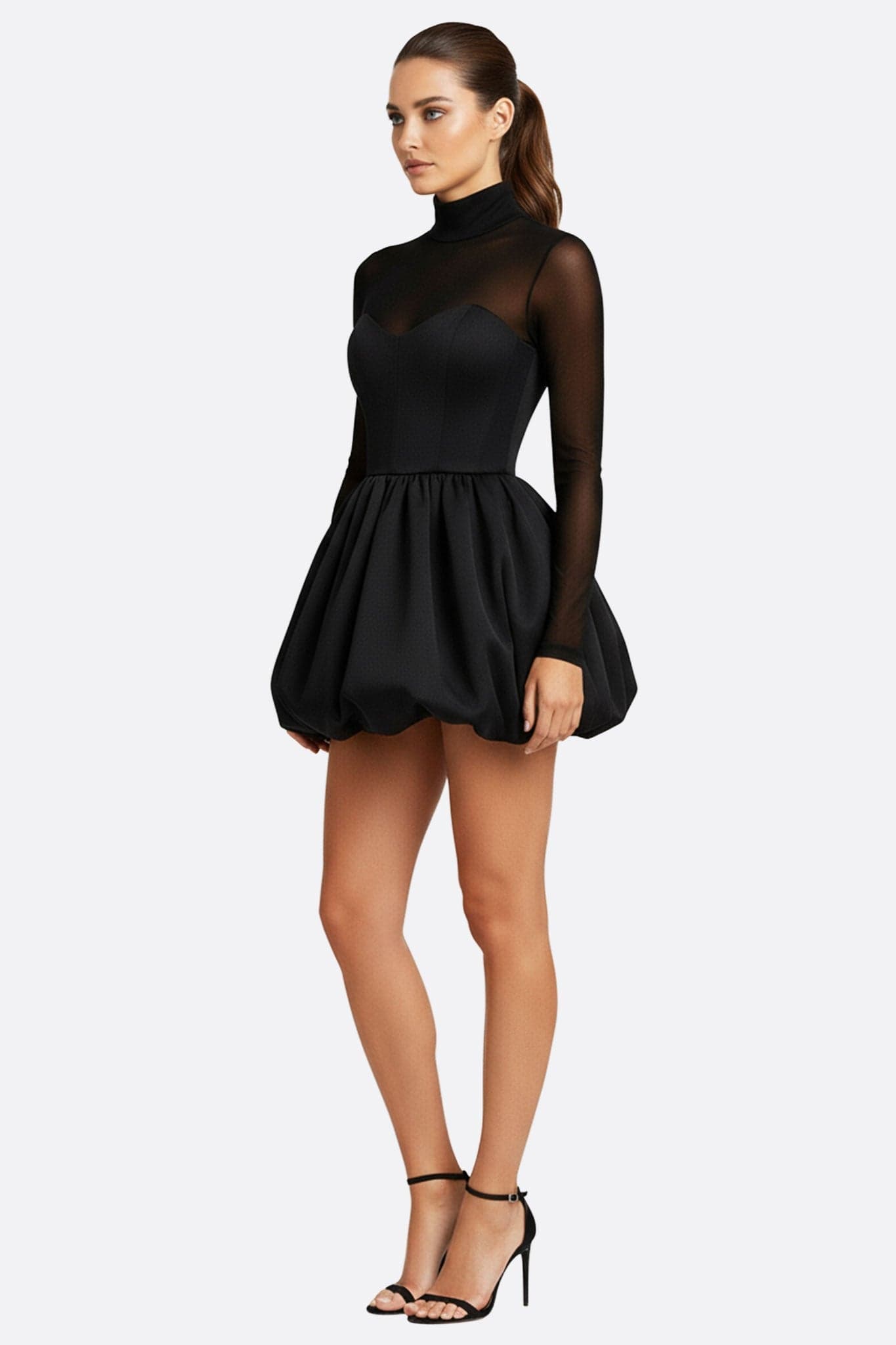
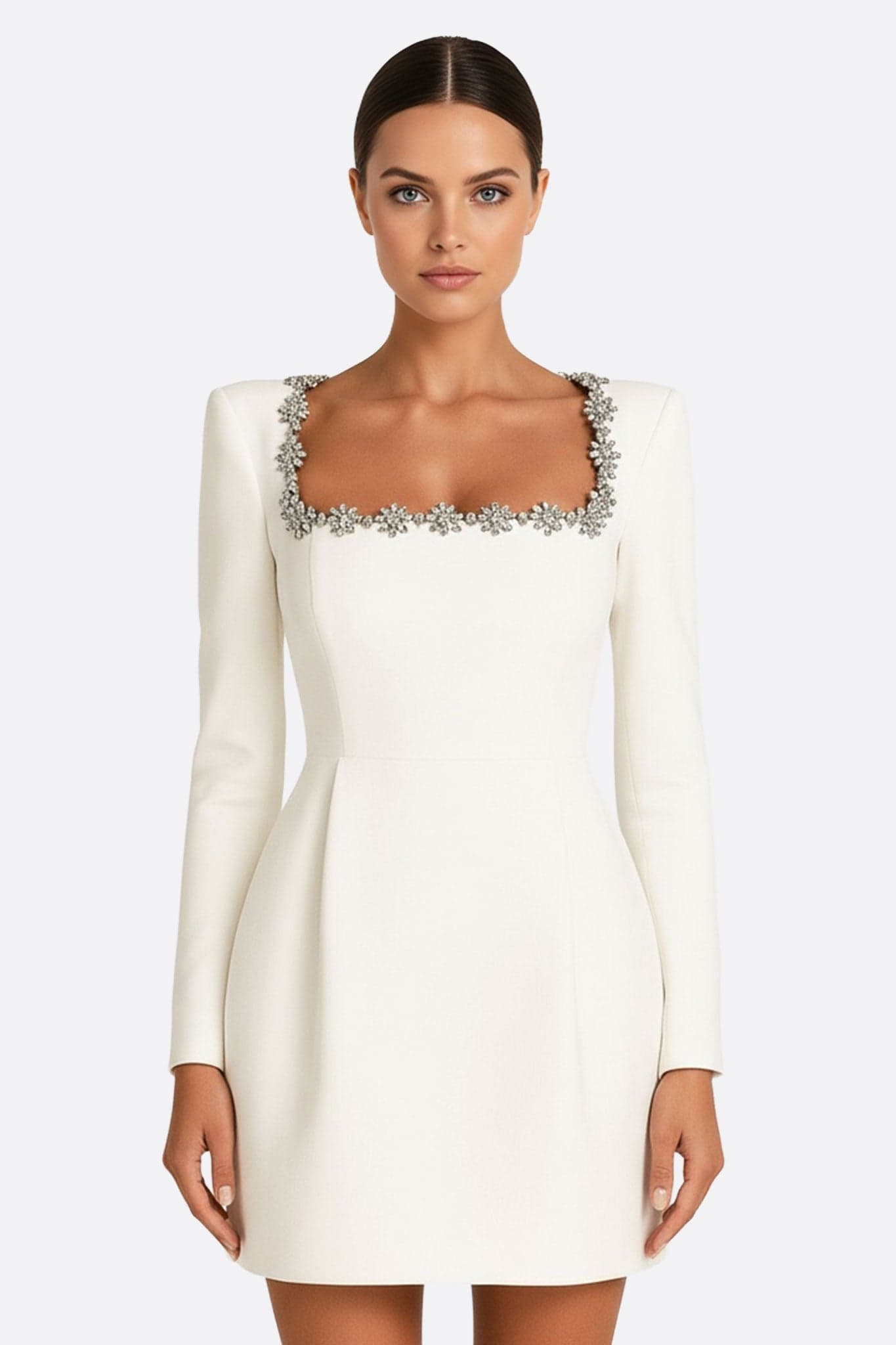
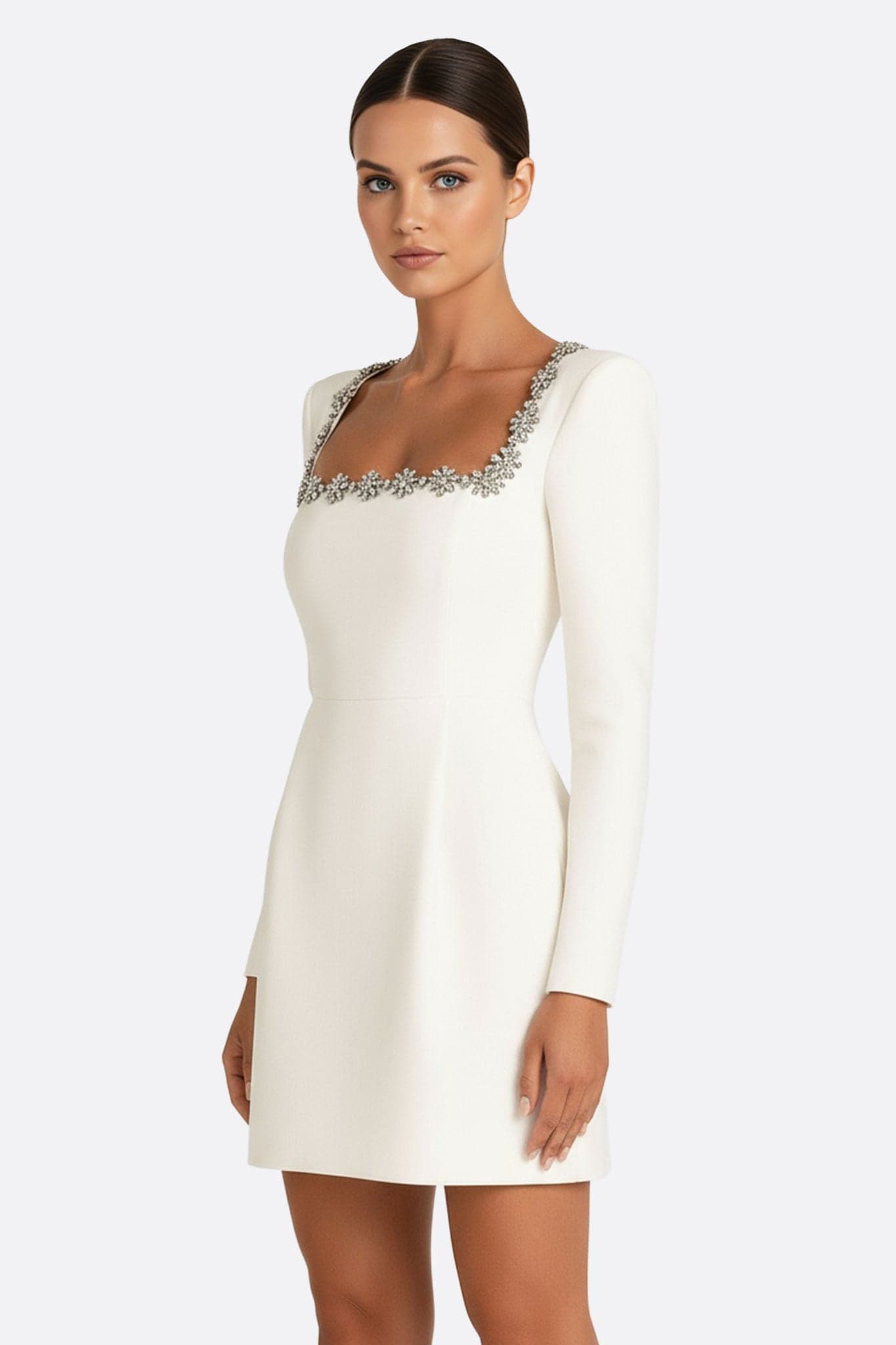
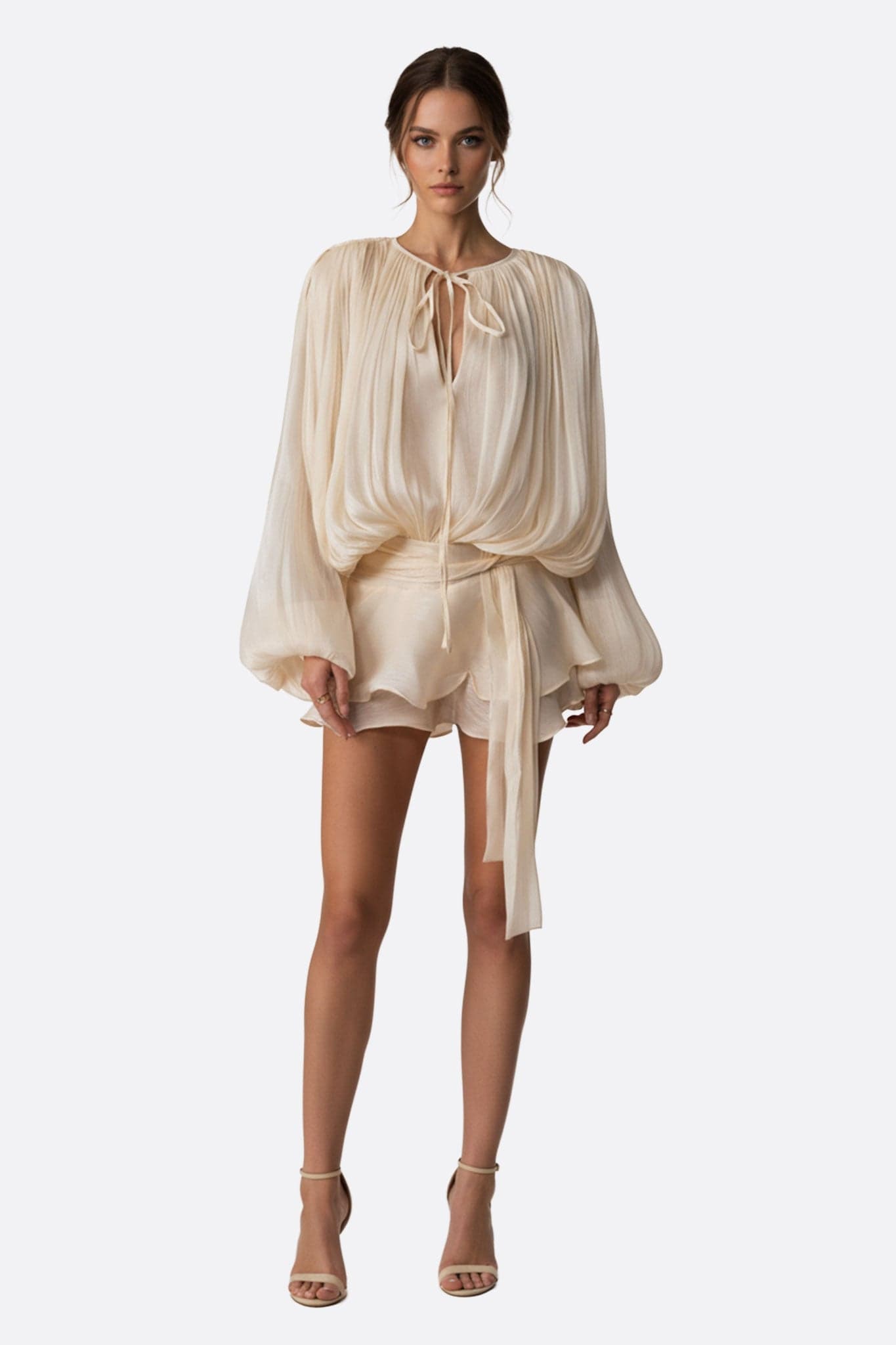
Three weights, three dresses
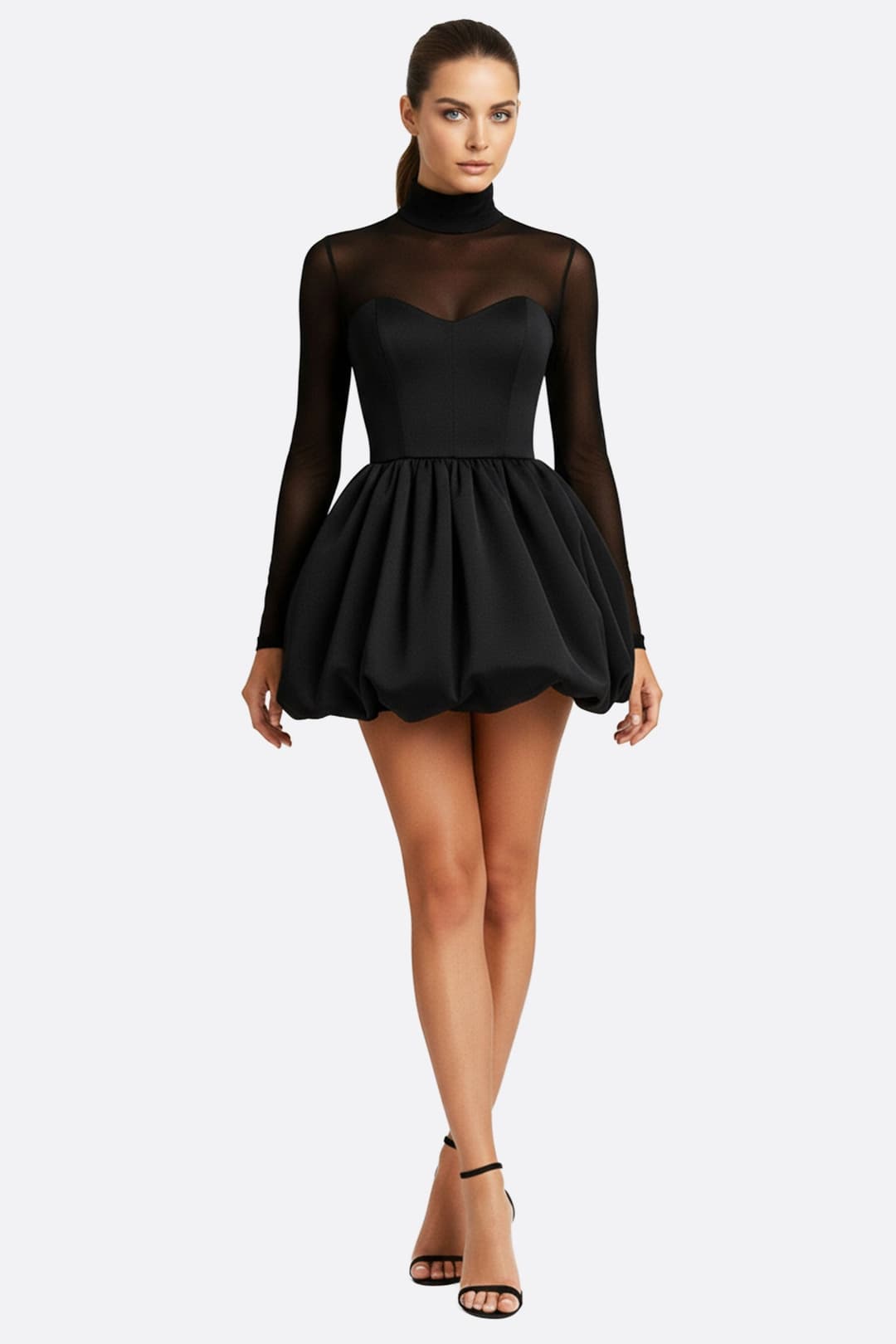
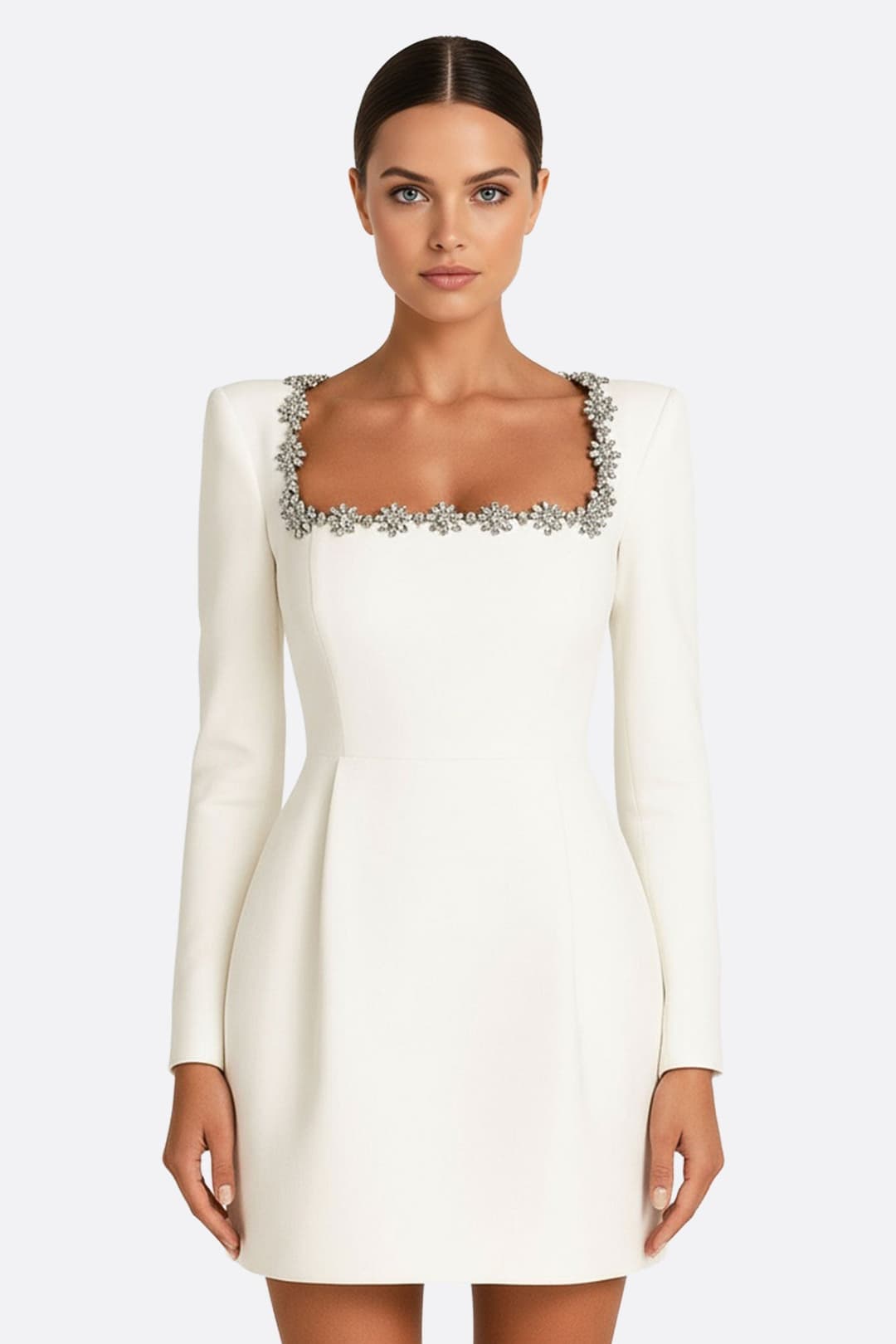
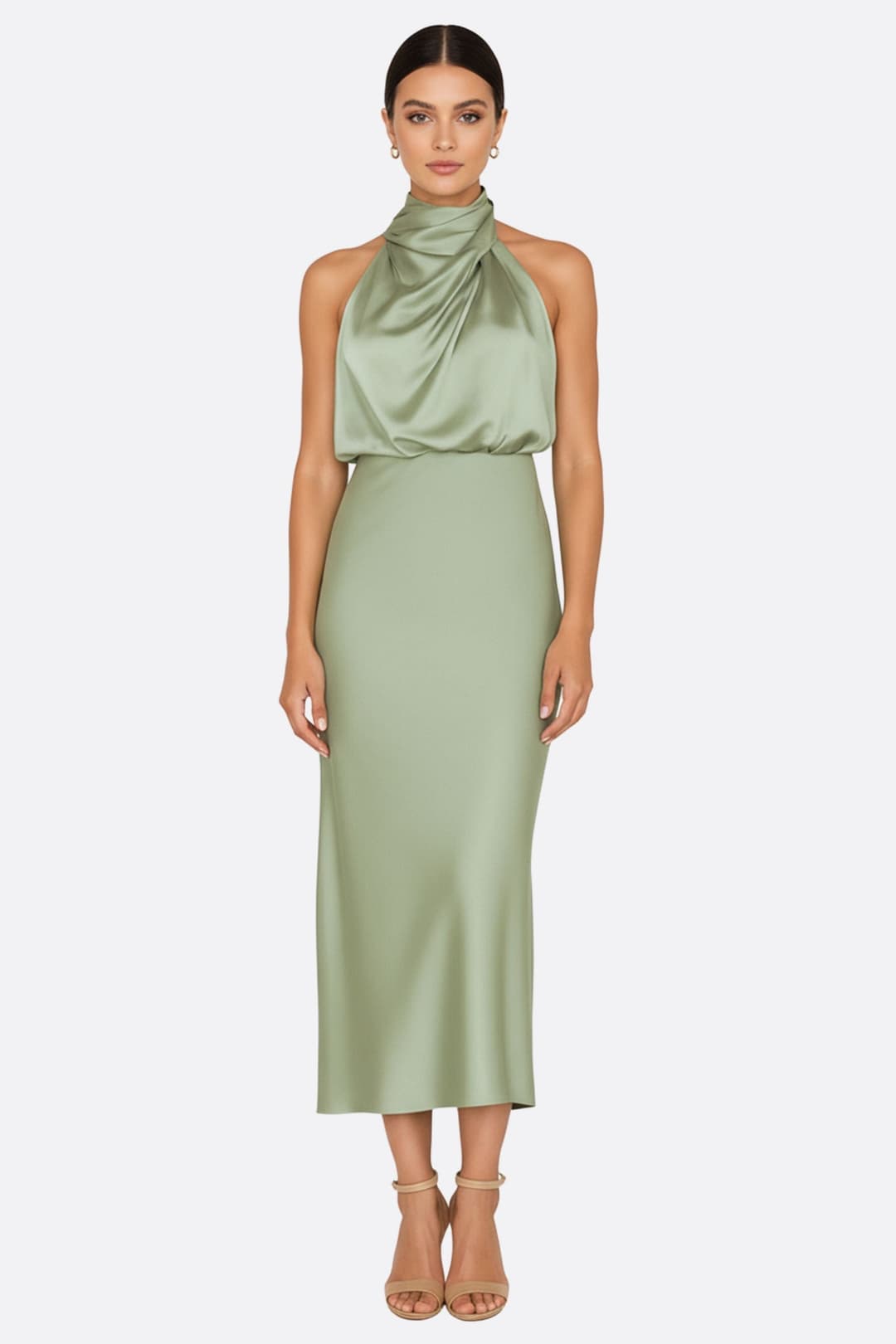
Fabric weights by category: reading a product page at a glance
The figures below are not rules, but reading benchmarks to quickly decide whether a fabric matches your intention. This is where how to choose fabric weight becomes a shopping reflex.
Cotton fabric weight: t-shirts and fine knits
Weight ranges:
• 120–150 g/m²
• 160–190 g/m²
• 200–260 g/m²
Finish & recommended use:
From the lightest to the most structured. Lower weights offer an airy feel, pleasant in summer. The mid-range (160–190 g/m²) corresponds to the everyday t-shirt that holds its shape well. Higher weights give a dense knit with more visual presence.
Points to watch:
Risk of sheerness on lower weights, especially in light colors. Dense knits can feel warmer and lose breathability depending on the fiber.
Shirts & blouses
Weight ranges:
• 70–110 g/m²
• 110–160 g/m²
Finish & recommended use:
The lowest weights give very airy shirts, ideal for layering or hot weather. The 110–160 g/m² range adds more presence: a crisper collar, more stable drape, and better versatility for the office and mid-season wear.
Points to watch:
Wrinkling is more visible on lightweight fabrics. Opacity varies depending on weave density and color.
Dresses & skirts
Weight ranges:
• 90–140 g/m²
• 140–220 g/m²
• 220–320 g/m²
Finish & recommended use:
Lightweight options prioritize drape and movement, ideal for fluid dresses. The mid-range offers better stability when worn, with less wind lift. Higher weights define the line more and structure the silhouette.
Points to watch:
Sheerness is possible on lower weights, especially without lining. Heavier fabrics can become stiff if the cut is not adapted.
Trousers
Weight ranges:
• 180–240 g/m²
• 240–320 g/m²
• 320–450 g/m²
Finish & recommended use:
Lightweight options prioritize comfort but crease more easily. The 240–320 g/m² range is ideal for city trousers: better knee recovery and a clean drape. Higher weights correspond to denims and more structured twills.
Points to watch:
Seat creases are more visible on lower weights. Very dense fabrics sometimes require a "breaking-in" period when worn.
Coats & overshirts
Weight ranges:
• Below 300–350 g/m²
• Above 300–350 g/m²
Drape & recommended use:
Below this threshold, these are generally layering or mid-season pieces. Above it, the fabric gains presence and structures the silhouette more, with better thermal retention.
Points to watch:
Weight too low: insufficient warmth. Weight too high: possible stiffness if the cut isn't designed for it.
Our dresses calibrated by weight

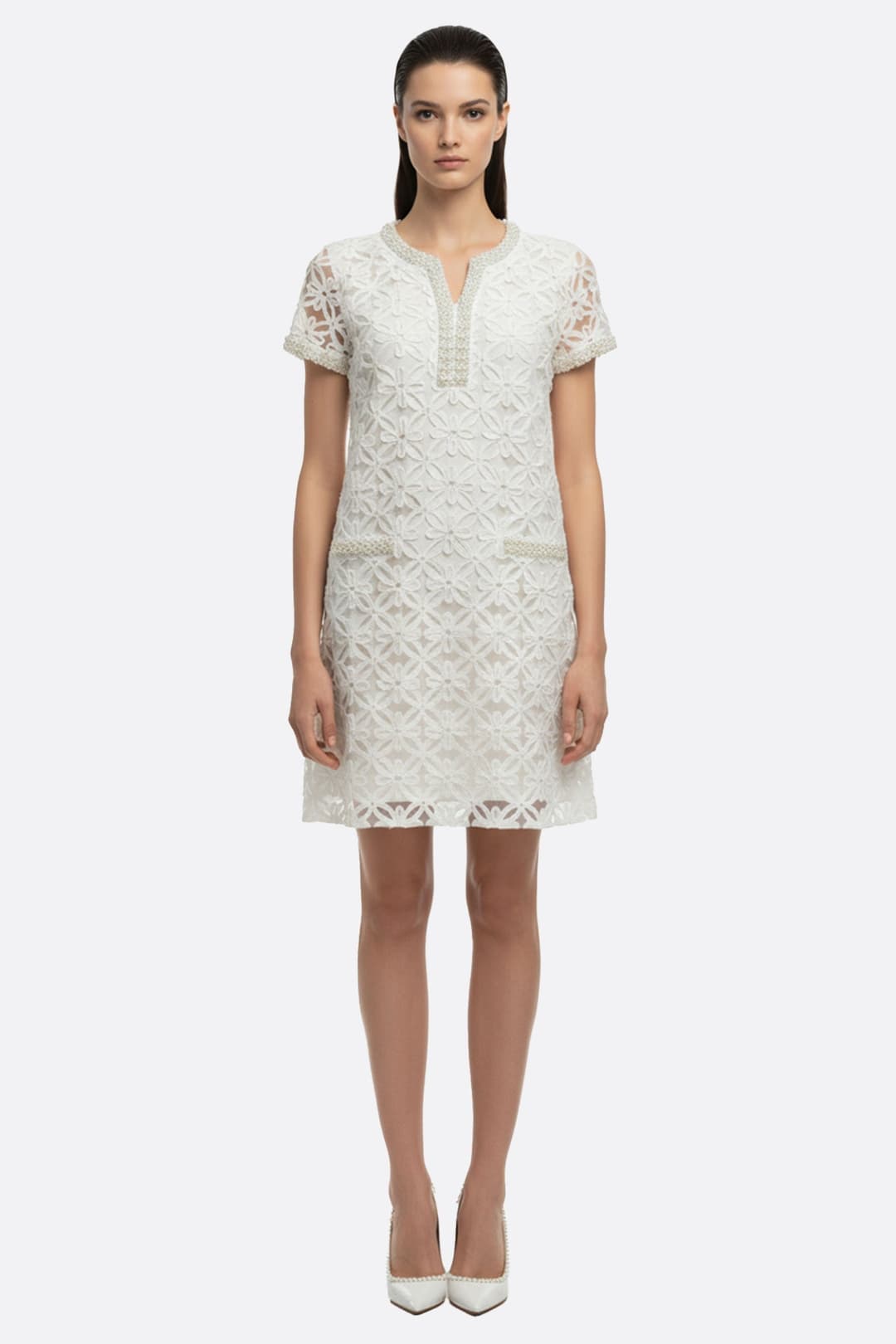
Avoiding the pitfalls: same weight, different drape
The classic trap is believing that two fabrics with the same weight will behave identically. In reality, weight is a measure of mass, not a promise of drape.
Knit vs. woven.
A knit at 180 g/m² will often feel softer than a woven at the same weight. For a clean line (collar, pleat, placket), an intermediate woven is often more convincing. For comfort and movement, the knit wins.
Fiber and loft.
Certain fibers trap air and give a fuller hand at a contained weight. Others are denser and cooler. Result: two fabrics of the same weight can be perceived as "thick" or "thin."
Finishes.
A fabric may feel firm upon receipt due to a temporary finish. Washing softens it, but the weight remains. Base your decision on weight for intent, not just on first impression.
5-question buying method: deciding without touching the fabric
1. What is the exact use?
Not "a dress," but "a dress worn alone in summer" or "a dress with tights."
2. Light or dark color?
The lighter it is, the more reassuring the weight should be.
3. Structure or movement?
The line often calls for more density.
4. Wrinkle tolerance?
Lightweight fabrics live more.
5. Am I in an extreme?
Mid-weight fabrics are the most forgiving.
Fabric weight and sheerness: understanding what the number protects (and what it doesn't)
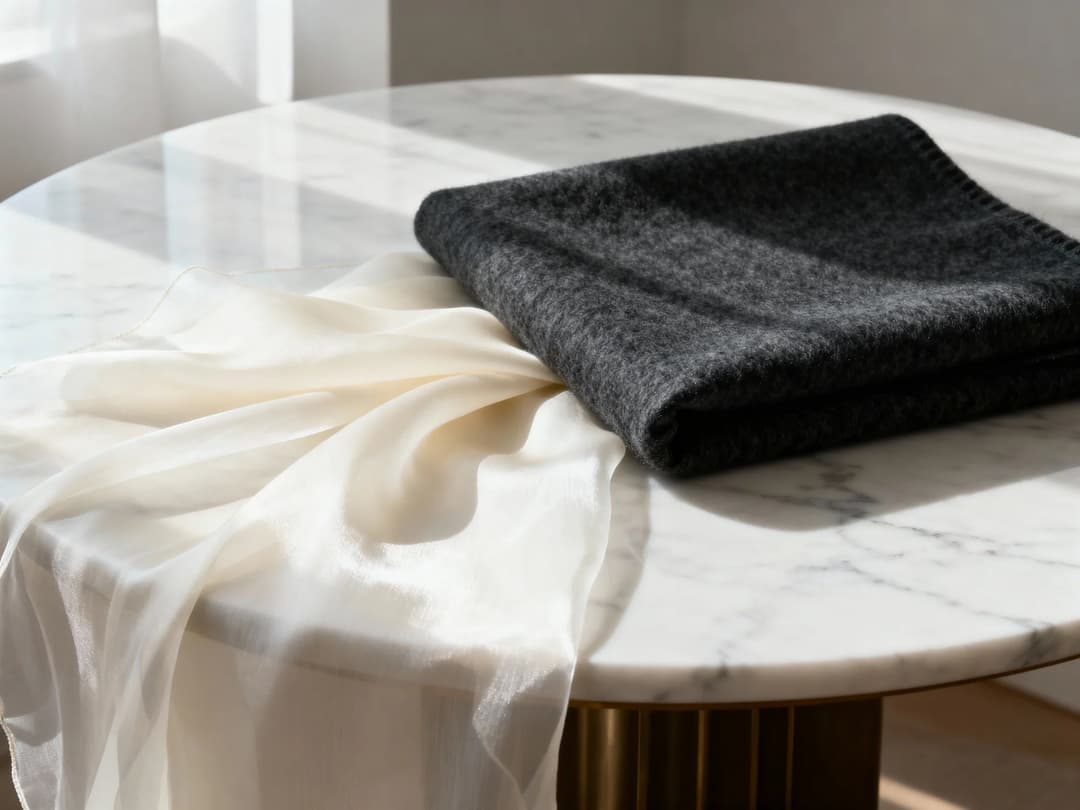
Sheerness is one of the first disappointments upon receiving a garment, especially in light colors. Fabric weight plays a key role here, but it must be interpreted methodically. Below a certain threshold, the fabric naturally lets light through, especially when stretched by movement or exposed to frontal lighting.
To choose a good fabric weight with a "zero sheerness" goal, the number serves as a safeguard, but not as an absolute guarantee.
As a reference point, a light knit below roughly 150 g/m² will almost always be partially translucent, even if the fiber is high quality. From 160–180 g/m² upward, opacity improves significantly, provided the knit is tight enough. In woven fabrics, the threshold can be lower if the weave is compact.
That's why a 130 g/m² fabric can seem opaque in a dense poplin, while a jersey of the same weight will remain sheer against the light.
What the fabric weight doesn't tell you: the fabric's reaction to tension. A fabric can look opaque when laid flat, then become sheer once worn, especially on stressed areas (chest, hips, thighs). If opacity is a decisive criterion for you, prioritize not only a mid-weight or heavy fabric, but also a cut that doesn't put the fabric under constant tension. The number protects an intention, not a poorly suited use.
DISCOVER ALSO
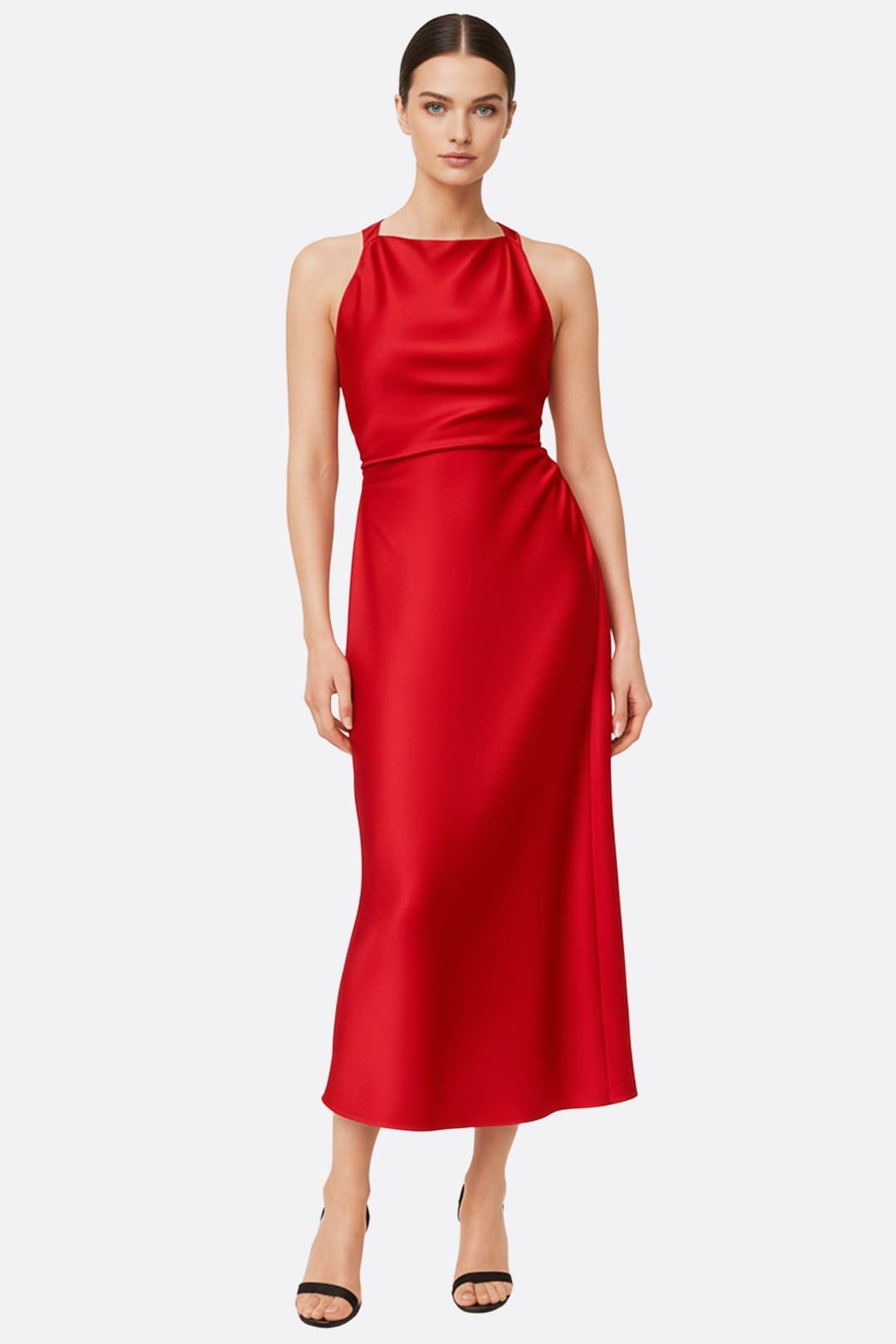


Weight, climate, and lifestyle: adapting fabric to real life, not the theoretical season
Weight is often associated with a season, light for summer, heavy for winter, but this reading is too simplistic. In reality, the actual climate (humid or dry), temperature variations throughout the day, and lifestyle matter more than the calendar. To choose wisely, you need to think in terms of worn situations: commutes, heated or air-conditioned interiors, time spent outdoors, and mobility.
In an urban environment, a very light piece can become uncomfortable if it sticks to the skin or shows moisture, while a slightly heavier weight, combined with a breathable fiber, regulates heat exchange better. Conversely, in a dry climate, a lighter fabric remains pleasant and lively, even in the middle of summer. Weight alone doesn't create warmth: it determines the fabric's ability to manage air, moisture, and movement.
Finally, the pace of use is decisive. A garment worn for long periods during the day, sitting then standing, moving then resting, benefits from being in a stable weight range, neither too extreme nor too fragile. Very light fabrics are beautiful for occasional or controlled summer wear; mid-range weights better accompany prolonged and varied use. This is often where the difference lies between an appealing piece and one that is truly lived in.
Weight remains an excellent starting point for qualifying a fabric, but it should never be read in isolation. To refine a decision, especially when the product sheet is brief, it's useful to cross-reference the weight with the fiber type, weave structure, and finish.
If you'd like to go further in this holistic reading, we've detailed this approach in a complementary guide: how to choose a garment fabric without getting it wrong. It helps place weight within a broader analysis of how fabrics actually behave when worn.
However, a fabric's weight alone isn't enough: carefully reading the textile label remains essential to understand a garment's true composition.
PAIR WITH
Fabric weight: your shopping compass
Fabric weight is neither a minor detail nor an absolute guarantee. It is a compass. It places you within a family of sensations before you even touch the fabric.
To choose wisely, use it as a first filter, then refine with the fiber, weave, and finish. It is this cross-reading that allows you to buy a piece that is consistent with your actual use and daily life.
At Misciano, we favor balanced weights: those that carry through seasons, body types, and time without constraining movement or wear. Also discover how to care for your fabrics in our dedicated article.
To go further:
- To cross-reference weight, breathability, and durability of each fabric, our interactive fabric guide
FREQUENTLY ASKED QUESTIONS
How does a fabric's weight influence the feel on the skin?
The weight, measured in grams per square meter (g/m²), plays a crucial role in the feel of a fabric. A higher weight can convey a sense of sturdiness and warmth, while a lower weight can offer lightness and fluidity. Thus, choosing an appropriate weight ensures comfort suited to the intended use and climatic conditions.
What numerical benchmarks should I consider when choosing a fabric's weight?
Numerical benchmarks can guide your choice of weight based on the intended use. For example, for summer clothing, a weight between 80 and 150 g/m² is often recommended, while for winter pieces, values above 200 g/m² are preferred. These indications are based on internal tests and can be adapted according to the specific characteristics of the fabric.
How can I test a fabric's density before purchasing?
To assess a fabric's density, you can observe its transparency against the light. A simple test involves holding the fabric up to a light source: if the outlines of your hand are clearly visible, this may indicate a low weight. This simple test helps anticipate the final feel on the skin.
What are the effects of an inappropriate fabric weight on a garment's fit?
An unsuitable fabric weight can alter a garment's fit. For example, a fabric that is too light can easily deform, while a fabric that is too stiff can create unflattering effects. For a well-structured lapel, it is essential to choose a weight that ensures both robustness and flexibility.
What factors should I consider in addition to fabric weight when choosing a fabric?
Beyond fabric weight, other factors such as fiber composition, weave type, and finishes influence how a fabric behaves. Each material has its own characteristics that can alter its feel, drape, and durability. That is why it is important to consider all these elements for an informed choice. To better understand the origin and evolution of these fabrics, explore our history of textile materials.

Article written by Esther Arnaud
Published on 20/01/2026 at 14:24
About the author
What interests me above all is not the immediate trend, but the coherence of a wardrobe. I enjoy analyzing why a piece works, how a fabric influences movement, and how a garment can accompany a woman over time, without ever imposing itself.
→ Learn more about Esther Arnaud