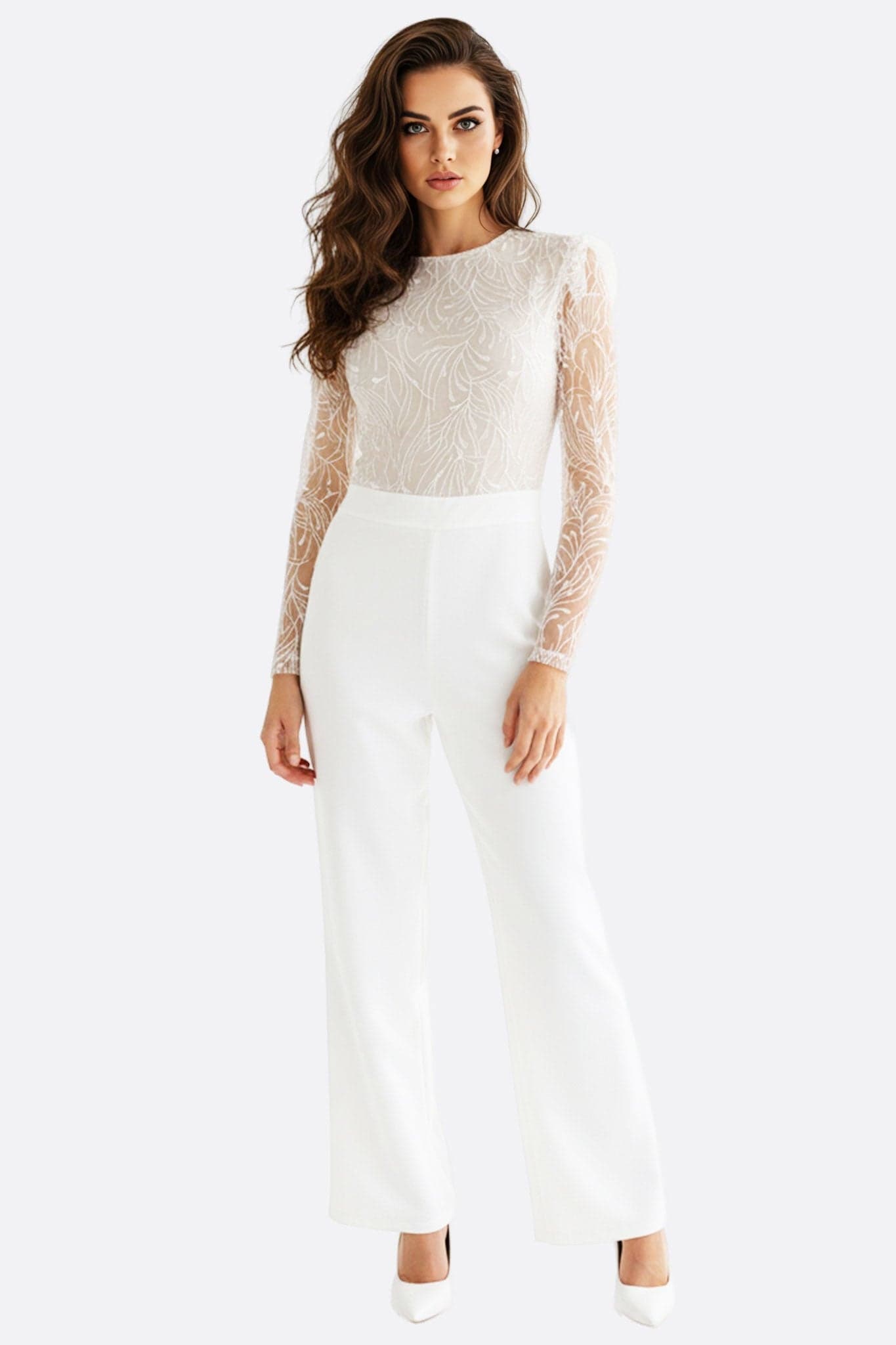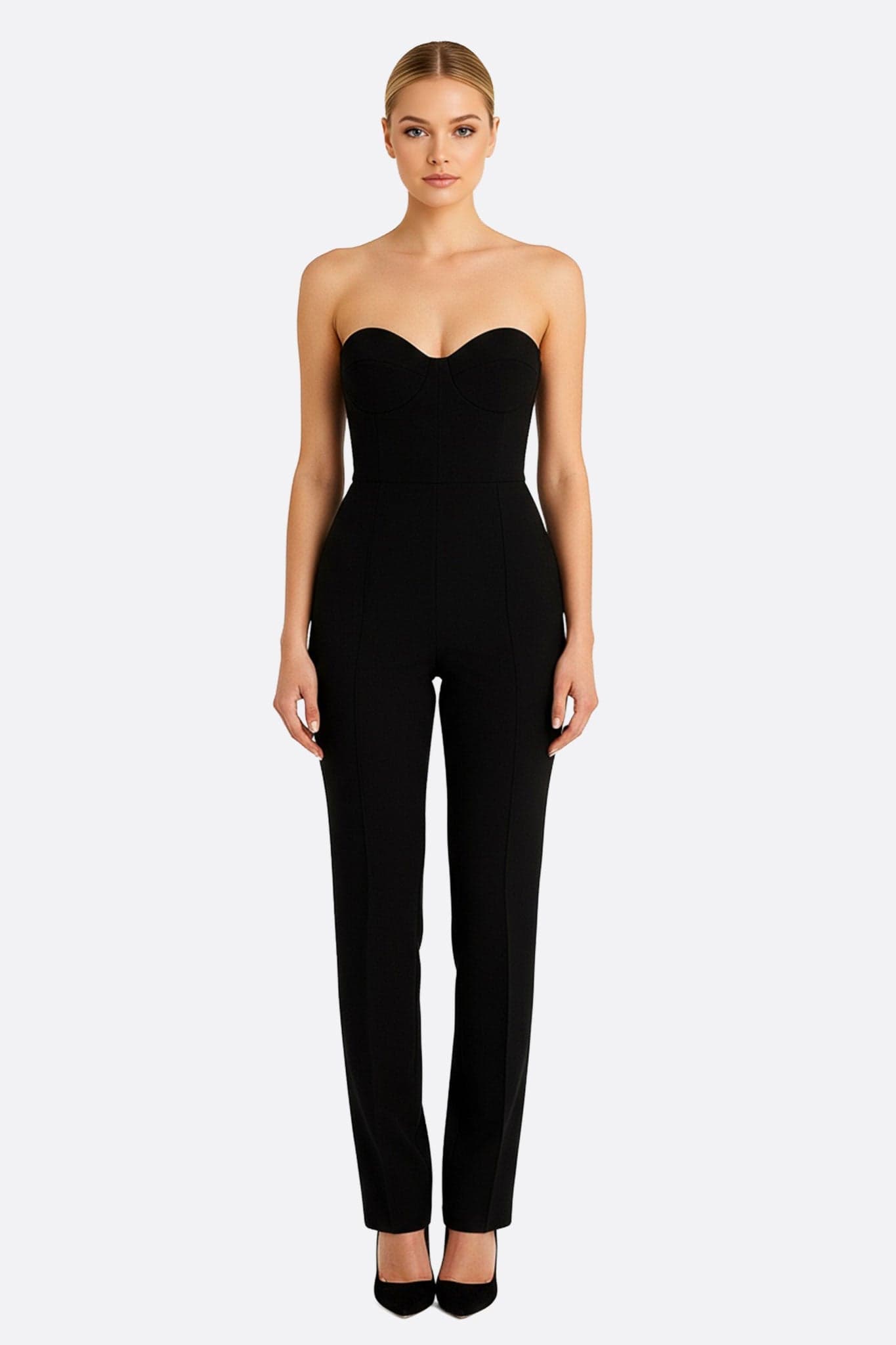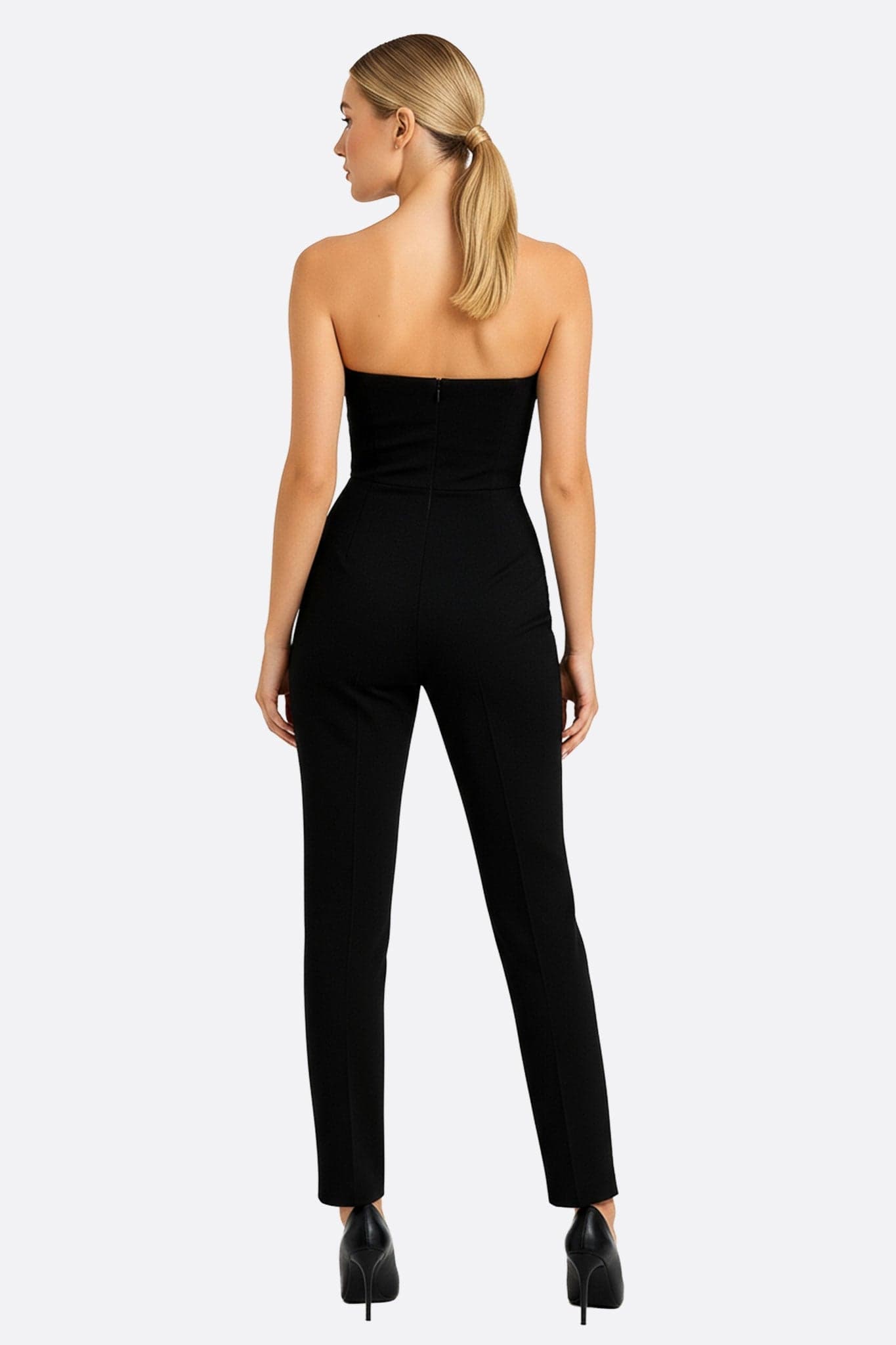
Women's jumpsuit or dress for a ceremony: what to choose according to the occasion
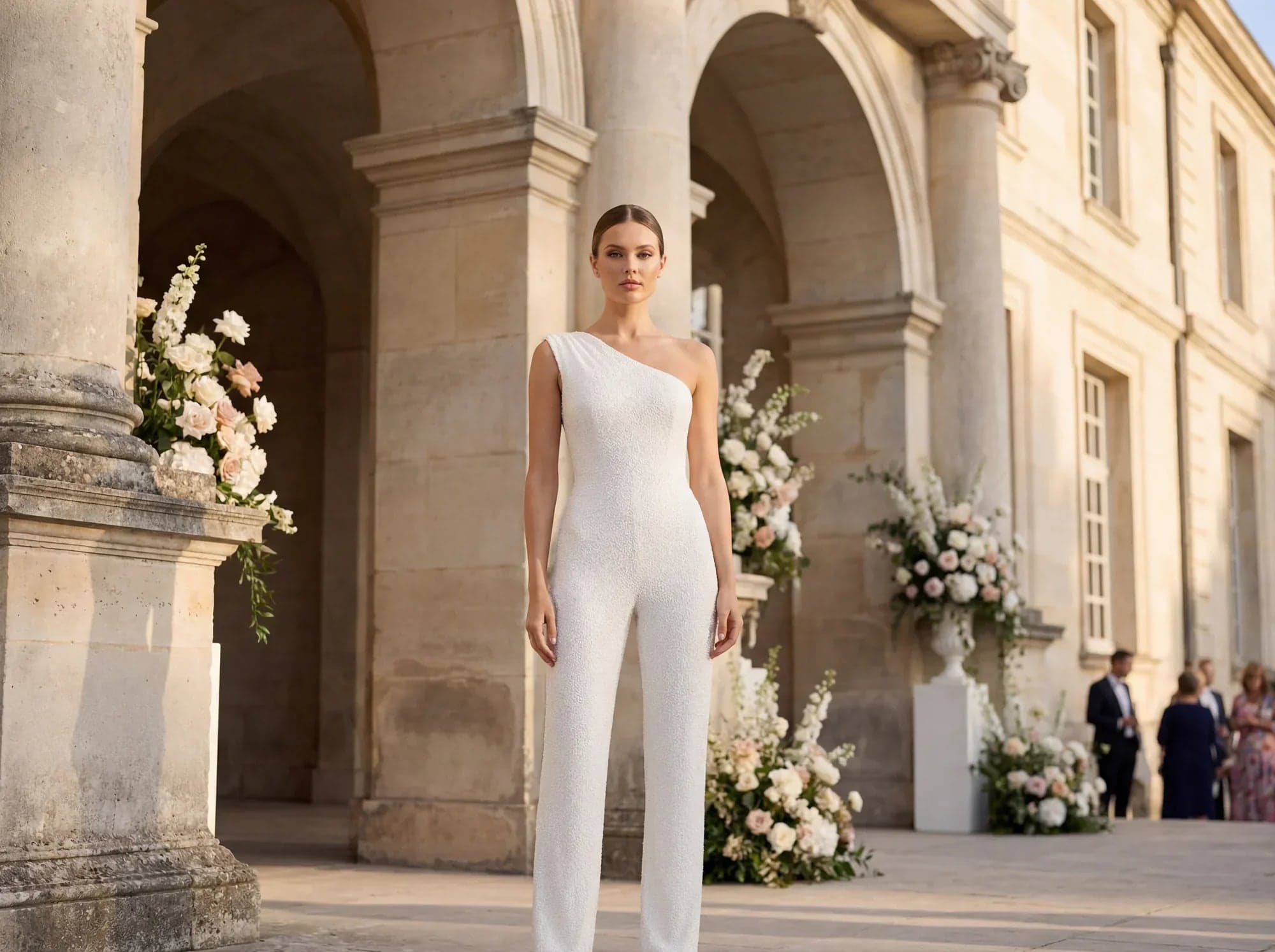
You have a ceremony on the agenda, the venue is beautiful, there will be many photos, and the dress code hovers between "chic" and "formal" without being clear. The dilemma arises quickly: jumpsuit or dress for a ceremony? The right answer is not an abstract preference: it depends on the setting (town hall, estate, cocktail), the season, your role (guest, witness, family), and especially what the clothing must do for you: stay impeccable from the first kiss to the last dance steps, flatter without constraining, remain neat in photos, and let you breathe.
Here is a clear, very concrete method to decide, with a textile eye, cutting benchmarks, and details that change everything (drape, fabric feel, creasing, finish).
The occasion: place, role, and protocol
The first criterion is neither trend nor morphology: it is the level of formality and the kinetics of the day. A ceremony is not a frozen moment: you sit, you stand, you walk on gravel, you greet, you hug, you cross a garden, you dance. The outfit must remain appropriate in all these positions.
At the town hall or for a civil ceremony during the day, the jumpsuit has a clear advantage: it creates a structured, neat look without overdoing it. Well-cut pants maintain a clean line in photos, especially if you anticipate three-quarter shots and action shots (exit, embraces). A dress also works, but beware of lengths that are too short, which, when sitting, ride up and require repositioning.
In a very ceremonial place (castle, reception hall with service, evening), the long or midi dress retains an immediate power: it "dresses" without question. The jumpsuit can also be legitimate, provided it is impeccable in material (drape, density) and finishes (neckline, waist, hems). In this context, a jumpsuit that is too thin or too stretchy can quickly seem more like "dinner attire" rather than ceremonial attire.
According to your role :
- Witness / close family: choose a piece that goes the distance and remains impeccable in group photos. The structured midi dress or the jumpsuit with a marked waist and a beautiful neckline are safe bets.
- Guest: you have more freedom. The jumpsuit allows for a more graphic chic; the dress allows for a more romantic presence. Choose according to the setting and your comfort.
- If you need to move a lot (help, carry, manage children): the jumpsuit often wins, especially with fluid pants and a well-placed waist.
Finally, a rarely mentioned point: the implicit protocol of photos. If the ceremony involves many seated shots (speeches, service), the dress can create fan-like folds on the stomach or hips depending on the material. A well-constructed jumpsuit, on the other hand, maintains a smoother front, provided the hips are not too tight.
Materials and drape: the criterion that makes it “ceremonial”
In the equation jumpsuit or dress for a ceremony, the material determines the outfit more than the cut. With the same silhouette, a dense fabric with a firm drape changes everything: it captures light without shining, it holds its shape without being stiff, it accompanies the body without clinging.
For a jumpsuit, aim for materials that create a long and clean line:
- Crepe: slightly textured feel, crisp drape, little sheen, excellent in photos. It forgives micro-creases more than satin.
- Lightweight serge or gabardine: more structured, ideal if you want a more "tailored" look. Preferable for an urban ceremony or mid-season.
- Viscose of good density: very pleasant, fluid, but beware of creasing. Choose it if the cut is impeccable and if the ceremony does not involve too much prolonged sitting.
For a dress, the choice of material must anticipate light and movement:
- Crepe (again): perfect for a midi dress, it gives a calm elegance, without a "costume" effect.
- Satin: beautiful in the light, but demanding. It more easily shows tension (bust, hips) and creases. Reserve it if the cut is perfectly fitted and the lingerie impeccable.
- Organza, tulle, chiffon: superb in layers, especially for afternoon/evening ceremonies. They create an airy movement but require construction (lining, finishes) to avoid a too fragile effect.
Misciano textile tip: do the "fist" test. Crumple a corner of the fabric in your hand for 5 seconds then release. If the crease remains hard and visible, you will have marks in photos and when sitting. A quality crepe "breaks" the crease, it relaxes faster. This test is based on the behavior of the fibers – their density and weave – which allow the fabric to quickly regain its shape, as validated by our in-store tests. It is often this detail that separates a ceremonial outfit from a simply pretty one.
For more on the points of cut and construction of a jumpsuit (neckline, waist, leg proportion), you can consult Women's jumpsuit: complete guide to choosing it well useful to ensure the piece will hold up as well standing as sitting.
Cut, comfort, and durability: what the day will demand of you
A ceremony is often 6 to 12 hours of wearing an outfit. The decision jumpsuit or dress for a ceremony must therefore incorporate the notion of elegant comfort: being comfortable without it showing, moving without adjusting, breathing without creasing.
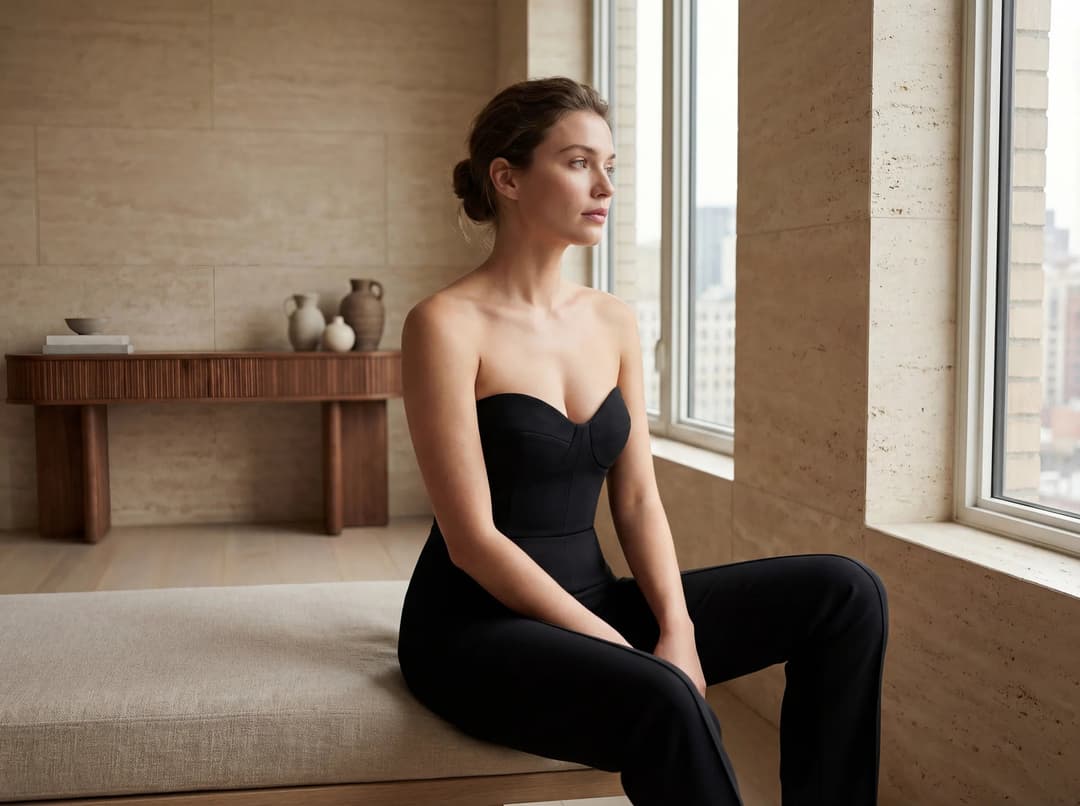
The jumpsuit wins on three fronts:
- Stability: no hem riding up, no skirt flying up if the ceremony is outdoors.
- The line: a neat bust + a fluid leg immediately elongate the silhouette, especially with a waist placed at the right level.
- Freedom of movement: if the armhole is well designed and if there is enough ease at the hips.
But it has a concrete point of caution: managing breaks. A too complex jumpsuit (multiple buttons, difficult zip) can become an irritant. For a long ceremony, prefer: invisible back zip accessible, or side opening, or wrap model. And check the length of the torso: if it is too short, you will feel it when sitting (pulling at the crotch, which ruins the outfit and look).
The dress scores on:
- Breathability: especially in summer, a well-lined but light dress can be more pleasant than pants.
- The gradation of formality: a midi/long dress "does ceremony" instantly, even with simple accessories.
- Ease: you put it on, adjust it, and you're done.
Its pitfalls to anticipate:
- Static (some linings) that clings to tights or legs: prefer antistatic linings or more matte materials.
- Transparency in full sun: do a light test near a window, especially for light colors.
- Waist placement: a waist too low can "compress" in group photos; a waist too high can be uncomfortable during seated meals.
Simple guide: if you fear having to "monitor" your outfit (holding the skirt, pulling on the neckline, repositioning the straps), a well-cut jumpsuit is often the best ally. If you seek a softer, more ceremonial presence at first glance, the midi/long dress is more immediate.
Fitting checklist
Before purchasing, check by trying on the outfit:
- Test sitting and standing to evaluate the length of the torso and ease at the crotch.
- Test by raising your arms and walking to check freedom of movement and fabric fit.
- Test for creasing and transparency in natural light, to ensure the material remains impeccable throughout the day.
- Check that the outfit is not too stretchy or that the satin does not show tension.
Colors, details, and styling: choose right without stealing the scene
The right choice between women's jumpsuit or dress for a ceremony also lies in balance: being remarkable for accuracy, not excess. Here, it is the colors, the finishes, and the accessories that guide the outfit towards "perfect guest" rather than "too marked outfit."
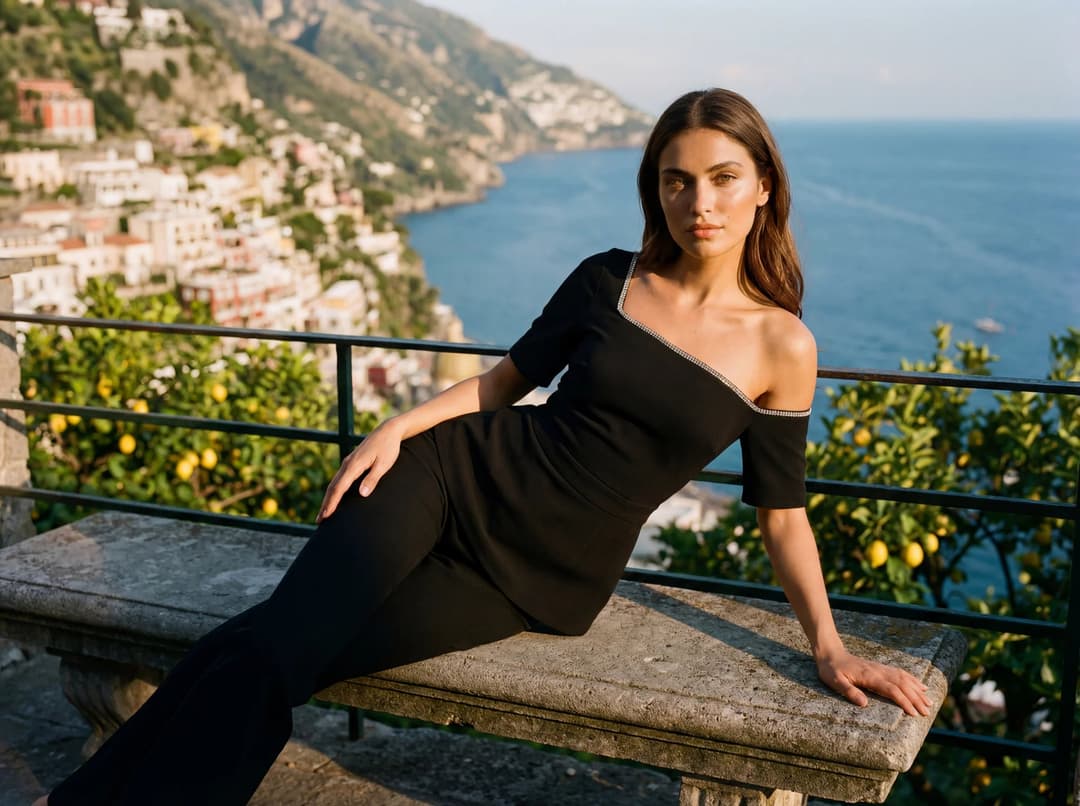
Colors :
- Safe choices: midnight blue, deep green, burgundy, chocolate, matte champagne, non-pearly powder pink. They photograph well and match easily.
- To handle with care: white, very light ivory, cream (often reserved, depending on the type of ceremony). If you wear them, compensate with a very simple cut and more assertive accessories.
- Very bright: superb if the fabric is matte or slightly textured. In shiny satin, a bright color can become dominant in photos.
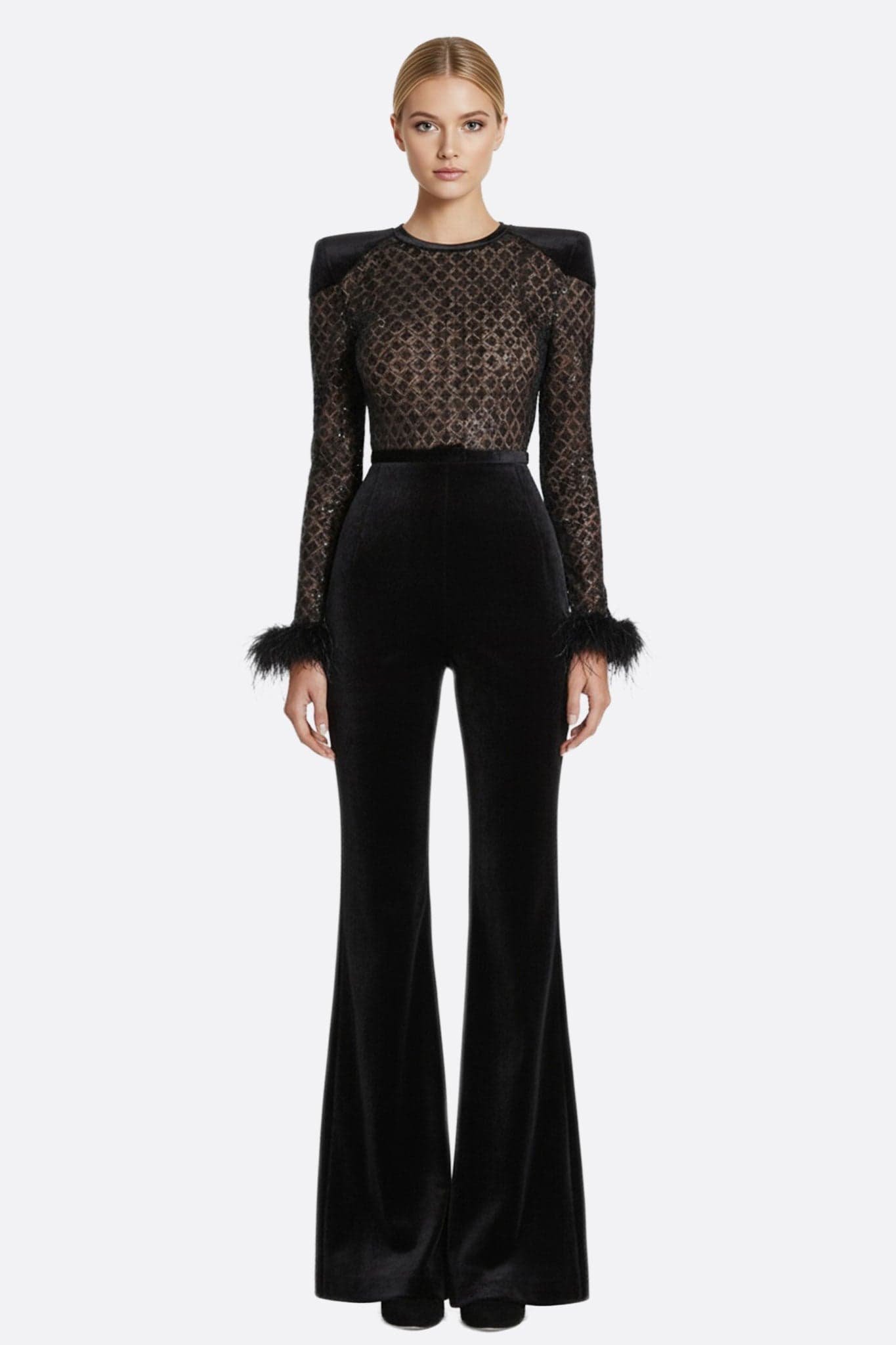
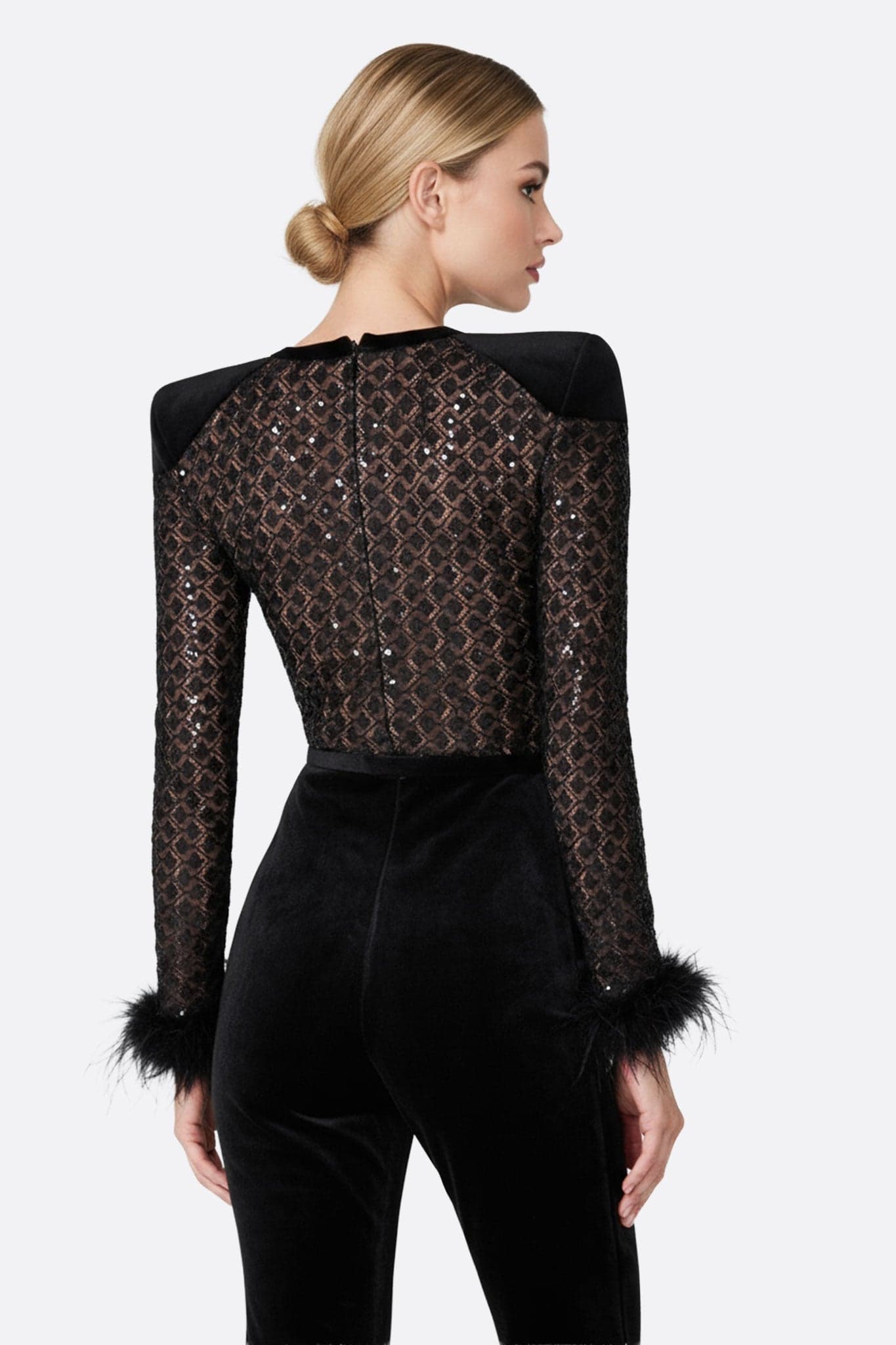
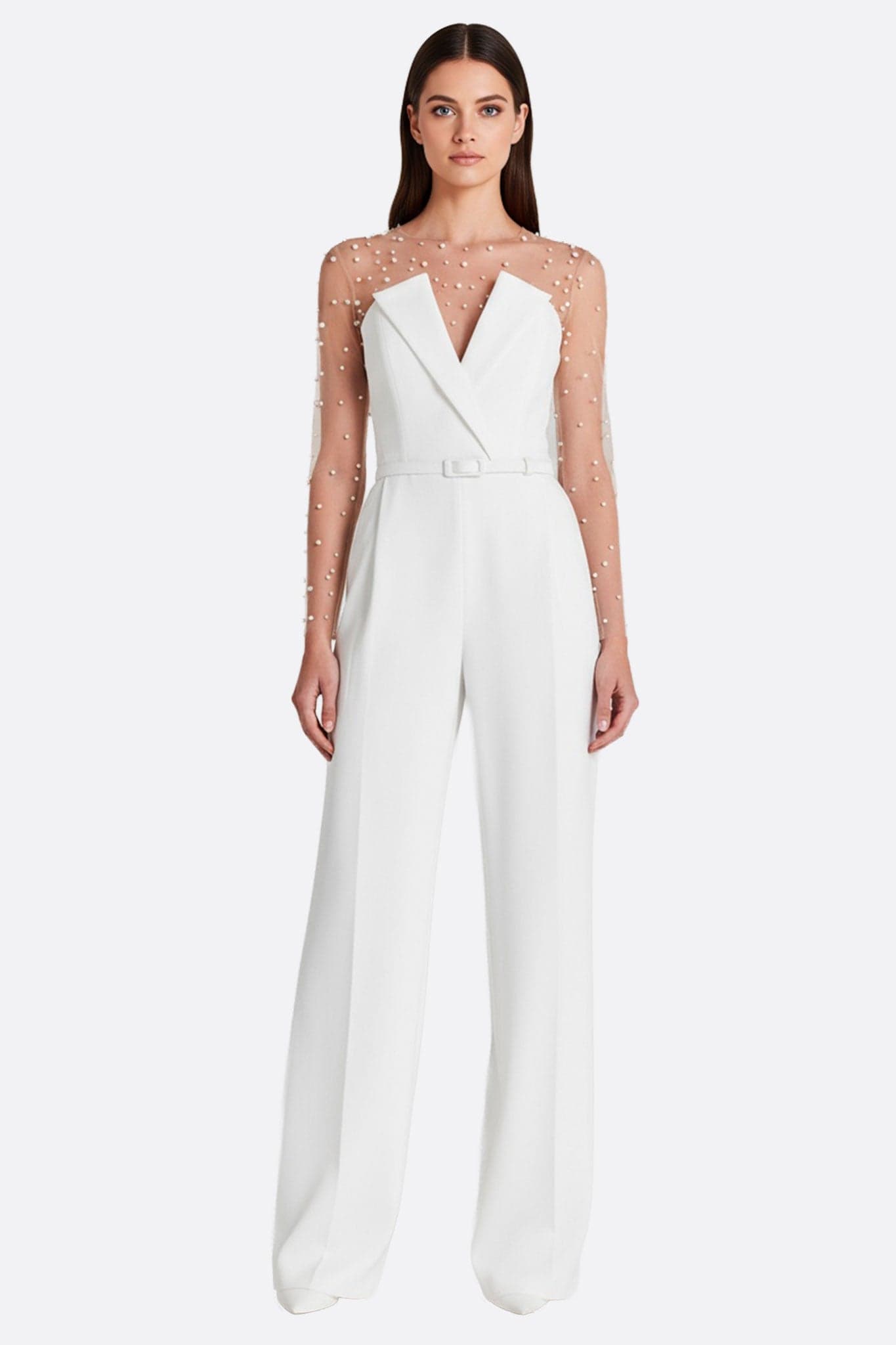
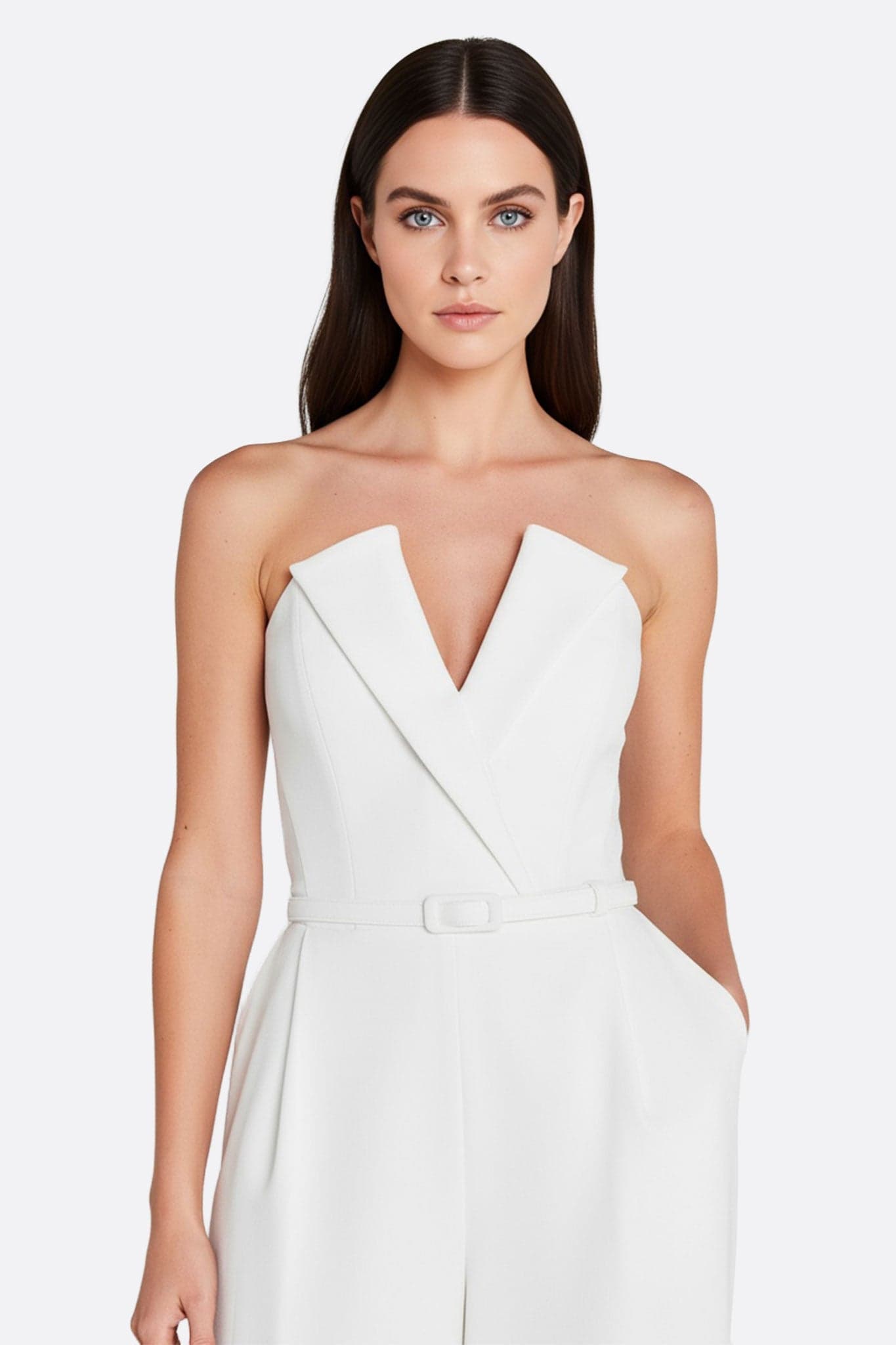
Details that "make ceremony" on a jumpsuit: a worked neckline (square, discreet heart, neat wrap), an integrated belt that marks the waist without breaking the line, a marked pleat on the leg, a well-finished back. Avoid very thin straps if you want a more formal look: they can give a more "summer evening" than "ceremony" feel.
Details that "make ceremony" on a dress: a placed drape (not everywhere), a sleeve (even short) that structures, a skirt that moves without puffing, a controlled slit (that opens when walking, not when standing still). Finishes matter: a well-weighted hem gives a more noble movement and avoids the "light fabric that clings" effect.
Shoes and bags :
- With a jumpsuit: thin sandals if the ceremony is in summer, sharp-toed pumps if the setting is more formal. A compact, structured bag reinforces the line.
- With a dress: you can soften with thin straps or structure with a more pronounced heel. The bag can be more "jewel" if the dress remains simple.
Jewelry: a useful rule to avoid excess. If the outfit has a strong neckline (square, asymmetrical, worked back), choose earrings and let the neck breathe. If the neckline is simple, a thin, well-placed necklace is enough. The metal should complement the fabric's hue: gold warms cream, chocolate, deep green tones; silver clarifies blues, grays, cool pinks.
Quick verdict :
- You want a neat, comfortable look that remains impeccable from the town hall to the dance floor: jumpsuit in crepe or light serge, marked waist, clean finishes.
- You want an immediately ceremonial presence, more fluid, more "portrait": midi/long dress in crepe, controlled satin, or light overlays.
Common mistakes and practical advice
Some common mistakes to avoid:
- Choosing a jumpsuit that is too stretchy, which does not guarantee stability during pauses or prolonged movements.
- Opting for satin that is too thin without adjustments, accentuating tensions and creases, especially when sitting.
- A poorly adapted torso length that creates uncomfortable pulling when sitting.
- Using static linings that cause a sticky effect on tights or legs.
- Wearing straps that are too thin in a formal context, risking degrading the outfit's appearance.
These tips, based on in-store tests and field experience, aim to guide you while specifying that each situation (wedding, baptism, award ceremony, religious ceremony) requires adaptation according to specific codes and contexts.
In the end, the best choice is the one that lets you experience the ceremony without thinking about it: a fabric pleasant to the touch, a cut that does not require adjustments, and a look that remains yours, from the first glance to the last.
To go further:
- To refine your choice if the occasion is a wedding, Women's wedding guest outfit: chic without overdoing it
- To explore the most elegant models for a grand occasion, The evening suit, an elegant alternative to the dress

Article by Alexander Chekushine
Published on 07/02/2026 at 20:35
About the author
A specialist in style and fashion trends, I bring a sharp eye to Misciano's creations. My in-depth knowledge of noble materials and Italian craftsmanship enriches each of my articles with a precise and demanding reading of contemporary elegance.
→ Learn more about Alexander ChekushineFREQUENTLY ASKED QUESTIONS
What criteria should I consider when choosing between a jumpsuit and a dress for a ceremony?
The choice between a jumpsuit and a dress depends on several factors, such as the type of event, the location, and your role. A jumpsuit can offer more comfort and practicality, while a dress may be perceived as more traditional. Also consider the weather and the cut that will flatter your figure.
How do the cut and drape of a garment influence my choice?
The cut and drape are essential to ensure both comfort and elegance. A well-fitted jumpsuit can accentuate the waist and elongate the silhouette, while a flowing dress can offer a sense of lightness. Analyze how each piece lays on your body and how it moves with you.
What types of fabrics are recommended for a jumpsuit or dress for a ceremony?
Favor noble fabrics such as silk, satin, or crepe, which ensure a beautiful fit and an elegant look. Silk, for example, provides lightness and an exquisite drape, while crepe can offer a pleasant structure. Avoid overly delicate materials that can wrinkle easily.
How can I ensure my outfit remains impeccable throughout the event?
To maintain an impeccable outfit, choose cuts that do not restrict your movements and fabrics that resist wrinkling. Also consider how you sit and move. A well-chosen piece with careful finishes will allow you to fully enjoy the event.
What aesthetic considerations should be taken into account when choosing between a dress and a jumpsuit?
Aesthetics play a crucial role in your choice. Consider details such as color, pattern, and finishes like necklines or sleeves. A jumpsuit can offer a bold and contemporary look, while a dress can evoke timeless elegance. Choose the one that best resonates with your personal style and the ambiance of the event.
Shop the selection