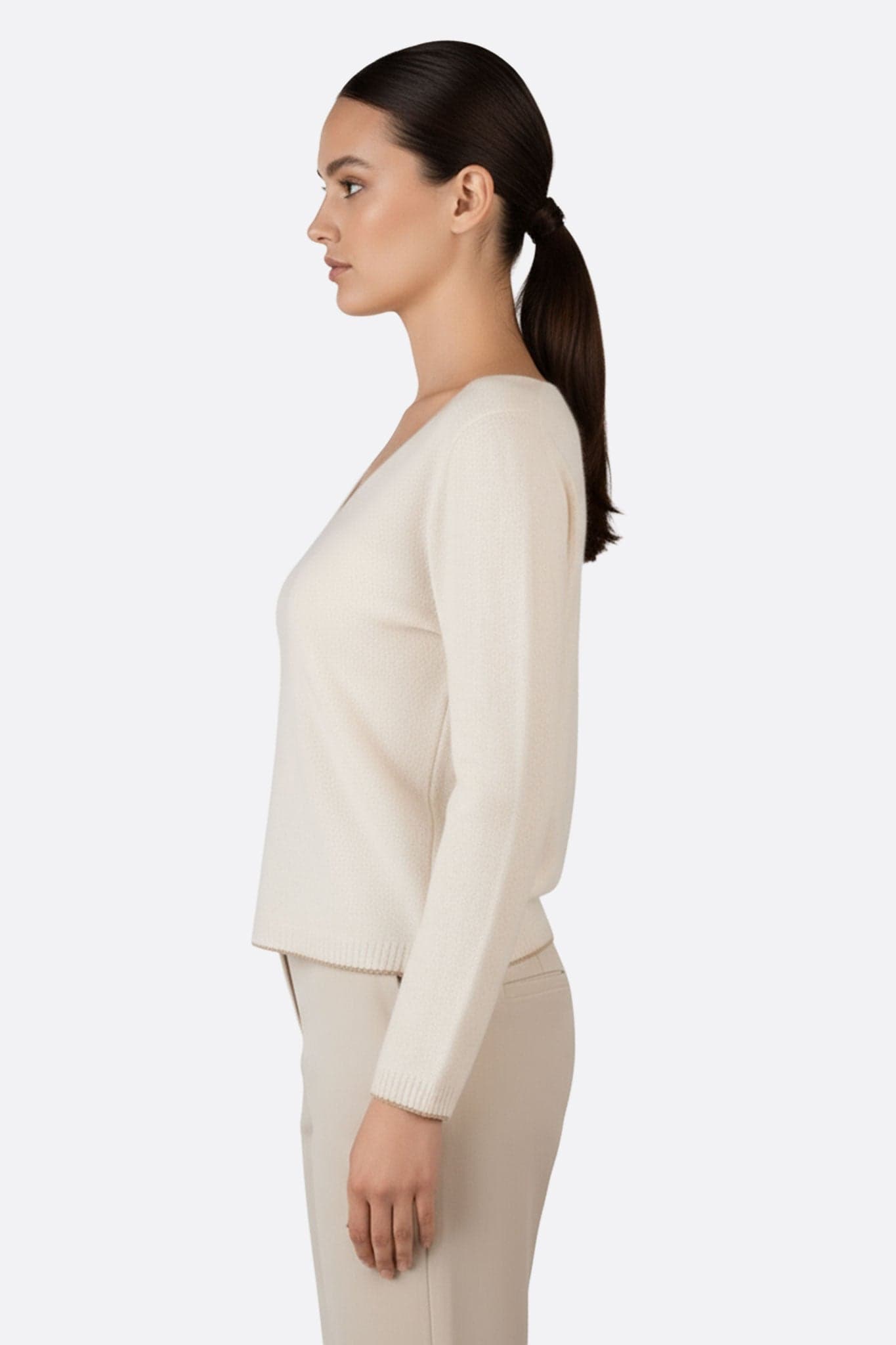
Which fabric doesn’t pill: choosing a clean, durable, and elegant fabric to wear

You pull on a sweater that fits well, and after just three wears it's already starting to go gray at the elbows, catching the light in little balls, taking on that "tired" look even when freshly washed. This isn't just a matter of care: pilling is first and foremost a matter of fiber (its length, its strength), then of construction (yarn, twist, knitting/weaving), and finally of friction (bags, belts, armrests).
It's important to note that no material is 100% immune to pilling; our recommendations simply indicate those that resist it best, based on observations corroborated by tests (e.g., ISO 12945 standard and the Martindale method). The good news: some materials pill very little, and you can spot them in-store, by eye and by touch, with a few precise habits.
Which material doesn't really pill: fibers and constructions that resist friction
If you're looking for which material doesn't pill, you need to distinguish between two realities: materials that almost never pill because they don't release tiny fibers, and those that can pill but stay clean if the yarn quality and construction hold up. The champions of friction resistance are generally long fibers, tight weaves, and well-twisted yarns. However, these claims should be qualified, as pilling can still vary depending on yarn count, twist, and applied finishes.
Pilling (fluff, pilling) results from a measurable mechanical phenomenon: short fibers break under friction, rise to the fabric's surface, and tangle into small balls. Pilling resistance is measured against the ISO 12945-2 standard (Martindale test): a score of 5 = exceptional material (no pilling after 7,000 cycles), a score of 3-4 = acceptable material (moderate pilling after 2,000-5,000 cycles), a score of 1-2 = material to avoid (intense pilling from 500-1,000 cycles).
Three technical factors determine a material's resistance. Fiber length: ELS cotton (Extra Long Staple, fibers > 35 mm) pills ten times less than ordinary short-staple cotton (15-25 mm). Twist (yarn torsion): a highly twisted yarn (> 1,000 turns per meter) resists mechanical breakdown better. Construction: a tight weave (gabardine, 2/2 twill, poplin) pills less than a loose knit. Our Misciano pieces are systematically Martindale-tested and pass thresholds 4-5, where equivalent fast-fashion production remains at 1-2.
"A fashion piece is only worth what it allows us to do ten years later. The test isn't the allure of the first wear; it's the coherence at the fifth season. Misciano is designed to pass that test.
 Maryna Svistunova Editor-in-Chief, Misciano Paris
1) Linen (especially in tight plain weave)
High-quality linen has a cool, almost dry hand and a visually "lively" surface without fuzz. It tends to wrinkle, yes, but it pills very little: the fiber is long, the look stays clean, and friction zones don't get covered in little balls. For an everyday piece (shirt, summer trousers), it's a safe bet when your priority is a clean surface. These observations have been confirmed by comparative tests in line with the ISO 12945 standard.
2) Silk (woven, not knitted)
A woven silk (twill, crêpe, satin) has a smooth, luminous surface that rarely catches into pills. Silk can show abrasion marks if very fine, but it doesn't "fuzz up" like a fluffy knit. When worn, it's a material that stays visually clean, with a fluid drape and a cool sensation on contact. It's worth noting that these performances can vary depending on yarn quality and applied finishes.
3) Combed / long-staple cotton, in poplin, twill, or denim
Cotton can pill when it has short fibers, is brushed, or is loosely knitted. In contrast, combed cotton (longer, better-aligned fibers) in a tight weave pills little. Think shirt poplin, dense twill, well-constructed denim: the surface is smoother, the fiber holds better, and wear shows more as a patina than as pills.
4) Worsted merino wool and wool suiting fabrics
Wool scares people because of sweaters that pill. But worsted wool used in tailoring fabric (trousers, blazer) is very stable: little nap, regular yarn, clean surface. Pills appear mainly on woolly knits with shorter fibers, low twist, or deliberately fluffy finishes. A heavily brushed flannel, for example, may show more. These observations are indicative and may vary depending on treatments and laboratory tests.
5) Filament synthetic fibers (polyamide, polyester filament): few pills, but another risk
Continuous-filament synthetics (not cut fiber) often pill less because they release fewer microfibers… but when pills do form, they can cling longer (the fiber breaks less). They are valued in technical pieces or linings. In everyday ready-to-wear, the goal is to choose a pleasant hand feel and drape, without excessive shine or static. These claims are based on field observations; nevertheless, it is recommended to refer to testing standards (ISO 12945) for an accurate assessment.
What pills the most (to know to avoid it)
Acrylic knits, blends with short fibers, very fluffy wools, and brushed jerseys are the most prone to pilling. The fuzzier the surface is from the start, the more material it offers for friction. Remember that these trends remain indicative and may vary depending on the spinning and fabric treatment.

Fiber × pilling resistance × recommended construction
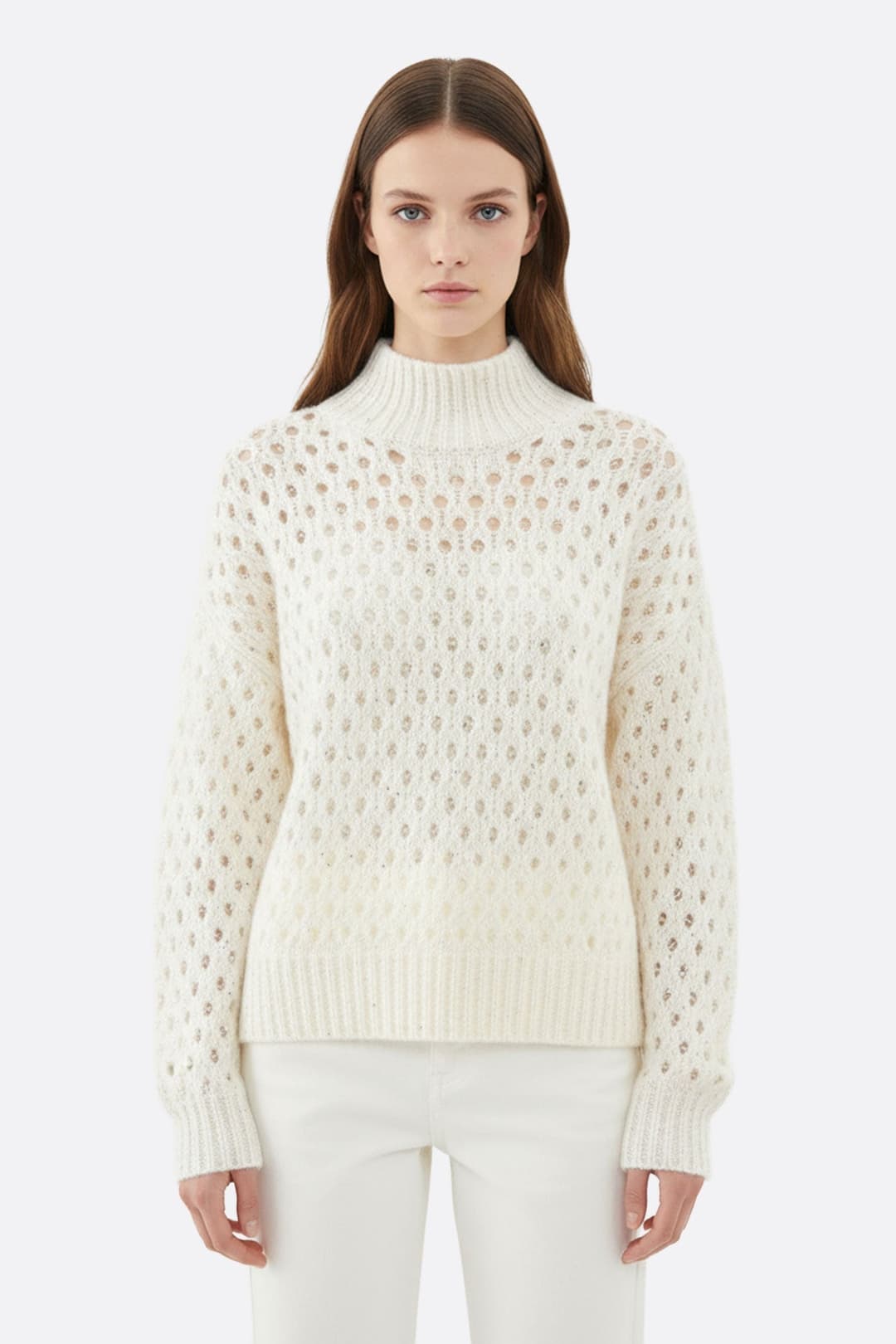
Our merino and cashmere knits
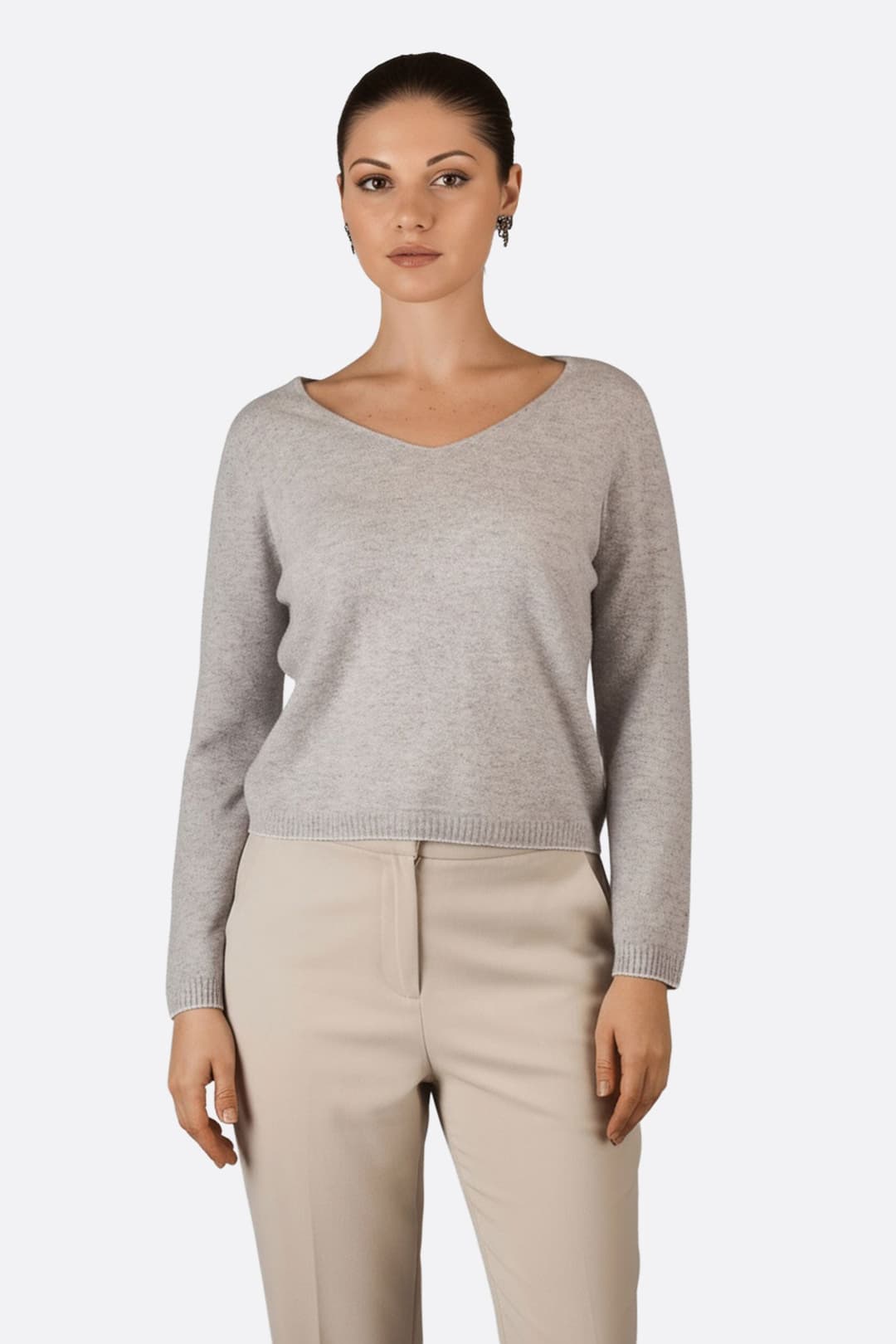
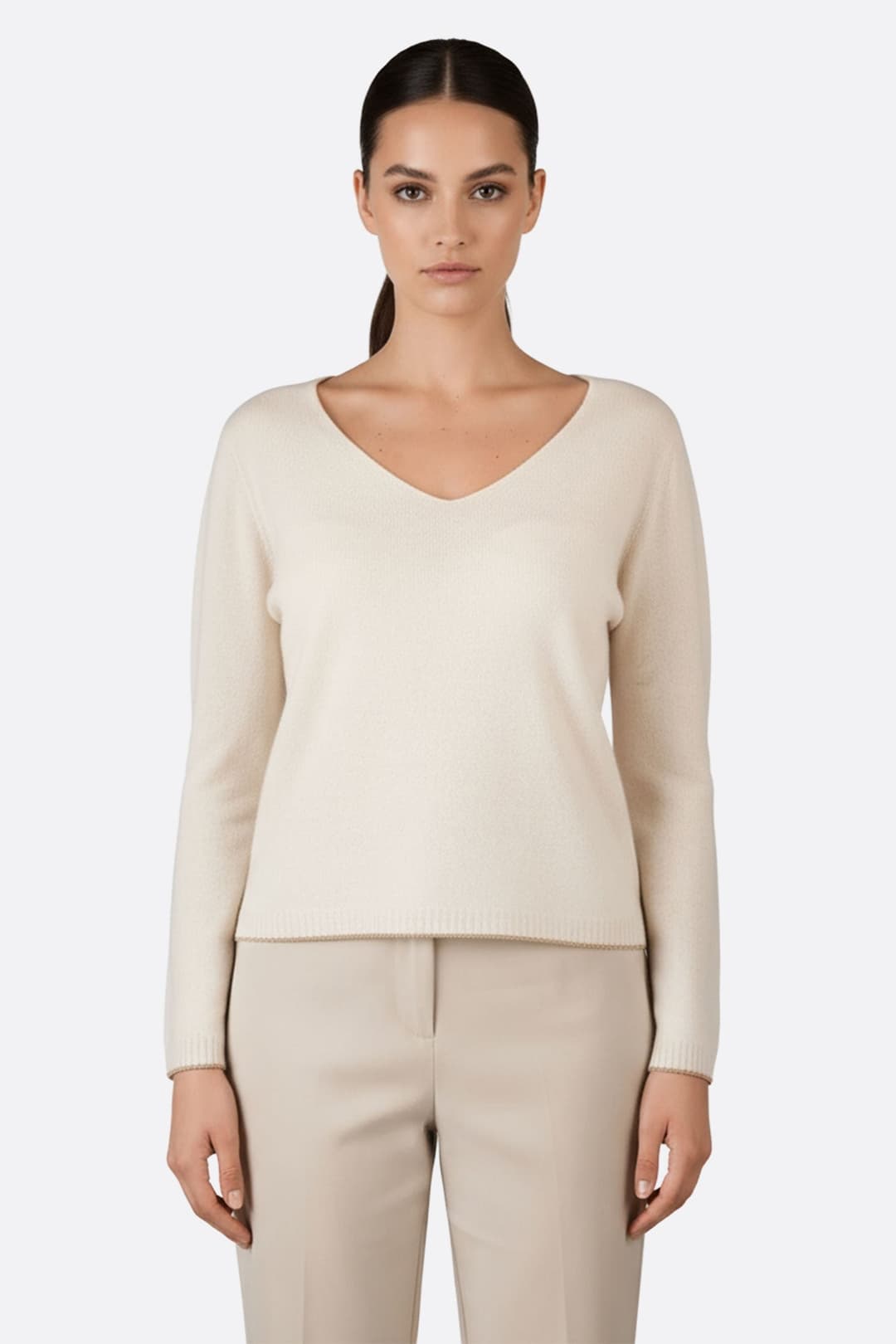
Reading a label and feeling the fabric: recognizing in-store what will pill (or not)
Composition helps, but it isn't enough: two "100% wool" sweaters can age in opposite ways. To get as close as possible to which fabric doesn't pill, you need to combine three readings: the label, the hand (touch), and the density (by eye).
1) On the label: look for the "long fibers + stable construction" logic
Linen: excellent anti-pilling signal, especially for shirts/trousers. A very light, loose linen will be more fragile, but it will rarely pill.
Cotton: opt for "combed cotton" when indicated, and shirting fabrics (poplin, oxford) rather than fluffy knits.
Wool: mentions like "combed," "worsted," "wool suiting" (on tailored pieces) are favorable. For a sweater, a very soft, very fluffy wool is often more sensitive.
Silk: good surface hold in woven form. On a silk knit, everything depends on the fineness and twist of the yarn.
Blends: adding polyamide (often 10–30%) can improve resistance to friction on high-stress areas (elbows, hips). Conversely, a low-cost wool + acrylic blend in a loose knit is a classic recipe for rapid pilling.
2) By touch: avoid "free fluff"
Run your hand against the grain. If you feel a layer of fibers lifting immediately, if the surface "fuzzes" at that very gesture, the garment is already telling you its future. A fabric that pills little often has a more direct hand: smooth, dry, or simply regular. It can be soft, but a "creamy" softness from surface fluff is rarely stable.
3) By eye: density, regularity, twist
, Density: hold the fabric up to the light. If the knit is very open, it will catch more on friction.
, Yarn regularity: a very irregular yarn, with visible little tufts, will offer more starting points for pills.
, Twist: on a knit, a well-twisted yarn gives a cleaner surface and better resistance.
4) The discreet test (when possible)
Without damaging the piece: lightly pinch an inner area and rub for two seconds between your fingers. If microfibers detach immediately, be cautious. This discreet test, done on a hidden area, allows a preliminary assessment, without replacing standardized tests (like Martindale or ISO 12945) which are more precise.
To refine your understanding of fabrics (beyond pilling alone), you can consult our reference guide how to choose a garment fabric without getting it wrong: it will help you connect drape, hand feel, use, and durability without getting lost in generalities.
Our anti-pilling tested pieces
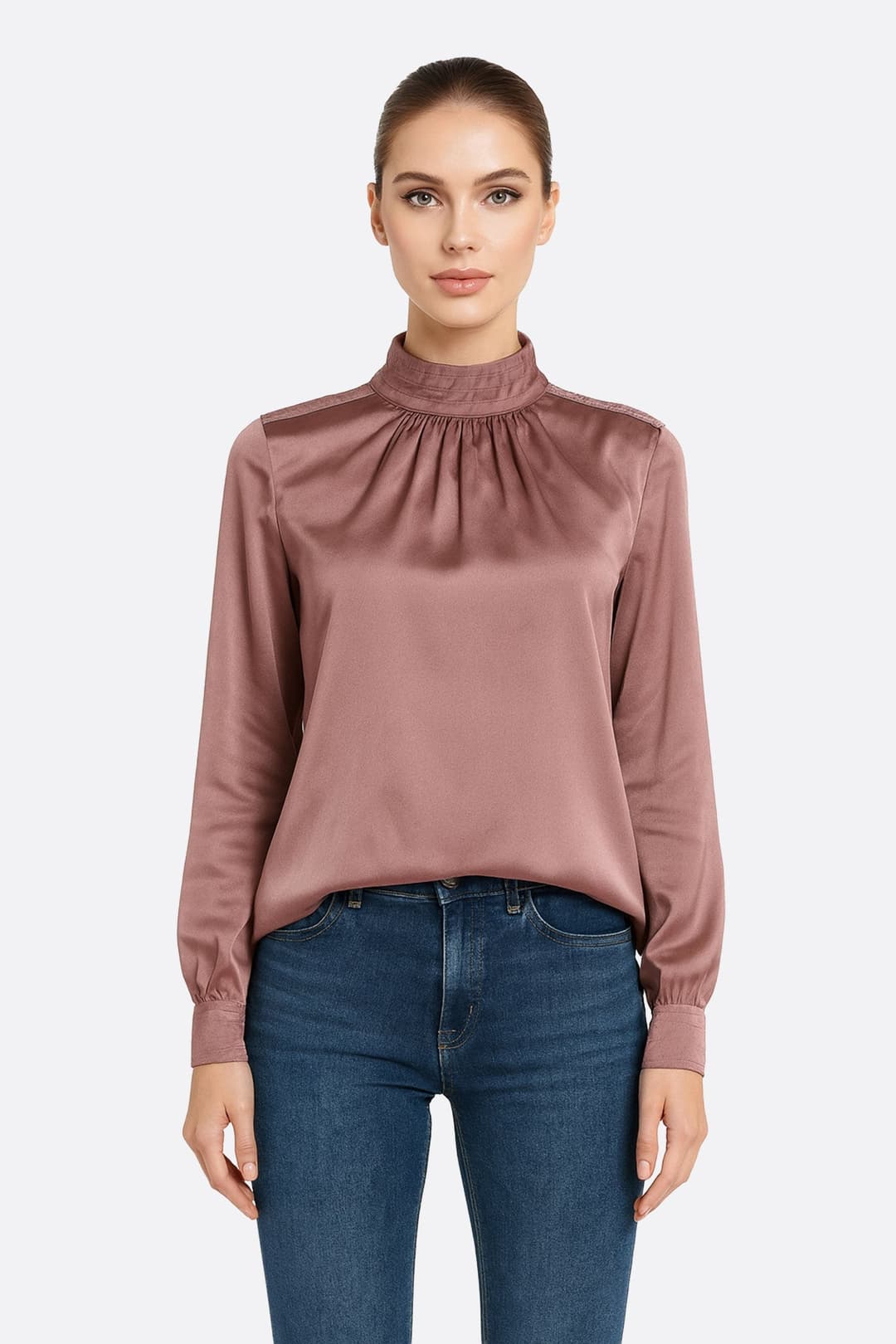
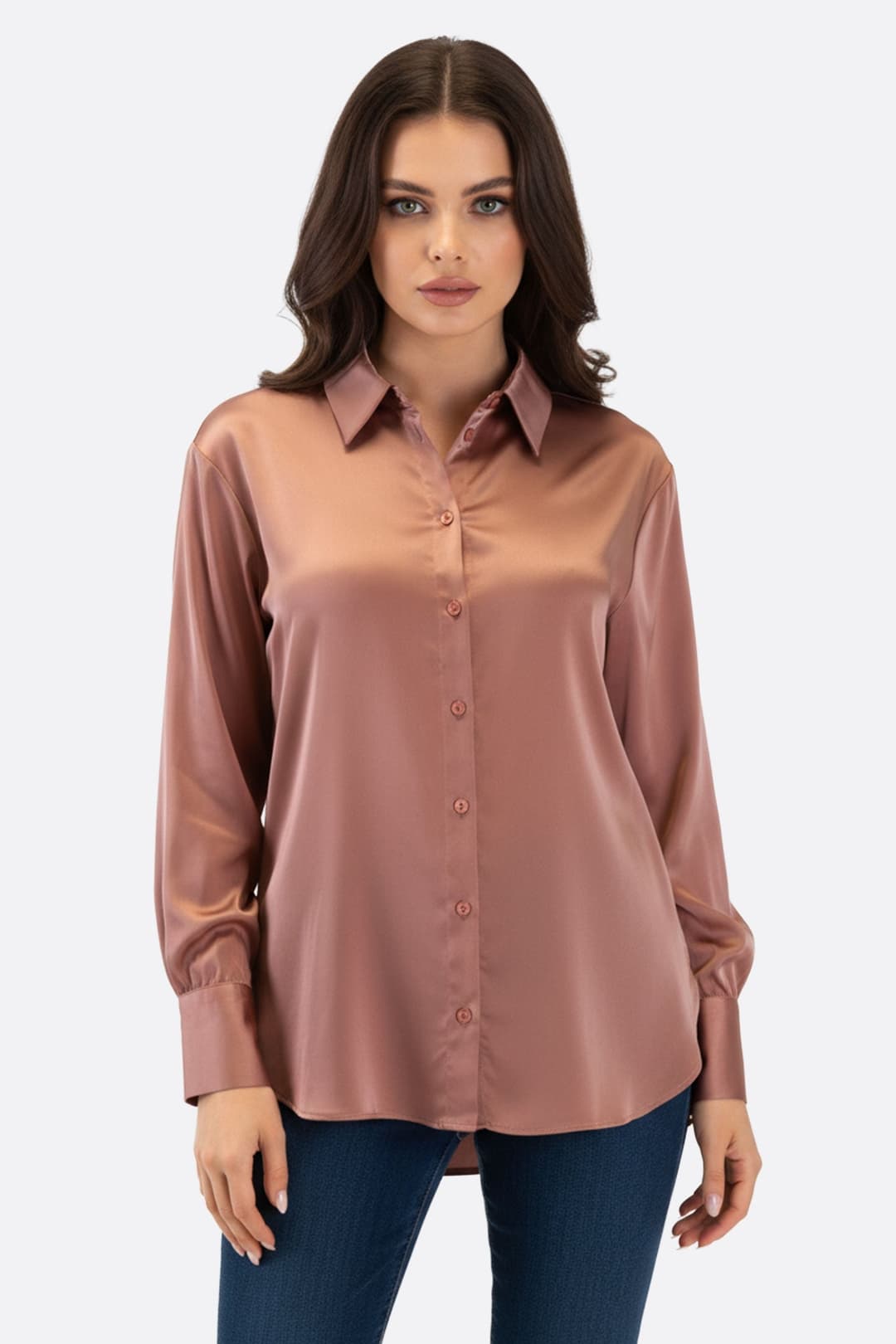

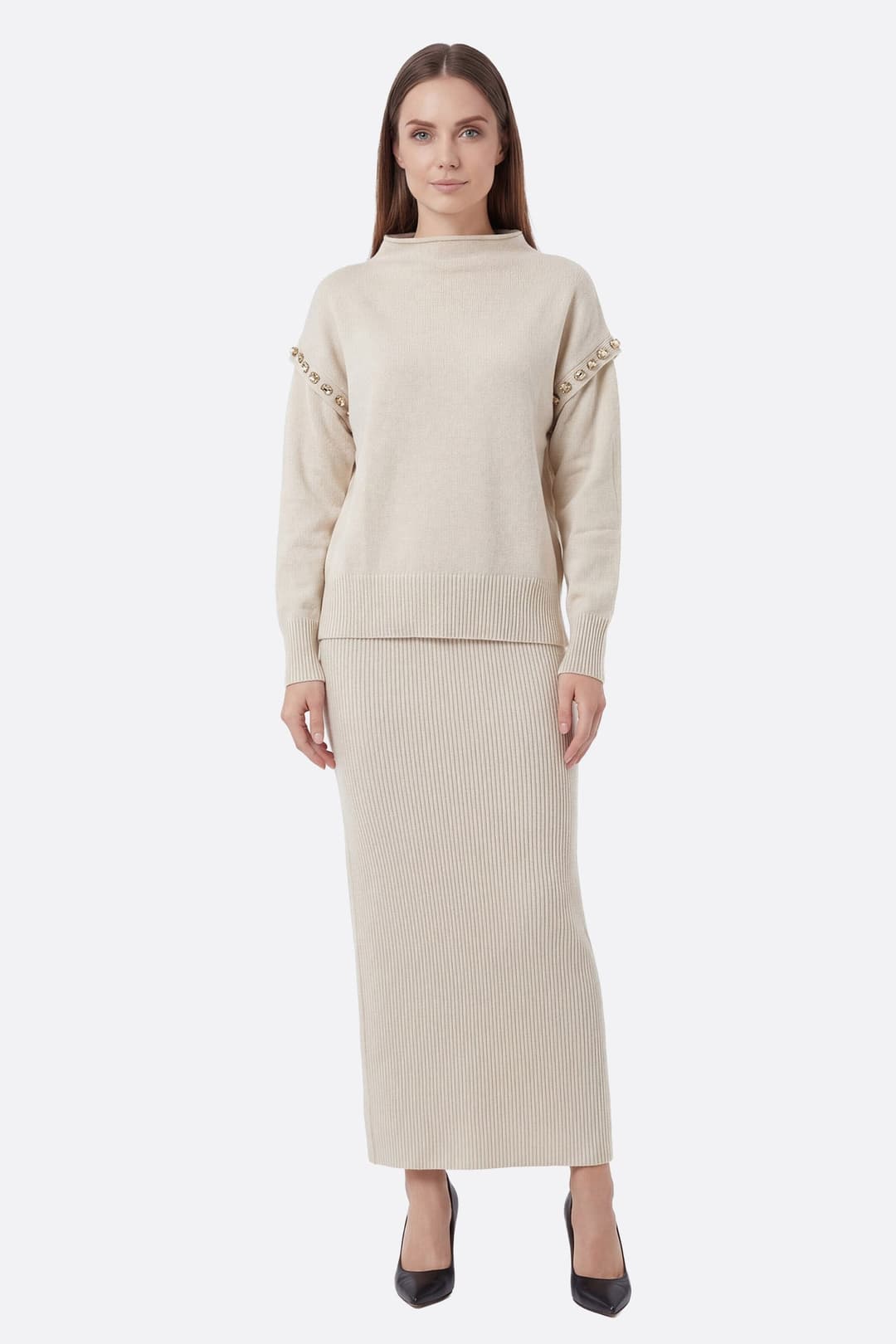
Choosing by garment: sweaters, coats, trousers… fabrics that stay clean in daily wear
Pilling doesn’t appear the same way everywhere: it concentrates where the garment rubs (sides, underarms, lower back against a bag, inner thighs). So the answer to which fabric doesn’t pill also depends on the garment and how you use it. Here’s a “field” reading, designed for a women’s wardrobe worn often.
Jumpers and cardigans: aim for crispness rather than fluff
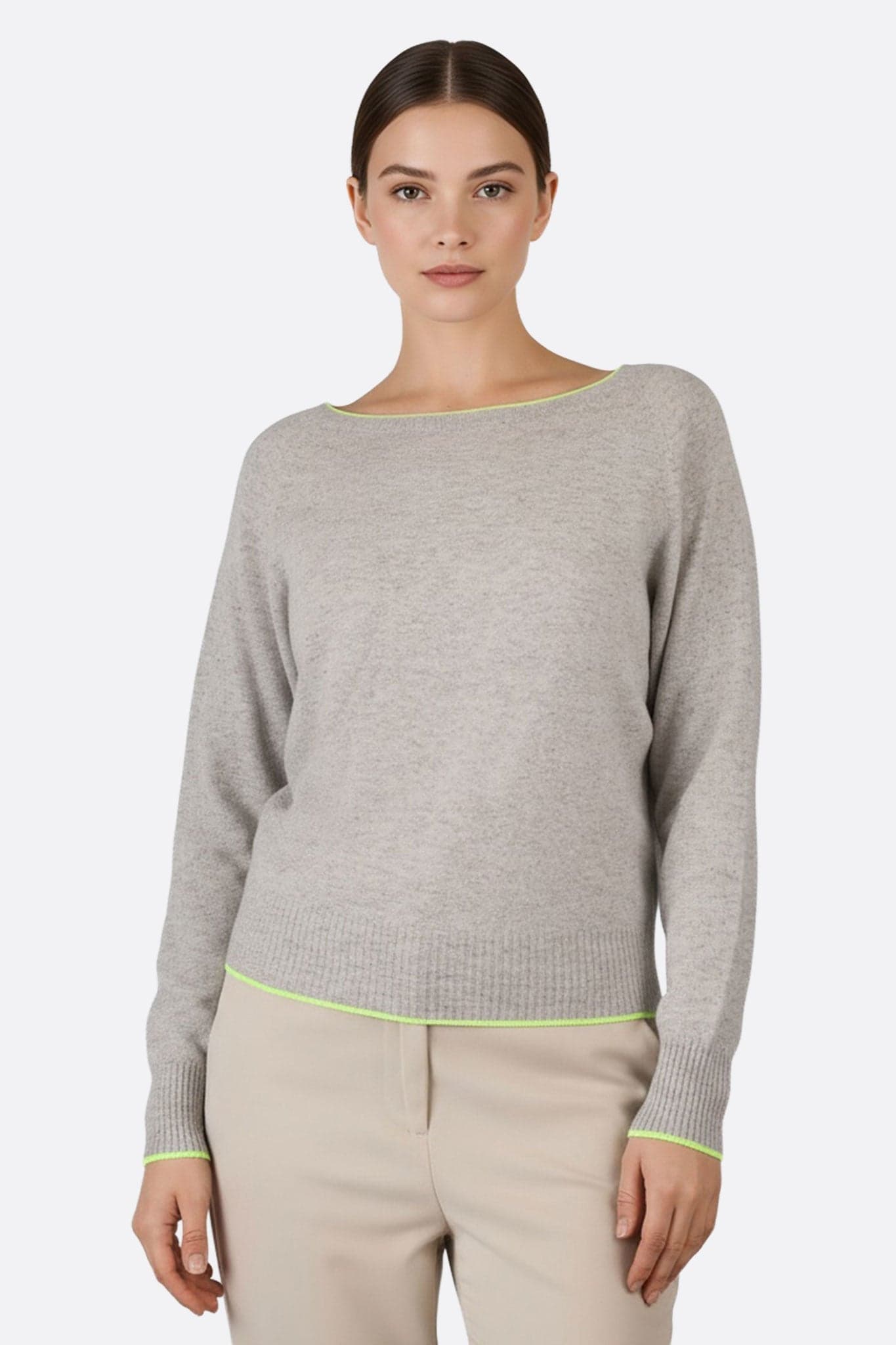
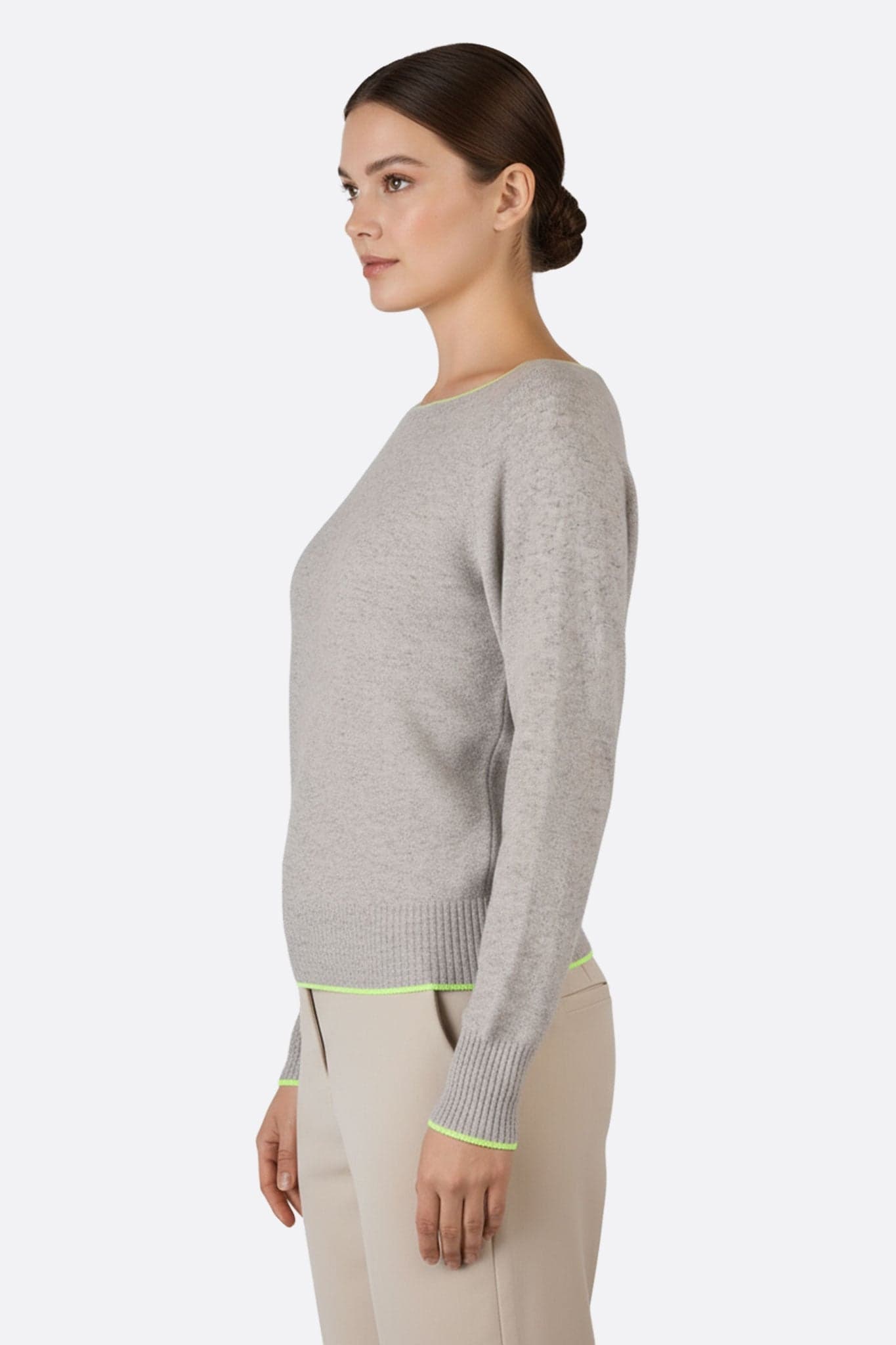
Worsted merino wool: smoother surface, fewer pills. The finish is clean, the ribs stay defined, and the jumper ages while keeping its lines, like our grey knitted wool cardigan.
Combed cotton: excellent for a mid-season jumper, especially in a tight knit. Less warm than wool, but very visually stable.
Cashmere: it can pill (often at first), especially if it is very fluffy. Cashmere with longer fibres and a more twisted yarn will pill less, but it is not the "zero-pill" material. If your absolute priority is no pilling, choose combed merino or dense cotton instead.
Coats: favour compact cloths
A well-fulled, compact wool cloth with a regular surface pills little and is easy to brush. Very "hairy" coats (teddy effect, very fluffy alpaca) are more exposed: they can remain beautiful, but require more constant attention.
Trousers and skirts: the critical area is the crotch
Worsted wool (tailored trousers): excellent hold, little pilling, beautiful line.
Twill cotton: stable, develops a patina rather than pilling.
Viscose: pleasant, but some viscose (especially blended and low-density) can fluff up with friction. If you like fluidity, look for a tight weave and a fabric with a little polyamide for resistance.
Dresses and tops: watch out for soft knits
Very soft jerseys (blends with short fibres, brushed surfaces) are often the first to pill where bag straps rub. For a "no-worry" top, a woven silk or a poplin cotton keep a clean appearance for longer.
Scarves: the trap of repeated friction
A scarf rubs against the collar, hair, and coat. The most stable: silk, linen, or worsted wool (less fluffy). Very fluffy scarves are beautiful, but they require regular brushing and care.
In practical summary
If you want a simple answer to "which fabric does not pill": linen, woven silk, combed cotton in a tight weave and worsted wool in cloth are the most reliable options for a durably clean finish. However, it is advisable to consult recognised tests (e.g. ISO 12945 standard, Martindale) for an accurate assessment, as pilling remains a probability influenced by many factors.
DISCOVER ALSO


Limiting pilling from the start: quality details, smart blends, and common mistakes
Avoiding pilling isn't just about "good material": it's a combination of details. Two fabrics that look identical on paper can behave differently depending on the spinning, twist, knitting density, and even the cut (a very fitted cut creates more friction). To stay practical, here are the points that make a real difference in everyday wear.
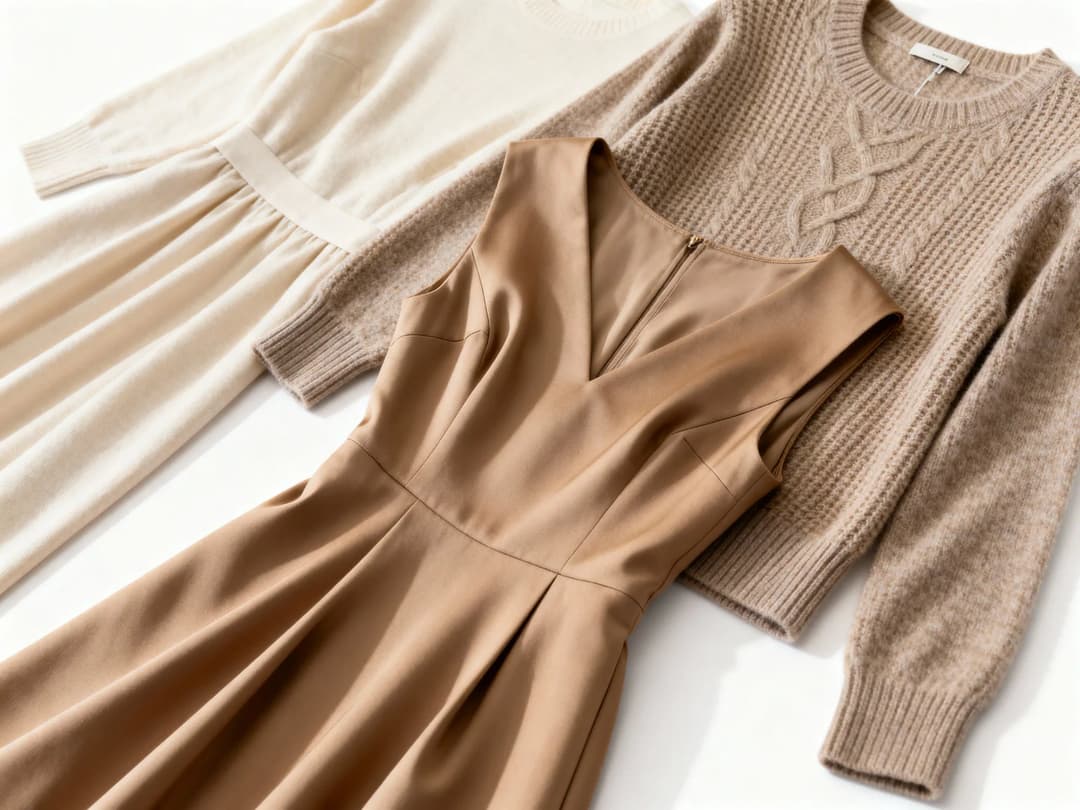
1) Density and weight: more useful material, fewer loose fibers
At equivalent weight, a dense fabric (tight weave, compact knit) resists pilling better than a loose fabric. The reason is simple: fibers are better held in the structure and pull out less easily under friction. A slightly higher weight, when well distributed in the construction, can therefore improve durability over time without visually weighing down the piece. Conversely, a very light, low-density fabric releases microfibers more quickly, especially in high-stress areas.
2) Yarn twist: an invisible but decisive detail
A well-twisted yarn encloses its component fibers more effectively. This creates a more regular, less fuzzy surface, and therefore less prone to pilling. On a knit, insufficient twist may offer immediate softness… but at the expense of durability. When shopping, a very soft, almost spongy knit should raise a red flag if visual longevity is your priority.
3) Smart blends: reinforcing without compromising
Certain blends are beneficial when properly proportioned. Adding polyamide (often between 10 and 30%) to wool or viscose significantly improves abrasion resistance, especially in critical areas (elbows, hips, inner thighs). Conversely, blends based on short-fiber acrylic, especially in loose knits, are among the most prone to rapid pilling.
4) Fit and real-world use: an often underestimated factor
A very fitted cut creates more tension and localized friction, which accelerates pilling even on good material. Conversely, a slightly more fluid cut allows the fabric to "breathe" without being constantly stressed. Pilling is therefore not just about fiber: it’s also an interaction between material, cut, and daily habits (wearing a bag, sitting position, repetitive movements).
Common mistakes to avoid
– Confusing immediate softness with lasting quality: a very fuzzy fabric from day one often signals rapid aging.
– Relying only on composition without looking at construction.
– Thinking a high price guarantees no pilling: spinning and knitting quality matter more than the label.
– Overlooking real-world use: a piece worn often should be chosen with more care than an occasional one.
This reflection ties into the broader question of caring for delicate materials, essential for preserving their original appearance over time.
PAIR WITH
Sweaters & Cardigans
The full selection of sweaters and cardigans in quality fibers.
Women's vests
Vests in fine or openwork knit for every season.
Cashmere
The fiber most resistant to pilling: cashmere scarves and sweaters.
Women's jackets
For layering: structured jackets or blazers in tight weaves.
Key takeaway: the material that doesn't pill is the one that's coherent
There is no miracle material fully immune to pilling. However, certain combinations, long fibers, well-twisted yarns, dense constructions, and appropriate use : make it possible to create pieces that stay visually clean for years.
If we had to summarize the answer to which fabric does not pill: linen, woven silk, tightly woven combed cotton, and worsted wool cloth are the most reliable choices for a wardrobe that is worn often, rubbed, and lived in.
For fabrics that age gracefully over time, discover our Misciano scarves and wraps, where the density, twist, and hand of the fibers express refined durability.
At Misciano, we always prioritize this coherence between fabric, construction, and real-world use. It is not about what promises immediate perfection, but what guarantees a piece that ages well, without prematurely looking worn.
To go further:
- To view durability and pilling scores for each fabric, our complete textile fabric comparison
Article written by Maryna Svistunova
Published on 14/01/2026 at 7:40 PM
About the author
I am the editorial director of Misciano Paris. I define the editorial line with the conviction that fashion must stand the test of time, with rigor, coherence, and sincerity.
→ Learn more about Maryna SvistunovaFREQUENTLY ASKED QUESTIONS
To go further:
What is pilling and why does it happen on my clothes?
Pilling appears as small balls on the surface of fabrics, often caused by friction between fibers. This phenomenon is influenced by the quality of the fibers, their length and strength, as well as how the fabric is constructed. Daily friction, such as from bags or belts, accelerates this process.
How can I prevent pilling on my sweaters?
To limit pilling, choose materials known for their durability, such as certain natural silks or quality wool blends. Additionally, select garments with robust yarn constructions and avoid excessive friction with other surfaces. Careful maintenance, particularly following washing instructions, can also help preserve the appearance of your pieces.
Which types of materials are most resistant to pilling?
Certain materials, such as high-quality silks or low-pilling wools, offer better resistance to wear and friction. When shopping, pay attention to the texture and structure of fabrics. Materials with longer fibers and tighter constructions are often more durable and less prone to pilling.
Are there any early warning signs of pilling to look out for when purchasing?
Yes, examining the fabric's texture is essential. A smooth, uniform feel without irregularities may indicate better resistance to pilling. Additionally, heavier, well-woven materials tend to pill less. Don't hesitate to gently rub the fabric with your fingers to assess its reaction and durability.
Is it possible to repair a garment that has already pilled?
Yes, it is possible to reduce the appearance of pilling. Use a fabric shaver or a specially designed comb to remove the pills. However, this remains a temporary solution, and it is better to focus on prevention by choosing quality materials for your new purchases.
Shop the selection