Fast & secure deliveryFree shipping in France from €99Easy returns
Fast & secure deliveryFree shipping in France from €99Easy returns
Christmas Dresses
Christmas Dress for Women: Artificial Lighting and Suitable Materials
Year-end parties take place almost exclusively under artificial lighting: spotlights, candles, garlands, chandeliers. This lighting is more directional and warmer (2700-3000 Kelvin) than daylight. Under warm and directional lighting, reflective materials (satin, sequins) maximize their effect. Velvet absorbs light and creates deep shadow areas that sculpt the silhouette. Matte crepe remains neutral regardless of the lighting. The material of a Christmas dress should be chosen based on this specific lighting.
Year-end parties take place almost exclusively under artificial lighting: spotlights, candles, garlands, chandeliers. This lighting is more directional and warmer (2700-3000 Kelvin) than daylight. Under warm and directional lighting, reflective materials (satin, sequins) maximize their effect. Velvet absorbs light and creates deep shadow areas that sculpt the silhouette. Matte crepe remains neutral regardless of the lighting. The material of a Christmas dress should be chosen based on this specific lighting.
Velvet: The Material that Sculpts Under Spotlights
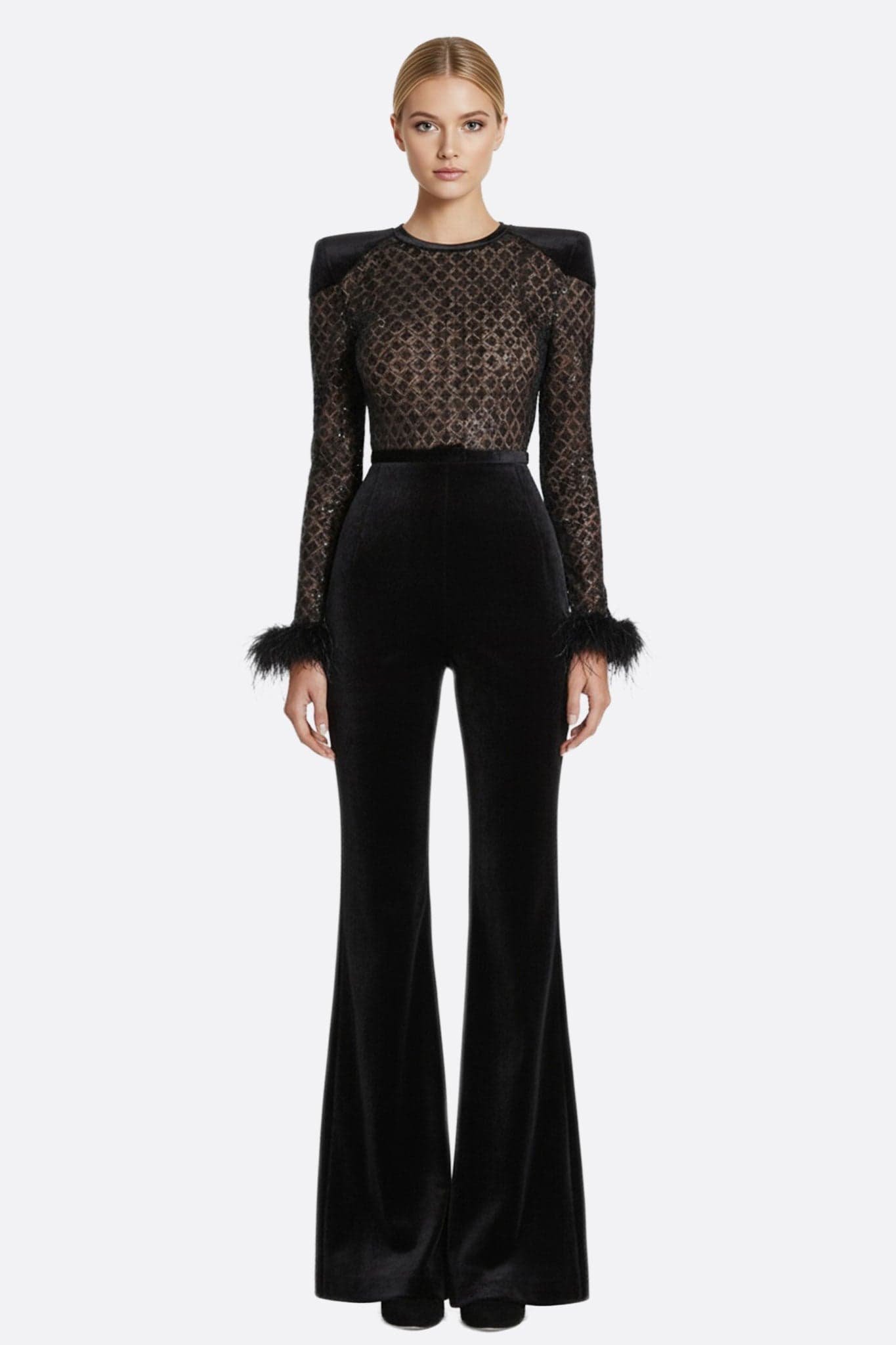
Velvet is made of vertically cut fibers (pile) fixed on a textile base. These fibers capture and absorb light differently depending on their orientation: when the fabric is stretched over a curve (bust, hips), the fibers spread apart and reflect more light, creating a light/dark contrast that visually sculpts the contours. This phenomenon is called the "shimmering effect" of velvet. A deep red or green velvet under an evening spotlight gives very rich shadow areas and a three-dimensional color impossible to achieve with a flat fabric. Velvet is also thermal: a velvet dress keeps you warm for outings in December.
Sequins: Amplitude and Viewing Distance
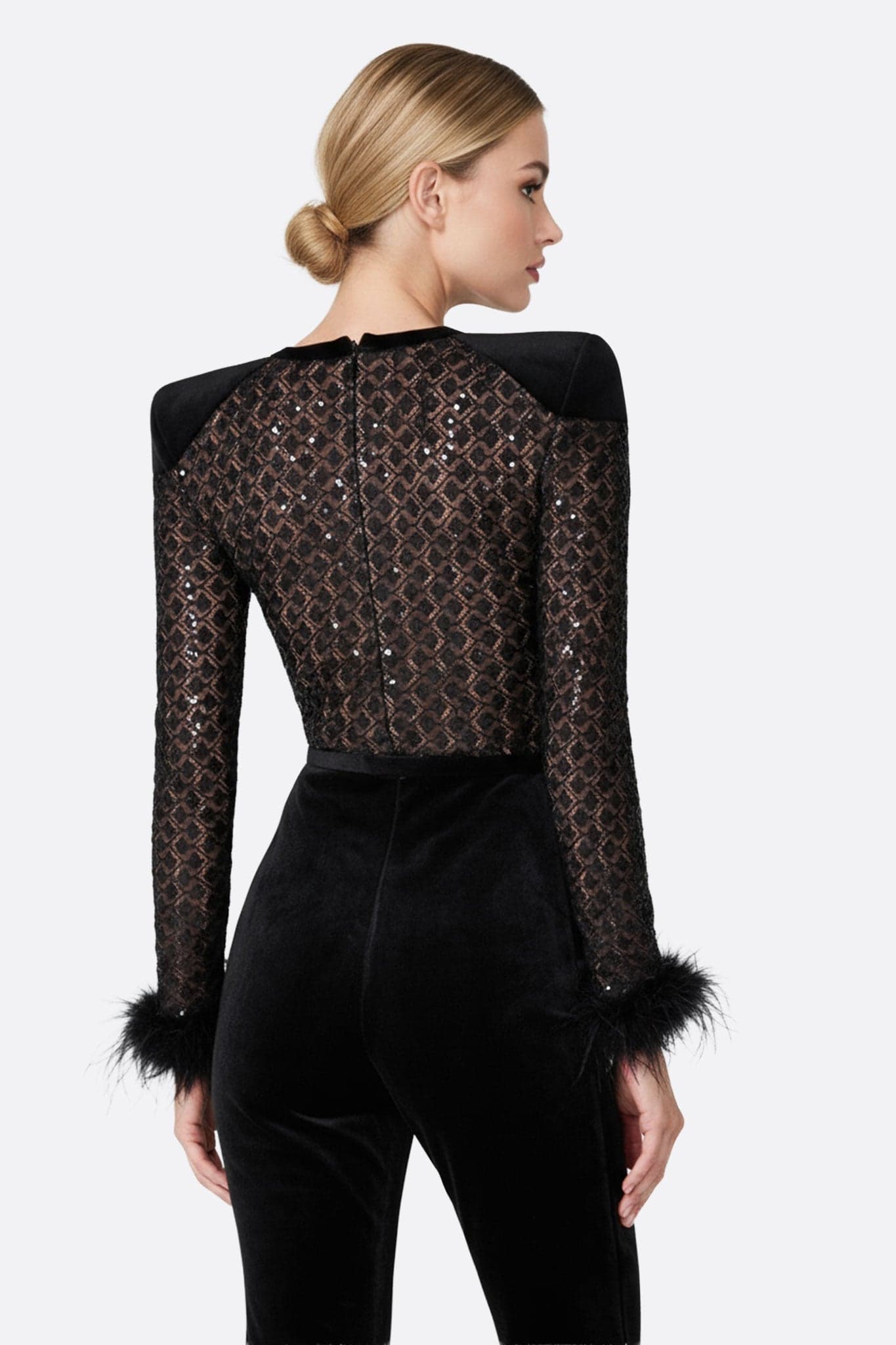
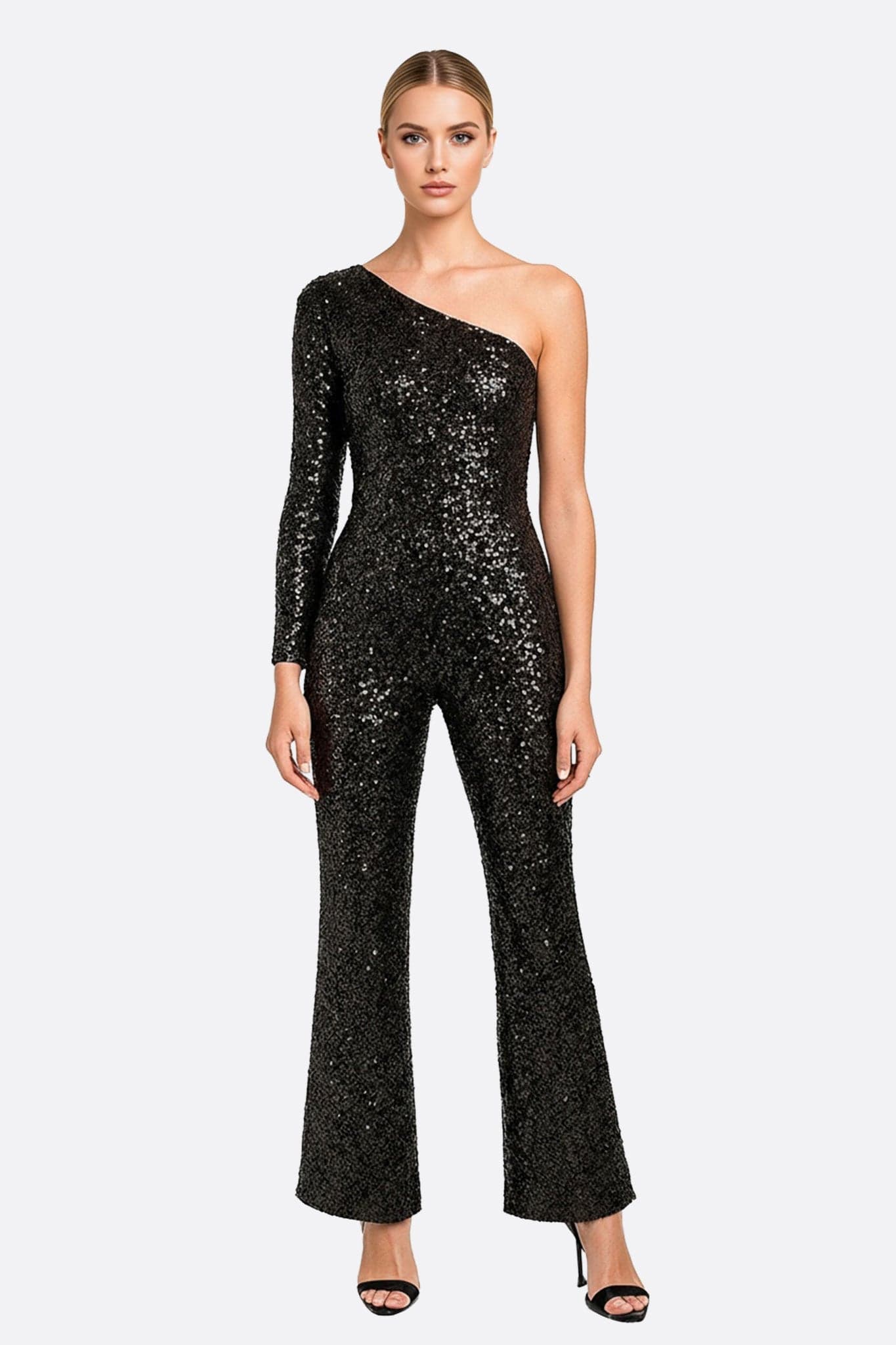
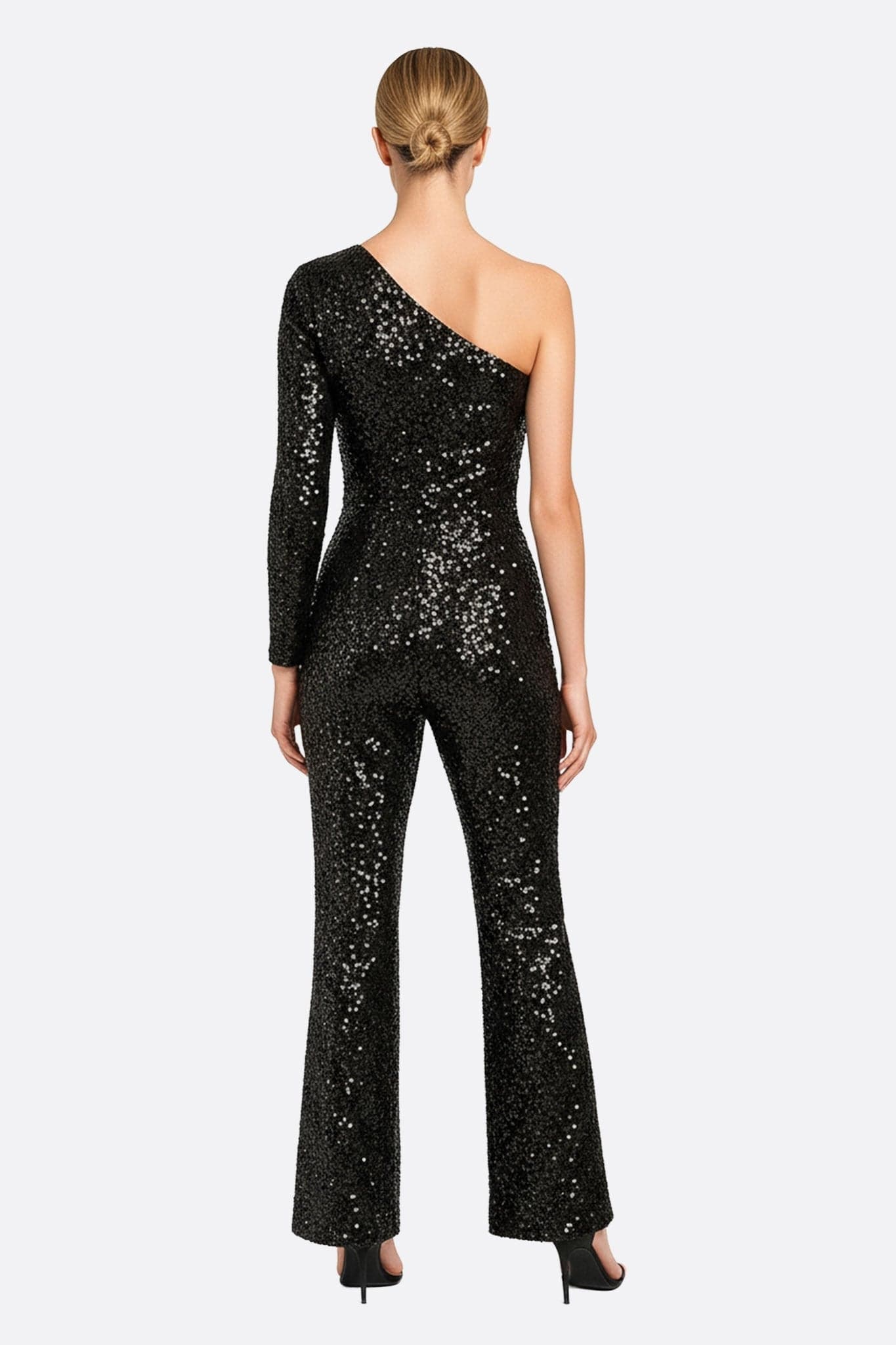
Sequins are plastic or metal discs that reflect light by dispersing it in all directions: each sequin is a micro-mirror. Under artificial lighting, a sequin dress projects small light flashes into the room: it is visible and identifiable from a great distance. This is not the same as satin: satin reflects continuously (sheet of light), sequins reflect in discontinuous points (sparkle). Sequins are noisy when walking (friction between sequins): a practical detail to anticipate for long evenings. Hand-sewn sequins are quieter than heat-sealed sequins. The size of the sequins determines the intensity of the sparkle: small = delicate, large = festive.
Satin and Silk: Continuous Reflection
Satin under evening lighting creates a continuous sheet of light that moves with every movement: different from the sparkle of sequins. A long satin dress in champagne or black under a reception hall chandelier gives a particularly elegant liquid light effect. Dark satin (burgundy, navy, black) is less visible than light satin from a distance, but more sophisticated in an intimate atmosphere. Under candlelight or low light, gold or champagne satin is the most flattering as it captures the rare light points and amplifies them.
Christmas Colors: Red, Green, Black, Burgundy
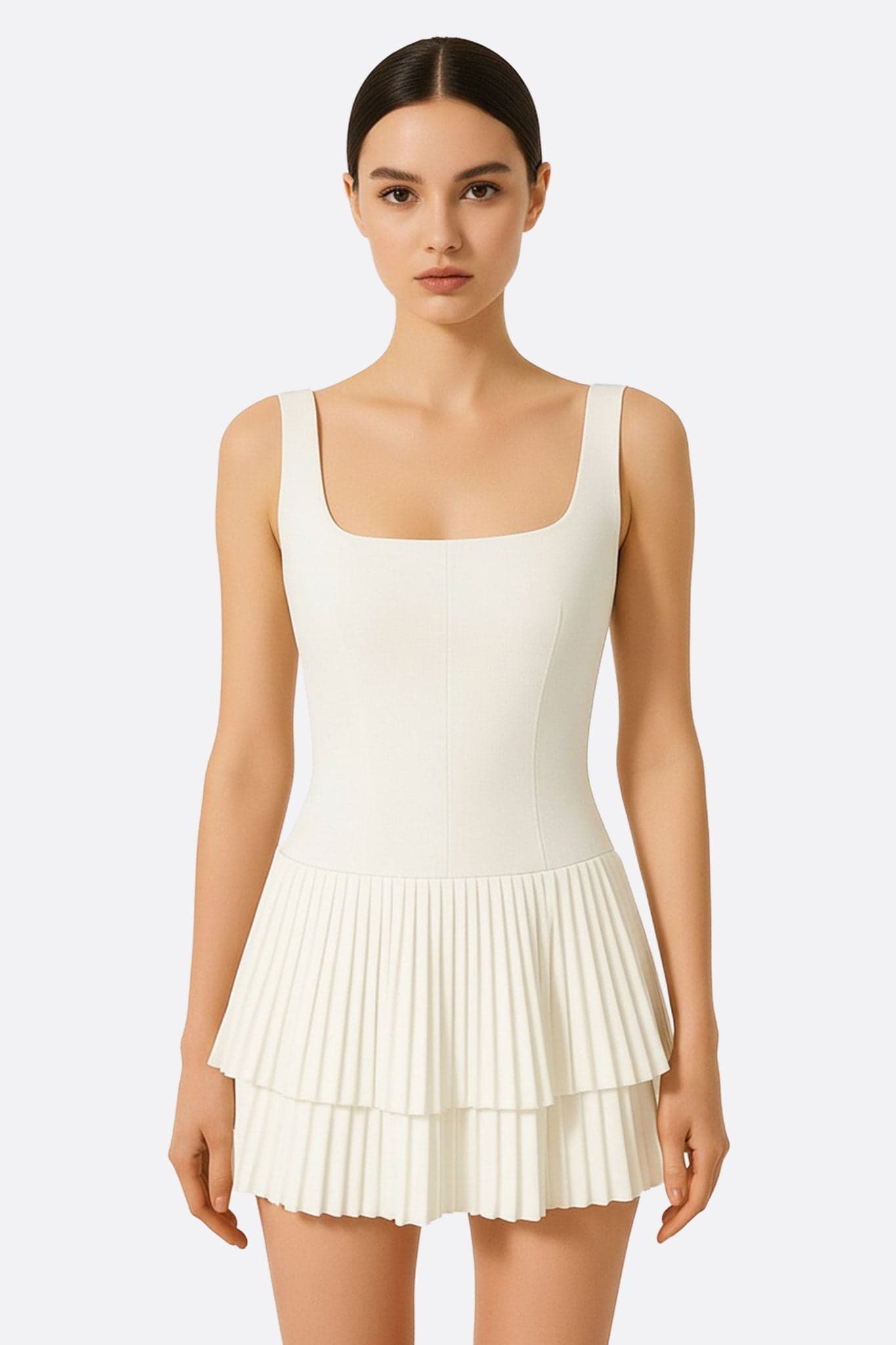
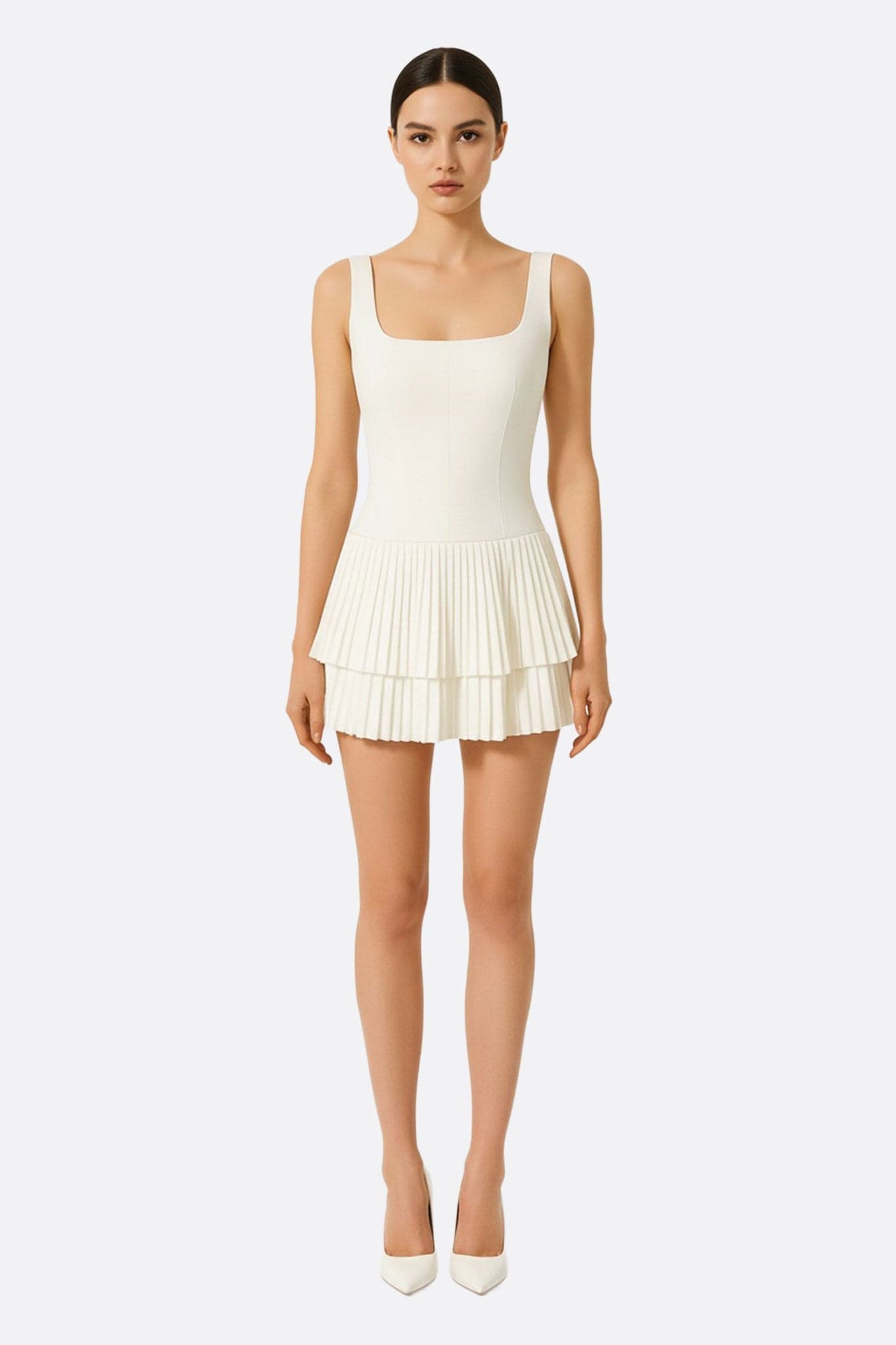
Red: the most vivid color under warm lighting (2700K): warm color temperatures amplify reds and oranges. A red velvet under warm spotlight is particularly intense. Fir green and emerald: complementary to red, creates a strong festive contrast. Burgundy: a sophisticated version of red, less vivid but more suitable for a full evening cycle. Black: universal: black velvet is particularly effective for sculpted silhouettes. Gold and champagne: maximum visibility under artificial lighting (reflect warm wavelengths). White or ivory in December: elegant but cold under warm light: white becomes slightly bluish under 2700K.
Thermal Comfort for December
A Christmas evening involves transitions between heated interiors (22-24 C) and cold exteriors (0-10 C). A short or low-cut dress requires a warm coat for outings and may be uncomfortable during terrace breaks or trips. The most suitable materials for thermal comfort: velvet (warm), thick crepe (neutral), dense jersey. Materials to avoid if frequent outdoor movements: thin unlined satin, chiffon, unlined lace. A long dress in velvet or thick satin offers the best style/thermal comfort balance for a December evening.
Dress Codes: From Cocktail to Black-Tie
Family Christmas dinner (casual): midi dress in velvet or colored crepe: dressed without being formal. Company party (smart casual to cocktail): short or midi dress in satin, velvet, or discreet sequins. Gastronomic New Year's Eve (cocktail): long or midi dress, sequins or satin, festive color: see the women's cocktail dress collection for semi-formal codes. Gala or gala evening (black-tie): long dress, satin or velvet, jewelry accessories: see the evening dresses for strict black-tie codes. For all dresses: dress collection.
FAQ: Women's Christmas Dress
What material for an elegant Christmas dress?
Velvet, satin, and sequins are the three materials that work best under December evening lighting. Velvet sculpts the silhouette with its shimmering effect. Satin creates a continuous sheet of light. Sequins sparkle in discontinuous points visible from a distance. Matte crepe is elegant but loses its effect under artificial lighting.
What color dress for Christmas?
Under warm evening lighting (2700K), red, burgundy, and emerald green are the most intense colors: warm color temperatures amplify reds and warm tones. Black velvet is effective for sculpted silhouettes. Gold and champagne are the most visible from a distance as they reflect warm wavelengths. White becomes slightly bluish under warm light: less flattering than champagne.
Short or long dress for New Year's Eve?
Gastronomic New Year's Eve or formal evening: long or midi dress: more comfortable for sitting for a long time and more suitable for traveling by taxi or car. Dancing evening or standing cocktail: short dress more practical for dancing. Evening with frequent outdoor outings: long dress in thick material (velvet, crepe) or short dress with matching jacket or coat.