Fast & secure deliveryFree shipping in France from €99Easy returns
Fast & secure deliveryFree shipping in France from €99Easy returns
Evening dresses
Women's Evening Dress: Floor Length, Weight, and Dress Code
An evening dress follows a specific protocol: floor or ankle length (90-105 cm), high-weight fabric (duchess satin 200+ g/m², velvet 300-500 g/m², silk crepe 180+ g/m²), occasion after 8 PM in a formal context. This is the black-tie and gala dress code: the most formal level of women's wardrobe. Below this definition, we enter the cocktail or semi-formal territory, which has its own rules of length and fabric.
An evening dress follows a specific protocol: floor or ankle length (90-105 cm), high-weight fabric (duchess satin 200+ g/m², velvet 300-500 g/m², silk crepe 180+ g/m²), occasion after 8 PM in a formal context. This is the black-tie and gala dress code: the most formal level of women's wardrobe. Below this definition, we enter the cocktail or semi-formal territory, which has its own rules of length and fabric.
Black-tie: Floor Length and Strict Codes
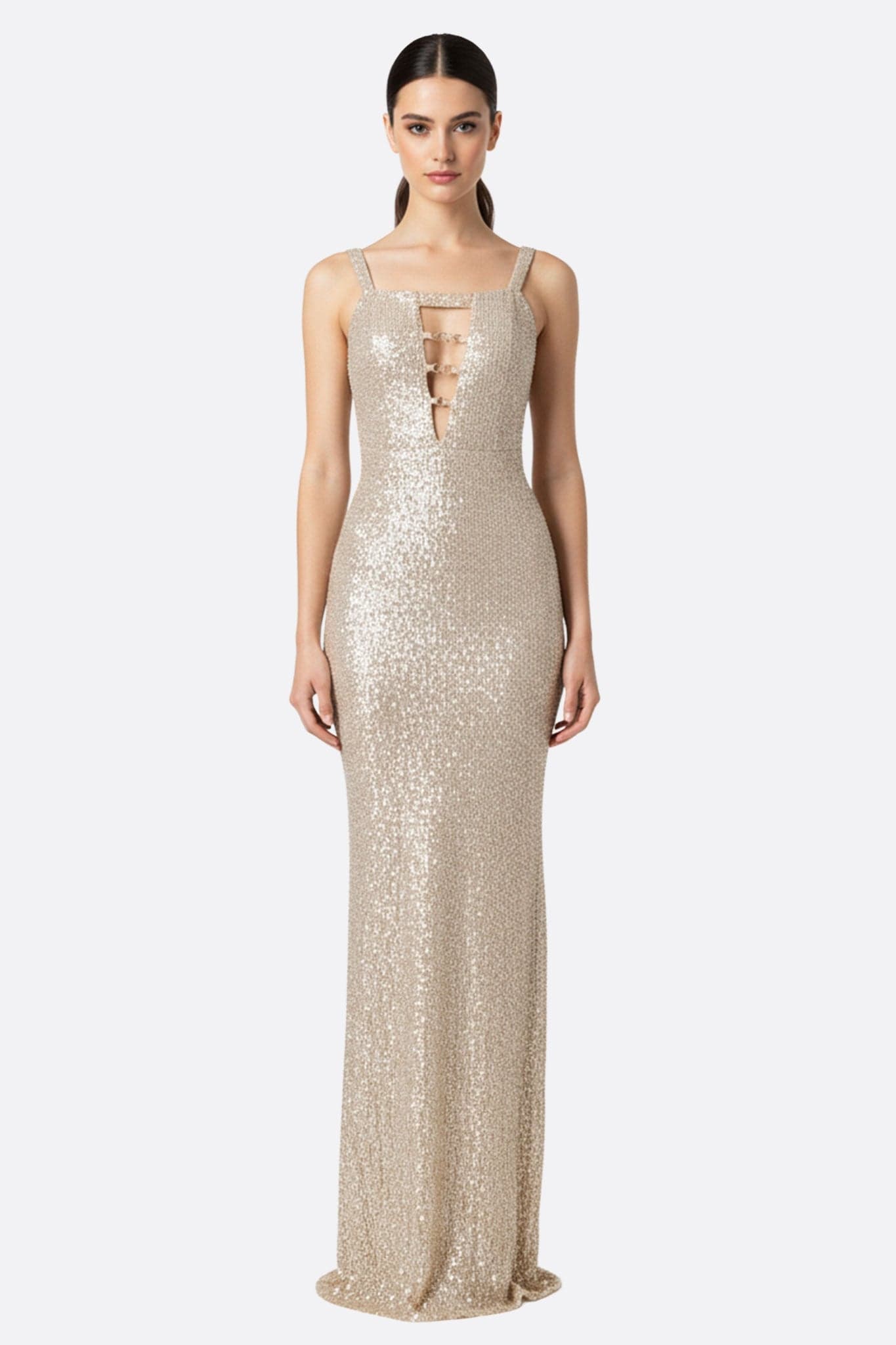
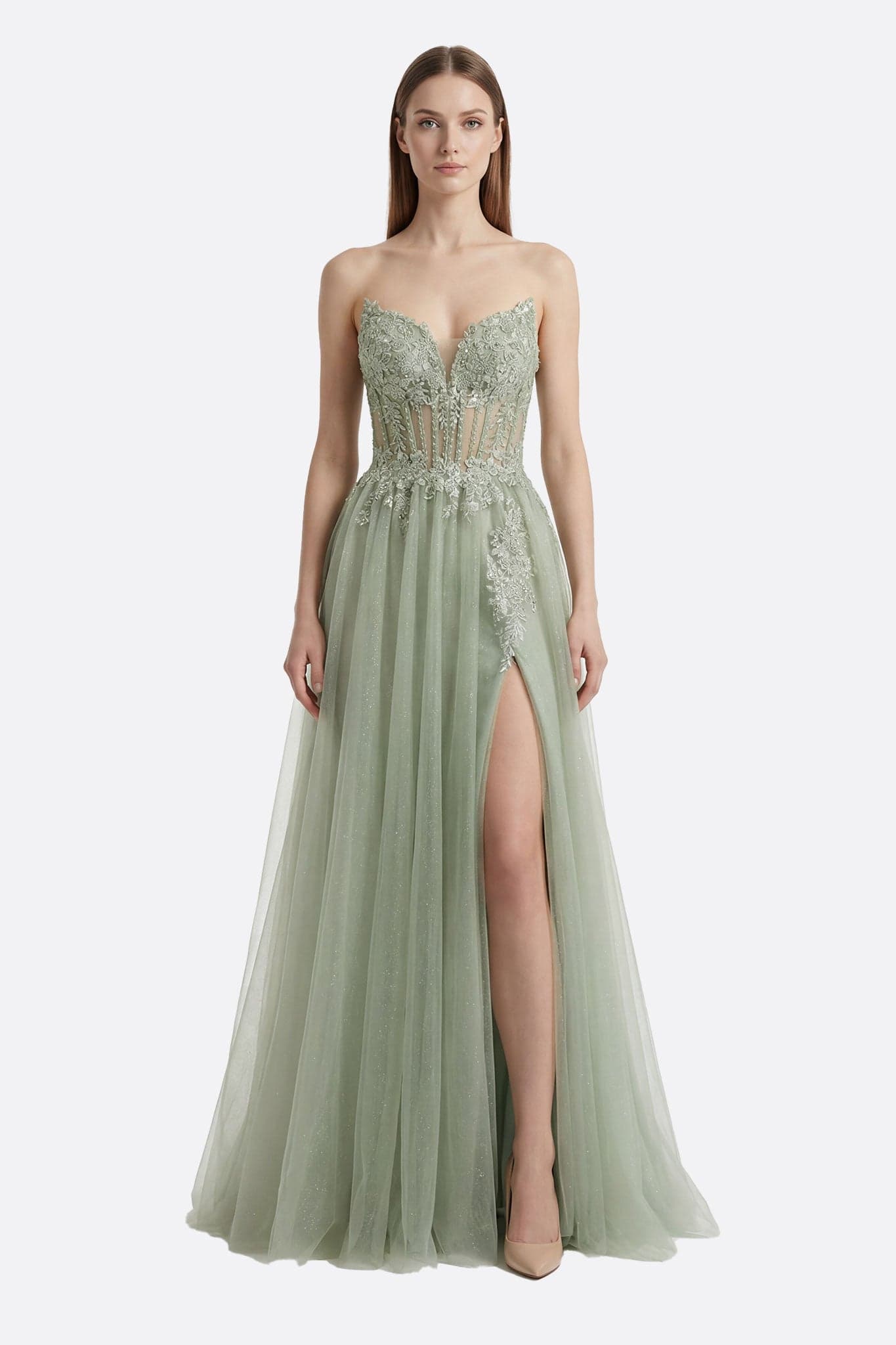
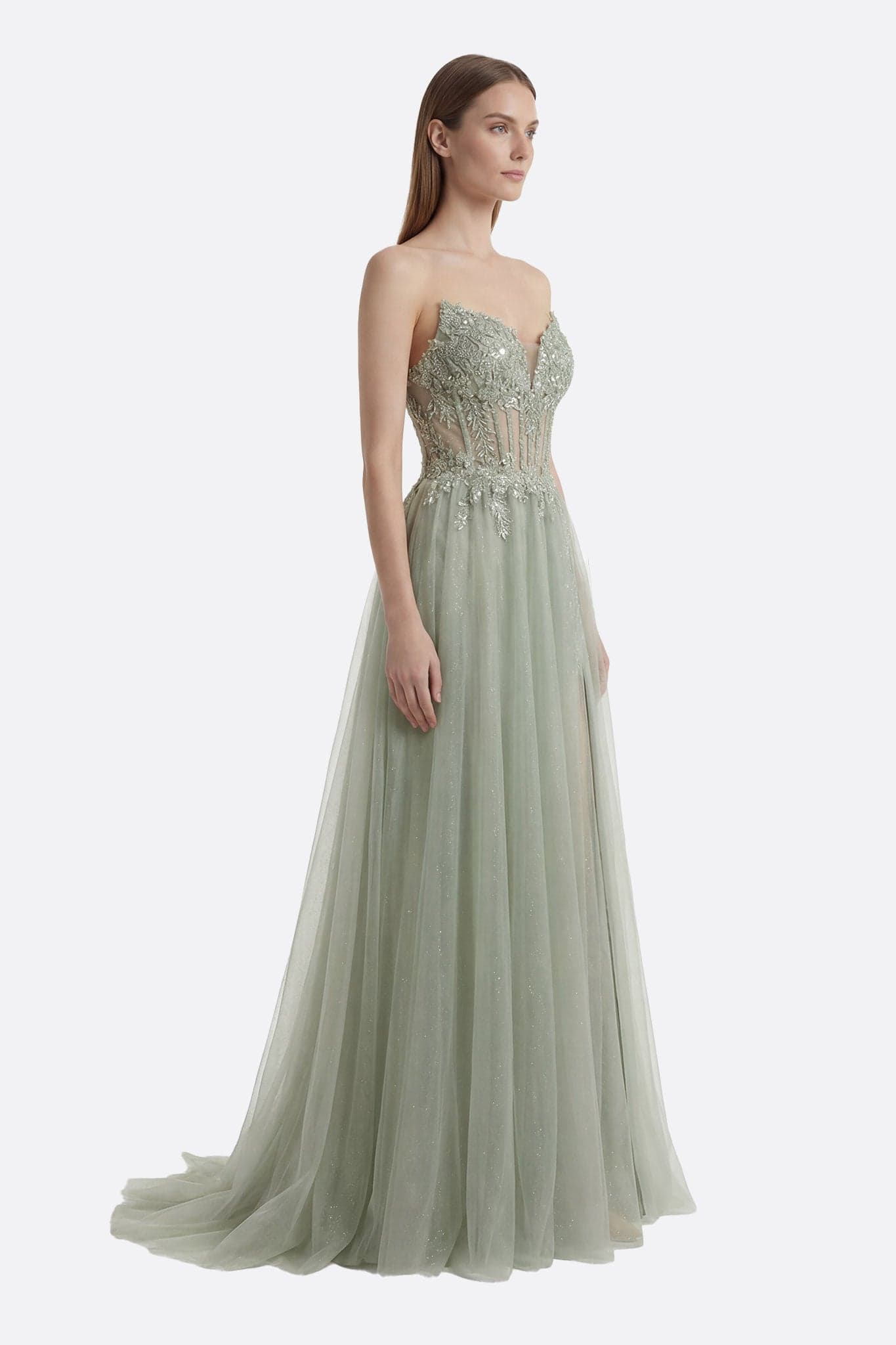
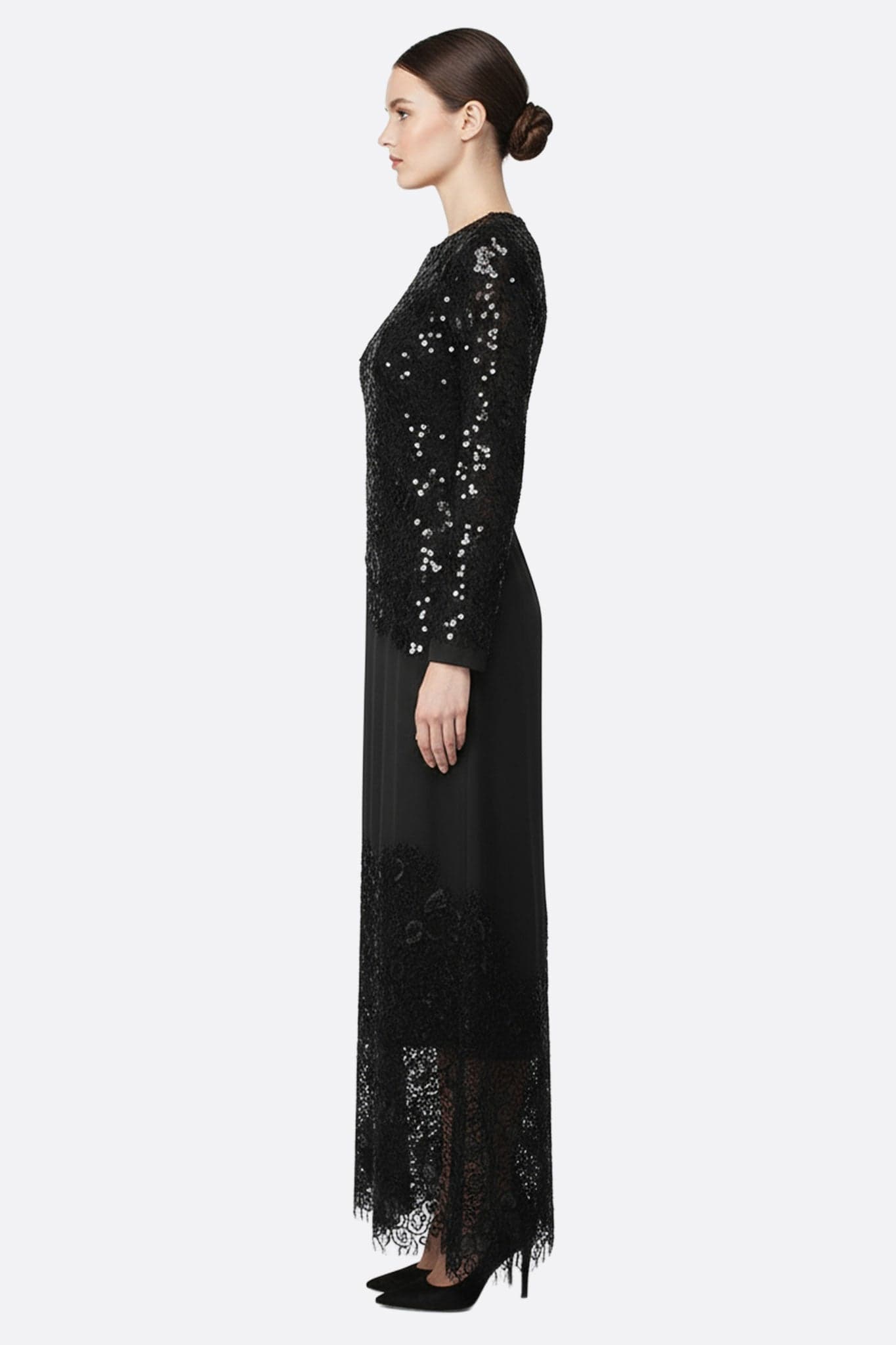
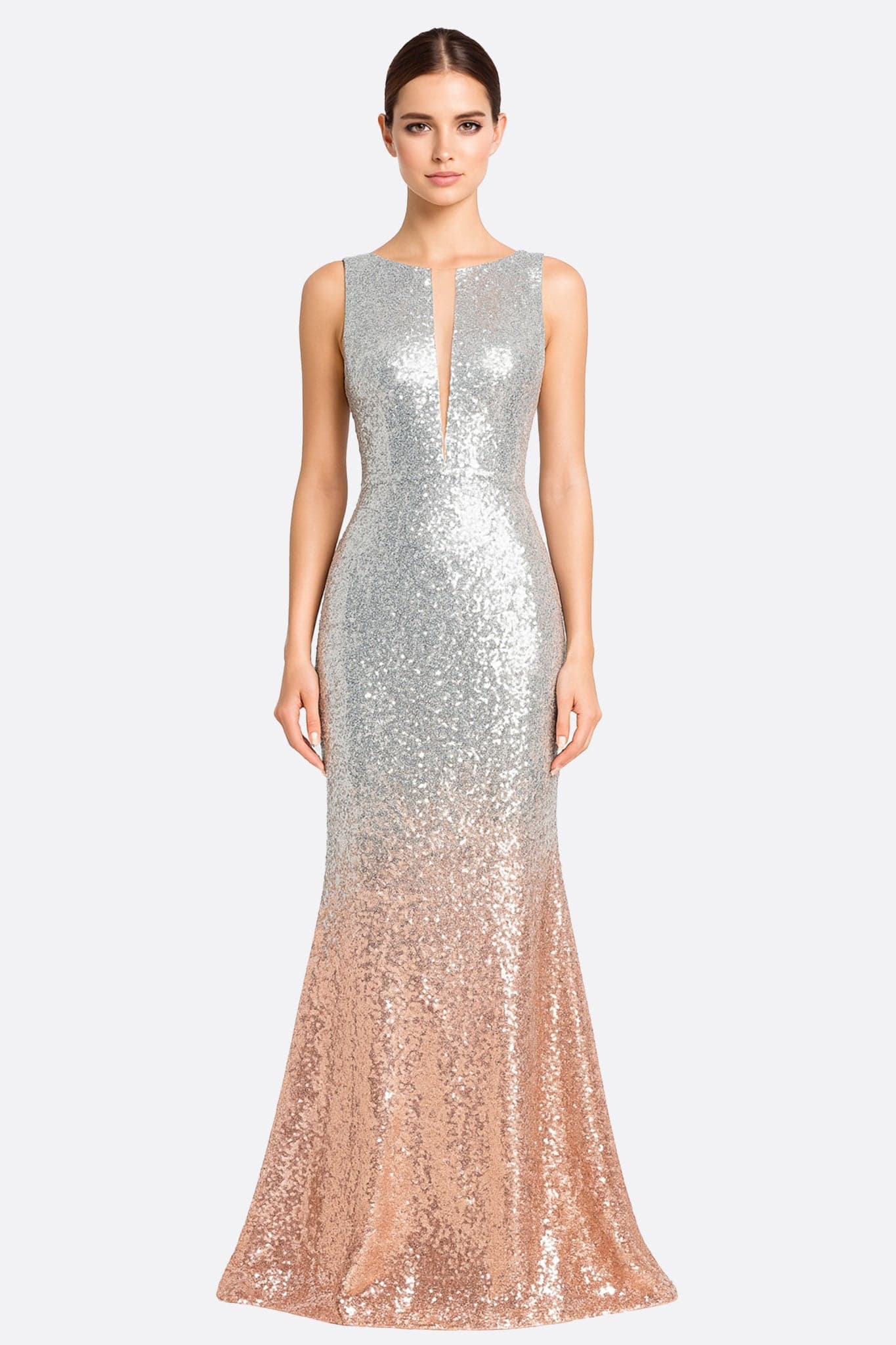
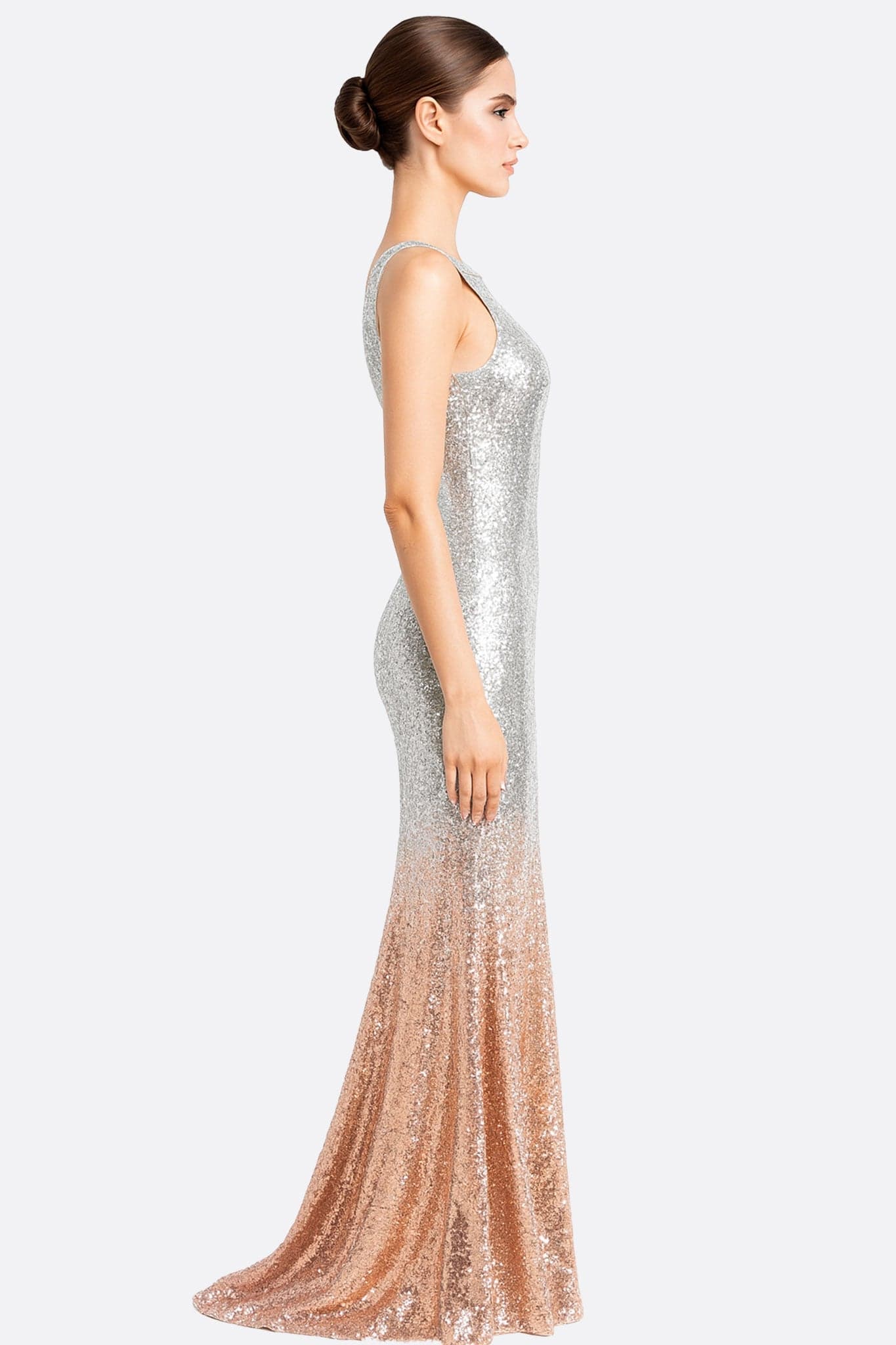
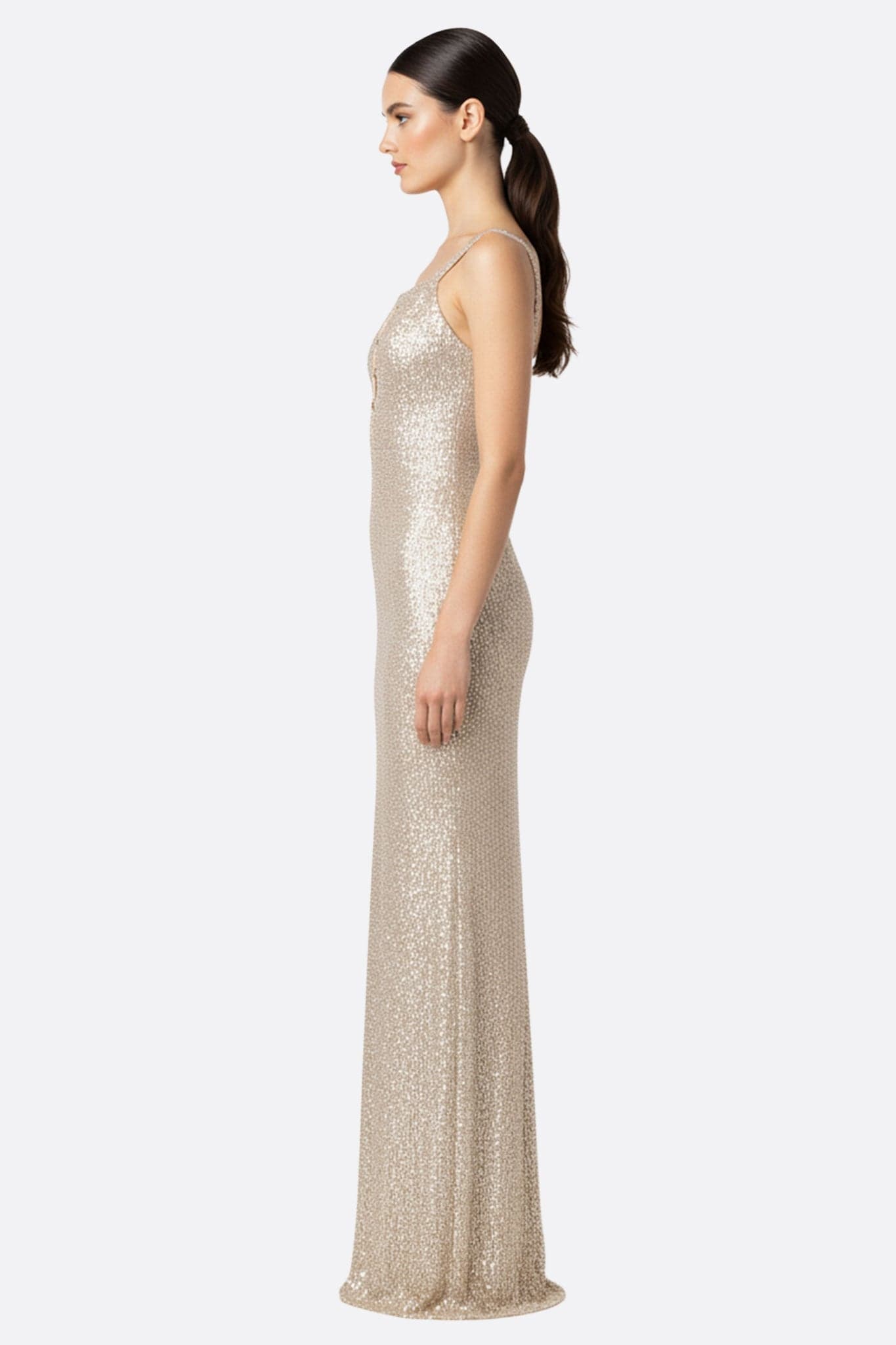
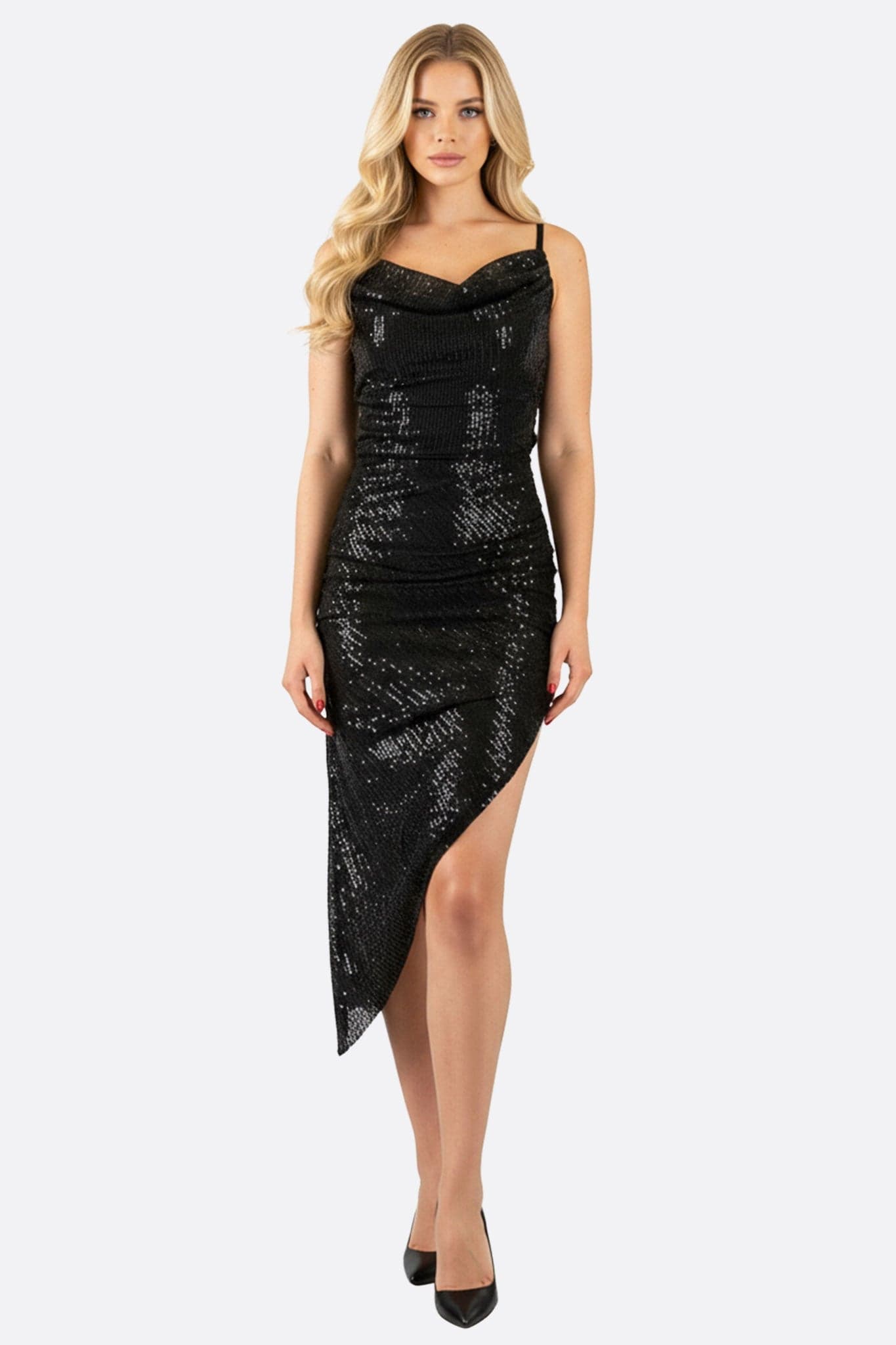
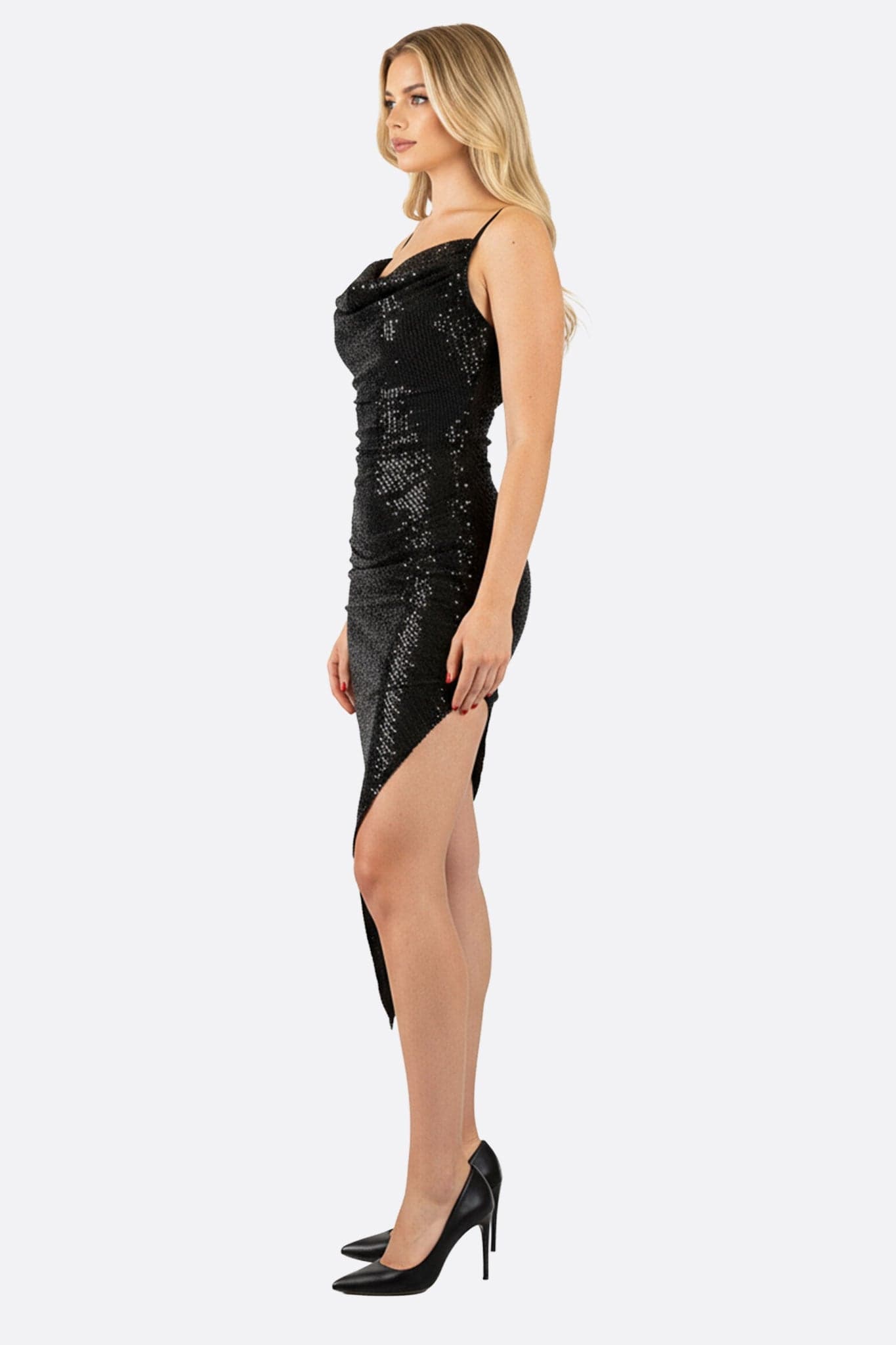
The "black-tie" dress code is the most common formal dress code for major events (galas, award ceremonies, gala dinners, inaugurations). Its central rule: floor or ankle length: a dress that stops at mid-calf or knee is out of code. The reference materials for a black-tie: duchess satin (heavy, cold sheen, structured), silk crepe (fluid, clean drape, sober), silk chiffon on lining (light but formal). The classic colors of black-tie: black, ivory, deep burgundy, midnight blue, emerald. Sequins are accepted in black-tie if they are on a dress of appropriate length. A frequent out-of-code: the midi dress with black-tie accessories: the length is insufficient regardless of the fabric.
Gala: Length, Sculptural Cut, Statement Fabric
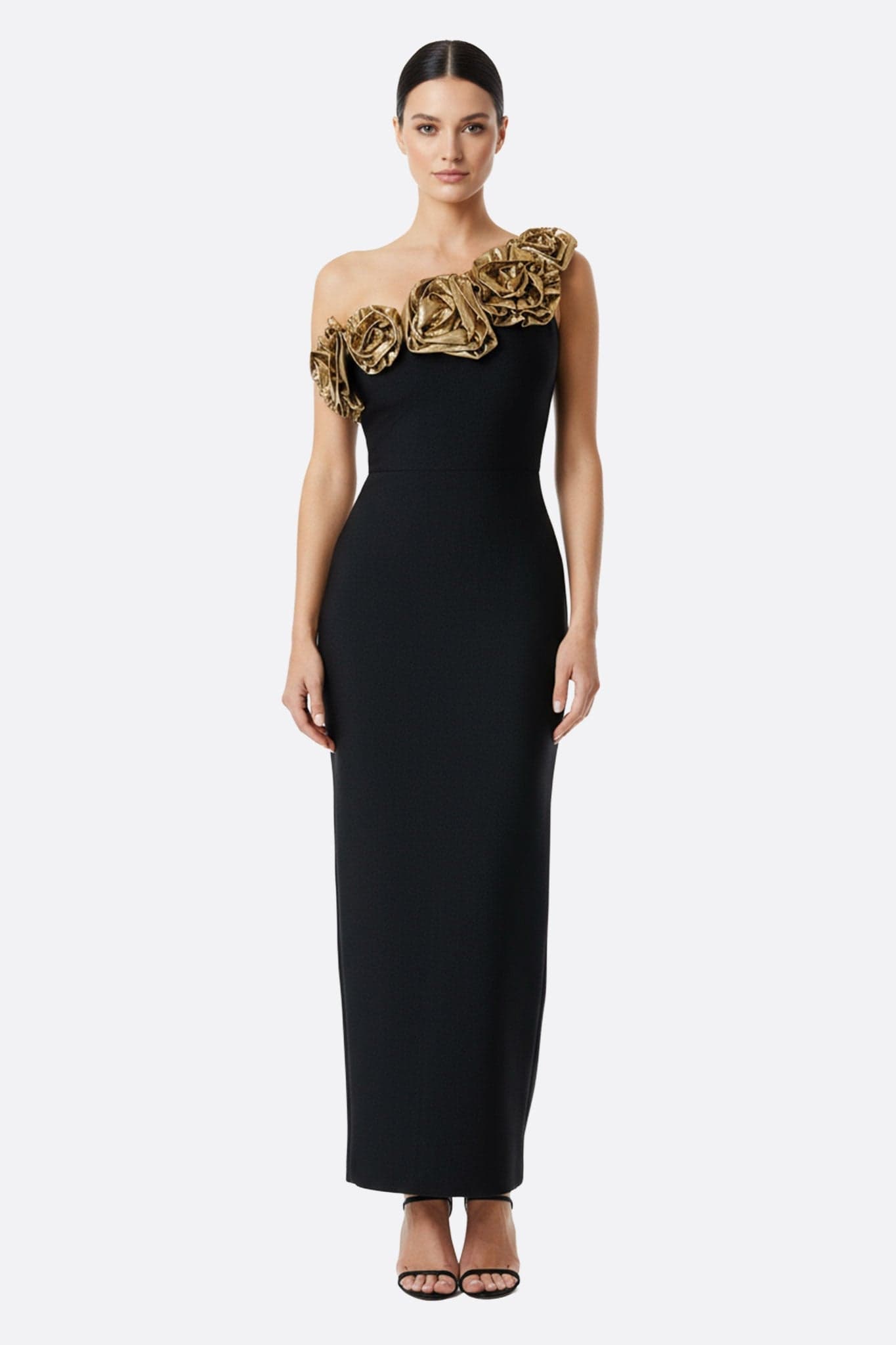
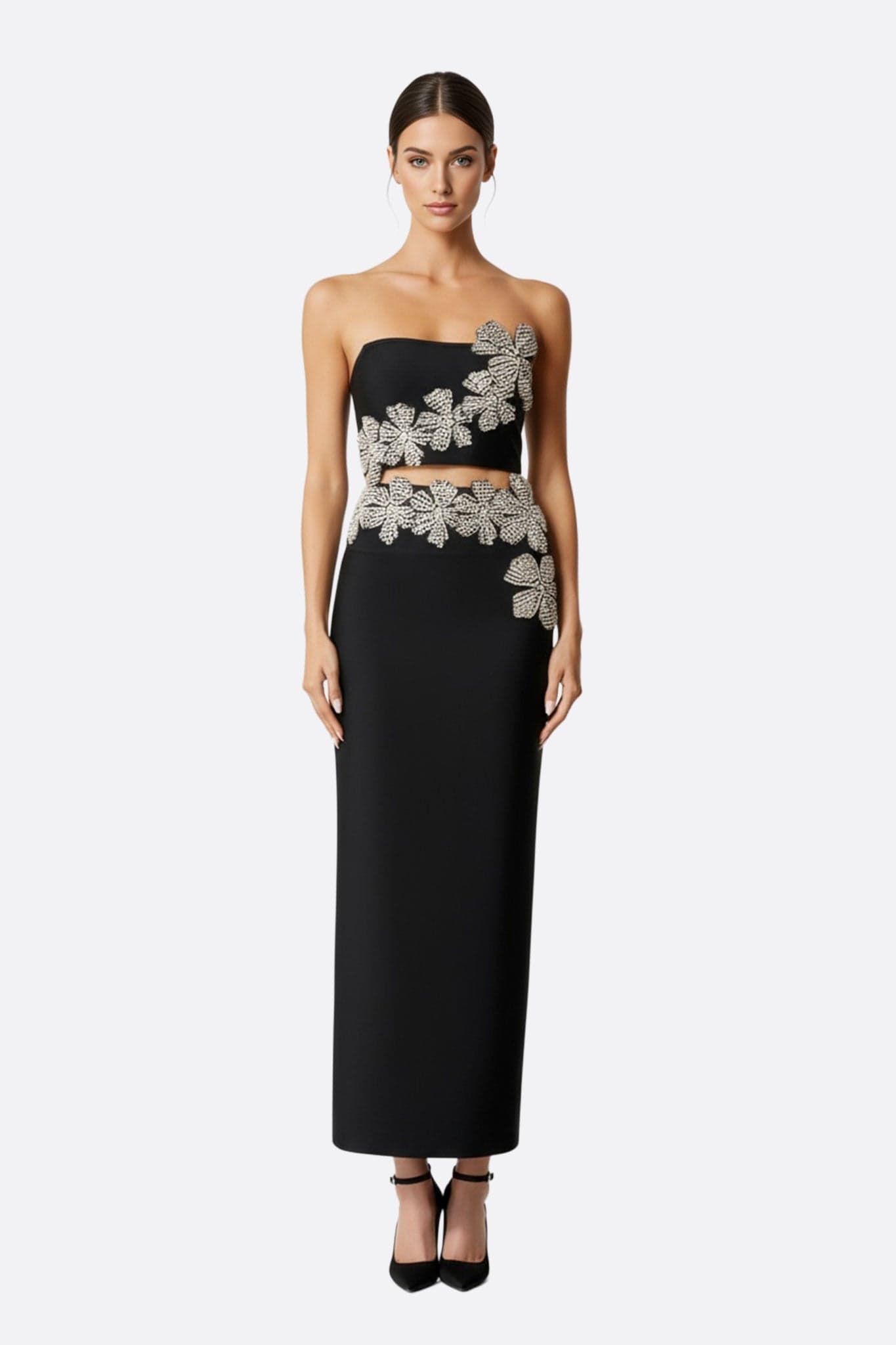
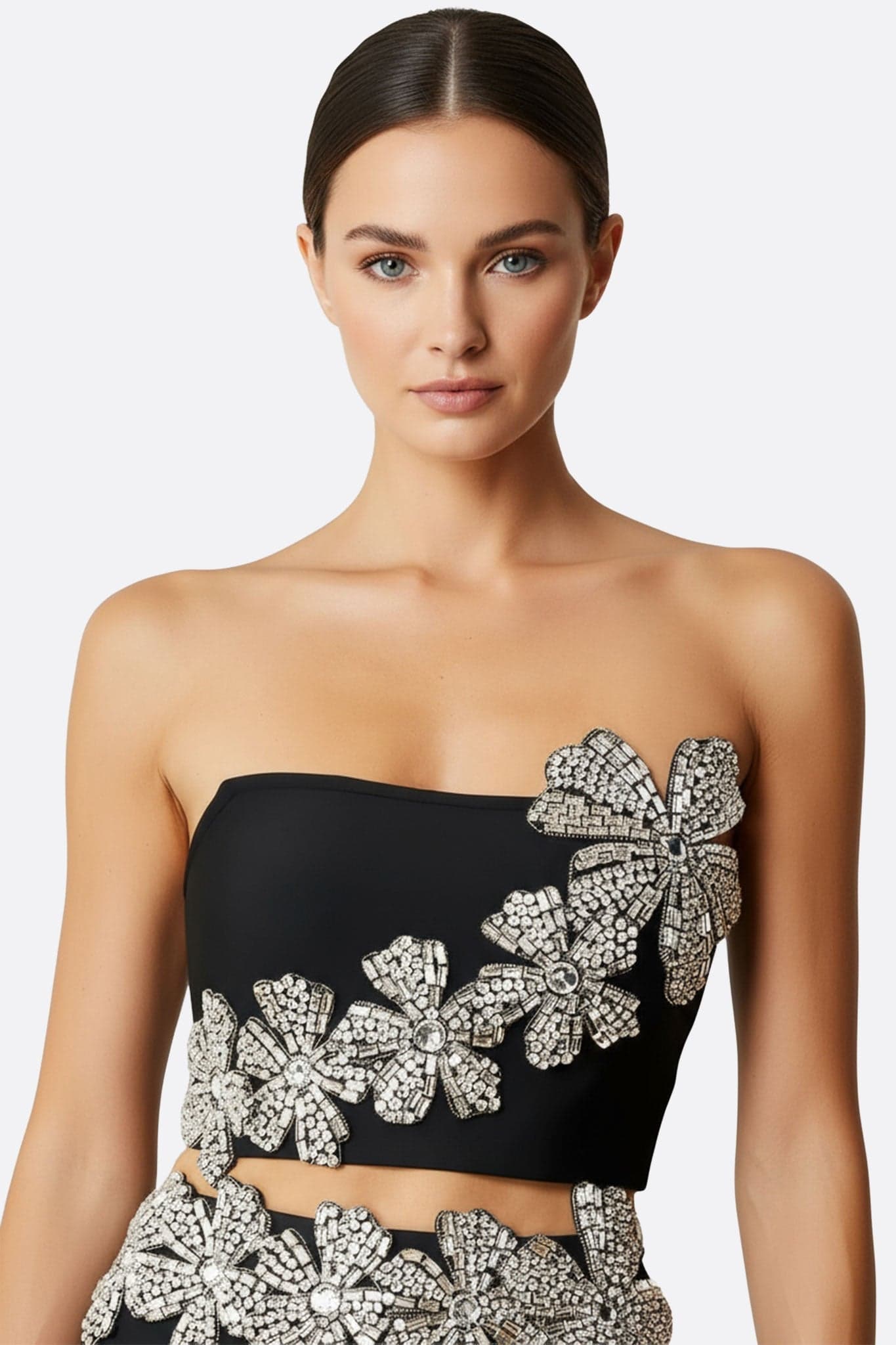
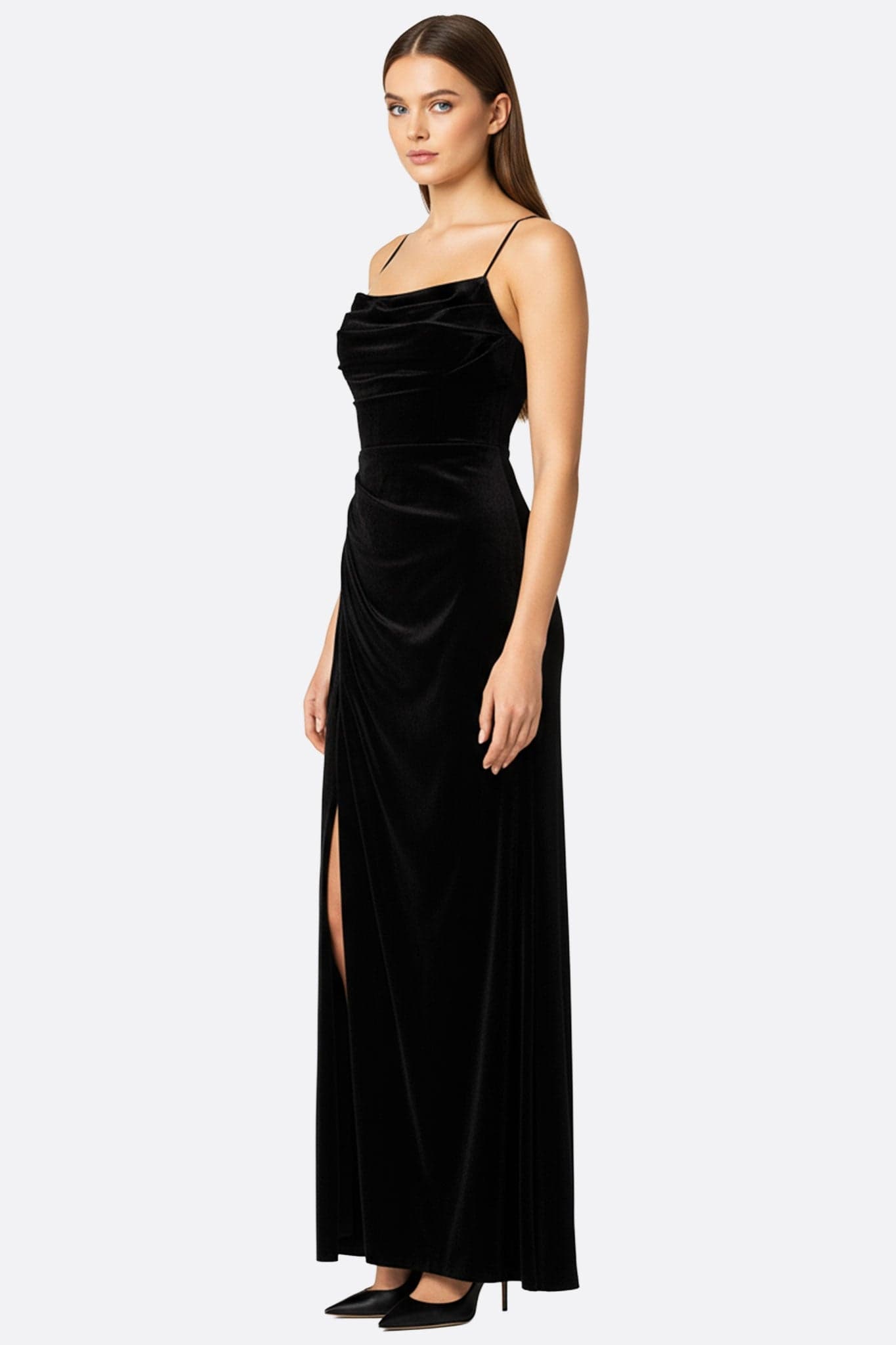
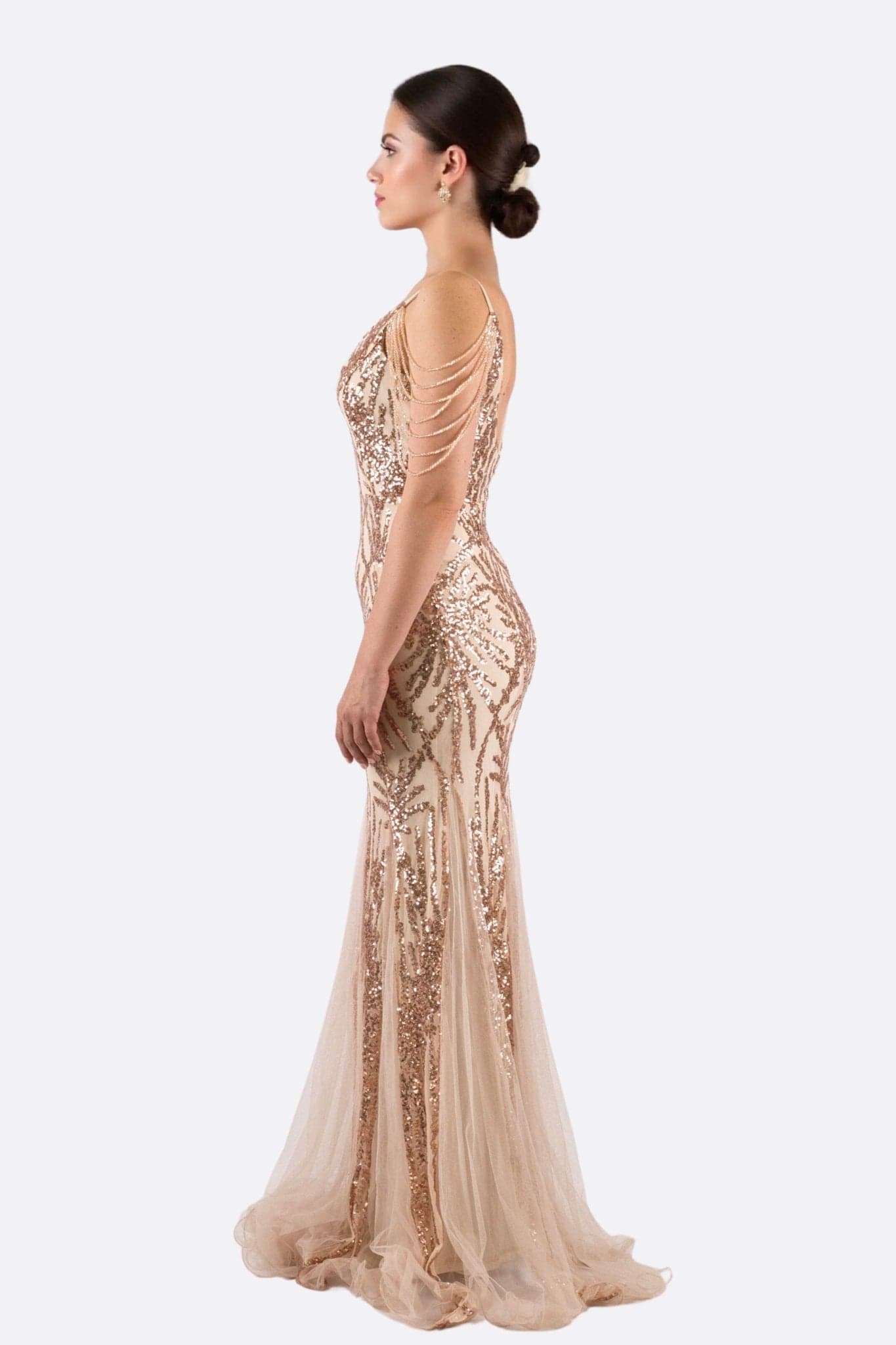
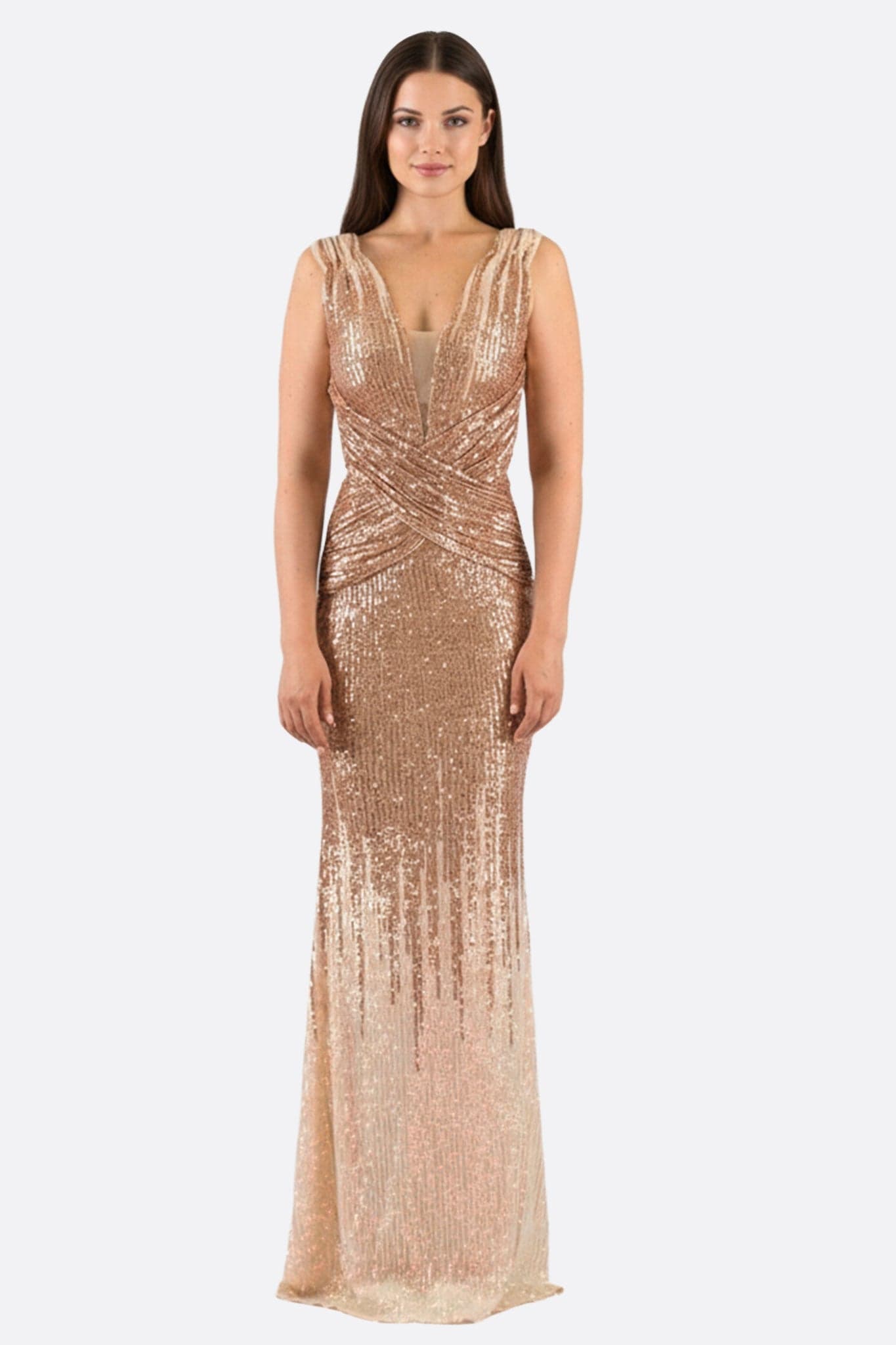
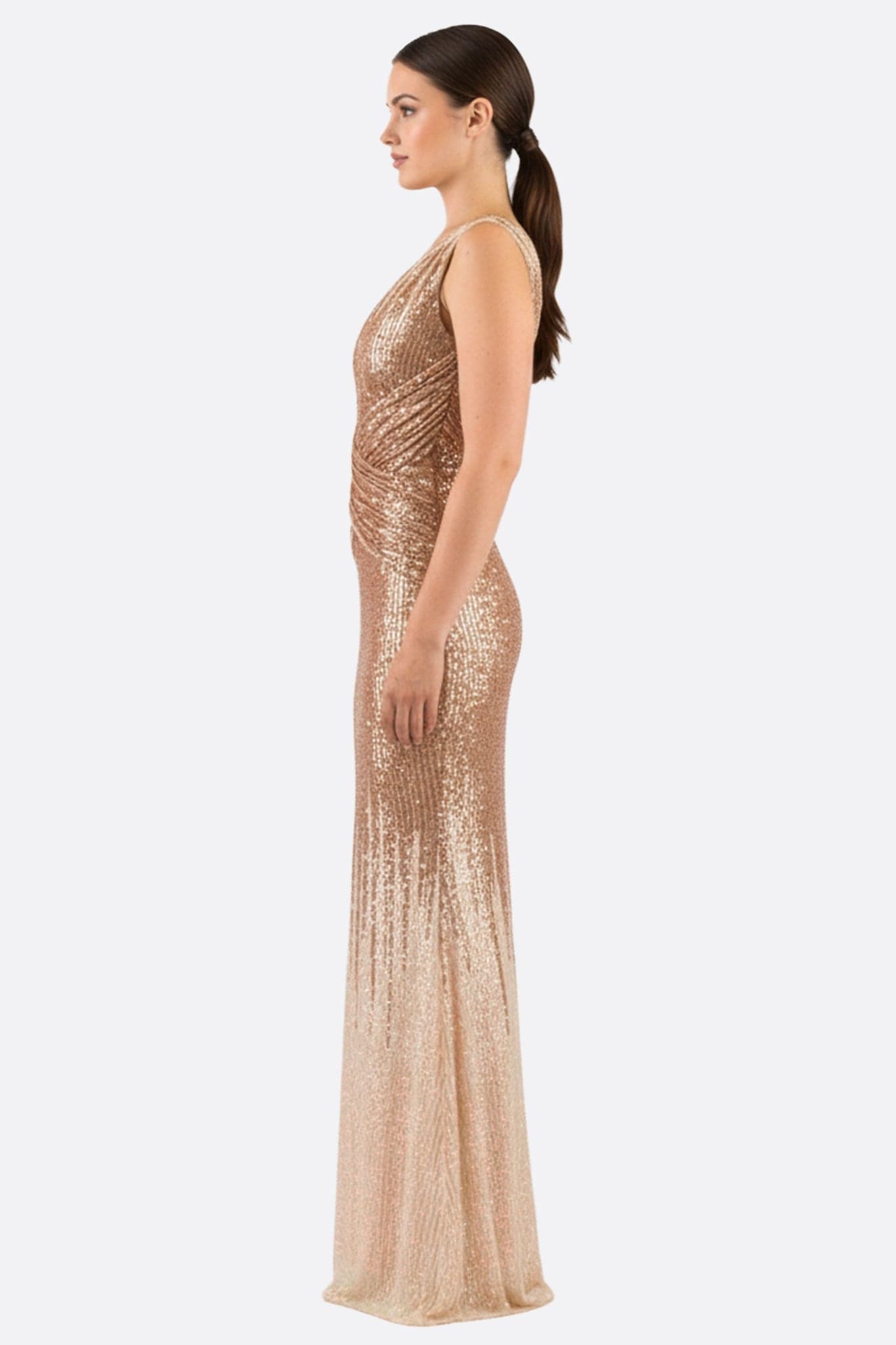
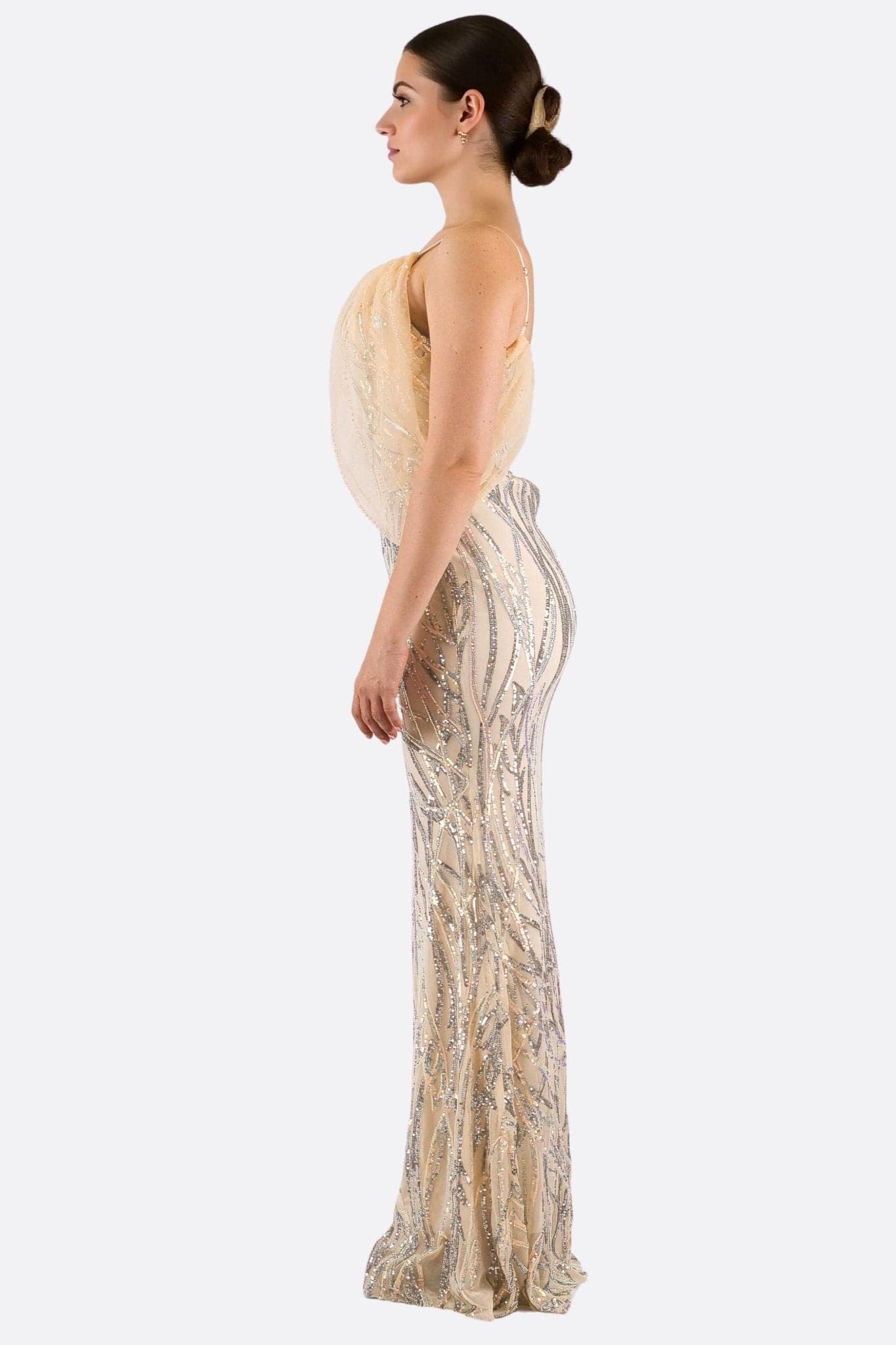
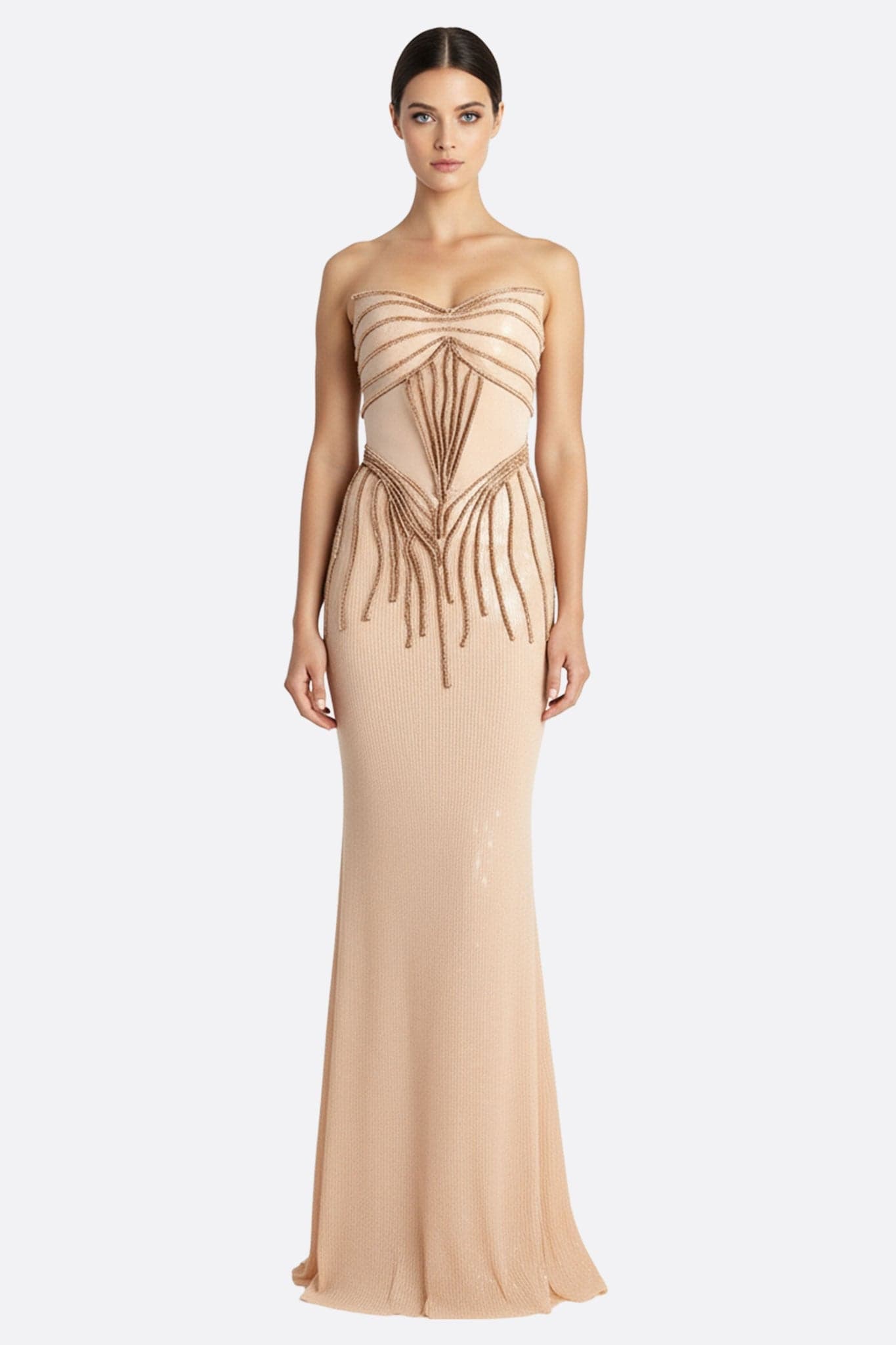
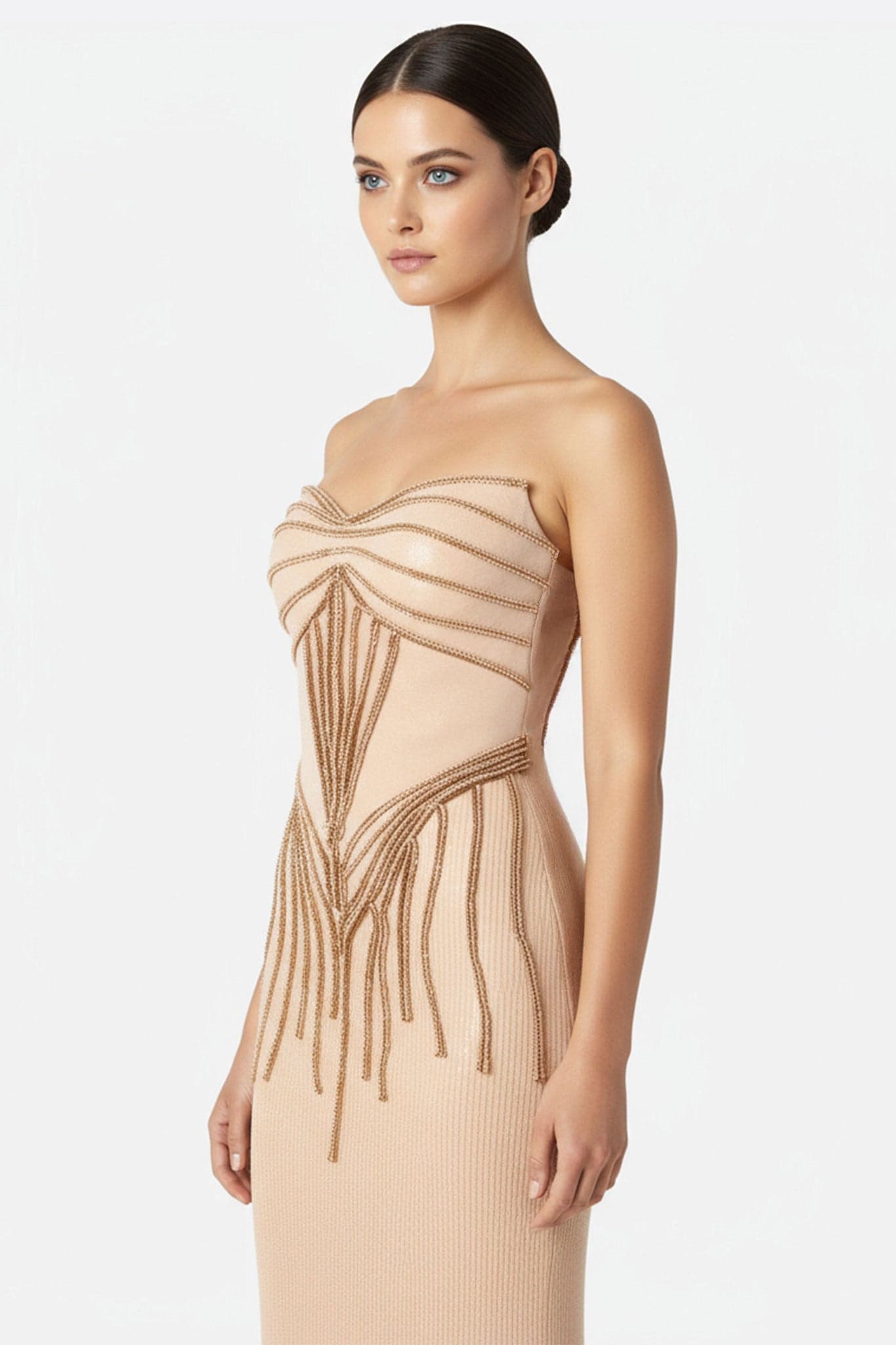
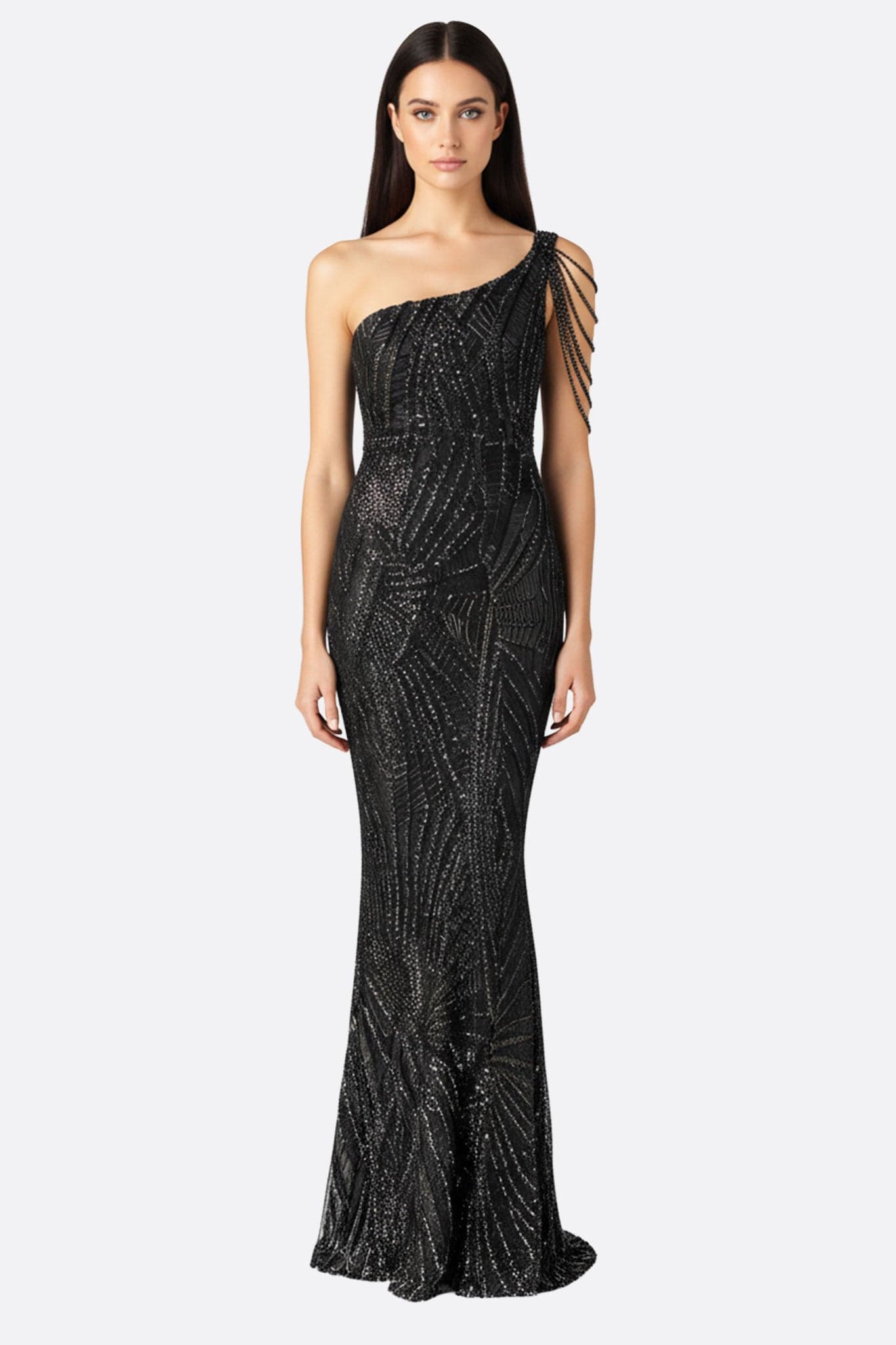
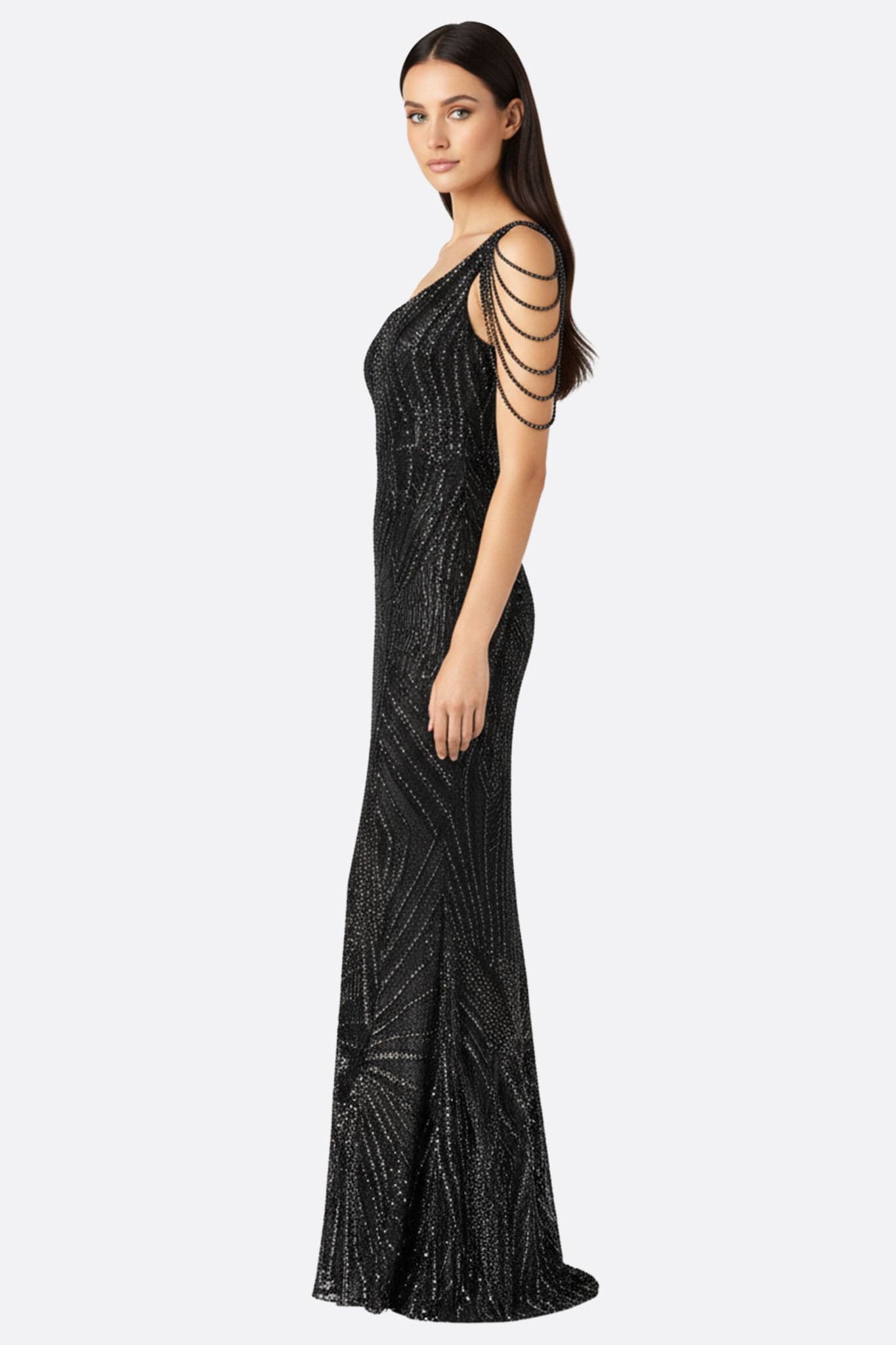
The gala is the most formal context: beyond simple black-tie, it expects an outfit that makes a visual statement. The reference cuts for a gala: mermaid (fitted to the knees, then flared: enhances the silhouette and creates an entrance effect), structured strapless (visible architecture, strapless: the neckline and shoulders are the statement), train dress (formal, theatrical, suited to large venues). Gala materials are those with high weight and pronounced sheen: velvet (300-500 g/m², shimmering effect under spotlights), duchess satin (200-250 g/m², cold and dignified sheen), mikado (rigid textured fabric, high-end couture). For a winter gala: emerald or burgundy velvet, long sleeves or backless with stole.
Floor Length: Why It's Non-negotiable in Formal Evening
Length is the first signal of formality that the eye reads before any other information (color, material, cut). A dress that stops at the knee or mid-calf, regardless of its fabric, is read as "semi-formal" or "cocktail": not as "evening". This is not an arbitrary convention: floor length creates a continuous shoulder-to-floor line that maximizes the visible dressed surface and signals "I am dressed for an exceptional occasion". A long dress in simple matte crepe communicates more formality than a short satin dress with sequins. For occasions specifying "black-tie" or "evening wear": long length is the correct interpretation.
Formal Evening Fabrics: Weight and Behavior
Duchess satin (200-250 g/m²): the heaviest and most structured satin. It holds its shape without rigid lining, does not cling to the body, cold and dignified sheen. The reference for long evening dresses and wedding attire. Velvet (300-500 g/m²): the most thermal and sculptural material: its fibers capture light differently depending on the angles and create a three-dimensionality impossible with a flat fabric. Ideal for autumn-winter galas. Silk crepe (120-180 g/m²): light but with a clean and dignified drape, anti-static. The most discreet and versatile choice for a long evening (8h+). Silk chiffon on lining: fluid, almost impalpable, suitable for long summer evening dresses. Mikado (silky jacquard fabric, rigid): high-end couture, maintains architectural shape without framework.
Evening Cuts: Mermaid, Strapless, Empire
Mermaid: fitted from the bust to the knees, then flared trumpet-style to the floor. Maximizes the body's line and creates a spectacular entrance effect. Requires a defined waist and hips to work. Structured strapless: no straps, often boned or thermoformed bust: the shoulders and neckline are the focal point. The absence of straps visually broadens the shoulders and elongates the neck. Empire (waist under the bust): fluid and draped from the high waist: flattering on all body types, particularly suited to long evenings as it is not restrictive. Backless: the back is the neckline of the long evening dress: a long dress entirely closed in front can have an open back down to the lower back, creating a progressive revelation effect.
Matching: Finding the Right Outfit According to Formality Level
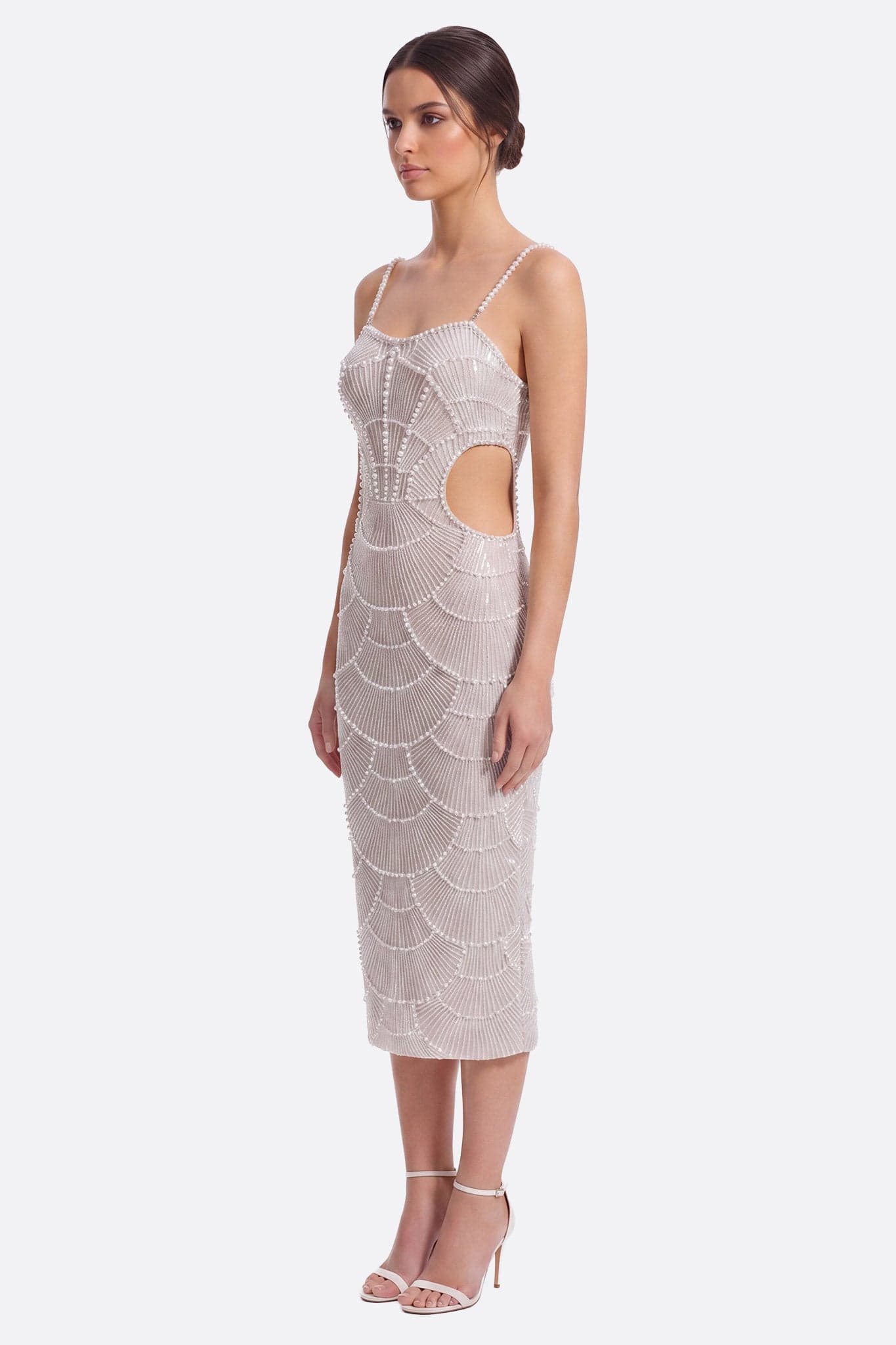
This collection covers black-tie and gala only. For a semi-formal event or cocktail dress code (5 PM-9 PM, knee to midi length): women's cocktail dress: distinct territory with its own rules of length and fabric. For long dresses in general (not only evening): long dresses. For an evening dress in satin specifically: satin dresses. For all dresses: dress collection.
FAQ: Women's Evening Dress
What length for a black-tie?
Floor or ankle length: this is the central rule of the black-tie dress code. A dress that stops at the knee or mid-calf is outside the code, regardless of its fabric or accessories. Long length is the first signal of formality that the eye reads. For a "cocktail" or "semi-formal" event, the midi dress (knee to ankle) is the appropriate length: it is not black-tie.
What is the difference between an evening dress and a cocktail dress?
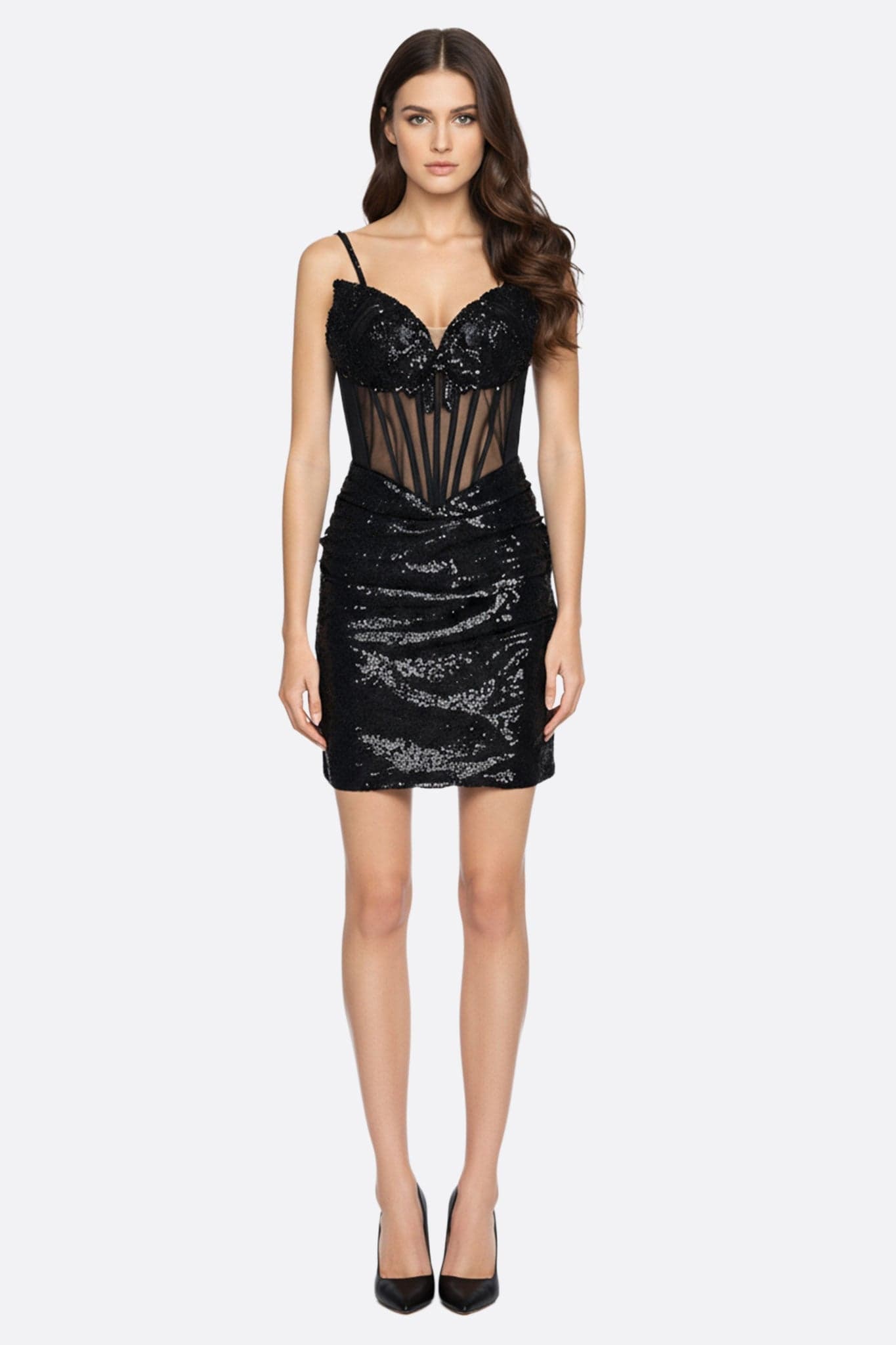
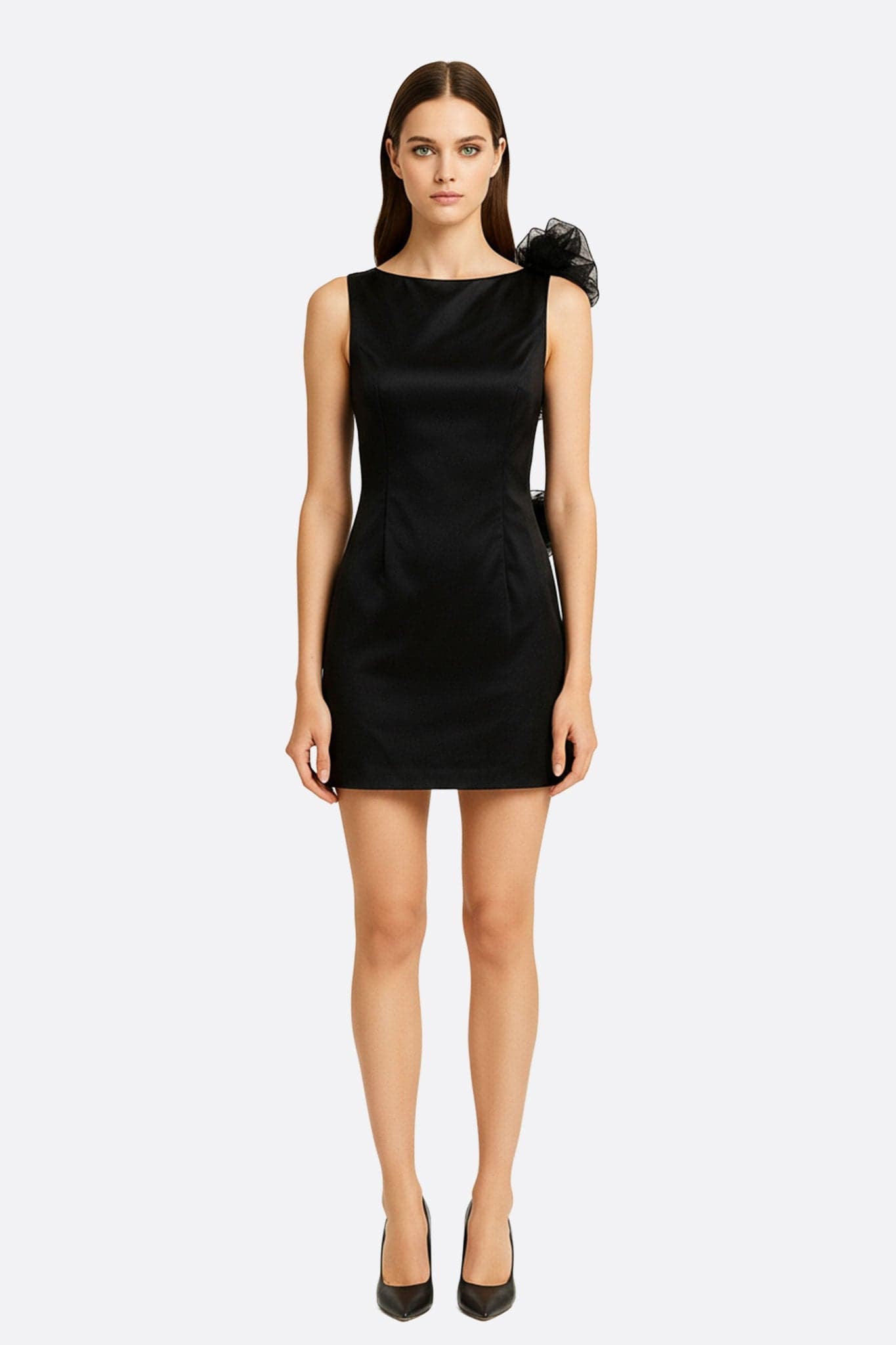
The evening dress (black-tie, gala): floor or ankle length, heavy fabric (duchess satin, velvet, silk crepe), after 8 PM in a very formal context. The cocktail dress: knee to midi length, dressy but lighter fabric, early evening events (5 PM-9 PM), semi-formal context. These are two distinct territories with different length rules: length is the main differentiation criterion.
Can you wear sequins in black-tie?
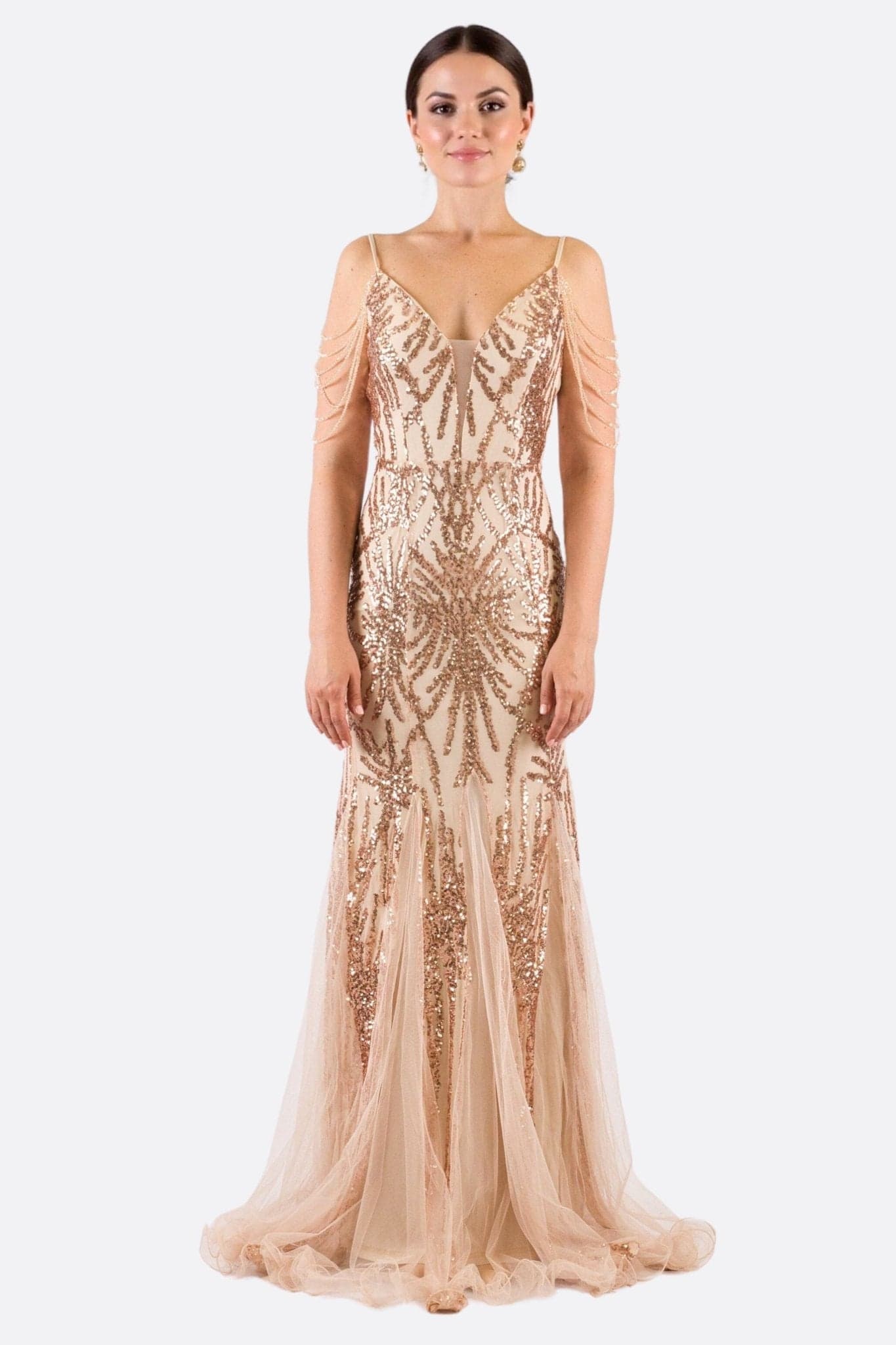
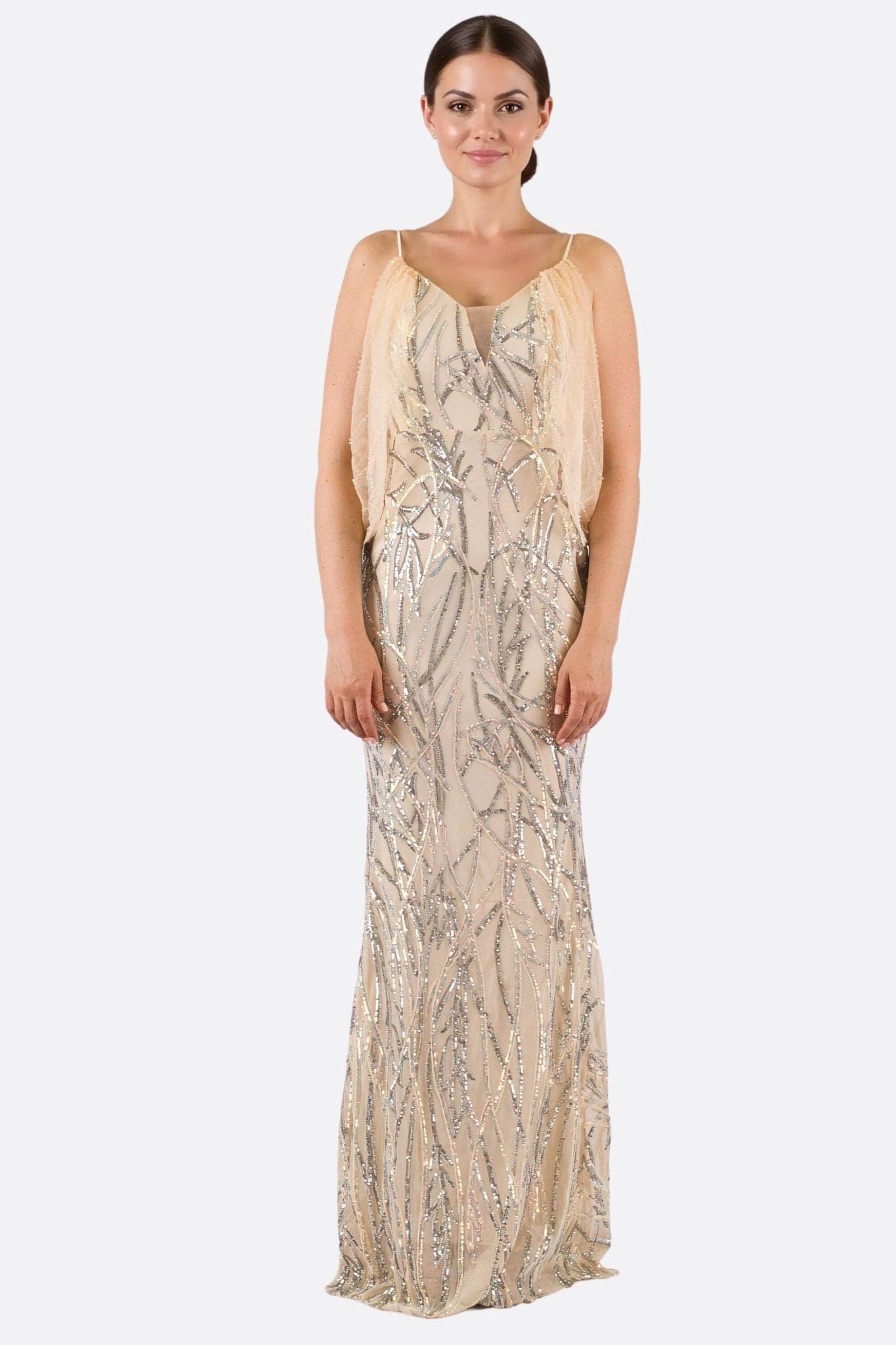
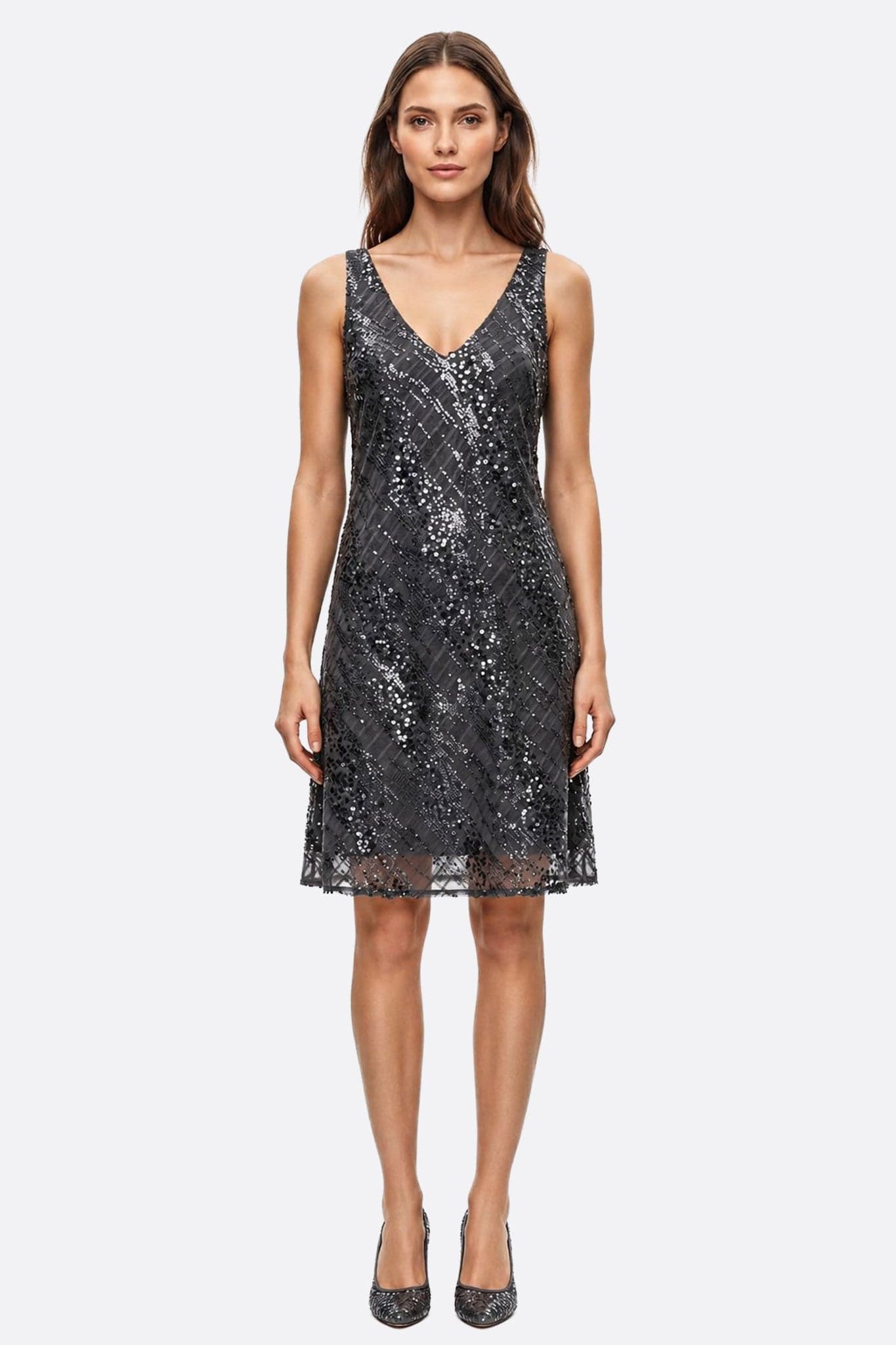
Yes: sequins are accepted in black-tie if they are on a dress of appropriate length (floor or ankle). A fully sequined short or midi dress is outside the black-tie code. The criterion is length, not the amount of sequins. A long, sober dress in matte crepe is more appropriate in black-tie than a short sequined dress.
What material for a long evening dress that lasts all night?
Silk crepe (120-180 g/m²) is the most comfortable material for an 8+ hour evening: light, neat drape, anti-static, wrinkle-resistant. Duchess satin is heavier and more structuring but can be tiring on the shoulders during a very long evening. Silk chiffon on lining is the lightest. Avoid velvet for very long evenings or very heated rooms: its warmth can become uncomfortable after several hours.